News

  • Calls for action for climate change and how to take initiative

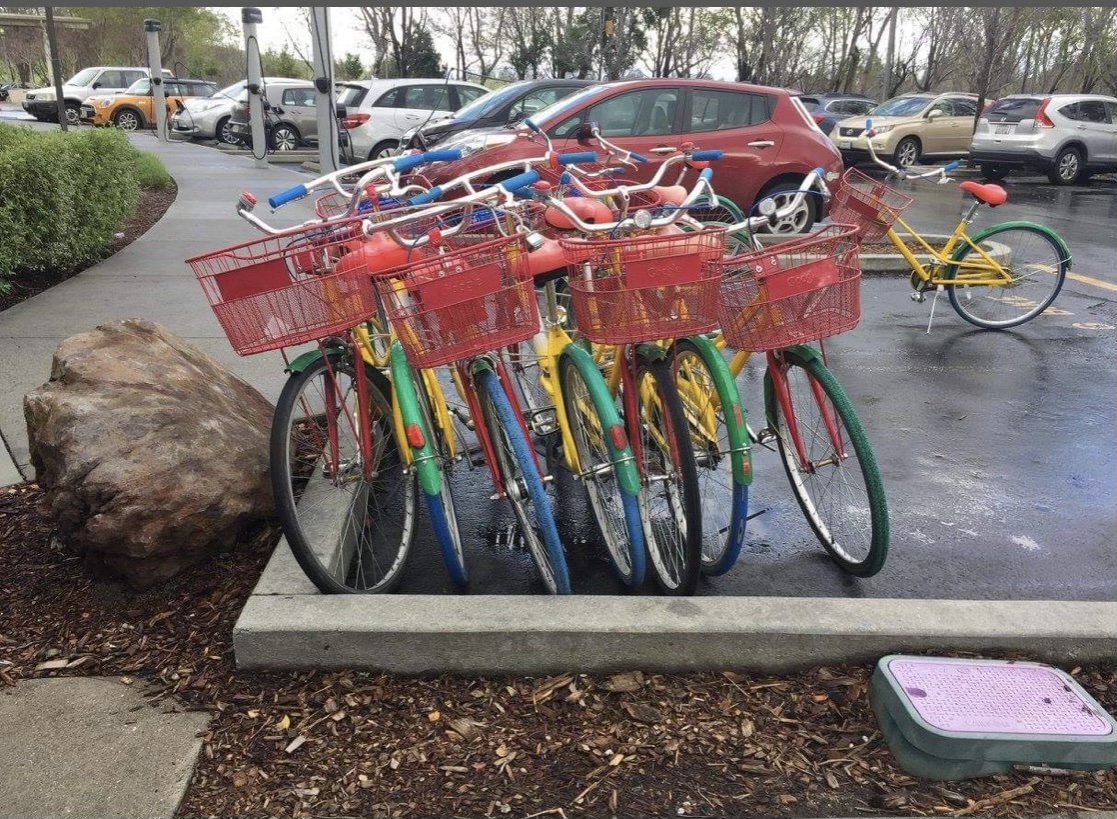
    Using public transportation or riding your bike can help reduce the impacts of climate change. At the Google offices in San Fransisco, for example, bicycles are provided to employees to use as transportation. Photo: Sam Gauthier.


    As our world warms, extreme weather events are projected to increase in frequency and/or intensity, both here in Canada and around the world. At the same time, sea levels are rising, prolonged droughts are putting pressure on food crops, and many animal and plant species are being threatened with extinction.

    It’s hard to imagine what we, as individuals, can do to resolve a problem of this scale and severity. However, there are actually many ways that we can take initiative and help mitigate the impacts of climate change: by assessing and altering our behaviour and the way we react to certain situations; through adaptation and making adjustments, decision making and transformation related to climate change problems; and through mitigation, which reduces the severity of climate change impacts.

    A great place to start is by participating in conversations about climate. Solving climate change requires us to work together, and there are many schools, businesses, youth groups and other volunteer organizations that are already taking action and working towards change for the future.  By getting involved with some of these groups, you can engage in ongoing conversations about climate that will help broaden your knowledge on climate topics. This will then allow you to initiative and engage in future conversations about climate, sharing what you have learned with others.

    Another behavioural change is to focus on how you travel. Using public transportation or riding your bike can help reduce the impacts of climate change by reducing gasoline consumption and the emissions that gas-powered vehicles produce. Altering other activities, including around your home, can also help you adapt to climate change by using energy more wisely, which in turn helps to reduce the impacts of climate change. These strategies include mitigating the effects of climate change and greenhouse gases (GHG’s) by installing solar panels or “wrapping” windows to make them more energy efficient.

    Taking initiative and making changes is both good for the environment and helps to ensure a safe and cost-effective home. To adapt properly, it is important to do some research about how climate change is most directly impacting your region, such as how the temperature is changing and the specific precipitation and windstorm events. A great website to see projected changes in our climate is climatedata.ca. We will be talking about this website in next week’s blog post.

    Climate change presents challenges for everyone and in order to reduce these risks we must adapt. Change begins with us, and there are many opportunities for individuals to adapt to these risks right in our own homes. In our upcoming blogs posts, we will discuss specific adaptation such as naturalizing your yard so it absorbs more water, retrofitting your home to better handle floods and using stronger, hail-resistant building materials.

    The researchers involved with the MEOPAR project are working to raise awareness about the impacts of climate change and how communities can effectively adapt and increase resilience to these changes. Follow along with our blog every week (written by researchers Liette Vasseur, Meredith Caspell, Bradley May, Sam Gauthier & Jocelyn Baker) to learn more about the project and how you can get involved. You can also visit our website at brocku.ca/unesco-chair or email us at [email protected]


    Categories: MEOPAR-Lincoln Blog

  • Drought stress in vineyards

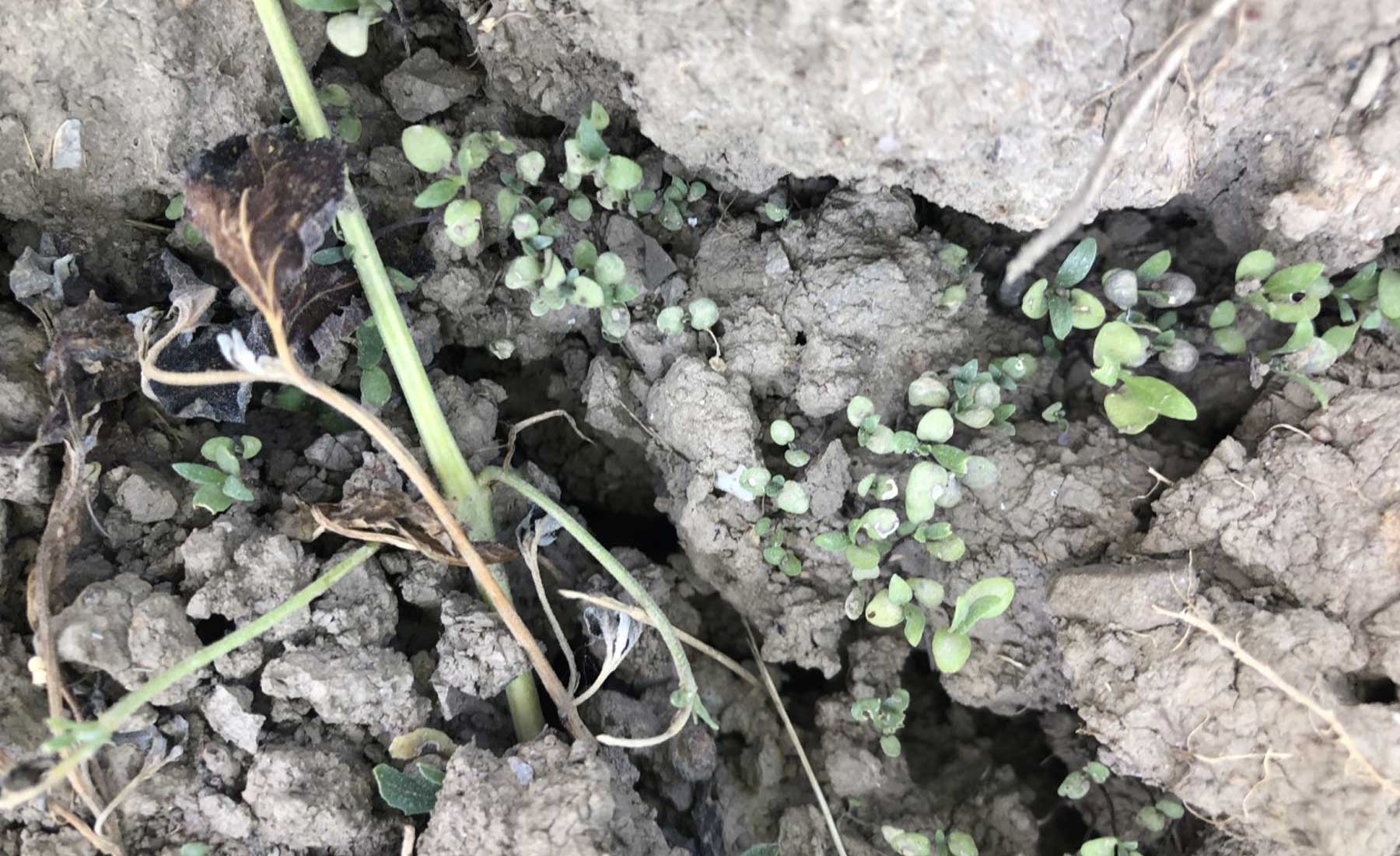
    Mid-summer drought conditions in a local Niagara vineyard can present problems not only with the vines, but also with cover crop establishment below the vines (photo: Heather VanVolkenburg).


    Nowadays, we have to face the reality of climate change. In the Niagara Region, heat waves and extended dry periods are projected to become more frequent during the growing season (July to August). Like almost all agricultural activities, viticulture (grape growing) is highly dependent on climatic conditions, meaning that such changes are increasingly making vineyard management more challenging. Drought conditions can ultimately lead to economic losses due to decreases in production and/or wine quality, for example, and understanding how vineyard managers have learned to adapt to extreme periods of drought will help to support a more sustainable system overall.

    Droughts are defined as a combination of both high temperatures and a lack of water. Extended periods of drought affect the vineyard in many ways. First, it can negatively affect the grapes’ yield by inhibiting the amount of plant photosynthesis, leading to reduced berry development if the decrease occurs early in the growing season. In addition, heat waves can drastically decrease the number of berries and clusters formed. Extended temperatures above 30°C may also result in pauses in the vine’s ability to acquire nutrients from the soil. If this happens, wine produced from those grapes may end up with high alcohol and pH levels that leave them unbalanced or “flabby.” This results in an increased risk of spoilage as well as wines with poor colour and aroma profiles. Extended dry periods may also result in changes to the soil structure — making the soil hard and clumpy, especially in clay soils ­— thus becoming more difficult to manage. Dry soil is also more prone to wind erosion due to its dusty texture.

    One of the less obvious challenges linked to drought stress is that stressed grapevines tend to attract more grape pest species. A stressed plant will have a weakened immune system, making it incapable of properly defending itself against pest attacks. Spider mites are one such species that may increase in abundance during dry periods, potentially inflicting further damage to the already stressed vines. How moisture, or lack thereof, in the vineyard is managed matters, and it is crucial for growers to understand the balance between not having enough and having too much.

    To continue the production of high-quality wines at economically accepted yields in a dryer and warmer climate, growers need to apply adaptive strategies. The choice of vine cultivars, rootstocks and adequate training systems are crucial for drought adaptation. In addition, combining other management techniques such as cover cropping and irrigation can help vineyards adapt to extreme drought conditions. Understanding how different drought management techniques work together is one of the key elements in our research and our work is to help farmers choose the best combination of management techniques that will optimize the sustainability of production at the local scale.

    This blog will be ongoing throughout the duration of the project with bi-weekly updates provided by Liette Vasseur, Heather VanVolkenburg, Kasia Zgurzynski, Habib Ben Kalifa, and Diana Tosato (see research team). We will be providing research activity updates as well as informative pieces that delve into agricultural concepts and important global issues as they relate to agricultural sustainability and climate change. Stay tuned for regular updates!
     

    Categories: Organic Science Cluster 3 Blog

  • Vasseur chairs session at York University’s Global Sustainable and Inclusive Internationalization Virtual Conference

    Liette Vasseur, UNESCO Chair on Community Sustainability: From Local to Global and President, Canadian Commission for UNESCO, has been chosen as the Chair for a session at the Global Sustainable and Inclusive Internationalization Virtual Conference: Reimagining Approaches in Higher Education in an era of Global Uncertainties. Hosted by York University, the conference will bring together scholars, policymakers, sustainability experts and other key stakeholders.

    Vasseur will chair Plenary Session 2: Student & professional mobility 2030 and beyond: transferability of degrees, credit transfer, refugees and immigrants
    on Thursday, January 21 at 9:30 a.m.

    Plenary Topic:
    What are the grand challenges for higher education having a mobile student community and workforce today and in the future? How can universities/colleges help create welcoming structures in receiving societies? Who is winning and who is losing through this global mobility?

    Speakers:
    Dr. Ethel Valenzuela,
     Director, Southeast Asian Ministers of Education Organization (SEAMEO) Secretariat, Thailand
    Fabio Nascimbeni, Senior Expert, UNIMED – Mediterranean Universities Union, Italy
    Sjur Bergan, Head of Education Department, Council of Europe, Belgium

    Read more about the conference

    Categories: Updates of the Chair

  • Understanding irrigation techniques in vineyards

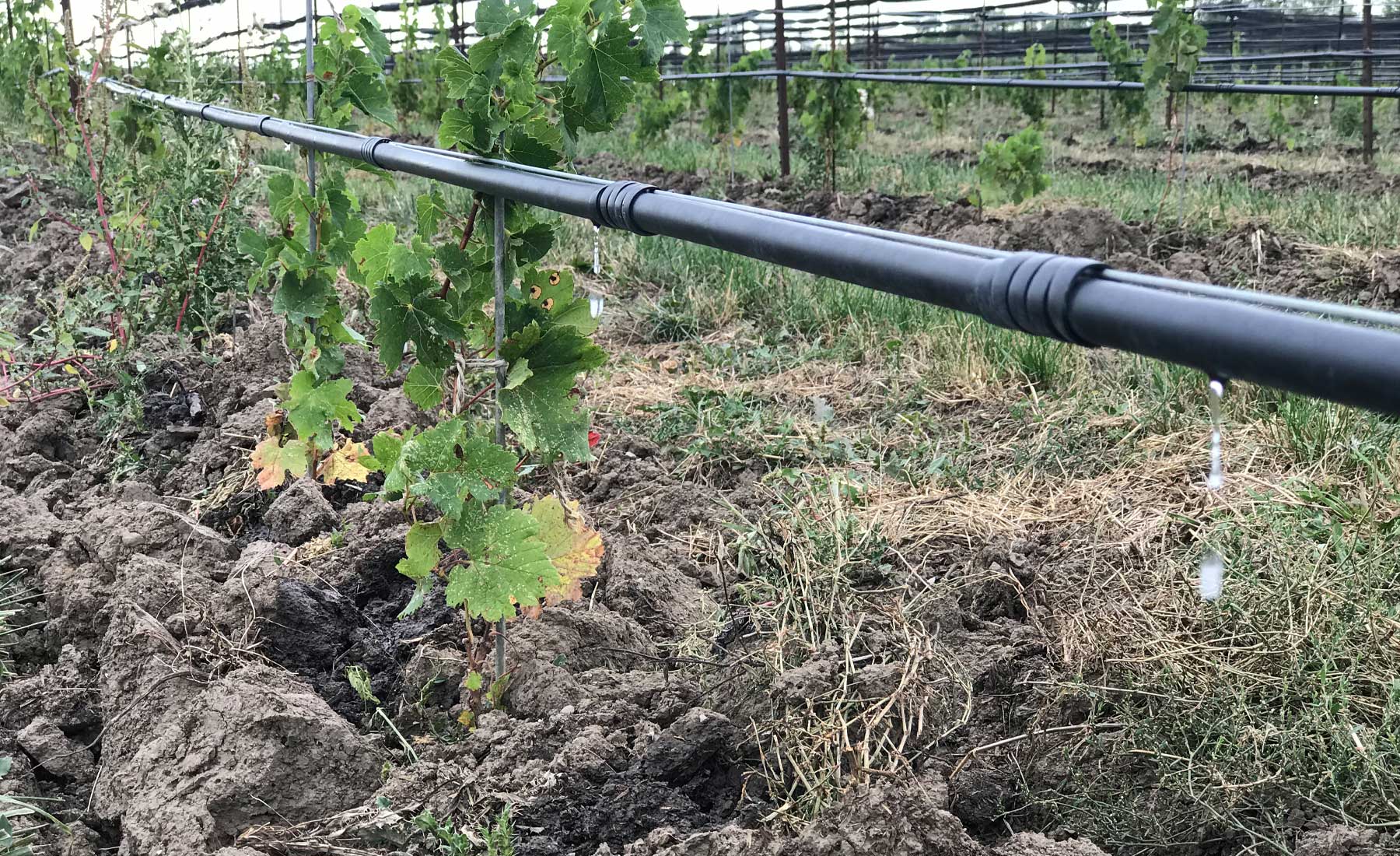
    Drip-irrigation being applied to a Niagara vineyard in late summer (photo: Kasia Zgurzynski).


    Water is essential in viticulture. How much water is made available to the vines is extremely important as it directly affects both yield and fruit quality. While rainfall is the least labour intensive and costly method of obtaining water, changes in climatic patterns can make dependence on rainfall alone a challenge. In years of prolonged drought and heat waves, water is often at a deficit, meaning that vines may not get enough water to grow properly or even to survive, depending on when this happens during the growing season. Irrigation is a solution to mitigate water stress in the vineyard.

    Irrigation is a technique by which a controlled amount of water is applied to plants. The main goal of irrigation in grape production is to apply the required quantity of water throughout the vineyard, at the correct time, so that vines do not suffer from water stress. There are several methods that can be used in irrigation, and the method chosen depends on vineyard needs such as the size of the field, topography, type of vine, etc. The three main irrigation types used in vineyards are surface irrigation, sprinkler irrigation and micro-irrigation.

    Surface irrigation, also called flood irrigation, is the oldest irrigation method that was predominately used by farmers in the past. This technique includes flooding the field so that the water moves across the surface of the vineyard and infiltrates the soil. This method is less expensive than other irrigation systems as the equipment needed is minimal and it relies on gravity for water infiltration. However, it is difficult to control uniformity in the amount of water dispersed across the field using this method. This may potentially lead to over-watered vines as well as a high amount of water being wasted due to evaporation and runoff.

    In the sprinkler irrigation technique, water from pipes that are, usually, buried underground is distributed through high-pressure sprinklers attached to pipes in various sections of the vineyard. This method is often seen in our local surroundings in the Niagara region, since it is also used to irrigate places such as gardens, parks, and football fields. This technique is more expensive than surface irrigation, but it presents a dual benefit as the equipment can also be used to reduce vine damage from frost in spring and fall. However, it is still not the best method for delivering a precise amount of water to each vine. Furthermore, even though it is better than flood irrigation in controlling waste, there is still water lost due to evaporation using this method, since the water is sprayed upwards and through the air before reaching the soil.

    Micro-irrigation, also called drip irrigation, is a method where water is distributed through distribution lines in a small, pre-determined amount to each plant in a field. Because water is delivered in a small amount and directly to each vine, evaporation and runoff are minimized. This method is the most water efficient, but it is also the most expensive. It requires the installation of a distribution system composed of a network of pipes, distribution lines, and pressure regulators. A water filtration system is also needed to prevent debris from clogging the distribution lines.

    The key to successful implementation of vineyard irrigation is to provide just enough water for the vine. In regions with low rainfall, for example, irrigation is necessary during the summer, since the vines need water most during the early stages of the growing season and during the dry seasons. After fruiting starts, irrigation must be minimized as vines need to go through a period of water stress to develop smaller grapes (thus, increasing the skin to juice ratio). However, if the water stress period is too extreme, some irrigation may still be needed. The goal is to achieve an equilibrium: neither too much water nor severe and prolonged drought. Therefore, vineyard managers need to consider how irrigation affects, and is in turn affected, by other management components applied to the system.

    In the Organic Science Cluster 3 project here at Brock University, we aim to explore sustainable management approaches to help grape growers adapt to climate change. Using organic vineyards as study locations, we are testing different combinations of three important vineyard management components: T– irrigation, cover cropping, and rootstock performance. Ultimately, our results will help us to understand how different options may support production despite the challenges presented by climate change.

    This blog will be ongoing throughout the duration of the project with bi-weekly updates provided by Liette Vasseur, Heather VanVolkenburg, Kasia Zgurzynski, Habib Ben Kalifa, and Diana Tosato (see research team). We will be providing research activity updates as well as informative pieces that delve into agricultural concepts and important global issues as they relate to agricultural sustainability and climate change. Stay tuned for regular updates!
    Categories: Organic Science Cluster 3 Blog

  • New publication: New pathways for teaching and learning: the posthumanist approach

    How can we engage all teachers and learners in thinking, feeling and being responsible for ourselves, one another, and the planet? In the new paper, New pathways for teaching and learning: the posthumanist approach, written by  Fiona Blaikie, Christine Daigle and Liette Vasseur, the authors explore embracing a posthumanist pedagogy and returning to holistic, ancestral and Indigenous ways of knowing.

    From the paper’s introduction:

    “How does one “posthuman” teach another? Applying a posthumanist approach to education involves rethinking pedagogy, knowledge production and dissemination. If there is a need to understand the world differently, we must “defamiliarize [our] mental habits” (Braidotti 2019, 77) by moving away from a humanist worldview. This worldview has not only shaped our thoughts, but also our institutions. Universities and education systems are structured around binaried teacher-learner relationships, as well as seeing disciplines and school subjects as discrete entitites with their own objects and methods of study and practices. What changes must we bring about so that we can imagine and understand the world and ourselves in new ways? A posthuman approach can change the way we value ourselves, other species, the planet, and beyond. It requires thinking about the system as a whole instead of each agent as a perfect independent entity; it requires valuing all agents and their relationality.”

    The paper was prepared for the Canadian Commission for UNESCO and can be found on its website. 
    You can also download the paper here .

    Categories: Updates of the Chair

  • Let’s Adapt to Climate Change — Adaptation Series Post 4 – Policy-based Adaptation (PbA)

    The role of the government is crucial for encouraging adaptation to climate change.


    Governments and the policies they draft have an important role to play in supporting the efforts that all sectors of society make to adapt to climate change.

    Policy-based Adaptation (PbA) involves the integration of climate change adaptation into various local, regional, provincial, and national policies for sustainable investments, actions and development. PbA becomes very important in the context of the agricultural sector because addressing climatic variability through policies can impact both food production and food security.

    Governments play a crucial role in encouraging adaptation to climate change through policies and incentives. They also offer services such as cost-benefit analysis of adaptation options, information and database management for climate data, extension activities, the undertaking of risk and vulnerability assessments and the provision of technical and financial support to monitor and contain pests, weeds and invasive species. Integration of the top-down and bottom-up policy approaches to climate change adaptation have been found to be the most effective for the agricultural sector.

    Local participation is key to the long-term success of any policy implementation, but there is also the need to consider all options and approaches in order to adapt to climate change. Adaption is context-specific and localized to fit to each unique situation, and doing so will ensure the mitigation of the negative impacts of climate change to the agricultural sector.

    The researchers involved with the MEOPAR project are working to raise awareness about the impacts of climate change and how communities can effectively adapt, and increase resilience, to these changes. Follow along with our blog every week (written by researchers Liette Vasseur, Meredith DeCock, Bradley May, Pulkit Garg, Sam Gauthier & Jocelyn Baker) to learn more about the project and how you can get involved. You can also visit our website at brocku.ca/unesco-chair or email us at [email protected]

    Categories: MEOPAR-Lincoln Blog

  • Let’s Adapt to Climate Change — Adaptation Series Post 3: Community-based Adaptation (CbA)

    Locally relevant research and partnerships with academic institutions, MEOPAR Focus Group Meetings involving a co-construction approach, and partnerships with organizations like the ALUS Foundation are relevant CbA strategies to cope with climate change.


    Over the last few weeks, the MEOPAR team has focused on ecosystem-based adaptation (EbA) and technology-based adaptation (TbA) options for Niagara in its blog posts. Since the role of communities is crucial in enabling action, today’s blog post will shed some light on some of the various community-based adaptation (CbA) strategies that have been found to be promising for Niagara’s agricultural sector.

    CbA is an adaptation approach that involves the participation of everyone in a community in all the steps of the adaptation process, from planning to implementation, with or without the help of external resources (such as researchers). It is usually referred to as a co-construction approach. CbA is based on social learning, capacity building and public engagement to define solutions that are locally appropriate and may later be integrated into various policy structures.

    CbA strategies that use the co-construction approach have been applied to cereal (wheat, barley, oats and rye), oilseed (soybean, sunflower and canola) and vegetable (cabbage, tomato, potato, onions, peas) production in Canada. Rather than policy development, a much better coping capacity to extreme events can be developed with potentially greater social acceptability and implementation by applying a bottom-up co-construction approach. The MEOPAR-Town of Lincoln Climate Change Project is, in fact, based on this approach. This participatory approach can facilitate the inclusion of Niagara farmers in adaptation planning (especially to recurring droughts and floods).

    CbA strategies can also involve the establishment of local farmers’ organizations that develop strategies to cope with climate change. These organizations can also play a critical role in the uptake and implementation of the latest technological innovations in agriculture, such as irrigation, tillage and storage.

    Other larger organizations can also help to find solutions on a local level. For example, the ALUS (Alternative Land Use Services) Foundation has been actively involved in the domain of conservation agriculture (a type of EbA) in six Canadian provinces. The Foundation aims to protect ecological services that are important in farmlands and combines CbA with EbA, in order to help farmers become more resilient.

    Institutions like Brock University, AAFC Vineland and Niagara College can also play a considerable role through extension and research collaborative activities. Research on improved climate-resilient crop varieties, multi-cropping, technological advancements and market diversification for produce, for example, has been suggested as a means for Niagara’s agricultural sector to adapt to climate change. Researchers can also help in taking a co-construction approach.

    In summary, CbA strategies are relevant to Niagara’s agricultural sector and, combined with the other adaptation approaches, can help the sector better adapt to the impacts of climate change.

    The researchers involved with the MEOPAR project are working to raise awareness about the impacts of climate change and how communities can effectively adapt and increase resilience to these changes. Follow along with our blog every week (written by researchers Liette Vasseur, Meredith DeCock, Bradley May, Pulkit Garg, Sam Gauthier & Jocelyn Baker) to learn more about the project and how you can get involved. You can also visit our website at brocku.ca/unesco-chair or email us at [email protected]


    Categories: MEOPAR-Lincoln Blog

  • Let’s Adapt to Climate Change — Adaptation Series Post 2: Technology-based Adaptation (TbA)

    Examples of TbA application – Artificial Intelligence


    Technology has the potential to help us adapt to climate change and Technology-based adaptation (TbA) strategies can support the Niagara’s agricultural sector. But what is TbA? TbA aims to maintain the resilience of various crop systems by using both traditionally available and innovative technologies. The following TbA strategies have been found most relevant to Niagara’s agricultural sector.

    Community-based weather monitoring systems provide local farmers with early forecasts and warnings of changing weather conditions so they can be better prepared to cope with weather uncertainties (e.g. in Niagara, Vine Alert is used to alert grape growers of impending frost or extreme low winter temperatures so they can turn on their wind machines and protect their crop). These systems have become popular because of their affordability and low capital and operational costs. Weather monitoring systems can be the first point of reference for farmers to accordingly shift their sowing and harvesting periods following changes in temperature and precipitation patterns. Considering Niagara’s geography and topography, decentralized community-based weather monitoring systems can be effective for improving adaptive responses.

    Integrated Nutrient Management (INM) is another very promising TbA that involves the balanced application of both natural amendments (manure, compostable wastes) and man-made fertilizers (mineral/synthetic fertilizers) to maintain healthy soils. INM can be successfully applied at both large and small-scale farms and leads to higher yields, better resistance against plant diseases, pests and droughts, especially if organic matter is added.

    Examples of TbA application – Drip Irrigation

    Drip irrigation allows for a controlled delivery of water to the root zone of plants through a system of pipes, valves, tubing and emitters. In the Niagara Region (especially in light of increasing droughts), this system has expanded, mainly in vineyards and in greenhouses.  It offers one of the most efficient water use mechanisms for agriculture with minimal waste. This may lead to increased yield and a reduction in plant diseases.  The best part is that drip irrigation can be used for the growth of both greenhouse and field crops — fruits and vegetables, in particular. Careful monitoring is required as it leads to algal growth and the build-up of sediments in pipes, which caused reduced efficiency and increases the chances of contamination. The capital cost of installation can also be prohibitive. But, with advances in research on the technology, its affordability is improving.

    Rainwater harvesting is also a very well-established TbA to reduce water shortage during droughts. Rainwater harvesting refers to the collection and transfer of rainwater from a roof to a storage tank (rain barrel or even a retention pond) for future utilization. In Ontario, retention ponds have been used for more than a century to reduce flooding and, around farmlands, to increase water availability for irrigation. One of the other positives about rainwater harvesting is that it is suitable for both greenhouse use and for field growers. On the other hand, rainwater harvesting systems have high initial capital costs and may also result in algal blooms if proper maintenance is not regularly undertaken.

    The newest TbA tactics involve the use of artificial intelligence (AI) and machine learning tactics to automate irrigation systems and make them more efficient. The application of AI makes irrigation systems very precise as the sensors collect real-time data on various parameters, like soil moisture, climate and lux (light) conditions on the farm and then release the required amount of water to the crops. Drones can also be used to precisely map the areas where irrigation or nutrients are most needed (also referred to as precision agriculture). Drones can assist with monitoring for pest outbreaks or localized flooding in some parts of the fields. With advanced sensors and research in the domain of software integration, drones are becoming increasingly popular in agriculture. AI systems offer several advantages for both greenhouse and outside growers. On the other hand, AI systems acquisition and maintenance can be expensive, and those systems require the use of highly skilled labour to operate.

    Conservation tillage can also be considered a TbA. It comprises a variety of soil preparation practices where new crops are planted on previous crop residues that have been purposely left behind on the field (about 1/3 of crop residue). Conservation tillage practices are popular because they minimize the energy required in land preparation for agriculture while improving the retention of water and organic matter that further enhances productivity. Therefore, it has been extensively applied in the growing of fruits, vegetables and grain, as well as in vineyards. Conservation tillage measures also improve an agricultural system’s coping capacity to drought and uneven rainfall by minimizing soil erosion and fuel and labour requirements. The Niagara Peninsula Conservation Authority (NPCA) has suggested conservation tillage as one of the Best Management Practices to reduce soil erosion and improve water quality in the Niagara Region.

    To sum up, an integration of traditional and innovative technologies can be promosing for the Niagara region and, when combined with any other approaches, can help enhance the resilience of our agricultural sector.

    The researchers involved with the MEOPAR project are working to raise awareness about the impacts of climate change and how communities can effectively adapt, and increase resilience, to these changes. Follow along with our blog every week (written by researchers Liette Vasseur, Meredith DeCock, Bradley May, Pulkit Garg, Sam Gauthier and Jocelyn Baker) to learn more about the project and how you can get involved. You can also visit our website at brocku.ca/unesco-chair or email us at [email protected]


    Categories: MEOPAR-Lincoln Blog

  • Let’s Adapt to Climate Change — Adaptation Series Post 1: Ecosystem-based Adaptation (EbA)

    An example of EbA application at farms – Windbreaks


    Since it began, the MEOPAR project has focused on adaptation to climate change. In our next four blogs, we will examine different approaches to adaptation, which, as a reminder, refers to any adjustment or response to reduce the negative impacts of climate change.

    In this blog, we will introduce the concept of Ecosystem-based Adaptation, or EbA for short.

    EbA encompasses the various measures that can help both the natural and human components of our ecosystems adapt to climate change. This is achieved by promoting biodiversity conversation, ecological restoration and sustainable resources management. These actions reduce vulnerability and support the development of adaptive capacity and resilience.

    The following EbA strategies have been found most relevant to Niagara’s agricultural sector:

    An example of Windbreaks used in the agricultural sector.

    Windbreaks: Planting windbreaks, or shelterbelts, is a common EbA practice that has been used by the agricultural sector (especially in Europe) for a very long time. It involves planting shrubs and trees, which can be a mix of deciduous or evergreen (single row or multi-row) crops. Windbreaks are effective as an EbA strategy against strong winds, soil erosion and snow accumulation (through the use of a living snow fence) as they obstruct and alter wind flow patterns resulting in reduced wind speeds. For Niagara, windbreaks can be useful for protecting perennial fruit crops as well as annual crops. It is important to note that windbreaks may involve capital investment and increase maintenance costs, and that the placement of them must be selected carefully in order to avoid competition for nutrients with crops.

    Integrated Pest Management (IPM): IPM involves a series of steps that includes the preparation of soil and crop planting, trapping of pests, monitoring and inspection, designing of cultural, biological and chemical controls, and record-keeping that minimizes overall economic, health and environmental risks. IPM also includes the use of pesticides, but only when there is a pest outbreak. In Ontario, IPM has been used extensively for apples (to manage black rots, blister spots, scabs, borers, moth), raspberries (to manage spur blight, cane blight, orange rust), grapes (to control parasitic nematodes), as well as most greenhouse crops. The application of IPM can help maintain ecosystem health and decrease pesticide use as well as the probability of the development of pesticide-resistant insects. In the Niagara region, institutions like Brock University, Niagara College and Niagara Orchard and Vineyard Corporation are actively involved with farmers for IPM research.

    Miscellaneous measures: Various other EbA measures have also been identified for Niagara’s agricultural system. For example, intercropping (mixed, row, strip, relay), and crop diversification, with alternate rows or plots of different crops species or varieties, can reduce pre/post-harvest losses and improve resilience to the impacts of climate change (such as higher annual rainfall, average temperatures, and droughts). Other successful EbA techniques include tile drainage, cover cropping (e.g., legumes, white clover), and drought-resistant crops (pearl millets, sorghum) for improved drought resilience and profitability. These techniques are relevant to both field (e.g., soybean and corn) and greenhouse crops. Restoring a pasture into a tallgrass prairie (a natural system originally present in the Niagara) can also help provide fodder to animals during droughts.

    EbA is based on a participatory, integrated and inclusive approach to climate change adaptation. It has the potential to reduce the vulnerability of Niagara’s agricultural system to climate change, and to contribute to the development of a more resilient farming community.

    The researchers involved with the MEOPAR project are working to raise awareness about the impacts of climate change and how communities can effectively adapt, and increase resilience, to these changes. Follow along with our blog every week (written by researchers Liette Vasseur, Meredith Caspell, Bradley May, Pulkit Garg, Sam Gauthier & Jocelyn Baker) to learn more about the project and how you can get involved. You can also visit our website at brocku.ca/unesco-chair or email us at [email protected]


    Categories: MEOPAR-Lincoln Blog

  • Shifting away from black bin use: Simple lifestyle changes to reduce your household waste

    Do you ever wonder what happens to your waste once it is picked up from your bins? Asking ourselves this on a regular basis is an important part of understanding how our actions are part of a complex problem that municipalities are working to resolve. Last week, we discussed the benefits of the new waste collection schedule for the Niagara Region. These benefits include the reduction of Green House Gases (GHG) as well as a decrease in both the amount of pollutants that leach into the environment and the amount of land required to bury our garbage. But how does this translate to action, and how can we make this shift to reduce our black bin (or garbage bin) use easier?

    As humans, we are social beings and are influenced by the actions of others. Our neighbours’ habits can impact our own, often without us even realizing it. If you see that your neighbours are shovelling their sidewalk when it snows, you are more likely to want to get out and shovel yours. The same goes for recycling and composting­ — if you believe your neighbours regularly recycle, you are more likely to do so yourself. Convenience and over-consumption are among of the biggest barriers to overcoming waste challenges. It is easy to not think about your waste because in a week or two, it will be off your property. The negative impacts of improper waste management extend beyond your curb, however. Although your waste might be out of sight and out of mind after collection day, the impacts of that waste extend beyond the local level, having global implications that continue long after it has been emptied from your bins.

    One way to begin changing your habits is to challenge yourself to use your recycling and compostable bins more frequently. The best way to do this is by tracking what you put in the garbage each day. After trying it out for a week, you may catch yourself putting waste in the wrong place!

    Here are some tips for helping reduce the waste in your black bin or bag:

    • Buy items in bulk (some stores may not allow you to bring your own containers during the pandemic, but typically, you can bring a reusable container)
    • Re-use your plastic bags, or better yet, use containers or re-usable beeswax wraps (see our creative kitchen blog post)
    • Remind yourself to choose the alternative with less packaging while shopping (buying fresh fruits and vegetables that don’t come in plastic wrap, for example)
    • Tape a reminder near your garbage can that will prompt you to think about whether your item truly belongs in the trash, or if it could be recycled or composted, instead
    • Educate yourself and your family members by using the ‘Where does it go?’ tool on the Niagara Region’s website. You simply type in any item that you you no longer want (from pizza boxes to empty laundry detergent jugs) and it will tell you which bin it goes in
    • Only buy what you truly need

    If you are a new homeowner or renter, the Region provides you with free containers for your waste, recycling, and compost! If you have been living in your dwelling for more than a year, you can still purchase containers or use other acceptable alternatives. Having a bin for each of the waste streams will set yourself up for success.

    Ontario’s zero waste goals will require collective efforts from everyone across the province. These goals include a 50 per cent waste diversion rate (that is, non-garbage material into green, blue or grey bins instead of black bins) by 2030 and a 80 per cent diversion rate by 2050. The Niagara Region can be a leader in this effort—starting with you and the actions you take in your home. When we take on more responsibility for our consumption and waste practices, we are doing our part to reduce greenhouse gas emissions while making our communities more sustainable for us all.

    The researchers involved with the MEOPAR project are working to raise awareness about the impacts of climate change and how communities can effectively adapt, and increase resilience, to these changes. Follow along with our blog every week (written by researchers Liette Vasseur, Meredith DeCock-Caspell, Bradley May, Pulkit Garg, Sam Gauthier & Jocelyn Baker) to learn more about the project and how you can get involved. You can also email us at [email protected]

    Categories: MEOPAR-Lincoln Blog