Articles from:January 2021

  • Calls for action for climate change and how to take initiative

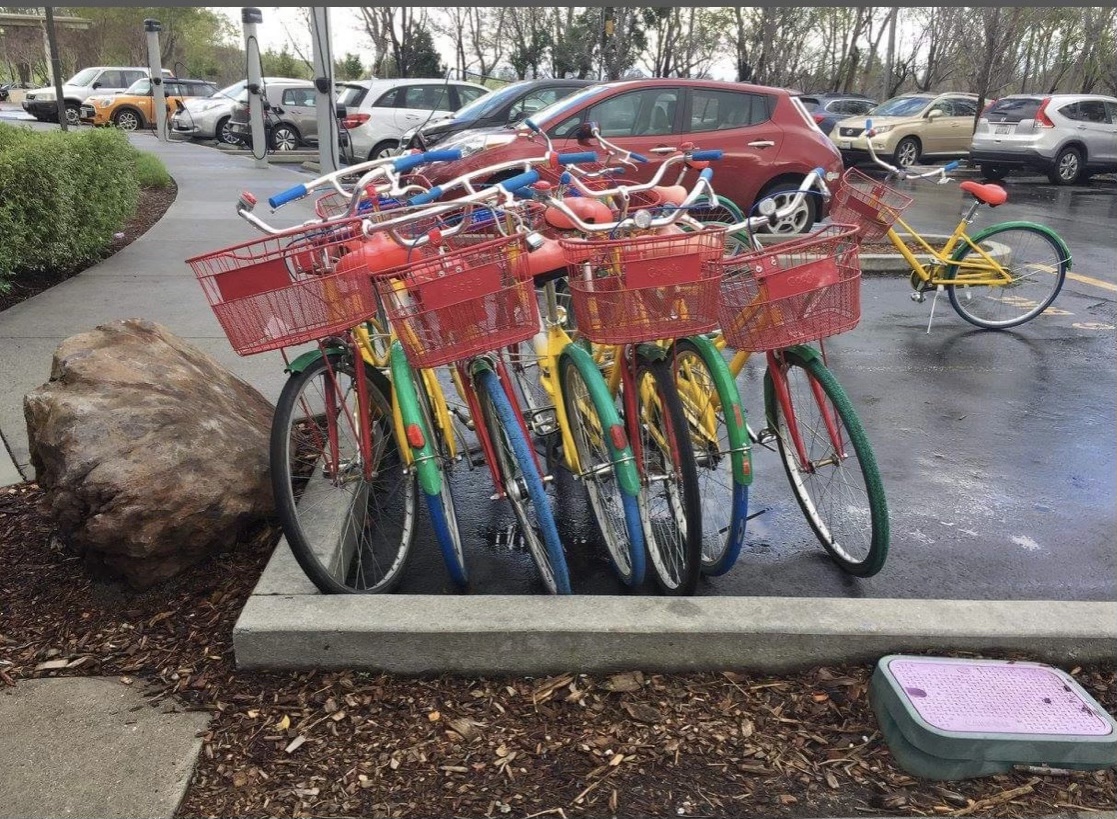
    Using public transportation or riding your bike can help reduce the impacts of climate change. At the Google offices in San Fransisco, for example, bicycles are provided to employees to use as transportation. Photo: Sam Gauthier.


    As our world warms, extreme weather events are projected to increase in frequency and/or intensity, both here in Canada and around the world. At the same time, sea levels are rising, prolonged droughts are putting pressure on food crops, and many animal and plant species are being threatened with extinction.

    It’s hard to imagine what we, as individuals, can do to resolve a problem of this scale and severity. However, there are actually many ways that we can take initiative and help mitigate the impacts of climate change: by assessing and altering our behaviour and the way we react to certain situations; through adaptation and making adjustments, decision making and transformation related to climate change problems; and through mitigation, which reduces the severity of climate change impacts.

    A great place to start is by participating in conversations about climate. Solving climate change requires us to work together, and there are many schools, businesses, youth groups and other volunteer organizations that are already taking action and working towards change for the future.  By getting involved with some of these groups, you can engage in ongoing conversations about climate that will help broaden your knowledge on climate topics. This will then allow you to initiative and engage in future conversations about climate, sharing what you have learned with others.

    Another behavioural change is to focus on how you travel. Using public transportation or riding your bike can help reduce the impacts of climate change by reducing gasoline consumption and the emissions that gas-powered vehicles produce. Altering other activities, including around your home, can also help you adapt to climate change by using energy more wisely, which in turn helps to reduce the impacts of climate change. These strategies include mitigating the effects of climate change and greenhouse gases (GHG’s) by installing solar panels or “wrapping” windows to make them more energy efficient.

    Taking initiative and making changes is both good for the environment and helps to ensure a safe and cost-effective home. To adapt properly, it is important to do some research about how climate change is most directly impacting your region, such as how the temperature is changing and the specific precipitation and windstorm events. A great website to see projected changes in our climate is climatedata.ca. We will be talking about this website in next week’s blog post.

    Climate change presents challenges for everyone and in order to reduce these risks we must adapt. Change begins with us, and there are many opportunities for individuals to adapt to these risks right in our own homes. In our upcoming blogs posts, we will discuss specific adaptation such as naturalizing your yard so it absorbs more water, retrofitting your home to better handle floods and using stronger, hail-resistant building materials.

    The researchers involved with the MEOPAR project are working to raise awareness about the impacts of climate change and how communities can effectively adapt and increase resilience to these changes. Follow along with our blog every week (written by researchers Liette Vasseur, Meredith Caspell, Bradley May, Sam Gauthier & Jocelyn Baker) to learn more about the project and how you can get involved. You can also visit our website at brocku.ca/unesco-chair or email us at [email protected]
     

    Categories: MEOPAR-Lincoln Blog

  • Drought stress in vineyards

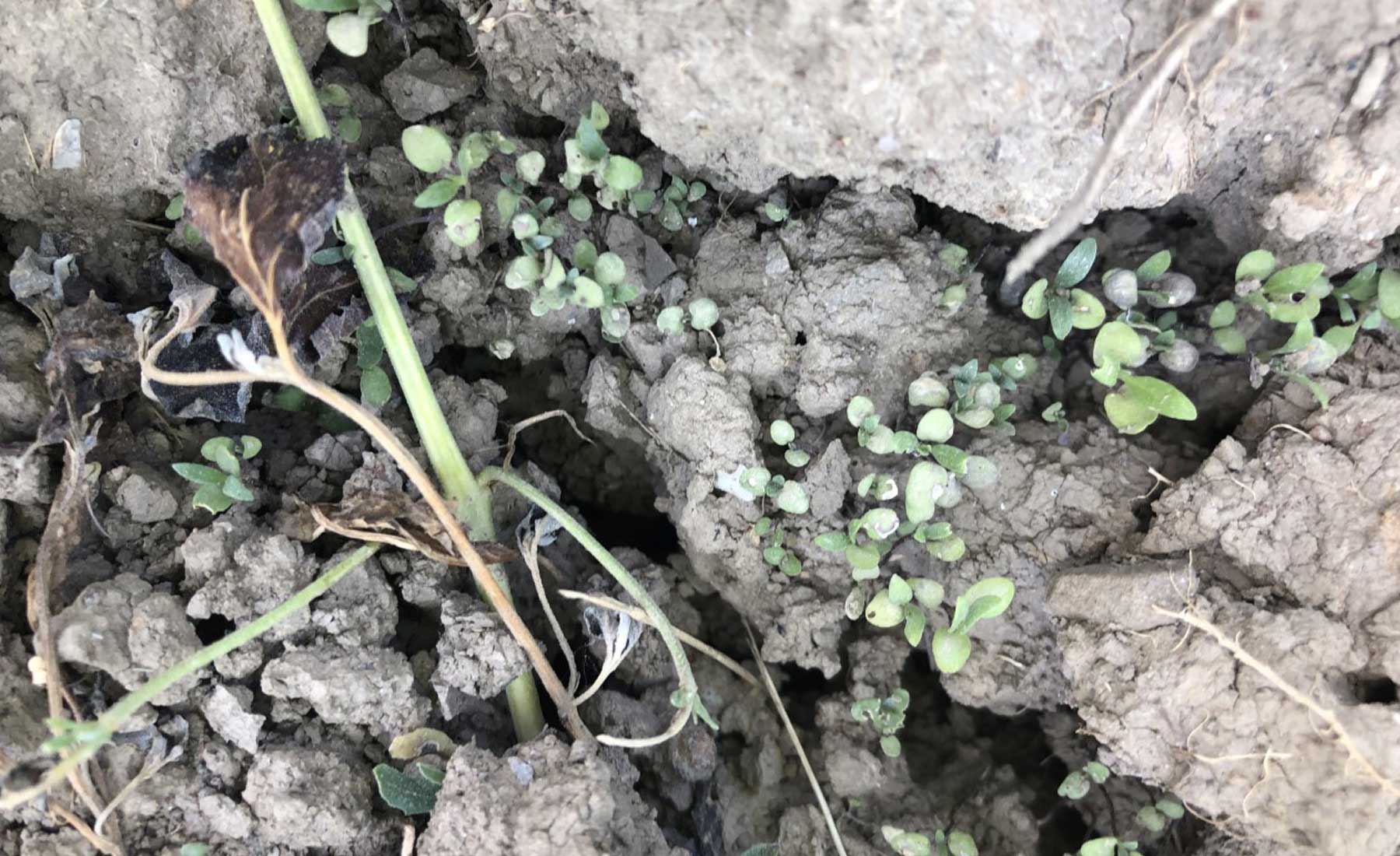
    Mid-summer drought conditions in a local Niagara vineyard can present problems not only with the vines, but also with cover crop establishment below the vines (photo: Heather VanVolkenburg).


    Nowadays, we have to face the reality of climate change. In the Niagara Region, heat waves and extended dry periods are projected to become more frequent during the growing season (July to August). Like almost all agricultural activities, viticulture (grape growing) is highly dependent on climatic conditions, meaning that such changes are increasingly making vineyard management more challenging. Drought conditions can ultimately lead to economic losses due to decreases in production and/or wine quality, for example, and understanding how vineyard managers have learned to adapt to extreme periods of drought will help to support a more sustainable system overall.

    Droughts are defined as a combination of both high temperatures and a lack of water. Extended periods of drought affect the vineyard in many ways. First, it can negatively affect the grapes’ yield by inhibiting the amount of plant photosynthesis, leading to reduced berry development if the decrease occurs early in the growing season. In addition, heat waves can drastically decrease the number of berries and clusters formed. Extended temperatures above 30°C may also result in pauses in the vine’s ability to acquire nutrients from the soil. If this happens, wine produced from those grapes may end up with high alcohol and pH levels that leave them unbalanced or “flabby.” This results in an increased risk of spoilage as well as wines with poor colour and aroma profiles. Extended dry periods may also result in changes to the soil structure — making the soil hard and clumpy, especially in clay soils ­— thus becoming more difficult to manage. Dry soil is also more prone to wind erosion due to its dusty texture.

    One of the less obvious challenges linked to drought stress is that stressed grapevines tend to attract more grape pest species. A stressed plant will have a weakened immune system, making it incapable of properly defending itself against pest attacks. Spider mites are one such species that may increase in abundance during dry periods, potentially inflicting further damage to the already stressed vines. How moisture, or lack thereof, in the vineyard is managed matters, and it is crucial for growers to understand the balance between not having enough and having too much.

    To continue the production of high-quality wines at economically accepted yields in a dryer and warmer climate, growers need to apply adaptive strategies. The choice of vine cultivars, rootstocks and adequate training systems are crucial for drought adaptation. In addition, combining other management techniques such as cover cropping and irrigation can help vineyards adapt to extreme drought conditions. Understanding how different drought management techniques work together is one of the key elements in our research and our work is to help farmers choose the best combination of management techniques that will optimize the sustainability of production at the local scale.

    This blog will be ongoing throughout the duration of the project with bi-weekly updates provided by Liette Vasseur, Heather VanVolkenburg, Kasia Zgurzynski, Habib Ben Kalifa, and Diana Tosato (see research team). We will be providing research activity updates as well as informative pieces that delve into agricultural concepts and important global issues as they relate to agricultural sustainability and climate change. Stay tuned for regular updates!


    Categories: Organic Science Cluster 3 Blog

  • Vasseur chairs session at York University’s Global Sustainable and Inclusive Internationalization Virtual Conference

    Liette Vasseur, UNESCO Chair on Community Sustainability: From Local to Global and President, Canadian Commission for UNESCO, has been chosen as the Chair for a session at the Global Sustainable and Inclusive Internationalization Virtual Conference: Reimagining Approaches in Higher Education in an era of Global Uncertainties. Hosted by York University, the conference will bring together scholars, policymakers, sustainability experts and other key stakeholders.

    Vasseur will chair Plenary Session 2: Student & professional mobility 2030 and beyond: transferability of degrees, credit transfer, refugees and immigrants
    on Thursday, January 21 at 9:30 a.m.

    Plenary Topic:
    What are the grand challenges for higher education having a mobile student community and workforce today and in the future? How can universities/colleges help create welcoming structures in receiving societies? Who is winning and who is losing through this global mobility?

    Speakers:
    Dr. Ethel Valenzuela,
     Director, Southeast Asian Ministers of Education Organization (SEAMEO) Secretariat, Thailand
    Fabio Nascimbeni, Senior Expert, UNIMED – Mediterranean Universities Union, Italy
    Sjur Bergan, Head of Education Department, Council of Europe, Belgium

    Read more about the conference

    Categories: Updates of the Chair

  • Understanding irrigation techniques in vineyards

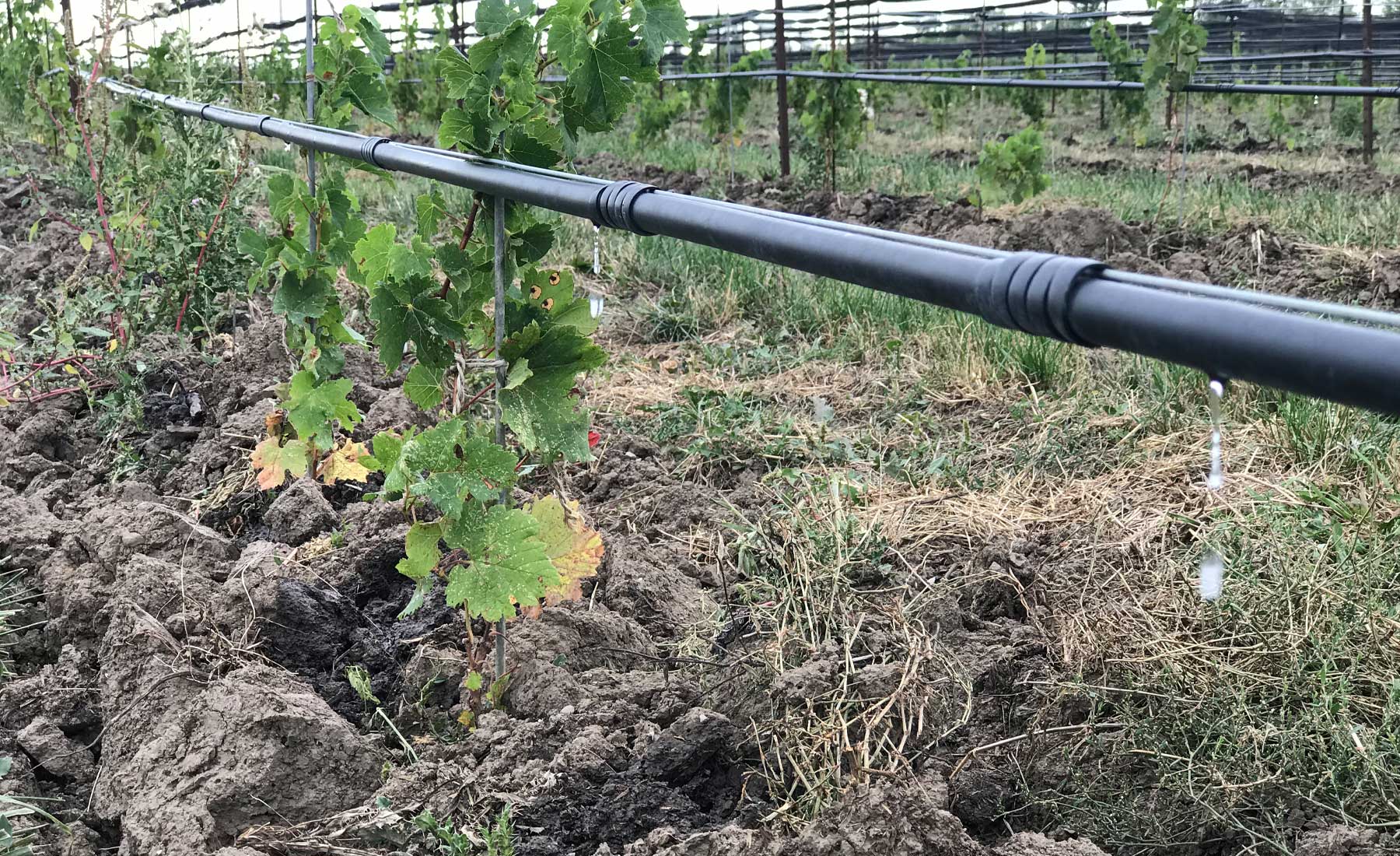
    Drip-irrigation being applied to a Niagara vineyard in late summer (photo: Kasia Zgurzynski).


    Water is essential in viticulture. How much water is made available to the vines is extremely important as it directly affects both yield and fruit quality. While rainfall is the least labour intensive and costly method of obtaining water, changes in climatic patterns can make dependence on rainfall alone a challenge. In years of prolonged drought and heat waves, water is often at a deficit, meaning that vines may not get enough water to grow properly or even to survive, depending on when this happens during the growing season. Irrigation is a solution to mitigate water stress in the vineyard.

    Irrigation is a technique by which a controlled amount of water is applied to plants. The main goal of irrigation in grape production is to apply the required quantity of water throughout the vineyard, at the correct time, so that vines do not suffer from water stress. There are several methods that can be used in irrigation, and the method chosen depends on vineyard needs such as the size of the field, topography, type of vine, etc. The three main irrigation types used in vineyards are surface irrigation, sprinkler irrigation and micro-irrigation.

    Surface irrigation, also called flood irrigation, is the oldest irrigation method that was predominately used by farmers in the past. This technique includes flooding the field so that the water moves across the surface of the vineyard and infiltrates the soil. This method is less expensive than other irrigation systems as the equipment needed is minimal and it relies on gravity for water infiltration. However, it is difficult to control uniformity in the amount of water dispersed across the field using this method. This may potentially lead to over-watered vines as well as a high amount of water being wasted due to evaporation and runoff.

    In the sprinkler irrigation technique, water from pipes that are, usually, buried underground is distributed through high-pressure sprinklers attached to pipes in various sections of the vineyard. This method is often seen in our local surroundings in the Niagara region, since it is also used to irrigate places such as gardens, parks, and football fields. This technique is more expensive than surface irrigation, but it presents a dual benefit as the equipment can also be used to reduce vine damage from frost in spring and fall. However, it is still not the best method for delivering a precise amount of water to each vine. Furthermore, even though it is better than flood irrigation in controlling waste, there is still water lost due to evaporation using this method, since the water is sprayed upwards and through the air before reaching the soil.

    Micro-irrigation, also called drip irrigation, is a method where water is distributed through distribution lines in a small, pre-determined amount to each plant in a field. Because water is delivered in a small amount and directly to each vine, evaporation and runoff are minimized. This method is the most water efficient, but it is also the most expensive. It requires the installation of a distribution system composed of a network of pipes, distribution lines, and pressure regulators. A water filtration system is also needed to prevent debris from clogging the distribution lines.

    The key to successful implementation of vineyard irrigation is to provide just enough water for the vine. In regions with low rainfall, for example, irrigation is necessary during the summer, since the vines need water most during the early stages of the growing season and during the dry seasons. After fruiting starts, irrigation must be minimized as vines need to go through a period of water stress to develop smaller grapes (thus, increasing the skin to juice ratio). However, if the water stress period is too extreme, some irrigation may still be needed. The goal is to achieve an equilibrium: neither too much water nor severe and prolonged drought. Therefore, vineyard managers need to consider how irrigation affects, and is in turn affected, by other management components applied to the system.

    In the Organic Science Cluster 3 project here at Brock University, we aim to explore sustainable management approaches to help grape growers adapt to climate change. Using organic vineyards as study locations, we are testing different combinations of three important vineyard management components: T– irrigation, cover cropping, and rootstock performance. Ultimately, our results will help us to understand how different options may support production despite the challenges presented by climate change.

    This blog will be ongoing throughout the duration of the project with bi-weekly updates provided by Liette Vasseur, Heather VanVolkenburg, Kasia Zgurzynski, Habib Ben Kalifa, and Diana Tosato (see research team). We will be providing research activity updates as well as informative pieces that delve into agricultural concepts and important global issues as they relate to agricultural sustainability and climate change. Stay tuned for regular updates!

    Categories: Organic Science Cluster 3 Blog

  • New publication: New pathways for teaching and learning: the posthumanist approach

    How can we engage all teachers and learners in thinking, feeling and being responsible for ourselves, one another, and the planet? In the new paper, New pathways for teaching and learning: the posthumanist approach, written by  Fiona Blaikie, Christine Daigle and Liette Vasseur, the authors explore embracing a posthumanist pedagogy and returning to holistic, ancestral and Indigenous ways of knowing.

    From the paper’s introduction:

    “How does one “posthuman” teach another? Applying a posthumanist approach to education involves rethinking pedagogy, knowledge production and dissemination. If there is a need to understand the world differently, we must “defamiliarize [our] mental habits” (Braidotti 2019, 77) by moving away from a humanist worldview. This worldview has not only shaped our thoughts, but also our institutions. Universities and education systems are structured around binaried teacher-learner relationships, as well as seeing disciplines and school subjects as discrete entitites with their own objects and methods of study and practices. What changes must we bring about so that we can imagine and understand the world and ourselves in new ways? A posthuman approach can change the way we value ourselves, other species, the planet, and beyond. It requires thinking about the system as a whole instead of each agent as a perfect independent entity; it requires valuing all agents and their relationality.”

    The paper was prepared for the Canadian Commission for UNESCO and can be found on its website. 
    You can also download the paper here .

    Categories: Updates of the Chair