Articles from:December 2025

  • Seasonal Wisdom: Planting with the Rhythms of Niagara

    Contributors: Mike Hallé and Liette Vasseur

    The following is a blog related to an ongoing Urban biodiversity project. 

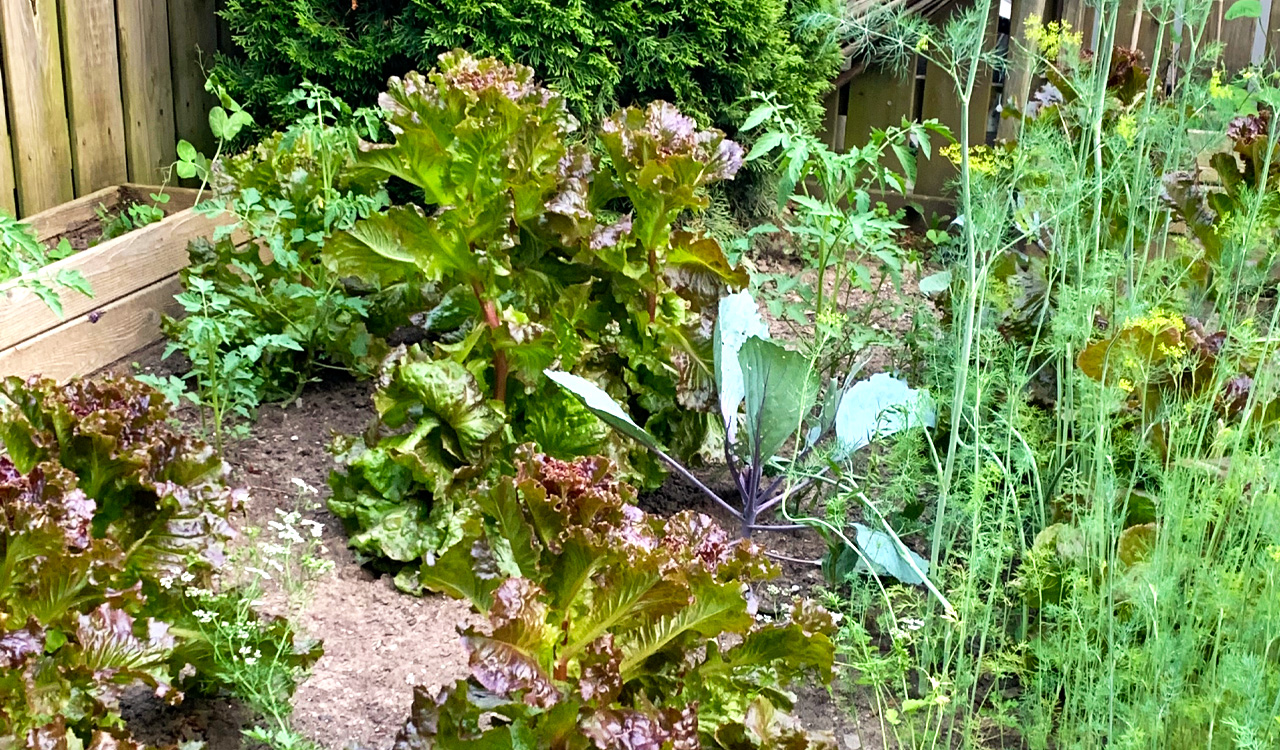
    The rhythm of nature never rushes. It unfolds in quiet cycles of dormancy, renewal, and bloom — a wisdom that gardeners and farmers in Niagara have learned to follow for generations. The seasons are our teachers: they tell us when to plant, when to rest, and when to give back to the soil that sustains us.

    In Niagara, the escarpment and the lake winds temper our climate and create gentle micro-zones. Spring invites soil preparation and early pollinator plantings; summer celebrates full growth and community harvests; autumn calls for saving seeds and enriching compost; and winter reminds us to pause, observe, and plan.

    Simple ways to plant with the seasons:

    • Start small, think local. Choose native species adapted to Niagara’s soil and climate. They thrive without excessive watering or chemical support. And most come back year after year as they are perennial.
    • Follow natural cues. When dandelions bloom, it’s time to sow lettuce. When lilacs open, it’s warm enough for beans and cucumbers to be planted.
    • Feed the soil in fall. Returning leaves to the earth closes the nutrient loop for spring.
    • Rest in winter. Use this time for seed exchanges, tool repair, and learning from one another.

    Across the region, more residents are aligning gardens and farms with ecological time. Community plots in Fort Erie rotate crops by lunar phase; educational gardens in St. Catharines teach children how pollinators depend on seasonal blooms; wineries track phenology — the timing of bud burst and leaf fall — as a climate indicator. These small acts of observation rebuild a cultural rhythm that modern life often forgets.

    Planting with the seasons is more than gardening — it’s partnership. It restores balance between people and place, reminding us that sustainability begins by listening to nature’s steady beat.

    Many good local websites exist that can help such as:

    NOTL’s Environmental stewardship, biodiversity and nature webpage and the NPCA’s Guide to Native Plants

    References & Other Links:

    • Niagara Peninsula Conservation Authority – Seasonal Native Planting Guide.
    • Ontario Horticultural Society (2024): Gardening by the Seasons in Southern Ontario.
    Categories: Biodiversity in Urban Centres Blog

  • Soil as Story: Healthy Ground, Healthy Communities

    Contributors: Mike Hallé and Liette Vasseur

    The following is a blog related to an ongoing Urban biodiversity project. 

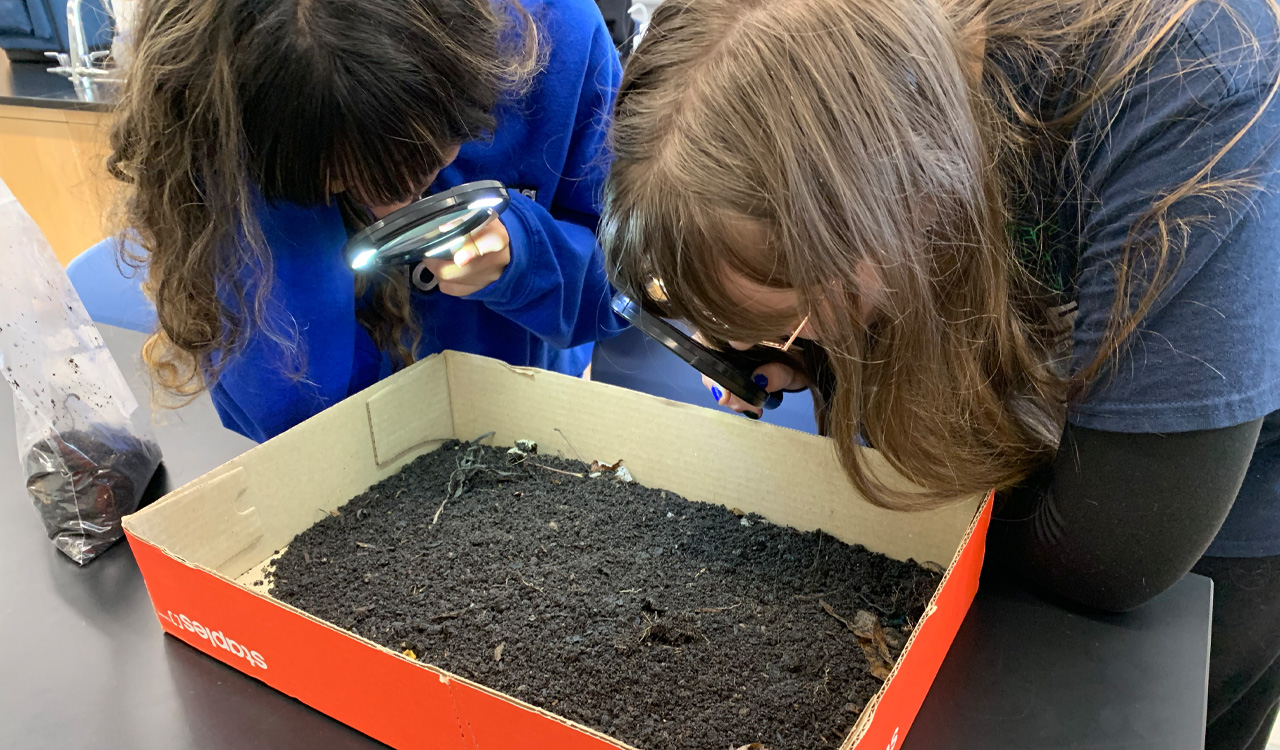
    If you listen closely to the ground beneath your feet, it tells a story — one of slow creation, quiet labour, and constant renewal. Every handful of soil is alive with characters we rarely see bacteria and fungi passing nutrients along intricate networks; worms loosening and aerating the earth; roots exchanging chemical signals that shape their shared environment. Healthy soil isn’t just dirt. It is a living infrastructure that sustains food, biodiversity, water cycles, and community well-being.

    In Niagara, our vineyards, farms, community plots, and backyard gardens all depend on this unseen world. Decades of intensive agriculture, pavement expansion, and soil compaction have challenged its resilience — yet pockets of renewal continue to emerge. Community gardens are rebuilding topsoil through composting programs; local wineries are experimenting with under-vine cover crops; and biosphere reserve partners are testing nature-based approaches to soil restoration. These efforts share a common philosophy: feed the soil, and the soil will feed us.

    One of the simplest ways to rebuild healthy ground is to return organic matter to the earth. Compost, leaf mulch, and woody debris restore structure, retain moisture, and help store carbon underground. Between planting seasons, cover crops such as clover, rye, and vetch keep roots active and protect against erosion. Native plants — with deep, tenacious root systems — help loosen compacted soil, support pollinators, and bring biodiversity back into urban and rural spaces alike. Avoiding chemical quick fixes ensures that soil ecosystems remain balanced, resilient, and self-renewing over the long term.

    Across the country, a growing movement is embracing soil care as an essential part of climate adaptation. Municipal composting programs are diverting organic waste from landfills and returning nutrients to local green spaces. Schools are integrating soil science into outdoor classrooms, helping students understand the connection between healthy ground and healthy communities. Urban greening projects are restoring degraded soils in parks and boulevards using organic amendments, native plantings, and natural mulches. These approaches reflect a shared recognition that regenerating soil is one of the most accessible climate solutions available to everyday citizens.

    Niagara can continue to build its own identity within this national movement. From cropland soil-management research to community seed libraries, from pollinator pathways to backyard compost programs, the region already holds many threads of a more regenerative future. Strengthening them — and sharing the stories behind them — invites more residents to participate in soil stewardship.

    Healthy soil begins with awareness. We can start small: compost kitchen scraps, plant a cover crop, avoid unnecessary tilling, or join a local garden. Each action adds a line to the living story beneath our feet, written not by machines or policies, but by the hands and hearts of people who care for the earth.

    December 5 is World Soil Day: a good time to reflect on the importance of our soils.

    Categories: Biodiversity in Urban Centres Blog