Biodiversity in Urban Centres Blog

  • Water is Life: Rain gardens, barrels and bioswales

    Contributors: Mike Hallé and Liette Vasseur

    The following is a blog related to an ongoing Urban biodiversity project. 

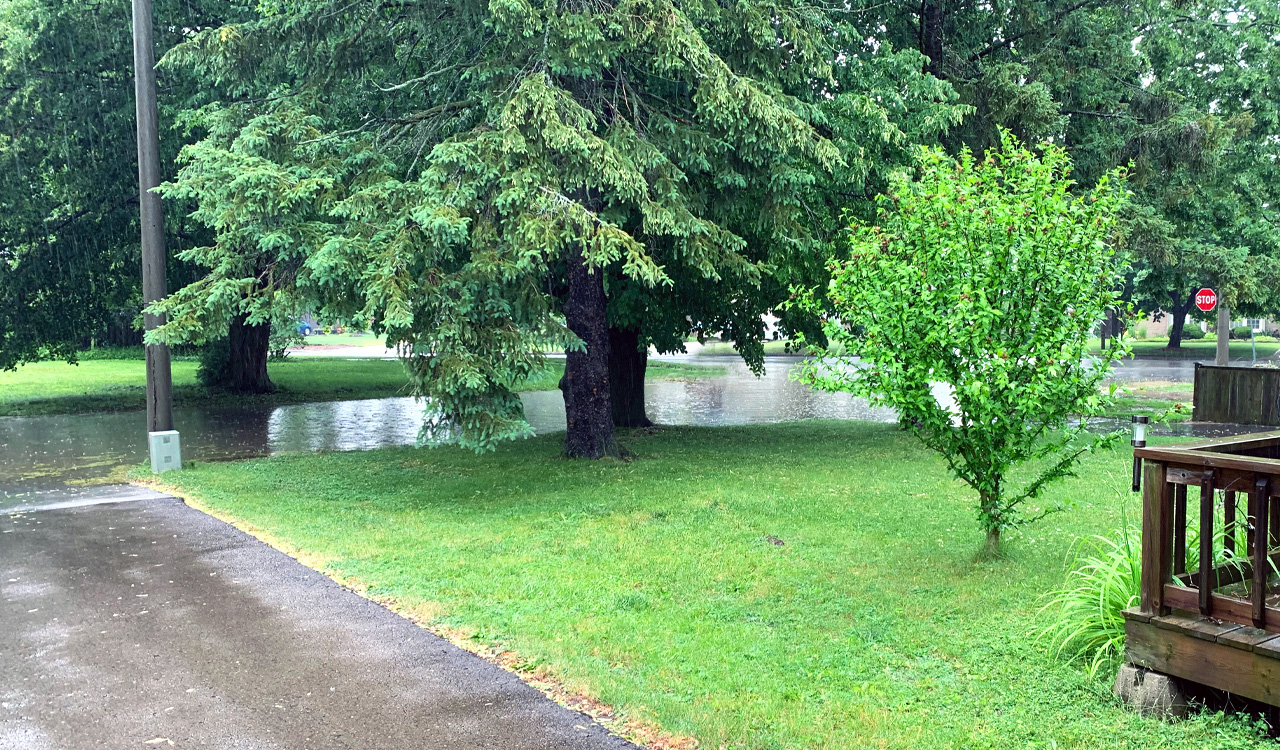
    Every drop of rain carries potential for life. It can nourish life and recharge the earth, but, if left unchecked, can also flood streets and backyards and pollute waterways. In Niagara, where changing weather patterns are bringing heavier rains and longer dry spells, water stewardship has become a local art. This is true not only for agriculture, but also at home in our own backyards.
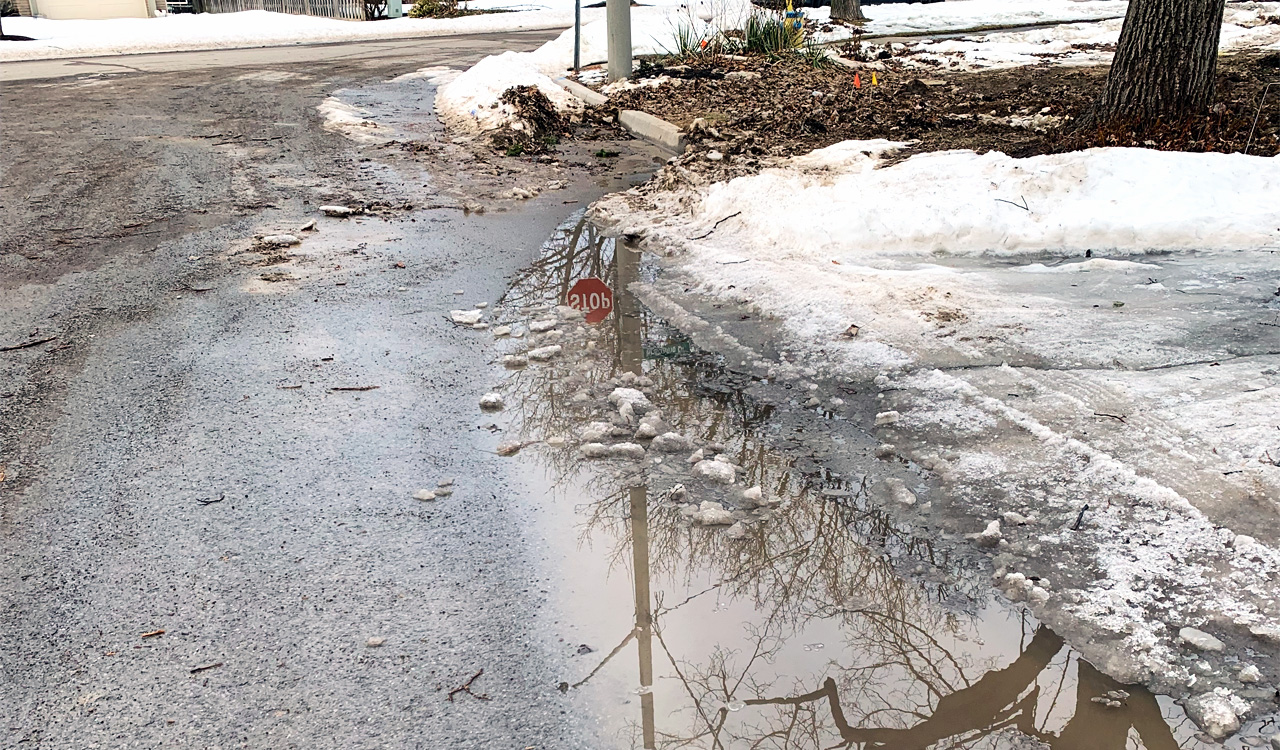
    Melting ice and snow floods a residential street.

    Rain gardens and bioswales are simple yet powerful ways to slow water down, let it sink in, and filter it naturally. A rain garden catches runoff from a rooftop and channels it into native plants that have deep roots and can absorb and clean the water. A bioswale (a shallow, grassy trench) guides excess water flow through soil instead of storm drains, and filters out oil, salt, and debris before it reaches local creeks or Great Lakes. Rain barrels are great for catching water that can be used later to water the gardens. They also reduce the need to use city water and save money.

    These small interventions can add up. When one person makes a change by, for instance, adding a rain barrel, that can then inspire another person to do the same. Most cities in the Niagara region, such as in Niagara-on-the-Lake, are building bioswales along community trails and in parks. Homeowners in Niagara can also build and link barrels and gardens to create miniature water cycles of their own.

    Water connects everything — from soil microbes to songbirds, from gardens to the Great Lakes. Each raindrop we capture, store, or filter is a promise to future generations because clean water is essential for life.
    Categories: Biodiversity in Urban Centres Blog

  • Seasonal Wisdom: Planting with the Rhythms of Niagara

    Contributors: Mike Hallé and Liette Vasseur

    The following is a blog related to an ongoing Urban biodiversity project. 

    The rhythm of nature never rushes. It unfolds in quiet cycles of dormancy, renewal, and bloom — a wisdom that gardeners and farmers in Niagara have learned to follow for generations. The seasons are our teachers: they tell us when to plant, when to rest, and when to give back to the soil that sustains us.

    In Niagara, the escarpment and the lake winds temper our climate and create gentle micro-zones. Spring invites soil preparation and early pollinator plantings; summer celebrates full growth and community harvests; autumn calls for saving seeds and enriching compost; and winter reminds us to pause, observe, and plan.

    Simple ways to plant with the seasons:

    • Start small, think local. Choose native species adapted to Niagara’s soil and climate. They thrive without excessive watering or chemical support. And most come back year after year as they are perennial.
    • Follow natural cues. When dandelions bloom, it’s time to sow lettuce. When lilacs open, it’s warm enough for beans and cucumbers to be planted.
    • Feed the soil in fall. Returning leaves to the earth closes the nutrient loop for spring.
    • Rest in winter. Use this time for seed exchanges, tool repair, and learning from one another.

    Across the region, more residents are aligning gardens and farms with ecological time. Community plots in Fort Erie rotate crops by lunar phase; educational gardens in St. Catharines teach children how pollinators depend on seasonal blooms; wineries track phenology — the timing of bud burst and leaf fall — as a climate indicator. These small acts of observation rebuild a cultural rhythm that modern life often forgets.

    Planting with the seasons is more than gardening — it’s partnership. It restores balance between people and place, reminding us that sustainability begins by listening to nature’s steady beat.

    Many good local websites exist that can help such as:

    NOTL’s Environmental stewardship, biodiversity and nature webpage and the NPCA’s Guide to Native Plants

    References & Other Links:

    • Niagara Peninsula Conservation Authority – Seasonal Native Planting Guide.
    • Ontario Horticultural Society (2024): Gardening by the Seasons in Southern Ontario.
    Categories: Biodiversity in Urban Centres Blog

  • Soil as Story: Healthy Ground, Healthy Communities

    Contributors: Mike Hallé and Liette Vasseur

    The following is a blog related to an ongoing Urban biodiversity project. 

    If you listen closely to the ground beneath your feet, it tells a story — one of slow creation, quiet labour, and constant renewal. Every handful of soil is alive with characters we rarely see bacteria and fungi passing nutrients along intricate networks; worms loosening and aerating the earth; roots exchanging chemical signals that shape their shared environment. Healthy soil isn’t just dirt. It is a living infrastructure that sustains food, biodiversity, water cycles, and community well-being.

    In Niagara, our vineyards, farms, community plots, and backyard gardens all depend on this unseen world. Decades of intensive agriculture, pavement expansion, and soil compaction have challenged its resilience — yet pockets of renewal continue to emerge. Community gardens are rebuilding topsoil through composting programs; local wineries are experimenting with under-vine cover crops; and biosphere reserve partners are testing nature-based approaches to soil restoration. These efforts share a common philosophy: feed the soil, and the soil will feed us.

    One of the simplest ways to rebuild healthy ground is to return organic matter to the earth. Compost, leaf mulch, and woody debris restore structure, retain moisture, and help store carbon underground. Between planting seasons, cover crops such as clover, rye, and vetch keep roots active and protect against erosion. Native plants — with deep, tenacious root systems — help loosen compacted soil, support pollinators, and bring biodiversity back into urban and rural spaces alike. Avoiding chemical quick fixes ensures that soil ecosystems remain balanced, resilient, and self-renewing over the long term.

    Across the country, a growing movement is embracing soil care as an essential part of climate adaptation. Municipal composting programs are diverting organic waste from landfills and returning nutrients to local green spaces. Schools are integrating soil science into outdoor classrooms, helping students understand the connection between healthy ground and healthy communities. Urban greening projects are restoring degraded soils in parks and boulevards using organic amendments, native plantings, and natural mulches. These approaches reflect a shared recognition that regenerating soil is one of the most accessible climate solutions available to everyday citizens.

    Niagara can continue to build its own identity within this national movement. From cropland soil-management research to community seed libraries, from pollinator pathways to backyard compost programs, the region already holds many threads of a more regenerative future. Strengthening them — and sharing the stories behind them — invites more residents to participate in soil stewardship.

    Healthy soil begins with awareness. We can start small: compost kitchen scraps, plant a cover crop, avoid unnecessary tilling, or join a local garden. Each action adds a line to the living story beneath our feet, written not by machines or policies, but by the hands and hearts of people who care for the earth.

    December 5 is World Soil Day: a good time to reflect on the importance of our soils.

    Categories: Biodiversity in Urban Centres Blog

  • What We Can Learn from Geneva Lake Conservancy

    Contributors: Mike Hallé and Liette Vasseur

    The following is a blog related to an ongoing Urban biodiversity project. 

    When we think about climate change, biodiversity loss, and the daunting scale of ecological crisis, it is easy to feel powerless. What difference could one backyard possibly make? Yet all across North America, quiet revolutions are happening in the very places we often overlook: our gardens, our lawns, the patches of green just outside our doors. The Geneva Lake Conservancy (GLC), based in Wisconsin, offers a compelling reminder that small, local choices ripple outward into powerful collective change. Their Conservation@Home program demonstrates how ordinary homeowners—by planting native species, removing invasives, and creating pollinator-friendly spaces—can turn fragmented yards into thriving ecological corridors. What begins with a single milkweed plant or a small wildflower patch becomes part of a much larger story of resilience.

    The strength of the Geneva Lake Conservancy model lies in its simplicity and accessibility. Homeowners who participate are not expected to overhaul their properties overnight or master complex ecological science. Instead, they are invited into a relationship with their land that is gradual, tangible, and affirming. The Conservancy provides guidance, celebrates achievements, and most importantly, recognizes each participating household as a valued steward in a wider community of care.

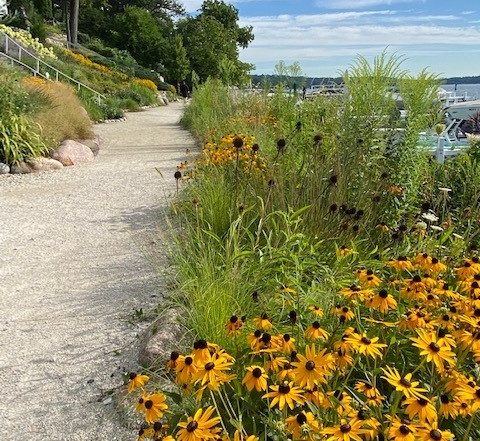
    Through this approach, fragmented yards and gardens begin to weave together. A row of native coneflowers in one backyard connects with a neighbor’s milkweed patch, which links to another’s rain garden. Over time, the mosaic expands—forming living corridors that support bees, butterflies, birds, and countless other species whose survival depends on connected habitat.

    One of the most compelling elements of the program is its ability to turn isolation into community. Homeowners who once felt that their efforts were “just a drop in the bucket” discover that they are part of a movement. The recognition they receive—whether through signage, newsletters, or community gatherings—provides a sense of belonging and accountability. Their gardens are not only beautiful; they are meaningful contributions to a larger ecological story.

    The measurable outcomes are striking. Participating properties show increases in pollinator presence, reduced chemical use, improved soil health, and greater water retention. More importantly, the human outcomes are equally significant. Families begin to see their yards not as isolated parcels but as living classrooms. Children learn where butterflies come from. Neighbors share seeds and stories. A sense of pride and stewardship grows alongside the plants.

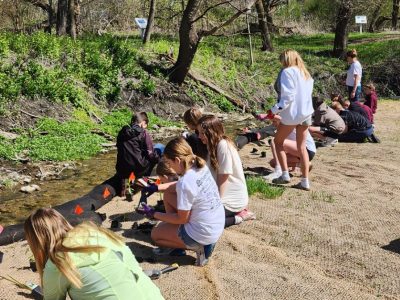
    group of young students do research alongside a river

    Why does this matter for us here in Niagara? Because our region faces many of the same challenges and opportunities. Like Wisconsin, we have a patchwork of suburban neighborhoods, small towns, and rural edges where biodiversity has been fragmented by development, lawns, and invasive species. At the same time, Niagara is rich in ecological history—forests, wetlands, and pollinator pathways that once thrived here. If we can empower homeowners at the residential scale, we can begin to stitch those ecological threads back together.

    Imagine a Niagara street where five or six neighbors each plant a handful of native species. Over time, their front yards and backyards become stepping stones for pollinators. A corridor begins to form—not designed by governments or institutions, but grown by citizens. Schools could join in by planting butterfly gardens. Faith communities could dedicate small plots of land to native plantings. Municipalities could provide incentives for removing invasives. In this way, the Geneva Lake model offers not only inspiration but also a practical roadmap for how Niagara might adapt.

    Equally important is the mindset shift it fosters. Conservation@Home reframes sustainability as something that begins with what is most familiar—our own soil, our own choices, our own communities. It reminds us that ecological restoration is not an abstract project for specialists; it is a living practice accessible to everyone.

    The Geneva Lake Conservancy teaches us that sustainability doesn’t begin in institutions—it begins at home. Every native plant we choose, every patch of lawn we transform, every neighbor we invite into the journey adds to a shared legacy of resilience. For Niagara, the opportunity is clear: by adapting the lessons of Conservation@Home, we can cultivate not just gardens but networks of belonging.

    The next step is simple. Start small. Plant one milkweed. Add one rain barrel. Talk to one neighbor. Each act is a thread in the larger tapestry of renewal. Together, we can create a Niagara where biodiversity thrives—and where the land remembers us, too.

    Categories: Biodiversity in Urban Centres Blog

  • Bringing it Home: Pollinator Corridors in Niagara

    Contributors: Mike Hallé and Liette Vasseur

    The following is a blog related to an ongoing Urban biodiversity project. 

    Look outside your window at home or in another location. The garden across the street, the trees lining the block, even the wild patch behind the schoolyard — each of these places is more than scenery. They are stepping stones for life. Pollinators like bees, butterflies, and hummingbirds don’t recognize property lines or fences; they travel in search of food, shelter, and safe passage. But when neighbourhoods are paved, lawns are mowed short, and native plants vanish, those pathways are broken.

    Here in Niagara, we have an opportunity to change the map. By working together — one garden at a time — we can rebuild the invisible highways of biodiversity. This is the vision of pollinator corridors: linking yards, schools, parks, and community spaces into living networks where nature thrives, and where people rediscover their role as stewards of the land.

    Why do we need pollinators? Pollinators are essential for many flowering plants for the production of fruits or vegetables. Pollinators visit flowers for nectar and/or pollen and at the same time fertilize the flowers. Without pollinators, much of our food would not be produced. This is why in agroecosystems, farmers often will rely on beehives to help pollinate their crops.

    Pollinator corridors are not abstract concepts reserved for conservation textbooks — they are practical, grassroots strategies that any homeowner, school, or neighbourhood group can bring to life. The idea is simple: when enough people choose to plant native flowering plant species, reduce pesticide use, and leave space for wild edges, the benefits of pollinators can come back. A single milkweed patch may support monarch butterflies briefly, but ten milkweed patches across the street create a chain of habitat for monarchs to feed, lay their eggs to produce the next generation of butterflies, or rest during their migration.

    In Niagara, this approach carries particular power. Our region has long been a crossroads of biodiversity, shaped by the Great Lakes, fertile soils, and rich wetlands. Yet, urbanization and development have fragmented ecosystems. The good news is that reconnecting them does not require massive infrastructure — it begins with ordinary people making extraordinary choices in their own yards.

    Schools are already proving to be powerful allies in this work. Imagine every elementary school in Niagara planting a pollinator garden as part of its outdoor education program. Children would not only learn science through hands-on experience but also carry those lessons home, inspiring families to plant native flowers in their backyards. The result? Corridors stretching from classroom to neighbourhood, from backyard to park.

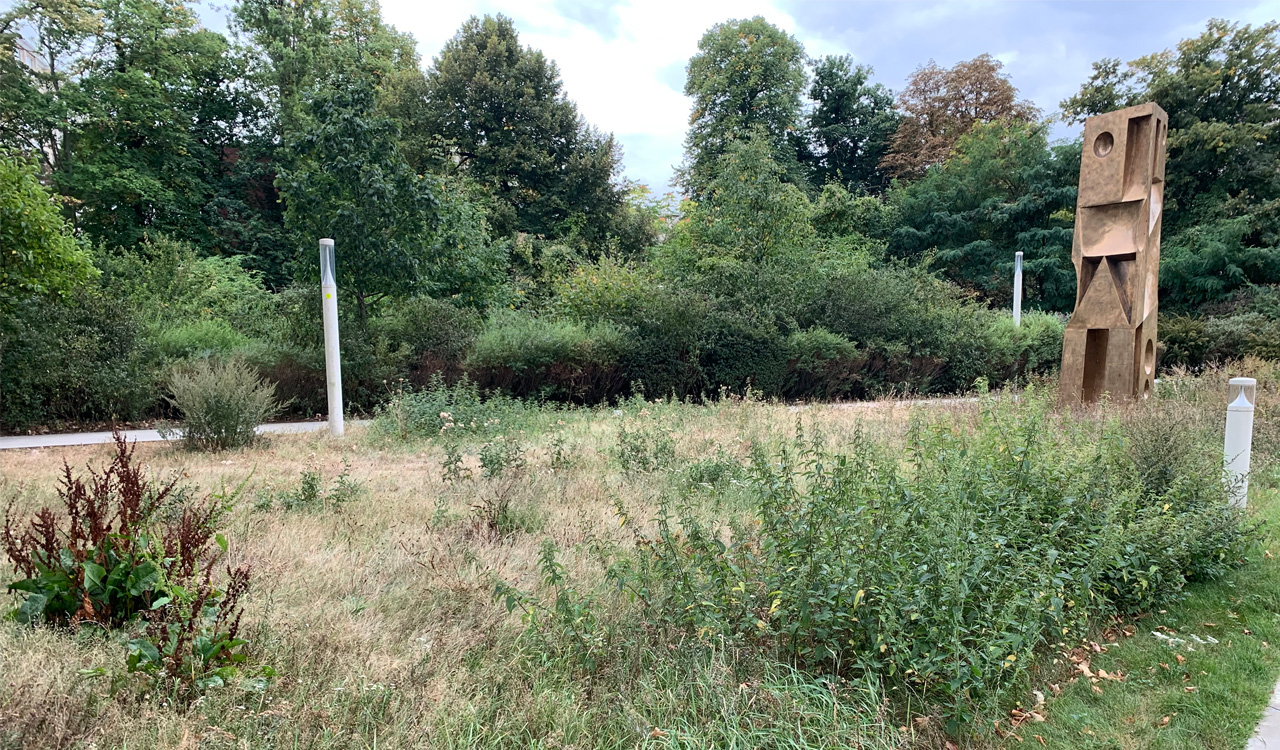
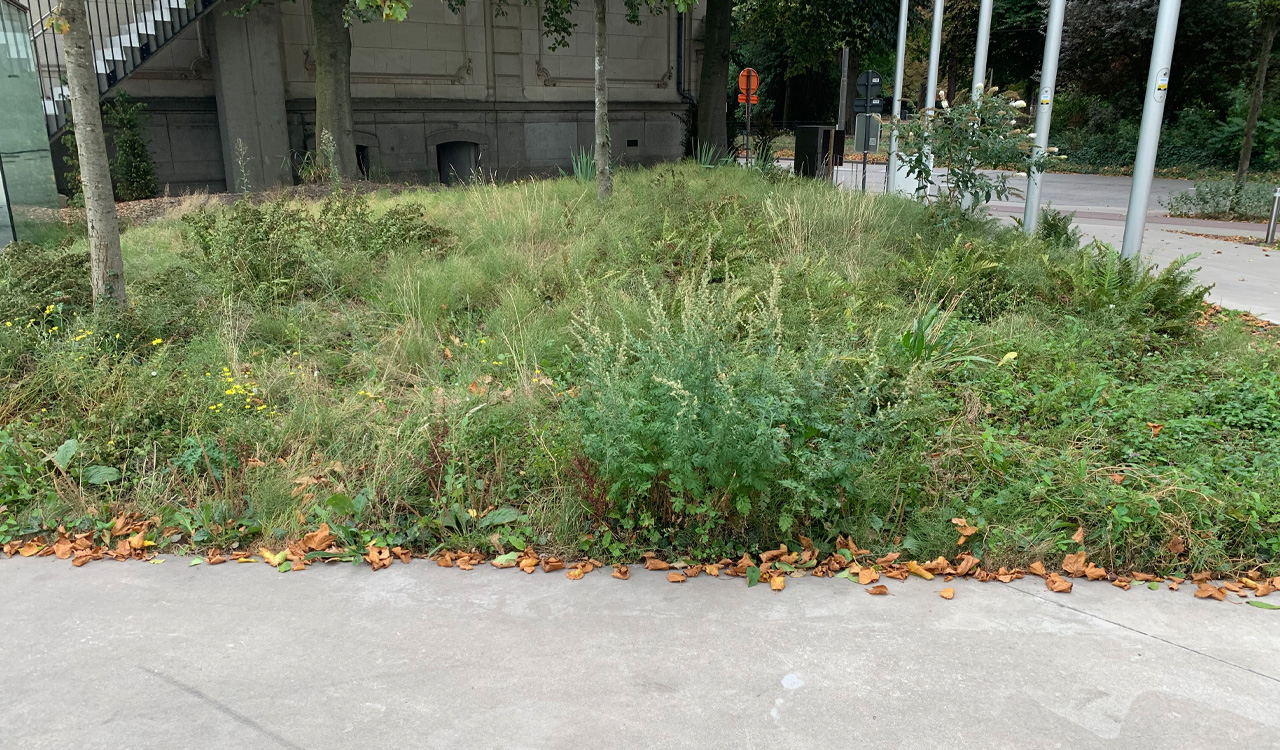
    Other community organizations can also play a role. A small plot of land outside a business or community center planted with goldenrod, wild bergamot, and coneflowers becomes more than decoration — it becomes part of a living network. Municipalities can strengthen the effort by supporting residents: offering incentives for native plant purchases, reducing mowing in public spaces, and showcasing demonstration gardens in high-traffic areas. Many European countries have embarked on this naturalization movement such as the example of the provincial building in Antwerp, Belgium. (Photo to be provided by Liette)

    At the heart of these actions is a mindset shift. Creating pollinator corridors is not just about saving bees or butterflies; it is about reweaving our relationship with the land. It reminds us that sustainability is collective — no single homeowner or garden can do it alone. But when linked together, the small acts of many become a powerful force for change.

    Other communities across North America have already shown what is possible. In Chicago, “pollinator pathways” now run through suburban neighbourhoods, connecting fragmented habitats (Chicago Botanic Garden – Pollinator Pathways: https://www.chicagobotanic.org).

    In Toronto, corridor projects are reshaping urban green spaces (City of Toronto – Pollinator Protection Strategy: https://www.toronto.ca/services-payments/water-environment/environmentally-friendly-living/pollinator-protection/). Geneva Lake

    Conservancy’s Conservation@Home program, highlighted in our last article, demonstrates how recognition and encouragement can mobilize thousands of residents (Geneva Lake Conservancy – Conservation@Home: https://genevalakeconservancy.org/conservation-at-home/). Niagara can stand alongside these examples — a region where homeowners, educators, and civic leaders join hands to ensure pollinators thrive once again.

    The future of biodiversity in Niagara does not depend only on policy or large conservation areas — it depends on us. Each garden planted, each pesticide reduced or avoided, each wild edge left untouched adds to a growing corridor of life.

    Start small: plant one native flower, invite a neighbour to do the same, and watch how quickly a chain of connections emerges. Schools, churches, and municipalities can amplify these efforts, but it is the collective action of residents that will make the difference.

    Together, we can create pollinator corridors across Niagara — living threads that tie us back to the land, ensuring that nature remembers us as much as we remember it.

    Categories: Biodiversity in Urban Centres Blog

  • The land remembers.

    Contributors: Mike Hallé and Liette Vasseur

    The following is a blogs related to an ongoing Urban biodiversity project. 

    Long before we arrived, before property lines, before fences, before lawns — the land carried an ancient rhythm of biodiversity. Native plants grew interacting with pollinators, wildlife, and waterways. But decades of development and chemical-driven landscaping have disrupted these natural systems, leaving ecosystems fragmented and fragile.

    Now, we have a choice.

    We can remember what the land has always known: how to create thriving, living landscapes that nourish us, our communities, and the planet.

    This is the heart of UNESCO chair’s work in Niagara — connecting people to nature, one backyard at a time. And the good news is, change starts small. It starts with us, our garden, and the stories our soil remembers.

    Here are 10 practical, powerful ways to garden like the land remembers — steps anyone can take to restore native biodiversity and create living corridors of connection.

    1. Start with Native Plants

    Choose plants that belong here — species that evolved alongside Niagara’s pollinators, birds, and soil systems. Native plants require less water, fewer or no chemicals, and provide food and shelter for the species that need them most.

    Tip: Goldenrod, wild bergamot, and milkweed are pollinator favorites.

    1. Rethink Your Lawn

    Traditional lawns are biodiversity deserts. By replacing even 10–20% of turfgrass with native gardens or meadow patches, you create habitat, reduce mowing, and improve soil health.

    Small shift, big impact: One less hour of mowing per week = more pollinators, fewer emissions, and healthier soils.

    1. Plant in Layers, Like Nature

    Nature doesn’t grow in flat rows — it builds living layers: canopy, understory, shrubs, and groundcover. Recreate this natural structure to provide food and shelter for wildlife year-round.

    1. Choose Pesticide-Free Practices

    Synthetic pesticides harm pollinators and disrupt fragile ecosystems. Instead, work with nature: encourage beneficial insects, companion plants, and use natural solutions when needed.

    Reducing chemical use supports cleaner water systems and safer habitats for species at risk.

    1. Make Room for Pollinators

    Bees, butterflies, and moths are struggling globally — and Niagara is no exception. Include nectar-rich plants, leave some “wild edges,” and plant continuous blooms so pollinators always have food throughout the season.

    1. Capture & Keep Your Rainwater

    Healthy ecosystems start with healthy water cycles. Use rain barrels, bioswales, or permeable pathways to keep water on your property, reducing runoff and protecting local waterways.

    1. Let the Leaves Lie

    In the fall, leave some leaves on the ground. They feed the soil, shelter pollinators and other insects, and build living carbon banks. The simplest action can make your garden an healthy ecosystem.

    1. Create Micro-Habitats

    Even small spaces make a difference. A shallow water dish (make sure to change the water regularly!) for pollinators, a brush pile for birds, or a rock corner for native bees can transform a yard into a refuge.

    1. Connect with Your Neighbours

    One native garden is powerful. Ten connected gardens are unstoppable. When streets, schools, and communities plant together, we create living corridors where biodiversity thrives.

    1. Let Your Garden Be a teacher

    Gardening like the land remembers is about relationship. Watch, listen, and learn from your plants, pollinators, and soil. Over time, your garden will show you how life wants to thrive.

    Closing Call-to-Action: Restoring Niagara’s biodiversity isn’t just science — it’s storytelling. It’s the story of how we remember what the land already knows and choose to live in relationship with it.

    This is what it is all about:

    • Supporting homeowners and communities.
    • Restoring native ecosystems at scale.
    • Building living corridors where pollinators, wildlife, and people all thrive together.

    Your garden matters. Your choices ripple.

    Categories: Biodiversity in Urban Centres Blog

  • Gardening Like the Land Remembers: Native Plants and Urban Ecology

    Contributors: Mike Hallé and Liette Vasseur

    The following is the first in a series of blogs related to an ongoing Urban biodiversity project. 

    Biodiversity or biological diversity is the variety of organisms in a given location. We often think of biodiversity when we visit natural parks, protected areas or conservation areas. However, it is possible to enhance biodiversity even at home. This series of blogs aims to encourage reflection, bring forward ideas and explain why we can all be part of this movement to bring back biodiversity in our cities. Urban biodiversity is important for many reasons and it certainly helps to bring colour and live to our lives.


    As climate shifts intensify and biodiversity continues to decline, cities across Canada are being called to rethink how we relate to the land beneath our feet. Native planting — once viewed as a rural or conservationist practice — is now emerging as a powerful tool for healing the urban landscape.

    Urban gardens are not just decorative — they are ecosystems. Planting native species supports local pollinators, improves soil health, and reduces reliance on chemical inputs. By choosing plants that are adapted to local conditions, urban gardeners can create vibrant, low-maintenance habitats that regenerate biodiversity right in their own yards and balconies.

    This blog series will explore how native plant gardening supports mental well-being, food resilience, and ecological restoration. We begin with ten simple ways to start gardening like the land remembers, rooted in principles of observation, reciprocity, and respect. From composting and layering plant structures to creating pollinator corridors and talking with neighbours, every action becomes part of a wider community of care.

    We also spotlight inspiring models like Land Care Niagara, where woodworking programs, native nurseries, and community partnerships are bringing people back into relationship with the land. Their work reminds us that biodiversity begins at home, and that even the smallest garden can be a sanctuary for life.

    This journey starts with a single step.
    Continue to monitor this webpage to discover the Ten Ways to Begin Gardening, Like the Land Remembers, and let the land guide you.

    Categories: Biodiversity in Urban Centres Blog