Contributors: Mike Hallé and Liette Vasseur
The following is a blog related to an ongoing Urban biodiversity project.
Look outside your window at home or in another location. The garden across the street, the trees lining the block, even the wild patch behind the schoolyard — each of these places is more than scenery. They are stepping stones for life. Pollinators like bees, butterflies, and hummingbirds don’t recognize property lines or fences; they travel in search of food, shelter, and safe passage. But when neighbourhoods are paved, lawns are mowed short, and native plants vanish, those pathways are broken.
Here in Niagara, we have an opportunity to change the map. By working together — one garden at a time — we can rebuild the invisible highways of biodiversity. This is the vision of pollinator corridors: linking yards, schools, parks, and community spaces into living networks where nature thrives, and where people rediscover their role as stewards of the land.
Why do we need pollinators? Pollinators are essential for many flowering plants for the production of fruits or vegetables. Pollinators visit flowers for nectar and/or pollen and at the same time fertilize the flowers. Without pollinators, much of our food would not be produced. This is why in agroecosystems, farmers often will rely on beehives to help pollinate their crops.
Pollinator corridors are not abstract concepts reserved for conservation textbooks — they are practical, grassroots strategies that any homeowner, school, or neighbourhood group can bring to life. The idea is simple: when enough people choose to plant native flowering plant species, reduce pesticide use, and leave space for wild edges, the benefits of pollinators can come back. A single milkweed patch may support monarch butterflies briefly, but ten milkweed patches across the street create a chain of habitat for monarchs to feed, lay their eggs to produce the next generation of butterflies, or rest during their migration.
In Niagara, this approach carries particular power. Our region has long been a crossroads of biodiversity, shaped by the Great Lakes, fertile soils, and rich wetlands. Yet, urbanization and development have fragmented ecosystems. The good news is that reconnecting them does not require massive infrastructure — it begins with ordinary people making extraordinary choices in their own yards.
Schools are already proving to be powerful allies in this work. Imagine every elementary school in Niagara planting a pollinator garden as part of its outdoor education program. Children would not only learn science through hands-on experience but also carry those lessons home, inspiring families to plant native flowers in their backyards. The result? Corridors stretching from classroom to neighbourhood, from backyard to park.
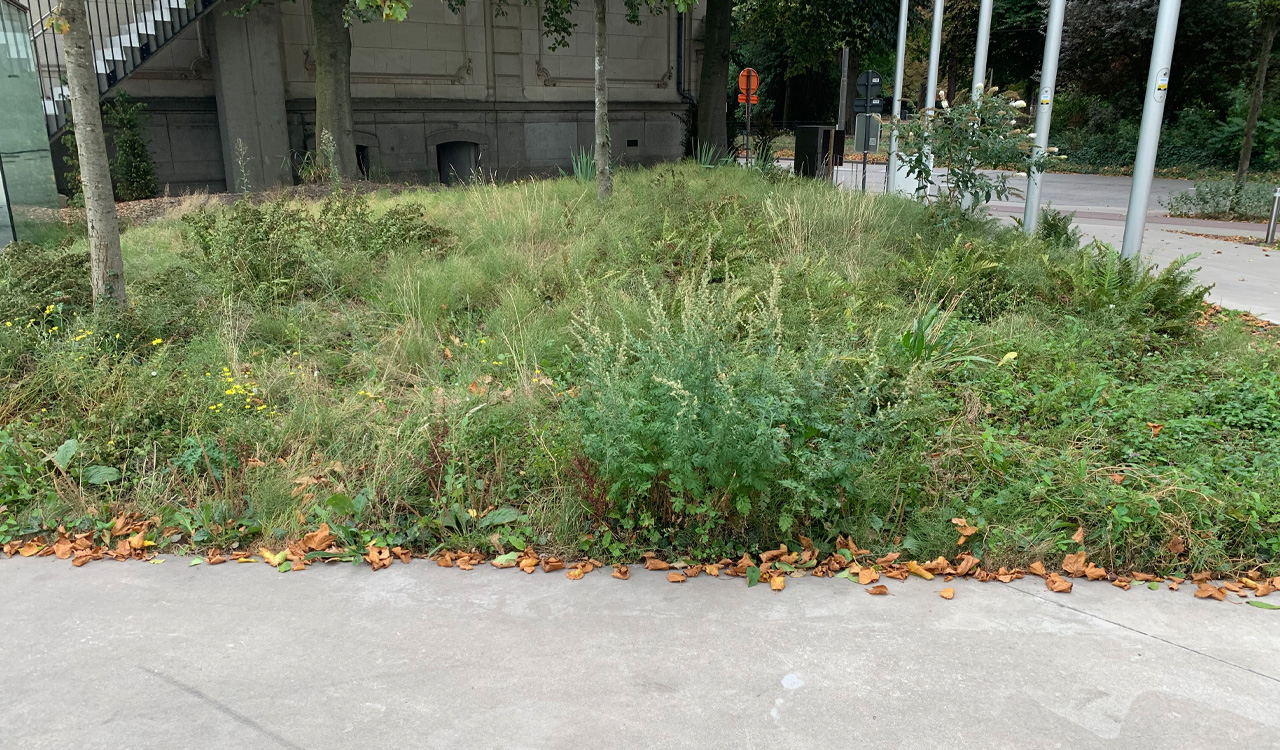
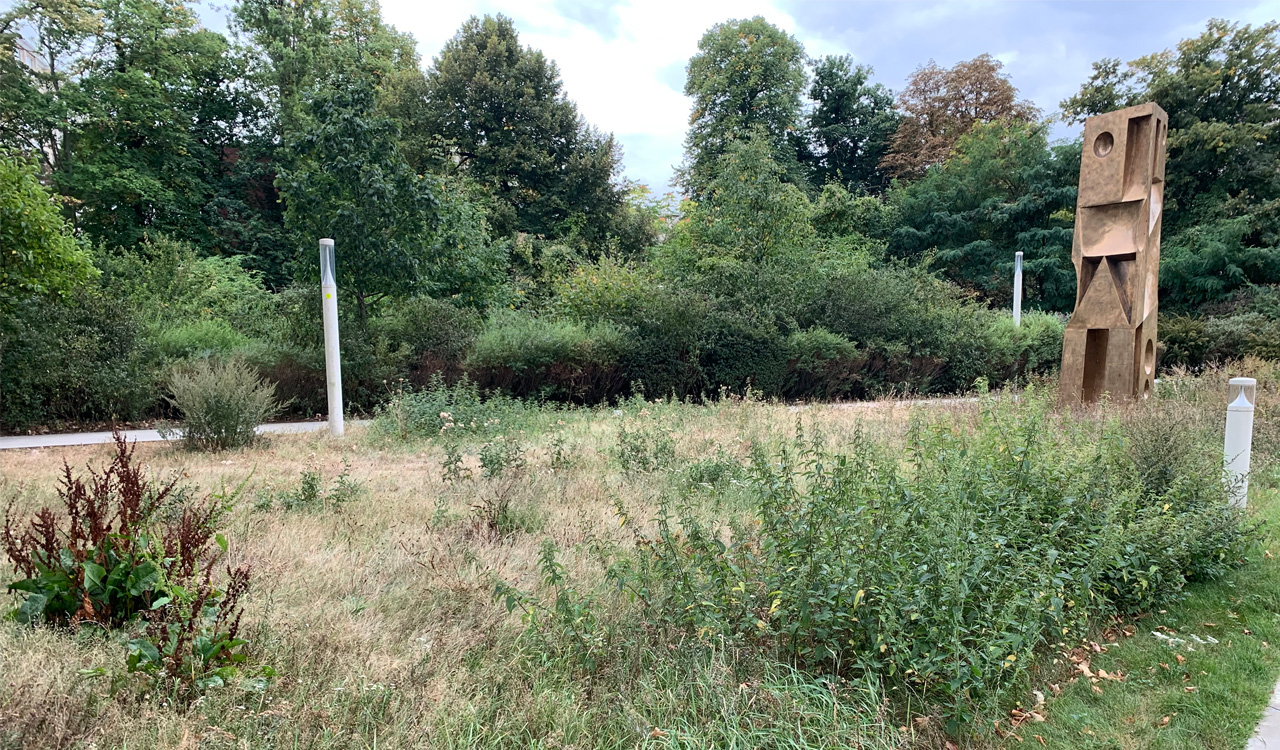
Other community organizations can also play a role. A small plot of land outside a business or community center planted with goldenrod, wild bergamot, and coneflowers becomes more than decoration — it becomes part of a living network. Municipalities can strengthen the effort by supporting residents: offering incentives for native plant purchases, reducing mowing in public spaces, and showcasing demonstration gardens in high-traffic areas. Many European countries have embarked on this naturalization movement such as the example of the provincial building in Antwerp, Belgium. (Photo to be provided by Liette)
At the heart of these actions is a mindset shift. Creating pollinator corridors is not just about saving bees or butterflies; it is about reweaving our relationship with the land. It reminds us that sustainability is collective — no single homeowner or garden can do it alone. But when linked together, the small acts of many become a powerful force for change.
Other communities across North America have already shown what is possible. In Chicago, “pollinator pathways” now run through suburban neighbourhoods, connecting fragmented habitats (Chicago Botanic Garden – Pollinator Pathways: https://www.chicagobotanic.org).
In Toronto, corridor projects are reshaping urban green spaces (City of Toronto – Pollinator Protection Strategy: https://www.toronto.ca/services-payments/water-environment/environmentally-friendly-living/pollinator-protection/). Geneva Lake
Conservancy’s Conservation@Home program, highlighted in our last article, demonstrates how recognition and encouragement can mobilize thousands of residents (Geneva Lake Conservancy – Conservation@Home: https://genevalakeconservancy.org/conservation-at-home/). Niagara can stand alongside these examples — a region where homeowners, educators, and civic leaders join hands to ensure pollinators thrive once again.
The future of biodiversity in Niagara does not depend only on policy or large conservation areas — it depends on us. Each garden planted, each pesticide reduced or avoided, each wild edge left untouched adds to a growing corridor of life.
Start small: plant one native flower, invite a neighbour to do the same, and watch how quickly a chain of connections emerges. Schools, churches, and municipalities can amplify these efforts, but it is the collective action of residents that will make the difference.
Together, we can create pollinator corridors across Niagara — living threads that tie us back to the land, ensuring that nature remembers us as much as we remember it.