Articles from:September 2020

  • Water Levels in the Great Lakes: an interaction of time scales

    The Jordan Harbour Rowing Club located south of the QEW flooded in May 2019 due to the high water levels in Lake Ontario.


    Living along two of the Great Lakes (connected by the Niagara River), the Niagara Region is significantly influenced by the lakes’ water levels. The lakes influence our climate which is favourable for agriculture and tourism. However, they also create some challenges, especially when water levels change rapidly due to high rainfall, strong winds, or other extreme weather events. Extreme events may bring daily and even hourly changes in water levels due to strong wave action. The direction of the winds will greatly influence the intensity of these waves and the rapid change in water level.

    Water levels in lakes are therefore complex and many factors can contribute to their variation. The water levels in Great Lakes are influenced by when, and how much, precipitation they receive, as well as how much the surrounding lands (its basin) receive. These are the famous seasonal changes. In general, water levels in the Great Lakes typically peak in the spring and early summer months. The main reason is due to the melting of snow and ice, which brings more water into the lakes. The lowest levels are usually in the fall and winter, as little water is added (unless we have a thaw cycle). This pattern is normal for all lakes, but we can observe it more in the Great Lakes due to their size.

    Other phenomena also affect water levels, such as the Polar Vortex bringing cold air from the Arctic to the Great Lakes region. Under these conditions, it is cold enough that water freezes, and no evaporation can happen. Other phenomena, such as El Niño and La Niña years, can bring more or less rainfall which also leads to greater fluctuations in water level.

    Climate change also contributes to water level changes. While many of us notice these changes in relation to an increase of extreme weather events — and the resulting rising water levels and flooding — other impacts are more difficult to observe. Some changes are very slow. The timing of the annual highest and lowest water levels in Lakes Erie and Ontario have changed over the past 130 years, now reaching their highest and lowest levels almost a full month sooner than they once did. Other subtle changes include an increase of 0.9oC (1.6oF) in air temperature in the Great Lakes region between the 1901 and 2016. This led to greater water evaporation and greater precipitation, with a 10 per cent increase in rainfall between 1901 and 2015. It is predicted that levels can continue going up in the spring with wetter winters and springs, but levels may be 5 to 15 per cent lower in the fall than the current levels, due to predicted decrease in rainfall in summertime.

    The management of water level in the Great Lakes is complicated and complex. The complexity of these fluctuations in water levels also demonstrates that we all must adapt to new “normals,” which are different from one year to the next. Being prepared and proactive is everyone’s responsibility, even if only to ensure that we can safely enjoy walks and time along our beautiful shorelines.

    The researchers involved with the MEOPAR project are working to raise awareness about the impacts of climate change and how communities can effectively adapt, and increase resilience, to these changes. Follow along with our blog every week (written by researchers Liette Vasseur, Meredith DeCock-Caspell, Bradley May, Pulkit Garg, Sam Gauthier & Jocelyn Baker) to learn more about the project and how you can get involved. You can also visit our website at brocku.ca/unesco-chair or email us at [email protected]

    Categories: MEOPAR-Lincoln Blog

  • Fall Food for Pollinators

    Early goldenrod is an important food source for many native pollinators, and is often blamed for allergies. But, goldenrod pollen is not airborne; the culprit is most likely ragweed (a similar looking plant with airborne pollen that is a known allergen).


    The Niagara Region supports a greater number of species than any other ecosystem in Canada.With approximately 2,200 species of of plants (flora) and animals (fauna), Niagara is also one of the most ecologically diverse ecosystems (life zones) in all of North America. The climate in the Niagara Region is moderated by Lake Ontario, Lake Erie and the Niagara Escarpment. All three geologic features work together to create a localized micro-climate characterized by warm spring and fall seasons with milder winters (as compared to other parts of southern Ontario). They combine to create rich mineral soils where rare and unique ecological communities thrive, especially the ones so many of our pollinators depend upon.

    A great time to observe what the local flora and fauna Niagara have to offer is late summer and early fall, while plants and animals heighten their preparations for migration or overwintering. Goldenrod and aster are two important plants that provide essential food for a host of animals, including birds, butterflies and other insects such as bees (both native and honey bees). Early goldenrod starts flowering in Niagara in early to mid-August and can be recognized by its deep golden yellow pollen-laden stems. Other varieties of goldenrod soon follow, with asters flowering in late August. They can be recognized by their purple and deep pink daisy-like flowers, although some are also white. In Ontario, there are over 30 species of goldenrod and 34 species of asters. Most flower well into late October, thus surpassing almost all other flowering plants which have gone dormant for winter by then. As late fall bloomers, goldenrods and asters are critically important food sources for many species of animals incuding insects, birds and butterflies.

    Animals — including our important pollinators like insects, bees, butterflies — are just like humans in that they require a healthy diet to thrive and survive. The honey bee, for example, requires the nectar (carbohydrates) found in flowers to provide the liquid necessary to create honey. They also require pollen (protein) from flowers to create “beebread”: a mixture of pollen and nectar that is an important food source for newly emerging young bees. In fact, honey bees require 11 different types of protein to complete all of their life-cycle functions. This calls for a diversity of plants with varied flowering times (from April to early November) to provide a rich source of pollen and nectar for optimum health. Similar to the honey bee, many other animals also have complicated nutritional requirements. Considering that habitat loss and degradation are recognized as the single greatest threat to plants and animals (and therefore biodiversity) in Canada, consider what this means for Niagara.

    Sadly, we are losing our natural areas that are critically important to a large range of wildlife species. The good news is, many restoration efforts continue to take place by local conservation groups and private landowners. If every landowner in Niagara created or protected a small natural area on their property, these small changes would significantly add up to make a big difference in protecting the environment by reducing pollution, mitigating climate change by promoting carbon storage, and providing food to our much-needed pollinators.

    There are many groups and resources available to help get you started, from providing advice on how to mow your grass less so the area can naturally regenerate and provide important nectar for pollinators, to more complex projects such as wetland creation. A great first step is to contact your local Conservation Authority https://npca.ca/restoration or Restoration Council http://niagararestoration.org/.

    The researchers involved with the MEOPAR project are working to raise awareness about the impacts of climate change and how communities can effectively adapt, and increase resilience, to these changes. Follow along with our blog every week (written by researchers Liette Vasseur, Meredith DeCock-Caspell, Bradley May, Pulkit Garg, Sam Gauthier & Jocelyn Baker) to learn more about the project and how you can get involved. You can also visit our website at brocku.ca/unesco-chair or email us at [email protected]


    Categories: MEOPAR-Lincoln Blog

  • A few thoughts on climate change and our OSCIII project

    Climate change and the effects of drought-stress on the soil in a Niagara vineyard (Photo: Heather VanVolkenburg).


    For the past few months, we have used our blogs to introduce our research project and discuss the importance of the agricultural sector in the Niagara region. This week, we will begin talking about the main topic of the project: climate change.

    Everyone in Canada loves to talk about the weather. We hear about it on the radio and TV, and it’s often the first topic of conversation with anyone we bump into. Weather is what we experience every day when we go outside, and what influences our daily activities. Daily weather events are also important for farmers, who need to monitor them in order to make important crop-management decisions. If there has not been very much rain, for example, will they need to water artificially? If there has been too much rain, alternatively, will they need to spray crops to prevent mildew?

    We also frequently hear the word climate and, especially these days, the term climate change. The concept of climate tends to cause a bit of confusion, however, and is a little more complex to explain than weather. Climate is more like the overall characteristics of a place, rather than day-to-day conditions. We live in a temperate climate in Canada, which means that we have four seasons with cold winters and warm summers. Scientists characterize our climate by looking at averages of weather variable measurements (such as temperatures) over a period of 30 years or more.  Do you remember (if you’re old enough) what the weather was like 35 years ago?

    The climate on Earth has changed since it was first formed. It also continues to change due to geological changes, such as the movement of continents. If that fluctuation is a natural occurrence on Earth, then why are we talking about climate change so much these days? Climate usually changes at a very slow pace and we would need a very long time period to detect most of those changes (you cannot feel these changes in the short term since we are talking about thousands of years!). However, once humans began using fossil fuels (coal, natural gas, gasoline, tar sands and oil), things began to change at a significantly faster rate.

    Why? The use of fossil fuels injects chemicals back to the Earth’s surface — especially into the atmosphere— that results in an acceleration of changes in temperatures and variables such as air currents and rainfall. These chemicals are the famous (and infamous) greenhouse gases. While we do need some of these chemicals to keep the Earth relatively warm (the planet would rest at about -98oC otherwise!), too much means that we heat up the planet.

    You may think that a warmer climate is not such a bad thing — especially if you dream of having a longer summer! There is a flip-side to a warming planet, however, and it is less pleasant than having a few extra warm days to spend at the lake every year. With changes in air temperature and the resulting changes in water and air currents, extreme events, such as storms, hurricanes, long periods of drought, and/or heavy rainfall begin to occur more frequently. This unpredictability also creates many challenges for farmers trying to manage and maintain their crops.

    We see the impacts of these changes all over the globe; climate change is real, with serious implications for our agricultural sector. By combining farmer knowledge with what we know as scientists, we hope to find strategies to mitigate the negative impacts of these changes through our research.

    This blog will be ongoing throughout the duration of the project with bi-weekly updates provided by Liette Vasseur, Heather VanVolkenburg, Kasia Zgurzynski, Habib Ben Kalifa, and Diana Tosato (see research team). We will be providing research activity updates as well as informative pieces that delve into agricultural concepts and important global issues as they relate to agricultural sustainability and climate change. Stay tuned for regular updates!

    Categories: Organic Science Cluster 3 Blog

  • A few thoughts on permaculture

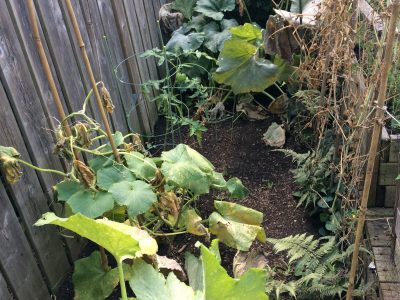
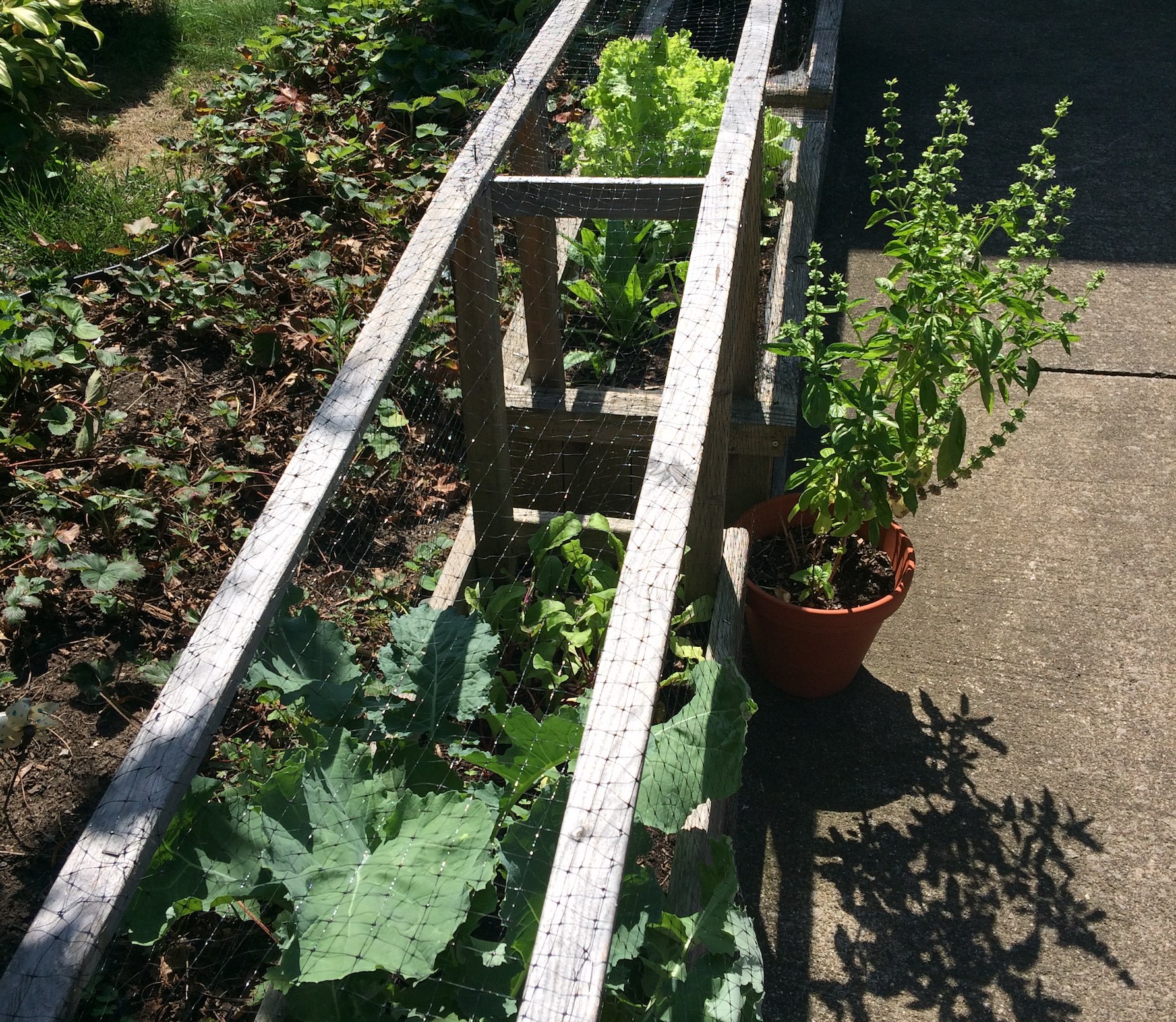
    An example of permaculture application at the household scale.


    Have you ever heard the term permaculture? If you do any gardening or have investigated methods of living more efficiently and sustainably, you might have heard about it (even if you aren’t entirely sure what it is).

    Permaculture is the combination of two words: perma (short for permanent) and culture (short for agriculture). It was coined by Australian researchers Bill Mollison and David Holmgren in 1978 during the rise of the sustainable agriculture movement. While most commonly used in reference to food growing systems, permaculture has now evolved to apply to all aspects of our lives. Simply put, permaculture is a set of principles developed to help us meet our basic human needs by utilizing and imitating systems found in nature.

    As expressed in Holmgren’s 2002 book, Permaculture: Principles and Pathways Beyond Sustainability, there are 12 design principles most commonly associated with permaculture. They are as follows: Observe and Interact; Catch and Store Energy; Obtain a Yield; Apply Self-Regulation and Accept Feedback; Use and Value Renewable Resources and Services; Produce No Waste; Design From Patterns to Details; Integrate rather than Segregate; Use Small and Slow Solutions; Use and Value Diversity; Use Edges and Value the Marginal; Creatively Use and Respond to Change. Mark D. Hathaway also explores these concepts in his 2015 research article titled Agroecology and permaculture: addressing key ecological problems by rethinking and redesigning agricultural systems. 

    Permaculture gardening, specifically, takes a holistic approach to how plants, animals, and humans interact together to make each garden plot more sustainable. These gardens use natural forces to provide everything the garden needs to flourish while seeking to reduce the need for any external inputs, such as fertilizers or pesticides. It can be quite flexible to implement and can be done in rural or urban places, started on a balcony, in a backyard, or on a small farm.

    Permaculture is often promoted as an ecosystem-based adaptation to climate change or a strategy or action that employs the use of nature-based solution (looking to nature for tackling socio-environmental challenges). Just as an ecosystem is healthier when filled with multiple species, a diverse garden also tends to be more resilient to climatic variability. Companion planting (planting numerous mutually beneficial species of plants together) can also support greater yields, as well as having the capacity to reduce erosion and water runoff during storms.

    Permaculture attempts to ensure that humans and the natural environment can adapt to climate change. An example of this is utilizing permaculture gardening as a cost-effective way to promote food subsistence and security for individuals and communities. The permaculture and circular economy movements are also closely linked, as both strive to avoid the generation of waste by promoting recycling and the reusing of materials.

    Applying permaculture principles to gardening can help the garden itself to be more productive while also reducing the work needed to maintain it.  The micro-climate and fertile soil found in the Niagara Region also makes for an ideal location for utilizing permaculture principles to provide healthy and nutrient-rich food. Incorporating permaculture into your next garden project can help you enjoy a diverse range of foods, while also allowing you to do your part to combat climate change in the process.

    The researchers involved with the MEOPAR project are working to raise awareness about the impacts of climate change and how communities can effectively adapt, and increase resilience, to these changes. Follow along with our blog every week (written by researchers Liette Vasseur, Meredith DeCock-Caspell, Bradley May, Pulkit Garg, Sam Gauthier & Jocelyn Baker) to learn more about the project and how you can get involved. You can also visit our website at brocku.ca/unesco-chair or email us at [email protected]

     *Holmgren, D. (2002). Principles & pathways beyond sustainability. Holmgren Design Services, Hepburn.


    Categories: MEOPAR-Lincoln Blog, Updates of the Chair