Articles from:March 2021

  • Springtime flooding is just around the corner

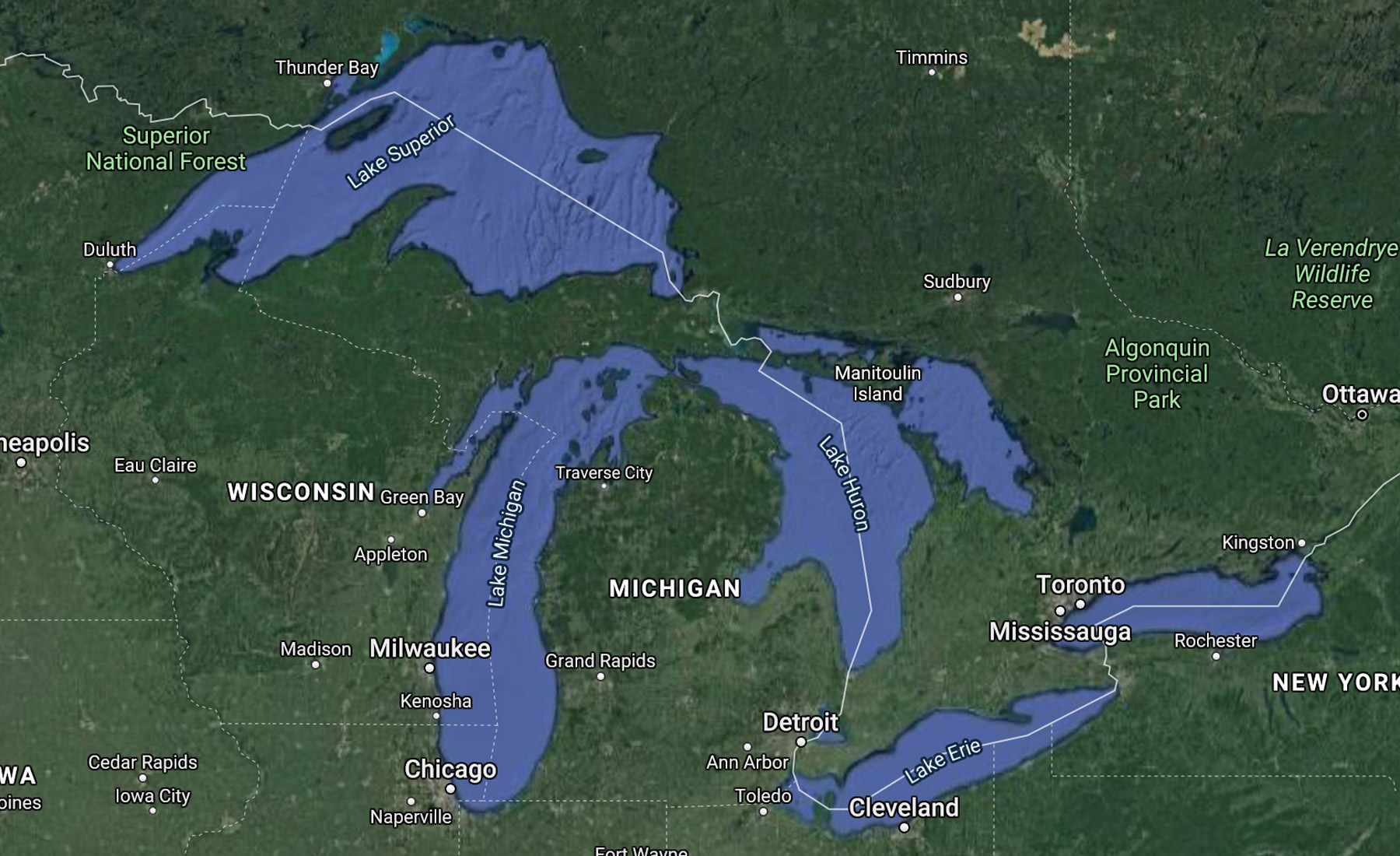
    A google maps satellite image representing the five Great Lakes across Ontario and how they are all connected by a variety of water systems.


     Basement flooding, often resulting from snowmelt, intense rainfall events, and poor drainage, is a concern many of us have as springtime approaches. Basements are inherently prone to flooding because they are the lowest level in the home and are constructed below-grade. Flooding of these spaces is even possible during dry seasons, when sudden, heavy rainfall occurs. This year’s winter in the Niagara Region has been unpredictable, with a lot of snow accumulation seen within the last few weeks. This means that flooding this spring is possible, depending on how quickly the weather warms up and melts the existing snow.

    We should always plan to reduce the related impacts from flooding. Having a wet spring and summer has the potential to change the dynamic of Lake Ontario and Lake Erie, as well. The five Great Lakes — Superior, Huron, Michigan, Erie and Ontario —  are the largest freshwater system in the world, spanning a total surface area of 245,013 square kilometers and flowing gradually into the St. Lawrence River.  This system moves a lot of water; even more so during the spring meltdown or a series of intense rainfalls like those that occurred in the spring of 2017. When excess water enters that system, flooding can then occur. It can either be localized or associated with a river or water system. An area of land that drains all of the streams and rainfall to a common outlet is known as a watershed. When too much water from smaller streams is drained into these interconnected lake systems, it leads to flooding of the riverine areas. In our region, small local watersheds all ultimately discharge into Lake Ontario, Lake Erie, or the Niagara River. The Great Lakes are considered a larger watershed consisting of all these smaller watersheds (including those of the other lakes). More snow around Lake Superior will gradually have an impact on our lakes here in Niagara.

    Flooding can cause water damage to homes (including the foundation) and can also result in the contamination of homes from sewage or mud. There are many steps you can take at home to prevent your basement from flooding, however. The INTACT centre guide on flood-proofing your home lists many strategies that can be useful to prevent damage to your home.

    Here are some examples of cost-effective flood protection measures:

    • Clean out storm drains, eavestroughs and water valves of debris to allow for clear drainage and flow.
    • Check for leaks in plumbing fixtures to prevent inside leaks.
    • Test your sump pump to ensure it is working properly and have a back-up sump pump system in place.
    • Install window well covers as well as water-resistant windows.
    • Extend downspouts and sump pipes two meters away from the home’s foundation to prevent the possibility of flooding.

    The researchers involved with the MEOPAR project are working to raise awareness about the impacts of climate change and how communities can effectively adapt and increase resilience to these changes. Follow along with our blog every week (written by researchers Liette Vasseur, Meredith Caspell, Bradley May, Sam Gauthier & Jocelyn Baker) to learn more about the project and how you can get involved. You can also visit our website at brocku.ca/unesco-chair or email us at [email protected]


    Categories: MEOPAR-Lincoln Blog

  • Grape Rootstock in a Changing Environment

    A diagram representing the rootstock (the root portion of a single, healthy plant), scion (the young shoot of a different plant) and the junction where they are artificially united (graft union; diagram created by Heather VanVolkenburg).


    Managing vineyards can be challenging to say the least, especially with the added complexity of extreme environmental changes, both between and within growing seasons. In order maintain a productive vineyard, growers have several key components that they must consider when planning for vine establishment and maintenance. The selection of rootstock is one such component. The types of rootstock may determine how the vines respond to the abiotic and biotic stressors that present-day vineyards face, especially those related to climate change.

    Rootstock are an essential element in most vineyards, including vineyards here in Canada. To obtain a new vine, growers use the root system of one vine (i.e. rootstock) and combine it with a shoot from another one (i.e. scion). Each component can be from a different species of grapevine or even several species combined. Rootstock choices enable growers to select for grapevines that are more resistant to environmental adversities such as drought or disease, thus allowing for maintained or increased vine productivity Moreover, rootstock selection helps to overcome problems with soil such as texture, pH and density. While rootstock is normally selected for below-ground performance and resistance to challenges such as drought and disease (both of which occur more frequently due to effects of climate change), scions are usually chosen according to control above-ground aspects such as vine vigour, how quickly grapes ripen, fruit size, quality, and overall yield. In a simple way, the new plant has the best parts of two different plants!

    The selection of a rootstock can be quite complex. For example, if the vineyard is located in an area prone to flooding, consideration should be given to a rootstock’s ability to survive in this condition. The type of soil will also influence this selection. Other considerations may be related to resistance to certain pests or viruses. Selection considerations must constantly evolve as agroecosystems are constantly changing according the environment in which they exist. With the changing climate, especially extreme weather events, selection becomes even more challenging.

    Considering how closely existing rootstock choices interact with other management strategies (e.g. irrigation and cover cropping), defining good practices for local vineyards remains important. Here at Brock, we embrace the opportunity to work alongside vineyard growers to examine how integrated management techniques can help strengthen the sustainability of the industry. In our project, using organic vineyards as study locations, we are testing different combinations of three components of vineyard management, including irrigation, cover cropping and rootstock or their combined viability as local management techniques. By monitoring grapevine yields and growth, as well as disease and pest occurrence over consecutive seasons, we hope to evaluate how climate change may be affecting the different rootstocks and vine varieties present locally. Ultimately, we hope that results will contribute to maintain production of local grape growers in a sustainable way despite the challenges presented by climate change.

    This blog will be ongoing throughout the duration of the project with monthly updates provided by Liette Vasseur, Heather VanVolkenburg, Kasia Zgurzynski, Habib Ben Kalifa, and Diana Tosato (see research team). We will be providing research activity updates as well as informative pieces that delve into agricultural concepts and important global issues as they relate to agricultural sustainability and climate change. Stay tuned for regular updates!


    Categories: Organic Science Cluster 3 Blog