Articles from:November 2022

  • Earth: Human’s most misused relationship? 

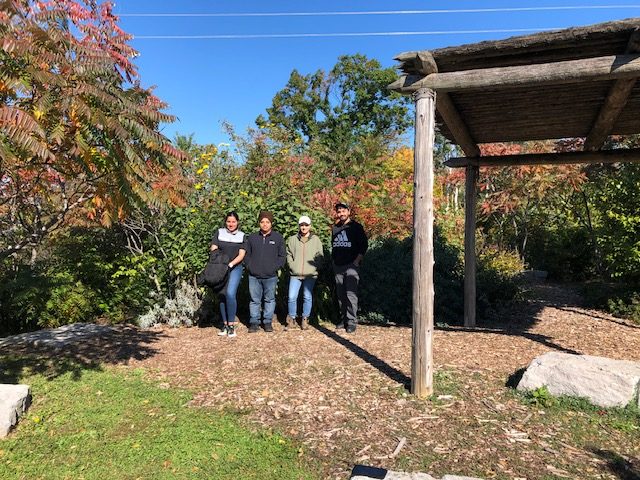
    Photo caption: Environmental Sustainability Students stand in the healing garden at the Niagara-on-the-Lake campus of Niagara College, at the foot of the Niagara Escarpment Biosphere. 

    Contributor: Cassandra Carlson  


    How does one heal oneself? Whether it be a physical, mental, or spiritual injury, the only one that can truly heal ourselves is us. You can be prescribed medication by a doctor, for example, but if you do not take it, you will not get better. We are responsible for our own happiness, and thus, need to find and use our own tools to combat the difficulties of everyday life.  

    In today’s society, humans are sharing knowledge and producing opportunities at a far greater rate than ever before. At the same time, there is an increasing level of both supply and demand, in many fields, that is  becoming unsustainable. The rise of urbanization and industrialization, and continuous technological and medical advancements, seem to imply that humans are increasing the tools available to combat everyday difficulties. The solution to solving our everyday problems may not be creating new tools, however. The solution may instead lie in re-examining how we can use the tools we already have to the greatest effectiveness. Maybe it is more accurate to say that “we’re given the tools to achieve happiness, it is up to us how we use them”. With that in mind, it can be argued that the greatest tool of all—Earth—is often the tool that is most ignored.  

     Healing Gardens are one of many tools used in Indigenous practices to promote greater health and wellbeing for both people and the Earth. Not only do plants provide a variety of beneficial medicinal uses, but healing gardens also act as an open space for worship, thinking, and self-reflection. The combination of connecting to the Earth and the benefits of the various plants within the garden provide the potential for people to gain great improvements to their physical, mental, and spiritual health. Land is also very important in Indigenous culture and holds a special connection to healing and overall wellbeing. The idea of respect and treating others the way you would want to be treated is the key feature between the relationship of land and human health. Is it a coincidence that as global climate change is on the rise, so too are levels of stress, anxiety, and general distress? From a Westernized perspective, this connection may never be examined. In an Indigenous worldview, however, it is ever so clear.  

    Compared to a Westernized perspective, Indigenous mental health revolves around a holistic approach, where all spiritual, mental, and physical aspects of the individual’s current situation are intertwined. For example, improving cultural pride, self-esteem and interpersonal relationships has been shown to increase the resilience and wellbeing of many youth. A focus on the land-health connection has also been shown to provide many benefits to those who lack access to relevant mental health resources due to barriers in location, understanding and availability. Ideologically speaking, a problem that exists in the human mind probably has a solution that can be found in nature. . . Not only can Indigenous land-based programs provide the same, if not better, benefits than  Western medicine,  these programs are also  more widely available to different demographics of people. Why then, are they not more popular? The  answer could be rooted in colonialism. 

    Indigenous peoples have a historical level of mistrust of the Canadian government, and the practices it embodies. Understanding and accurately using land-based programs goes beyond having an uncomfortable conversation about the effects and involvements of colonial trauma and genocide and environmental protection. These conversations need to extend toward an acceptance of a “I scratch your back, you scratch mine” relationship between Earth and Human. For example, children should not just be taught to reduce, reuse, and recycle, but rather, should be encouraged to develop a personal connection to the Earth, to gain a greater appreciation and respect for the gifts that Earth provides.  

    How do we do this? As an Indigenous person myself, I believe the best way to learn is through the sharing of stories, listening to a variety of perspectives, and self-reflecting on different ways to integrate new ideas, opinions, or narratives. Our voices are  powerful, but what is even more powerful is our ability to listen and   relate to others. We need to respect and learn from the stories of others so that we have an integrated understanding and appreciation of the human experience. 

    Categories: Beyond Sustainability Blog

  • Vasseur’s appointment as UNESCO Chair renewed for another term

    Liette Vasseur (centre), Brock University Biological Sciences Professor and UNESCO Chair on Community Sustainability: From Global to Local, travelled to Paris, France, recently for the 30th anniversary of the UNESCO Chairs Network. Pictured from left are: William Hodgson, support program for the representative of Quebec Government at UNESCO; Frédérick Armstrong, co-Chair UNESCO, Cégep Marie-Victorin; Shin Koseki, UNESCO Chair at Université de Montréal; Vasseur; Michel Bonsaint, representative of the Quebec government at UNESCO; Julie Halle; and Richard Hotte, UNESCO Chair TELUQ University.

    Photo: Justin Steepe, Brock News


    Liette Vasseur’s appointment as UNESCO Chair on Community Sustainability: From Local to Global has been renewed for four years.

    Vasseur also recently travelled to Paris, France in celebration of the 30th anniversary of the UNESCO Chairs Network. She was invited to provide reflections on the event’s plenary as well as presenting in a session on the importance of integrating different ways of knowing into research.

    Read the story in The Brock News


    Categories: Updates of the Chair

  • A Banana’s Journey to the Centre of Your Grocery Store: Reducing Food Miles for More Sustainable Eating

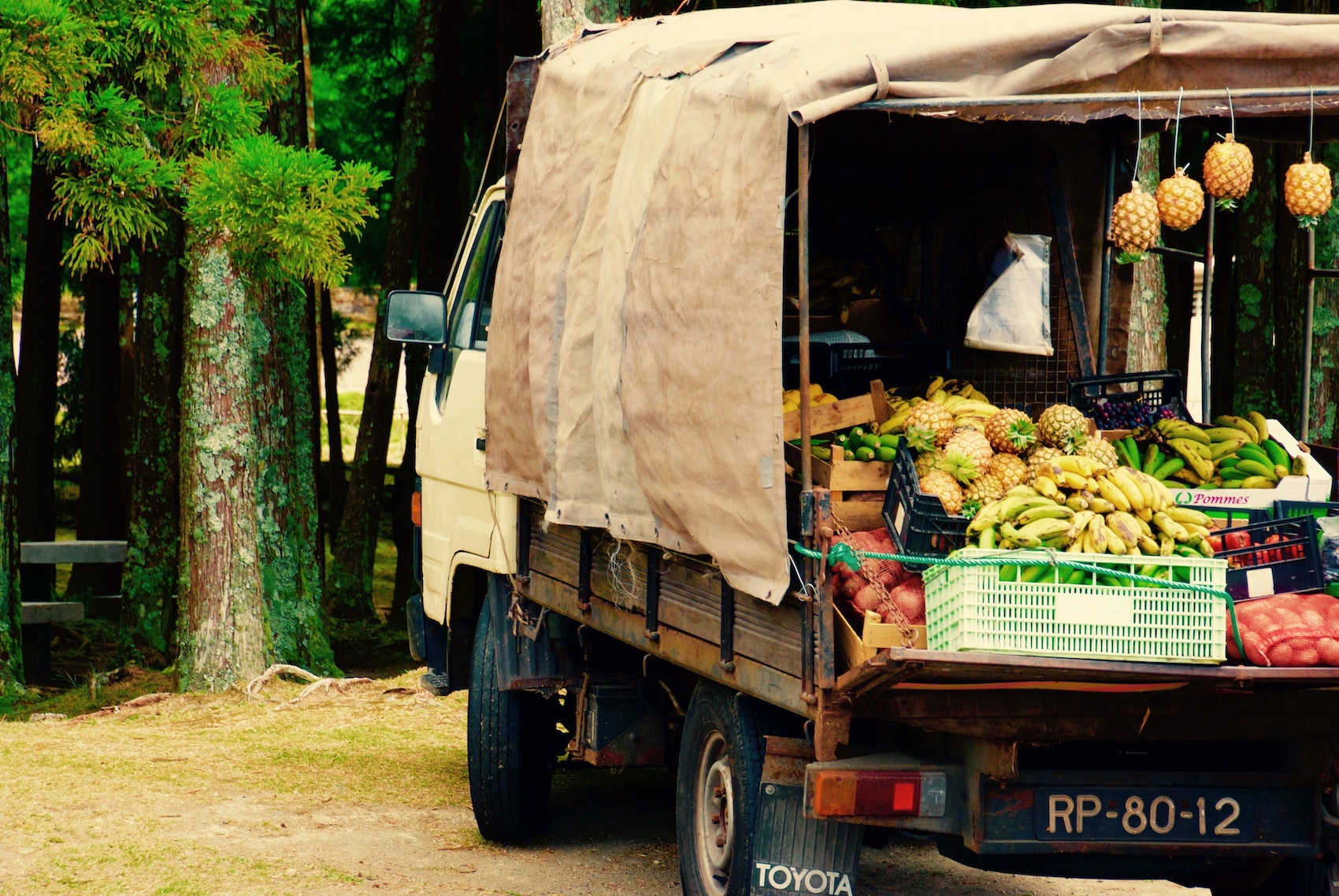
    Photo by José de Azpiazu on Unsplash


    Contributors: Ariana Forand & Tasha Gunasinghe 


    When you enter your local grocery store, you look down at your list with one goal in mind: get in and out of the store as quickly as possible so you can get dinner on the table. As you walk over to grab a bunch of bananas, you may notice a “Product of Mexico” label and for a moment, you are reminded of the country’s sunshine and hot weather. In that moment, however, do you also remember how far Mexico is from your local grocery store? 

    Going to the grocery store is a routine activity for many of us. These humongous stores are typically piled high with a wide variety of different foods for us to choose from.  While we are shopping, however, how often do we stop and consider the journey our food took before landing in our baskets? Would you believe that the bananas in your basket have likely travelled more than 5,000 km to get to you1?  

    The distance that food travels before it reaches your plate is defined as “food miles.” The number of food miles that are accumulated by many items we regularly enjoy —such as bananas, avocados, mangos, and coffee —are, for the most part, unsustainable. Food miles have become a tool for understanding not only where food comes from, but the unsustainability of food production overall. A high number of food miles often indicates a large carbon footprint, or, in other words, a significant production of greenhouse gases that negatively contribute to the climate crisis.  In the hustle and bustle of everyday life, we often forget about the faces of the producers of our food and the journey our food has taken. For the sake of food security (and our stomachs!) we need to put more thought into the journey of our food and food miles must become a vital part of our sustainability efforts.  

    The push to improve the sustainability of the food supply chain starts with you as a consumer. There is a built-in privilege associated with being able to choose from whom and where your food comes from, and with privilege comes the responsibility of using your power as a consumer to improve the sustainability of our food supply chains. You hold the power to improve the sustainability of food supply chains by making environmentally conscious decisions. Choosing foods that have accumulated fewer food miles in their journey from farm to fork can lead to huge benefits in the sustainability of our food supply chains. Try choosing foods that are in season in your local area, for example Finding a reputable local farmers’ market will allow you to consume more locally produced goods and putting a face to the farmer behind your food will help you gain a greater appreciation for the food on your plate.  

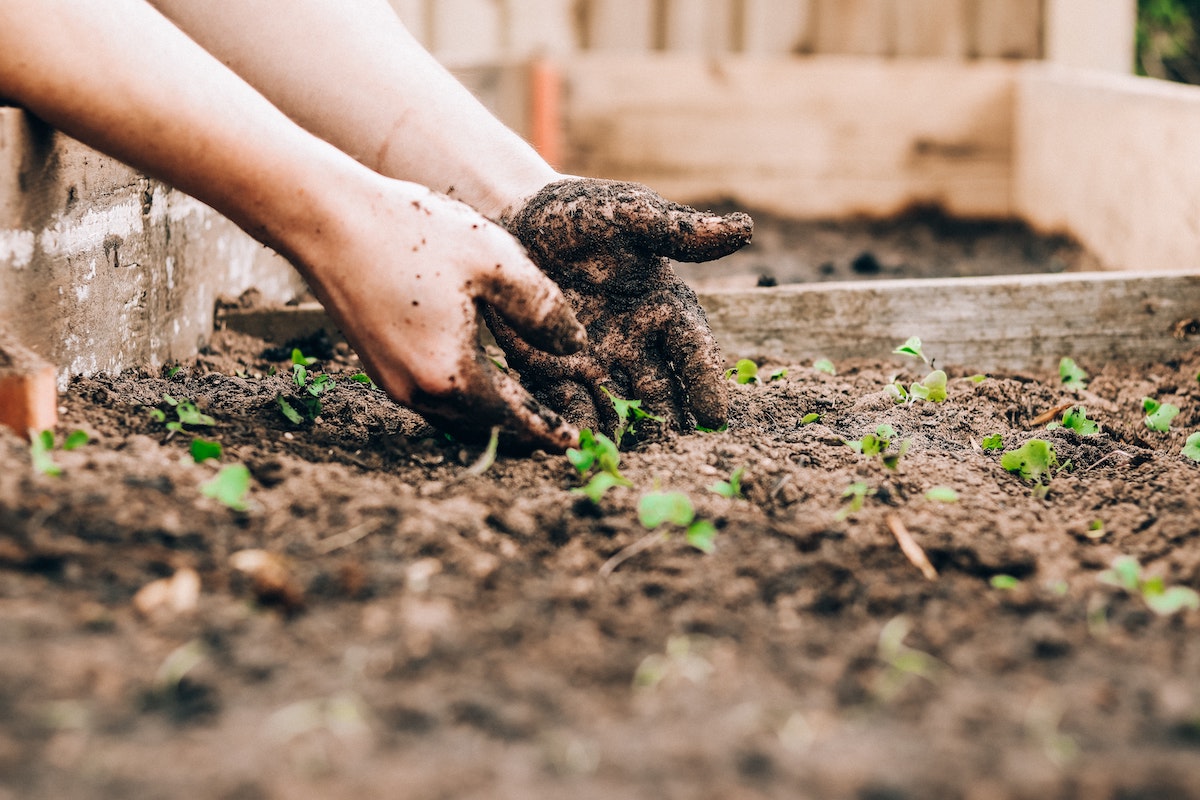
    Looking to reduce your food miles even further? Growing some of your own food is one way to improve health and reduce food costs, while simultaneously lessening the negative environmental impact of industrial agriculture. Try starting small at the beginning; vegetable and fruit gardens don’t have to be elaborate to thrive. Vegetables such as cucumbers, carrots, kale, and beets are a great option for those trying to find their green thumb3 because they are both easy to grow and chock-full of nutrients2.. Raspberries, strawberries, blueberries, and apples also make great options for those looking to incorporate fruits into their gardens4.  

    Taking steps to reduce your own personal food miles may seem small and insignificant, but when we band together, we can create positive change for the environment. If all of us do our part, we can ensure that our food is sourced in a more sustainable manner that allows both humans and the planet to thrive.  


    Resources:

     1 Food Miles. (n.d.). Bananas. https://www.foodmiles.com/food/banana 

     2 Toronto Star. (2015). Superfruits that will thrive in your garden. https://www.thestar.com/life/homes/2015/05/08/superfruits-that-will-thrive-in-your-garden.html 

     3 Almanac. (n.d.). 10 Easiest Vegetables to Grow at Home. https://www.almanac.com/content/10-easy-vegetables-grow-seed 

    4 Gladwin, M. (2019). The Five Best Fruit Trees to Plant in Ontario. Sequoia TreeScape. https://sequoiatreescape.com/the-five-best-fruit-trees-to-plant-in-ontario/ 


    Categories: Beyond Sustainability Blog

  • Grow With What You’ve Got

    Contributors: Ariana Forand and Tasha Gunasinghe 


    There are numerous benefits to nurturing your green thumb, and an increasing number of people are looking to grow their own food to one degree or another.  

    According to the findings of a 2018 study conducted by a team from Australia, home and community gardening may offer a supportive role in the health and wellbeing of the gardener1. Gardens also provide various environmental benefits, including acting as a food source for bees and other pollinators. Whether big or small, incorporating these green spaces into your home can be a great way to learn a new hobby, bring fresh fruits and vegetables into your kitchen, minimize your grocery bill, and, to a certain degree, take food security into your own hands. But where to start?  

    As a beginner, gardening can often seem intimidating, especially to those who don’t feel as if they were born with a green thumb. Numerous choices must be made in relation to plants, pots, and tools, which can easily become both economically and environmentally unsustainable. With so many seeds, pots, watering cans and gardening tools to buy, the seemingly endless options can leave you feeling overwhelmed with an empty wallet. In addition to not being economically sustainable, purchasing new items is often not environmentally sustainable, either. The great news is that a little bit of resourcefulness goes a long way. By growing with what you got and only purchasing items when you have no alternative at your disposal your gardening endeavor will become more environmentally and financially friendly — a win-win solution. This blog will provide some tips and tricks to grow with what you got!  

    First things first, a garden requires seeds or seedlings. Depending on location, some plants will do better than others. When choosing seeds, keep in mind not only your geographic location, but also the placement and orientation of your future garden. Because plants basically “eat” light, determining what type of sunlight your garden receives is an important first step in ensuring that your plants survive and thrive. Once you have that sorted out and you have decided on what to grow, you might be surprised to learn that you have access to free seeds at home. For example, if you have a green pepper in your kitchen, you’re in luck! The white membrane inside a pepper contains seeds that can be transplanted to your garden. Remove the seeds, place them carefully on a towel and store in a safe, dry space for a few days. After the seeds have dried out, they are ready to be planted. Follow a growing guide to learn the right depth for planting and with a little luck, and some sun and water, you’ll have homegrown green peppers. If you already have a garden, or know someone that does, you may also be able to take seeds from their annual plants. Flowers such as marigolds, sunflowers and morning glories are annuals that, in addition to looking great, provide a source of pollen for bees and other pollinators.  

    Do you have seeds but no pots? Look around your house, and don’t forget to check out your recycling bin. Mason jars from pasta sauce, old disposable coffee cups, pop bottles or juice containers (as seen above) all make great alternatives to pots. After a good clean, these items are perfect for growing small plants, or for growing seedlings before you transfer them to a larger space. Soil does not care about the appearance of the pot that contains it. By using pieces of recycling, you can give them a second life and save yourself the cost of small pots.   

    Creating your own compost is a fantastic way to add organic fertilizer to your garden and adding compost to your garden provides essential nutrients to the soil. These nutrients are then taken up by the plants and used throughout their lifecycle. Both the United Nations Food and Agriculture Organization and the National Public Radio (NPR) have created great, easy-to-follow reference guides if you are interested in learning more about making your own compost 2,3(check out the references at the bottom of this blog for links to these references2,3).  

    Finally, are you in need of some gardening tools that you simply don’t have and can’t seem to find an alternative for? Try asking a friend, family member or a neighbour if they have what you need. If borrowing is not an option, thrifting is an economic alternative as second-hand stores are a great way to shop more sustainably.  

    While not for everyone, a garden can be a great way to spruce up your living space, increase health and wellbeing benefits and give back to the environment. If you are looking to give it a go, try following this guide to learn how to grow with what you got! 


    References 

    1 Pollard, G., Roetman, P., Ward, J., Chiera, B., & Mantzioris, E. (2018). Beyond Productivity: Considering the Health, Social Value and Happiness of Home and Community Food Gardens. Urban Science, 2(4), 97. https://doi.org/10.3390/urbansci2040097  

    2 Food and Agriculture Organization of the United Nations. (2010). Preparation and Use of Compost. https://www.fao.org/3/ca4264en/ca4264en.pdf 

    3 National Public Radio. (2020). How to Compost at Home. https://www.npr.org/2020/04/07/828918397/how-to-compost-at-home 

    Categories: Beyond Sustainability Blog