Articles from:February 2020

  • MEOPAR-Lincoln Project Research Team Calls for Community Feedback

    Bradley May, member of the MEOPAR-Lincoln Project research team and  Adjunct Professor at Brock University’s Environmental Sustainability Research Centre presents research at a community outreach event.


    For the past seven months, the MEOPAR research team has produced weekly blog posts to enhance the understanding of various aspects related to climate change. We thought it would now be a good opportunity to provide an update on the progress of the research project and gather some feedback from our readers.

    We have been busy since launching the Lincoln-MEOPAR project in late 2018. We have been conducting a number of interviews with key stakeholders and holding meetings to discuss our research on climate adaptation and resilience. From those meetings, we developed a community profile that we have been comparing to other MEOPAR case study sites located in other communities along the St. Lawrence. We are also in the process of finalizing a social network analysis of different stakeholders in the community. A shoreline vulnerability mapping project is also near completion. Our focus groups on agriculture and youth are now underway and are spurring engaging dialogue with participating community members. Our next upcoming event is focused on the tourism sector and how it can adapt to the changing climate. It will be held Wednesday, March 4 from 5:30 to7 p.m. at the Lincoln Library, Fleming Branch. The event is free and open to the public. If you would like to attend, please RSVP via email at [email protected] . Please reply as soon as possible as space is limited.

    There’s still time to enter your submission for our annual Sustainability Poetry Contest under the theme of International Year of Plant Health. The deadline has been extended to Saturday, March 1 at p.m. Poems are accepted from anyone living or studying in the Niagara region. In English or in French, and can be submitted though the UNESCO Chair’s website at brocku.ca/unesco-chair/sustainability-poetry-contest/

    We’re also looking for your input and invite you to send us comments on what articles you have found useful so far, and what you’d like to see us focus on in the future. You can read our posts here. Please fill out the following survey on our website and send us your ideas—we look forward to your input.


    Categories: MEOPAR-Lincoln Blog, Updates of the Chair

  • MEOPAR BLOG: Looking to Mother Nature for solutions to climate change

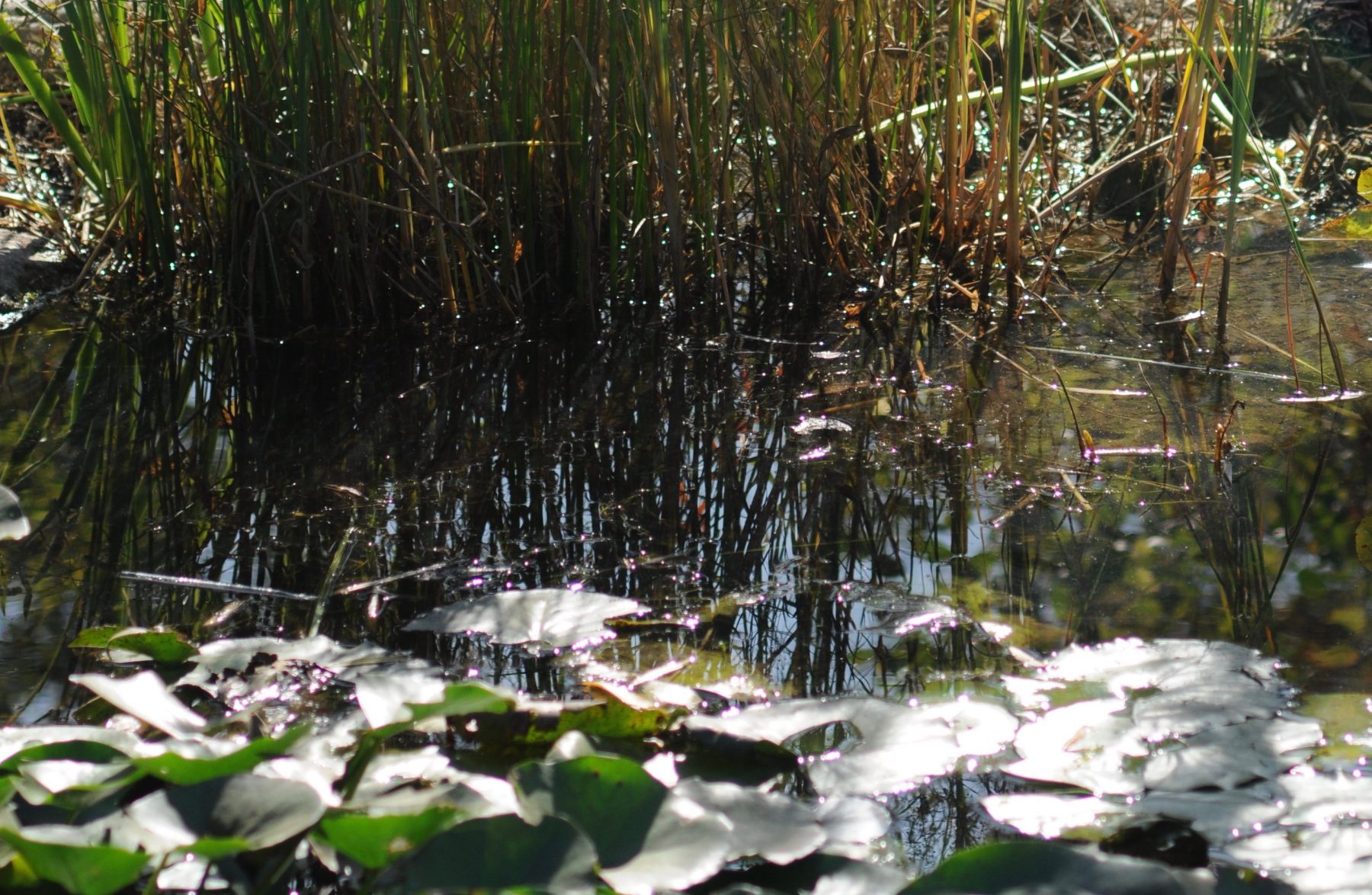
    Restored wetlands are a great example of Nature-based Solutions. They can retain more water during heavy rainfall events plus their presence increases biodiversity of the area.


    Have you ever noticed that nature has some ingenious ways of dealing with changes? Natural systems can adjust to respond to changes in the environment or the climate, such as changing blooming cycles or growing slower during droughts. This can be also be a source of inspiration for us, as well. This is what we call Nature-based Solutions (NbS).

    Nature-based Solutions are any actions that address challenges that societies are facing by protecting, sustainably managing, and restoring natural or modified ecosystems. These challenges can stem from environmental or climate changes and usually lead to threats in the sustainability of the communities where the changes occurred. Therefore, NbS aims to simultaneously provide human well-being and biodiversity benefits. Ecosystem-based Adaptation, which we have discussed in previous articles, is one example of NbS where green infrastructure can help a single residence to an entire community adapt to a change in climatic conditions. The addition of green spaces in an urban centre can also become a NbS if it helps reduce the heat island in the centre of that area and thus refreshes people during heatwaves. A heat island phenomenon occurs when an urban area is warmer than the surrounding rural area due to the replacement of vegetation with built structures that absorb and release heat throughout the day. Adding community garden plots into that green space has the added bonus of also helping residents produce food and reduce food insecurity.

    NbS can also be combined with grey infrastructure (sewage drainage, permeable sidewalk, etc.) when physical modifications are needed to accommodate new natural systems. For instance, the impacts of a flash flood from heavy rainfall can be reduced by combining an upgrade to the municipal sewer system with the addition of little creeks or the restoration of removed or degraded wetlands from the surrounding area. This combination provides more locations where excess water can be stored, thus reducing the stress on the wastewater treatment plant.

    NbS is based on equity, the inclusion of all sectors of society, and the restoration or protection of biological diversity as a top priority. Decisions can range from very local (neighbourhood) to a large landscape (regional), but in all cases, decisions should be transparent and integrate sustainable ideas and solutions for all. NbS are also a viable approach for meeting the United Nations Sustainable Development Goals and ensuring that basic societal needs are met in a safe and sustainable environment. These solutions can be quite innovative, and many of them are coming directly from people like you, who reside in the very community where these changes will have the biggest impact. Think about it—you may even have some ideas of your own!

    The researchers involved with the MEOPAR project are working to raise awareness about the impacts of climate change and how communities can effectively adapt, and increase resilience, to these changes. Follow along with our blog every week (written by researchers Liette Vasseur, Meredith DeCock, Bradley May, Pulkit Garg and Sam Gauthier) to learn more about the project and how you can get involved. You can also visit our website at brocku.ca/unesco-chair or email us at [email protected].


    Categories: MEOPAR-Lincoln Blog, Updates of the Chair

  • Sustainability Poetry Contest submission deadline extended to March 1

    The submission deadline for Brock University’s annual Sustainability Poetry Contest has been extended to Saturday, March 1 at 5 p.m.— providing budding poets with an extra week to submit their entries!

    The theme of this year’s contest, hosted by Brock’s United Nations Educational, Scientific and Cultural Organization (UNESCO) Chair, is International Year of Plant Health. The theme highlights the important role that plants play in sustaining all the life on Earth.

    The contest, which is under the patronage of the Canadian Commission for UNESCO, includes categories for elementary, high school and post-secondary students, as well as the general public. It is open to everyone who resides or studies in the Niagara region. Poems will be accepted in English and in French and participants may enter up to two poems.

    Submissions are accepted via online form submission by visiting the UNESCO Chair’s website. Prizes, such as books and gift cards, will be awarded in each of the four categories and the winners will be announced at the Chair’s World Poetry Day celebration on Monday, March 23 at the Niagara Artists’ Centre in downtown St. Catharines. The event is free, but registration on the Chair’s website is required as space is limited.

    For more information or to request assistance with your submission please contact Sarah Ackles at [email protected]


    Categories: Updates of the Chair

  • Overcoming the fear around climate change

    Reading your local waste guide can lead to the reduction of compostable and recyclable materials being sent to landfill.


    Climate change, global warming, sea-level rise, extreme weather events: these are some daunting topics of conversation that can often feel overwhelming. When something as big as a global catastrophe come to mind, a common reaction might be to feel utterly helpless. It can also raise the question: “what could I possibly do as one person?” If you have ever felt this way, you are certainly not alone; this phenomenon is called ecoanxiety. The next time you ask yourself that question however, it may be helpful to stop considering it a rhetorical question and start reflecting on what it is you actually can do.

    Everyone has their own strengths and attributes that can influence change. This can happen on an individual, household, workplace, or community level. People too often think their actions don’t have any impact, but our world’s ecosystems do not operate in vacuums—all actions count.

    Fear often goes hand-in-hand with climate change and can originate from the presence of risks due to hazards such as storms or heavy rainfall. Recent storm events in the last few years may have left people feeling anxious about what is to come. The best action is to respond to this fear with adaptation. There are many solutions and strategies that you can consider, such as thinking proactively about how to prevent flood damage or looking into what changes you can make on your property to ensure proper drainage. Our suggestion is to start small. Maybe pick one thing this month and see how it goes, then next month re-evaluate and consider adding something else into your routine.

    The United Nations developed an amusing yet helpful “Lazy Person’s Guide to Saving the World” that provides tangible actions for people to help in addressing these big global issues. They have even broken the actions down into different levels of effort or commitment. To see the complete guide, go to: https://www.un.org/sustainabledevelopment/takeaction/.

    The researchers involved with the MEOPAR project are working to raise awareness about the impacts of climate change and how communities can effectively adapt, and increase resilience, to these changes. Follow along with our blog every week (written by researchers Liette Vasseur, Meredith DeCock, Bradley May, Pulkit Garg and Sam Gauthier) to learn more about the project and how you can get involved. You can also visit our website at brocku.ca/unesco-chair or email us at [email protected].

    Categories: MEOPAR-Lincoln Blog, Updates of the Chair

  • MEOPAR Blog: The transportation sector can drive us toward sustainability

    An example of sustainable transportation via public transit systems


    Did you know that the oil and gas and transportation sectors are the single largest sources of air pollution and greenhouse gas emissions (carbon dioxide, methane) in Canada? In fact, together they account for 52 per cent of Canada’s greenhouse gas emissions. Today we are talking about the importance of sustainability in the transportation sector, and how you can contribute to a cleaner and healthier future.

    We discussed the concept of a low carbon economy last week, which essentially involves reducing greenhouse gas emissions without significantly affecting its economic growth. The transportation sector can play a pivotal role in the transition towards a low carbon economy while also improving air quality and overall human and ecosystem health.

    Sustainable transportation refers to any mode of transportation that supports the mobility needs of a society while causing the least impact on the environment. This enables current and future generations to meet their mobility needs.

    Sustainable transportation modes make use of renewable energy sources (like solar, wind, or hydro) and are not based on non-renewable resources like gasoline, propane, and natural gas. Some examples of sustainable transportation modes include walking, biking, electric vehicles or public transportation, such as buses or light-rail transit, especially those powered by hydroelectricity.

    Some of the benefits of sustainable transportation include reduced traffic congestion on the roads and minimizing environmental impacts such as air pollution associated with idling in traffic jams. Many of these modes of transportation are also economically cheaper. Biking or walking also increases our physical activeness, which can help prevent various health problems. Public transit can help improve our social interactions thus giving us a better sense of community. Reducing cars on the roads can also help reduce respiratory diseases, such as asthma, by reducing smog.

    The role of the government and the private sector is critical for encouraging people to shift towards more sustainable modes of transportation. There are various ways to encourage this transformation by making public transport infrastructure more reliable, convenient and accessible for all, increasing the affordability of electric vehicles, designing carpooling programs, and having well-developed bike lanes in cities. This will not only contribute to minimizing our carbon footprint and the impacts of climate change due to transportation, but it will further help us to improve the air quality and health of our community.

    The researchers involved with the MEOPAR project are working to raise awareness about the impacts of climate change and how communities can effectively adapt, and increase resilience, to these changes. Follow along with our blog every week (written by researchers Liette Vasseur, Meredith DeCock, Bradley May, Pulkit Garg and Sam Gauthier) to learn more about the project and how you can get involved. You can also visit our website at brocku.ca/unesco-chair or email us at [email protected].


    Categories: MEOPAR-Lincoln Blog, Updates of the Chair

  • Brock Master of Sustainability Candidate to present at national conference

    Brock University Master of Sustainability Candidate DeCock-Caspell is one of only three graduate students chosen to present at a national conference this month.

    DeCock-Caspell will be participating in the Student Delegate Program as part of the MSA Research and Catastrophe Indices and Quantification Inc. (CatIQ) Connect 2020 conference. The national, three-day discussion takes place in Toronto and brings together industry, academia and government to discuss Canadian natural and man-made catastrophes. The conference is focused on catastrophe management and fostering collaboration before, during and after catastrophic events.

    DeCock-Caspell will present her thesis on coastline change and vulnerability on the second day of the conference, Tuesday, Feb. 4, at the Metro Toronto Convention Centre. She said that being selected as a student delegate for CatIQ Connect 2020 is a momentous moment in her studies.

    “This opportunity means a great deal to me,” she said. “Not only do I get to share my research (and that of my team) with a broad national audience, but it will be an incredible networking opportunity.”

    Her research analyses how the Town of Lincoln’s shoreline has changed over time and the role that climatic factors and human activities have played in its evolution. This is part of a larger project that is working directly with the community to co-construct adaptation strategies and understand the barriers stopping those communities from acting on climate change.

    She will use a combination of historical air photographs, climatic and non-climatic data and land-based photographs submitted from the community to tell the story of shoreline evolution in Lincoln. The photograph comparisons will be later be integrated with the coastline analysis maps in an online, accessible web application that will be shared with the public. The technique she is utilizing can be generalized to other communities interested in disaster risk reduction and adaptation to the increased exposure to natural hazards brought about by climate change.

    “Being selected to speak about my research at an event such as this affirms that what I am doing matters,” DeCock-Caspell said. “Not only to the residents of the community I am working with, but to all Canadians.”

    Categories: Updates of the Chair

  • MEOPAR BLOG: Sustainability Through A Low Carbon Economy

    Shifting to a low carbon economy can help us combat climate change and make our ecosystems more resilient for the future.

    A low carbon economy refers to a system or society that aims to reduce the emissions of greenhouse gases (like carbon dioxide and methane) while affecting its economic growth as much as possible. The term gained traction after the landmark Paris Agreement was reached in 2015, and participating countries agreed to considerably reduce their carbon emissions by 2030. Shifting to a low carbon economy essentially involves transitioning from exclusively fossil fuel-based systems (coal, oil and natural gas) to more renewable energy systems (solar photovoltaic, wind energy, hydroelectric systems). It also involves behavioural changes, such as shifting to more sustainable modes of transportation, efficient heating systems in buildings, use of materials that are less reliant on petroleum products and the change of consumption patterns.

    The concept of a low carbon economy is an important part of the development of climate change adaptation and mitigation plans for communities. Transitioning to a low carbon economy can also be a strong driver of job creation and poverty eradication, as new jobs are created through the development and implementation of new technologies. There is also a financial benefit in transitioning to a low carbon economy. By taking steps to reduce their carbon footprints in their day-to-day operations, many businesses have actually become more competitive and profitable. A low carbon economy may also be indirectly promoted, as an increase of trees around buildings will reduce heat and wind impacts, which then decreases the amount of energy required to heat or cool buildings.

    Countries like Australia, Costa Rica, Iceland, Peru and the UK have already shifted toward low carbon economies in an effort to avoid the negative impacts of climate change and ensure sustainable social, economic and environmental development. Here in Canada, the federal government is investing in projects that make a significant impact in greenhouse gas reductions and tackle climate change through programs such as the Low Carbon Economy Challenge. The funding program is intended to support strategic projects that lead to the reduction of greenhouse gas (GHG) emissions on the provincial and municipal level.

    The researchers involved with the MEOPAR project are working to raise awareness about the impacts of climate change and how communities can effectively adapt, and increase resilience, to these changes. Follow along with our blog every week (written by researchers Liette Vasseur, Meredith DeCock, Bradley May, Pulkit Garg and Sam Gauthier) to learn more about the project and how you can get involved. You can also visit our website at brocku.ca/unesco-chair or email us at [email protected].

    Categories: MEOPAR-Lincoln Blog, Updates of the Chair