Articles from:November 2020

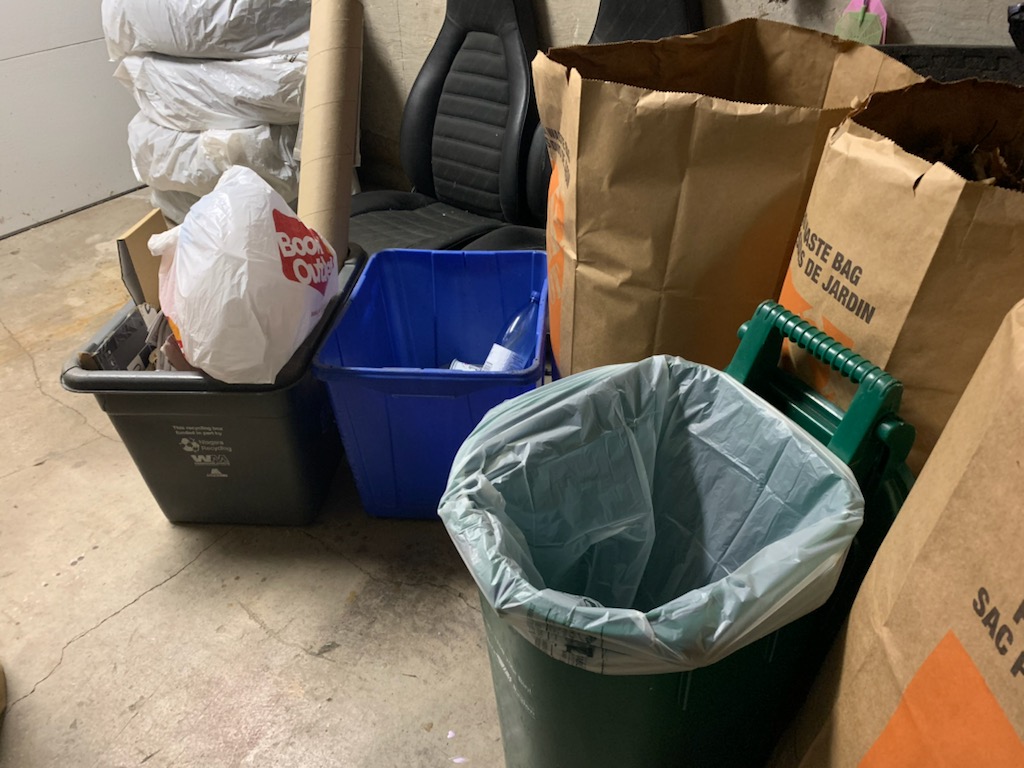
  • Shifting away from black bin use: Simple lifestyle changes to reduce your household waste

    Do you ever wonder what happens to your waste once it is picked up from your bins? Asking ourselves this on a regular basis is an important part of understanding how our actions are part of a complex problem that municipalities are working to resolve. Last week, we discussed the benefits of the new waste collection schedule for the Niagara Region. These benefits include the reduction of Green House Gases (GHG) as well as a decrease in both the amount of pollutants that leach into the environment and the amount of land required to bury our garbage. But how does this translate to action, and how can we make this shift to reduce our black bin (or garbage bin) use easier?

    As humans, we are social beings and are influenced by the actions of others. Our neighbours’ habits can impact our own, often without us even realizing it. If you see that your neighbours are shovelling their sidewalk when it snows, you are more likely to want to get out and shovel yours. The same goes for recycling and composting­ — if you believe your neighbours regularly recycle, you are more likely to do so yourself. Convenience and over-consumption are among of the biggest barriers to overcoming waste challenges. It is easy to not think about your waste because in a week or two, it will be off your property. The negative impacts of improper waste management extend beyond your curb, however. Although your waste might be out of sight and out of mind after collection day, the impacts of that waste extend beyond the local level, having global implications that continue long after it has been emptied from your bins.

    One way to begin changing your habits is to challenge yourself to use your recycling and compostable bins more frequently. The best way to do this is by tracking what you put in the garbage each day. After trying it out for a week, you may catch yourself putting waste in the wrong place!

    Here are some tips for helping reduce the waste in your black bin or bag:

    • Buy items in bulk (some stores may not allow you to bring your own containers during the pandemic, but typically, you can bring a reusable container)
    • Re-use your plastic bags, or better yet, use containers or re-usable beeswax wraps (see our creative kitchen blog post)
    • Remind yourself to choose the alternative with less packaging while shopping (buying fresh fruits and vegetables that don’t come in plastic wrap, for example)
    • Tape a reminder near your garbage can that will prompt you to think about whether your item truly belongs in the trash, or if it could be recycled or composted, instead
    • Educate yourself and your family members by using the ‘Where does it go?’ tool on the Niagara Region’s website. You simply type in any item that you you no longer want (from pizza boxes to empty laundry detergent jugs) and it will tell you which bin it goes in
    • Only buy what you truly need

    If you are a new homeowner or renter, the Region provides you with free containers for your waste, recycling, and compost! If you have been living in your dwelling for more than a year, you can still purchase containers or use other acceptable alternatives. Having a bin for each of the waste streams will set yourself up for success.

    Ontario’s zero waste goals will require collective efforts from everyone across the province. These goals include a 50 per cent waste diversion rate (that is, non-garbage material into green, blue or grey bins instead of black bins) by 2030 and a 80 per cent diversion rate by 2050. The Niagara Region can be a leader in this effort—starting with you and the actions you take in your home. When we take on more responsibility for our consumption and waste practices, we are doing our part to reduce greenhouse gas emissions while making our communities more sustainable for us all.

    The researchers involved with the MEOPAR project are working to raise awareness about the impacts of climate change and how communities can effectively adapt, and increase resilience, to these changes. Follow along with our blog every week (written by researchers Liette Vasseur, Meredith DeCock-Caspell, Bradley May, Pulkit Garg, Sam Gauthier & Jocelyn Baker) to learn more about the project and how you can get involved. You can also email us at [email protected]

    Categories: MEOPAR-Lincoln Blog

  • The Role of Perimeter Plantings in Vineyards

     A perimeter planting (border vegetation at right of photo) at an organic vineyard in Niagara-on-the-Lake, Ontario (Photo: Kasia Zgurzynski).


     Driving through Niagara’s wine country, you are likely to see many vineyards, often in close proximity to one another. What frequently separates these properties are fence-like rows of vegetation known as perimeter plantings (or hedgerows). The use of perimeter plantings in agricultural fields dates back to at least Medieval times in Ireland and England. Perimeter plantings can be remnants of previous forests, or, in many cases, farmers actively choose to plant and maintain vegetative borders with an understanding that these borders have the potential to be valuable elements of the agricultural landscape.

    There are many obvious services that perimeter plantings provide for vineyards. They can provide a protective barrier between properties, for example, filtering airborne weed seeds from neighbouring farms or reducing drifting snow during winter storms (especially if there are conifers). The above-ground density of perimeter plantings can also reduce the potential damage that winds can have on grapevines, as well as reducing the amount of wind-caused erosion of exposed soil. Wind is also a major driver of moisture loss, and perimeter plantings can reduce this impact, as well.

    Perimeter plantings offer other advantages as introduced species mingle with native and cultivated species to provide higher biodiversity than what would typically be found in a vineyard. Many species rely on these perimeters as a connection between habitats that would otherwise be isolated from each other, acting as a corridor for birds, insects, mammals, reptiles and amphibians. Sometimes farmers will also plant specific plant species in order to attract natural enemies of pest insects or pollinators. Perimeter plantings can provide food and overwintering habitat for parasitic wasps and predatory beetles, for example, both of which act as pest control. However, some insect pests can also use the perimeters to overwinter or to find alternative hosts. Wild grapevines may inadvertently be found in perimeter plantings and they may need to be removed as they can attract the Grape Berry Moth, a common pest in vineyards. Managing perimeter plantings can help maintain a functional mix of plant species that can potentially attract beneficial insects while simultaneously minimizing the attraction of pest species.

    Although some potential drawbacks exist with having lush perimeter plantings, the services that they provide are valuable on many levels, to us as humans and the ecosystems we inhabit. As we continue to face increasing impacts from climate change, it is important to be equipped with the tools necessary to adjust and react accordingly. Grape growers are stewards of the land that they cultivate, and research on perimeter plantings can support them in their roles by providing practical solutions to complex challenges, including those caused by a changing climate.

    This blog section will be ongoing throughout the duration of the project with bi-weekly updates provided by Liette Vasseur, Heather VanVolkenburg, Kasia Zgurzynski, Habib Ben Kalifa, and Diana Tosato (see research team). We will be providing research activity updates as well as informative pieces that delve into agricultural concepts and important global issues as they relate to agricultural sustainability and climate change. Stay tuned for regular updates!


    Categories: Organic Science Cluster 3 Blog

  • Changes in Niagara garbage collection schedule: a great step towards a zero-waste future

    Waste management continues to be a major challenge across the globe, with improper waste disposal resulting in high levels of pollution. In order to tackle this global issue, it is important that communities, and in fact all residents, rethink their waste management strategies. In the Niagara Region, an October 2019 waste management services report analyzed the contents of the average Niagara resident’s weekly garbage disposal and found that compost and recycle programs were being underutilized by residents. Only 48 per cent of households were found to be using the Green Bin (compost) program and, on average, 64 per cent of what Niagara residents placed in the garbage could have been recycled or composted. That means that only 36 per cent of the typical curbside garbage in the region was actually landfill garbage: 50 per cent was found to be compostable organic material (such as food leftovers) and 14 per cent was recyclable material.

    In response, the Niagara Region has made improvements to its waste management collection with the goal of increasing resident use of green bins for organics composting and encouraging the proper recycling of plastic, glass and cardboard products. As of October 19, 2020, the collection schedule changed to bi-weekly garbage pick-up, with continued weekly pick-up of recycling (blue & grey bins) and organic compost waste (green bin). Residents are now able to put out two containers of garbage on their scheduled pick-up week, and purchase additional tags if needed. This means that residents can still put out the same amount of garbage, they just have to wait two weeks to do so. The region hopes this will encourage individuals to use their green bins properly and help work toward it’s goal of diverting 65 per cent of waste from landfills. This can only be achieved, however, if we all put in an effort to rethink how we deal with our waste management.

    This change in the collection schedule has many benefits for the region, the first extending the lifespan of the landfill site. It also helps fight climate change Reducing the amount of waste going to landfills also reduces the amount of greenhouse gases (methane) that are released into the atmosphere. Less waste in the landfills also helps prevent the leaching of harmful chemicals, from plastics and other chemicals, into the environment. Proper recycling can also help in the reduction of greenhouse house gases through a reduction in energy consumption. Using recycled materials to make new products reduces the need for new materials. In turn, this avoids the greenhouse gas emissions that would have result from creating those new materials. This relates back to the idea of a circular economy, where we use products, services and resources for as long as possible and then recover and regenerate them at the end of their service life.

    Reducing the frequency in garbage pick-up also results in a reduction of the number of garbage trucks on the road. This, in turn, also mean a reduction in harmful emissions contributing to climate change. As well as the environmental benefits, having fewer wate collection trucks on the road also benefits the community by reducing traffic and lowering the financial costs for expenses like fuel and vehicle maintenance. Garbage trucks and other heavy vehicles can also cause significant damage to roads over time (such as the creation of potholes), and having less trucks on the road could potentially lower road maintenance costs in the region, too.

    If you are concerned about this new schedule and and its impact on your household waste disposal, there are many ways that you can reduce the volume of your waste and work towards proper waste disposal. Rethinking how you shop is a great place to start; you can look for products that contain less waste or buy in bulk. Shifting your mindset to think more about your waste habits and educating yourself on transforming your current habits into more sustainable ones will also help to ease the transition. Stay tuned for future blog posts where we will be discussing more on proper waste management and how we can work on improving our waste habits. It is important to note that there will also be province-wide changes to the recycling system coming in a few years and that the MEOPAR team will also discuss those changes and their implications in future blog posts.

    Categories: MEOPAR-Lincoln Blog

  • Cover Crops in the Vineyard

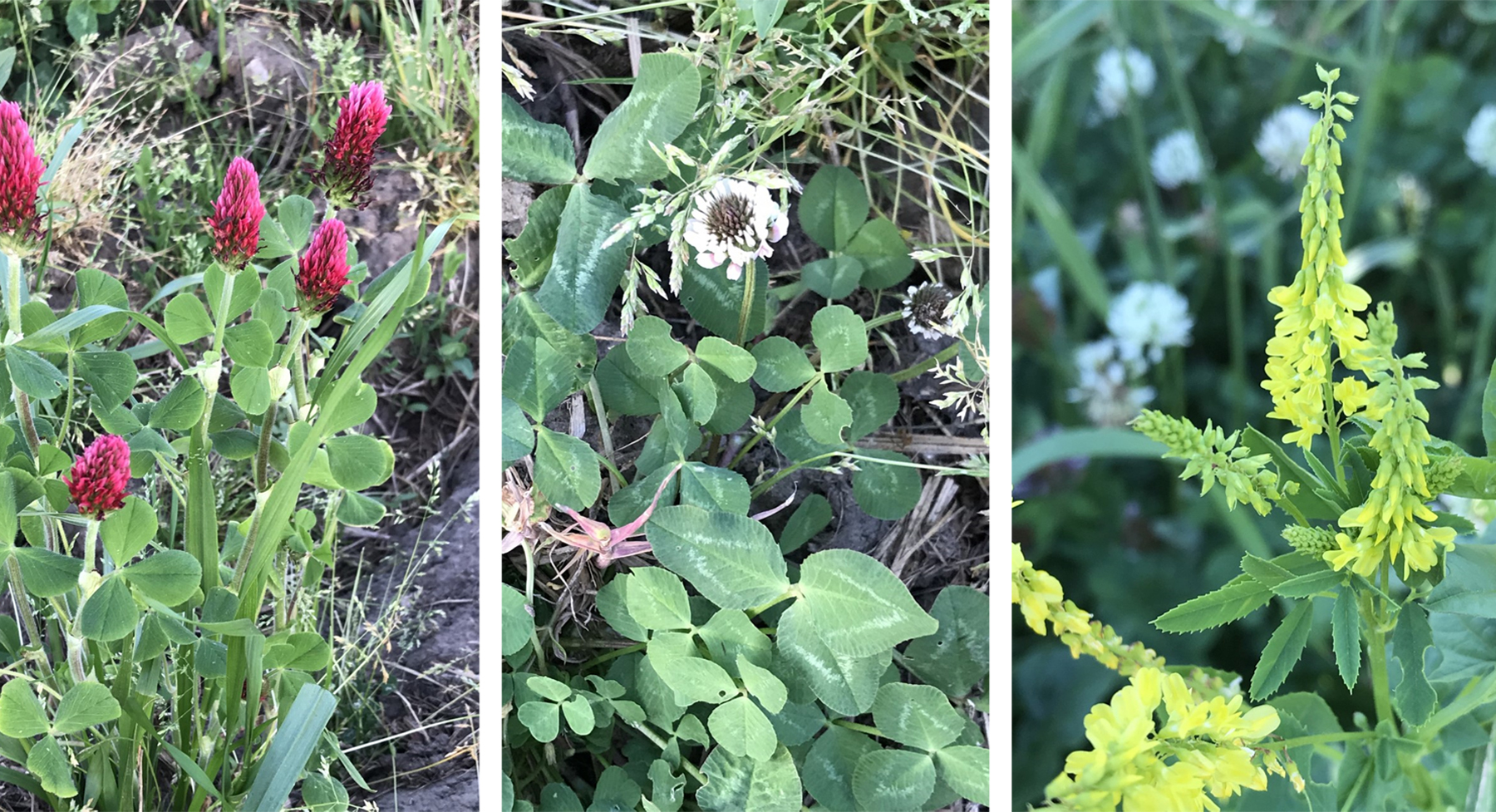
    Three examples of leguminous plant species being tested as cover crops here in local Niagara vineyards. From left: Trifolium incarnatum (crimson clover), Trifolium repens (white clover) and Melilotus officinalis (yellow sweet clover) (Photos: Kasia Zgurzynski)


    Grapevines are not the only plants at work in a typical vineyard. Growers often incorporate additional species of plants in between and (less often in Canada) under the rows of vines as a way to boost growing conditions and potentially improve berry yield. These additional cultivated plants are called cover crops. Cover crops are not typically harvested, but rather serve to enhance the growing environment. Since plants provide a multitude of functions in nature and form the foundation of healthy ecosystems, it should come as no surprise that cover crops can be a useful vineyard management tool. Some examples of environmental enhancement that can be achieved by cover cropping are improved water infiltration, decreased soil runoff and erosion, weed control or the promotion of beneficial insects.

    Cover crops can include various species of legumes (e.g., clover, vetch), forbs (e.g., chicory, oilseed radish) or grasses (e.g., fescue, timothy grass). Most legume species develop a reciprocal relationship with bacteria in the soil. These bacteria are beneficial and help capture the nitrogen and transform it to a form that can be absorbed by plants, making this key nutrient biologically available for the cash crop. Many grasses work as a kind of natural mulch, protecting the soil from drying out and suppressing the growth of weeds. Flowering plants with long and tough roots can break up the compaction in the soil, making it easier for water and oxygen to infiltrate deeply throughout the rooting zone, and drawing up water and nutrients from deep within the soil.

    Sometimes, the true benefits of cover crops occur when they are turned back into the soil, providing the organic matter and nutrients necessary to maintain soil health. Cover crops can also be an important nectar and food source for beneficial insects, such as parasitic wasps that can control leafhoppers. That being said, depending on the species and where or when they are planted, cover crops may actually compete with the cash crop, introduce disease or  impede wind flow between rows, so careful selection is important for the system to perform optimally. With climate change and the possibility of more climate variability, such as droughts and heavy rainfall, the presence of cover crops can help buffer the impacts of soil runoff or drought-induced soil cracking.

    Overall, cover crops have the potential to be a relatively inexpensive and effective strategy for improving the health of the vineyard from the ground up. A plant does not have to be a cash crop to perform a service for the vineyard. These crops can also help integrate the vineyards more holistically into the surrounding landscape. The ecological services provided by cover crops are substantial even beyond the vineyard, as well, allowing vineyard owners to improve their own crops while also providing benefits to nearby growers and the surrounding ecosystem in the process.

    This blog section will be ongoing throughout the duration of the project with bi-weekly updates provided by Liette Vasseur, Heather VanVolkenburg, Kasia Zgurzynski, Habib Ben Kalifa, and Diana Tosato (see research team). We will be providing research activity updates as well as informative pieces that delve into agricultural concepts and important global issues as they relate to agricultural sustainability and climate change. Stay tuned for regular updates!


    Categories: Organic Science Cluster 3 Blog