Articles from:June 2020

  • Vasseur publishes first position paper with Building Back Better Post COVID-19 Task Force

    Liette Vasseur, UNESCO Chair on Community Sustainability: From Local to Global, is part of a new task force that will publish a series of Policy Briefs focused on Ecosystems and Biodiversity, Green Infrastructure and Food Systems.

    Known as the Building Back Better Post COVID-19 Task Force, it brings together Canadian experts that are proposing economic recovery measures that would make our communities stronger in a post-COVID-19 world. It was established by the Canadian Commission for UNESCO and the UNESCO Chair on Food, Biodiversity, and Sustainability Studies at Wilfrid Laurier University.

    The first Position Paper published by the task force introduces the series of Policy Briefs focused on Ecosystems and Biodiversity, Green Infrastructure and Food Systems that will be released in the weeks to come.

    Along with Vasseur, other contributors include:

    Alison Blay-Palmer, UNESCO Chair in Food, Biodiversity and Sustainability Studies, Wilfrid Laurier University
    Sébastien Goupil, Secretary-General, Canadian Commission for UNESCO
    Debora Van Nijnatten, Professor, Political Science and North American Studies, Wilfrid Laurier University and Faculty Member, Balsillie School of International Affairs
    Eleanor Haine-Bennett, Natural Sciences Program Officer, Canadian Commission for UNESCO
    Harriet Friedmann, Professor Emeritus, University of Toronto
    Liette Vasseur, UNESCO Chair on Community Sustainability: From Local to Global; Brock University
    Simon Dalby, Professor, Balsillie School of International Affairs, Wilfrid Laurier University
    Patricia Ballamingie, Associate Professor, Environmental Studies and Human Geography, Carleton University
    Amanda Di Battista, Project Coordinator, Laurier Centre for Sustainable Food Systems, Wilfrid Laurier University
    Heather Reid, Researcher, UNESCO Chair in Food, Biodiversity and Sustainability Studies, Wilfrid Laurier University
    Johanna Wilkes, PhD Candidate, Balsillie School of International Affairs
    David Zandvliet, Simon Fraser University, Professor, Faculty of Education; Director, Institute for Environmental Learning
    Heather Mcleod-Kilmurray, Professor, Centre for Environmental Law and Global Sustainability, Faculty of Law, University of Ottawa
    Wayne Roberts, Advisor, Laurier Centre for Sustainable Food Systems

    Read the full policy brief.

    Categories: Updates of the Chair

  • MEOPAR BLOG: Sustainability Rating Systems/Certifications for Buildings

    The Ball’s Falls Conservation Centre in Lincoln, Niagara Region, ON is an example of a LEED ‘Gold’ Certified Building


    While we spend a majority of our time indoors, we might not consider the environmental impact and sustainability of the buildings where we are spending all of that time. In previous posts, we discussed the potential that green buildings and green infrastructure have to increase sustainability in the Niagara Region. In today’s post, we’ll explore several popular building sustainability certifications.

    LEED – ‘Leadership in Energy and Environmental Design’

    LEED is internationally recognized and one of the most widely used building rating systems in the world. Here in Canada, it is administered by the Canada Green Building Council (CaGBC). The LEED certification is holistic in nature and assesses the sustainability of buildings according to these criteria: water efficiency, energy efficiency, material selection, indoor environmental quality, innovation in design and sustainable site development.

    The Plaza Building at Brock University has been certified LEED Silver.

    Buildings are evaluated using a tiered point system to score green building design and construction out of 100 points. The more points awarded, the higher the level of certification. There are four levels of certification: Certified (40-49 points), Silver (50-59 points) , Gold (60-69 points) and Platinum (80-89 points).

    The LEED certification has been instrumental in creating cost efficient and environmentally sustainable buildings in communities worldwide. LEED-certified buildings have been proven to be healthier for people, and a range of buildings and projects—from local apartment buildings to university campuses—can become certified. The Rogers Place arena in Edmonton, for example, became the first National Hockey League (NHL) facility in Canada to achieve a LEED Silver certification.

    LBC – ‘Living Building Challenge’

    A living building is defined as a structure that can produce its own energy, capture and treat all of its own water and operate efficiently while being aesthetically appealing. LBC was conceptualized and launched by the International Living Future Institute (ILFI), which was founded in Seattle, Washington in 2006. It is also regarded as one of the most advanced and comprehensive green building certifications in the world.

    LBC examines whether buildings can function like plants—maintaining self-sufficiency and giving more than they take. To complete the LBC certification process, a builder must meet standards in seven focus areas, called “petals”. These are: materials (regenerative and non-toxic), health (good interior air quality and natural light), a sense of place (develops a relationship with nature), water conservation, energy efficiency (produces 105% more energy than consumed), equity/accessibility and beauty.

    The Bill Fisch Forest Stewardship and Education Centre in Whitchurch-Stouffville, Ontario, is the first LBC certified building in Canada.

    Once builders achieve the standards in all seven petals (demonstrated through performance data over a period of 12 consecutive months), the ILFI awards a Full Living Building certification. An example is

    LEED and LBC rating systems have promising potential to contribute towards boosting Niagara’s local economy and lending momentum to climate change mitigation and adaptation programs in the future.

    The researchers involved with the MEOPAR project are working to raise awareness about the impacts of climate change and how communities can effectively adapt, and increase resilience, to these changes. Follow along with our blog every week (written by researchers Liette Vasseur, Meredith DeCock, Bradley May, Pulkit Garg, Sam Gauthier and Jocelyn Baker) to learn more about the project and how you can get involved. You can also visit our website at brocku.ca/unesco-chair or email us at [email protected]


    Categories: MEOPAR-Lincoln Blog, Updates of the Chair

  • MEOPAR BLOG: Green Infrastructure—An Effective Climate Change Adaptation Mechanism

    Green infrastructure offers promising potential for increasing the sustainability of our existing infrastructure in the Niagara Region. 


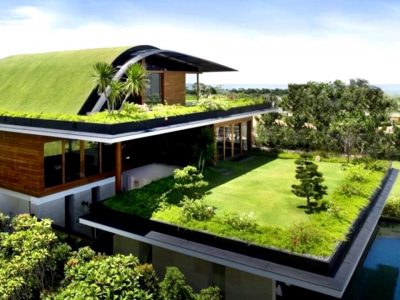
    Even if you haven’t heard of the term green infrastructure before, perhaps you have seen examples of it on a building around you. Ever noticed that a neighbour or local business has replaced traditional roofing with grass or living vegetation? That is just one of many great examples of green infrastructure at work.

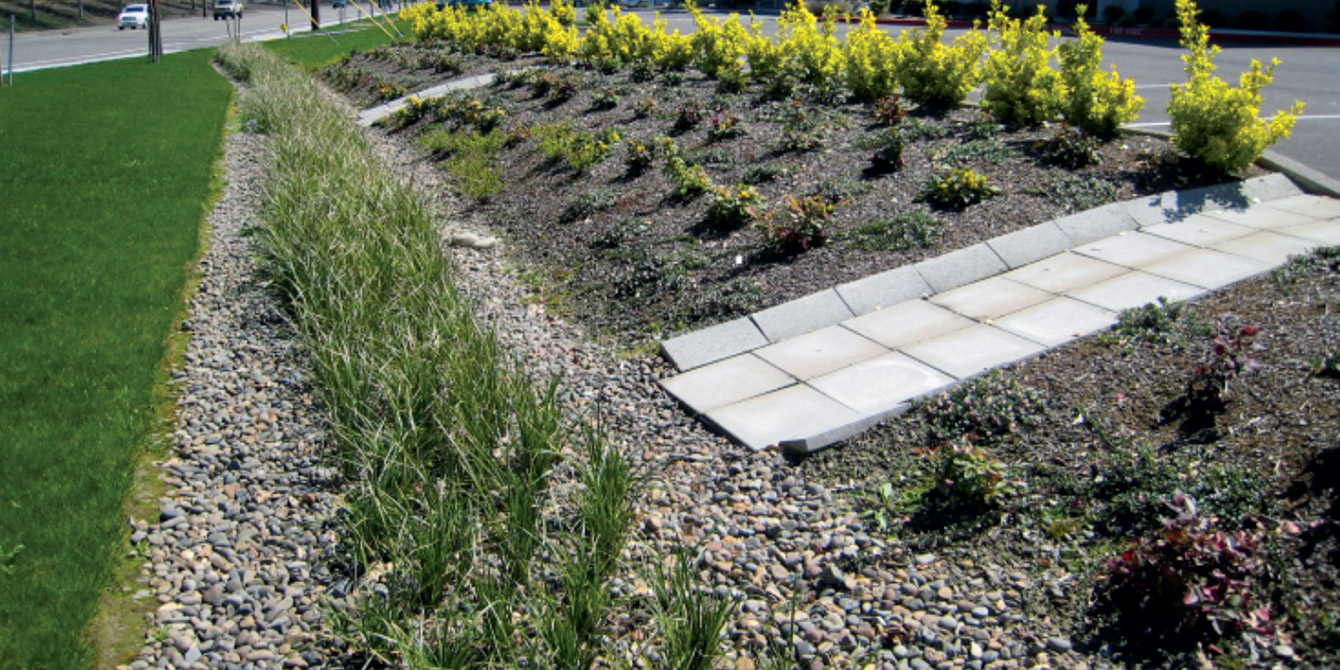
    Green infrastructure combines innovative green technology with natural vegetative systems, resulting in a wide array of social, economic and environmental benefits for the community. It includes both natural and engineered system solutions that promote healthy and rich ecosystems. Management practices that use a range of cost-effective measures to mimic the natural water cycle, manage stormwater and reduce flooding are examples of green infrastructure. Other examples include bioswales, green roofs, permeable pavement, rain gardens, rainwater harvesting and urban tree canopy.

    More affordable and reliable energy systems, energy savings through efficient fixtures and renovations, reduced flooding (by increasing ground permeability), more efficient stormwater management, lower runoff, improved water quality and quantity (replenished water tables) and lower soil erosion (with increased stability from planted vegetation) are but a few examples of the benefits green infrastructure provides. It also improves local biodiversity and reduces air temperature by providing shade, and, most importantly, leads to better community health, wellbeing and local aesthetics. By restoring natural flood defence systems, more resilient and reliable energy systems, reducing heat island in urban areas and implementing natural water retention mechanisms, green infrastructure serves as an effective climate change adaptation mechanism.

    Green infrastructure also creates jobs in many economic sectors including landscaping, engineering, plumbing, and design. Additionally, it lends support to various jobs associated with the manufacturing of materials such as roof membranes, rainwater harvesting systems, and permeable pavements. The  Green Infrastructure Ontario Coalition also reports that green infrastructure systems are 5 to 30 per cent cheaper to construct and about 25 per cent cheaper over its lifespan than conventional infrastructure of comparable performance.

    In 2018, the Governments of Canada and Ontario entered into an agreement to invest more than $2.2 billion in green infrastructure projects across Ontario over the next ten years. A similar trend is also being followed in other countries such as Germany, Singapore, Australia, and New Zealand. It will be interesting to see the role investments in green infrastructure will play in Niagara’s transition into a more climate resilient economy.

    Be sure to read our article next week, where we will focus on the various certifications and standards that specify and measure the sustainability of our buildings.

    The researchers involved with the MEOPAR project are working to raise awareness about the impacts of climate change and how communities can effectively adapt, and increase resilience, to these changes. Follow along with our blog every week (written by researchers Liette Vasseur, Meredith DeCock, Bradley May, Pulkit Garg, Sam Gauthier and Jocelyn Baker) to learn more about the project and how you can get involved. You can also visit our website at brocku.ca/unesco-chair or email us at [email protected]


    Categories: MEOPAR-Lincoln Blog, Updates of the Chair

  • OSCIII Blog: What is the Organic Cluster project?

    Early spring in a Niagara, Ontario vineyard partnered with the Organic Cluster project, May 2019 (Photo: Heather VanVolkenburg).


    In 2019, Brock University initiated the new project: “Unique Cover Crops, Rootstocks, and Irrigation Techniques for Canadian Vineyards”. The project is funded through the Organic Science Cluster 3 (OSC3): Connecting Environmental Sustainability and the Science of Organic Production, managed by the Organic Federation of Canada (OFC) in collaboration with the Organic Agricultural Centre of Canada (OACC) at Dalhousie University. The OSC3 is also supported by the AgriScience Program under Agriculture and Agri-Food Canada’s Canadian Agricultural Partnership (an investment by federal, provincial, and territorial governments). More than 70 partners from the agricultural community are also involved in these projects.

    Brock’s Dr. Liette Vasseur and Dr. Medhi Sharifi, research scientist with Agriculture and Agri-Food Canada, Summerland, BC, are the two principal investigators on this OSC3 grant. Heather VanVolkenburg, a recent graduate student of Dr. Vasseur, is supporting and contributes to the research as a Scientific Project Manager. Together, they are leading the project with several undergraduate and graduate students, with the long-term goal of developing and testing combined cover crop, rootstock, and irrigation strategies that support vineyard soil health. The research is being conducted at vineyards located in two major wine growing regions of Canada.

    Bi-weekly research activity updates will be provided in on-going blog posts. These will be written by Vasseur and the research team, including Heather VanVolkenburg, Kasia Zgurzynski, Habib Ben Kalifa, and Diana Tosato. The team will also write informative pieces delving into agricultural concepts and important global issues as they relate to agricultural sustainability and climate change.

    Stay tuned for regular updates!

    Categories: Organic Science Cluster 3 Blog, Updates of the Chair

  • MEOPAR Blog: Green Buildings For Sustainable Living

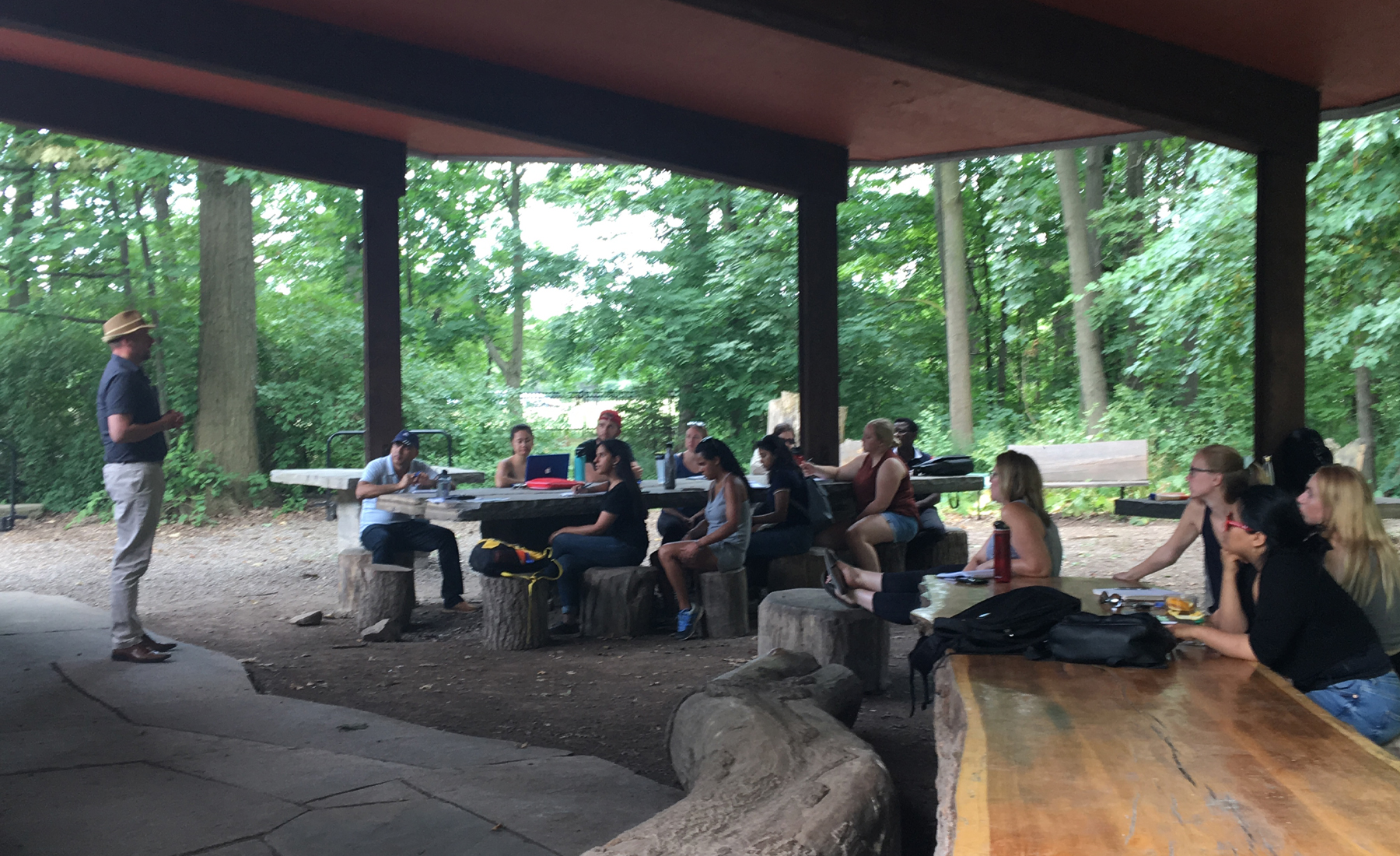
    Greg Redden, Principal Architect at Macdonald Zuberec Ensslen Architects Inc, stands in the DSBN Walkers Living Classroom, in the Woodend Conservation Area. His firm designed this green space, or living classroom, to engage all senses in the learning environment while also utilizing natural light and space so that no utilities are used and energy costs are reduced.


    With the warm weather finally here, many of us are thinking about new home projects. But how often do we think about projects that can reduce our ecological footprint and increase the health of our community, or the impact of the materials we use when we build?

    We can contribute to a global effort to increase the number of green buildings in our communities. A green building refers to one constructed by using any method that will minimize or eliminate adverse impacts on human health and the environment. Multiple ideas can apply to green buildings, ranging from the use of solar panels as a way to increase energy efficiency to the installation of a simple rain barrel to reduce city water consumption. The concept of a green building encompasses the analysis of how materials we use in our projects will have an impact on the environment over their lifetime. This means looking at them from the planning and design stage through to the construction, operation, maintenance, and demolition of the project.

    The green building concept has gained traction because conventional buildings have massive ecological impacts throughout their life cycle. For example, buildings account for one quarter of global carbon emissions and more than 10 per cent of global water consumption every year. By incorporating several measures to reduce our footprint, we can conserve precious natural resources. The green building concept is not only for houses or apartment buildings, you can also apply it to your garden or backyard, such as in the construction of a small greenhouse or a plant wall made of recycled materials.

    Green building projects can include issues such as water resource consumption (efficient management and recycling), energy efficiency, material efficiency (by using sustainable, non-toxic and locally sourced building materials), health and well-being of occupants (better ventilation, natural light, improved indoor air quality), and waste reduction (reduce, reuse and recycle).

    Green buildings offer a multitude of benefits for the environment including the preservation of natural resources, enhanced ecosystem health and biodiversity and lower waste generation. Green buildings also provide economic advantages, such as lower operation and maintenance costs that mean savings on water and energy bills due to increased efficiencies.

    In the Niagara Region, green buildings have a high potential to address many long-term sustainability targets while simultaneously providing solutions to pressing economic development concerns such as resilient infrastructure. In upcoming articles, the MEOPAR team will focus on some aspects of green infrastructure and the various certifications that exist to certify buildings as sustainable.

    The researchers involved with the MEOPAR project are working to raise awareness about the impacts of climate change and how communities can effectively adapt, and increase resilience, to these changes. Follow along with our blog every week (written by researchers Liette Vasseur, Meredith DeCock, Bradley May, Pulkit Garg, Sam Gauthier and Jocelyn Baker) to learn more about the project and how you can get involved. You can also visit our website at brocku.ca/unesco-chair or email us at [email protected]

    Categories: MEOPAR-Lincoln Blog, Updates of the Chair