News

  • Is it time to move beyond sustainability and begin thinking about radical transformation?

    Contributors: Liette Vasseur and Jocelyn Baker

    Access to clean, healthy water is essential for all life on Earth. As the world population continues to rise, natural ecosystems are becoming increasingly vulnerable to the threats of land conversion, invasive species, and the consequences of accelerated climate change. This has resulted in the loss of biological diversity. When an ecosystem functions correctly, it can provide enough food, shelter, water, and other goods and services required for all of the species within it. As soon as an ecosystem is degraded, however, it can lose its integrity, reducing or stopping the provision of services — including clean water.

    The major and enduring impacts of ecosystem destruction can be seen most prominently in the planet’s wetland systems. The livelihoods and overall survival of most cultures on Earth depend on the functions and benefits of wetlands for the purposes of food provision. Rice, for example, is grown in wetland complexes and is the staple diet of nearly half of the people on Earth. Most commercial fish and invertebrates, including crabs, lobster, and shrimp, also depend on wetlands for all or part of their lifecycle. The long-term global loss of all wetland types is estimated to be between 54 to 57 per cent, with the rate of losses four times higher in the last century than in previous centuries 1,2.  Inland wetlands have seen a 35 per cent decline since 1970, with 87 per cent total loss since 1700 3. Despite comprising only 3 per cent of the Earth’s total surface area, wetlands are estimated to contribute more than 40 per cent of all global ecosystem services, providing an estimated US $55 trillion (in 2020) annually to global economies 1,2.

    The sustainability of these ecosystems is therefore of great concern, but what is it that we are trying to sustain? Are we simply aiming to stop further wetland losses, being satisfied with the status quo? Or is it time to move beyond sustainability and begin thinking about radical transformation? The continuous growth of human populations and economies should not come at the expense of nature. At some point, nature will not be able to sustain people and maintain its contributions to all of us. It is critical that we rethink and transform our relationships with one another and the natural world. We need to change the current worldview because our current capitalist-neoliberal way of life is unsustainable. Pursuing infinite economic growth and resource exploitation — when we have a finite planet — is simply not working.

    Societies must also think differently about themselves and their relations with the natural world that supports them. As an example, the Western Humanist (or western human way of thinking) views humans as the most important species on the planet. With this worldview (a set of beliefs and values about one’s reality) comes the idea that humans have dominion over the natural world with the right to exploit all of its resources (including plants and animals) as they wish. Does this make sense? What does adherence to this worldview mean for the generations to come? Any decision we make leads to consequences, and the children of the future will pay for the degradation and overexploitation of today. What will happen when the water stops flowing and all the fish in the oceans are gone?

    Radical transformation is needed in order to rethink the way that humans live within the natural world; we are part of it, not superior to it. Maybe when we embrace this way of thinking, a more sustainable future will be waiting for us.


    References:

    1. Baker, J., Dupont, D., & Vasseur, L. (2021). Exploring Canadian Ramsar Sites Ecosystem Governance and
    Sustainability. Wetlands, 41(1), 1-11.
    2. Davidson, N. C., Van Dam, A. A., Finlayson, C. M., & McInnes, R. J. (2019). Worth of wetlands: Revised global monetary values of coastal and inland wetland ecosystem services. Marine and Freshwater Research, 70(8), 1189.
    3. United Nations Environment Programme (2021). Becoming #GenerationRestoration: Ecosystem restoration for people, nature, and climate. Nairobi.

    Categories: Beyond Sustainability Blog

  • Saving paper does not “save trees” — but it still helps the environment  

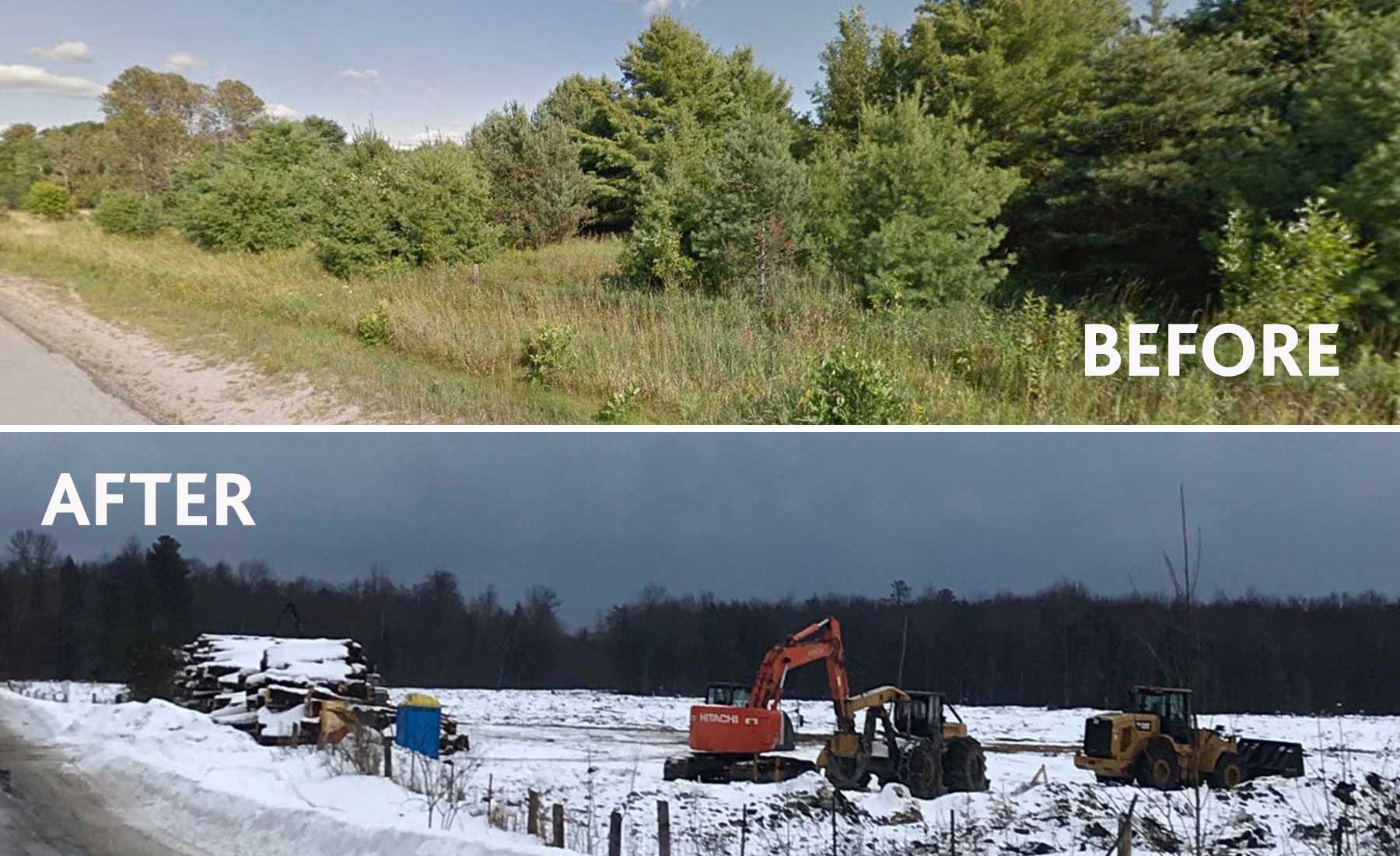
    A 92-acre plot of land on Lake Couchiching, in Orillia, Ontario, was recently cleared of trees to make way for the Lake Couchiching Residence project. The image above shows the same plot of land before and after the process began.


    If you are concerned about conservation, you have probably made a conscious effort to minimize the amount of paper you use in an effort to “save the trees.” Although using less paper is certainly a good thing for the environment overall, most Canadians would be surprised to learn that using less paper will not actually result in less tree harvesting.

    In Canada, the relationship between paper and forests is similar to the relationship between gravy and roast beef. Just as gravy is a by-product of cooking roast beef, paper is a by-product of producing lumber at a sawmill. Over 90 per cent of paper produced in Canada is made from the sawdust and woodchips left behind after the production of lumber, which is mainly used for building houses. Woodchip and sawdust residues are first used in the production of boxboard or paperboard (otherwise known as cardboard). Then, when that cardboard is recycled, the majority of it is made into paper products. In fact, most Canadians would be surprised to learn that almost all domestic paper comes from recycled cardboard, with the exception of remote communities with limited or no recycling capacity.

    In the Niagara Region, recycling processes are able to fully reuse and repurpose cardboard into other post-consumer paper products (including toilet paper). Even so, using less paper is still a worthwhile conservation goal for a number of reasons. Reducing your paper consumption will mitigate (reduce) the impacts of climate change by lowering the greenhouse gas emissions generated by processing pulp into paper. Paper is also a heavy and bulky product that uses considerable fossil fuel resources in the supply chain, from production through to shipping and receiving (transportation networks). Using less paper individually will reduce the amount of paper being transported overall, thereby reducing carbon emissions. An October 2019 waste management services report also found that most compost and recycle programs were being underutilized by Niagara residents, prompting a switch to a bi-weekly landfill collection cycle in order to encourage more recycling. Diverting that paper waste from landfills lessens the use of fossil fuels (by having fewer garbage trucks on the road for collection), reduces methane gas (a greenhouse gas produced by the decomposition of organic waste in landfills), and ensures a continuous cardboard supply for paper production.

    Aerial view of Lake Couchiching, where a 92-acre plot of land was recently cleared of trees to make way for a housing project.

    The paper industry in Canada has transformed considerably over the last 200 years, with a move away from environmentally unsustainable deforestation practices towards modern innovations, technologies, and the rise of sustainable forestry practices in the 1980’s. In fact, Canada was one of the first countries to support sustainable forestry management (SFM) at the United Nations Conference on the Environment in 1992. But what does all this really mean for Canadian forests?  Canada has 347 million hectares of forest that covers 38 per cent of its landscape and comprises 9 per cent of the world’s forest.  Canada is the world leader in sustainable forest management practices, as the majority of the country’s timber is certified as sustainably managed. Canada’s early adoption of SFM has also meant that Canadian forests have remained stable over the last two decades, with less than 0.5 per cent deforested since 1990.

    The United Nations defines deforestation as the permanent or long-term removal of forests from the landscape. It is the change of land-use from forest into something else, such as an urban area. Forest loss from forest fires, disease, and other natural disasters is temporary, with forests regenerating naturally as they always have. Logged forests are also not considered to be a permanent example of land-use change, as these forests are required to be replanted and regenerated under law. This is not to suggest that there are no issues in terms of loss of biodiversity or ecosystem function. The largest deforestation impacts to Canadian forests are from agriculture, urbanization, mining, oil and gas exploration, highways, hydro-electric infrastructure, and recreational uses such as ski hills and golf courses. These practices have resulted in the permanent loss of Canadian forests.

    So while conserving paper is still a great thing to do, remember that you are not technically saving trees by doing so. Rather, you are diverting waste from landfills, minimizing the use of chemicals used in the paper-making process, and reducing greenhouse gas emissions — all of which play an important part in mitigating the impacts of climate change.


    Categories: MEOPAR-Lincoln Blog

  • Online panel seeks to ensure equitable future for all academic talent

    Brock University faculty, staff, students and members of the broader community are invited to attend an interactive online session to learn more about the barriers women face in academic prize and award processes.

    The session takes place Wednesday, June 23 at 3 p.m. and will feature Liette Vasseur, Professor in Biological Sciences and UNESCO Chair on Community Sustainability: From Local to Global, as well as a panel of experts from universities across Canada.

    The panel seeks to raise awareness of the major issues surrounding STEM (science, technology, engineering and mathematics) prizes and awards, and to provide solutions for breaking down barriers in academic prize and award landscapes.

    The panel follows the publication of a report entitled “Prizes & Awards: closing the gender gap to ensure an equitable future for all academic talent,” authored by Vasseur and Jocelyn Baker, Research Assistant with Brock’s UNESCO Chair. The report, which is available in English and in French, highlights how women scholars statistically win fewer prizes than men, receive less financial compensation, and are denied the same access to the accolades and distinguishing benefits that awards bring.

    The paper reviewed 11 prestigious Canadian and global academic prizes and awards to highlight the barriers to awards that exist for women in STEM and then offer key considerations and good practices that can be implemented for calls for nominations and selection committees. The overarching goal is to ensure that future top prize winners are of the most deserving talent, regardless of gender.

    Deb Saucier, President and Vice-Chancellor of Vancouver Island University, will moderate the discussion, which will also feature Nicole Fenton, Université du Québec en Abitibi-Témiscamingue; Jeremy Kerr, University of Ottawa; Juliet Daniel, McMaster University; and Shohini Ghose, Wilfrid Laurier University.

    The panel will take place on Lifesize and is free and open to all members of the public. Pre-registration is not required and interested participants can join the discussion here.

    Categories: Activities & Events, Updates of the Chair

  • Launch of Shoreline Public-to-Public (P2P) Online Survey

    In previous blog posts we have highlighted some of the various ways that we can build resilience through robust adaptation, including options for enhanced shoreline protection (https://brocku.ca/unesco-chair/news-3/).

    During the MEOPAR project, we have also listened to you, as part of our interviews, focus groups, and informal chats. In addition to enhancing green spaces and using both natural and traditional shoreline protection, you helped us identify a number of other options, such as tax relief and subsidies for improvements, technical guidance, insurance coverage, and facilitating managed retreat.

    The team has compiled these options and created a survey to let you rank them in terms of your personal experience, preferences, and values. As you know, the COVID-19 pandemic does not allow us to have in-person meetings to continue our discussions; so, we are moving online with a few tools to further the understanding of opportunities and challenges for climate change adaptation in Great Lakes communities, such as Lincoln, and elsewhere. First, we will be rolling out an on-line survey. This on-line survey makes use of a public-to-public (P2P) platform decision support tool (DST) developed by the University of Waterloo’s Dr. Simone Philpot.

    We would love to get your input on what you consider appropriate risk-based options. If you are interested in participating in the survey, please contact us at [email protected] and we will provide you with what you need to know to take the survey.

    We will be coming to you soon with other opportunities to continue the discussion… virtually, of course!

    Thanks again for your interest in the MEOPAR project. Your input will help us co-create community solutions to address the issues of resilient shoreline protection.

    Categories: MEOPAR-Lincoln Blog

  • Springtime flooding is just around the corner

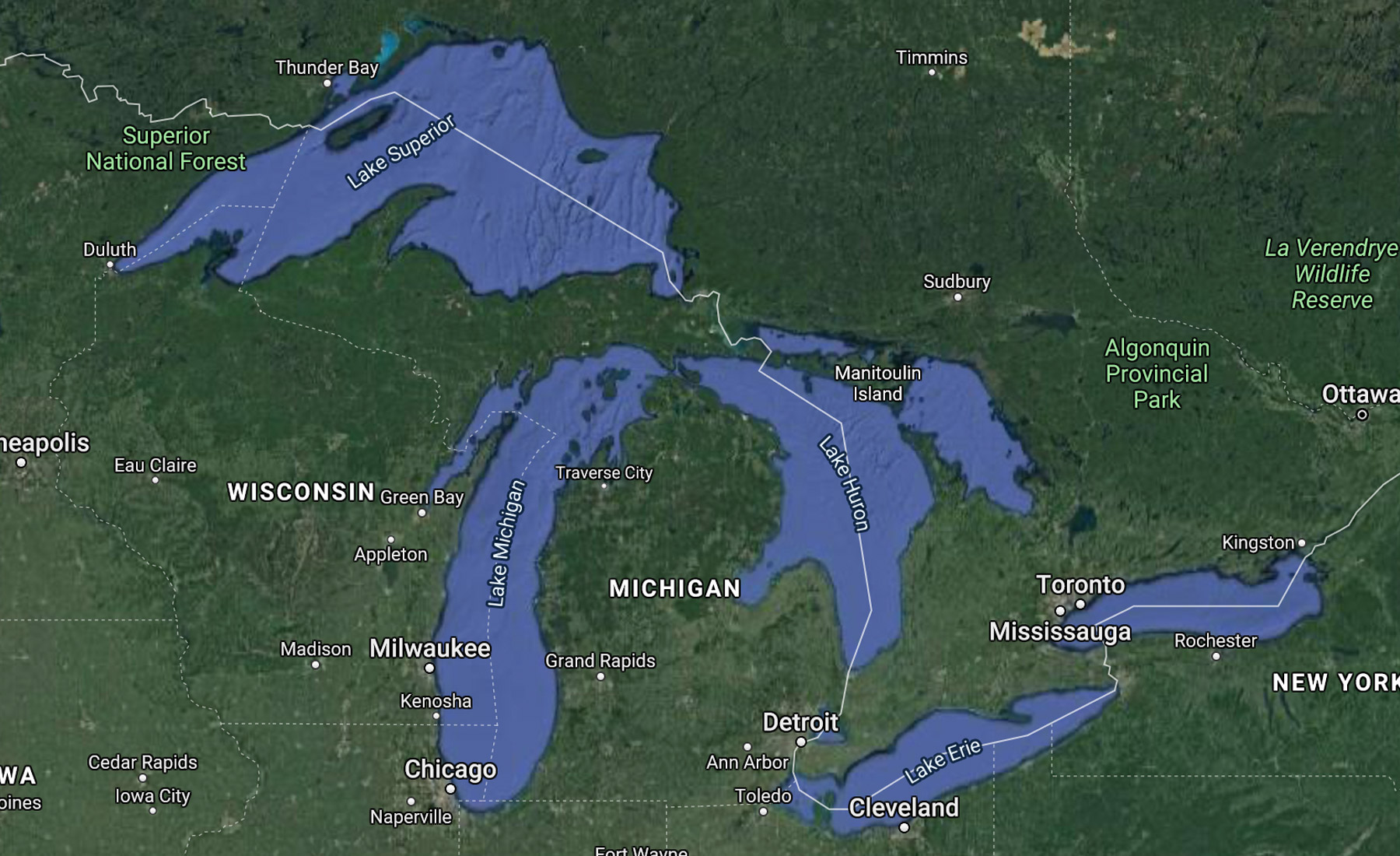
    A google maps satellite image representing the five Great Lakes across Ontario and how they are all connected by a variety of water systems.


     Basement flooding, often resulting from snowmelt, intense rainfall events, and poor drainage, is a concern many of us have as springtime approaches. Basements are inherently prone to flooding because they are the lowest level in the home and are constructed below-grade. Flooding of these spaces is even possible during dry seasons, when sudden, heavy rainfall occurs. This year’s winter in the Niagara Region has been unpredictable, with a lot of snow accumulation seen within the last few weeks. This means that flooding this spring is possible, depending on how quickly the weather warms up and melts the existing snow.

    We should always plan to reduce the related impacts from flooding. Having a wet spring and summer has the potential to change the dynamic of Lake Ontario and Lake Erie, as well. The five Great Lakes — Superior, Huron, Michigan, Erie and Ontario —  are the largest freshwater system in the world, spanning a total surface area of 245,013 square kilometers and flowing gradually into the St. Lawrence River.  This system moves a lot of water; even more so during the spring meltdown or a series of intense rainfalls like those that occurred in the spring of 2017. When excess water enters that system, flooding can then occur. It can either be localized or associated with a river or water system. An area of land that drains all of the streams and rainfall to a common outlet is known as a watershed. When too much water from smaller streams is drained into these interconnected lake systems, it leads to flooding of the riverine areas. In our region, small local watersheds all ultimately discharge into Lake Ontario, Lake Erie, or the Niagara River. The Great Lakes are considered a larger watershed consisting of all these smaller watersheds (including those of the other lakes). More snow around Lake Superior will gradually have an impact on our lakes here in Niagara.

    Flooding can cause water damage to homes (including the foundation) and can also result in the contamination of homes from sewage or mud. There are many steps you can take at home to prevent your basement from flooding, however. The INTACT centre guide on flood-proofing your home lists many strategies that can be useful to prevent damage to your home.

    Here are some examples of cost-effective flood protection measures:

    • Clean out storm drains, eavestroughs and water valves of debris to allow for clear drainage and flow.
    • Check for leaks in plumbing fixtures to prevent inside leaks.
    • Test your sump pump to ensure it is working properly and have a back-up sump pump system in place.
    • Install window well covers as well as water-resistant windows.
    • Extend downspouts and sump pipes two meters away from the home’s foundation to prevent the possibility of flooding.

    The researchers involved with the MEOPAR project are working to raise awareness about the impacts of climate change and how communities can effectively adapt and increase resilience to these changes. Follow along with our blog every week (written by researchers Liette Vasseur, Meredith Caspell, Bradley May, Sam Gauthier & Jocelyn Baker) to learn more about the project and how you can get involved. You can also visit our website at brocku.ca/unesco-chair or email us at [email protected]


    Categories: MEOPAR-Lincoln Blog

  • Grape Rootstock in a Changing Environment

    A diagram representing the rootstock (the root portion of a single, healthy plant), scion (the young shoot of a different plant) and the junction where they are artificially united (graft union; diagram created by Heather VanVolkenburg).


    Managing vineyards can be challenging to say the least, especially with the added complexity of extreme environmental changes, both between and within growing seasons. In order maintain a productive vineyard, growers have several key components that they must consider when planning for vine establishment and maintenance. The selection of rootstock is one such component. The types of rootstock may determine how the vines respond to the abiotic and biotic stressors that present-day vineyards face, especially those related to climate change.

    Rootstock are an essential element in most vineyards, including vineyards here in Canada. To obtain a new vine, growers use the root system of one vine (i.e. rootstock) and combine it with a shoot from another one (i.e. scion). Each component can be from a different species of grapevine or even several species combined. Rootstock choices enable growers to select for grapevines that are more resistant to environmental adversities such as drought or disease, thus allowing for maintained or increased vine productivity Moreover, rootstock selection helps to overcome problems with soil such as texture, pH and density. While rootstock is normally selected for below-ground performance and resistance to challenges such as drought and disease (both of which occur more frequently due to effects of climate change), scions are usually chosen according to control above-ground aspects such as vine vigour, how quickly grapes ripen, fruit size, quality, and overall yield. In a simple way, the new plant has the best parts of two different plants!

    The selection of a rootstock can be quite complex. For example, if the vineyard is located in an area prone to flooding, consideration should be given to a rootstock’s ability to survive in this condition. The type of soil will also influence this selection. Other considerations may be related to resistance to certain pests or viruses. Selection considerations must constantly evolve as agroecosystems are constantly changing according the environment in which they exist. With the changing climate, especially extreme weather events, selection becomes even more challenging.

    Considering how closely existing rootstock choices interact with other management strategies (e.g. irrigation and cover cropping), defining good practices for local vineyards remains important. Here at Brock, we embrace the opportunity to work alongside vineyard growers to examine how integrated management techniques can help strengthen the sustainability of the industry. In our project, using organic vineyards as study locations, we are testing different combinations of three components of vineyard management, including irrigation, cover cropping and rootstock or their combined viability as local management techniques. By monitoring grapevine yields and growth, as well as disease and pest occurrence over consecutive seasons, we hope to evaluate how climate change may be affecting the different rootstocks and vine varieties present locally. Ultimately, we hope that results will contribute to maintain production of local grape growers in a sustainable way despite the challenges presented by climate change.

    This blog will be ongoing throughout the duration of the project with monthly updates provided by Liette Vasseur, Heather VanVolkenburg, Kasia Zgurzynski, Habib Ben Kalifa, and Diana Tosato (see research team). We will be providing research activity updates as well as informative pieces that delve into agricultural concepts and important global issues as they relate to agricultural sustainability and climate change. Stay tuned for regular updates!


    Categories: Organic Science Cluster 3 Blog

  • Climate data and trends in the Greater Niagara Region

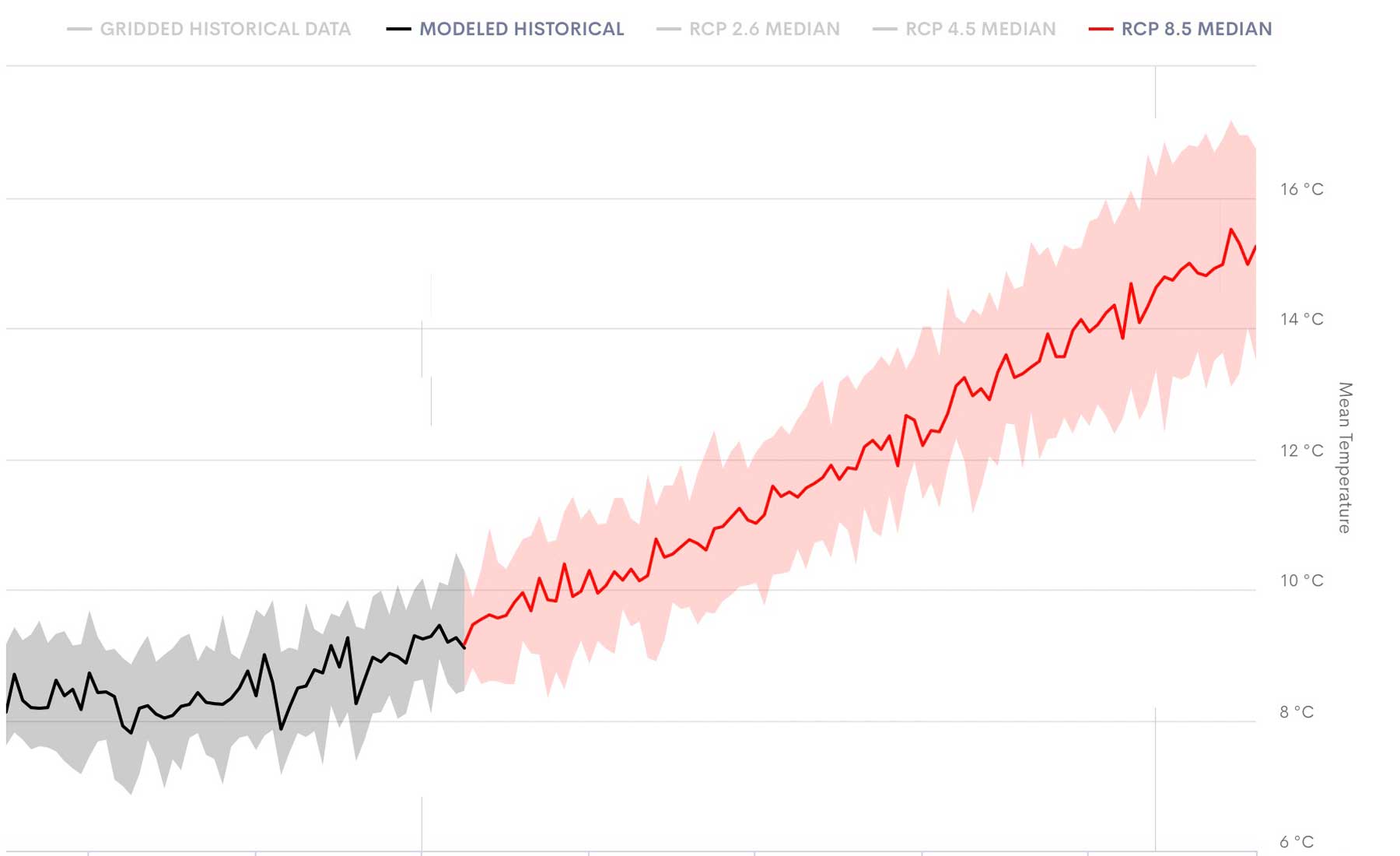
    A graph from climatedata.ca that illustrates the rising mean temperature from the years 1950-2100 under a high emissions scenario (RCP8.5). This increase in mean temperature can lead to negative impacts for agriculture, coastal communities and the overall health of individuals in the Niagara Region.


     In a previous blog post, we discussed how to take initiative towards adapting to and mitigating (reducing) the effects of climate change. However, before we can discuss specific methods of actually doing so, it is important to first understand the historical and predicted future climate trends in the Greater Niagara Region.

    A great tool for understanding climate trends across Canada is the publicly accessible website climatedata.ca. It provides climate data that helps individuals, communities and governments better understand historical climate data and make informed decisions for a more resilient Canada in the future. The website provides past, present and current climate trends for multiple locations in Canada. The data can be analysed on a broader provincial level or drilled down to look at specific municipalities or townships. Specific climate variables, such as temperature, precipitation, frost days and growing days, are also available. This information can be extremely valuable when trying to plan adaptation and mitigation measures in your community, for infrastructure, on farmland and even at your own personal residence. For example, frost days (number of days where the temperature drops below 0˚C) are particularly important in the Greater Niagara Region as the agricultural sector is a main economic driver for the area.

    The website generates graphs of climatic trends under three future greenhouse gas emission scenarios, also known as representative concentration pathways (RCPs). These RCPs were generated by the United Nations’ Intergovernmental Panel on Climate Change (IPCC). RCPs represent the degree of warming of an area or location (translated in watts per square meter) under different scenarios. Those scenarios range from acting rapidly to reduce greenhouse gas emissions to not acting at all and keeping a business-as-usual way of life. They include a low emission scenario (RCP2.6), moderate emissions scenario (RCP4.5) and high emissions scenario (RCP8.5). The RCP2.6 scenario leads to the least warming and reflects a future that uses immediate efforts to drastically reduce greenhouse gas emissions. RCP4.5 models a future in which some mitigation of emissions prevents the extreme warming of the high emissions scenario of RCP8.5. Analysing the high emissions scenario (RCP8.5) on the website allows you to understand and prepare for the worst-case scenario when dealing with climatic trends. Unfortunately, due to trends and behaviours we are currently seeing in Canada, such as increases in population, pollution, and deforestation (among others), the RCP8.5 scenario may become the most probable one.

    We used the website to find data about the Niagara Region under a high emission scenario (RCP8.5). Using the website, the climatic trends reported for this area show that the annual average temperature in the region was between 8.4 ºC and 9 ºC between 1951 and 2020. Under a high emissions scenario, annual average temperatures are projected to be 10.9 ºC by 2050, 12.9 ºC by 2080, and will continue to rise above 14.3 ºC by 2100. Average annual precipitation in the region was historically 866 mm. Under a high emissions scenario, this is projected to be 7% higher by 2050, 10% higher by 2080 and by 2100.

    Rising temperatures and precipitation rates can have a significant impact on agriculture, coastal communities and the overall health of individuals in the Niagara Region. Over time, climate change has become more severe and in order to take initiative and make change, we must adapt and mitigate so we can slow or stop these trends from climbing.

    It is important to note that these climatic trends are projections, meaning they are just a model and may not be 100% accurate. However, they do provide guidance as to what the future may hold for our region. With a proper understanding of the potential climatic changes Niagara could be facing, it allows us to be more prepared and create more efficient adaptation and mitigation plans. In upcoming blogs, we will discuss strategies that can be used to manage these projected climatic changes and how we can initiate change.

    The researchers involved with the MEOPAR project are working to raise awareness about the impacts of climate change and how communities can effectively adapt and increase resilience to these changes. Follow along with our blog every week (written by researchers Liette Vasseur, Meredith Caspell, Bradley May, Sam Gauthier & Jocelyn Baker) to learn more about the project and how you can get involved. You can also visit our website at brocku.ca/unesco-chair or email us at [email protected]


    Categories: MEOPAR-Lincoln Blog

  • Vineyards and Heavy Rainfall

    Standing pools of water in a local Niagara vineyard, days after heavy rainfall in October of 2020 in a local vineyard (Photo taken by Len Van Hoffen).


    A flooded vineyard is not a strange view for Niagara region inhabitants, particularly after a heavy rainfall event. In recent years, this has been seen more frequently in late winter and spring. Heavy rainfalls are considered extreme weather events that are projected to occur more frequently because of climate change. With more frequent torrential downpours, vineyards are often subjected to periods of waterlogging. The meteorological service of Canada defines a heavy rainfall event as 50 mm of rain in less than a 12-hour period. Soil type, volume of precipitation and management practices can all be determinant factors for how long water will remain in the field, as well as how much it will affect the soil and vines. Flood conditions in vineyards can cause both short and long-term challenges for vineyard managers.

    A flooded vineyard usually leads to relatively soft, muddy soil, making management activities difficult. In fact, soggy conditions often prevent mechanical management from happening as the soft vineyard soil cannot support heavy equipment without causing soil compaction. Soil compaction is when the soil gets compressed to a point where normal processes such as water movement or plant root growth through the soil becomes limited. In the spring, it is not uncommon for between-row sowing of cover crops in the vineyard to be delayed or skipped entirely depending on how long the vineyard is under water. Sometimes, standing water can even mean that growers may have to delay their harvest; thus leaving the berries on the vine for a longer period of time and potentially affecting wine quality.

    Soil runoff is another management challenge in vineyards during periods of heavy rainfalls that cause soil degradation and nutrient loss. Vineyards located on steep slopes can be more prone to this phenomenon, with water running faster and bringing soil sediments, as well. Managers will often plant a cover crop in an attempt to mitigate this challenge.

    A waterlogged soil can become what is known as anaerobic, which means that there is less oxygen available in the soil for plants and other important organisms to thrive. Less oxygen can result in root damage and even plant mortality, ultimately resulting in reduced berry quality and yield.

    Some wine growers have found that yields following a flooded year are drastically lower than years with less heavy rainfall. In flood conditions, vine plants tend to devote energy to bud formation and canopy growth rather than forming fruits, hence less berries and smaller clusters. Furthermore, heavy rains close to harvest can injure ripened berries through the force of drops hitting the outer skin and exposing the swollen fruit contents. This causes them to become more susceptible to rot and disease and will not only decrease the yield, but potentially the wine quality, as well.

    Heavy rainfall can have other indirect effects for vineyard managers. Too much moisture has the tendency to increase disease pressure in seasons following floods. Too much rain, combined with warm temperatures, can produce the perfect condition for fungal diseases like mildew, botrytis, and other rots to develop. High precipitation can also speed up the spread of fungus that has overwintered within vineyard soils in the form of spores. Fungal spores can be lifted from the ground all the way to the canopy, essentially hitchhiking on the splash of raindrops, or carried to other parts of the vineyard through runoff.

    During times of drought, rain can be good news for any crop — and vines are no exception. But, as we have seen, heavy rains and extended flood conditions can have numerous negative effects on vineyard management, plants and ultimately, the whole agroecosystem. To minimize the impact of waterlogging within vineyards, some management practices can be applied. These may include the installation of efficient draining systems, mechanical pump removal of water or deep tilling of the soil every 4 to 5 years. However, working with mother nature by introducing between-row cover crop varieties that respond well to flood conditions may be a grower’s best bet in mitigating these extreme weather events. Thinking back to the most recent blog on the effects of drought in vineyards, it becomes apparent that water management can be a delicate balancing act for managers. Researching how vineyard systems respond to extreme weather events can help growers adapt and choose optimal management strategies thereby enhancing their vineyards resilience and sustainability.

    This blog will be ongoing throughout the duration of the project with bi-weekly updates provided by Liette Vasseur, Heather VanVolkenburg, Kasia Zgurzynski, Habib Ben Kalifa, and Diana Tosato (See Research Team). We will be providing research activity updates as well as informative pieces that delve into agricultural concepts and important global issues as they relate to agricultural sustainability and climate change. Stay tuned for regular updates!


    Categories: Organic Science Cluster 3 Blog

  • Calls for action for climate change and how to take initiative

    Using public transportation or riding your bike can help reduce the impacts of climate change. At the Google offices in San Fransisco, for example, bicycles are provided to employees to use as transportation. Photo: Sam Gauthier.


    As our world warms, extreme weather events are projected to increase in frequency and/or intensity, both here in Canada and around the world. At the same time, sea levels are rising, prolonged droughts are putting pressure on food crops, and many animal and plant species are being threatened with extinction.

    It’s hard to imagine what we, as individuals, can do to resolve a problem of this scale and severity. However, there are actually many ways that we can take initiative and help mitigate the impacts of climate change: by assessing and altering our behaviour and the way we react to certain situations; through adaptation and making adjustments, decision making and transformation related to climate change problems; and through mitigation, which reduces the severity of climate change impacts.

    A great place to start is by participating in conversations about climate. Solving climate change requires us to work together, and there are many schools, businesses, youth groups and other volunteer organizations that are already taking action and working towards change for the future.  By getting involved with some of these groups, you can engage in ongoing conversations about climate that will help broaden your knowledge on climate topics. This will then allow you to initiative and engage in future conversations about climate, sharing what you have learned with others.

    Another behavioural change is to focus on how you travel. Using public transportation or riding your bike can help reduce the impacts of climate change by reducing gasoline consumption and the emissions that gas-powered vehicles produce. Altering other activities, including around your home, can also help you adapt to climate change by using energy more wisely, which in turn helps to reduce the impacts of climate change. These strategies include mitigating the effects of climate change and greenhouse gases (GHG’s) by installing solar panels or “wrapping” windows to make them more energy efficient.

    Taking initiative and making changes is both good for the environment and helps to ensure a safe and cost-effective home. To adapt properly, it is important to do some research about how climate change is most directly impacting your region, such as how the temperature is changing and the specific precipitation and windstorm events. A great website to see projected changes in our climate is climatedata.ca. We will be talking about this website in next week’s blog post.

    Climate change presents challenges for everyone and in order to reduce these risks we must adapt. Change begins with us, and there are many opportunities for individuals to adapt to these risks right in our own homes. In our upcoming blogs posts, we will discuss specific adaptation such as naturalizing your yard so it absorbs more water, retrofitting your home to better handle floods and using stronger, hail-resistant building materials.

    The researchers involved with the MEOPAR project are working to raise awareness about the impacts of climate change and how communities can effectively adapt and increase resilience to these changes. Follow along with our blog every week (written by researchers Liette Vasseur, Meredith Caspell, Bradley May, Sam Gauthier & Jocelyn Baker) to learn more about the project and how you can get involved. You can also visit our website at brocku.ca/unesco-chair or email us at [email protected]


    Categories: MEOPAR-Lincoln Blog

  • Drought stress in vineyards

    Mid-summer drought conditions in a local Niagara vineyard can present problems not only with the vines, but also with cover crop establishment below the vines (photo: Heather VanVolkenburg).


    Nowadays, we have to face the reality of climate change. In the Niagara Region, heat waves and extended dry periods are projected to become more frequent during the growing season (July to August). Like almost all agricultural activities, viticulture (grape growing) is highly dependent on climatic conditions, meaning that such changes are increasingly making vineyard management more challenging. Drought conditions can ultimately lead to economic losses due to decreases in production and/or wine quality, for example, and understanding how vineyard managers have learned to adapt to extreme periods of drought will help to support a more sustainable system overall.

    Droughts are defined as a combination of both high temperatures and a lack of water. Extended periods of drought affect the vineyard in many ways. First, it can negatively affect the grapes’ yield by inhibiting the amount of plant photosynthesis, leading to reduced berry development if the decrease occurs early in the growing season. In addition, heat waves can drastically decrease the number of berries and clusters formed. Extended temperatures above 30°C may also result in pauses in the vine’s ability to acquire nutrients from the soil. If this happens, wine produced from those grapes may end up with high alcohol and pH levels that leave them unbalanced or “flabby.” This results in an increased risk of spoilage as well as wines with poor colour and aroma profiles. Extended dry periods may also result in changes to the soil structure — making the soil hard and clumpy, especially in clay soils ­— thus becoming more difficult to manage. Dry soil is also more prone to wind erosion due to its dusty texture.

    One of the less obvious challenges linked to drought stress is that stressed grapevines tend to attract more grape pest species. A stressed plant will have a weakened immune system, making it incapable of properly defending itself against pest attacks. Spider mites are one such species that may increase in abundance during dry periods, potentially inflicting further damage to the already stressed vines. How moisture, or lack thereof, in the vineyard is managed matters, and it is crucial for growers to understand the balance between not having enough and having too much.

    To continue the production of high-quality wines at economically accepted yields in a dryer and warmer climate, growers need to apply adaptive strategies. The choice of vine cultivars, rootstocks and adequate training systems are crucial for drought adaptation. In addition, combining other management techniques such as cover cropping and irrigation can help vineyards adapt to extreme drought conditions. Understanding how different drought management techniques work together is one of the key elements in our research and our work is to help farmers choose the best combination of management techniques that will optimize the sustainability of production at the local scale.

    This blog will be ongoing throughout the duration of the project with bi-weekly updates provided by Liette Vasseur, Heather VanVolkenburg, Kasia Zgurzynski, Habib Ben Kalifa, and Diana Tosato (see research team). We will be providing research activity updates as well as informative pieces that delve into agricultural concepts and important global issues as they relate to agricultural sustainability and climate change. Stay tuned for regular updates!


    Categories: Organic Science Cluster 3 Blog