Articles from:February 2024

  • Seed exchange brings spring to campus

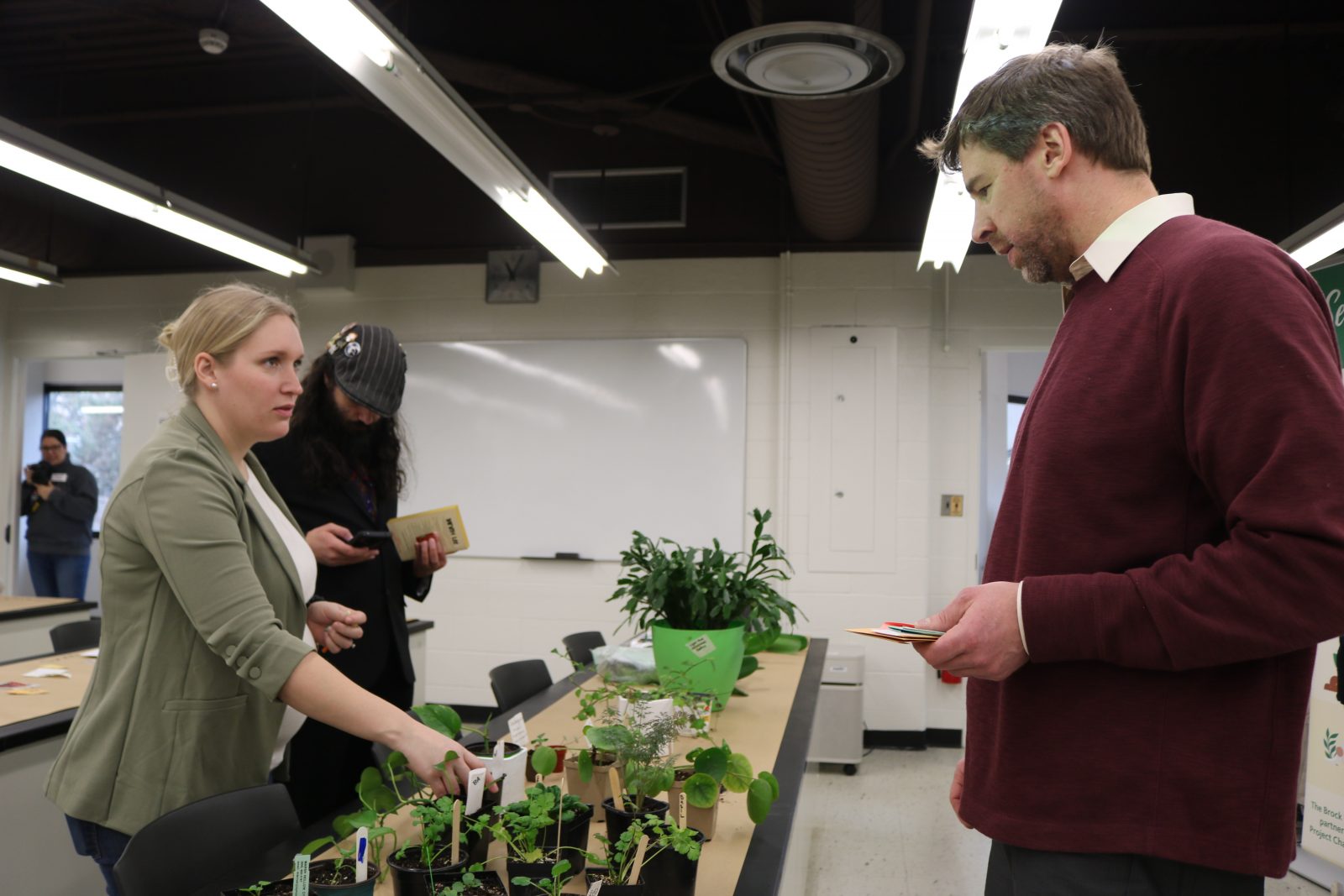
    Plant and gardening enthusiasts got a head start on spring at the Department of Geography and Tourism Studies’ third annual seed and plant exchange. Members of the Brock community perused a variety of fruit, vegetable, herb and flower seeds to take home on Wednesday, Feb. 28. Student Affairs Case Coordinator Keely Burger (left) and Associate Director of Student Affairs Darryl Veld (right) chose to brighten their office spaces with some of the household plants and cuttings available at the event. Five volunteers and representatives from the Brock University Seed Library were on site providing advice and additional resources during the exchange. More photos can be viewed on the Geography and Tourism Studies Facebook, X and Instagram accounts.

    Story reposted from The Brock News.

    Tags: , , ,
    Categories: News

  • Brock’s first World Water Day event seeks community submissions

    Brock will celebrate World Water Day by inviting students, researchers, artists and community organizations to come together and share their work and interests related to water.

    Hosted by the Water Resilience Lab and the Department of Geography and Tourism Studies, Brock’s inaugural World Water Day Celebration on Friday, March 22 aims to help attendees learn about water and efforts to protect this essential resource.

    Members of the Brock community — including students, staff, faculty and alumni — are encouraged to submit research and informational posters, course highlights, artwork and interactive activities to be included in the event.

    Anyone interested in taking part can use the submission form to apply before the 11:59 p.m. on Thursday, March 7.

    Display materials will need to be delivered by Wednesday, March 20 to prepare for installation.

    Limited funding to support student posters, provided by the Council for Research in the Social Sciences, is available by application on the submission form.

    The World Water Day Celebration will run from 10 a.m. to 3 p.m. in Rankin Family Pavilion, with interactive stations and community organization booths open from 11:30 a.m. to 1:30 p.m.

    All members of the Brock and wider community are invited to attend.

    Story reposted from the Brock News.

    Tags: , , , ,
    Categories: News

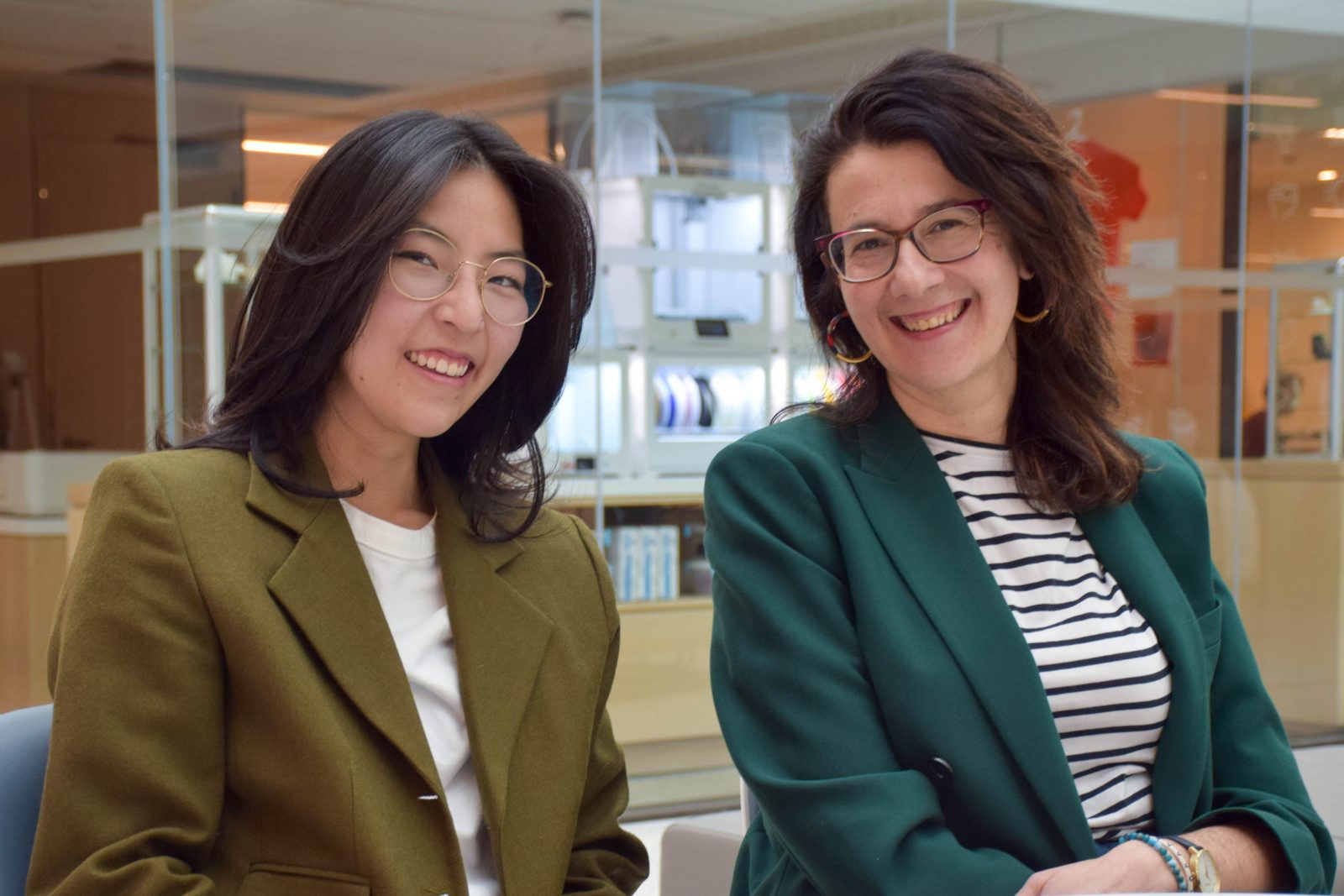
  • Brock student research sheds light on local women-owned businesses

    After spending much of her fourth year examining the experiences of women who own small businesses in downtown St. Catharines, Brock student Daria Do is sharing her findings — and related recommendations — with the community.

    Do presented her undergraduate thesis research, completed under the supervision of Associate Professor Ebru Ustundag in the Department of Geography and Tourism Studies, to business leaders from the St. Catharines Downtown Association, the Greater Niagara Chamber of Commerce and Innovate Niagara on Wednesday, Feb. 14.

    An entrepreneur herself, the fifth-year Concurrent Teacher Education student set out to look at social-spatial relationships and the gender dynamics that shape local female business owners’ experiences, as well as the personal and institutional support systems available to them.

    With support from Ustundag and her second reader, Professor of Geography and Tourism Studies Michael Ripmeester, Do interviewed six out of a possible 16 women business owners in the downtown core at the time of the research, which began in August 2022.

    Several themes emerged during these interviews, from financial barriers encountered when pursuing loans and grants to the impacts of the COVID-19 pandemic.

    “A lot of the participants had to make some challenging decisions to lay off their team and work by themselves, taking on all of the business tasks — from labeling to producing to marketing to maintaining an online shop and making deliveries,” Do says.

    The role of support networks — whether it was family members helping out or official programming — proved to be crucial, particularly in identifying opportunities such government grants like those attached to the Digital Main Streets program.

    According to Do, the participants also showed a strong commitment to an inclusive downtown and diverse urban culture.

    “They don’t just care about their own store. They care about their customers and about their neighbouring business owners and that everyone’s successful, not just themselves,” says Do. “That cohesiveness and ability to be empathetic towards other people, I think, is something super special in downtown St. Catharines, something very unique.”

    During the presentation, Do and Ustundag offered recommendations based on the thesis interviews, including a networking program specific to women small business owners that caters to the needs and schedules of working caregivers and paid mentorship opportunities to help further strengthen local connections.

    “The presentation was a gratifying experience that allowed me to share my passions for the purpose of my research and illuminate the positive stories coming out of downtown St. Catharines,” says Do. “More importantly, it was a unique opportunity to be able to amplify the significance of having a geographical lens when trying to understand the changes in downtown St. Catharines and how female small business owners are active participants of this urban culture.”

    Ustundag says that Do’s work has particular significance because much of the existing research in Canadian urban economic geographies relates to large metropolitan centres.

    “I am continuously impressed by Daria’s dedication, curiosity and enthusiasm about conducting qualitative research as an undergraduate and as a first-generation student,” says Ustundag. “During her presentation, she made an excellent case about how critical geographical analysis is so vital in understanding the complex economic and social relationships in downtown St Catharines.”

    In all, Do says it was an honour to be able to learn from the experiences of her research participants, and that pursuing an undergraduate thesis created some great opportunities overall.

    “There are times that it is difficult, but it’s so rewarding in the end to be able to look at where I was, look at where I came from and what I learned from this experience,” says Do. “I learned about writing, about slowing down and paying close attention to detail, and I gained so many strong connections and relationships with my department and also my community. That’s something I will always appreciate.

    Story reposted from The Brock News.
    Tags: , , , , , , , ,
    Categories: News

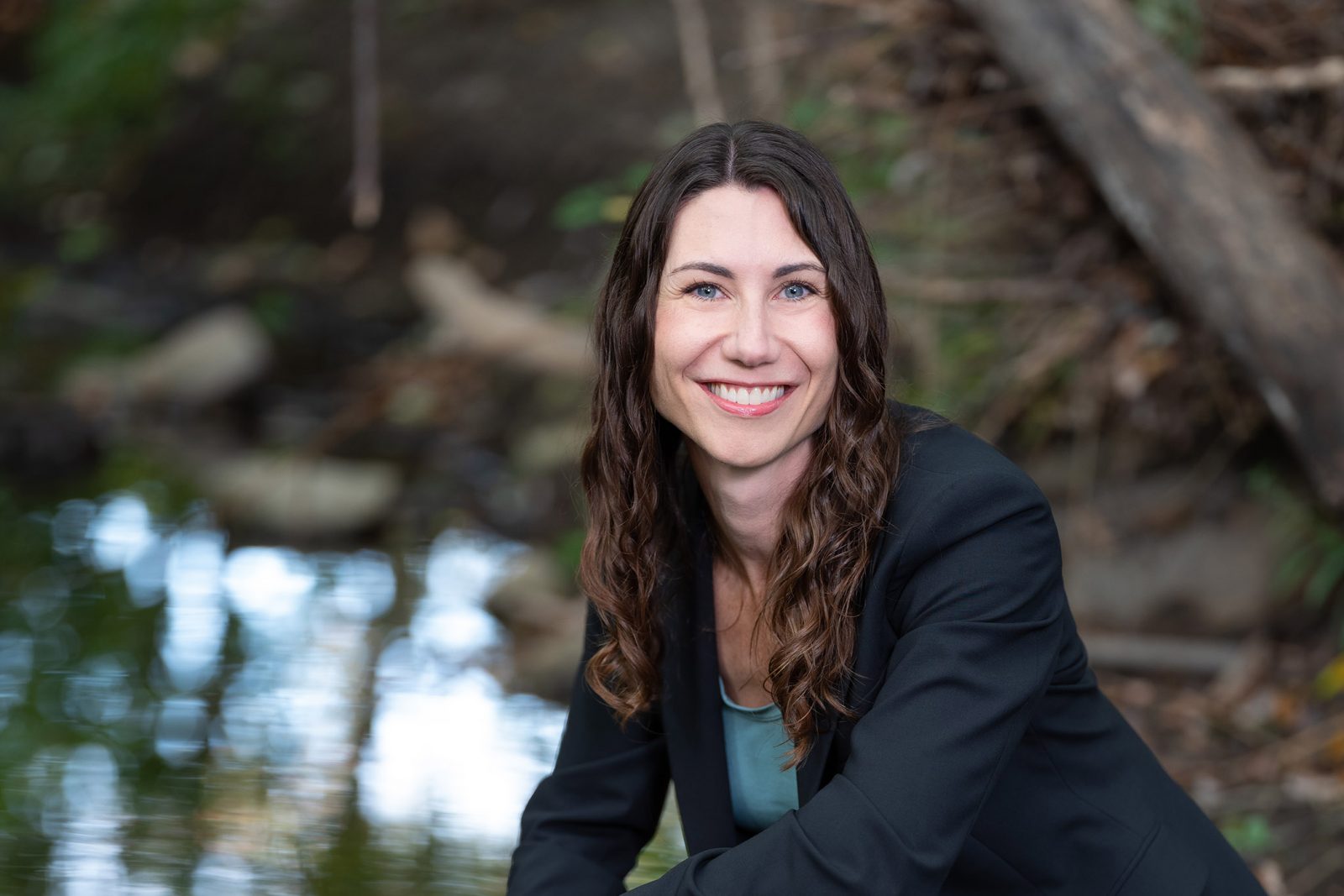
  • CRC Spotlight: Brock researcher examining ways to foster water resilience


    The federal government’s 
    Canada Research Chairs program invests up to $311 million per year to attract and retain some of the world’s most accomplished and promising minds. Chairholders are recognized to be national and international experts in the fields of engineering and the natural sciences, health sciences, humanities and social sciences. Brock University has 10 active Canada Research Chairs, with more to be announced. This monthly series profiles the work, and lives, of Brock’s Chairholders.

    When she wants to take a break in her busy schedule, Julia Baird heads out to a lake or river.

    “I’ve always found water to be a source of calm in my life,” says the Associate Professor in Brock’s Environmental Sustainability Research Centre (ESRC) and the Department of Geography and Tourism.

    “Water is critical to life; it’s inherent in us that we’re connected to water,” she says. “I think of the well-being of future generations and how important it is to support sustainability.”

    As Tier 2 Canada Research Chair in Human Dimensions of Water Resources and Water Resilience, Baird investigates activities that have an impact on water. She studies how decisions regarding water use are made at the government, community and individual levels through her Water Resilience Lab.

    “The diversity of voices, and how those voices are included and connected, is critical for creating the right conditions for water sustainability,” she says.

    Central to her work is the concept of water resilience, which Baird says involves “being able to continue to support the well-being of the system despite whatever disturbances may arise.”

    Baird says there are three ways to respond to disturbances in the environment, such as floods or droughts brought about by climate change: persist where possible in spite of disturbances, adapt to situation or transform the way society operates to mitigate or avoid disastrous impacts.

    Ideally, decision-making processes related to water, as well as related areas such as land-use planning, agricultural operations, coastline protection and erosion control, are guided by water resilience principles and practices.

    Baird has long been fascinated by how people make decisions and how individuals influence decisions carried out at the political level. Her research looks at how psychological traits, such as empathy and self-efficacy at the individual level, can motivate the public to support decisions that lead to water sustainability.

    Empathy is associated with attitudes that reflect stronger support for resilience-based approaches for the environment.

    In a study led by Baird, participants in six countries who read three scenarios describing situations of flooding, drought and depleted fish stocks gave moderate to strong support for governance taking a resilience-based approach.

    “We know that empathy is malleable, it can change in people,” says Baird. “The question is, how can we build empathy broadly so that the public will influence changes that can have positive impacts down the line?”

    Baird earned her PhD in Environment and Sustainability from the University of Saskatchewan in 2012 and came to Brock as a post-doctoral fellow. She became Associate Professor in the ESRC and the Department of Geography and Tourism Studies in 2021.

    In that same year, Baird was granted her Canada Research Chair position, which was renewed in 2022.

    Baird has had a number of accomplishments during her terms, including:

    In her second term, Baird plans to test interventions to build empathy broadly in society and examine the long-term impacts of empathy interventions on behaviour.

    “Ultimately, our work is centered on finding solutions to some of today’s most pressing water issues,” says Baird. “I’m motivated by that every day.”

    Story reposted from The Brock News

    Tags: , , , , , , ,
    Categories: News