Articles from:February 2021

  • MA in Geography student receives 2020 Graduate Student Research Award

    The Department of Geography and Tourism Studies is pleased to congratulate Geography Master of Arts student, Rebekah Casey (BA Tourism and Environment ’19), who was recently awarded a Faculty of Social Sciences Master of Arts Student Research Award for her research, tentatively titled “There’s No Place Like (Rural) Home: Why People Choose Rural Despite Decline.” Congratulations also to Rebekah’s MA supervisor, Dr. Christopher Fullerton.

    Tags: , , , , , , , , ,
    Categories: News

  • MA in Geography alumna receives 2020 Best Graduate Thesis Award

    The Department of Geography and Tourism Studies is pleased to congratulate Geography MA alumna, Katelyn Pierce (’20), who was recently awarded the 2020 Faculty of Social Sciences Best Graduate MA Thesis Award for her thesis titled “Detached from Our Bodies: Representing Women‘s Mental Health and Well-being with Graphic Memoirs.” Congratulations also to Katelyn’s MA supervisor, Dr. Ebru Ustandag.

    Tags: , , , , , , ,
    Categories: News

  • New book examines human rights issues in tourism

    After almost a year of travel restrictions and stay-at-home mandates, many Canadians are looking toward a future when they might visit distant locales once again.

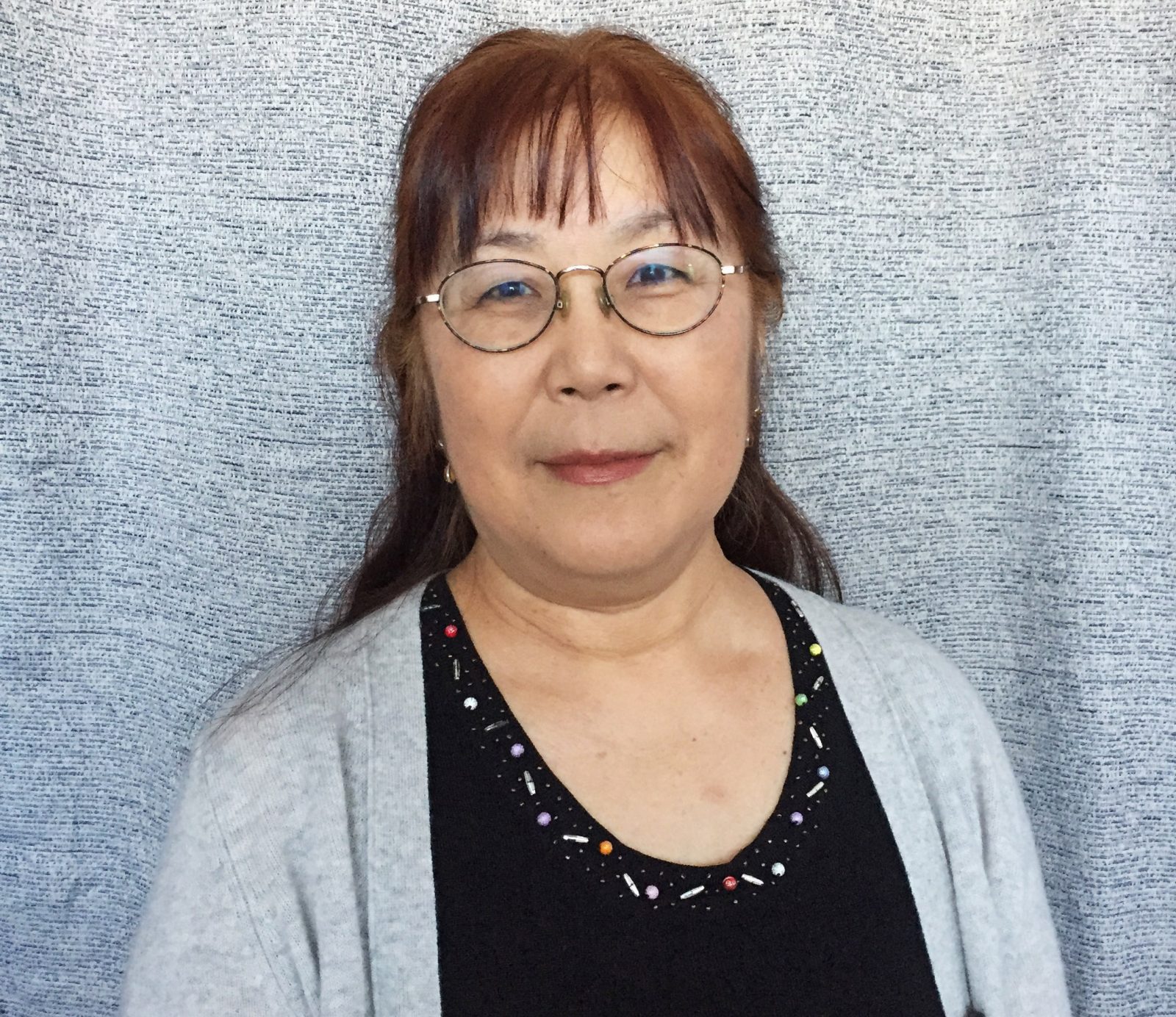
    Atsuko Hashimoto, Associate Professor in Brock’s Department of Geography and Tourism Studies, hopes that before hopping on a plane, people might first consider how travel may impinge on the rights of others.

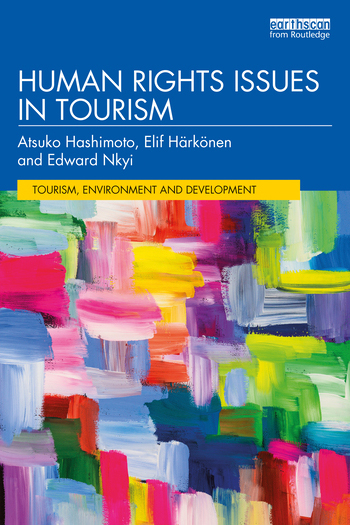
    To help readers understand the implications of tourism across a range of topics related to human rights, Hashimoto published Human Rights Issues in Tourismat the end of December, following a historical year for both the tourism industry and human rights worldwide.

    “When we started writing this book, no one could have foreseen all the changes that 2020 brought,” says Hashimoto. “We have seen many pro-democracy demonstrations and the rise of rights activism around the world, the number of asylum seekers increasing exponentially and a global pandemic that has, for the most part, stopped non-essential travel, or ‘taking a holiday,’ resulting in many people’s rights to work being severely compromised.”

    Human Rights Issues in Tourism is part of Routledge’s Tourism, Environment and Development Series.

    Co-authored with colleagues Elif Härkönen of Linkoping University in Sweden and Brock Political Science alumnus Edward Nkyi (MA ’11), the book covers a background of human rights issues related to tourism, from sustainable development goals to politics, before taking deeper dives into specific issues such as human security, displacement, discrimination, privacy, free movement, labour conditions, sex tourism, the environment and Indigenous rights.

    “I like the idea that tourism is a window to what is happening in society,” says Hashimoto. “Readers may be surprised to realize how our own behaviours are, without us noticing, hurting other people.”

    Hashimoto, whose research has long focused on the empowerment of women in rural communities and other disadvantaged groups, says it’s important to acknowledge the part tourists may play in the relationships that exist between globalization, tourism and human rights.

    “Can you imagine as an international tourist that the resort hotel you are staying in used to be a local fishing village?” she says. “The villagers were removed from the area so that the hotel could be built and local access to the beach is now denied. Almost everything in the resort hotel is imported from other countries, so local suppliers benefit very little — even the traditional Indigenous souvenirs sold in the hotel have been mass produced in another country and imported.”

    Hashimoto encourages potential tourists to think of any trip they plan as a visit to someone else’s home, determining if and how their visit will benefit local people and how their mode of transportation may contribute to climate change, another serious human rights issue examined in the book.

    “You are taking a vacation for relaxation and fun, but your enjoyment should not be a burden to others,” Hashimoto says.

    STORY FROM THE BROCK NEWS

    Tags: , , , , , ,
    Categories: News

  • David Brown presents his new collaborative research project with Niagara Falls Museum and Library

    Faculty on video conference Call

    Dr. Dave Brown (top left) joined researchers across Brock University’s Faculty of Social Sciences for a virtual symposium.

    Dr. Dave Brown joined researchers across Brock University’s Faculty of Social Sciences on February 4th, 2021 for a virtual symposium where he shared about his research project, “Collaborative research proposal with Niagara Falls Museum and Library: Geolocation and Interpretation of Digital Historical and Heritage Assets in Niagara”. This project was one of many funded by the Special COVID-19-Related Dean’s Discretionary Fund.

    In spring, 2020, as the disruptive potential of the pandemic became clear, the Dean’s Office sought to support ongoing and innovative initiatives by members of the Faculty of Social Sciences. As activities across FOSS were reimagined and realigned to comply with the new COVID-19 context, the Special COVID-19-Related Dean’s Discretionary Fund was created. The online symposium showcased and discussed several of the projects that were supported through this fund, including Dr. Brown’s research.

    Tags: , , , , , , , , ,
    Categories: News

  • Brock prof to talk climate change with Chief of Vuntut Gwitchin Government

    Residents of the Vuntut Gwitchin First Nation in Old Crow, Yukon are living on the frontline of climate change, witnessing dramatic landscape changes in the Arctic due to rising temperatures.

    Under the leadership of Dana Tizya-Tramm, Chief of the Vuntut Gwitchin Government, Yukon was the first Indigenous community to draft a climate change emergency declaration, Yeendoo Diinehdoo Ji’heezrit Nits’oo Ts’o’ Nan He’aa (or After Our Time, How Will the World Be?) in 2019.

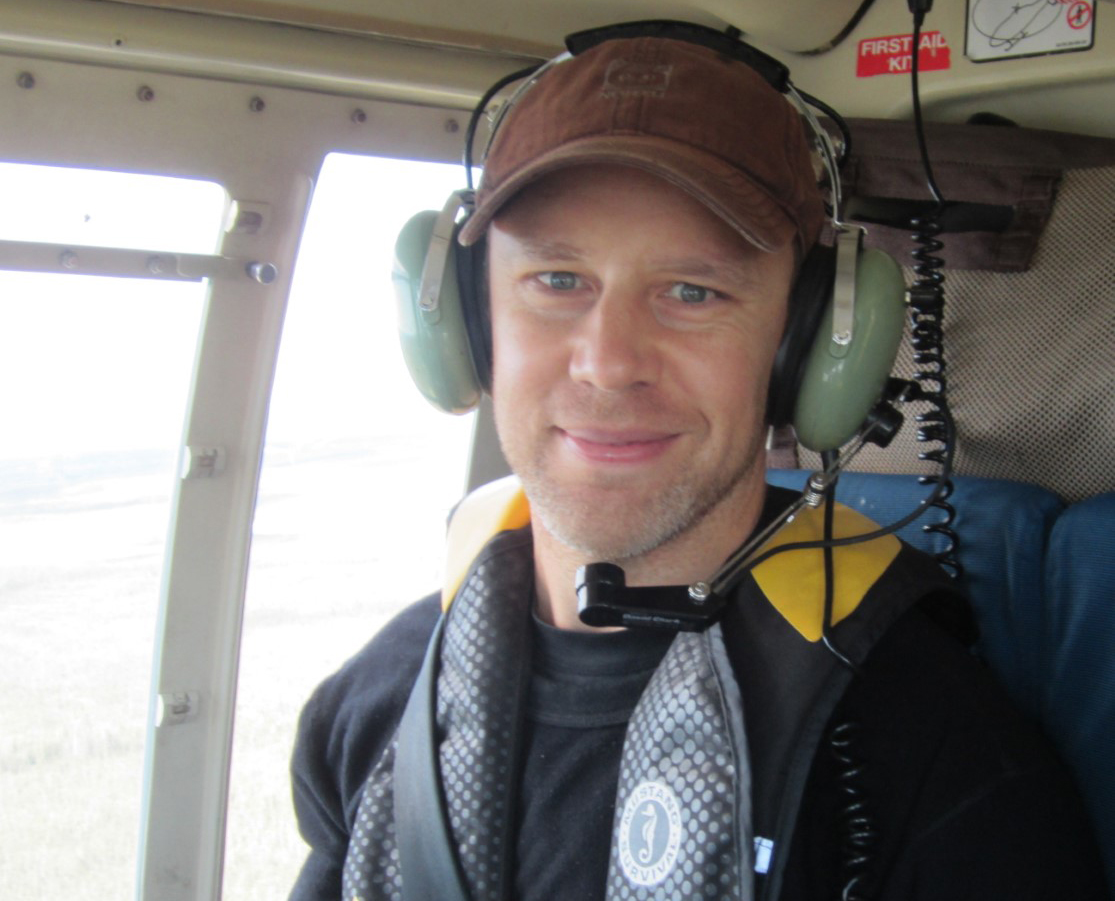
    Brock University Associate Professor in Geography and Tourism Studies Kevin Turner is very familiar with the dramatic response of the landscape to climate change on the traditional territory of the Vuntut Gwitchin First Nation.

    Researching the area of Old Crow, Yukon, for over a decade, he continues to monitor landscape changes including landslides, vegetation change, lake drainage and fire. His research integrates chemical analyses of water and sediment to evaluate impacts of changing landscape features on lakes and rivers.

    Turner, who is Fulbright Canada Research Chair in Arctic Studies at the University of Washington, will be sitting down with Chief Tizya-Tramm for a “fireside chat” hosted by the World Affairs Council at a virtual public lecture Tuesday, Feb. 9 from 7 to 8 p.m.

    Turner and Tizya-Tramm will discuss emerging issues and priorities identified by the Vuntut Gwitchin First Nation in the face of global challenges.

    Diverse topics will include efforts to conserve the Porcupine Caribou Herd, adjustments during a pandemic, and pathways for unifying traditional insight of changing climate and landscapes with ongoing science-based monitoring approaches.

    “I’m looking forward to it, and in particular discussions of bringing together science-based research and traditional knowledge for the benefits of those most influenced by climate change,” says Turner.

    For more information and to register, click here.

    FROM THE BROCK NEWS

    Tags: , , , , ,
    Categories: News