Articles from:December 2020

  • Michael Ripmeester acknowledged for 25 years of service to Brock

    Slide showing names of individuals who have served 25 years at Brock

    The Department of Geography and tourism Studies would like to congratulate Dr. Michael Ripmeester on being recognized for his 25 years of service to Brock University today at the President’s Holiday Celebration. We are thankful for the countless contributions he has made to our Department, and to Brock as a whole.

    Tags: , ,
    Categories: News

  • New book explores transnational pushback against LGBTQ rights

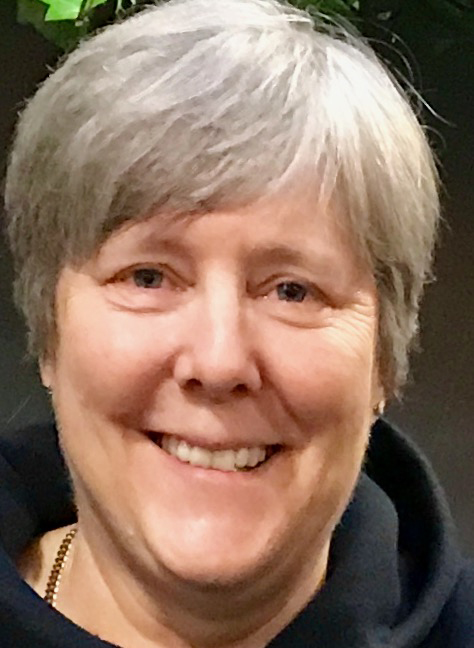
    Resistances against LGBTQ rights and equalities in different regions, or ‘heteroactivism,’ is the focus of a new book from recently retired Brock Professor Catherine Jean Nash.

    Nash, from Brock’s Department of Geography and Tourism Studies, and co-author Kath Browne of the University College Dublin coined the term for the phenomenon featured in their book, Heteroactivism: Resisting Lesbian, Gay, Bisexual and Trans Rights and Equalities published by Zed Books earlier this fall.

    Nash and Browne define heteroactivism as “both an ideology and a set of practices” used by a broad range of groups and organizations who oppose sexual and gender rights by “asserting the supremacy of heterosexual marriage and normative gender roles as the foundations for the best society and the best place for raising children.”

    “In order to understand their arguments and why they are framed as they are, one has to understand the social, cultural and political contexts that heteroactivists find themselves in,” says Nash.

    Whereas “homophobia” is a term that implies hatred, heteroactivists often sidestep the label by arguing that they are not motivated by hatred or oppression, but rather by apparent attacks on their individual rights, such freedom of religion, freedom of speech or parental rights.

    Catherine Jean Nash of the Department of Geography and Tourism Studies is the author of a new book on heteroactivism.

    “With LGBTQ rights and equalities in place in Canada, the U.K. and Ireland, these groups have had to revise or reshape their strategies in order to find room to have their ideas and position heard,” says Nash.

    Nash and Browne also show in the book that heteroactivism is adapted based on geography. “Heteroactivist ideas ‘travel’ across national and international boundaries and are taken up, but often in specific, local ways,” Nash says.

    The book grew out of research first begun in 2012 and supported by two Social Sciences and Humanities Research Council of Canada grants, following many years of progress in laws designed to enshrine the rights of members of the LGBTQ community.

    “When this research first started, we were curious about what arguments individuals and groups who opposed LGBTQ rights and equalities could make, given that these rights and equalities are the law of the land, so to speak,” says Nash. “We saw these groups as quite marginal given the law and policy changes and assumed this would be a small project.”

    However, as Nash began to take a closer look at groups objecting to LGBTQ legal rights, visibility in the media or gender-inclusive language, the research turned up an unexpected result.

    “We began to notice that for many reasons, including the advent of social media, these groups developed increasingly complex international connections,” says Nash, noting that individuals read and commented on each other’s blogs, published newsletters and attended conferences such as the World Congress of Families.

    “In many cases, these groups developed similar but specific arguments,” says Nash. “That is, they might have objections to, say, sex education curriculum in both Canada and the U.K. but have distinctive and specific concerns given the different history of these locations because, as we argue, geography matters.”

    Nash points to the strategy of the Conservative government of Ontario that debated repealing the 2015 sex education curriculum, arguing that “traditionally minded” minority groups objected to the LGBTQ content and that their views needed to be respected in a multicultural society. By contrast, when some Muslims parents in the U.K. protested the LGBTQ-inclusive sex ed curriculum as well as broader school programs aimed at diversity that included LGBT families, they had to show “that they understood that LGBT rights were U.K. values which they needed to embrace, so they framed their argument as one of ‘parental rights’ to determine what is ‘age appropriate,’” according to Nash.

    Even more significantly, Nash says that as a result of these adaptations, “LGBTQ opposition began to move from what had been the margins to the centre of political debates, particularly around trans rights, teaching sex ed, parental rights and freedom of speech.”

    This observation illuminated a need for careful study of the complex landscape of heteroactivism.

    “The purpose of the book is to set out in some detail the sorts of arguments heteroactivists make by looking at specific battles in Canada, the U.K. and Ireland,” says Nash. “We were primarily concerned when we started that academics in particular were not paying any attention to heteroactivist opposition or in developing counter arguments to heteroactivist claims, though academics in Europe and the U.S. are now increasingly focusing on the various types of resistances that are becoming more prominent.”

    Nash and Browne will now continue their research in this area, turning their attention to a multi-year project called “Beyond Opposition” funded by a more than $3-million European Research Council Grant awarded to Browne.

    “The project’s goal is to engage with individuals and groups who might be opposed to or are uncomfortable with social and political changes around LGB, Trans or abortion for example,” Nash explains. “These are people who, in their different geographies, might find themselves in difficulty — for example, workplaces may celebrate gay Pride while some individuals themselves don’t support it and yet to voice their opposition might cause them strife in the workplace.”

    Nash, who will act as co-researcher on the Canadian component of the project with a post-doctoral fellow, says that although this project is just starting out, “the ultimate goal is to try to work beyond the us/them binary” to better understand how we might accommodate differences.

    Anyone interested in the project can complete a questionnaire at beyondopposition.org.

    STORY FROM THE BROCK NEWS

    Tags: , , , ,
    Categories: News

  • Social Sciences event to showcase faculty, student research 

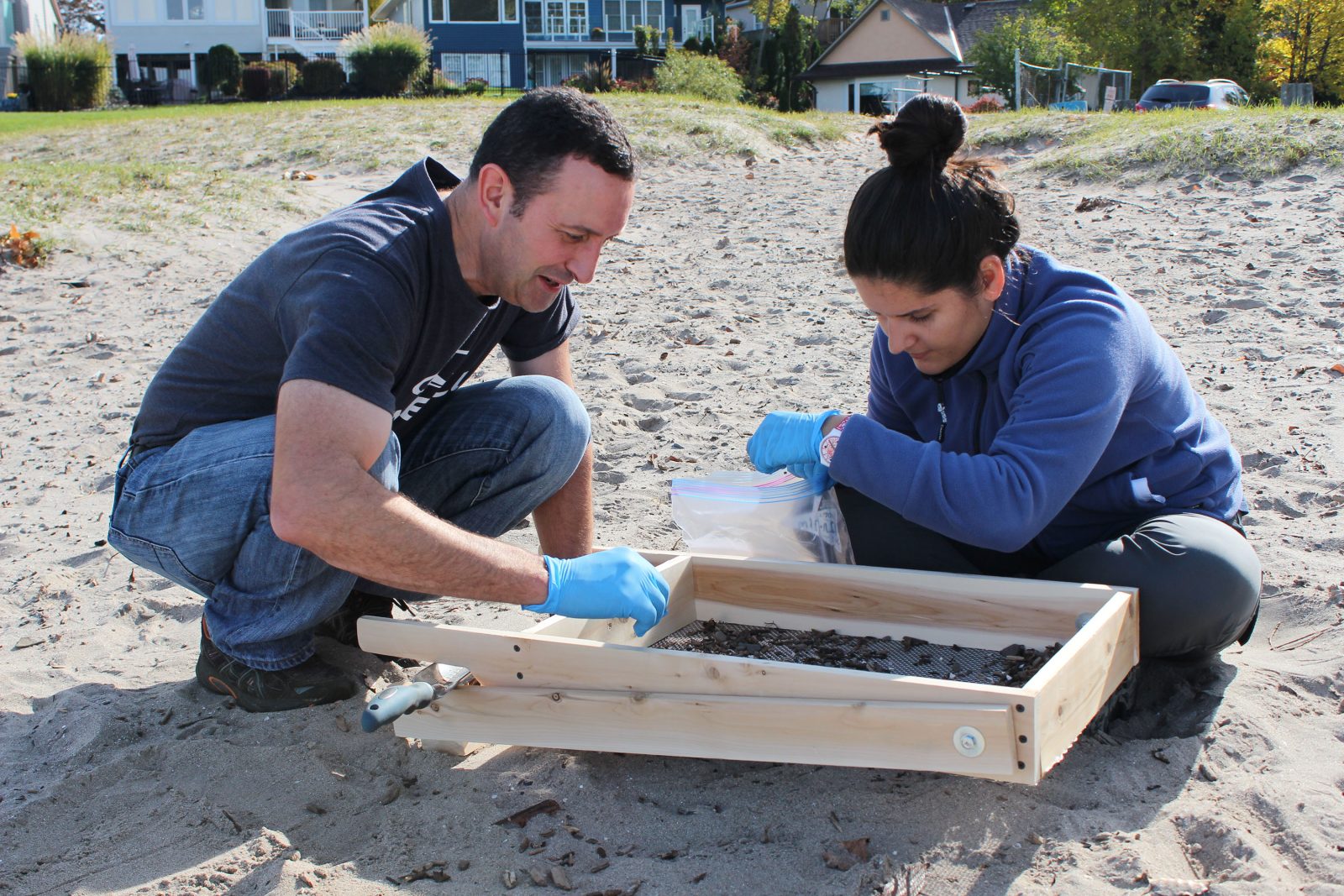
    From lake bottom sediment to digital data, from hockey to health care, and from local actions to global implications, there’s no shortage of impactful research being done in Brock University’s Faculty of Social Sciences (FOSS).

    The University community is invited to hear about some of the compelling projects underway by faculty and students during the upcoming Social Sciences Research Colloquium taking place online Wednesday, Dec. 9 from 1 to 4 p.m.

    This annual event recognizes the outstanding achievements of FOSS researchers and gives award recipients an opportunity to present their findings to the Brock community and wider public.

    This year’s virtual colloquium will feature recent recipients of FOSS faculty awards that recognize consistent records of outstanding research achievements as reflected in the quality and quantity of refereed publications, grants awards and other research activities.

    Featured recipients include Michael Pisaric, Professor of Geography and Tourism Studies, who received the 2019 Distinguished Researcher award; Assistant Professor Karen Louise Smith from the Department of Communication, Popular Culture and Film, who received the 2019 Untenured Researcher of the Year award; and Nicole Goodman, now Associate Professor of Political Science, who received the Untenured Researcher of the Year award in 2018, but was unavailable to present until this year.

    In addition to faculty members, three winners of the Social Sciences Student Research Award were selected to present, including Pulkit Garg, who is pursuing a Master of Sustainability supervised by Professor of Biology Liette Vasseur; Jessica Falk, a Master of Arts candidate in Social Justice and Equity Studies, who is supervised by Margot Francis, Associate Professor of Women’s and Gender Studies; and Master of Arts candidate in Critical Sociology Appiah Bonsu, who is supervised by Associate Professor of Sociology Trent Newmeyer.

    This is the second Research Colloquium to showcase FOSS student researchers alongside faculty award winners. Combined, faculty and student presentations represent six FOSS departments.

    Winners of the 2020 FOSS faculty awards will be announced at the Research Colloquium, providing a preview of next year’s event.

    All are welcome to attend the free online event. For more information, including the draft agenda and login instructions, please visit the Research Colloquium website.

    What: Social Sciences Research Colloquium
    When: Wednesday, Dec. 9, 2020 from 1 to 4 p.m.
    Where: Lifesize
    Who: This webinar is free and open to the public.

    STORY FROM THE BROCK NEWS

    Tags: , , , , ,
    Categories: News

  • Geography and Tourism Studies Adjunct Professor named to the Order of Canada

    FROM THE BROCK NEWS | TUESDAY, DECEMBER 01, 2020 | by

    A man well known to the Brock University community — and to the world for his critical climate change work — has received one of the country’s highest honours.

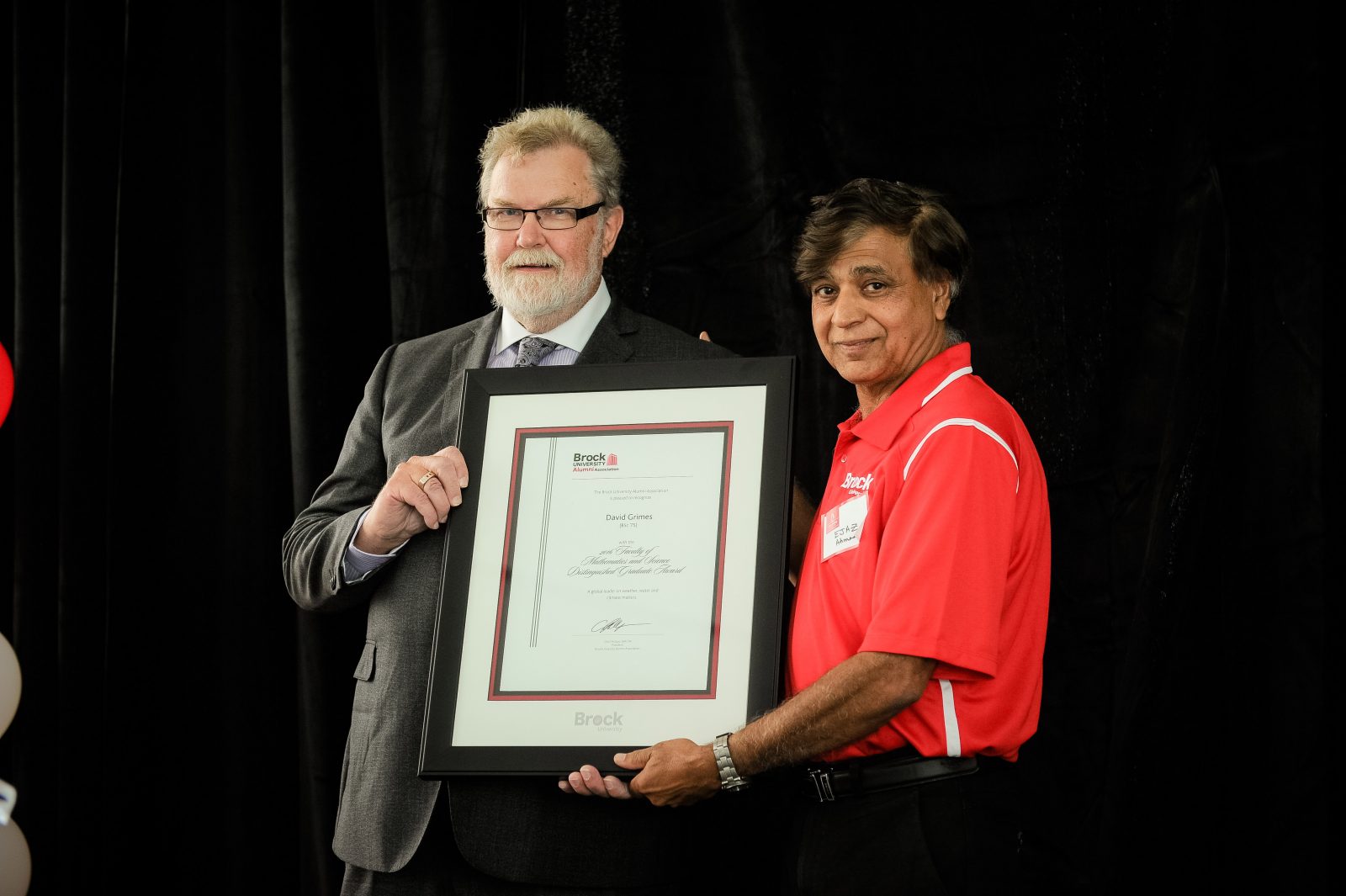
    Brock alumnus David Grimes (BSc ’75) was named to the Order of Canada on Friday, Nov. 27. He was recognized for his outstanding leadership in meteorology and for his pioneering development of a global strategy on climate change and disaster-risk preparedness.

    Grimes was the first Canadian to serve as President of the World Meteorological Organization (WMO), a United Nations agency that co-ordinates international efforts to better understand the planet’s pressing weather, water and climate issues. He served two terms in the lead role from 2011 to 2019.

    He was among 114 appointments to the Order of Canada announced by Governor-General Julie Payette last week. Also receiving the honour was John Peller, a leader in Canada’s wine industry and a long-time supporter of Brock University.

    The Order of Canada recognizes Canadians whose service shapes society, whose innovations ignite imaginations and whose compassion unites communities.

    During his time at Brock, Grimes studied mathematics, and nuclear and quantum physics, ultimately graduating with a Bachelor of Science in Physics.

    Upon graduation, he joined Environment Canada, where he trained as a meteorologist and spent more than four decades fulfilling policy and management assignments. He also served as Assistant Deputy Minister and head of Environment Canada’s Meteorological Service from 2006 to 2019.

    Grimes was previously honoured by Brock, receiving the University’s Alumni of Distinction Award in 2012 and the Faculty of Mathematics and Science Distinguished Graduate Award in 2016.

    “I am very pleased to hear that David Grimes has been named to the Order of Canada,” said Ejaz Ahmed, Dean of Brock’s Faculty of Mathematics and Science. “It is a well-deserved honour.”

    “We are very proud of David’s unparalleled contributions to science and society.”

    Recipients of the Order of Canada will be invited to accept their awards at a ceremony to be held at a later date.

    STORY FROM THE BROCK NEWS

    Tags: , ,
    Categories: News