




Effective Communication

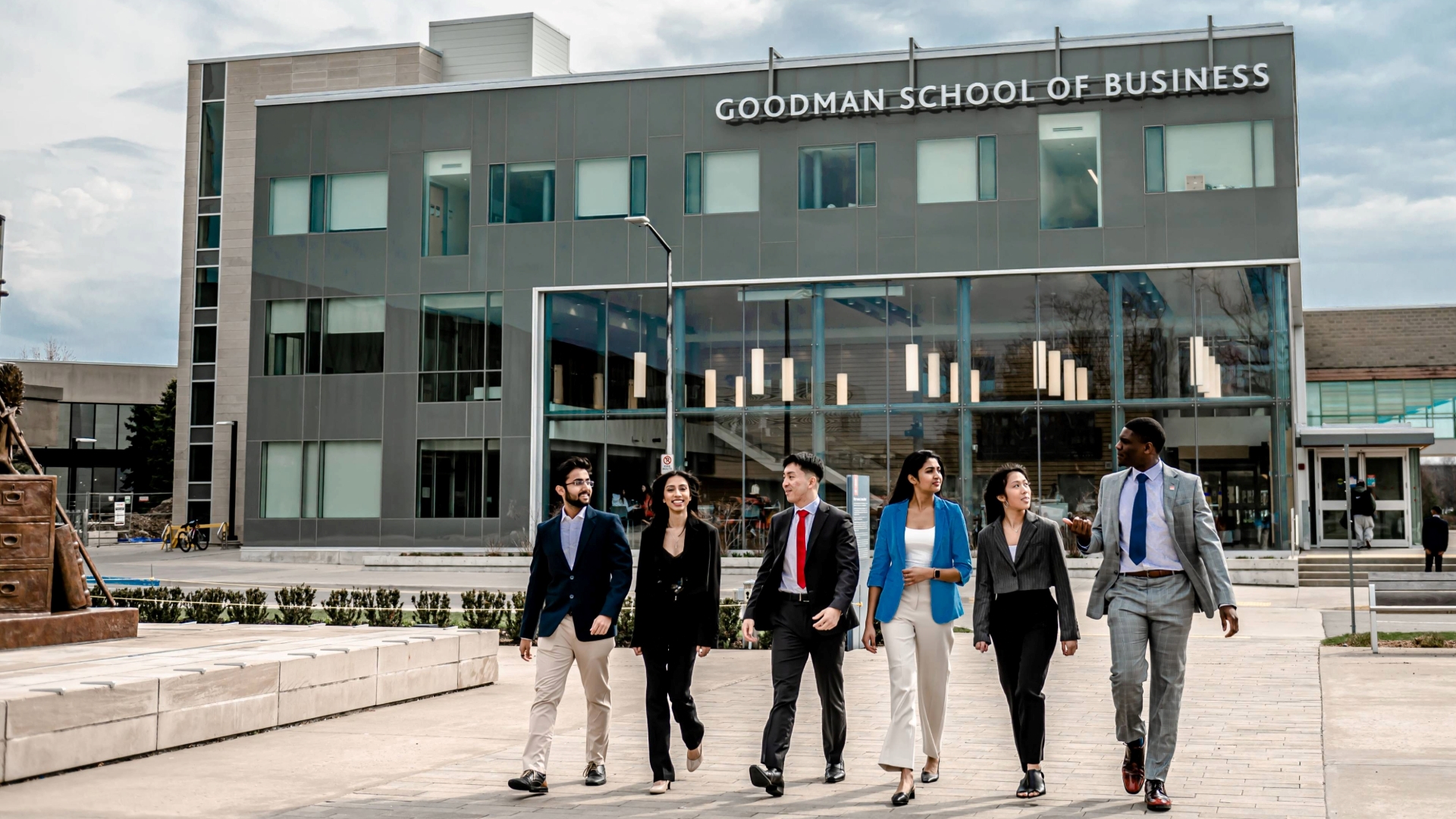
Goodman School of Business

Effective Communication

Why Effective Communication is Important

In the process of attracting and qualifying candidates for employment, recruiters will sift through thousands of resumes and conduct countless interviews to determine the best applicant for a job. The recruiter is the representative of the hiring manager and is directed to screen for candidates with job specific skills. The recruiter is tasked with looking for candidates with the technical training to perform the job, as well as, employability skills that are commonly sought after personal attributes. The good news is that as a Brock University student you are developing a wide range of occupational and employability skills that will allow you to successfully transition from the academic community to the workplace.

As a Brock Business student, you acquire advanced knowledge in your discipline of interest but this is only one factor in determining suitability for employment. As workers you will be required to possess and develop your employability skills. The Conference Board of Canada defines employability skills as “the skills you need to enter, stay in, and progress in the world of work—whether you work on your own or as a part of a team.” Employability skills will be familiar to you and include terms such as problem solving, creativity, interpersonal skills and leadership to name a few. Employability skills are referenced so frequently that we often make the mistake of treating them as cliché and as such we underestimate the importance of demonstrating our mastery of employability skills in our day to day activities.

Employers have a variety of skills they deem as important but numerous research reports and surveys will stress the most important is the ability to communicate effectively. Whether you’re a business professional, trades worker, or corporate executive, communication will be a part of your job. As long as you work with people, serve a client, or prepare reports, you will need to communicate on a daily basis.

Students should not underestimate the importance of communication skills and need to know that job prospects are inevitably tied to effective communication. In a competitive labour market, job applicants will possess the work experience, knowledge, and designations needed to qualify for a position vacancy; obviously these are required. With so much competition, first impressions mean everything. A recruiter’s assessment of your communication skills starts the minute you submit your cover letter and resume. Every recruiter is assessing how you communicate and this includes proper grammar, correct spelling, appropriate tone, and effectively demonstrating your relevant skills and experience. This is the point at which most candidates eliminate themselves. Your cover letter and resume must be well organized, showcase relevant skills, be succinct yet specific, engaging to the reader, free of careless mistakes, and easy to read.

Employers are looking for people who can communicate effectively both orally and in writing. The employee who can captivate an audience, write a compelling business case or define a brand identity is the one who will succeed in the workplace. The ability to communicate is of prime concern to business managers and let there be no doubt, a business manager will hire someone with less experience in favour of someone with more communications savvy.

Read this interesting article from Harvard Business Review on why employers look at grammar when hiring.