Blog Posts

  • Why are Pollinators so Important?

    Cornell Cooperative Extension | What is a Pollinator?

    By: Thurkkha Thayalalingam

    Pollination is the process of transferring pollen between the male and female parts of the plant to allow for fertilization and reproduction. Virtually all flowering plants require pollination, and some of the most common pollinators include bees, birds, bats, flies, butterflies, moths, beetles, wasps, and small mammals. Pollinators as well as the plants that they pollinate have many functions and ecosystem services.  

    Air Quality 

    Flowering plants play an essential role in producing clean air. Through the process of photosynthesis, these plants intake carbon dioxide from the atmosphere and provide us with breathable oxygen. With the current rates of deforestation and fossil fuel burning, the carbon stored in these plants is being released into the atmosphere and further exacerbating the effects of global warming. We need pollinators to support the restoration and growth of plant populations.  

    Soil Erosion 

    Flowering plants help prevent soil erosion through their root networks that help keep the soil in place (U.S. Department of Agriculture). The foliage of larger flowering plants also acts as a buffer during heavy rainfall events to reduce the impact of rain on the soil.   

    Cultural Significance 

    Pollinators such as butterflies and birds have cultural value and significance for many Indigenous communities in Canada.  For example, birds are considered a messenger and a spiritual connection to the Creator for Anishinaabe peoples (Sault Ste. Marie Tribe of Chippewa Indians). 

    Threats to Pollinators 

    Many pollinator populations are declining due to habitat destruction. The habitat loss and destruction is generally attributed to agriculture, mining and human development. Urban surfaces such as concrete, cement and metal make it challenging for pollinators to forage, nest and survive.  The use of pesticides and insecticides may also cause adverse effects on pollinators. Even if these chemicals don’t kill the pollinators, they may have a diminished ability to navigate or forage (U.S. National Park Service). 

    Categories: Outdoors, Student Contributor, Sustainability

  • Climate Change and Sustainability Documentaries to Watch This Summer!

    By: Thurkkha Thayalalingam

    Documentaries can be a great way to learn more about sustainability and environmental issues, requiring only a couple hours of your time. It can often be overwhelming to think or learn about climate change and the future of our planet, for which there are also more reflective and hopeful documentaries on the topic. We’ve compiled a small list of great documentaries from the past two decades that cover a variety of environmental issues and concerns.  

    Kiss The Ground (2020) 

    Review: Kiss the Ground – Thelma and Alice

    Narrated by Woody Harrelson, Kiss the Ground discusses how soil and regenerative agriculture can be used to combat the climate crisis by creating sustainable food systems, restoring ecosystems, and stabilizing the climate. This documentary features a series of activists, scientists and celebrities. 

    Gather (2020) 

    Home | Gather Film

    Gather focuses on a growing Indigenous movement of reclaiming their spiritual, political and cultural identities through food sovereignty. The food sovereignty of Indigenous peoples is the right and ‘ability to respond to their own needs for healthy, culturally adapted Indigenous foods’ (Indigenous Food Systems Network). The documentary includes the efforts environmental activists from the Yurok Nation in Northern California are taking to protect a river, as well as sharing information on historical agricultural practices. 

    An Inconvenient Truth (2006) 

    Amazon.com: An Inconvenient Truth : Al Gore, Billy West, Al Gore, Davis Guggenheim, Lawrence Bender, Laurie David, Scott Z. Burns, Jeffrey D. Ivers: Prime Video

    Former Vice President Al Gore presents a case on climate change and global warming through scientific evidence and anecdotes in An Inconvenient Truth. Gore lightens the serious tone of discussing the climate crisis by incorporating his personal experiences into the conversation. The documentary addresses common misconceptions and myths about global warming, also encouraging the audience to get involved with climate action in their communities. An Inconvenient Truth is followed by An Inconvenient Sequel: Truth to Power (2017). 

    2040 (2019) 

    2040' - Two-Hour Film Special - CW Seattle

    If you’re looking for a documentary with a more positive outlook on climate change, 2040 is a great film to consider. 2040 approaches climate change from a different perspective, the director expressing his concerns as a father worried for his daughter’s future. The documentary explores various innovative climate change solutions and what the next 20 years could look like. 

    A Plastic Ocean (2016) 

    A Plastic Ocean (2016) | Watch Free Documentaries Online

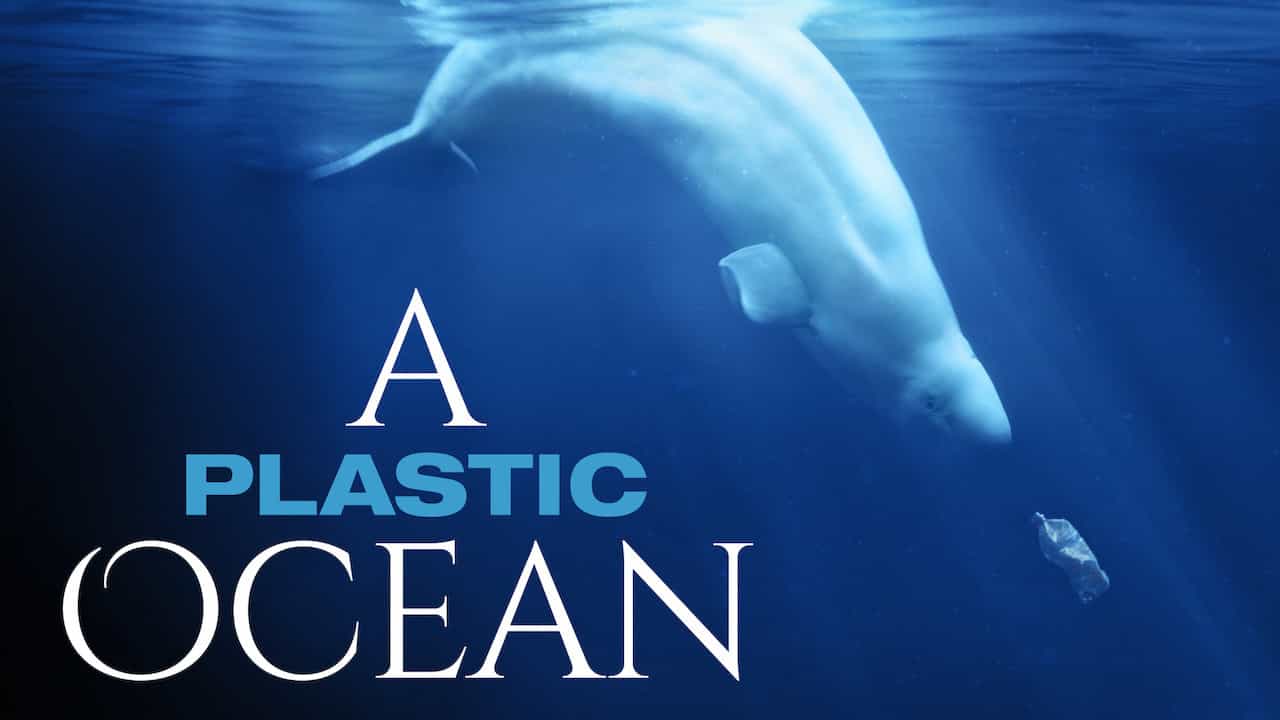
    A Plastic Ocean looks at the effect of plastics in the ocean as they break down into microplastics and enter the food chain. The documentary features a group of scientists, a journalist and a diver that spend four years, across 20 different locations across the world, studying the effects of plastics on marine ecosystems and human health. 

    David Attenborough: A Life on our Planet (2020) 

    Davis Attenborough's A Life On Our Planet - Virtual Movie Screening | UCLA Sustainability

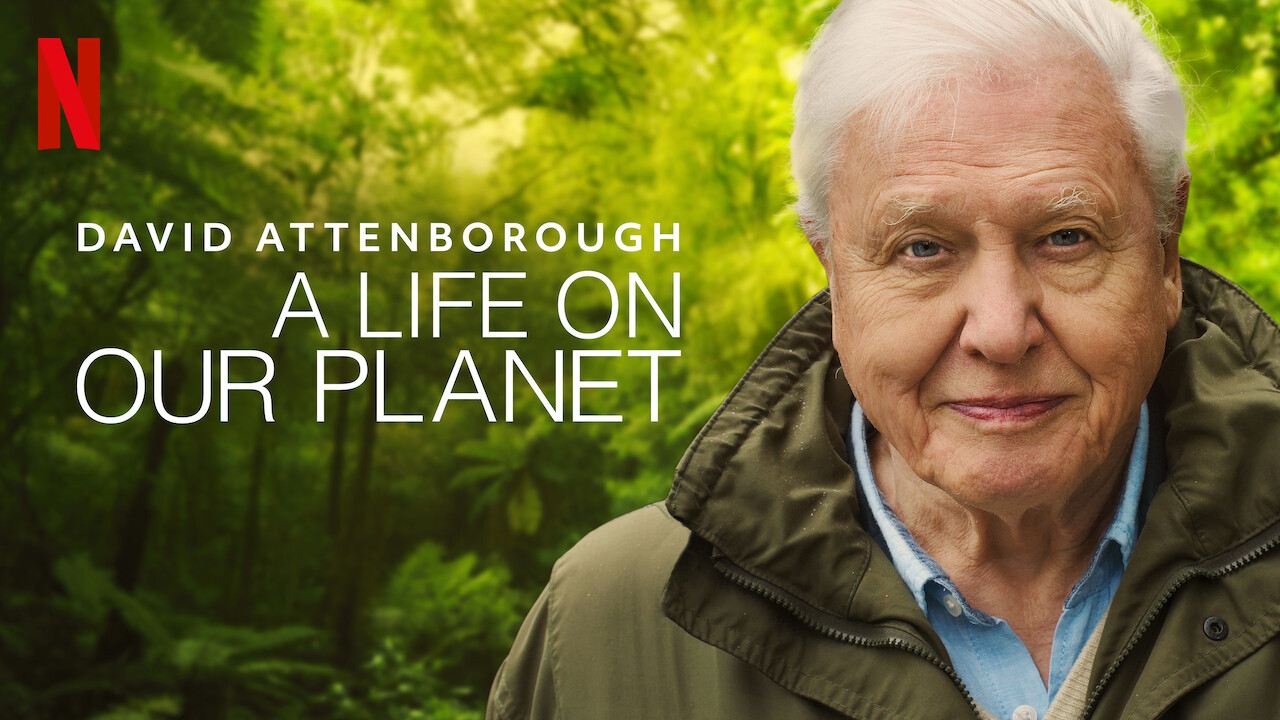
    If you have watched nature documentaries such as Our Planet before, chances are you’ve heard David Attenborough’s narration. Considered Attenborough’s “witness statement” for the environment, A Life on our Planet explores the impact of humanity on the natural world and the changes he’s seen in the world throughout his lifetime. The documentary ends with a hopeful message for future generations with a set of feasible solutions to undertake. 

    Chasing Ice (2012) 

    Chasing Ice (2012) | Watch Free Documentaries Online

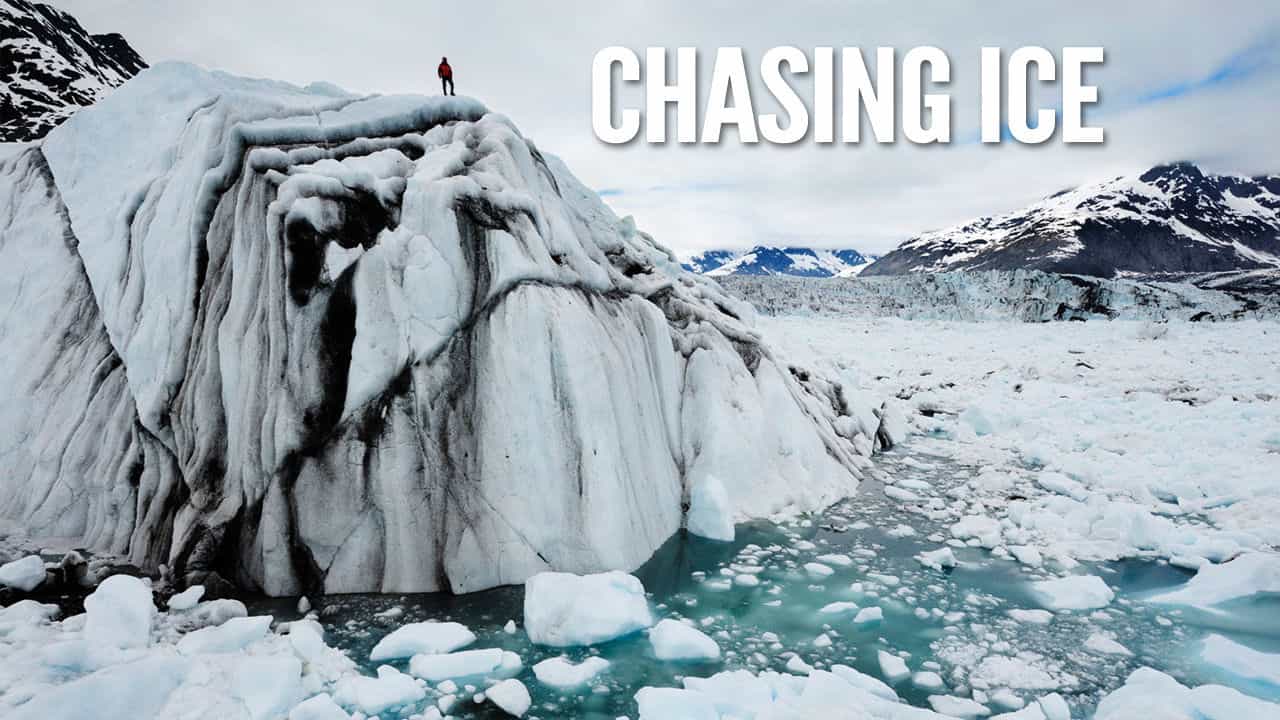
    A photographer for the National Geographic who was initially a climate change skeptic was tasked to capture footage to help convey the severity of global warming. While on his trip to the Arctic, the photographer and his team capture time-lapse data over multiple years of the erosion and retreat of glaciers. The footage collected also features the longest glacial calving event ever captured on film. 

    Chasing Coral (2017) 

    Watch Chasing Coral | Netflix Official Site

    Chasing Coral documents one of the most severe coral bleaching events recorded. Capturing data from 2014 to 2017, about 75 per cent of coral died or were affected by climate change-induced heat stress in this time. The film uses over 500+ hours of underwater footage from an international team of divers, photographers and scientists.

    Categories: Film, Student Contributor, Sustainability

  • Certified B Corporations

    Two new approaches to sustainable retail: Patagonia and Decathlon - Internet Retailing

    By: Thurkkha Thayalalingam

    Certified B Corporations, or B Corps, are businesses that are global leaders in sustainability and support an ‘inclusive, equitable and regenerative economy’ (B Corporations). B Corps demonstrate high standards in social and environmental performance, accountability and transparency. By becoming a B Corp, businesses are able to build a positive relationship based on trust with their consumers, employees, communities, and suppliers. Keep reading to learn about some B Corps that you may have heard about before! 

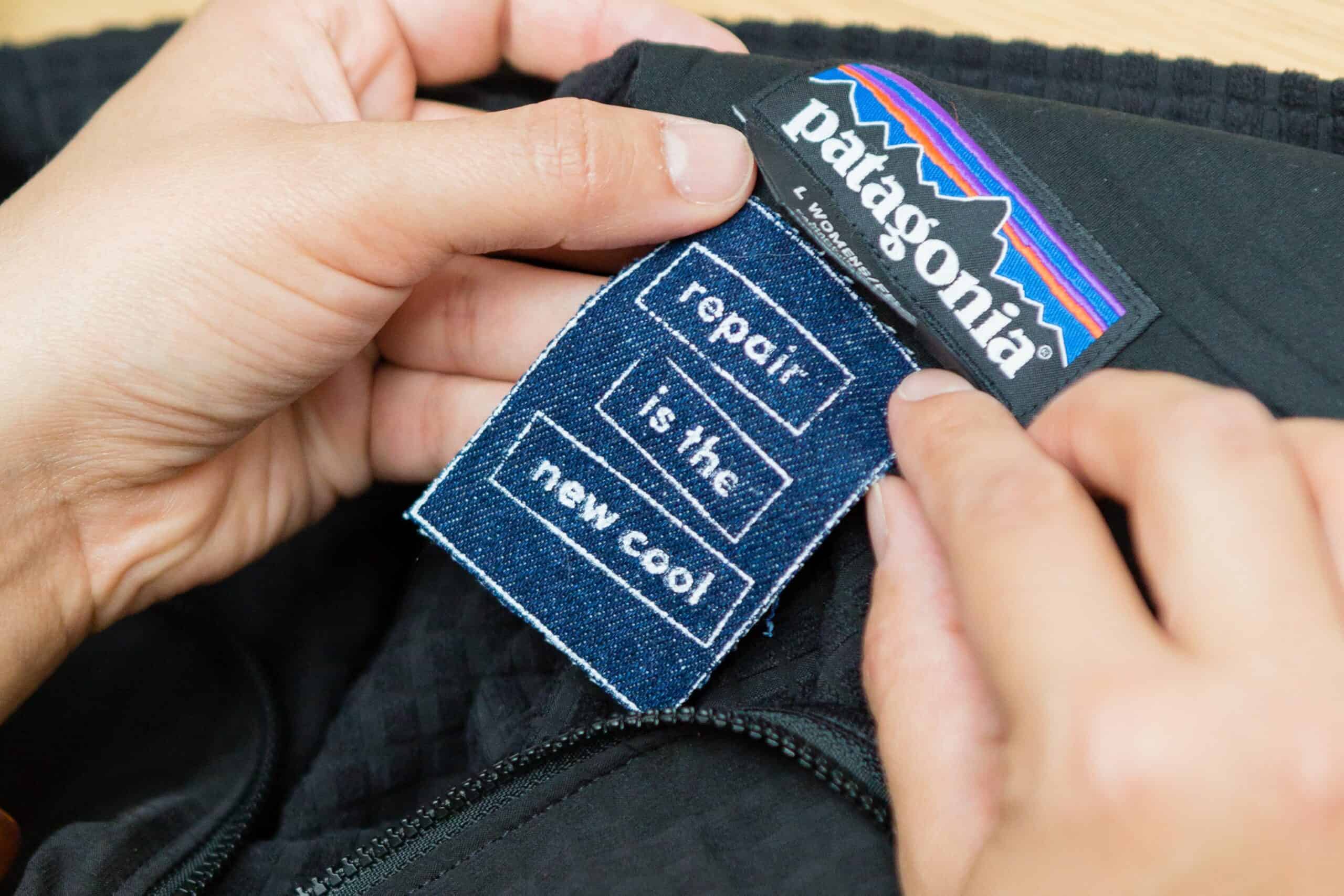
    Patagonia  

    Patagonia is one of the most well-known B Corps, known for its stellar sustainability reputation. Some of their initiatives and accomplishments regarding social responsibility include a Regenerative Organic Certified Cotton program, participation in the Fair-Trade program, membership in the Fair Labor Association, supporting migrant workers, and responsible purchasing practices. 100 per cent of the down used in Patagonia products is responsibly sourced, and 100 per cent of cotton has been organically grown. Patagonia also lists all of the materials they use for their products including details on why it is used and its impact on the environment.  

    You may recall Patagonia being in the news in the fall of 2022. This was because its founder, Yvon Choinard, sold the company to “the planet”. What this meant was that the entirety of the company’s profits would be used to combat the climate crisis and conserve natural land. As an organization rooted in environmental activism before profits, Choinard hopes that this will motivate other billionaires and major corporations to make more impactful contributions to making the world a better place. 

    Pela 

    Pela has an overarching goal to create a waste-free future. They do this by creating “everyday products without everyday waste”. The organization operates on four core values: Community, Creativity, Consciousness and Courage. Pela has two primary product streams: Pela Case and lomi. Pela makes fully compostable phone cases that produce 80 per cent less waste, 30 per cent less carbon emissions and use 34 per cent less water than conventional plastic. The Pela 360 program also allows consumers to send back their old cases to Pela to be upcycled or recycled, preventing more plastic from ending up in landfills. On the other hand, Lomi is a portable countertop composter that can convert organic food waste into compost that can then be used for gardening. Diverting food waste from landfill and avoiding methane emissions, Lomi has a net positive impact on the environment! 

    Pela also strives to be transparent with its operations, showing both their direct and indirect carbon emissions to the public. The organization is also Climate Neutral Certified, offsetting their carbon footprint through carbon credits.  

    Ben & Jerry’s 

    Ben & Jerry’s is an American ice cream company that supports a variety of social issues. Since 2014, every ingredient was Fairtrade Certified in both Europe and the United States. Ben & Jerry’s has also made a set of climate targets approved by the Science Based Targets Initiative that include 100 percent renewable energy and 40 per cent greenhouse gas intensity reduction by 2025.  

    The organization has been using Forest Stewardship Council (FSC) certified paperboard packaging since 2009. This paperboard comes from forests managed according to a set of strict forest sustainability criteria. Ben & Jerry’s also has an ongoing partnership with Canopy’s Pack4Good Initiative to ensure that sourcing of packaging does not come from Ancient and Endangered Forests across the supply chain. As ice cream does need to be kept frozen, there is a significant energy cost associated with the manufacturing and sale of Ben & Jerry’s products. As such, the organization has been using commercial grade hydrocarbon freezers across the U.S. These hydrocarbon freezers are more energy-efficient and have a lower global warming potential than traditional freezers. By integrating solutions to environmental issues into their daily operations and processes Ben & Jerry’s hopes to support positive change and achieve their climate targets. 


    Full Directory of Certified B Corps: https://www.bcorporation.net/en-us/find-a-b-corp/  

    Categories: Purchasing, Student Contributor, Sustainability

  • Trails in the Niagara Region

    300+ Bruce Trail Stock Photos, Pictures & Royalty-Free Images - iStock | Niagara glen

    By: Thurkkha Thayalalingam

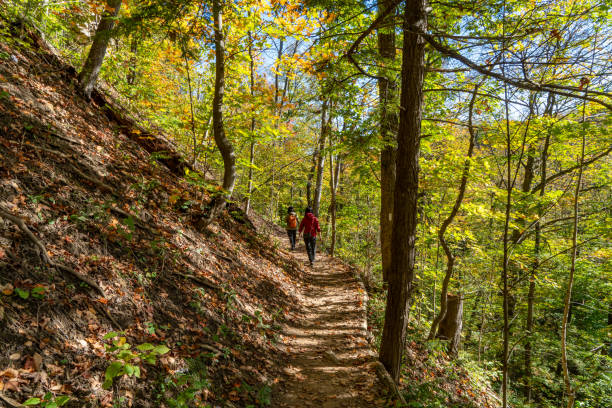
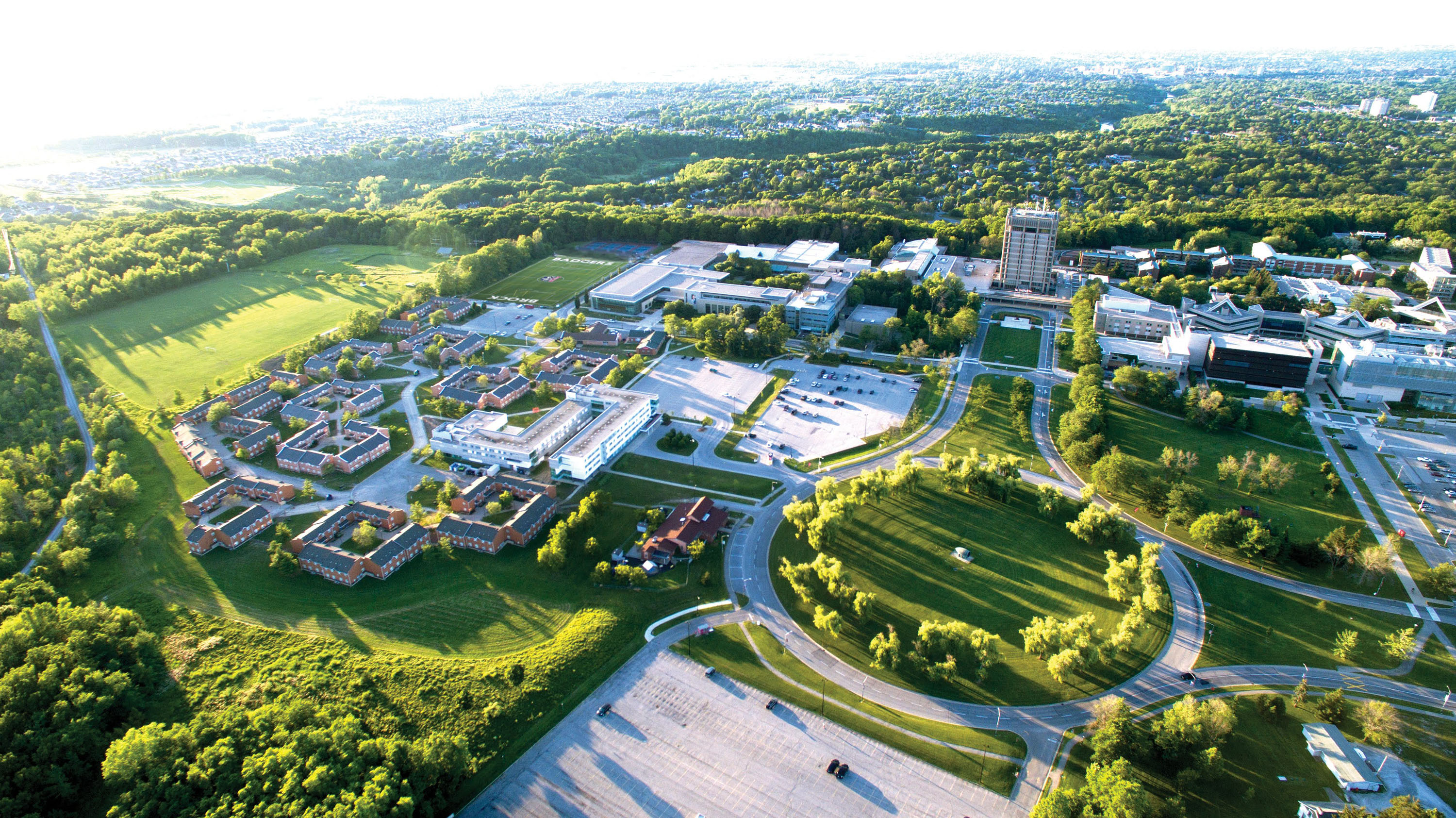
    Situated on the Niagara Escarpment, Brock University is one of a handful of Canadian Universities located within a UNESCO Biosphere Reserve. Biosphere reserves support conservation and sustainable development and aim to “provide local solutions to global challenges.” (UNESCO, n.d.) The Niagara Escarpment is home to many beautiful walking trails, some of which are even located steps from the Brock campus! If you’re looking for a fun summer activity to connect with nature, here are some trails that you can check out this summer. Make sure to bring a camera as these trails can have some amazing views and lookout points!

    Bruce Trail

    Nearly 900 kilometres long, the Bruce Trail is the oldest and longest continuous trail in Canada (Bruce Trail Conservancy, n.d.). With many access points throughout the trail, it is great for hikers or bikers of all experience levels! The Niagara section of the Bruce Trail (10.6km) is considered a relatively easy route and the average completion time is just over two hours. More information on this portion of the Bruce Trail can be found here.

    Laura Secord Legacy Trail

    The Laura Secord Legacy Trail spans 32km from Niagara-on-the-Lake to Thorold and can be hiked in full or done in shorter sections. This medium-difficulty trail spans through both forested trails and urban paths and is split into five stages. The two stages closest to the university are from Rodman Hall to Rotary Park, and Rotary Park to Decew House. A comprehensive trail guide is made accessible online by the Friends of Laura Secord here and details on the trail are available here.

    Merritt Trail

    Merritt Trail is a 10km point-to-point trail near downtown St. Catharines that takes about two hours to complete. It is a popular biking or hiking route along the Twelve Mile Creek that is considered an easy route. Click here for additional details on the Merritt Trail.

    Twelve Trail

    The Twelve Trail also runs along the Twelve Mile Creek. Starting near downtown St. Catharines, the trail follows the creek south towards the Decew Falls generating station. You can also make a detour and head to Short Hills Provincial Park which is just a 30-minute walk from the generating station! More information on this trail can be found here.

    St. Catharines Waterfront Trail

    If you’re looking for something more urban, the 10km long Port Weller Waterfront Trail is a great option. This path goes through Port Dalhousie which features a busy harbour, a live theatre, a sandy beach, and a lively patio scene! You can also walk out along the pier where the Port Dalhousie Lighthouse is situated. Information on the waterfront trail including other connecting trails can be found here!

    Participark Trail

    This 2km trail is also along a portion of the Twelve Mile Creek and has several exercise stations throughout the trail. The Participark Trail, Merrit Trail, and the Twelve Trail have a few points of intersection, making it easy to travel between trails based on personal preference! Click here for more information on the Participark Trail.  

    References 

    Bruce Trail Conservancy. (n.d.). Experience the Bruce Trail. Retrieved May 17, 2023, from https://brucetrail.org/explore-the-trail/   

    UNESCO. (n.d.). Biosphere Reserves. Retrieved May 17, 2023, from https://en.unesco.org/biosphere/about  

    Categories: Outdoors, Student Contributor

  • Sustainable foods: You may be eating more sustainably than you think!

    Opinion | Sustainable Diets for the Future – Food Tank

    By: Thurkkha Thayalalingam

    Sustainable diets are defined as “diets with low environmental impacts which contribute to food and nutrition security and to healthy life for present and future generations” (Food and Agriculture Organization [FAO]). Some recommendations from FAO on how to have a sustainable diet include plant-based diets, reducing food waste, sustainable fish consumption, and reducing red meat consumption (FAO).  

    You may already know that eating organic food is healthier and sustainable. However, here are some other foods that you can incorporate into your diet to be more sustainable! 

    Bison 

    Bison and cattle both emit methane, however bison can be a more sustainable alternative to beef as they have a lower overall environmental impact. Often known as “ecosystem engineers”, bison cause less erosion damage, and their grazing encourages plant regrowth that provides a constant food supply (Geremia et al., 2019). Additionally, bison are much more nutritious as they contain less fat and provide more protein, iron and B vitamins (Richards, 2023).  

    Pulses 

    Pulses such as beans, peas, and lentils are also healthy and sustainable additions to any diet. They require minimal resources and are a great source of protein, making them a good plant-based alternative to meat products (Tidaker et al., 2021). 

    Seaweed 

    Seaweed gets all the resources it needs to grow from the water around it, not requiring any fertilizers. It also filters excess phosphorous and nitrogen from the water, reducing the impacts of agricultural runoff (National Oceanic and Atmospheric Administration [NOAA] Fisheries). Seaweed also plays an important role in storing carbon dioxide from the atmosphere (NOAA Fisheries). The health benefits of consuming seaweed as well as the ecosystem services it provides make it an excellent sustainable food option. 

    Mussels 

    While many seafood products tend to have significant environmental impacts, mussels can be produced quite sustainably. Harvesting mussels doesn’t result in a lot of by-catch or ecosystem damage in comparison to other seafoods (Suplicy, 2018). They use carbon dioxide from the ocean to grow their shells, helping to reduce greenhouse gases in the water (Suplicy, 2018). Mussels also happen to have a high protein content! 

    Mushrooms 

    Mushrooms can be grown in vertical growing facilities, allowing for a high yield in a relatively small space. They use soil made of composted agricultural materials to grow and this soil can then be used for other purposes such as potting soil (Mushroom Council). Since mushrooms are grown indoors, their energy and water consumption can be easily controlled by farmers (American Mushroom Institute). 

    Leafy Greens

    Leafy greens such as kale, spinach, and lettuce can grow abundantly as long as they have enough soil and water. Leafy greens can be grown easily indoors and are a common vegetable in indoor vertical farms (Buehler and Junge, 2016). 

    References 

    Buehler, D. & Junge, R. (2016). Global Trend and Current Status of Commercial Urban Rooftop Farming. Sustainable Agriculture, 8(11), 1108. https://doi.org/10.3390/su8111108  

    Geremia, C., Merkle, J.A., Eacker, D.R., & Kauffman, M.J. (2019). Migrating Bison Engineer the Green Wave. Biological Sciences, 116(51), 25707-25713. https://doi.org/10.1073/pnas.1913783116  

    Richards, L. (2023). Bison vs. Beef: Differences in Cholesterol. Retrieved May 16, 2023, from https://www.medicalnewstoday.com/articles/cholesterol-in-bison-vs-beef  

    Suplicy, F.M. (2018). A Review of the Multiple Benefits of Mussel Farming. (2018). Reviews in Aquaculture, 12(1), 204-223. https://doi.org/10.1111/raq.12313  

    Tidaker, P., Potter, H.K., Carlsson G., & Roos, E. (2021). Towards Sustainable Consumption of Legumes: How Origin, Processing and Transport Affect the Environmental Impact of Pulses. Sustainable Production and Consumption, 27, 496-508. https://doi.org/10.1016/j.spc.2021.01.017 

    Categories: Food, Student Contributor

  • 2023 OAPPA Conference at Brock

    By: Thurkkha Thayalalingam

    Brock hosted the Ontario Association of Physical Plant Administrators (OAPPA) 2023 Conference this past week! 

    As we are deeply committed to sustainability in everything we do, it is important to incorporate sustainability throughout the university’s operations, including conferences such as this one! These are a few of the changes and initiatives the university implemented to make this conference more sustainable: 

    Refreshments and Dining 

    • China and silverware were used for breakfast and lunches 
    • Compostable plates and cups were used for all coffee breaks 
    • Jugs of pop, juice and water were used instead of individual plastic bottles 
    • Delegates were encouraged to bring their own reusable water bottles and to use refillable water stations 

    Paper 

    • Conference itinerary, directions, and other information was available via QR code 
    • Reduced paper signage for directions by providing a virtual guide to delegates 
    • Delegates were encouraged to recycle lanyards and badges at the end of the conference 

    Waste 

    • Recycling and composting stations will be accessible during all meals and breaks 

    If you are planning to host a conference in the future, these are just some ideas that you can incorporate to make your conference sustainable! 

    Categories: Events, Student Contributor

  • Environmental Justice: Moving Away from the Shadow

    By: Kassie Burns

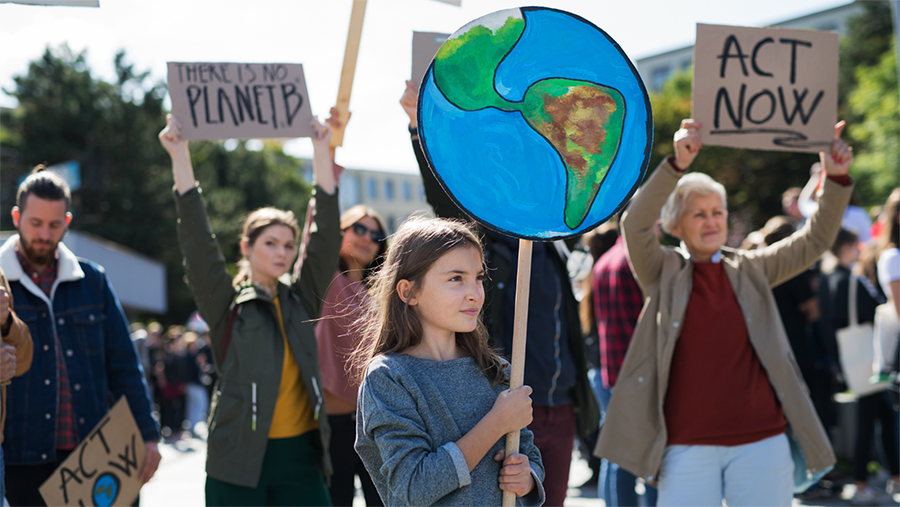
    Many of us realize climate change impacts are being felt across the globe, however, that does not mean they are evenly distributed and felt the same for everyone. People from different geographic locations experience, respond, and cope with climate vulnerabilities in different ways (Sultana, 2022). Marginalized groups have routinely suffered the worst impacts of climate change from large polluting industries.

    These few people who profit the most from destroying our environment are also the ones who have the ability and resources to avoid the consequences. Industries lavishing in capitalism and imperialism greed have abused their power (Sultana, 2022), leading to the emergence of environmental injustices and, more deeply, environmental racism. Environmental racism was coined by Benjamin Chavis and explains that racially oppressed communities are more likely to be exposed to environmental hazards, such as pollution and toxic waste, and are trapped in those conditions (Intersectional Environmentalist). These communities are more likely to live near landfills, sewage plants, mines, contaminated water, oil pipelines, and other sources of pollution that other wealthier white privileged communities have access and resources to move away from. Environmental pollutants and associated toxins bring increased risks of health concerns like cancer, respiratory disease, cardiac disease, and reproductive issues (Office of Disease Prevention and Health Promotion). These communities are more likely to live near landfills, sewage plants, mines, contaminated water, oil pipelines, and other sources of pollution that wealthier and predominantly white communities have access and resources to move away from. Environmental pollutants and associated toxins bring increased risks of health concerns like cancer, respiratory disease, cardiac disease, and reproductive issues (Office of Disease Prevention and Health Promotion).

    In Canada, like many other “wealthy” countries, we have profited and exploited other nations with roots in colonialism, where the effects are still being felt today. Treaties with Indigenous peoples are continually disregarded in favour of oil pipelines and operations that poison ground water, food sources, and our oceans (Intersectional Environmentalist). When projects are developed to extract resources, they often fall on marginalized communities with low income that are known and manipulated by large industries. These communities are ones that will suffer from environmental stressors, prohibited community growth, and it will create a vicious cycle that is extremely difficult to escape.

    Increasing awareness and attention has emerged with environmental justice. There has been a call for action and opportunity to pass Bill C-226, which would create an Act for “respecting the development of a national strategy to assess, prevent and address environmental racism and to advance environmental justice”. This would be Canada’s first environmental racism bill! In addition, several novels, news stories, and documentaries (There’s Something In The Water and The Condor and the Eagle) speak on promoting environmental justice. More voices are being heard and multiple social media platforms are being used to help shine a light on these shadowed stories. Sustainability at Brock has created a guide on Instagram to highlight some of the posts on these platforms that are listed them below.

    Environmental Justice Inspired Social Media Platforms:

    References

    Sultana, F. (2022). The unbearable heaviness of climate coloniality. Political     Geography, 99, 102638. https://doi.org/10.1016/j.polgeo.2022.102638

    The information delivered here helps support SDG 3, SDG 4, SDG 10, SDG 11, and SDG 13.

    Categories: Activism, Student Contributor

  • Students logged sustainable actions to showcase environmental commitment leading to Earth Day!

    By: Sanjida Amin

    From April 17 to 21, 2023, Brock University hosted another Sustainability Challenge to encourage engagement in environmental action for Earth Day. Earth Day was first celebrated on April 22, 1970, and it is considered as the beginning of the environmental movement. Over the years, Earth Day has become one of the world’s greatest environmental participatory movement on the planet. The day is now regarded as a global initiative to promote the protection and care of our planet.

    To celebrate earth Day, Brock students took part in a Sustainability Challenge by showcasing daily sustainable actions. Brock University partnered with Blackstone Energy Services with the hope to encourage students to contribute to a sustainable campus and incorporate sustainable solutions in their daily lives through innovative and engaging software. Students used the Blackstone Energy EcoBoss app to log daily sustainable actions, such as using a reusable water bottle and carpooling, over the course of five days. The rules were simple: students were required to join challenge through registration once the app was downloaded and log all sustainable actions made throughout those five days on the EcoBoss app to accumulate points. Those with the highest scores at the end of the challenge won the following prizes:

    1st place prize: Niagara Parks Experience Vouchers, sponsored by The Niagara Parks Commission.

    2nd place prize: CYBORIS Solar Bluetooth Speaker.

    3rd place prize: Solar Pack Charger, sponsored by Blackstone Energy.

    4th, 5th & 6th place prizes: Sustainable lunch bag with a 16oz Hydro Flask and a wheat straw food storage container, sponsored by the Campus Store, the ESRC, and Blackstone Energy.

    7th to 10th place prizes: Seed planting kit with potting soil and seeds from the Brock University Seed Library.

    Popular actions which were tracked using the app included using reusable water bottles, turning off lights, turning off water while brushing teeth, taking shorter showers, saving energy, eating leftovers, recycling, using public transportation, composting, air drying dishes, buying local, and so much more. Students from a range of academic fields and programmes-including business, education, science, and the arts-took part in the competition and engaged enthusiastically throughout the duration. Through the app, we were able to estimate CO2 savings, waste diversion, and water savings from logged actions. Total estimations include the following:

    • 2,027kg in CO2 savings
    • 114kg in waste diverted
    • 4 thousand litres in water savings

    The competition aimed to include Brock University’s student community in sustainability initiatives at campus and show how simple it is to incorporate sustainable practises into daily living. Moving forward, there are plans to host more sustainability challenges to motivate students to continue their environmental actions to minimize energy usage, reduce their carbon footprint, and contribute to the health of the environment!


    Categories: Challenge/Contest, Student Contributor, Sustainability at Brock, Uncategorised

  • How to become a more sustainable traveller

    Photo courtesy of Chait Goli/Pexels

    By: Sanjida Amin

    According to the World Tourism Organization (UNWTO), Sustainable tourism refers to “Tourism that takes full account of its current and future economic, social and environmental impacts, addressing the needs of visitors, the industry, the environment, and host communities.” According to a study conducted by the University of Sydney, tourism is responsible for 8% of global carbon emissions, with the United States leading the way, followed by China, Germany, India. It was also found that travellers from Canada, Switzerland, the Netherlands, and Denmark exert a much higher carbon footprint when travelling than in their own countries. The United Nations declared 2017 as the “Year of Sustainable Tourism” in an effort to highlight that many popular tourist locations were not operating in the most environmentally sustainable ways. This initiative aimed to inspire tourists to consider their impact on the environment, society, and local economy while travelling.  

    Tourism has a significant impact on ecosystems and the overall health of the planet. While air travel is responsible for about 5% of the world’s carbon emissions, travel is not just about emissions. Travel can also result in excessive water use, deterioration of the environment, improper waste disposal, increased greenhouse gas emissions, and more. However, sustainable travel is becoming an increasingly important area of focus in the tourism industry, and there are multiple ways travel can have less of an impact on the environment. Below are several simple tips to help you travel more sustainably. 

    1. Consider your destination carefully 

    As Jim Sano, Vice President of Travel, Tourism, and Conservation for the World Wildlife Fund once said, “Selecting a destination that achieves a balance of protecting natural and cultural resources, providing for sustainable livelihoods, and creating a high-quality traveler experience is challenging.”  

    When choosing a destination to travel to, there are many factors to consider, such as how far away the location is, how efficient the lodging is, transportation option in the destination, and more. Asking these questions can help you find a destination that takes into consideration sustainability and reduces the impact your trip can have on the environment. 

    2. Pack smart 

    • Bring a reusable water bottle with you to avoid purchasing single-use plastic water bottles. 
    • Reduce your use of single use plastics and pack zero waste items instead, such as reusable bags (e.g., totes and produce bags), reusable straws, reusable cutlery, etc. 
    • Invest in an energy-efficient multipurpose electric plug for all your devices. 

    3. Be conscious of where you stay and try to choose hotels/lodges that follow environmental guidelines. 

    4. Explore locally grown and organic food items. Read our recent blog post to learn more about organic food consumption! 

    5. Be aware of your carbon footprint: Choose to use public transport, walking, or biking over a car whenever possible. By using public transportation, you can easily visit new places and interact with people you might have not otherwise encountered! 

    6. Do your part 

    • Avoid excessive food waste. 
    • Consider your water usage by taking shorter showers and turning of the tap when not in use.  
    • Take a nature-based tour if they are available in the city you are traveling to and explore the local natural areas! 

    Travelling is a wonderful way to experience other cultures and expand our understanding of the world. However, travelling can also be intensive on the environment. Luckily, there are many ways to minimize our environmental impact while travelling, and this blog highlighted a few simple alternatives you can try during your next trip to become a more sustainable traveller. We hope these tips serve as a reminder to be mindful of the places you visit and consider the future impact of your travel choices!

    Categories: Outdoors, Student Contributor

  • Student Observations Capture Invasive Species at Dufferin Islands BioBlitz


    By: Kassie Burns

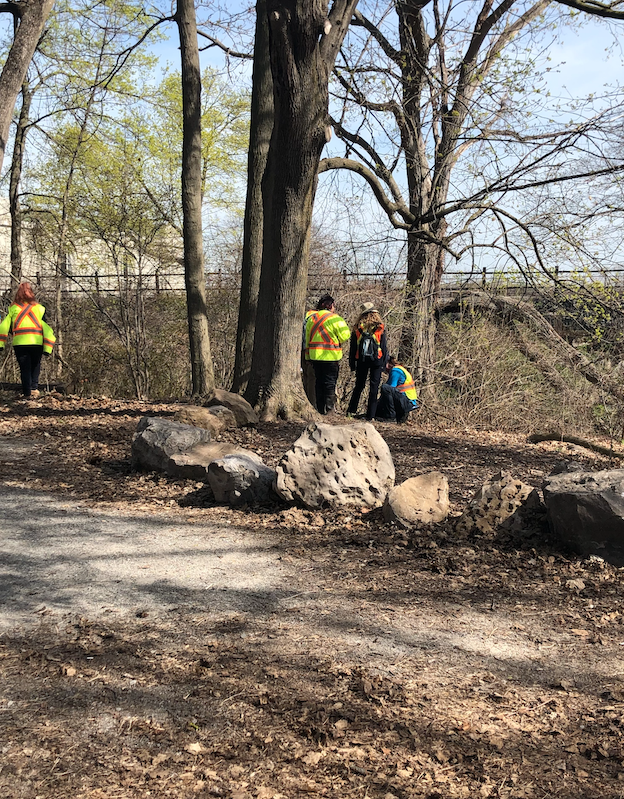
    On April 21, 2023, Sustainability at Brock co-hosted a BioBlitz event with The Niagara Parks Commission to offer students an opportunity to learn about invasive species in Niagara and contribute to management plans at Dufferin Islands. It made history as Brock’s first ever organized BioBlitz, and it was a huge success! Both undergraduate and graduate students represented the school, holding a diverse range of backgrounds that made the event unique and special.  

    For many students, it was their first time experiencing an event such as this, which provided practical skills in the environmental field. Dufferin Islands offers a gorgeous surrounding, with a range of both aquatic and terrestrial ecosystems to be an optimal spot for surveying species.  

    Janet Marley, a Child and Youth Studies student participating in the BioBlitz, said “This my first time participating in a nature program like this. It has been intriguing and fun and increased my awareness about biodiversity and invasive species. Thanks to the organizers and hope there will be another like this in the future.” 

    In addition, students were able to learn about local community settings, which some had yet to explore.  

    “This was my first time going to Niagara Parks and everyone was so welcoming and helpful, and I was able to learn a lot on such a short period of time. It was such an informative and educational process; I am so happy to be part of this project. Thank you to everyone and I hope I will be able to take part in something like this in the future” Philomena Nwapa, a Nursing student. 

    Students were enthusiastic and appreciative for the event, which highlighted students’ dedication to enhancing sustainability in Niagara. More encouraging reflections were represented as students recognized that anyone, no matter their educational background, could participate.  

    Prestyn Sider, an Earth Science student, shared “It was a pleasure learning about the types of invasive species that occur in Niagara and the way that an ordinary person can help in promoting biodiversity! Great experience, thank you to the Brock sustainability team for inviting me out!” 

    We were delighted to hear that so many students are interested in participating in future BioBlitz events and keen to attend more sustainability events in the future. 

    “Thank you for sharing the great experience. It is good opportunity to be involved in sustainability and I would like to participate in more opportunities”, said Mai Osada, an English as a Second Language (ESL) student.  

    The event was a huge success with students, and it showcased the power of uniting people to work towards common goals. We sincerely thank all the students for attending this event and congratulate them on the exceptional data they were able to acquire!  


    We look forward to sharing more sustainable events with you soon! Be sure to follow us on Instagram, Twitter, and Facebook (@BUsustainable) as well as the Sustainability at Brock ExperienceBU page to keep up to date on all the new activities. 

    This event directly helps to achieve SDG 4, SDG 9, SDG 11, SDG 13, SDG 14, SDG 15, SDG 17. 

    Categories: Education, Events, Student Contributor