Articles from:July 2023

  • Summer Sustainability Reads

    By: Thurkkha Thayalalingam

    This list presents to you a few great sustainability books that can help you learn about the history of sustainability and provide an outlook on our future with some practical solutions. Both new and old, some of these books explore revolutionary ways of thinking about our impact and role on this planet. 

    Cradle to Cradle: Remaking the way we make things 

    By: William McDonough & Michael Braungart 

    Cradle to Cradle: Remaking the Way We Make Things eBook : McDonough, William, Braungart, Michael: Amazon.ca: Kindle Store

    Cradle to Cradle is a seminal book written by an architect and a chemist who together explore the societal and environmental benefits of a circular economy. Rather than the traditional “cradle to grave” concept of looking at a material’s life cycle, the authors look at how we can turn it into a “cradle to cradle” mindset by eliminating the final disposal stage. The book discusses the idea that everything can be a resource for something else.  

    The Responsibility Revolution: How the Next Generation of Businesses Will Win 

    By: Jeff Hollender & Bill Breen 

    The Responsibility Revolution: How the Next Generation of Businesses Will Win: Hollender, Jeffrey, Breen, Bill, Senge, Peter: 9780470558423: Books - Amazon.ca

    Targeted towards businesses, The Responsibility Revolution acts as a guide for companies to build a more sustainable future while holding themselves accountable for their activities. The authors strive to completely redefine the fundamental purpose of businesses by encouraging them to be rooted in positive change.  

    The Uninhabitable Earth: Life After Warming 

    By: David Wallace-Wells 
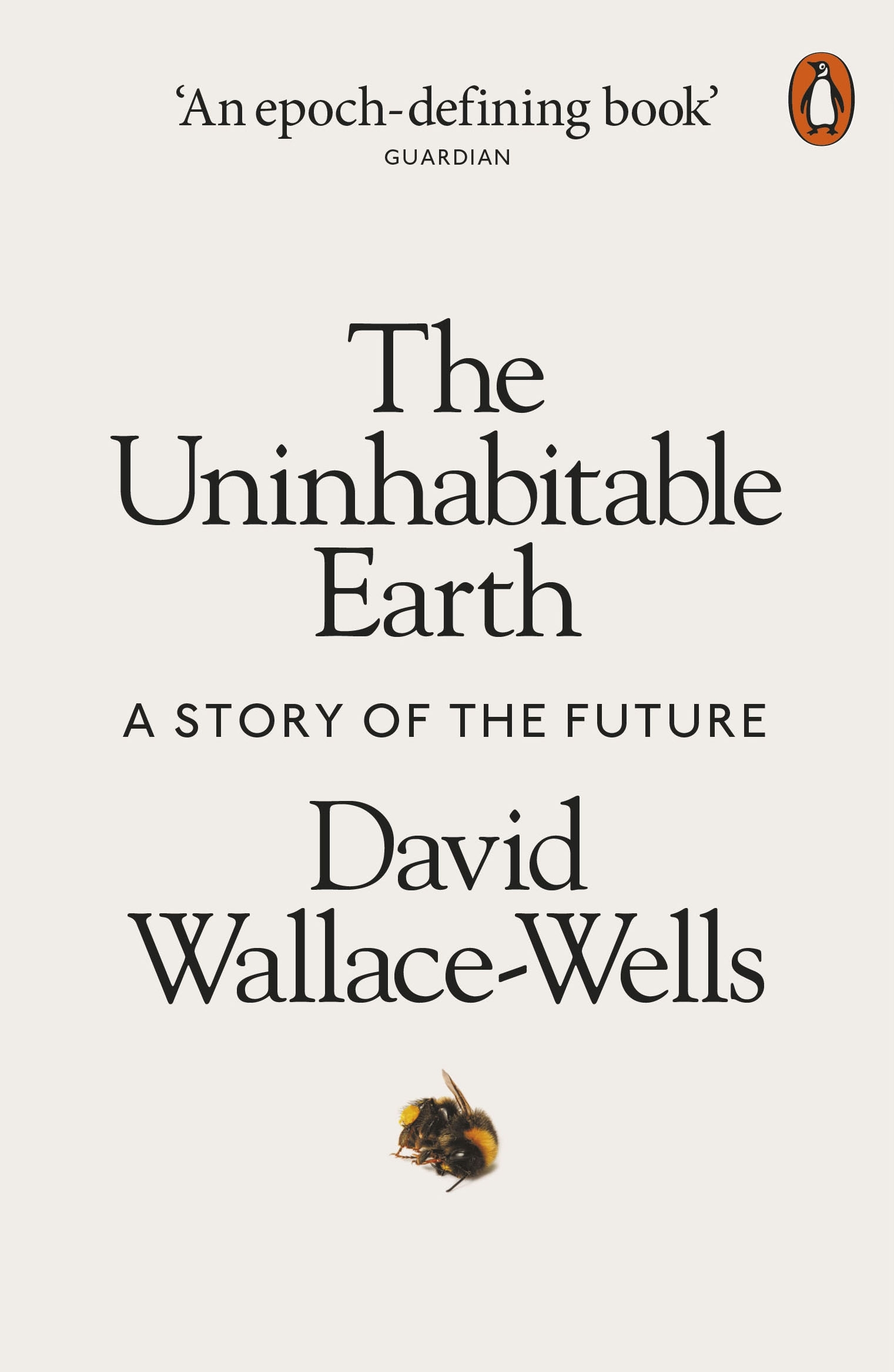
    The Uninhabitable Earth by David Wallace-Wells - Penguin Books Australia

    The Uninhabitable Earth provides an alarming perspective on the future of the planet. The book aims to clarify the true scope of climate change and its impacts, rather than focusing on solutions to the issue. David Wallace-Wells looks at how global warming will impact geopolitics, technology, and the overall trajectory of humankind’s future. Fair warning, this book is not as uplifting or hopeful as some other books on this list. 

    Climate Justice: Hope, Resilience and the Fight for a Sustainable Future 

    By: Mary Robinson 

    Climate Justice: Hope, Resilience, and the Fight for a Sustainable Future: Robinson, Mary: 9781632869289: Books - Amazon.ca

    Mary Robinson brings the voices of those that are heavily affected by climate change to the forefront in this book. It highlights climate change-related experiences from people around the world. Visiting places around the world such as Malawi and Mongolia, Robinson realized that some of the most impactful drivers of climate action was at the grassroots level. Climate Justice is a hopeful manifesto for climate justice internationally. 

    Rebuilding Earth: Designing Ecoconscious Habitats for Humans 

    By: Teresa Coady 

    Rebuilding Earth: Designing Ecoconscious Habitats for Humans eBook : Coady, Teresa, Figueres, Christiana: Amazon.ca: Books

    Rebuilding Earth is a revolutionary and uplifting book on designing and building sustainable infrastructure in the Digital Age. The book introduces the 12 Principles of Conscious Construction as a framework for sustainable development. Coady teaches us how to implement meaningful change by truly understanding how to maintain and protect the natural environment.  

    Silent Spring 

    By: Rachel Carson 

    Silent Spring by Rachel Carson | Goodreads

    Considered one of the most influential environmental books, Silent Spring is about the impacts of pesticide use on the environment and the downstream effects on humans. Taking over four years to write, and released over 60 years ago, Carson challenged the agricultural industry by meticulously explaining the process by which pesticides (DDT in particular) enters the food chain and eventually negatively affects human health.  
     

    Categories: Books, Student Contributor, Sustainability

  • Volunteering in Sustainability: How to Find Volunteer Opportunities to Complete your Living Planet Leader Certification

    By: Brenna Mervyn*

    About the Program 

    The WWF Living Planet Leader program (LPL) has provided an opportunity for students at Brock to complete a certificate in sustainability while completing their degree. LPL is a professionally recognized certification with four main pillars: volunteerism, sustainability in academics, personal sustainability, and leadership. Any student at Brock is eligible to complete this certification, regardless of program or faculty. The following post will be focused on the volunteerism pillar, and how Brock students can complete their 40 hours of volunteer work remotely or in the Niagara Region in relation to sustainability or conservation.  

    Why Volunteering is Important to Sustainability 

    Volunteering and community involvement are key factors in sustainability and conservation. Many organizations working in stewardship or conservation are underfunded. Therefore, volunteerism helps keep parks and events possible for everyone to enjoy. Conservation areas and provincial parks require volunteers to keep areas safe and clean for public use. Volunteers are also key to running community events. Community events aid immensely in spreading awareness of sustainability issues and how to create change in our everyday lives. Volunteerism is also a tool to foster a sense of pride and care for the community we live in. This also amplifies the drive to change the community for the better. Education is also a huge benefit of volunteerism. Many programs for children are volunteer-run, and therefore volunteers play a large role in educating the next generation on issues of sustainability.  

    Portals for Volunteer Opportunities 

    There are various job boards and volunteer sites that compile open volunteer opportunities. These portals are excellent tools when searching for volunteer positions. Keywords such as sustainability, conservation, environment, or climate change can help narrow down results and find a position that is right for you while filling the LPL requirements. Some useful sites are listed below.  

    Organizations and Opportunities 

    1. Organize a litter cleanup! 

    The Earth Day Great Global Cleanup is an excellent resource to register litter pickups globally. Their website outlines how to kickstart a cleanup whether it be a private or public event. Organizing a litter pickup is an excellent way to engage with the community while practicing environmental volunteerism and leadership. There is no minimum group size, so whether it be a group of 5 or a group of 50, organizing a litter pickup is a great way to get volunteer hours while enhancing local biodiversity.  

    2. Volunteering with Niagara Parks 

    Sustainable Niagara Falls | Niagara Falls Canada

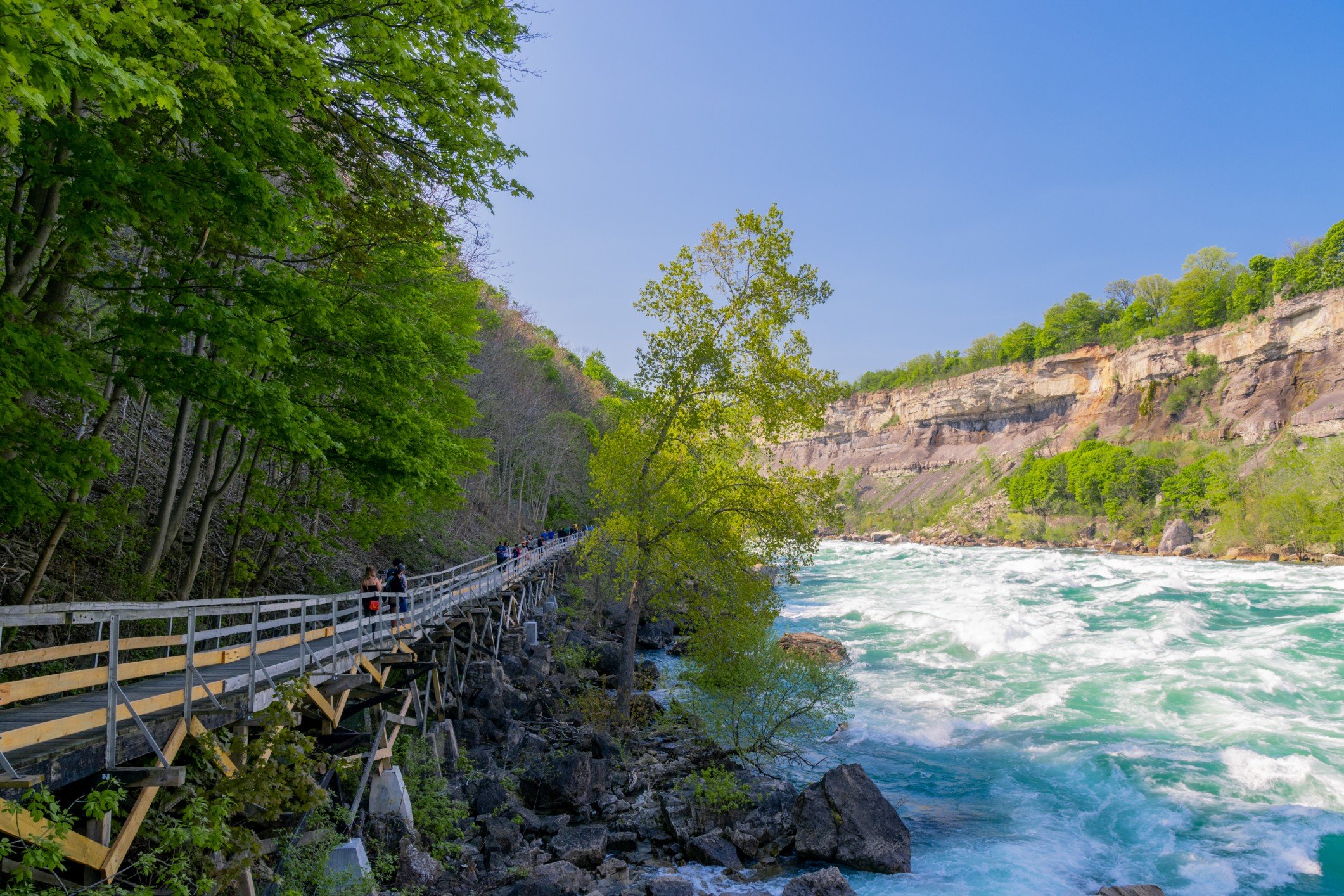
    Niagara Parks works to preserve and educate the public on the natural and cultural heritage of the Niagara River Corridor. The Niagara River Corridor is a key to biodiversity in the Niagara Region and is home to hundreds of species of flora and fauna for which Niagara is known for. The Niagara Parks Commission is responsible for the Niagara Glen Naturalization Site and the Dufferin Islands, which are huge tourist destinations (especially during bird migration seasons). Conserving these areas under high stress from tourism requires work from volunteers to manage the sites and educate the community and tourists of their importance. This means that Niagara Parks offers various opportunities to get involved through special events, tree planting, or site management. Their site has a list of many volunteer opportunities, and they even offer a volunteer appreciation program for continued participation!  

    3. Volunteer with the Niagara Peninsula Conservation Authority 

    The NPCA is a resource management agency working on local watershed preservation and conservation. Volunteer opportunities can be found based in various fields. Whether you’re interested in working with children, site maintenance, conservation, or volunteering for special events, there are many opportunities to find the right fit for you. The NPCA is also running the Balls Falls Nature School beginning this September, which is an excellent opportunity to work with and educate children on conservation and sustainability.  

    4. Organize or participate in a BioBlitz! 

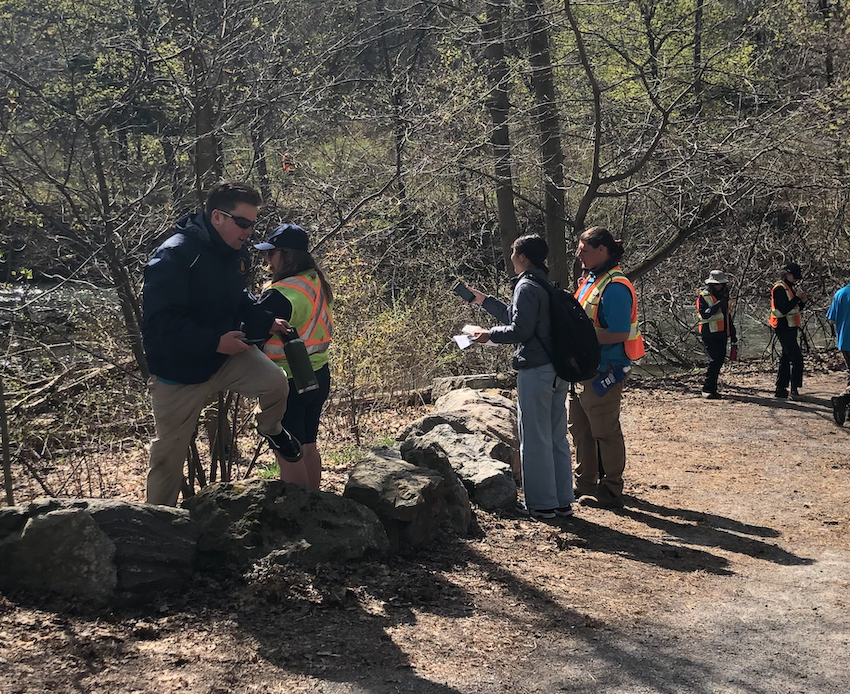
    Now, you may be asking, what on Earth is a BioBlitz? A BioBlitz is a community event which creates a biological survey of an environment to log anthropogenic impacts, population density, invasive species, and biodiversity composition. A BioBlitz encourages citizen scientists, community members, and students to participate using surveying apps such as iNaturalist to make identification quick, easy, and accurate.  Last month, Brock partnered with the Niagara Parks Commission to hold the Dufferin Islands BioBlitz which was a huge success. Not only are events like a BioBlitz fun and beneficial to research, but they also involve the community and are a great way to increase interest in issues such as invasive species. iNaturalist is a great resource to find and organize a BioBlitz, as well as Sustainability at Brock who organized the Dufferin Islands BioBlitz.  

    There are many opportunities throughout the Niagara Region for volunteering in sustainability or stewardship. What is most important is finding which opportunity is the right fit for you and your goals. When searching for volunteer positions it is useful to check recruitment sites often, so you don’t miss out on any opportunities. After completing your volunteer hours, don’t forget to upload proof of completion to your Living Planet Leader profile to fulfill the volunteerism requirement!  

    *This blog post was written as part of an assignment for ENSU 3P91: Leadership in Environmental Sustainability Internship Course. If you are interested in taking part in this course, please visit: https://brocku.ca/esrc/minor-in-sustainability/  

    Categories: Community, Niagara, Outdoors, Student Contributor, Study Sustainability at Brock, Sustainability, Sustainability at Brock

  • The energy transition needed to meet global net-zero goals

    Renewable Energy and Cleaner Transport: Egypt Updates its Climate Commitments | Egyptian Streets

    By: Thurkkha Thayalalingam

    Accounting for about 75 per cent of greenhouse gas emissions, fossil fuels are currently the largest contributor to global climate change. Transitioning to alternative renewable energy sources is a vital step towards achieving net zero emissions by 2050. Not only are renewable energy sources better for the environment, but they are often cheaper than “dirty” energy sources and better for human health. Keep reading to learn more about two of the most popular renewable energy sources: solar and wind! There are many more clean sources that are not mentioned here including geothermal, nuclear, hydroelectric and biofuel. 

    Solar

    According to the International Renewable Energy Agency (IRENA), solar energy is one of the cheapest energy sources on the planet. Solar energy is generated using photovoltaic (PV) cells that capture and convert sunlight and heat into electrical energy (Office of Energy Efficiency and Renewable Energy [EERE]). Since the sun isn’t estimated to die for another five billion years, solar is a completely renewable energy source (National Aeronautics and Space Administration [NASA]). According to the US Department of Energy, an hour and a half of sunlight that reaches Earth’s surface can provide an entire year of energy for all.  

    However, solar energy does also have its disadvantages, one of the biggest being that it is weather dependent. The efficiency of solar panels is heavily dependent on the size, angle, and geographic location of the panels. Particularly in urban areas, high rise buildings can prevent sufficient sunlight from reaching panels. Solar power plants also require extensive amounts of land, which is of concern with land availability declining as the human population continues to increase. Additionally, manufacturing PV cells requires materials such as heavy metals and hazardous chemicals that are harmful to the environment (IRENA). 

    Wind 

    Wind energy, or wind power, is generated by converting the kinetic energy of moving air into electrical energy using wind turbines (National Geographic). Wind energy is also one of the lowest-price energy sources, preceded only by solar energy. Only requiring open land and wind, wind turbines are optimal for rural or remote areas.  

    Similar to solar power, wind power is limited by the amount of land available for wind farms. The blades of wind turbines also emit both mechanical and aerodynamic noise that is out of the normal human hearing range but can be damaging to wildlife (EERE). 

    For information on other clean energy sources, explore the links below: 

    Geothermal Energy  

    Nuclear Energy  

    Hydroelectric Energy  

    Biofuel/Biomass Energy 

    Categories: Energy, Student Contributor, Sustainability

  • Why are Pollinators so Important?

    Cornell Cooperative Extension | What is a Pollinator?

    By: Thurkkha Thayalalingam

    Pollination is the process of transferring pollen between the male and female parts of the plant to allow for fertilization and reproduction. Virtually all flowering plants require pollination, and some of the most common pollinators include bees, birds, bats, flies, butterflies, moths, beetles, wasps, and small mammals. Pollinators as well as the plants that they pollinate have many functions and ecosystem services.  

    Air Quality 

    Flowering plants play an essential role in producing clean air. Through the process of photosynthesis, these plants intake carbon dioxide from the atmosphere and provide us with breathable oxygen. With the current rates of deforestation and fossil fuel burning, the carbon stored in these plants is being released into the atmosphere and further exacerbating the effects of global warming. We need pollinators to support the restoration and growth of plant populations.  

    Soil Erosion 

    Flowering plants help prevent soil erosion through their root networks that help keep the soil in place (U.S. Department of Agriculture). The foliage of larger flowering plants also acts as a buffer during heavy rainfall events to reduce the impact of rain on the soil.   

    Cultural Significance 

    Pollinators such as butterflies and birds have cultural value and significance for many Indigenous communities in Canada.  For example, birds are considered a messenger and a spiritual connection to the Creator for Anishinaabe peoples (Sault Ste. Marie Tribe of Chippewa Indians). 

    Threats to Pollinators 

    Many pollinator populations are declining due to habitat destruction. The habitat loss and destruction is generally attributed to agriculture, mining and human development. Urban surfaces such as concrete, cement and metal make it challenging for pollinators to forage, nest and survive.  The use of pesticides and insecticides may also cause adverse effects on pollinators. Even if these chemicals don’t kill the pollinators, they may have a diminished ability to navigate or forage (U.S. National Park Service). 

    Categories: Outdoors, Student Contributor, Sustainability