By: Kassie Burns
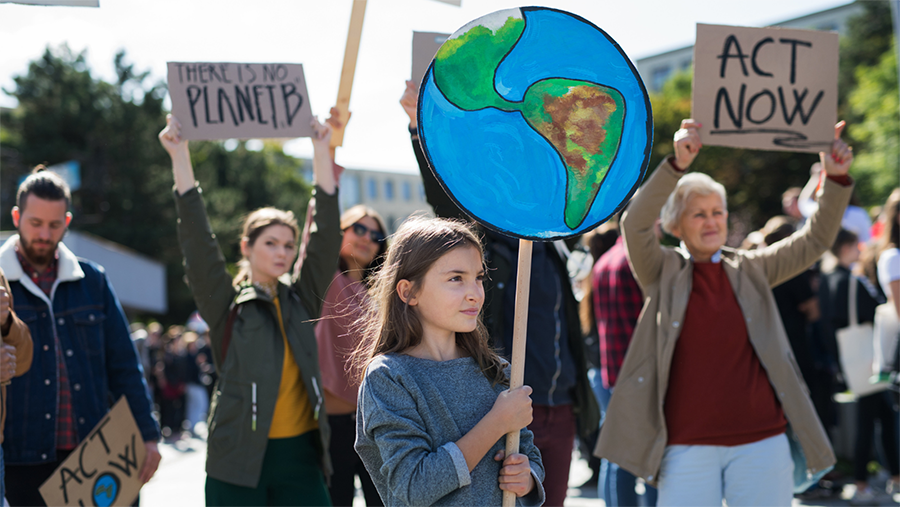
Many of us realize climate change impacts are being felt across the globe, however, that does not mean they are evenly distributed and felt the same for everyone. People from different geographic locations experience, respond, and cope with climate vulnerabilities in different ways (Sultana, 2022). Marginalized groups have routinely suffered the worst impacts of climate change from large polluting industries.
These few people who profit the most from destroying our environment are also the ones who have the ability and resources to avoid the consequences. Industries lavishing in capitalism and imperialism greed have abused their power (Sultana, 2022), leading to the emergence of environmental injustices and, more deeply, environmental racism. Environmental racism was coined by Benjamin Chavis and explains that racially oppressed communities are more likely to be exposed to environmental hazards, such as pollution and toxic waste, and are trapped in those conditions (Intersectional Environmentalist). These communities are more likely to live near landfills, sewage plants, mines, contaminated water, oil pipelines, and other sources of pollution that other wealthier white privileged communities have access and resources to move away from. Environmental pollutants and associated toxins bring increased risks of health concerns like cancer, respiratory disease, cardiac disease, and reproductive issues (Office of Disease Prevention and Health Promotion). These communities are more likely to live near landfills, sewage plants, mines, contaminated water, oil pipelines, and other sources of pollution that wealthier and predominantly white communities have access and resources to move away from. Environmental pollutants and associated toxins bring increased risks of health concerns like cancer, respiratory disease, cardiac disease, and reproductive issues (Office of Disease Prevention and Health Promotion).
In Canada, like many other “wealthy” countries, we have profited and exploited other nations with roots in colonialism, where the effects are still being felt today. Treaties with Indigenous peoples are continually disregarded in favour of oil pipelines and operations that poison ground water, food sources, and our oceans (Intersectional Environmentalist). When projects are developed to extract resources, they often fall on marginalized communities with low income that are known and manipulated by large industries. These communities are ones that will suffer from environmental stressors, prohibited community growth, and it will create a vicious cycle that is extremely difficult to escape.
Increasing awareness and attention has emerged with environmental justice. There has been a call for action and opportunity to pass Bill C-226, which would create an Act for “respecting the development of a national strategy to assess, prevent and address environmental racism and to advance environmental justice”. This would be Canada’s first environmental racism bill! In addition, several novels, news stories, and documentaries (There’s Something In The Water and The Condor and the Eagle) speak on promoting environmental justice. More voices are being heard and multiple social media platforms are being used to help shine a light on these shadowed stories. Sustainability at Brock has created a guide on Instagram to highlight some of the posts on these platforms that are listed them below.
Environmental Justice Inspired Social Media Platforms:
- Intersectional Environmentalist (@intersectionalenvironemntalist)
- Ecojustice (@ecojustice_ca)
- Indigenous Climate Action (@indigenousclimateaction)
- Fridays for Future Toronto (@fridaysforfutureto)
- The Redford Center (@theredfordcenter)
- Slow Factory (@theslowfactory)
References
Sultana, F. (2022). The unbearable heaviness of climate coloniality. Political Geography, 99, 102638. https://doi.org/10.1016/j.polgeo.2022.102638
The information delivered here helps support SDG 3, SDG 4, SDG 10, SDG 11, and SDG 13.

Recent Comments