Blog Contributor: Erica Harper
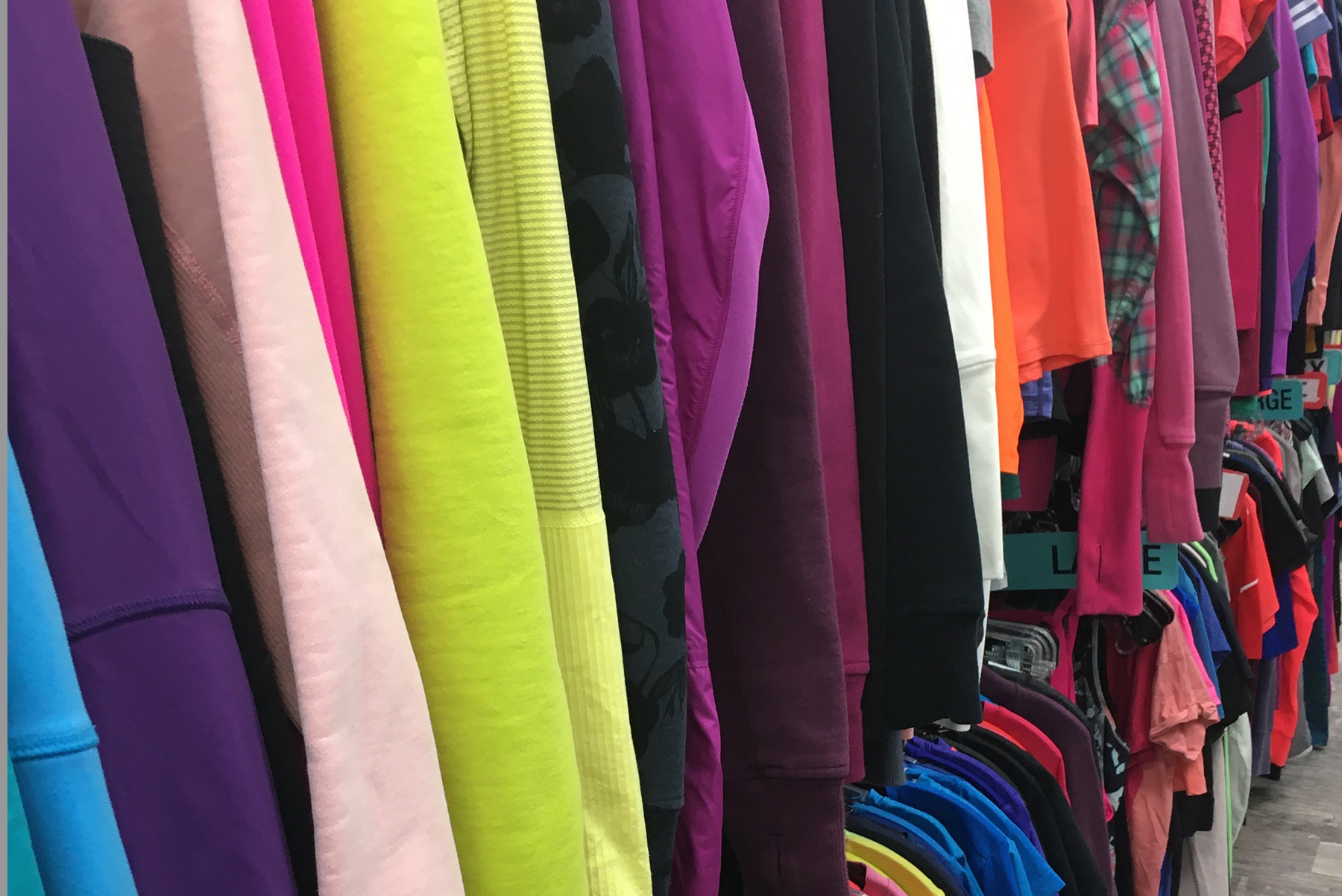
The textile industry is infamous for being wasteful around the globe as clothing consumption grows at an astronomical rate. In fact, Fashion Takes Action, a non-profit organization working to advance sustainability in the fashion industry, reported that people are purchasing “60% more clothing than they did 20 years ago”. Additionally, every year, over “100 billion garments are created around the world”, which cause an overwhelming amount of waste in our landfills. This is largely due to an incredible consumer demand for fast and inexpensive fashion that are usually of very low quality. Unfortunately, this leads the average North American to contribute an average of 81 pounds of textiles to landfills every year. When clothing ends up in landfills, their synthetic fibers, similarly to plastic, do not biodegrade and release greenhouse gases while filling up valuable space in landfills. Unsurprisingly, this contributes negatively to climate change and the warming of our planet.
That being said, there are many actions we can take to repurpose our clothing and various textiles to ensure that they do not directly end up in landfills. Here are 5 ideas of things you can do to reduce your textile waste:
Donate your clothes
The most well-known way of reducing your clothing waste is to donate your clothing to organizations that will re-sell them in thrift stores or to various buyers interested in the material of certain textiles. Although many of us have heard of Goodwill, the Salvation Army and Value Village, there are other organizations to consider. For example, Recycling Rewards is a Canadian company that works to divert textile waste from landfills and partners with government associations, property managers and real estate companies to place donation bins around Ontario. They have a partnership with Talize Thrift Store, which is a National Thrift Retail Chain, who has agreed to purchase all the clothing collected by Recycling Rewards and its partners. We’ve reached out to Talize and they confirmed that whatever they cannot sell in their 11 thrift stores is “sent to companies for upholstery stuffing and rags, ensuring nothing ends up in landfills”. To be transparent, they also mentioned that they sell unsold clothing overseas but did not confirm where it ends up. By selling their textiles, they have raised over $400,000 for charities such as The Children’s Wish Foundation. If you’re interested in donating or to learn more about their work, visit their website by clicking here.
Upcycle your clothing
UpcycleThat defines upcycling as “the act of something no longer in use and giving it a second life and new function”. It’s called ‘upcycling’ because the finished product is often more functional or beautiful than the original item. Transforming your clothing into something else can provide a nice feeling of accomplishment as you’re able to give your old garments a second chance. This is also a great opportunity to get creative, innovative and crafty as you brainstorm different ways to repurpose your clothes instead of disposing of them. You can upcycle old clothing into the following, which was inspired by Good On You, a sustainability blog:
- Makeup remover pads (from cotton shirts)
- Garment bags
- Reusable produce or shopping bags
- Pillowcases
- Headbands (from stretchy material)
- Reusable rags for cleaning
Repair (or have someone repair) your clothing
Whether your clothes have holes in them, have lost a button or are looking a little tired, there are many “do-it-yourself” (DIY) videos on the Internet that will help you repair your clothing. Sewing kits are (for the most part) pretty affordable and are perfect for restoring your clothes back to being good as new. If you’re looking to make larger repairs such as hemming to make your clothes fit more comfortably, you can invest in a sewing machine. Thankfully, the Ontario Textile Diversion Collaborative has created videos on how to repair various clothing articles such as replacing a drawstring, repairing a torn seam and patching a hole, to name a few. Click here to check them out! If DIY isn’t your thing, head over to your local dry cleaner and they’ll be happy to make repairs for you.
Resell your clothes to consignment stores
Selling your clothes to consignment stores is a great way to earn some extra money and feel great about giving your previously loved clothing or accessories a second life! For the most part, these types of stores are (understandably) more selective about what they accept and will either pay you on the spot or pay you once a customer purchases your items. But that also means that the quality of their goods a considerably higher than a regular donations-based thrift store, as they tend to prefer trendy brand name clothing or accessories. While you sell your items, you can look around the store for gently used brand name clothing sold at a discount to reduce the demand for new fast fashion apparel. Some great stores to sell your clothes to in the Niagara region are:
Now that you know more about the impacts of improper disposal of textiles and what you can do to “recycle” them, you can explore what method(s) work best for you. Enjoy donating, repairing, repurposing and selling your clothing!
Sources:
https://sharingdepot.ca/2018/06/worn-out-5-ways-to-mend-canadas-growing-textile-waste-crisis/
http://textilewastediversion.com/how-to-donate/



Recent Comments