Articles from:January 2023

  • International Development Week and THE Impact Rankings

    By: Sanjida Amin

    International Development Week

    The Sustainable Development Goals are at the heart of International Development Week, which Brock University is marking with a weeklong series of events running from Feb. 5 to Feb. 11, 2023. The events aim to raise awareness of the United Nations’ (UN) 2030 Agenda for Sustainable Development and the steps needed to achieve a more peaceful, inclusive, and prosperous world. The 2030 Agenda has established an ambitious set of 17 goals identified as the Sustainable Development Goals (SDGs). Through bringing an end to environmental degradation and building a society free of poverty, inequality, and hunger, the SDGs aim to create a safe and peaceful world with full and productive employment, access to quality education and universal health coverage, gender equality, and more. 

    Brock acknowledges that a sustainable campus involves the dedication and cooperation of everyone at the university, in the Niagara community, and beyond. During International Development Week, the Brock community will explore the SDGs and several approaches we can take to help pave the way towards greater sustainability. One of the events during the week will be a presentation on the Times Higher Education (THE) Impact Rankings and Brock’s submission to them. The presentation will be given virtually on Feb. 6 at 12pm. Please visit ExperienceBU to learn more about this event and to register! 

    THE Impact Rankings

    The Times Higher Education (THE) Impact Rankings are world performance tables that evaluate universities based on their progress towards achieving the SDGs. THE Impact Rankings are open to any institutions offering undergraduate or graduate-level education. Using the SDGs as a means of gauging a university’s sustainability performance, they employ precisely calibrated indicators across four major areas—research, stewardship, outreach, and teaching.  

    Brock University’s Submission to THE Impact Rankings

    In 2022, Brock placed in the 201-300th ranking category and received significant scores for each of the top four SDGs submitted:​ SDG 3 (68.3), SDG 5 (61.6), SDG 8 (73.8), and SDG 17 (87.9). For the 2023 submission, Brock chose to submit evidence for a total of seven SDGs, which include: 

    • SDG 3 – Good Health and Wellbeing 
    • SDG 4 – Quality Education​ 
    • SDG 5 – Gender Equality​ 
    • SDG 7- Affordable and Clean Energy​ 
    • SDG 8 – Decent Work and Economic Growth​ 
    • SDG 13 – Climate Action  
    • SDG 17 – Partnership for the Goals​ 

    Each university submits data as evidence towards various metrics, which require a specific combination of quantitative and qualitative data. The presentation on Feb. 6 will provide attendees with an overview of some of the data and information submitted by Brock for the 2023 rankings. 

    Next Steps and Future Planning​

    Official results of THE Impact Rankings 2023 submission will be announced in April 2023, and a Brock News story will be shared with information on the university’s ranking. Brock plans to continue to submit to the rankings annually and enhance efforts, including submitting to more SDGs every year.​  

    Brock University’s community of dynamic students, exceptional researchers, staff, and alumni all collaborate to make a positive contribution to social impact and sustainability. For more information on THE Impact Rankings and how Brock is contributing to the SDGs, please visit the Sustainability at Brock website!
    Tags: , ,
    Categories: Events, Student Contributor, Sustainability at Brock

  • Bill 23: More Home Built Faster Act

    Blog By: Kassie Burns

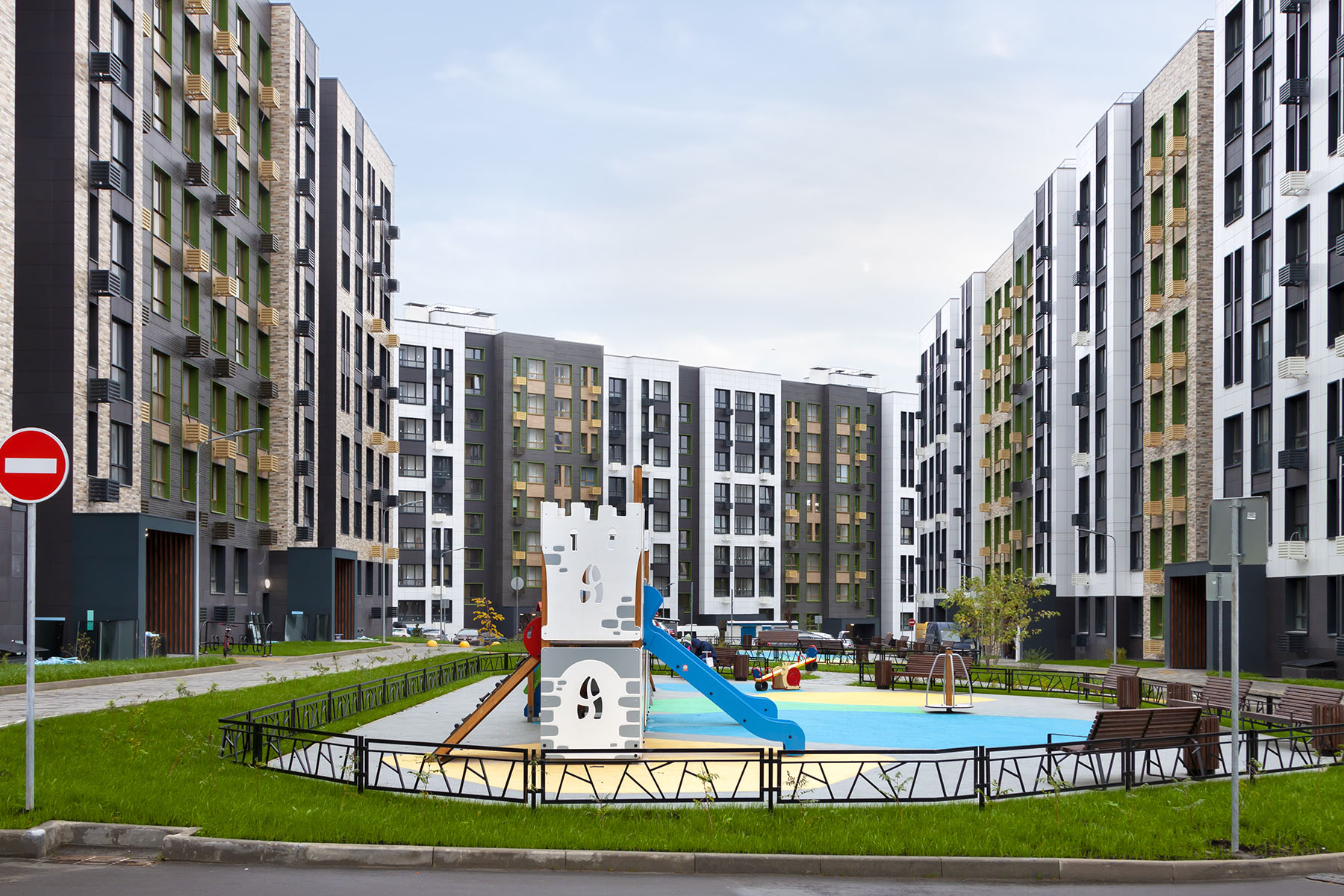
    Low-rise houses mixed-use urban multi-family residential district area development with children playground overcast cloudy sky background.

    November and December are always busy months in the year. Last year, through the chaos of the holiday season, the Ontario government decided it was a perfect time to pass Bill 23: More Homes Built Faster Act. This new piece of legislation aims to address Ontario’s housing crisis by eliminating input on residential development from individuals and municipalities. This allows development to proceed on conservation and agricultural land, and would allow for the destruction of Indigenous sites, wetlands, and forests without dispute.

    Bill 23 has raised questions surrounding the authority conservations hold, if “protected areas” can now be developed on. The consequences of developing on these grounds, such as the critical greenbelt, would be drastic, and there are deep concerns relating to conservation authorities’ ability to protect people and infrastructure from flooding, erosion, and slope failures (Rideau Valley Conservation Authority) if development is allowed. Further risks to developing on these protected lands involve water supply and food scarcity, all amplified by climate change.

    Although the housing crisis needs solutions fast, this legislation is not the way to resolve the issue (City of St. Catharines, 2022). Instead of helping housing, the City of St. Catharines states that the bill “fails to address the goals of increasing housing supply, housing affordability, and improved process”, where the city and Niagara Region are expecting to be severely impacted with financial implications. Community planning and building has been a process that has critically required all levels of collaboration, and this is now being diminished to create divisions and conflict (City of St. Catharines).

    Alternative forms of housing development have begun to emerge, as exemplified with plans for the Cloverdale Mall in Etobicoke. The plan in progress would build various apartments and condos vertically on top of the mall to transform the location into a community neighbourhood. The plans add green rooftops and vegetation between buildings. Additional benefits come with walking distances to fitness-wellness centres, art and culture programs, restaurants, shopping, and parks. This mode of development showcases that Ontario does not lack land for development, but rather, we lack innovative approaches to housing development which conserve nature and wildlife and do not contribute to growing issues of habitat fragmentation, biodiversity loss, and increased prevalence of invasive species. The government exacerbates the situation by already having excess land approved for development to meet the needs of the Act, yet they still choose to encroach on protected lands and increase urban sprawl. This fact has been widely discussed in the media and more details can be found in this article.

    Unfortunately, taking these alternative development strategies and already approved land into consideration did not seem to be on the government’s agenda when addressing this bill. “Bill 23 has no regard or consideration for infrastructure funding, asset management, environmental systems, public realm, and quality of space”, stated a spokesperson for the City of St. Catharines. The new Act brings with it immense environmental, social, and economic impacts that jeopardize human health and well-being, and results in a huge leap backwards instead of progressing forward to a more sustainable future (City of St. Catharines).

    Hope remains that with enough awareness, action, and voices heard, Bill 23 can be repealed. We ask you to act by signing Environmental Defence Canada’s petition.

    References

    City of St. Catharines. (2022). Bill 23 – More Homes Build Faster Act. Retrieved December 14, 2022, from https://www.stcatharines.ca/en/planning-and-development/bill-23.aspx#Response-and-Recommendation

    Cloverdale Mall. (2022). The proposed Cloverdale. Retrieved December 14, 2022, from https://www.cloverdalemall.com/futureofcloverdale/proposed-cloverdale/

    Rideau Valley Conservation Authority. (2022). Bill 23: Less Protection, More Cost, Diminished Local Decision-Making. Retrieved December 14, 2022, from https://www.rvca.ca/media-releases/bill-23-less-protection-more-cost-diminished-local-decision-making#:~:text=Bill%2023%20proposes%20sweeping%20changes,over%20the%20past%20two%20years%E2%80%9D.


    Categories: Student Contributor

  • Sustainable Transportation Options at Brock

    By: Sanjida Amin

    Sustainable transportation is one of the key considerations in protecting environment and preventing climate change. Carbon emission and climate change are major issues that have been addressed globally and it is our collective responsibility to find ways to contribute to reduce carbon emissions. One of the ways we can do this is by adopting sustainable means of transportations in our everyday lives. Brock University is committed to promoting sustainable transportation, by offering more environment friendly means of transportations which may reduce on campus carbon emissions by a significant percentage. According to Natural Resource Canada,  passenger vehicles are one of the major contributors of local greenhouse gas emissions. Apart from single-passenger vehicles, there are many alternatives to allow individuals to still travel but in a more sustainable way. Let’s explore some of these transportation offerings below:

    Choose Your Sustainable Transportation

    Public Transportation

    Niagara Region and St. Catharines Transit is offering public transportation facilities to the students of Brock University through the Universal Bus Pass. Most of the city routes are covered by this transportation facility and students, staffs, faculty can use this option, rather than using personal vehicles. The bus goes inside the campus in a regular interval. Both undergraduate and graduate students qualify for a universal bus pass, which provides them with the opportunity to get access to St. Catharines, Thorold, Niagara Falls, Welland, Fort Erie, Pelham and the Niagara Regional Transit Systems. So, leaving the personal vehicles at home and using the transit service can reduce carbon emissions and promote sustainable transportation behavior. Each stakeholder of Brock University can make great positive impact on climate change by adopting transit services whenever possible.

    Biking

    Biking is fun way to get from one place to another. It is also physically refreshing and is one way we can fit exercise into our day. Biking is an environmentally sustainable behavior as it saves gas, fuel and reduces overall carbon emissions by a lot. For every 7 kilometers travelled by bicycle as opposed to driving a car, one kilogram of CO2 emissions is saved, according to the United Nations Environment Programme. According to the same UN report, cycling saves 150 grammes of CO2 for every kilometer travelled as opposed to driving.

    It occupies small portion of roads, thus reduce traffic congestions and carbon emissions while remain stuck in roads. Brock University promotes biking by offering the superb cycling facilities inside the campus area. There are over 30 bike racks on the main and east campus that students, staffs and faculty can use in order to safely secure bikes. There are also cycling lanes just outside of the campus area on main roads which offer dedicated and safe biking experiences. Please see this page to learn more about cycling paths near Brock.

    Electric Vehicles

    Electric Vehicles are modern means of transportation that are reducing our reliance on gass and oil and subsequently reducing the emission of carbon dioxide. Brock University is promoting this environment friendly and sustainable transportation option by offering on campus charging stations for electronic vehicles. There are now 22 ports across 13 stations around campus for Plug-in Hybrid Electric Vehicles (PHEVs) and Electric Vehicles (EVs) to charge the battery while parked. To know more about charging points please visit parking services page. The stations are a 90 Amp unit that provides up to 90 kms of travel on a one-hour charge on select e-vehicles. It has also different indicators to show status of charging.

    Walking and Other Activity Based Transportations

    Walking or inline skating is highly beneficial to health and also offers to get fresh air which can make you mentally refresh in comparison to driving own vehicle. These options produce little to no emissions while offering alternative means of transportation specially those who stay on campus or nearby to the campus area.

    Take Action Today

    Choosing sustainable transportation options is just one of the ways you can reduce your carbon emissions and have a collective positive impact on climate change. Leaving your own vehicles at home and instead choosing public transportation, biking or deciding to walk even two times a week can make significant impact. To know more, please visit Sustainable Transportation Options at Brock.

    Categories: Student Contributor, Sustainability at Brock, Transportation