Articles from:August 2023

  • Nuclear Power in Ontario

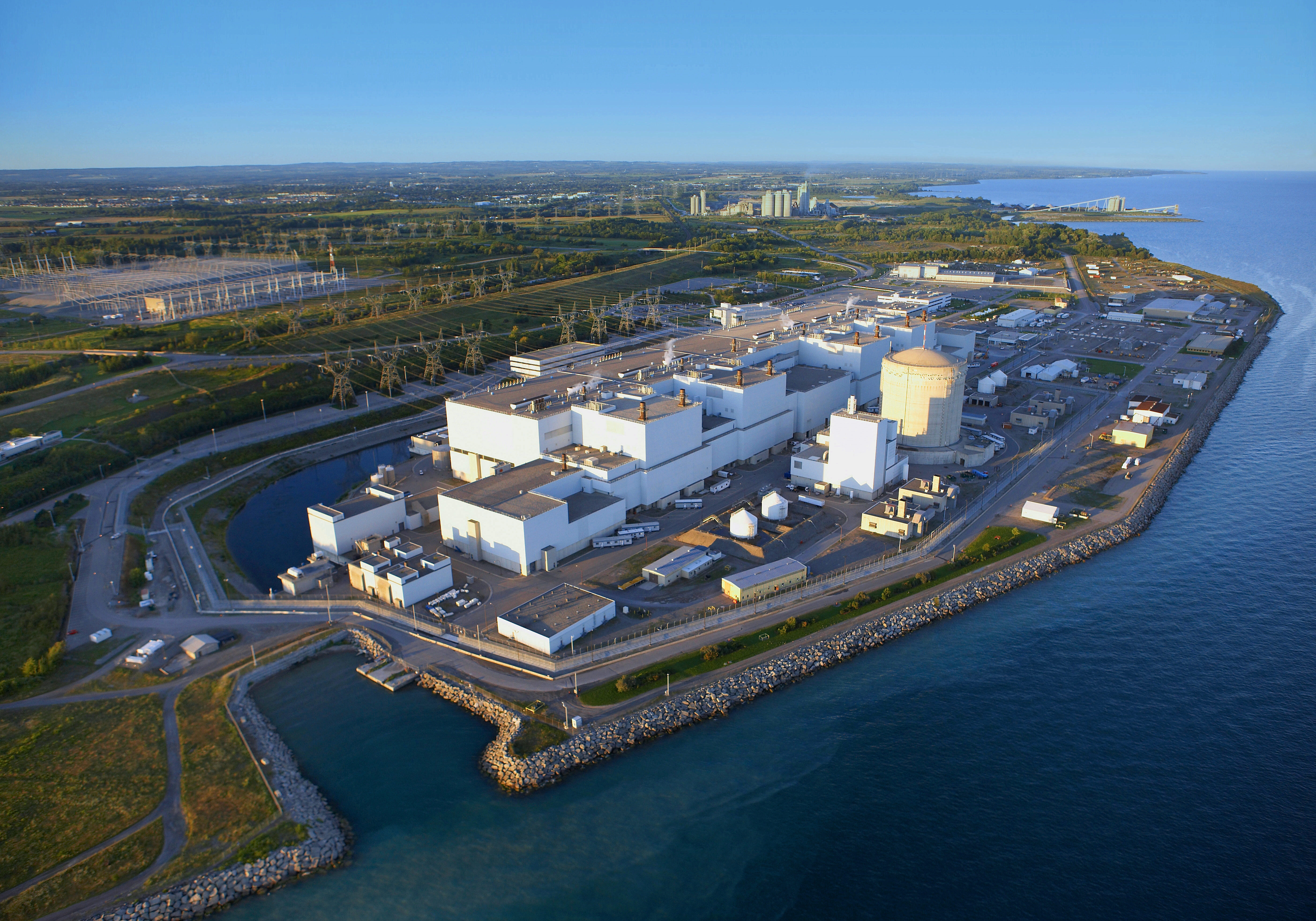
    Nuclear power > Darlington Nuclear Generating Station - OPG

    By: Thurkkha Thayalalingam

    Nuclear power is the electricity generated by nuclear reactions such as nuclear fission, nuclear fusion, or nuclear decay. The most commonly used process for generating nuclear power is nuclear fission, typically of uranium or plutonium atoms. Although nuclear fusion produces a much higher energy yield, it is a very volatile and challenging process in comparison (World Nuclear Association). 

    Nuclear energy currently accounts for over half of Ontario’s electricity and 15 per cent of Canada’s electricity (World Nuclear Association). There are currently three operational nuclear power plants in Ontario: 

    • Bruce Nuclear Generating Station 
    • Pickering Nuclear Generating Station 
    • Darlington Nuclear Generating Station 

    Unlike fossil fuel combustion, nuclear power doesn’t produce any greenhouse gases during generation. Producing similar emissions levels as renewable energy sources such as solar and wind, nuclear is widely considered an environmentally friendly form of energy. Nuclear power is also not dependent on the weather or on large amounts of land in comparison to solar or wind energy. This makes it a reliable and consistent energy source for both urban and remote areas. Additionally, nuclear power plants are cheaper to operate than the average fossil fuel plant, though they tend to have high initial costs to build (World Nuclear Association). 

    While there are many advantages of nuclear power, it is not without its challenges. Nuclear power generates significant amounts of radioactive material as waste for which there is no long-term management solution other than deep geological storage (World Nuclear Association). Following the major nuclear meltdowns in Chernobyl and Fukushima in the past, some also worry about the potential for another catastrophe to occur. However, there are extremely robust and strict standards and regulations in place for nuclear power plants to prevent future accidents from occurring. 
  • Sustainability in Brock’s Dining Services

    By: Thurkkha Thayalalingam

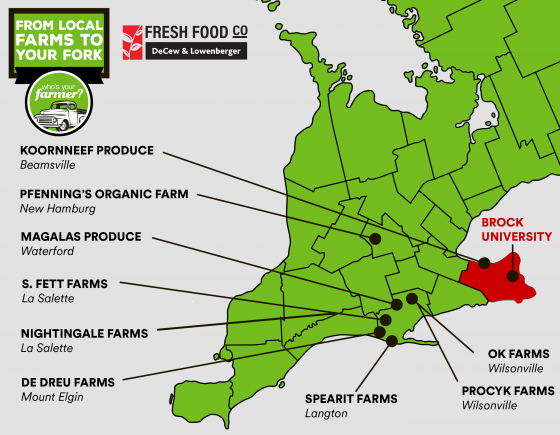
    Did you know that about 25 per cent of the food served by Dining Services is locally sourced? These foods come from Canadian sites that are within 200km from the university. Brock’s Dining Services has many different sustainability initiatives in place including plant-forward meals and “cool foods”.   

    A dietary labelling program with special menu icons is also used to provide additional information regarding dietary restrictions. This includes identifying any foods that are vegetarian, vegan, gluten-free, dairy- free, halal, or plant-forward.   

    Cool Food Meals are World Resource Institute (WRI) certified meals that meet an established per-meal GHG emissions threshold. The university has been serving Cool Food Meals since September 2022, with approximately 15 per cent of the current menu being Cool Foods certified.  

    Learn more about Brock’s Dining Services and its sustainability initiatives through the links below: 


    https://brocku.ca/dining-services/dietary-labelling-program/  

    https://brocku.ca/dining-services/sustainable-sourcing/  

  • The Niagara Escarpment

    Niagara Escarpment | The Canadian Encyclopedia

    By: Thurkkha Thayalalingam

    Brock University is proud to be located atop the Niagara Escarpment, an incredible topographical feature spanning southern Ontario and the United States. Officially designated as a UNESCO (United Nations Educational, Scientific and Cultural Organization) Biosphere Reserve, the escarpment is a focus for biodiversity conservation and a learning site for sustainability (UNESCO). Within Ontario, the Niagara Escarpment is hundreds of kilometres long from the Niagara River up to Tobermory and Manitoulin Island (Bruce Trail Conservancy). The escarpment also played a critical role in the formation of the landforms for some of the Great Lakes (Ontario, Huron, and Michigan) 

    Things to Do

    There are plenty of activities to do within the Niagara Escarpment during any season, from hiking and camping to skiing. Within the escarpment lies the Bruce Trail, the longest and oldest trail in the country (Bruce Trail Conservancy). As mentioned in one of our previous blog posts on trails in the Niagara Region, the Bruce Trail is a popular route for people of all experience levels. The Niagara Escarpment also features beautiful waterfalls, beaches, and historic sites to explore.  

    Biodiversity 

    The Niagara Escarpment features countless types of ecosystems including cliffs, meadows, coniferous forests, Carolinian forests, and wetlands. The escarpment is also home to over 300 bird species, 55 mammals, 36 reptile and amphibian species, and 90 fish species, making it the Canadian Biosphere Reserve with the greatest ecological diversity (UNESCO). Organizations such as the Bruce Trail Conservancy work to preserve and protect these lands from detrimental human activities while also making the land safe and accessible to the public (Bruce Trail Conservancy). Located so close to the highly urbanized and developed Greater Toronto Area, it is important to maintain the ecological integrity of the escarpment and to also use the valuable green space as a way for people to connect with nature.

    Categories: Niagara, Outdoors, Student Contributor, Sustainability