Articles from:April 2023

  • How to become a more sustainable traveller

    Photo courtesy of Chait Goli/Pexels

    By: Sanjida Amin

    According to the World Tourism Organization (UNWTO), Sustainable tourism refers to “Tourism that takes full account of its current and future economic, social and environmental impacts, addressing the needs of visitors, the industry, the environment, and host communities.” According to a study conducted by the University of Sydney, tourism is responsible for 8% of global carbon emissions, with the United States leading the way, followed by China, Germany, India. It was also found that travellers from Canada, Switzerland, the Netherlands, and Denmark exert a much higher carbon footprint when travelling than in their own countries. The United Nations declared 2017 as the “Year of Sustainable Tourism” in an effort to highlight that many popular tourist locations were not operating in the most environmentally sustainable ways. This initiative aimed to inspire tourists to consider their impact on the environment, society, and local economy while travelling.  

    Tourism has a significant impact on ecosystems and the overall health of the planet. While air travel is responsible for about 5% of the world’s carbon emissions, travel is not just about emissions. Travel can also result in excessive water use, deterioration of the environment, improper waste disposal, increased greenhouse gas emissions, and more. However, sustainable travel is becoming an increasingly important area of focus in the tourism industry, and there are multiple ways travel can have less of an impact on the environment. Below are several simple tips to help you travel more sustainably. 

    1. Consider your destination carefully 

    As Jim Sano, Vice President of Travel, Tourism, and Conservation for the World Wildlife Fund once said, “Selecting a destination that achieves a balance of protecting natural and cultural resources, providing for sustainable livelihoods, and creating a high-quality traveler experience is challenging.”  

    When choosing a destination to travel to, there are many factors to consider, such as how far away the location is, how efficient the lodging is, transportation option in the destination, and more. Asking these questions can help you find a destination that takes into consideration sustainability and reduces the impact your trip can have on the environment. 

    2. Pack smart 

    • Bring a reusable water bottle with you to avoid purchasing single-use plastic water bottles. 
    • Reduce your use of single use plastics and pack zero waste items instead, such as reusable bags (e.g., totes and produce bags), reusable straws, reusable cutlery, etc. 
    • Invest in an energy-efficient multipurpose electric plug for all your devices. 

    3. Be conscious of where you stay and try to choose hotels/lodges that follow environmental guidelines. 

    4. Explore locally grown and organic food items. Read our recent blog post to learn more about organic food consumption! 

    5. Be aware of your carbon footprint: Choose to use public transport, walking, or biking over a car whenever possible. By using public transportation, you can easily visit new places and interact with people you might have not otherwise encountered! 

    6. Do your part 

    • Avoid excessive food waste. 
    • Consider your water usage by taking shorter showers and turning of the tap when not in use.  
    • Take a nature-based tour if they are available in the city you are traveling to and explore the local natural areas! 

    Travelling is a wonderful way to experience other cultures and expand our understanding of the world. However, travelling can also be intensive on the environment. Luckily, there are many ways to minimize our environmental impact while travelling, and this blog highlighted a few simple alternatives you can try during your next trip to become a more sustainable traveller. We hope these tips serve as a reminder to be mindful of the places you visit and consider the future impact of your travel choices!

    Categories: Outdoors, Student Contributor

  • Student Observations Capture Invasive Species at Dufferin Islands BioBlitz


    By: Kassie Burns

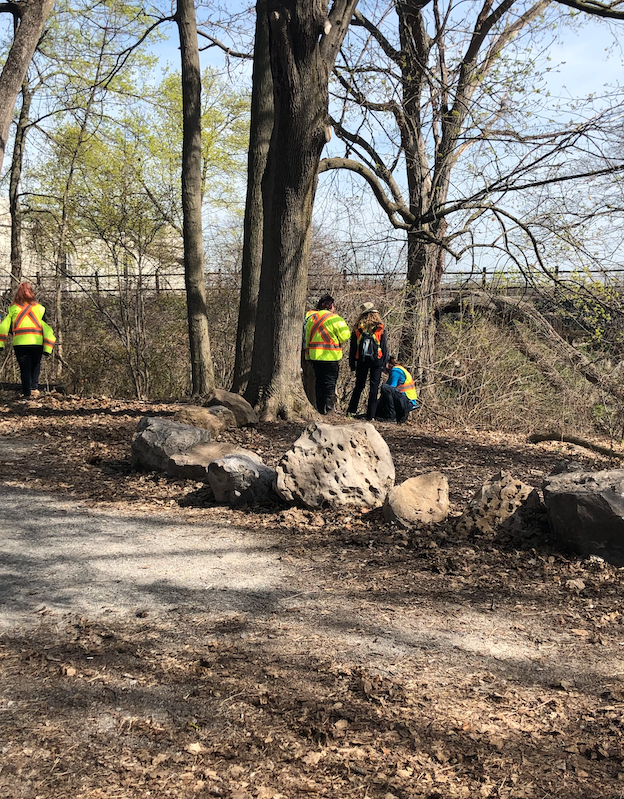
    On April 21, 2023, Sustainability at Brock co-hosted a BioBlitz event with The Niagara Parks Commission to offer students an opportunity to learn about invasive species in Niagara and contribute to management plans at Dufferin Islands. It made history as Brock’s first ever organized BioBlitz, and it was a huge success! Both undergraduate and graduate students represented the school, holding a diverse range of backgrounds that made the event unique and special.  

    For many students, it was their first time experiencing an event such as this, which provided practical skills in the environmental field. Dufferin Islands offers a gorgeous surrounding, with a range of both aquatic and terrestrial ecosystems to be an optimal spot for surveying species.  

    Janet Marley, a Child and Youth Studies student participating in the BioBlitz, said “This my first time participating in a nature program like this. It has been intriguing and fun and increased my awareness about biodiversity and invasive species. Thanks to the organizers and hope there will be another like this in the future.” 

    In addition, students were able to learn about local community settings, which some had yet to explore.  

    “This was my first time going to Niagara Parks and everyone was so welcoming and helpful, and I was able to learn a lot on such a short period of time. It was such an informative and educational process; I am so happy to be part of this project. Thank you to everyone and I hope I will be able to take part in something like this in the future” Philomena Nwapa, a Nursing student. 

    Students were enthusiastic and appreciative for the event, which highlighted students’ dedication to enhancing sustainability in Niagara. More encouraging reflections were represented as students recognized that anyone, no matter their educational background, could participate.  

    Prestyn Sider, an Earth Science student, shared “It was a pleasure learning about the types of invasive species that occur in Niagara and the way that an ordinary person can help in promoting biodiversity! Great experience, thank you to the Brock sustainability team for inviting me out!” 

    We were delighted to hear that so many students are interested in participating in future BioBlitz events and keen to attend more sustainability events in the future. 

    “Thank you for sharing the great experience. It is good opportunity to be involved in sustainability and I would like to participate in more opportunities”, said Mai Osada, an English as a Second Language (ESL) student.  

    The event was a huge success with students, and it showcased the power of uniting people to work towards common goals. We sincerely thank all the students for attending this event and congratulate them on the exceptional data they were able to acquire!  


    We look forward to sharing more sustainable events with you soon! Be sure to follow us on Instagram, Twitter, and Facebook (@BUsustainable) as well as the Sustainability at Brock ExperienceBU page to keep up to date on all the new activities. 

    This event directly helps to achieve SDG 4, SDG 9, SDG 11, SDG 13, SDG 14, SDG 15, SDG 17. 

    Categories: Education, Events, Student Contributor

  • Brock University Seed Library community engagement events!

    Participants selected from a variety of seeds they wanted to plant.

    By: Sanjida Amin

    Brock University’s Seed Library celebrated its second season by hosting two events aimed at educating the community about sustainable gardening practices. The Seed Library, a partnership between the Brock University Library and the Brock University Project Charter, provides the Brock and Niagara community with free seeds to “borrow” and plant in the spring and summer. Staff, students, and community members can “borrow” free seeds from the Seed Library to use in their own gardens. The cycle works like a library where participants can take seeds free of cost and are asked to return some from their harvest, so they can be given out to other community members. This Seed Library aims to protect the genetic variety in our food system and encourage open access to seeds. 

    This spring, the Seed Library hosted a seed packing event and a seed planting event to spread awareness of the Seed Library project and educate the community on the importance of biodiversity and healthy ecosystems, promoting pollinator populations, and preserving rare, endangered, native, and culturally significant seeds.    

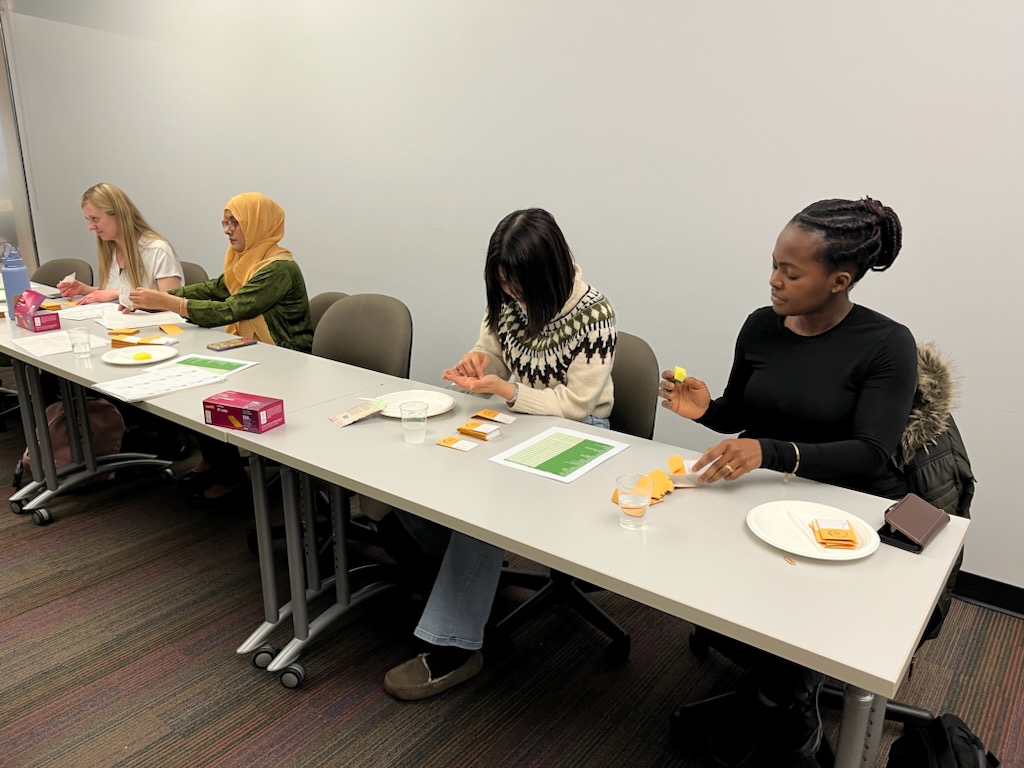
    The Seed Packing Party was held on March 31 in the Matheson Learning Commons. Anyone who wanted to help pack seeds for the Seed Library’s stock was welcome to participate in the volunteer event, which was designed for students earning credits towards their campus-wide co-curriculum (CWC) activities. Moreover, students could also use these volunteer hours’ towards the completion of The World Wildlife Fund Living Planet Leader certification. It was wonderful to see students from various departments as well as staff, faculty, and community members participate in the seed packing event by counting seeds and placing them in envelopes. 

    Participants helped label envelopes and pack seeds to restock the Seed Library.

    The Seed Planting Party was held on April 13. The main purpose of this event was to inspire the Brock community to grow and take care of plants with seeds given to them from the Seed Library. Each participant was allowed to plant up to six different varieties of herbs, flowers, and vegetables. Soil and necessary supplies were offered, including egg cartons donated by Dining Services. Additionally, educational materials were provided, which included details on the germination process and growth patterns for some of the popular seeds offered at the Seed Library. Participants could take their newly planted seeds home with them to later plant out in their gardens. It was an enjoyable and relaxing event for everyone who participated, especially students looking to de-stress during exam season!  

    Participants used egg cartons donated by Dining Services to plant their seeds in.

    The Brock University Seed Library hopes to organize more events in the future to help preserve ecological balance, encourage home gardening, and enhance community involvement. To learn more about the Seed Library and how to participate, please visit our website here. 

    Categories: Community, Events, Student Contributor, Sustainability

  • Students show environmental stewardship at campus clean-up!

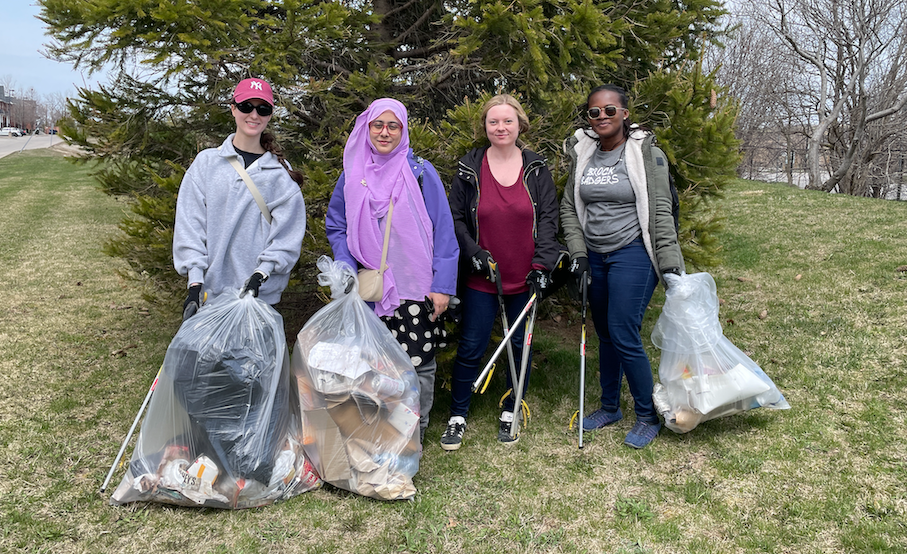
    Students helped volunteer by cleaning garbage from Quarry View area. Left to right: Alexandra Cotrufo, Sanjida Amin, Kassie Burns, and Janet Marley.

    By: Kassie Burns

    Last Tuesday, on April 11, Brock students helped clean up the area behind Quarry View Residence, as part of the first clean-up event on campus this year! Volunteer students demonstrated their commitment to environmental stewardship by collecting garbage and recycling around the area. Picking up waste makes a difference in our community and creates positive impacts for the environment by removing waste from streets, rivers, parks, and other public areas.  

    Once the students reached Quarry View, trash was evidently seen covering the ground. It was clear that some scattered items had been there for a while and had become buried in the dirt. Places most affected were along the fences and in corners where the wind had collected items.  

    Together, students were able to collect 2.5 bags of waste in just one hour! It was a beautiful and successful day, and we would like to thank Facilities Management for providing all the necessary supplies. We would also like to recognize the important work of FM staff in always keeping our campus clean. 

    Garbage and recycling collected during the clean-up.

    Janet Marley, a Child and Youth Studies student, commented on her experience participating in her first clean-up event. “It was my first time joining a clean-up walk and it felt productive. I am glad to partake in such a worthy cause. It was a plus that I got some exercise while at it. Thanks!” 

    We were delighted to see familiar faces and create new experiences for the students to engage in sustainable initiatives on campus! It was also wonderful to see other members of the community noticing our effort and giving thanks for our work in keeping the neighbouring trails clean. This event highlighted the positive differences that can be made when working together to take proactive action.  

    While some waste may have been intentionally littered, we also recognize that litter can also be due to unintentional circumstances, such as wind blowing items out of garbage bins. To help prevent garbage from being dispersed into the environment by the wind, it is important to tie bags tightly and ensure lids are properly secured on bins. Here are some of the most common items collected at the clean-up. 

    Common items found:  
    • Coffee cups and lids 
    • Masks 
    • Take out containers and bags 
    • Plastic cutlery  
    • Hygiene products 
    • Notes/paper 
    • Cardboard boxes 
    • Food wrappers 

    Thank you to everyone who participated in our Campus Clean-up, we look forward to hosting more clean-ups soon! If you are interested in participating in more Sustainability at Brock events, we are also hosting an Earth Day Sustainability Challenge and co-hosting a BioBlitz event this month!  

    Interested in hosting your own clean-up? Visit our toolkit created in partnership with Niagara College for more resources and steps! 

    This event helps support SDG 11, SDG 13, and SDG 15. 

    Categories: Community, Events, Outdoors, Student Contributor

  • Upcoming BioBlitz: We Need Your Help!

    By: Kassie Burns

    BioBlitz events are growing in popularity and seek to bring people together to identify as many species as possible in a specific area (Parker et al., 2018). A BioBlitz serves to be a rapid survey of biological organisms and a community outreach event (Lundmark, 2003). It helps encourage people of all backgrounds and levels of expertise to enjoy a day in nature while making an impact in contributing to important ecological work. Volunteers participating in BioBlitzes do not need to have any science background to be involved, and often these events seek to engage with new audiences of varying ages to encourage learning more about the importance of this type of event. BioBlitz events (and other community science projects) can create powerful experiences that unite people and connect them to nature.  

    Having species inventories is extremely valuable for multiple reasons. For example, an inventory can help determine the range of species present and identify endangered or invasive species in a specific area. It can also help indicate the biodiversity in an area, or lack thereof. We depend on many species to give us sources of food, medicine, construction materials, and income through recreation and tourism (Mace et al., 2012). Based on the current inventory, management plans can be developed to help establish biological sustainability that allows the environment to thrive. A BioBlitz can help form baselines or updates to these inventories while empowering community members to be better informed and protect biodiversity to improve their local natural area.  

    BioBlitz at Dufferin Islands  

    Brock is so excited to be hosting its first ever BioBlitz in partnership with The Niagara Park Commission! The purpose of this BioBlitz, taking place at Dufferin Islands on April 21, is to log and identify the eleven most threatening invasive plant species for inventory management. The work done here will directly benefit the invasive species program with The Niagara Park Commission. We will use the platform iNaturalist to capture invasive species images, record their geographic location, and other characteristics. This will give participants the ability to have an in-depth look at invasive species here and elsewhere in the Niagara region. To register for the BioBlitz, please visit ExperienceBU. There are a limited number of spots available, so be sure to register early! A bus will take all Brock participants from Theal House to Dufferin Islands. 

    Navigating iNaturalist (Shannon Heaney, 2023) 

    To participate in the BioBlitz event, we are asking all participants to have iNaturalist downloaded on their phone or other electronic device to record and map species. Here are some suggestions on how to use the platform and be prepared! 

    Top Invasive Plant Species of Concern in Niagara 

    If you are unable to make it to the BioBlitz event, you can still keep an eye out for the most threatening invasive species in your area! Here is a list of species that can be found in the invasive species guide:

     The information here helps support SDG 4, SDG 11, SDG 15, and SDG 17. 

    References 

    Lundmark, C. (2003). BioBlitz: Getting into Backyard Biodiversity. Bioscience, 53(4), 329–329 

    Mace, G. M., Norris, K., & Fitter, A. H. (2012). Biodiversity and ecosystem services: a multilayered relationship. Trends in Ecology & Evolution (Amsterdam), 27(1), 24–31.  

    Parker, S. S., Pauly, G. B., Moore, J., Fraga, N. S., Knapp, J. J., Principe, Z., Brown, B. V., Randall, J. M., Cohen, B. S., & Wake, T. A. (2018). Adapting the bioblitz to meet conservation needs. Conservation Biology, 32(5), 1007–1019.  

    Image reference: Sidekick Images  

    Categories: Events, Outdoors, Student Contributor