Articles by author: gminaker

  • The Canadian Journal of Political Philosophy launches inaugural issue

    The new Canadian Journal of Political Philosophy recently launched its first issue which is now available online.

    Dedicated to the study of political philosophy in the Canadian and international context, the Open Access journal explores contemporary Canadian political issues and debates as well as social and cultural themes.

    The editorial advisory board includes important Canadian political philosophers such as Michael Ignatieff and John Ralston Saul, and Brock political philosophers Stefan Dolgert and Leah Bradshaw (emerita).

    Professor of Educational Studies Trevor Norris, Co-Founder and co-Editor-in-Chief of the journal, says the Canadian Journal of Political Philosophy is supporting the revitalization of the study of political philosophy.

    Norris says there is a long and vibrant history of political thought in Canada.

    “Canada holds tremendous intellectual resources and a robust intellectual tradition that is often overlooked due to an unwarranted Canadian modesty. There is an even greater need for such a scholarly community in the context of unprecedented threats to Canada’s national sovereignty. This journal aims to show that political philosophy in Canada presents robust, important and unique perspectives that can help articulate and invigorate Canadian intellectual culture,” he says.

    The inaugural issue explores questions about what Canadian political philosophy is, and what kinds of political ideas can help sustain Canada and its politics in the face of new and old challenges.

    The inaugural issue features an article by Gad Horowitz, who famously coined the phrase “Red Tory” to describe the unique political orientation that differentiates Canadian from American political culture, and an essay by Mark Kingwell which explores what it means to say that Canada is a “Postnational” country.

    The online journal also features video discussions between contributors, kicking off with Arthur Kroker, co-founder of the pioneering Canadian Journal of Political and Social Theory which reflects on 1970s Canadian intellectual life, the founding of an independent, interdisciplinary journal against the grain of professionalized academia, and its evolution through feminism, postmodernism, and the more recent digital turn.

    Future plans for the Canadian Journal of Political Philosophy include special issues on Janet Azjenstat’s vision of the Canadian Founders and Founding documents, and George Grant’s exploration of the distinct conception of technology that emerges from the Canadian context.

    Norris says the journal looks forward to serving as a forum for the explorations of Canadas’ intellectual heritage, current contributions to political thought, and conceptual articulations of Canadian identity in the years ahead

  • Grads recognized for innovative research tackling complex teacher education topics

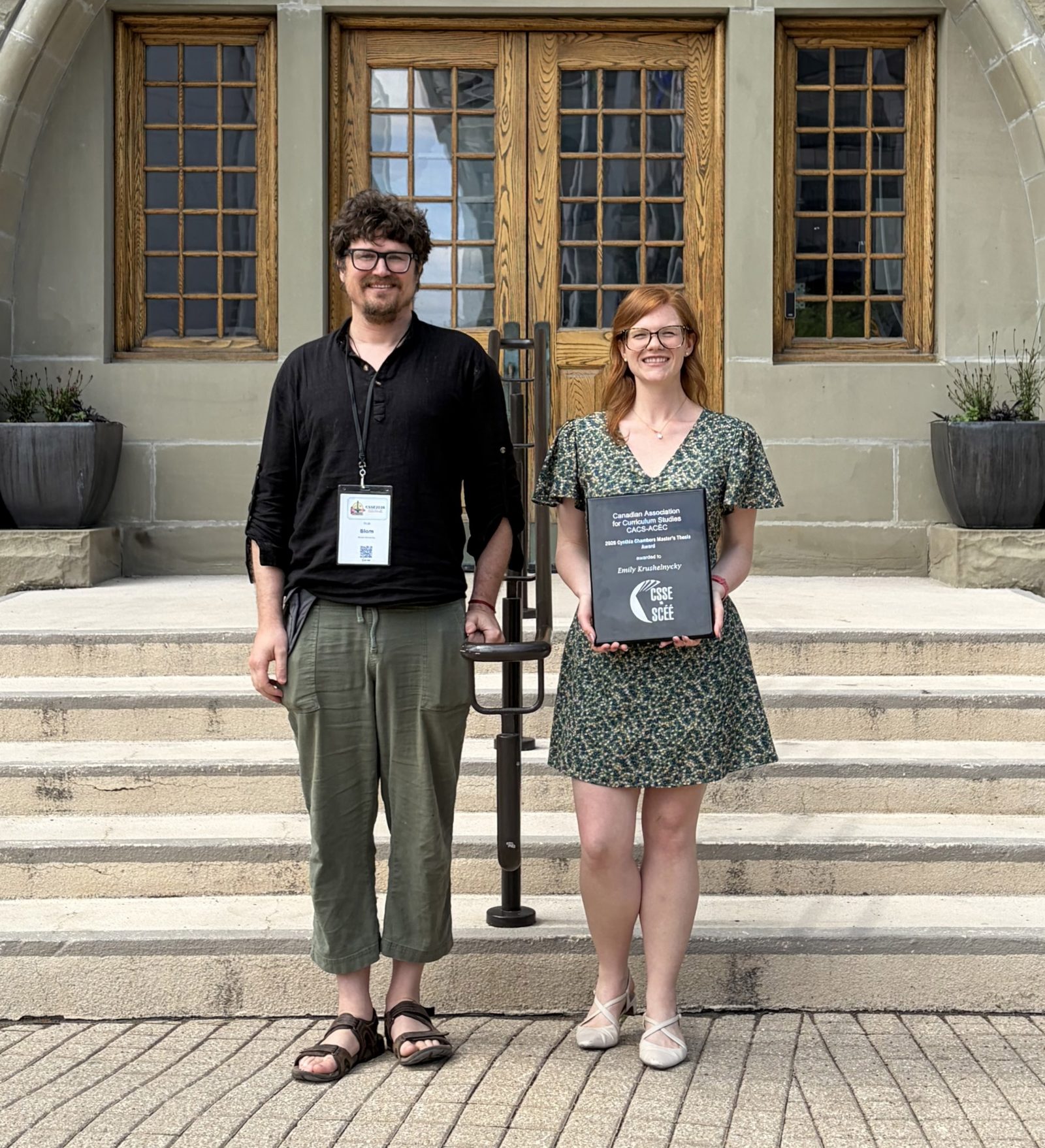
    Robert Blom (left) received the 2026 Canadian Association for Teacher Education Recognition Award for Theses and Dissertations on Teacher Education and Emily Krushelnycky received the 2026 Canadian Society for the Study of Education Cynthia Chambers Master’s Thesis Award during the annual Canadian Society for the Study of Education conference held at the University of Winnipeg from May 31 to June 3.

    Emily Krushelnycky (BEd ’22, MEd ’26) and Robert Blom (MEd ’14, Phd ’26) have garnered national attention thanks to their timely and thought-provoking graduate research exploring key issues in teacher education.

    The Faculty of Education changemakers were recognized for their thought leadership earlier this year during the annual Canadian Society for the Study of Education conference held at the University of Winnipeg from May 31 to June 3.

    Krushelnycky received the 2026 Canadian Society for the Study of Education Cynthia Chambers Master’s Thesis Award and Blom received the 2026 Canadian Association for Teacher Education (CATE) Recognition Award for Theses and Dissertations on Teacher Education.

    Krushelnycky, a Master of Educational Studies graduate, has dreamed of being a teacher since her first day of Grade 1. But early in her teaching career, she became increasingly concerned by the amount of burnout she was seeing among new educators.

    In many cases, new teachers trying to tackle science-based issues — or “socio-scientific” issues such as climate change — were feeling the burden of communicating complex and sometimes difficult topics to young learners, she says.

    Motivated to explore the intersection between science education and child development, and drawing on her own teaching experience, she began examining how science-based topics that can attract intense debate are addressed in Grades 1 to 3.

    “I often wonder what kind of world children are entering and how we as educators can best prepare them for it,” she says. “The responsibility often falls to teachers, and they need to be prepared and feel comfortable talking about difficult issues.”

    Her award-winning research addresses how teachers’ attitudes, beliefs and understandings about child development may impact their ability or willingness to implement socio-scientific issues in the classroom.

    Krushelnycky says if young learners are not introduced to difficult topics during their formative years, they may be less prepared to understand and engage with those issues as they get older.

    Now entering a PhD in Educational Studies at Brock, Krushelnycky is building on her master’s research and teaching experience to create a practical resource for teachers to help them navigate complex issues in the classroom.

    “If we can use age-appropriate language and tools, such as picture books to explore complex themes, children won’t feel so afraid,” she says. “Instead, they will feel empowered, inspired and motivated to do something about these big issues facing our world.”

    For Blom, a PhD in Educational Studies graduate, teaching is more than just a profession — it’s a vocation.

    He approached his doctoral research, which explores the role of philosophical thinking in teacher development, from a unique perspective informed by 10 years teaching high school math and refining his own teaching practice.

    The completion of Blom’s Master of Educational Studies at Brock led to the adoption of the philosophical framework known as “non-Aristotelian systems” for his doctoral work. In philosophy, Aristotelian logic is binary, or bivalent.

    “Examples are black and white, true or false, and up or down. Non-Aristotelian logic is a system of differences, with incorporation of ideas both laterally and horizontally that tries to find the true meaning of a situation by not avoiding the complexity of life,” Blom says.

    This way of deep thinking provided the premise of Blom’s dissertation, which explores the idea of shifting the focus of teacher education from “development” to “envelopment.”

    In the context of philosophy of education, while development can suggest knowledge accumulating in stages over time, Blom explores how the centuries-old concept of “envelopment” suggests that new knowledge does not simply replace what a learner knew before but incorporates and transforms previous understanding into a new worldview.

    “In defining teacher envelopment, we encounter the meta practices of mindfulness and discernment which allow teachers to integrate knowledge into the present in an environmental way,” Blom says.

    When aspiring educators practice mindfulness and discernment, a new version of themselves develops that recognizes a bigger picture and understands that previous knowledge was not wrong but instead being incorporated into new ideas, he says.

    “This unlocks new levels of knowledge and mindfulness for teachers to tackle philosophical concepts such as post-truth, non-Aristotelian curriculum design and ontological growth.”


  • How healthy summer habits can set kindergarteners up for school success

    Brock University Assistant Professor of Educational Studies Yvonne Messenger is sharing how healthy summer habits can set kindergarteners up for school success.

    A smooth start to the school year begins with healthy habits in the summer, especially for children entering kindergarten, Yvonne Messenger says.

    “Research shows that helping our youngest learners establish healthy habits is a strong mediating factor in future learning, preventing concerns for math and literacy gaps as students get older,” says the Brock University Assistant Professor of Educational Studies.

    Messenger is sharing five summer tips families can apply now to prepare children for their upcoming school journey.

    Talk, listen and read together: Engaging in conversation while reading books with children is an important way to build communications skills, Messenger says. She encourages parents to ask open-ended questions and allow children to lead the conversation.

    The less parents talk, the more children will talk and avoid “yes” or “no” answers, she says. She recommends having open-ended conversations while running errands, such as going to the grocery store and reading labels and signage together while identifying items.

    “The more oral communication a child engages in and the more sophisticated their vocabulary when they begin kindergarten, the easier it will be for them to develop their literacy skills, which equips them to take on the reading and writing process.”

    Make time for active play: Engaging in active play — outdoor physical activity and indoor play not connected to a screen — is all about healthy gross and fine motor development.

    Children need strength and dexterity in their muscles from their shoulders to their fingers when they begin writing and drawing with markers and pencils.

    Outdoor play, such as running and climbing, helps build muscle and prepares children to write effectively at school, while indoor play, such as doing puzzles, can help build cognition skills that can be useful when learning to read.

    Practice healthy sleep and screen habits: Focusing on sleep habits and mitigating screen time will help ease the return to regular routines, Messenger says, especially if children need to get up earlier during the school year. She suggests beginning bedtime routines five minutes earlier each night for three weeks before children return to school.

    She also encourages parents to adopt healthy screen habits, noting that the Canadian Pediatric Society recommends children aged two to five engage in less than one hour per day of screen time.

    Limiting screen use also plays a role in emotional development, she says, as research shows many parents will give children a tablet to calm down if the child is agitated or upset.

    “This works in the moment, but it doesn’t teach children ways to manage their emotions,” Messenger says. “At school, students will not be given a tablet when they are frustrated.”

    Support emotional and social growth through play: To prepare children for taking turns and sharing, parents can create opportunities for children to play in group settings by visiting neighbourhood parks or public library programs.

    They can also help support emotional and social growth by mirroring and naming emotions, Messenger says.

    “For example, if a child is angry, parents can name and validate the feeling and demonstrate calm behaviour such as deep breathing — a technique they can use in their classroom,” she says. 

    Build independence: The next month is the perfect time to practice independent skills for young children, from toileting and managing their own clothing to using lunch containers on their own. 

    “Students who feel confident generally feel safer and less anxious, which, in turn, allows the brain to process information better and learn more easily,” she says.


  • Future educators equipped to lead in tech-driven classrooms

    Maisyn Kwinecki (BA ’26, BEd ’26) is launching her teaching career fuelled by the belief technology can reduce barriers and create more equitable learning opportunities for all.

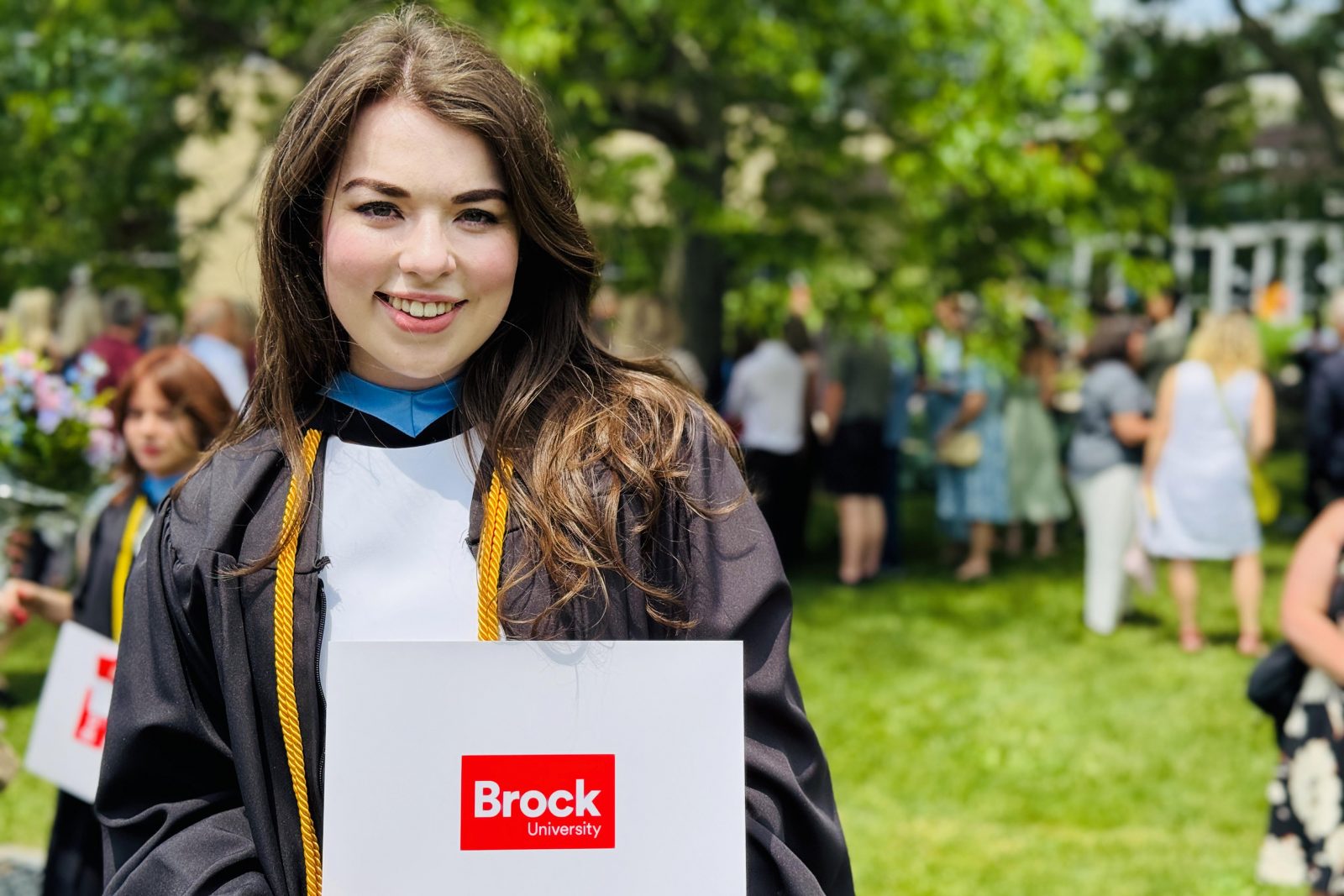
    Kwinecki was part of first cohort of Brock Concurrent Teacher Education students to specialize in Interactive Arts and Science, recently renamed Interactive Arts and Digital Media (IADM). She and her peers graduated on Thursday, June 11 during the University’s 119th Convocation.

    “My biggest takeaway from Brock is a greater awareness of how influential technology can be in shaping the way students learn, communicate, create and interact with the world around them,” she said.

    As someone who has always had a passion for technology and interest in teaching, the combination of IADM and teacher education was a natural fit for Kwinecki.

    The program focuses on the intersection of digital technologies and the humanities, preparing the next generation of educators to be digital media innovators in their field.

    IADM students develop a robust digital literacy, exploring issues related to representation, accessibility and the broader social impacts of media. Students also gain hands-on skills through collaborative projects related to technologies like augmented or virtual reality, 3D modelling and printing, video games and more.

    Many of Kwinecki’s courses were rooted in the digital humanities, which she said allowed her to “explore concepts like the intentional design of digital platforms and how they can influence children’s self-esteem, identity, sense of belonging and perceptions of the world around them.”

    “These experiences reinforced my belief that educators and child advocates need a strong understanding of the digital spaces students inhabit so we can help them navigate those spaces responsibly,” she said.

    For Kwinecki, technology is also a powerful tool in increasing accessibility in education.

    “As someone who greatly values differentiated instruction and structured flexibility, I see digital tools as essential resources for students with learning disabilities and other diverse learning needs,” she said.

    David Hutchison, Professor of Educational Studies and Digital Humanities, said the program is unique. Instead of focussing on individual subject areas like math or science, the combined IADM and teaching programs span many teaching disciplines.

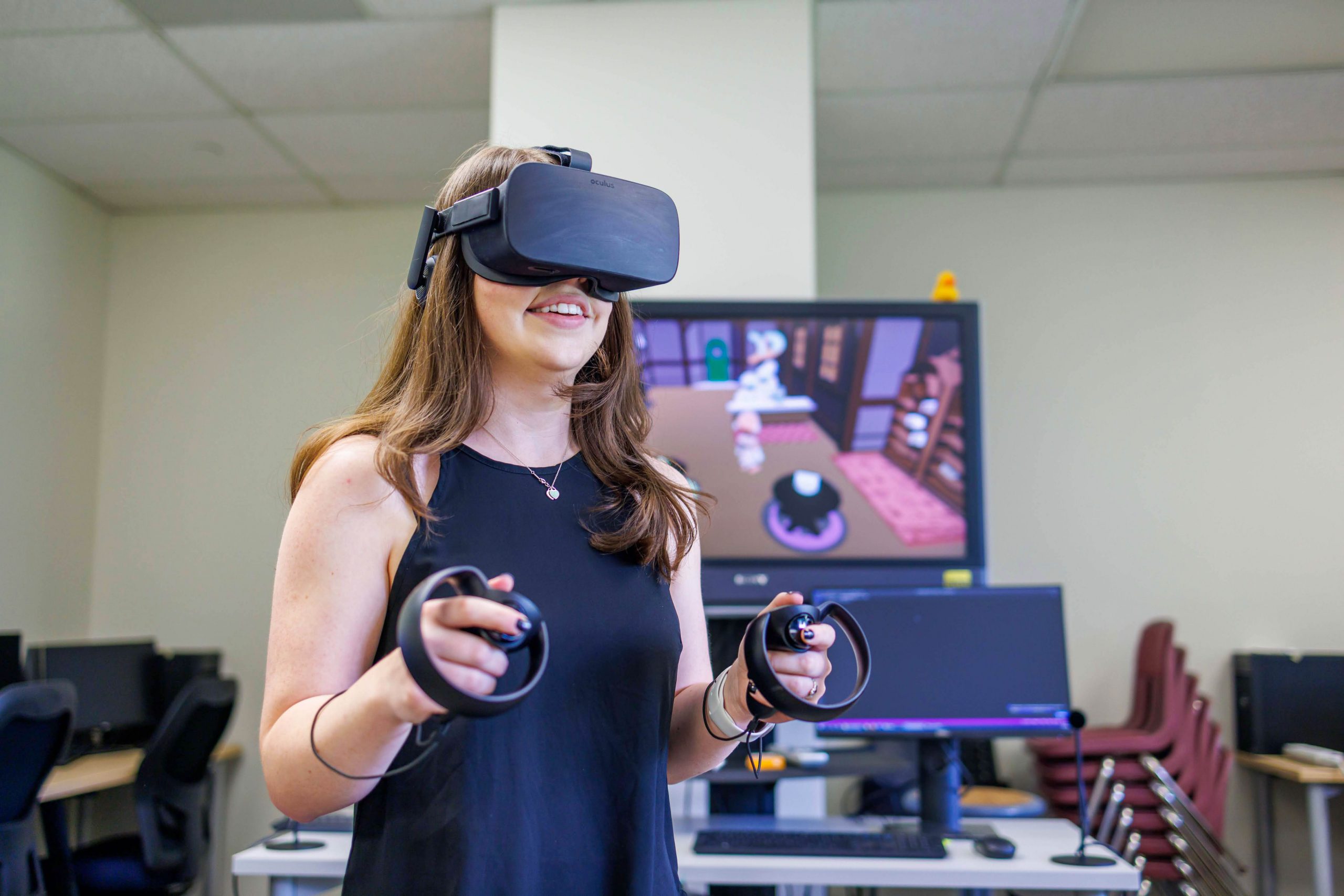
    A young woman plays a video game using a VR headset and controllers.

    Maisyn Kwinecki (BA ’26, BEd ’26) graduated on Thursday, June 11 during Brock University’s 119th Convocation.

    Hutchison said that graduates not only have a sound theoretical foundation and technical competency, but they are destined to become innovators in the schools they work in, adding that many graduates will be the teachers colleagues turn to for help integrating new technologies into the classroom.

    “These graduating teacher candidates are skilled experts in curriculum design, but they’ve also reflected deeply on the use of technology in education — they are on the cutting edge of artificial intelligence and wearable technologies, to name just a few program foci,” he said.

    Not only are technological skills essential for teaching in today’s classrooms, Hutchison says, they also support students and families across their entire school journey.

    “Many schools and classes use websites and digital portals for parent communications and students’ project-based work. Our graduates are prepared to offer expertise and guidance on best practices related to online technologies,” he said.

    They will also keep schools on the cusp of emerging technologies and related ethical issues, Hutchison said.

    “Graduates of Brock’s IADM Teacher Education program are deeply prepared to wrestle with the challenging ethical questions that arise when teachers explore the pedagogical potential and risks of the latest technologies, including artificial intelligence.”

    As Kwinecki enters the teaching profession, she feels well prepared to integrate technology into her teaching in ways that genuinely support student learning.

    “Looking back, Brock provided more than academic knowledge; it gave me a community that fostered both my professional growth and my confidence in the kind of teacher I want to become.”


  • Groundbreaking conference spotlights Black youth experiences in education

    On April 24 and 25, a two-day national conference entitled “Breaking the Cycle: Understanding the Educational Experiences of Black Children in Canada” was held at Brock University.

     Organized by Future Black Female, a non-profit organization led by Founding Executive Director Dr. Tapo Chimbganda, the event aimed to deepen understanding and drive meaningful change in how Black children experience the Canadian school system.

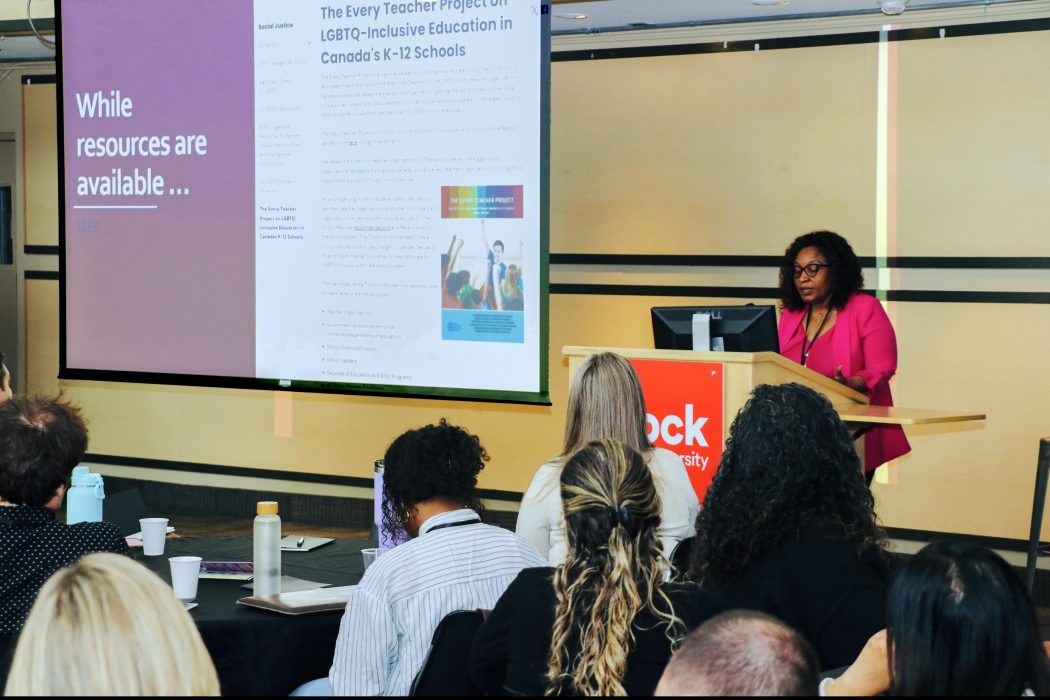
    The first day of the conference was focused on “Building Inclusive Systems” and was geared toward educators, administrators and system leaders. Among the day’s speakers was Faculty of Education Professor Dolana Mogadime. During the talk, cowritten by Mariana Garrido, FBF Social Issues Researcher, Mogadime incorporated Garrido’s “What the Evidence Shows: Black Children, Schooling, and System Readiness in Canada” to shed light on the realities of inclusive education in classrooms.

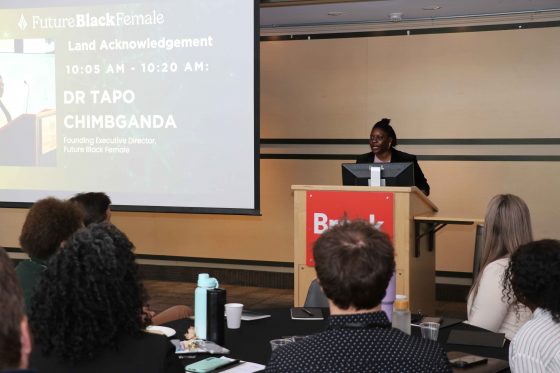
    A woman stands at a podium speaking to an audience.

    Dr. Tapo Chimbganda, Founding Executive Director of Future Black Female.

    “It was an honour to speak about Future Black Female’s survey and to highlight what universities can do to contribute to change, such as partnering with community organization in support of their programming for Black students and increase collaboration with school boards in redressing anti-Black racism. These insights can guide and support the role of faculties of education as “duty holders” as suggested ty the Ontario Human Rights Commission report, “Dreams Delayed: Addressing Systemic Anti-Black Racism and Discrimination in Ontario’s Public Education System.”, said Professor Mogadime.

    Day two of the conference, “Empowering Black Families” was centred on Black parents, caregivers and community members who engaged in workshops learning about anti-racist frameworks and accountability in education systems. Incoming PhD in Educational student and community leader and educator Kathryn Crooks moderated the discussions.

  • FOE Celebrates Martyna Pacyniak, Ontario Modern Language Teachers’ Association award recipient

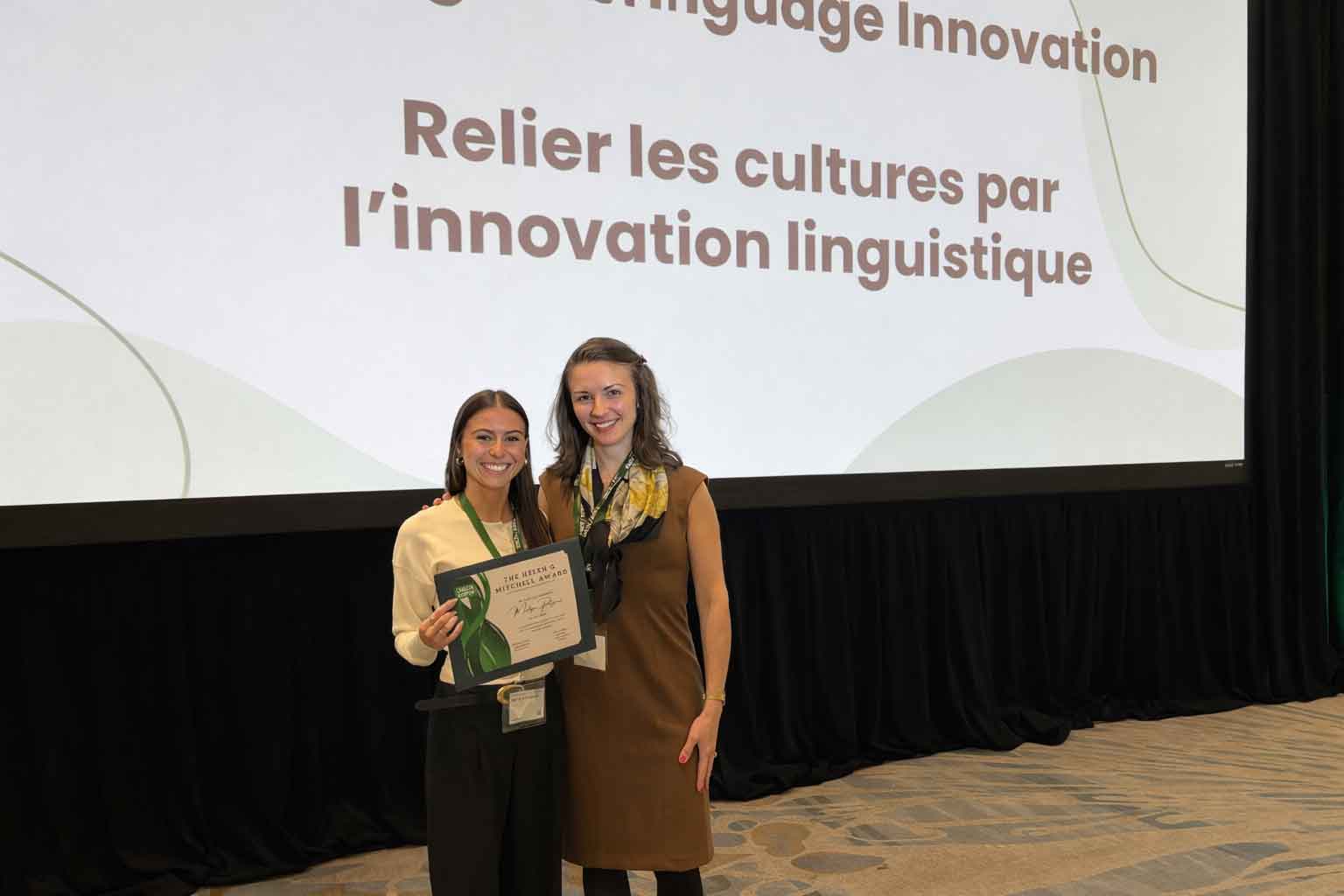
    Brock University’s Faculty of Education is proud to celebrate Martyna Pacyniak, recipient of the 2026 Helen G. Mitchell Award from the Ontario Modern Language Teachers’ Association. This award is presented to one graduating student in each Faculty of Education who has demonstrated excellence in both academic and practicum components of the pre-service year, along with the qualities of a potentially outstanding French-as-a-Second-Language or International Languages teacher.

    For Dr. Rochelle Guida, Martyna’s FSL teacher education instructor, this recognition is especially meaningful. Dr. Guida is extremely proud of Martyna and the professionalism, initiative, and passion for FSL education that she demonstrated throughout the course. One moment that stood out was when Martyna reached out to ask Dr. Guida to review an article she was preparing for the Canadian Association of Second Language Teachers on the integration of artificial intelligence in FSL education. That initiative, intellectual curiosity, and commitment to advancing the field reflect the very qualities this award seeks to honour.

    We wish Martyna continued success in her future research endeavors and teaching as a FSL teacher candidate. Bonne continuation, Martyna!

  • New program aims to prevent ‘summer slide’ in young learners

    When local schools wrap up for summer, the learning — and fun — will continue for primary students at Brock University.

    The Faculty of Education’s Brock Learning Lab (BLL) is launching a SummerBoost that aims to improve early literacy and foundational numeracy skills for students who have completed junior kindergarten to Grade 2.

    BLL Acting Director Yvonne Messenger says the initiative, which adds to Brock’s robust schedule of summer youth programming, meets a significant need in the community.

    Messenger says researchers and educators alike are reporting higher rates of language delays and other challenges among children in primary grades who were born, and lived their toddler and preschool years, during the COVID-19 pandemic.

    “Having the opportunity to continue structured learning in the summer, along with the social benefits of being with other children in a camp-like setting, will provide these youngsters a chance to build their skills,” says the Assistant Professor of Educational Studies.

    Registration for the SummerBoost is now open, with weeklong sessions beginning Monday, July 6; Monday, July 13; and Monday, July 20.

    Faculty of Education instructor and Brock Learning Lab Program Co-ordinator Catherine Susin (BA ’17, BEd ’17, MEd ’18) developed the program alongside fellow BLL site leads Isabella Favero (BA ’24, BEd ’24) and Montana Nethercott (BA ’23, BEd ’23). All three are Ontario Certified Teachers, Brock alumni and current graduate students at the University.

    Susin says summer programming has long been requested by families, particularly to help prevent the “summer slide” for students in the primary grades.

    In addition to full-group instruction, learners will work in one-on-one and small-group settings, receiving individualized instruction that covers a range of topics.

    Participants will boost learning in phonics, spelling, writing, reading and comprehension as well as foundational numeracy skills, including number recognition, addition and subtraction, patterns and spatial reasoning.

    Developmentally appropriate games, crafts and activities will promote fine and gross motor development to support learning.

    Favero, a SummerBoost lead, says the goal is to make math and literacy exciting with hands-on experiences.

    “Every week features a unique theme designed to spark curiosity,” she says. “Students will blast off into outer space, journey through magical worlds, or step into the shoes of mystery detectives in our fun-filled program.”

    Each of the three weeks in July offer full day programming from 8:30 a.m. to 4:30 p.m., Monday to Friday with extended care available at an extra cost.

    More information about SummerBoost, including cost and registration, is available on the Brock Learning Lab website.

  • How innovative research aims to shape the future of learning

    What if ethical use of artificial intelligence (AI) could bridge gaps between theory and practice for future teachers and help reduce early career attrition?

    It’s a critical question for Muhammad Kiani, a PhD in Educational Studies student at Brock University.

    Through his doctoral research in the Faculty of Education (FOE), Kiani is exploring immersive technologies that might serve as a simulator of sorts for teacher education students to hone their classroom skills in an environment where it’s safe to fail.

    By examining the efficacy of using a simulation system in tandem with human interaction and mentorship, Kiani’s research is shedding light on the potential impacts of ethical, evidence-based adoption of educational technology.

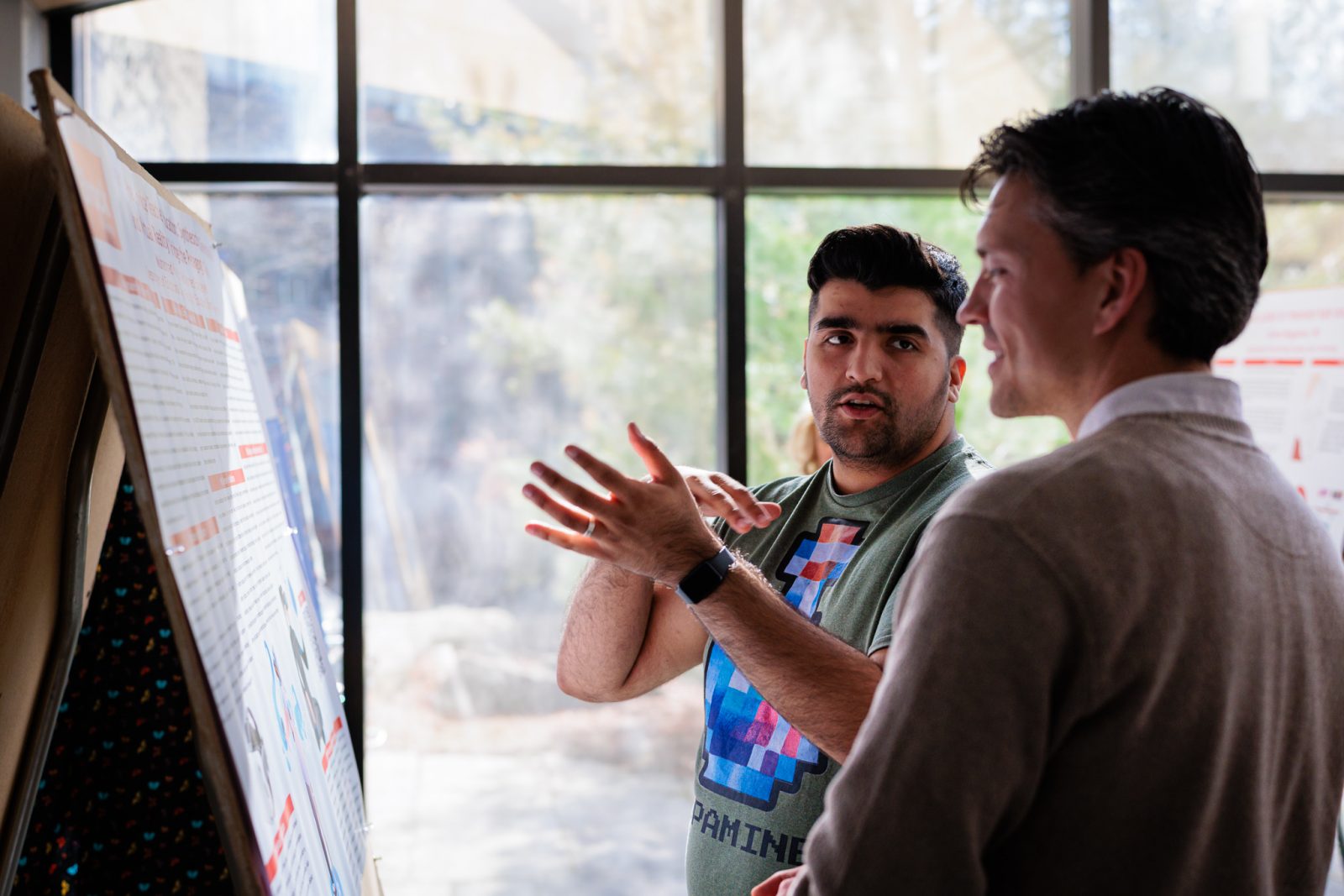
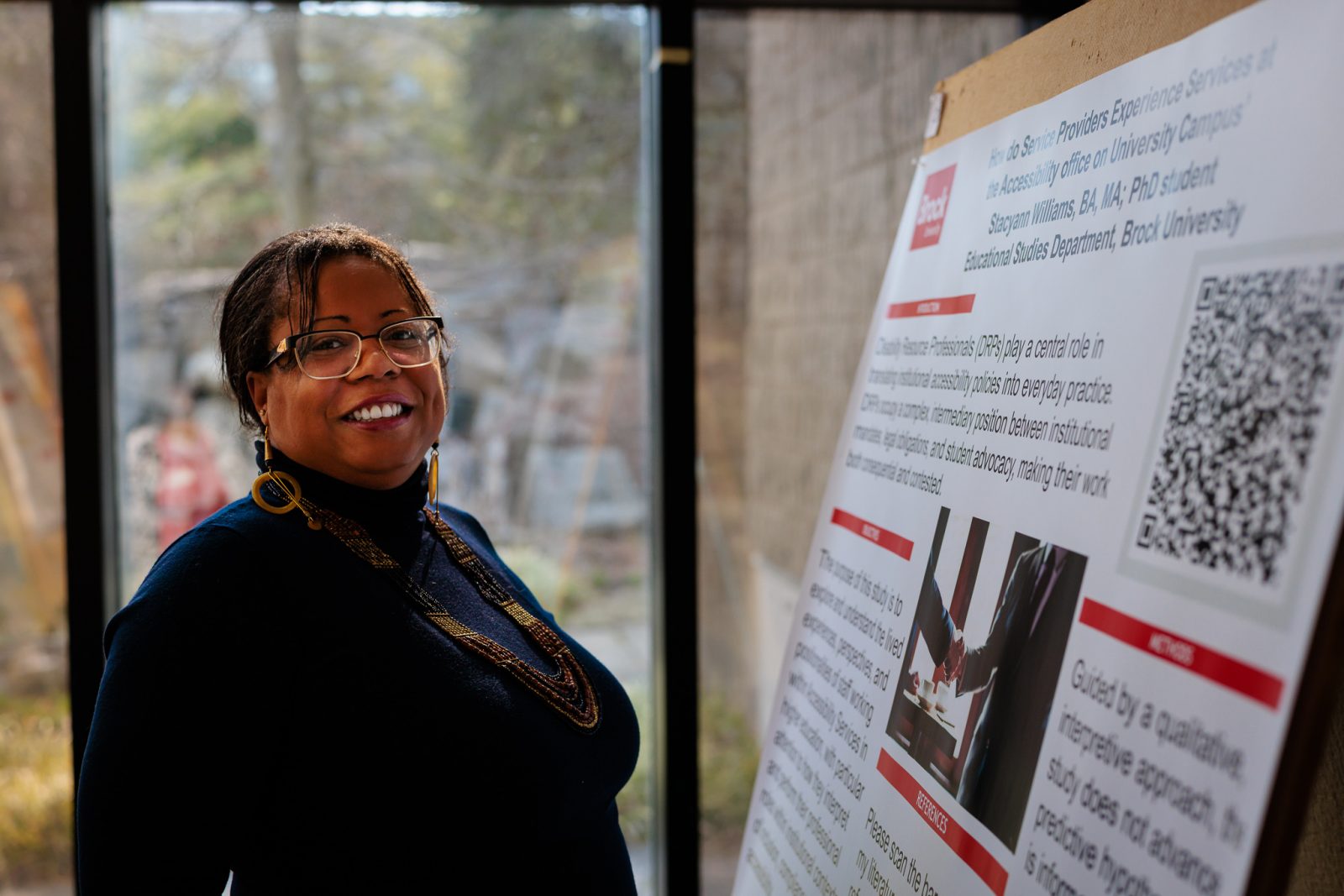
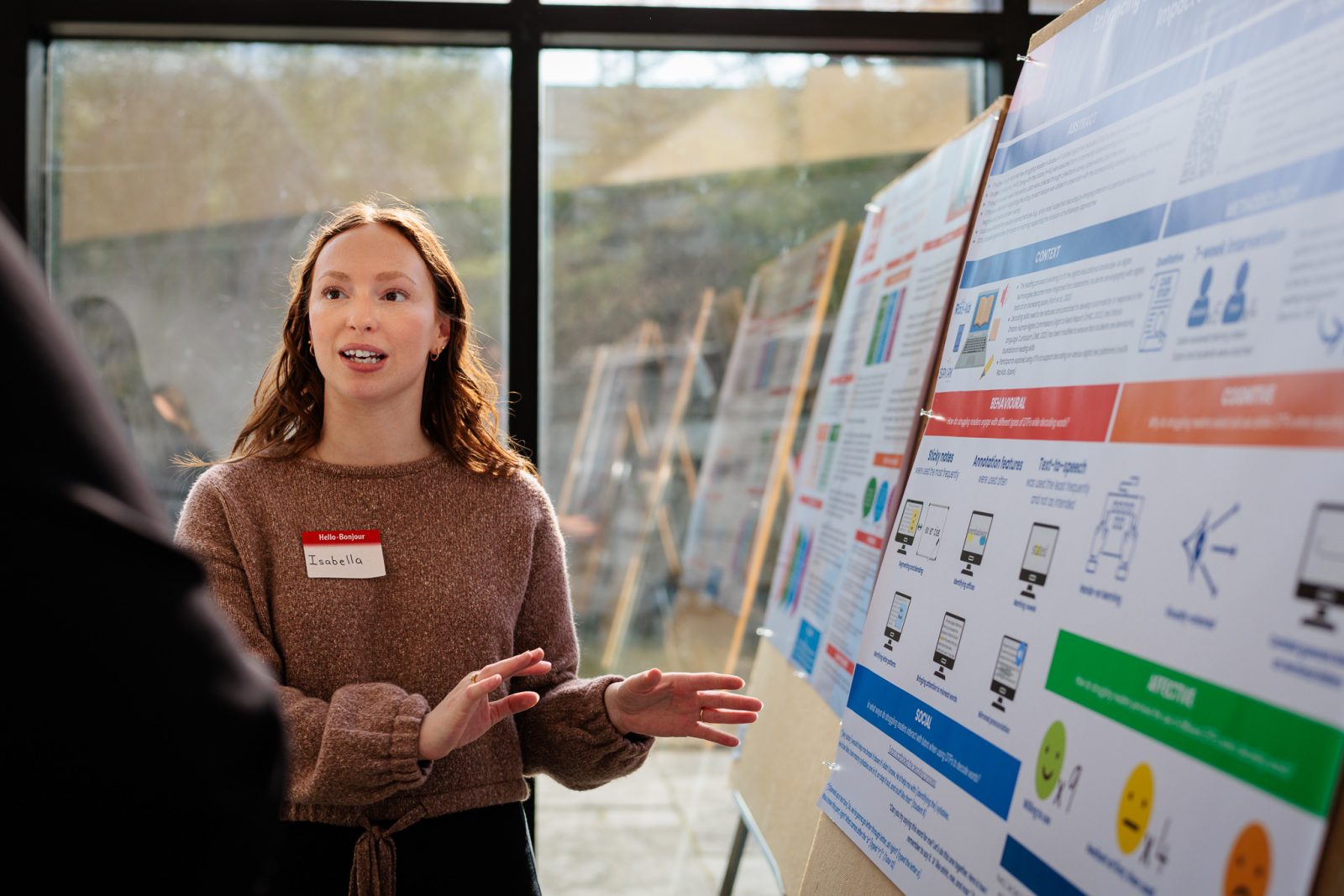
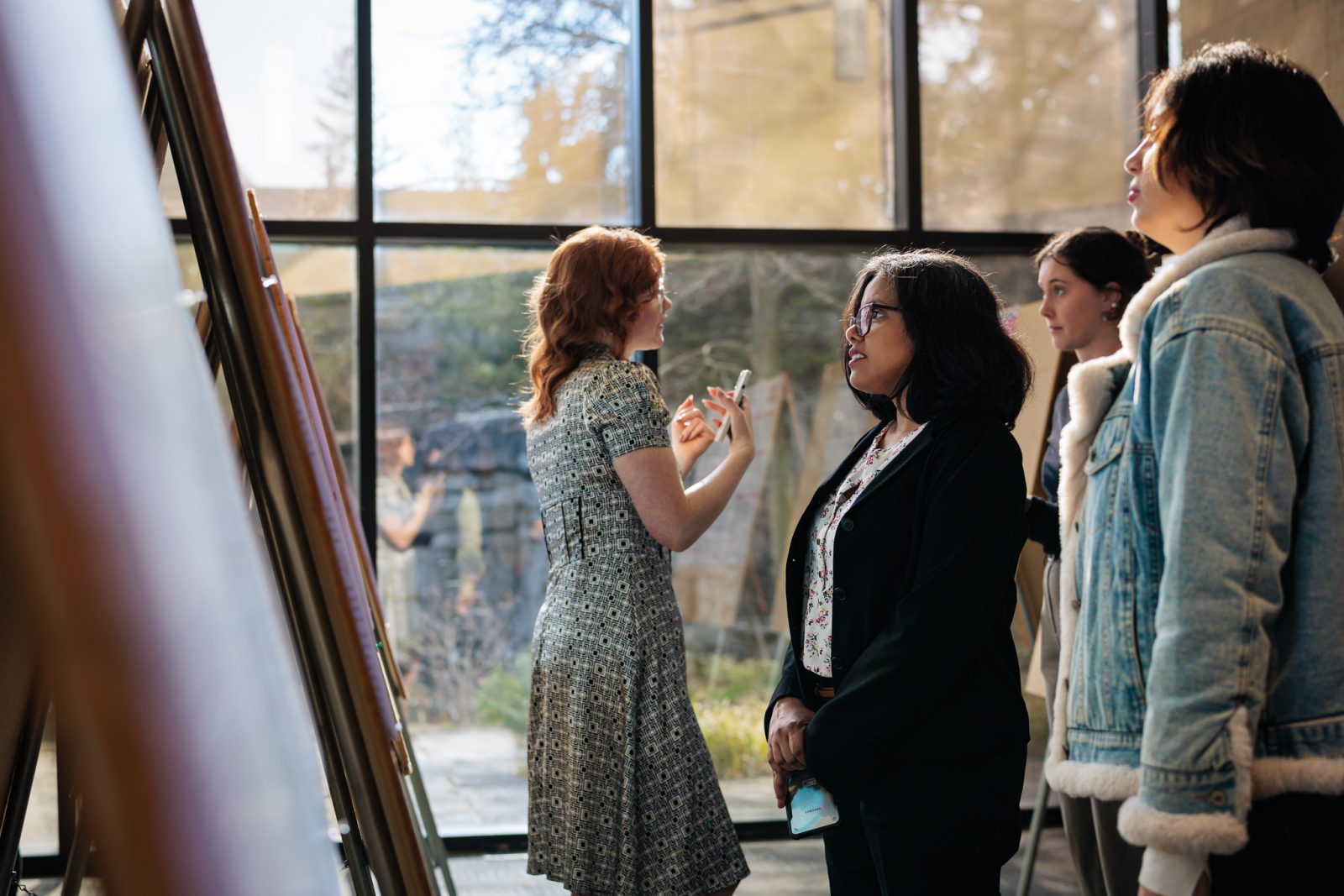
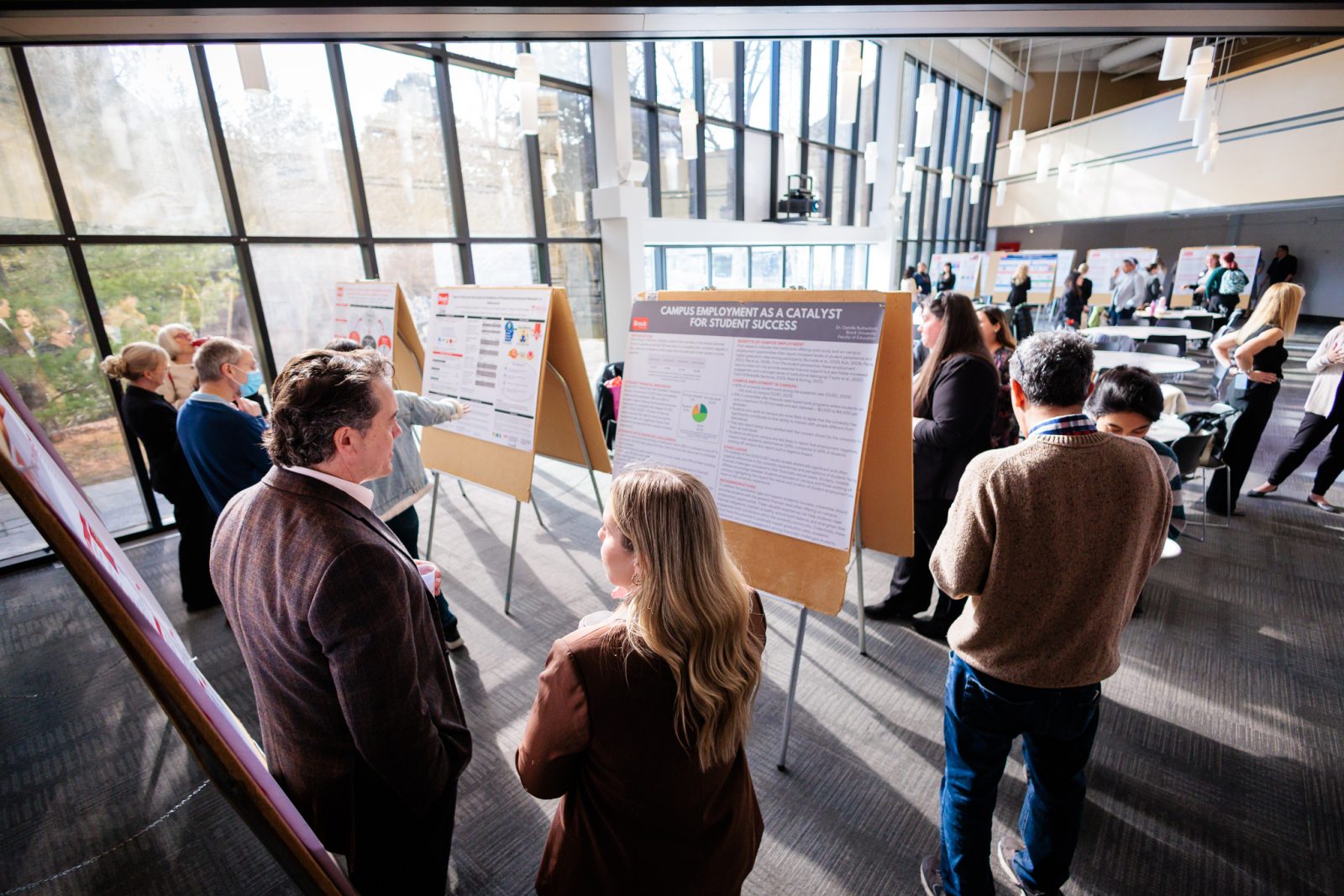
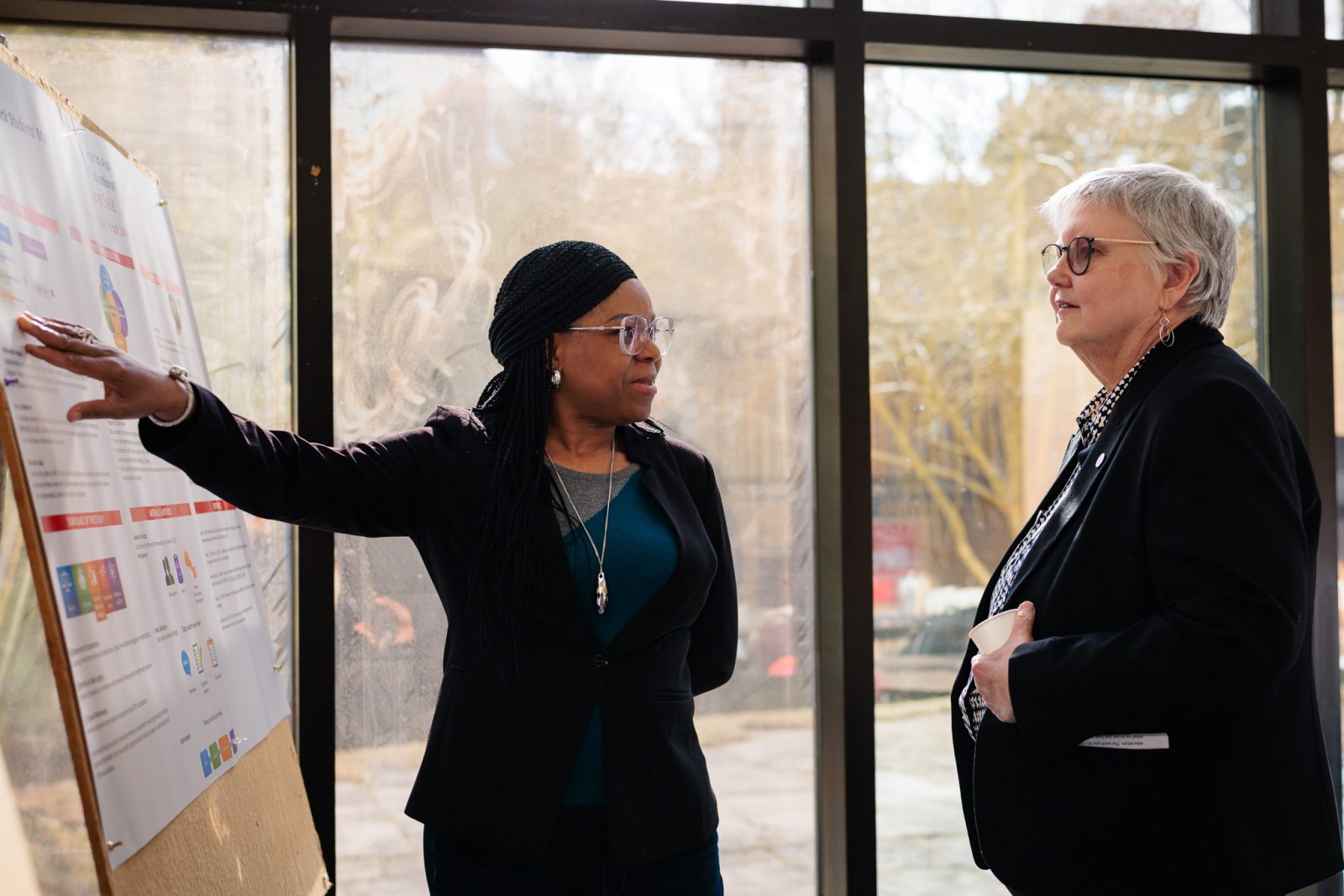
    Kiani and other FOE graduate students and faculty members shared their innovative research with the Brock community during the Faculty of Education Celebration of Excellence in Research and Creative Activity on March 19.

    Organized by the FOE Office of Associate Dean, Research and Graduate Student Services, the event highlighted outstanding research and creative activity that is advancing the field of education.

    The event included poster presentations, three-minute talks and engaging discussions on a range of research topics including wellness; literacy and early childhood education; adult education; equity, diversity, inclusion and decolonization; and science, technology, engineering and mathematics (STEM).

    Joyce Mgombelo, Associate Dean of Research and Graduate Student Services, said the event showcased the depth and breadth of educational expertise at Brock.

    “We were thrilled to share the innovative research happening the FOE with our Brock community. Our researchers are making an impact on local and global scales and are focused on creating a brighter and more inclusive future for learners across the lifespan,” she said.

    Community-engaged research was also in the spotlight thanks to an educational initiative grounded in Indigenous research methodologies shared by Assistant Professor Jeannie Martin, Assistant Professor Sherri Vansickle and Interim Vice-Provost, Indigenous Engagement and Professor Sheila Cote Meek.

    Their research project, “Standing Strong with Our Sisters,” is centered on the making of Ribbon Skirts as a culturally influenced creative practice and form of knowledge transmission that supports Indigenous identity, intergenerational learning and collective healing.

    At the event, which included remarks from Provost and Vice-President, Academic Arja Vainio-Mattila and Associate Vice-President, Research Deborah O’Leary, FOE awards celebrating research excellence were announced by Dean of Education Mary-Louise Vanderlee.

    Outstanding Faculty of Education Graduate Student Award recipients:

    • Isabella Favero, Master of Education
    • Catherine Susin, PhD in Educational Studies

    FOE Distinguished Research Award recipients:

    • Xavier Fazio, Professor of Educational Studies
    • Sandra Bosaki, Professor of Educational Studies
  • Young problem-solvers shine at Brock-hosted Math Kangaroo Contest 2026

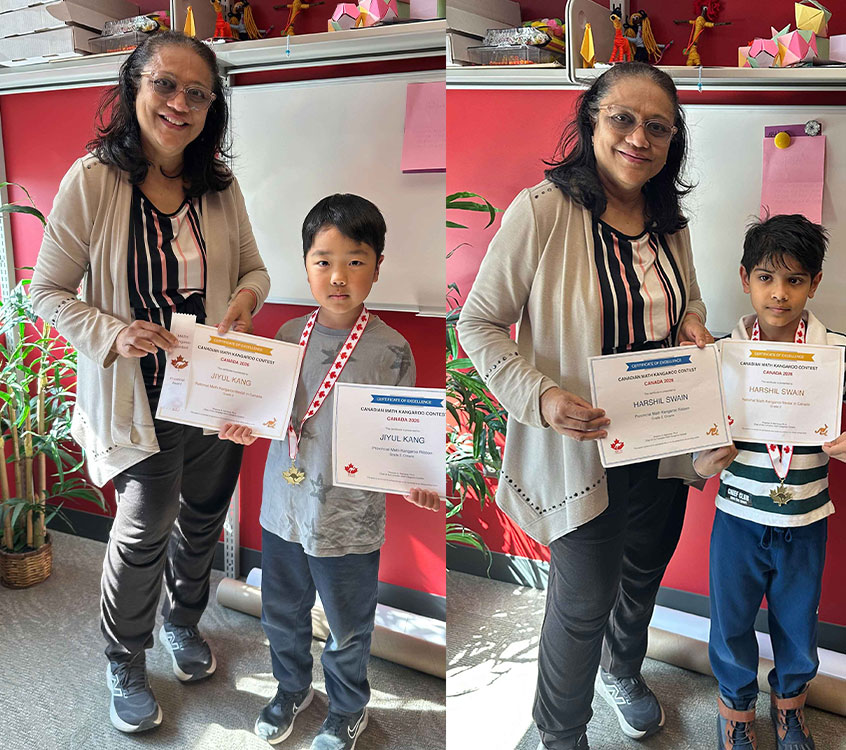
    Image caption: Assistant Professor of Educational Studies Anjali Khirwadkar (CMKC regional coordinator), stands with Harshil Swain, right, and Jiyul Kang, left, both National and Provincial-level winners at the 2026 Kangaroo Math Contest held at Brock University. 

    Young mathematicians put their problem-solving skills to the test at Brock University this March as the campus once again hosted the Canadian Math Kangaroo Contest (CMKC).

    Designed to spark curiosity and showcase the creative side of mathematics, the contest invites students from Grades 1 through 12 to engage in challenging yet accessible problems. With more than six million participants across over 100 countries, the international Math Kangaroo initiative continues to grow, drawing over 9,000 students annually from across Canada.

    Brock has proudly supported the contest for over a decade, welcoming students and families from across the region to campus. The initiative was first established through the leadership of Faculty of Education Professor Joyce Mgombelo and Mathematics and Statistics Professor Chantal Buteau. Since 2017, the event has been coordinated by Assistant Professor Anjali Khirwadkar of the Faculty of Education.

    This year’s contest took place on Sunday, March 22, 2026, bringing together a vibrant community of learners, educators and families. Among those in attendance were faculty members Steven Khan, Director of Teacher Education, and Mariam Takkouch, both participating as parents alongside their children.

    The success of the event reflects a strong spirit of collaboration at Brock, with faculty, staff, mathematics educators and student volunteers working together to create an engaging and welcoming experience for participants.

    By hosting events like the Math Kangaroo Contest, Brock continues to foster a love of mathematics beyond the classroom, encouraging young learners to see the subject not only as a discipline but as a creative and enjoyable pursuit.

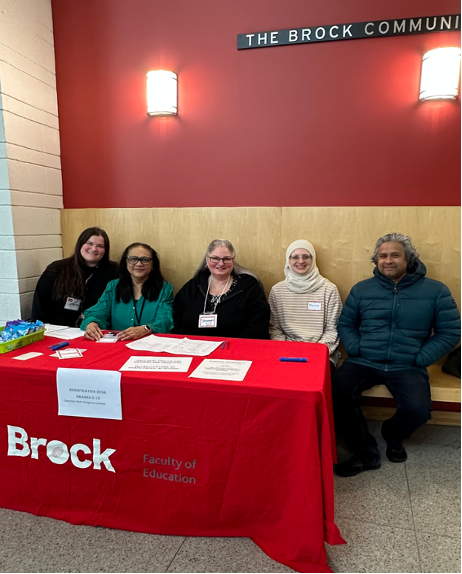
    Five Brock University professors sit behind a table at the University.

    From the right: Faculty members: Dr. Steven Khan (Teacher Education, Program Director), Dr. Mariam Takkouch, Dr. Shannon Welbourn, Dr. Anjali Khirwadkar (CMKC regional coordinator), and Catherine Susin, a Ph.D. student.


  • Classroom Supplies Fund a ‘helpful step,’ but more work is needed: Brock expert

    Following the announcement of Ontario’s new Classroom Supplies Fund — giving elementary school homeroom teachers $750 each school year for classroom supplies — Steven Khan says he’s encouraged, but wary the impact may be overestimated.

    The Associate Professor of Educational Studies and Director of Teacher Education programs at Brock University says the announcement is a welcome acknowledgement of a long-standing reality in Ontario classrooms: many educators regularly spend their own money on basic materials such as pencils, art supplies and tissues.

    “Recognizing and addressing that reality is a positive step, and providing a predictable funding mechanism could reduce the financial burden placed on individual teachers,” he says.

    Khan also says the impact this funding boost will have on student learning outcomes should be understood realistically, adding that classroom supplies “are only one element of the overall learning environment.”

    He says research consistently shows that factors such as class size, access to educational assistants (EA) and special education supports, and stable staffing levels have a far greater influence on student learning outcomes than consumable materials alone.

    “In many Ontario classrooms today, particularly in the early grades, teachers are working with increasingly complex learning needs, reduced EA support and larger class sizes,” he says. “If the fund simply ensures that teachers no longer have to purchase basic materials out of pocket, that is an improvement. However, it is unlikely, on its own, to meaningfully change educational outcomes for students.”

    Khan says it’s also important to consider how the policy interacts with broader changes in Ontario’s education system. Those include adjustments to kindergarten structures and staffing patterns over the past several years, as well as the Supporting Children and Students Act, also known as Bill 33.

    “These shifts have altered the dynamics of early learning classrooms and increased the importance of adequate staffing and manageable student-to-adult ratios,” he says.

    Overall, Khan believes the Classroom Supplies Fund is a “helpful step” in addressing a practical issue but warns it should be seen as a modest operational improvement rather than a transformational investment.

    “If the goal is to significantly improve student outcomes, attention will also need to remain focused on class size, teacher effectiveness, staffing supports and sustained investment in the broader conditions of teaching and learning.”