- What is this study about?
Individuals differ in the way they use their attention to watch movies, but how does that affect our memory for what we watch? Eye-tracking technology allows us to measure where people are allocating their attention and create patterns for viewing things like movies. The purpose of this research project is to gain a better understanding of how older and younger adults differ in their viewing patterns while watching a movie.
- Who can participate?
Participants must be between the ages of 18-28 years old or 65-80 years old, fluent in English, sufficient motor function for use of a keyboard/mouse, no known neurological conditions (such as epilepsy), no history of head injury (e.g., concussion), no history of memory impairment (e.g., dementia or mild-cognitive-decline), normal or corrected-to-normal vision, no vision disorders (e.g., colorblindness) and/or impairments (e.g., cataracts, glaucoma, amblyopia (lazy eye), astigmatism, etc.) that would impact the ability to see words or images on a computer screen clearly, and have not recently undergone surgery to correct any vision impairments within the past 6 months prior to participation (e.g., Lasik eye-surgery or cataract removal).
- What’s involved in participating?
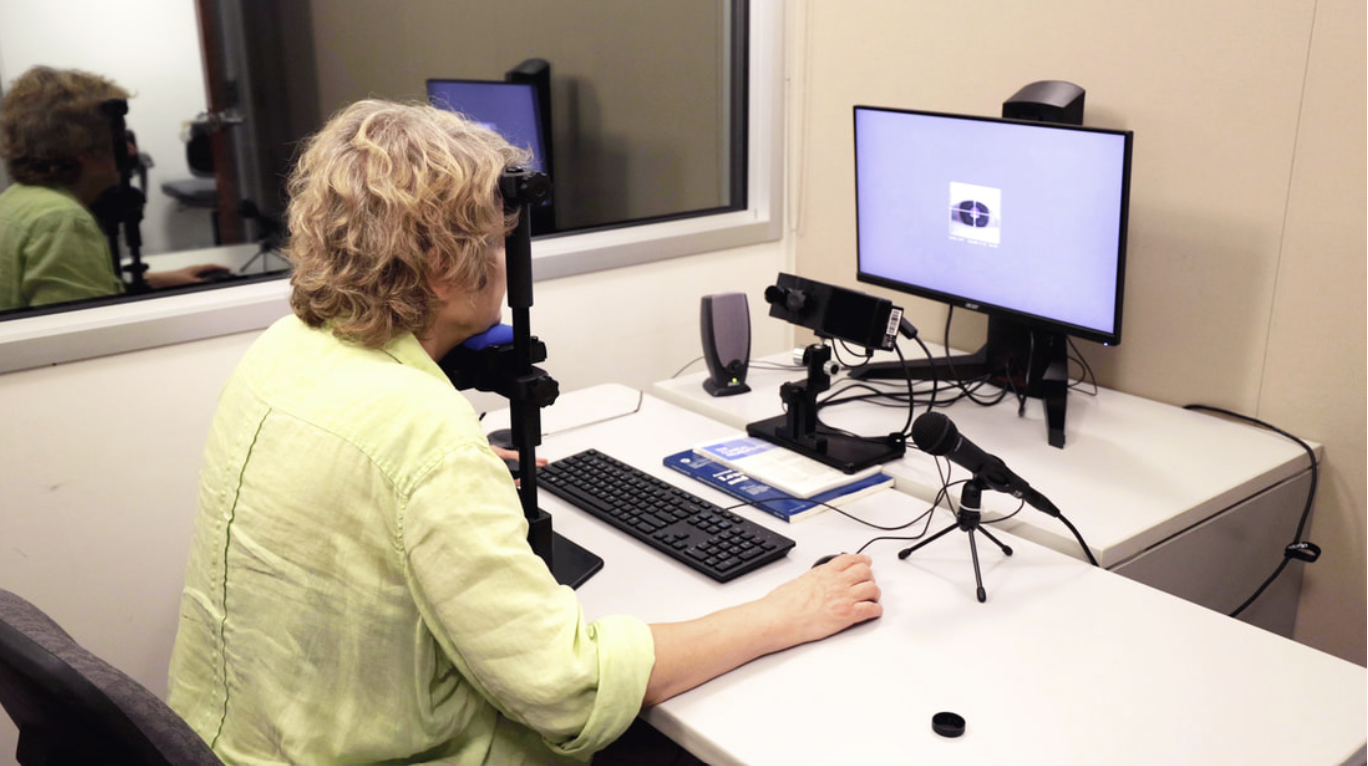
This study takes approximately 2-2.5 hours and takes place on campus in the Campbell Neurocognitive Aging Lab. During the testing session, you will be shown a series of video clips (each about 5 mins in length) while having your eye movements tracked. Participants will also be asked to complete a series of questionnaires, memory tests, and attentional control tasks on the lab’s computer.
- What do individuals get for participating?
For participating in this on-campus research study, participants can receive $20 (CAD).
