

WSET - Wines

WSET - Spirits

Wine Appreciation

Viticulture

Winemaking

Cider

Business/Sales

Online Courses

Micro-credentials

CCOVI Newsletter Subscribe
Learner Stories

Kevin Brohman has a thing for notes, and thanks to Professional and Continuing Studies at CCOVI he can share that passion across two professions. As a university-trained classical musician [Read more…}
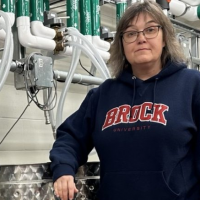
Christine Alič is retiring to a life on a fruit winery in New Brunswick. “I always knew one day that I would retire and then go work at my aunt’s winery.” What she didn’t know was how to make wine [Read more…]
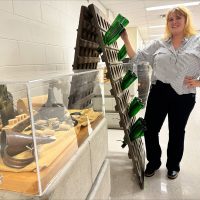
Holly Eaton, who is newly transplanted to the Niagara region, figured she could complement her Bachelor of Science degree by learning more about the area’s famous wine [Read more…]

Prior to the winter of 2025, Leanne Molchan’s social media savviness consisted of six posts to her four-year-old Instagram account. “I am not naturally a social media person,” [Read more…]

Since 1969, WSET has been the most highly respected and internationally transferable wine and spirits professional certification available. WSET qualifications are sought after by drinks professionals from all reaches of the industry, as well as the enthusiast who seeks the key to unlock a world of wine and spirits knowledge for their personal pleasure. Click on the sections below to learn more.


This course is offered predominantly online, however in-person offerings are scheduled from time-to-time.
WSET Level 1 in Wines (Online)
Number of Weeks: 4
Number of Modules: 5
Total Course Hours: 6
Textbook: Online
Wine is not included in tuition cost and is the responsibility of the student.
For individuals new to wine, this qualification provides a hands-on introduction to the world of wine. You’ll explore the main types and styles of wine through sight, smell and taste, while also gaining the basic skills to describe wines accurately and make food and wine pairings.
The course will be based around a four-week, five-module online learning program with educator support available for this time. The course modules should be followed in sequential order during this four-week window. The course material should take about six hours in total to complete, plus revision time. Regular access and participation in the online activities is essential for this mode of study.
The course is guided by a WSET educator. Course registrants can contact the educator any time for the duration of the scheduled course.
Each module includes a series of independent activities to help course registrants understand the differences between grape varieties and types and styles of wine.
You’ll be advised to taste a range of wines during their studies. All the required wines for the course can be found in the online equipment list. Any additional wines can be found in the Specification. Students can post their tasting notes in the Online Classroom for review by the educator.
Course registrants will be advised to taste a range of spirits during their studies. All the required wines for the course can be found in the “Recommended Tasting Samples for this Course” section of the WSET Level 1 in Wines – Course Specification. You can post your tasting notes in the Online Classroom for review by the educator during your course.
What you’ll learn:
- The main styles of wine
- Common wine grapes and their characteristic
- The principles of food and wine pairing.
- How to describe wine using the WSET Level 1 Systematic Approach to Tasting Wine® (SAT)
Examination: Students are advised to schedule a minimum of one-hour of private study before sitting the Level 1 Award in Wines examination. Paid registrants are advised of the date for your final examination to be taken online by Remote Invigilation within your ‘Welcome to the course’ from CCOVI. Watch for your date and mark your calendar. It will be held approximately 2 weeks after the last date of your course. The online examination consists of 30 multiple choice questions, you are given 45 minutes to complete the examination and 70% is required to achieve a pass.
Online registrants may elect to take their examination in-person with CCOVI, Brock University. Please connect by emailing [email protected]
Upon successful completion you will receive a WSET Level 1 Award in Wines digital certificate. Your digital certificate is valuable proof of your achievement that’s easy to share. You can instantly add it to social media profiles like LinkedIn, share it via email, or embed a badge into your email signature, helping you showcase your achievement wherever it matters most.


There are no prerequisites for this course, although we recommend WSET Level 1 in Wine depending on your comfort level – contact [email protected] if you wish to discuss.
This course is a beginner or intermediate level program exploring wines from around the world for those looking to work in the industry, already working in the industry or wine enthusiasts.
Available in both Online and In-Person formats.
______________________________________
WSET Level 2 in Wines (ONLINE)
Number of Weeks: 5
Number of Modules: 6
Total Course Hours: 30
Textbook: Yes (couriered prior to course start date to paid registrants)
Wine is not included in tuition cost and is the responsibility of the student.
ONLINE – The course is based around a five-week, six-module online program with educator support available for this time. The course modules should be followed in sequential order during this five-week window. There is a recommendation of six hours study per week to cover the online activities and read the relevant chapters in the textbook. Regular access and participation in the course online activities is essential for this mode of study.
The course prepares the student for the WSET qualification and are guided by a WSET educator. The student can contact the educator any time for the duration of the scheduled course, should you have any questions. Each module includes a series of independent activities to help students understand wine label terminology and recognize the styles produced by the main grape varieties in key wine regions.
Students will be advised to taste a range of wines during their studies. All the required wines for the course can be found in the “Recommended Tasting Samples for this Course” section of the WSET Level 2 in Wines – Course Specification. Students can post their tasting notes in the Online Classroom for review by the educator during your course.
Examination: Online course registrants will take their examination online by Remote Invigilation. You will be advised of the date for your final examination within your ‘Welcome to the course’ email from CCOVI. Watch for your date and mark your calendar. It will be held approximately 2 weeks after the last date of your course. The online examination consists of 50 multiple choice questions, you are given 1 hour to complete the examination. 55% is required to achieve a pass.
Online registrants may elect to take their examination in-person with CCOVI, Brock University. Please connect by emailing [email protected]
______________________________________
WSET Level 2 in Wines (IN-PERSON)
Number of Weeks: 8+1 (Exam)
Total Course Hours: 25
Textbook: Yes
Wine and wineglasses are included in your tuition.
IN-PERSON – The course will meet in-person once a week for 8 weeks with your course instructor, plus your examination with . There are many benefits to in-person learning including the ability to calibrate your palate with your peers and instructor, and having your course instructor(s) up front with dedicated class time to reinforce learning.
The course prepares the student for the WSET qualification and are guided by approved WSET educators. The student can contact the educator any time for the duration of the scheduled course.
Students will taste a wide range of wines during their program. All the required wines for the course can be found in the “Recommended Tasting Samples for this Course” section of the WSET Level 2 in Wines – Course Specification.
Examination: The examination will be held in the final week of the course. The examination consists of 50 multiple choice questions, you are given 1 hour to complete the examination. 55% is required to achieve a pass.
____________________________________________________
What you’ll learn:
- How wine is made.
- Explore the style and quality of wines made from over 22 regionally important grape varieties produced in over 70 wine growing regions around the world.
- Learn how environmental factors, grape growing, winemaking and maturation options influence the style and quality of wines.
- Understand the principles of the production of sparkling and fortified wines.
- Learn how classifications and labelling terms indicate origin, style and quality.
- Understand in order to apply basic principles of wine storage, service and food and wine pairing.
- How to describe wine using the WSET Level 2 Systematic Approach to Tasting Wine (SAT)
Whether in-person or online, upon successful completion you will receive a WSET Level 2 Award in Wines digital certificate. Your digital certificate is valuable proof of your achievement that’s easy to share. You can instantly add it to social media profiles like LinkedIn, share it via email, or embed a badge into your email signature, helping you showcase your achievement wherever it matters most.


This course is offered predominantly in-person, however online offerings may be scheduled from time to time.
This is an advanced level course for wine industry professionals, or those seeking to join the profession, or for wine enthusiasts wishing to develop a deeper understanding of wine. This qualification will assist those who may be required to make professional evaluations of wines as to its quality and commercial value. Level 3 will provide registrants with in depth product knowledge that, in turn, will strengthen and support your job skills in product selection for the retail and hospitality sectors.
Prerequisite: WSET Level 2 in Wine or WSET Level 2 in Wines and Spirits. If you do not have WSET Level 2 please contact [email protected] to complete an Entrance Test.
What you’ll learn:
- Explore in detail grape varieties, wines and wine-growing regions
- Develop a thorough understanding of grape-growing and wine-making practices
- Be able to explain how and why various vineyard and winery factors shape wines of all styles and quality levels
- Assess and describe wine with confidence, and be able to make storage and service suggestions
- Learn how to taste wines, describe their characteristics and evaluate their quality, using the WSET Level 3 Systematic Approach to Tasting Wine® (SAT)
Upon successful completion you will receive a WSET Level 3 Award in Wines digital certificate. Your digital certificate is valuable proof of your achievement that’s easy to share. You can instantly add it to social media profiles like LinkedIn, share it via email, or embed a badge into your email signature, helping you showcase your achievement wherever it matters most.

Barb is the Manager of Continuing Education and Outreach for the Cool Climate Oenology & Viticulture Institute (CCOVI). She has been with CCOVI since the very beginning and with the university for over 30 years now. She has completed the WSET Intermediate and Advanced Awards in Wines and Spirits and is an approved WSET Examinations Officer.
For more information or to discuss your individual needs please contact her at: 905-688-5550 ext. 4652 or e-mail: [email protected]

Peter is a twenty-three year veteran of the food and drinks business. From wine educator, award-winning sommelier, wine sales & marketing associate to restaurant manager and winery consultant, wine has always been a big part of his life. He completed his B.Comm. in 1989 at the University of Guelph and two years later, earned his sommelier certification through the Canadian Sommelier Guild in Toronto. He completed the intermediate and advanced certificates of the WSET in the mid 90’s and earned his WSET Diploma in 1999.
He has been an instructor with the International Sommelier Guild since 2000 and is now a Curriculum Department Head. Peter has taught the WSET Intermediate Certification and has been an approved assessor of the Advanced Certificate since 2003. In 2008 he was a sessional instructor of wine studies at both the University of Guelph and Niagara College. In March of 2009 he was awarded the prestigious VQA Promote the Promoters Award for Education.
As sommelier & restaurant manager, Peter has worked at fine establishments in Ontario and British Columbia known for their world-class cuisine and innovative, award-winning wine programs. In 2004, he won the Toronto Renaissance Blind Tasting Challenge and has also won bronze at both the 1997 Canadian finals of the Grand Prix de Sopexa du Sommelier and the 1998 Canadian finals of the World Sommelier Championships. In 2000, he was named top sommelier by the BCRFA and two years earlier was named one of Canada’s top sommeliers in Wine Access Magazine. Peter was also named Top Sommelier in Ontario at the Ontario Wine Awards in 2006.
He’s had the great honour of judging the Canadian Wine Awards twice and was on the selection committee for the Ontario Hostelry Institute Top 30 under 30. As wine salesman, he had the pleasure of working with Mission Hill Family Estate winery for almost 4 years as Director of Trade Development in Eastern Canada and more recently he spent two and a half years helping Tannin Fine Wines Ltd. to establish and develop a sales office in Ontario.
Elsa Macdonald
Meet Elsa Macdonald who will be leading our Spirit course offering within the WSET program. Elsa is the Director of Wine Education for Constellation Brands. She is also an MW with the Institute of Masters of Wine where she was also the winner of the prestigious Yalumba Scholarship. Elsa is the Past President and currently on the Board of Directors for the Canadian Association of Sommeliers (CAPS) and their current Director of Professional Development after receiving her CAPS certification in 2006. In terms of her WSET experience she is a Certified Instructor since 2011 , Diploma Graduate 2009 (Ontario’s Top-achieving Student 2008). Her personal interests include hiking, canoeing and, of course, travelling to wine regions!

Rob is a southern Ontario native; born in Peterborough, grew up in Owen Sound and Guelph. After high school he went to the University of Toronto and meandered aimlessly through an Arts and Science degree, graduating in 1985. This degree led to gainful employment in restaurants (in order to pay off some onerous student loans) until in 1989 he was lucky to be hired as a bartender at the venerable Le Select Bistro, despite answering truthfully to an interview question about his wine knowledge with the pithy comment “White and Red”. For those of you unfamiliar with it, Le Select had (and has) one of the largest, most comprehensive wine lists in Canada. As a result, Rob’s vinous ignorance was short-lived. He was promoted to bar manager and spent the next 8 years studying and tasting wines from around the world, culminating in a diploma from the Wine and Spirit Education Trust in the UK.
In 1997, by now far more interested in great French oak than great French restaurants, Rob started looking for a place to study winemaking. Fate again intervened when Brock University opened the Cool Climate Oenology and Viticulture Institute. Rob graduated at the top of the first graduating class from the Oenology and Viticulture program. He was hired as assistant winemaker at Creekside Estate Winery in late April, 2000 – he started the day after his graduation ceremony (sporting a monstrous hangover!).
In 2002, Rob and cellarmaster Craig McDonald were asked to take over the winemaking reins at Creekside when the founding winemaker moved back to Australia. Making wine with the Creekside team, while dealing with the slings and arrows of outrageous climate and recalcitrant machinery, remains one of the pleasures of his life. Receiving many wine awards (four Cuvee Gold at the 2009 awards ceremony) are all taken in stride by this humble winemaker. Accolades are all met with his infectious sense of humour and zest for all things “pithy”.

Advanced WSET Level 3 in Wines Standing:
Although there is no prerequisite for WSET Level 3 Award in Wines CCOVI recommends WSET Level 2 Award in Wines is taken or an equivalent level of wine knowledge. Standard practice for those without WSET Level 2 Award in Wines is an “Entrance Test” administered by CCOVI. The entrance test will be used to demonstrate equivalent level of knowledge attained through WSET Level 2 in Wines. Upon successful completion you will gain admission to WSET Level 3 in Wines however this does not entitle the candidate to certification at the WSET Level 2 Award in Wines level.
Please email Barb Tatarnic, Manager of Continuing Education for confirmation and to set up an Entrance Test – [email protected]
REGISTRATION (In-Person and Online): Students must register by or before the Registration Deadline posted. Registration requests received past the due date posted cannot be accepted. WSET course packages for Level 2 and above will be posted to paid registrants on or just after the posted Registration Deadline date. WSET Level 1 course materials are completely online. Go to the Course Listing page for details.
______________________________________________________________
COURSE WITHDRAWAL POLICY:
(In-Person and Online) – Requests must be received in writing by email to [email protected] any time prior to the Registration Deadline date posted for your course in order to receive refund of tuition less $50 processing administration fee. Withdrawal after the Registration Deadline date posted for your course – NO refund. Please note all course materials are paid upon registration and are also non-refundable. There are no refunds once a course begins.
There may be occasion, due to unforeseen circumstances, that we may need to postpone or reschedule a course (typically In-Person courses). Alternate dates will be communicated to registered candidates but if this is not acceptable a full refund (less any material costs already supplied) will be issued.
CCOVI may also allow medical or personal exceptions on a case-by-case basis. Please contact [email protected] if this applies to you.
Refunds are not granted for course no-shows.
(Online) – Once a course begins registrants cannot move to a different course offering.
______________________________________________________________
EXAMINATION WITHDRAWAL POLICY:
(In-Person) – Examination date is fixed to the course you have registered for. Refer to your course registration and mark your calendar.
If you do not attend your scheduled examination, you are considered a ‘no-show’ and will be charged a Re-Sit fee. Please refer to the appropriate course for the applicable Re-Sit fee in order to rebook your examination.
Requests to change your in-person examination must be received by email to [email protected] a minimum of 15 working days prior to your scheduled examination date and will be dependent on the course level (1, 2 or 3) and subject to availability.
(Online by Remote Invigilation) – Registrants are given a course examination date upon registration. Registrants are emailed details on their examination approximately 10 working days prior to the examination date. Online examinations by remote invigilation cannot be changed without notification to by email to [email protected] a minimum of 6 working days prior to your exam without incurring a resit fee (see Resit Fees below).
(In-Person OR Online) – Unsuccessful candidates may re-sit their examination – please refer to the appropriate course for applicable Re-Sit fee.
Contact [email protected] to book.
_________________________________________________________
For further information contact Barb Tatarnic, WSET Program Provider and CCOVI Continuing Education Manager – email: [email protected]
Examination ‘Resit’ Fees Policy
Unsuccessful candidates or no-shows may re-sit the examination but will be assessed a “Re-sit” fee. this fee must be paid in advance of your examination and is non-refundable once confirmed.
Level 1: $150
Level 2: $150
Level 3: $175 (written) and $175 (tasting)
*Costs are subject to change, confirm by connecting with Barb at [email protected]
Privacy Statement Policy
CCOVI, Brock University collects the following personal information with the sole purpose of providing courses and certification in wine and spirits education.
WHAT PERSONAL INFORMATION DO WE COLLECT?
- Name
- Mailing address
- Telephone
- Date of birth
WE NEED THIS INFORMATION IN ORDER TO:
- Complete WSET student registration for courses and examinations.
- Mailing of course study packs as well as certificates and pins for our students.
Any health information shared with CCOVI for Reasonable Adjustments and Special Considerations will be passed on to WSET and handled in accordance with WSET’s policy.
Reasonable Adjustments Policy
CCOVI, as a Program Provider of the WSET, will seek to assess any student to ensure they are not disadvantaged.
A Reasonable Adjustment is put in place to help reduce the effect of any disability or difficulty that may place the candidate at a disadvantage in an assessment situation. Reasonable adjustments are approved by WSET and must be approved before the assessment activity takes place. This will result in an agreement to give the student access to the qualification and takes into consideration during the assessment of the student’s work (as approved by WSET).
Reasonable adjustments may include:
- Allowing a candidate extra time to complete their examination or activity;
- Adapting materials, (for example: large print);
- Re-organizing the assessment room based on candidate needs.
How to Apply for a Reasonable Adjustment?
Students should contact Barb Tatarnic a minimum of 25 working days prior to the posted examination date. Email: [email protected]
CCOVI will then identify, at the time of the student’s enrolment, any special considerations that require a reasonable adjustment. CCOVI must submit the Reasonable Adjustment Application Form along with supporting evidence (provided by the candidate) to WSET a minimum of 20 working days prior to the examination date (WSET Level 1-3). To be clear, CCOVI must receive your request a minimum of 25 working days in order to give CCOVI the appropriate time to get the paperwork and supporting documents from the student submitted to WSET within the 20-working day deadline.
Any Reasonable Adjustment for the examination will be discussed between CCOVI’s Examinations Officer and WSET on a case-by-case basis. WSET reserves the right to seek the advice of independent agencies as appropriate before coming to a decision. Reasonable Adjustments are approved by WSET.
CCOVI will keep records of any reasonable adjustments applications.
Special Consideration Policy
Special consideration is any adjustment given to a student who has temporarily experienced an illness or injury, or other event outside of their control at the time of the exam that significantly affects their ability to take the exam or their ability to show their knowledge and understanding in the assessment. Special consideration is only for things that happen immediately before or during an exam that have a material impact on your, the student’s, ability to take the exam or on your performance.
To be eligible for special consideration, you must have completed the whole course and would have been fully prepared if not for the temporary illness, injury or other uncontrollable event. A special consideration may be for an individual (e.g. a student
becomes ill the day of the exam) or a group of students (e.g. an exam is interrupted by a natural disaster).
You may be eligible for special consideration if:
- Your performance on the exam is adversely affected by an event outside of your control. This may include temporary illness, temporary injury, bereavement or exam room conditions;
- Reasonable adjustments which were agreed in advance of the exam proved inappropriate or inadequate;
- The application of special consideration would not make a passing result and certificate misleading about the student’s ability to satisfy the qualification’s assessment criteria.
How to Apply for Special Consideration?
If you have taken an exam, or your exam is immediately approaching, and you feel that you have a temporary injury or illness, or other uncontrollable event that has interfered with your ability to complete your exam, please contact Barb Tatarnic at [email protected] as soon as possible or within 2 working days of the effected exam. Barb will provide you with a Special Consideration Application Form, which must be completed and returned with supporting documentation within 4 working days after the effected exam. There is a short lead time for submission of a request in order to factor in WSET deadlines. The information you submit will be shared with WSET and will be handled under WSET’s Privacy and Data Protection Policy.
If there has been serious disruption during an exam affecting a group of students, CCOVI, Brock University will submit a detailed report of the circumstances and candidates affected to WSET to request a special consideration.
CCOVI, Brock University will keep records of all applications for special consideration.
Conflict of Interest Policy
As an APP, CCOVI at Brock University is required to identify to WSET and assist in managing or monitoring actual, potential and perceived conflicts of interest (‘Conflicts of Interest’) involving both APP staff and students. This policy complements WSET’s conflicts of interest policy and works to safeguard the integrity of WSET qualifications and promote confidence in WSET and CCOVI, Brock University processes and procedures as they apply to WSET.
This policy applies to all WSET staff and students and to any individual acting on behalf of WSET at CCOVI, Brock University.
A Conflict of Interest exists where an individual has interests or loyalties that could adversely influence their judgement, objectivity or loyalty to WSET or CCOVI, Brock University when conducting activities associated with WSET qualifications.
Examples of Conflicts of Interest include:
- The assessment of candidates by an individual who has a personal interest in the result of the assessment for any or all individuals concerned;
- The moderation of assessment of candidates by an individual who has a personal interest in the result of the assessment for any or all individuals concerned;
- The undertaking of a WSET qualification by any individual employed by an APP;
- The invigilation of a WSET assessment by any individual involved in the delivery of training leading to the assessment;
- The coaching of candidates by any individual involved in the assessment of candidate scripts;
- The employment by an APP of individuals engaged in the delivery of taught programmes or in the role of Internal
Assessor in another APP; - The investigation of a non-compliance incident by someone who is unable to act impartially.
Some of these Conflicts of Interest are manageable and therefore acceptable. For example, if family member of one of CCOVI’s educators or APP staff takes a qualification and exam through CCOVI, or when an employee of CCOVI, or of the WSET, takes a WSET qualification through CCOVI, we can notify WSET in advance and work with them to put in place measures to maintain the integrity of the exam. Some Conflicts of Interest are not manageable and are not acceptable. For example, no mitigation efforts overcome the conflict created when a single individual serves as the educator and exam officer of an exam for a family member where an external invigilator is not available.
Any staff member or student of CCOVI who becomes aware of a Conflict of Interest must inform Barb Tatarnic at [email protected] as soon as possible. Barb Tatarnic will inform the WSET of the possible conflict of interest and will work with WSET to put any protective or mitigating measures in place to manage the conflict on a case-by-case basis. If WSET and CCOVI determine the conflict is not manageable, Barb Tatarnic will inform any impacted APP staff or students.
Please note that the failure to declare a conflict of interest may have consequences for the student or CCOVI because we are required to report conflicts to WSET.
Diversity and Equality Policy
Brock University has extensive policies and procedures for Human Rights and Equity on campus – LINK
Please contact Barb Tatarnic at [email protected] for questions or concerns.
Malpractice and Maladministration Policy
Both CCOVI and WSET have policies and procedures in place to protect WSET students and safeguard the integrity of WSET qualifications. CCOVI ensures compliance with WSET’s policies through this Malpractice and Maladministration Policy, which gives a framework for both us and you to identify, report and manage potential malpractice or maladministration. Non-compliance with CCOVI or WSET Policies and Procedures can fall into two distinct, but related, categories:
1. Maladministration, where the non-compliance is generally unintentional, or the result of mistakes, carelessness, inexperience or poor processes; and
2. Malpractice where the non-compliance is intentional or the result of a negligent or reckless action without consideration of the consequences of the action.
Context is important and the line between maladministration or malpractice is not always clear: for example, maladministration incidents may become malpractice (e.g. if you fail to implement corrective measures, repeat the same or similar incident, or attempt to misrepresent or hide information during an investigation); or there may be mitigating factors that turn potential malpractice into maladministration. Though malpractice and maladministration are distinct concepts, they can shade into one another. Malpractice and maladministration are always case, context and fact specific. Both APPs and students can commit malpractice and maladministration. There are many ways that malpractice or maladministration could occur, including new ways we have not seen yet. But some examples of malpractice or maladministration include:
APP malpractice:
– Failure to adhere to WSET Policies and Procedures;
– Failure to follow WSET requirements for course delivery or exam regulations;
– Failure to follow WSET’s candidate registration and certification procedures;
– Late student registrations;
– Fraudulent claim for certificates/fraudulent use of certificates/reproduction or forgery of certificates;
– Withholding critical information from WSET quality assurance;
– Insecure storage of exam materials;
– Revealing or sharing confidential exam materials with candidates ahead of an exam;
– Intentional attempts to manipulate exam results so that they do not reflect the candidate’s actual exam performance;
– Issue of incorrect exam results/failure to issue results to students in a timely manner;
– Failure to timely respond to WSET.
– Unauthorized reading/amendment/copying/distribution of exam papers;
– Failure to report changes in APP ownership/personnel/location/facilities;
– Denying WSET access to information, documentation, workforce, facilities;
– Failure to return exam papers within the specified timeframe or to follow delivery and tracking regulations;
– Infringements of WSET copyright, trademarks, intellectual property rights and brand identity;
– Use of unqualified and/or unregistered educators or internal assessors;
– Breach of confidentiality
– Misleading advertising/publicity;
– Any action likely to lead to an adverse effect.
– Failure to disclose a Conflict of Interest
Student malpractice:
– Cheating, or facilitating cheating, including the use of unauthorized devices or materials;
– Disruptive behaviour in an exam;
– Plagiarism of any nature by students;
– Impersonation (including forgery of signatures);
– Unauthorised reading/amendment/copying/distribution of exam papers;
– Any action likely to lead to an adverse effect;
– Breach of confidentiality
In general, we also expect that both WSET/CCOVI staff and our students should treat others and be treated professionally and respectfully at all times. We will treat inappropriate behavior including verbal or physical abuse, persistent or unrealistic demands, or threats that cause stress to staff as misconduct and may report student misconduct to WSET as necessary.
Reporting and Investigation of Malpractice or Maladministration
As an APP, we aim to ensure compliance with WSET Policies and will keep records of potential or actual malpractice or maladministration by you, our students, or our staff. We are required to notify WSET immediately of any non-compliance issues that could be malpractice or maladministration, so
that WSET can investigate the non-compliance under their own Malpractice and Maladministration Policy. We ask that you also raise any concerns or non-compliance issues that may be malpractice or maladministration with WSET at CCOVI as soon as possible by following the process outlined in our Complaints policy. During WSET’s investigation, they may reach out to WSET at CCOVI or to you directly to request further information or conduct an interview. Please respond to any requests promptly and honestly.
Managing Non-Compliance
If WSET identifies malpractice or maladministration, they will consider its impact and may apply sanctions. WSET will take all reasonable steps to ensure the sanctions do not disadvantage uninvolved students affected by malpractice or maladministration. However, in some cases, they may need to disallow or withhold results and/or certificates.
WSET will consider all relevant information on a case-by-case basis, balancing the facts with potential or actual effects, and against the seriousness of the sanctions against those effects. WSET records all malpractice and maladministration incidents for both APPs and students. If WSET determines that a student has committed malpractice or maladministration, they may apply one or any of the following sanctions:
Sanctions Applicable to Students/Candidates
Sanction – Written Warning
Description – The student is issued with a written warning that if the offence is repeated within a set period of time then further specified sanctions will be applied.
Sanction – Exam Result Declared Null and Void
Description – A student’s exam result is disallowed. This may include invalidation and recall of a certificate already issued.
Sanction – Disqualification from a Qualification
Description – The student is disqualified from participating in the concerned qualification with immediate effect and further excluded from participating in any further WSET qualifications for a period of 12 months. This includes access to WSET materials.
Sanction – Student Disqualification
Description – The learner is disqualified from participating in any courses or assessments leading to WSET qualifications. This includes access to WSET materials.
Sanction – Disqualification from use of WSET certified logos and postnominals
Description – Actions bringing WSET into disrepute may result in the student or graduate being barred from use of WSET postnominals and WSET certified logos.
Appeals – If you wish to appeal penalties or sanctions WSET has imposed due to Malpractice or Maladministration, please follow the procedures laid out in WSET’s Complaints Policy.
Since 1969, WSET has been the most highly respected and internationally transferable wine and spirits professional certification available. WSET qualifications are sought after by drinks professionals from all reaches of the industry, as well as the enthusiast who seeks the key to unlock a world of wine and spirits knowledge for their personal pleasure. Click on the sections below to learn more.


This course is available predominantly in an online format however in-person offerings may be scheduled from time to time.
WSET Level 1 in Spirits (ONLINE)
Number of Weeks: 4
Number of modules: 7
Total course hours: 6
Textbook: Online
Spirits are not included in tuition cost and is the responsibility of the student.
This specialized program is for individuals new to spirits study. This qualification offers an introduction to the world of spirits. You will explore the main styles and types of spirits through sight, smell and taste in order to develop an understanding of the key factors affecting flavours and aromas.
The course will be based around a four-week, seven-module online learning program with educator support available for this time. The course modules should be followed in sequential order during this four-week window. The course material should take about six hours in total to complete, plus revision time. Regular access and participation in the online activities is essential for this mode of study.
The course prepares the student for the WSET qualification and they are guided by a WSET educator. The student can contact
the educator any time for the duration of the scheduled course, should they have any questions. Each module includes a
series of independent activities to help students understand the differences between spirit types and styles.
Students will be advised to taste a range of spirits during their studies. All the required spirits for the course can be found in the “Recommended Tasting Samples for this Course” section of the WSET Level 1 in Spirits – Course Specification. Students can post their tasting notes in the Online Classroom for review by the educator during your course.
What will you learn?
- The basic principles of spirit production
- The main types and styles of spirits.
- How to serve spirits
- Factors affecting the flavour of spirits
- How to describe spirits using the WSET Level 1 Systematic Approach to Tasting Spirits (SAT)
Examination: Students are advised to schedule a minimum of one-hour of private study before sitting the Level 1 Award in Spirits examination. Paid registrants are advised of the date for your final examination to be taken online by Remote Invigilation within your ‘Welcome to the course’ from CCOVI. Watch for your date and mark your calendar. It will be held approximately 2 weeks after the last date of your course. The online examination consists of 30 multiple choice questions, you are given 45 minutes to complete the examination and 70% is required to achieve a pass.
Online registrants may elect to take their examination in-person with CCOVI, Brock University. Please connect by emailing [email protected]
Upon successful completion you will receive a WSET Level 1 Award in Spirits digital certificate. Your digital certificate is valuable proof of your achievement that’s easy to share. You can instantly add it to social media profiles like LinkedIn, share it via email, or embed a badge into your email signature, helping you showcase your achievement wherever it matters most.


This course is available predominantly in an online format however in-person offerings may be scheduled from time to time.
We recommend WSET Level 1 Spirits be taken before Level 2, however it is not a prerequisite.
WSET Level 2 In Spirits (ONLINE)
Number of Weeks: 5
Number of Modules: 6
Total Course Hours: 30
Textbook: Yes (couriered prior to course start date to paid registrants)
Spirits are not included in tuition cost and is the responsibility of the student.
This specialized spirits course has been developed to provide in-depth knowledge of Vodka, Rum, Gin, Whiskies and Liqueurs. This qualification is ideal for anyone in the drinks industry – Sales reps, LCBO, bartenders and trade employees working with a variety of spirits, answering customer queries and making informed selections of spirits or those simply with a fascination for spirits wishing to learn more. You’ll learn about the production methods and characteristics of the main spirit categories while also exploring key brands and the use of spirits in cocktails.
The course is based around a five-week, six-module online program with a recommendation of six hours study per week to cover the online activities and read the relevant chapters in the textbook. The course modules should be followed in sequential order during this five-week window. Regular access and participation in the online activities is essential for this mode of study.
The course prepares the student for the WSET qualification and they are guided by a WSET educator. The student can contact
the educator any time for the duration of the scheduled course, should they have any questions. Each module includes a series of independent activities to help students understand the key styles of spirits and how they are made.
Students will be advised to taste a range of spirits during their studies. All the required spirits for the course can be found in the “Recommended Tasting Samples for this Course” section of the WSET Level 2 in Spirits – Course Specification. Students can post their tasting notes in the Online Classroom for review by the educator during your course.
What you’ll learn:
- How production methods affect the characteristics of spirits and liqueurs.
- The characteristics of the principal international spirits and liqueurs.
- How to describe spirits using the WSET Level 2 Systematic Approach to Tasting Spirits (SAT)
Examination: Online course registrants will take their examination online by Remote Invigilation. You will be advised of the date for your final examination within your ‘Welcome to the course’ email from CCOVI. Watch for your date and mark your calendar. It will be held approximately 2 weeks after the last date of your course. The online examination consists of 50 multiple choice questions, you are given 1 hour to complete the examination. 55% is required to achieve a pass.
Online registrants may elect to take their examination in-person with CCOVI, Brock University. Please connect by emailing [email protected]
Upon successful completion you will receive a WSET Level 2 Award in Spirits digital certificate. Your digital certificate is valuable proof of your achievement that’s easy to share. You can instantly add it to social media profiles like LinkedIn, share it via email, or embed a badge into your email signature, helping you showcase your achievement wherever it matters most.

Wine appreciation is for everyone, including those looking for professional certification to advance their career as well as those looking to learn more about wine for enjoyment, in a welcoming, low-pressure, social learning atmosphere. Explore our wine appreciation courses below for more information.


Welcome to the first fully integrated online course in Ontario wine. From wine enthusiasts to anyone working in a winery, restaurant or retail sales, the Certification in Ontario Wines is the course for professional accreditation in Ontario wine appreciation, knowledge, and sales. The program includes not just one level of certification but 3. Successful candidates can receive:
- Certification through CCOVI, Brock University; and the following certifications if not already taken:
- Certification through the Ontario Wine Appellation Authority (VQA Ontario)
- Certification through Ontario Craft Wineries (OCW)
What makes this the course for people interested in Ontario wine? Aside from the opportunity for industry certification, those with a general interest will learn about:
- Winemaking in Ontario, including its history and the challenges and opportunities of cool climate viticulture and winemaking
- The regulations, appellations, and value of the Vintners Quality Alliance (VQA)
- The wine styles produced in Ontario.
- Sensory assessment of Ontario wines.
- The basic components of wine and their impact on wine quality and wine style.
- How to choose Ontario wines for purchase and/or suggest a selection of Ontario wines to others
- Ontario food and wine pairing strategies
Tastings: Tastings are an important component of the course. Students are given a list of general styles which students will need to taste as part of their online activities. Cost of wine(s) is not included in course tuition. Further support in selecting and tasting wines is provided by the instructor. For those outside of Ontario please contact [email protected] to learn more about how to incorporate tastings into this course.

This course is only offered in-person.
A low-pressure course offered in a social environment focused on learning about the grape varieties used to make wine. Try wines from around the world made from different varieties in different styles. Learn more about different styles of wines and improve your ability to distinguishing among wine varietals such as Chardonnay, Riesling, Merlot, Pinot Noir and Cabernet Sauvignon. This course may be used as a prerequisite for entrance into some Sommelier programs

This course is only offered in-person.
A low-pressure course offered in a social setting designed to deepen and refine your wine tasting skills. Discover the major wine regions of the world and the different styles of wine they produce. Develop your palate as you become familiar with wines and the viticultural areas in which they are grown. Wine regions covered include Italy, France, Germany, South Africa, Spain, Portugal, New Zealand, Australia, Chile, Argentina and Canada.

Viticulture is the study of grapes and grapegrowing. Taught by industry experts our viticulture courses are perfect for those starting out in the industry, those that want a refresher, or anyone who wants to know more about grapegrowing. Click on a course below for more information.
Your Instructor
Ryan Brewster is a 20-year veteran in the grape and tenderfruit growing industries. Owner of Brewster Consulting, Ryan has extensive expertise in site selection, canopy management, and integrated pest management.
This course provides a general overview of viticulture and its practical application in the vineyard. The organization of the course focuses on three interacting elements that impact grape quality: the site, the grapevine, and the grower. Topics include: site selection, grapevine biology, canopy management, integrated pest management, identifying nutrient deficiencies in the vineyard and basic grape growing economics.
The course is open to everyone, from those with a general interest in how grapes are grown, to those who have or are planning to plant a vineyard. It is also appropriate for entry-level or non-viticulture members of the grape and wine community looking for a solid foundation in grape growing and certification through CCOVI at Brock University.

CCOVI’s winemaking courses are designed with industry input to meet a wide variety of learner needs. These courses are appropriate for those wanting to join the wine production industry or those that would like to advance their knowledge and career within the industry. Those in adjacent parts of the wine industry (retail, marketing, regulation, grapegrowing, hospitality) that would like to learn more about how is wine is made will also benefit from these courses. Finally, anyone with an interest in wine, winemaking, or, especially, making wine at home will get all of the knowledge and guidance they need to pursue their passion to the utmost level.
Click on a course below to learn more.
Your Instructor

Steven Trussler has been teaching at CCOVI for over ten years and before that worked as an assistant winemaking in Niagara. He is also CCOVI’s micro-credential coordinator, responsible for developing and delivering professional and continuing educational programming to the industry.
This course is only available online.
For wine enthusiasts and those in the grape and wine industry looking for an engaging new learning opportunity here is the first course of its kind from an accredited institution in Canada. Foundations in Winemaking is an online course for all experience levels and educational backgrounds. Join us for a unique online opportunity to learn directly from winemakers, researchers, and industry leaders in a 10-week modular learning approach. Several course kits are couriered to every participant with materials to engage in practical, hands-on learning based upon the theory presented in the course.
Foundations in Winemaking provides an in-depth introduction to wine production. Participants will gain an understanding of the key skills and knowledge necessary to make wine, from receiving grapes to packaging the final product. Weekly, optional live sessions review the week’s material and provide a space for questions and discussions including guest speakers such as winemakers working in the industry, to answer your questions. Topics include winery equipment and processes, fermentation chemistry and microbiology, wine styles, and regulations.

This course is only offered in-person.
Skills and experience with wine flavours and sensory evaluation is essential for wine enthusiasts, commercial winemakers, and those involved in the marketing and sales and service of wine. This advanced course in our winemaking series aims to provide students with the knowledge and experience to become a wine flavour and sensory evaluation expert.
Wine Flavour Chemistry and Sensory Practices provides a general overview of the main chemical families that contribute to the aroma, taste, and mouthfeel of wines including how they are formed and what a grapegrower or winemaker can do to increase or decrease the impact of these wine flavour compounds on the final wine. As well, the course explores how those flavour components are experienced by wine professionals and consumers alike. Familiarity with concepts such as recognition and identification thresholds, psychological biases, and genetic variation in human perception will give the student a better understanding of the range and diversity of sensory experience with wine in the general population. As well, through specific exercises, learners will gain insight into their own psychological and biological perceptions of wine. The range and use of sensory testing in the grape and wine industry will be explored with an emphasis on product development and consumer insight. Common faults will be explored in detail including their identification, source, and prevention. The concept of rejection threshold will be discussed in the context of wine faults.
This course is designed to be taken by those who have finished the Foundations in Winemaking course or those with some experience with wine production or sales. A basic understanding of wine appreciation is required.

This course is only offered in-person.
Registrants will receive expert training in chemical and microbiological laboratory methods of wine analysis. The majority of time will be spent in a practical laboratory setting, learning the methods for determining common wine chemical parameters, such as pH, TA, VA, and ethanol. Students will be evaluated on their ability to complete these methods independently at the end of the class. Topics covered in lecture portions of the class include: types and theories of analysis, evaluating accuracy and precision, method validation, and sampling techniques.
Course fee includes: Lab training manual, lab coat, course binder with slides, parking, coffee breaks, and light lunches.
Health and Safety Training
General Health and Safety Awareness Training for Winery and Cidery Employees (Ontario)
Instructional Hours: 3
Format: Online, asynchronous
Cost: $25
This training can be started and completed at anytime. A new offering is opened on the first day of every month and is available until a few days before the end of the month. The training can be completed in one sitting or over multiple sessions as needed. Once completed, a record of successful completion and a digital badge will be available for the trainee and their employer’s records.
Click here to register for this training.
This 3-hour, asynchronous training is a quick and efficient way to provide new winery and cidery retail, production, and front office staff with general occupational health and safety awareness training. The course also includes best practices for working in wineries and cideries as well as specific hazards found in these environments. A record of successful completion of training will be provided. This training is designed to respond to the specific workplace training requirements within Ontario.
Topics include:
Best Practices for Working in Wineries and Cideries
General Health and Safety Training
WHMIS
Slips and Trips
Lifting and Material Handling
Working at Heights
Unguarded Machinery
Carbon Dioxide
Chemical Exposure
Heat Stress
Disclaimer: This course/training is intended for informational purposes only and has been prepared to help participants understand some of the regulatory requirements for Basic Occupational Health and Safety Awareness Training of workers under the Occupational Health and Safety Act (OHSA) and associated regulations. It is not legal advice. It’s important to understand that additional site-specific and position-specific training may be necessary to ensure compliance with the OHSA. Although every effort is made to ensure the accuracy, currency and completeness of the information, Brock University does not guarantee, warrant, represent or undertake that the information provided is correct, accurate or current. Brock University is not liable for any loss, claim, or demand arising directly or indirectly from any use or reliance upon the information.
Brock University does not accept any responsibility or liability to you, whether in contract, equity or tort (including negligence), or under any other legal principle, for any direct or indirect losses or damage of any kind arising from use of the information within this course/training.

Cider, once a popular beverage made all over North America, is making a modern day comeback. Since 2017, CCOVI has partnered with The Cider Institute to provide professional programs to support cidermakers in their quest to make the best product possible for new and existing consumers. Click on one of the courses below to learn more.

This course is only offered online. Offered in partnership with The Cider Institute.
Since 2016, the Cider Institute has set the industry standard for cider production education. Our courses are taught by leading scholars and practitioners to keep you up-to-date on market trends and key skills. Our online Cider & Perry Production – A Foundation is a unique opportunity to learn directly from experts in fermentation research and cider industry leaders in a 12-week modular learning approach.
Cider & Perry Production – A Foundation provides an in-depth introduction to cider and perry production. Participants will gain an understanding of cider and perry, acquire the key skills and knowledge necessary to make quality products, and network with peers and cider experts. Upon successful completion of the course and qualification exam, participants will receive the Foundation Certificate in Cider & Perry Production; a prerequisite for advanced-level courses.
Academic instructors from Cornell University, Brock University, and Washington State University will introduce you to the fundamentals of cider making as well as the history and traditions behind the modern cider and perry industry. World-renowned cider makers and consultants will lead live discussions about the application of production knowledge to a career in the cider industry.

this course is only offered in-person.
This advanced, immersive 5-day course offers hands-on learning in cider and perry production covering fermentation, maturation, and quality assurance. Participants will explore cider science, gain practical cidery skills, and apply quality control methods. By the end, they’ll have both theoretical knowledge and practical experience in quality cidermaking.
Participants will be expected to have completed Cider and Perry Production: A Foundation before taking this course. Experience producing cider, especially at the commercial level, will be very beneficial for participants.

This course is only offered in-person. This course is offered in partnership with The Cider Institute.
This advanced-level course aims to cover, in depth, the following key aspects of cider & perry analysis:
- Base principles of laboratory analysis
- Role of laboratory testing in cider and perry production
- Chemical parameters of cider and perry and their role in cider and perry
- Range of techniques that are used in laboratory analysis of cider and perry
- Competence completing core laboratory analyses of cider and perry (specific gravity, pH, TA, Free and Total SO2)
- Experience completing a range of analyses (fruit maturity, alcohol, residual sugar, volatile acidity, microbial analysis)
The majority of time will be spent in a practical laboratory setting, learning the methods for determining common cider and perry chemical parameters.
PARTICIPANTS WILL RECEIVE:
- Expert training in laboratory methods of cider and perry analysis.
- Detailed lab manual with step-by-step instructions for analysis methods of cider and perry.
- Embossed lab coat – yours to keep.
PREREQUISITE FOR ATTENDANCE:
It is recommended, but not required, that students have achieved the Cider & Perry Production – A Foundation certification. Alternatively, it is expected that students will have a basic knowledge of the chemical parameters of cider and perry production (ex. Density, pH, TA, and SO2).

This course is only available in-person. This course is offered in partnership with The Cider Institute.
Essential Sensory Evaluation of Cider and Perry provides a general overview of the main chemical families that contribute to the aroma, taste, and mouthfeel of cider including how they are formed and what a cidermaker can do to increase or decrease the impact of these cider flavour compounds on the final cider. Day one will be a sensory bootcamp, with spiked tasting samples focusing on aroma families, tastes, tannins, and faults. Day two will focus on methods of sensory evaluation of cider products, exploring how how flavour components are experienced by cider professionals and consumers alike. Familiarity with concepts such as recognition and identification thresholds, psychological biases, and genetic variation in human perception will give the student a better understanding of the range and diversity of sensory experience with cider in the general population. As well, through specific exercises, learners will gain insight into their own psychological and biological perceptions of cider. The range and use of sensory testing in the cider industry will be explored with an emphasis on product development and consumer insight.
PREREQUISITE
It is recommended that students have achieved the Foundation Certificate in Cider & Perry Production, and required for those pursuing the Cider & Perry Certificate Program through CINA. Alternatively, it is expected that students will have the basic knowledge of the main sensory analysis techniques used in the cider industry and flavour-active chemical compounds found in cider. Please contact Brighid O’Keane, Executive Director, CINA with any questions regarding this prerequisite.
The fee for this course includes extensive cider tastings, note-taking materials, parking, lunch, and coffee breaks.

The Certified Cider Guide™, developed by the American Cider Association, is a globally recognized credential for professionals in the drinks and hospitality industries. From time to time, CCOVI may offer a workshop preparing students for the Certified Cider Guide™ exam. Currently, however, no workshops are scheduled. For more information about becoming certified through the Certified Cider Guide program and other questions related to the program itself, please reach out to Jennie Dorsey, Director of Education and Program Development at the American Cider Association at [email protected].

Did you know that wine is one of the most differentiated products in the world? With literally hundreds of thousands of different wines to choose from, helping consumers choose the right wine for them and helping your wine or winery brand stand out are both specific and niche skill sets. CCOVI’s series of Sales and Marketing courses are designed to provide professionals with the skills and knowledge they need to succeed. Select a course below for more information.
Your Instructor
Britt Dixon is a social media manager, content creator and coach. She works with business to help them grow and market their brands, share stories and build their communities using social media. some of her clients include the Grape Growers of Ontario, Fielding Estate Winery, Pondview at Bella Terra Vineyards, The Cuvée Grand Tasting and Sue-Ann Staff Estate Winery.
This course is only offered online.
Are you feeling overwhelmed by social media? Do you struggle with consistency or lack of skills to effectively connect with your audience? This course is tailored specifically for anyone who manages social media efforts at a winery, cidery, or related organization. It will empower you with the tools and strategies to create engaging content that resonates with your audience and drives sales. Learn to optimize your winery or cidery’s social media platforms, tailor content for your target market, and apply basic photo and video techniques—all without needing prior experience. Gain the industry-specific insights needed to boost your winery or cidery’s social media presence through effective, targeted messaging and storytelling.
During this course you will work on your own time, accessing course material and activities that will give you the skills to build and execute a social media marketing strategy for your winery or cidery. Through-out the 5 weeks you will receive expert guidance as you develop your marketing strategy and will be ready to put the strategy to use by the end of the course. You are just 5 weeks away from being your organization’s social media genius!

Professional Wine Retail Sales is a practical course designed for anyone entering or currently working in the grape and wine industry who wants to sell with greater confidence, clarity, and professionalism. Rather than relying on scripts, jargon, or one-size-fits-all sales techniques, this course focuses on the real skills that shape successful retail interactions: listening, adaptability, situational awareness, and thoughtful judgment. A central feature of the course is its focus on professional identity. Participants are guided to reflect on their own values, communication style, and strengths, ultimately developing a clear and authentic wine retail persona that integrates knowledge, hospitality, and adaptability. This culminates in a final reflective assignment that can serve as a professional statement for future roles or interviews.

This course is designed for anyone who needs to know how to create a sustainable and profitable financial plan for a new or existing winery or cidery and/or who needs to understand how financial realities impact operational decision making. Through-out this 10-week online course, participants will build a tool to plan for sustainable profitability for products within their portfolio. Each week features asynchronous material, a live, online review and discussion session with the course instructor, and activities that will culminate in the creation of a financial planning and profitability tool that participants can apply to their own specific circumstances. Topics include: calculating cost of goods sold, financial impacts of different production methods/philosophies, capital cost structures, production capacity, equipment, product pricing, financing options, and basic accounting.


Whether you want to take our grape, wine, spirits, or cider courses for personal interest or career development, one thing is certain: life is busy. With work, family, and other commitments, finding the time to learn for pleasure or profession can be hard. Thats why many of our courses are offered in an online format. While the exact delivery may differ, all of our online courses share some core principles: that you can access and work through the material at your own pace and at your own times, but also that the support and social learning environment of an instructor-led class is also important. In most cases our courses offer optional, live sessions with your instructor and classmates, while presenting the core material in an asynchronous format – it’s there for you when you have time. Many of our online courses also offer practical, hands-on activities to complete at home. Click below for a listing of our courses that are offered in an online format.
Learn more about skills-based programs leading to a new type of university credential.
Micro-credentials are short duration learning opportunities focused on specific objectives and skills development, usually aligned with an industry-identified need. Micro-credentials are also for those who simply have a passion for learning and who may or may not be contemplating an entry into the industry.
At CCOVI, our micro-credentials:
- are shorter than other credentials offered in the higher education sector
- are created with input from the industry to match skills with employer needs
- are eligible for grants or loans through the Ontario Student Assistance Program (OSAP) (apply for funding here)
- give participants industry-recognized digital credentials and a transcript
Employers can rely on micro-credentials to provide focused training to new or transitioning employees. Participants in micro-credential programming have the opportunity to improve or document their skills and experience. Want to know more about these CCOVI micro-credentials? Contact our Micro-credential Coordinator here.
For general enquiries about micro-credentials and continuing and professional studies at Brock, please email [email protected].
CCOVI is dedicated to working with employers to develop and deliver training and education to address skills gaps and professional development within a range of industries associated with wine, cider, and spirits including:
- Hospitality
- Retail sales
- Agency sales
- Wine and cider production
- Technical and regulatory
To start a conversation about how CCOVI can continue to support you as an employer or industry association, please contact our Micro-credential Coordinator.
Looking for funding to train your employees?
Funding is available to cover up to 80% of program fees. To see if your organization is eligible go to :
Canada-Ontario Job Grant – Employer Application Form (COJG). Click on the link and hit “Apply Now” at the bottom for further details. As your training provider contact [email protected] for the ‘Canada Revenue Agency number’ needed on your application.
CCOVI Micro-Credential OSAP Policy – Please read carefully
The Ontario government requires OSAP applicants to be registered in the course before their OSAP application can be processed. However, in order to register for this program, payment in full must be received by CCOVI.
Therefore, if you are applying for OSAP for this course, please contact [email protected] BEFORE beginning your OSAP application to arrange for proof of enrolment for your OSAP application and finalize details for payment once funds are received.
If you receive OSAP funds and fail to register or complete the course, the Ontario government will ask for the immediate return of funds.
Note: your individual financial circumstances determines the amount of funding you may be eligible for and what percent of funding is grant (non repayable) and what percent of funding is loan (repayable).
Please contact CCOVI’s Micro-credential Coordinator for further information here.
Registrants applying for OSAP:
Cancellations received a minimum of 10 working days prior to the registration deadline will be refunded 100% minus the course deposit fee.
Cancellations received 5-10 working days prior to course start date will be refunded 50% minus the course deposit fee.
Cancellations received less than 5 working days prior to course start date are non-refundable.
Registrants paying the full registration fee at the time of registration:
Cancellations received a minimum of 10 working days prior to the program start date will be refunded 100% minus a 5% processing fee.
Cancellations received 5-10 working days prior to program start date will be refunded 50% minus a 5% processing fee.
Cancellations received less than 5 working days prior to program start date are non-refundable.
There are no refunds once a program begins.
Micro-credential Programs
Certification in Ontario Wines
Wine Faults and Sensory Evaluation
Essential Lab Testing of Cider and Perry
Essential Sensory Evaluation of Cider and Perry
Level 1 Award in Wine (online)
Level 2 Award in Wine (In-person)
Level 2 Award in Wine (online)
Level 3 Award in Wine (In-person)
Complaints policy
Our students are very important to us. We endeavor to assist all of our students in courses across all areas within CCOVI’s Professional and Continuing Education programs. We will work hard to resolve any course related issues to the best of our ability as quickly as possible. On occasion the process may take longer, we operate with a lean team and appreciate your patience and trust that we will work to find an amicable solution quickly.
Internal Complaints procedure (does not include WSET):
Please submit your complaint by email to: [email protected]
Please provide us with: Your course name; contact details (including email address & telephone number); specific details of the complaint.
Your complaint will be acknowledged and a final response within 20 working days of the logged complaint. If we are unable to provide you with a final response within this time frame, you will be provided with an update including any further information needed to clarify the complaint.
WSET complaints procedure:
As your WSET Program Provider we are committed to finding a resolution to your complaint without prejudice. Your complaint will also be kept confidential. Please email your complaint to [email protected]
Steps:
Your Email ‘Subject’ line should read: Complaint – (then indicate your course name and number). The body of your email should include your course name; your contact details (including full name, email address & telephone number); and the specific details of the complaint.
Your complaint will be dealt with by the Manager of Continuing Education within 20 working days of your complaint submission. If we are unable to provide a final response within 20 working days you will receive an update including any details of further information needed or when you can expect your final response.
If more than 6 weeks has passed, or you are dissatisfied with the final response, you can log a complaint with WSET’s quality assurance team – [email protected] WSET’s quality assurance team typically responds within 10 business days.
