The following is a blog related to the OMAFA PROJECT: Promoting the adoption of integrative landscape approaches in agriculture.. Follow along with updates as the project progresses, and learn more about the research HERE.
Unlike vineyards, orchards and many perennial croplands face unique challenges when it comes to ground cover management. Tree canopies create shaded conditions, root competition, and moisture variability, requiring ground covers that are shade-tolerant, low-growing, and resilient.
Well-chosen ground covers can significantly improve soil structure, organize matter content, and microbial and fungal activities, even under reduced light conditions. By maintaining continuous soil cover, orchard ground covers reduce erosion, suppress weeds, and support beneficial soil organisms essential for nutrient cycling.
Shade-adapted species (such as certain native grasses, clovers, and low-growing legumes) are quite valuable in orchard systems. These plants establish beneath tree canopies without competing aggressively with crop roots, helping stabilize soil moisture and temperature. Legumes present in ground covers may also contribute nitrogen to the system, reducing fertilizer requirements over time.
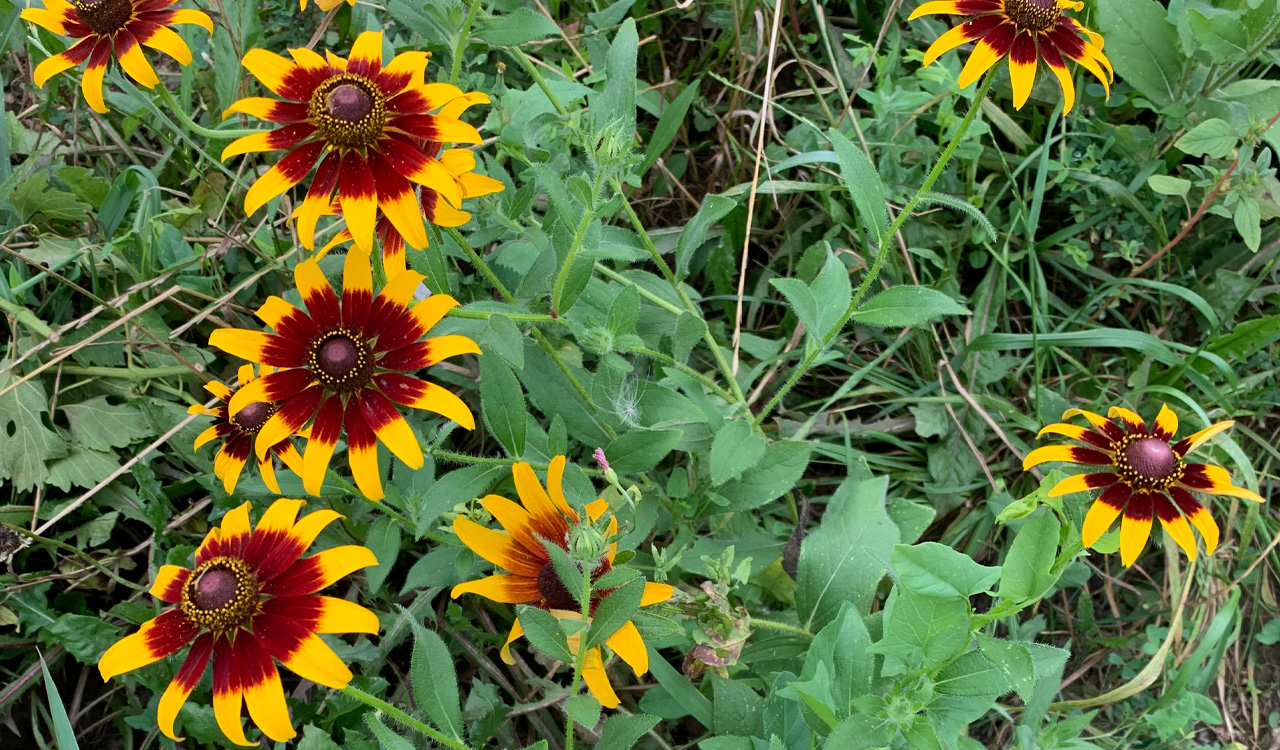
In croplands, native plant species can support greater diversity while protecting soil from erosion, evaporation, and excessive heating during hot summer days. When used as intercrops, flowering species can also enhance pollination by attracting beneficial pollinators. In organic production systems, this approach provides an effective way to restore pollinator biodiversity.
Successful implementation in orchards and croplands depends on thoughtful management. Growers are encouraged to consider canopy density, irrigation availability, and equipment access when selecting species. Mowing height and timing can further optimize ground cover benefits while avoiding competition with crops.
Overall, shade-adapted ground covers offer orchardists and crop producers a practical pathway toward healthier soils, improved ecosystem services, and more sustainable production systems.
This project is funded in part by the Governments of Canada and Ontario under the Sustainable Canadian Agricultural Partnership (Sustainable CAP), a five-year, federal-provincial-territorial initiative.
