The following is a blog related to the OMAFA PROJECT: Promoting the adoption of integrative landscape approaches in agriculture. Follow along with updates as the project progresses, and learn more about the research HERE.
What is a landscape?
It is the composition of different ecosystems (lands of different functions) that can interact together. Landscapes can be quite diverse — especially in regions such as southern Ontario — or quite uniform with the same type of ecosystem, such as in the prairies with fields of monocultures of wheat or canola.
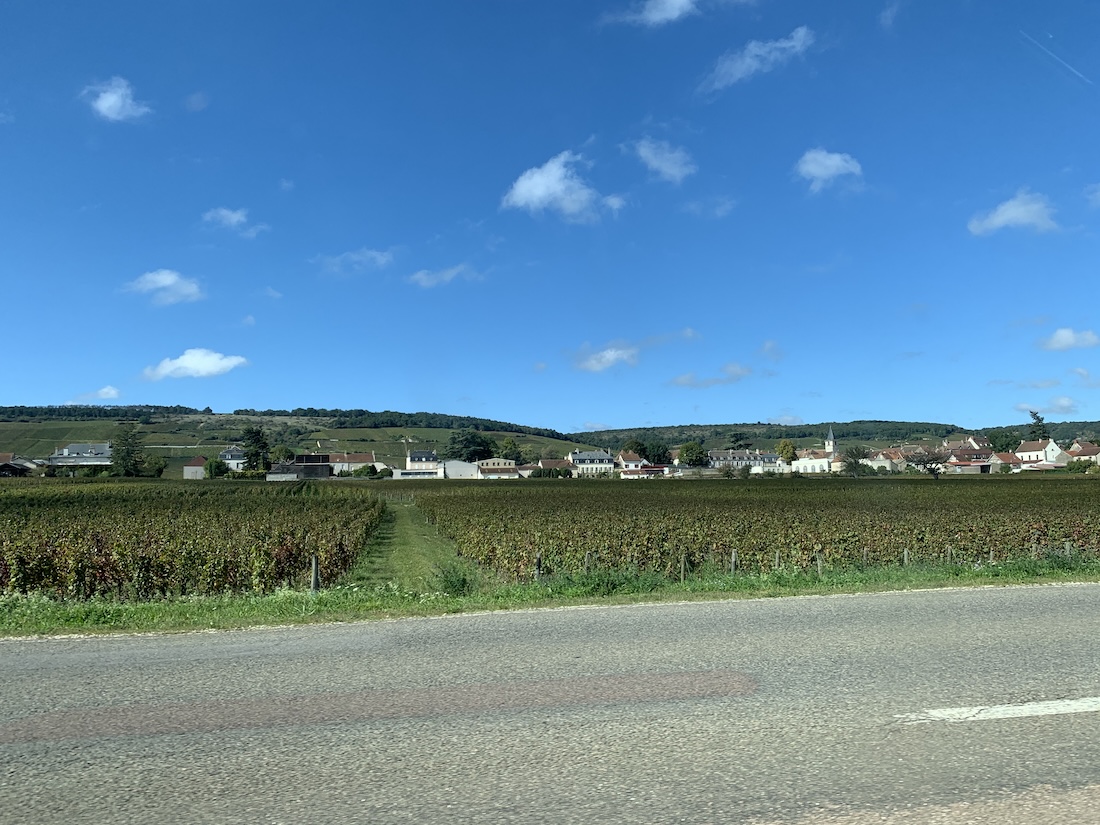
What happens in one ecosystem can influence what is happening in another ecosystem. In rural communities like Niagara, orchards and vineyards are sometimes connected with other similar ecosystems. In other cases, completely different ecosystems are adjacent to an orchard or a vineyard. Small ecosystems, such as hedgerows, can also influence the adjacent agricultural land by bringing some pests or pest enemies with them. The composition of plants and animals in each ecosystem can vary in terms of diversity and abundance. The patchwork of different types of land cover is called a mosaic.
The landscape approach recognizes the importance of spatial heterogeneity in the environment and the organisms’ responses to that variation. There is no wall between ecosystems, and one orchard may influence the vineyard adjacent to it. Hedgerows can also play a role, such as connecting two ecosystems. For example, a wooded hedgerow can connect two forested areas that are separated by an orchard. By looking at a larger scale than just an agricultural field at the time, we can better understand how species of plants and animals can move and influence various ecosystems. Measuring the size, shape, and structure of ecologically distinct blocks or mosaics can help determine the influence of each ecosystem. Assessing diversity of different groups of species, plants, animals, fungi or microorganisms at the landscape level can help better managethe introduction of new species. A wide river will limit the dispersal of plants between each side of the river, but that is not the case for birds. The landform, which is the geology of the landscape (including surface shape, elevation, and slope) is important to assess as it will affect what can grow and where. Soil abiotic types and conditions, as well as the climatic condition, also influence the landscape.
Some ecosystems within a landscape can be unique and include physical and biological factors that allow for better growth of vine or apple, for example. Even within a forested landscape, it is also possible for some communities to be younger than others due to a forest fire or harvesting, for instance.
In this project, we aim to promote an integrative approach to sustainable agriculture by looking at different ways to bring about positive changes and improve resilience to environmental and climatic changes. With climate change and the greater movement of species northward, as well as intentional or accidental introduction of new species, understanding how these patches can reduce or promote new invasive species is important to ensure the sustainability of the farming industry. One aspect that we also want to promote in future blogs is biodiversity enhancement for pest control, for example.
This project is funded in part by the Governments of Canada and Ontario under the Sustainable Canadian Agricultural Partnership (Sustainable CAP), a five-year, federal-provincial-territorial initiative.
