The Centre for Studies in Arts and Culture (STAC) is proud to announce this year’s issue of ti<.
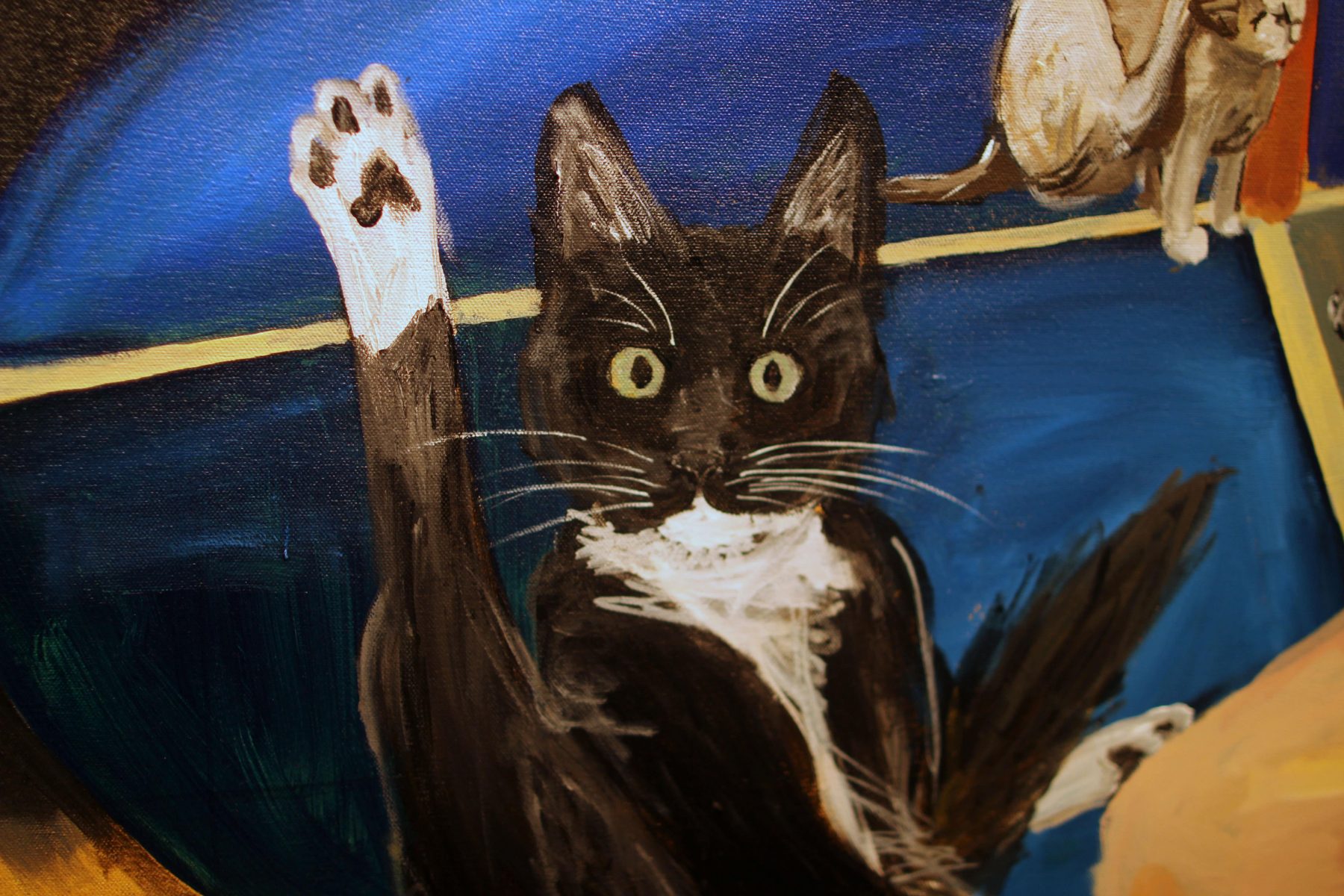
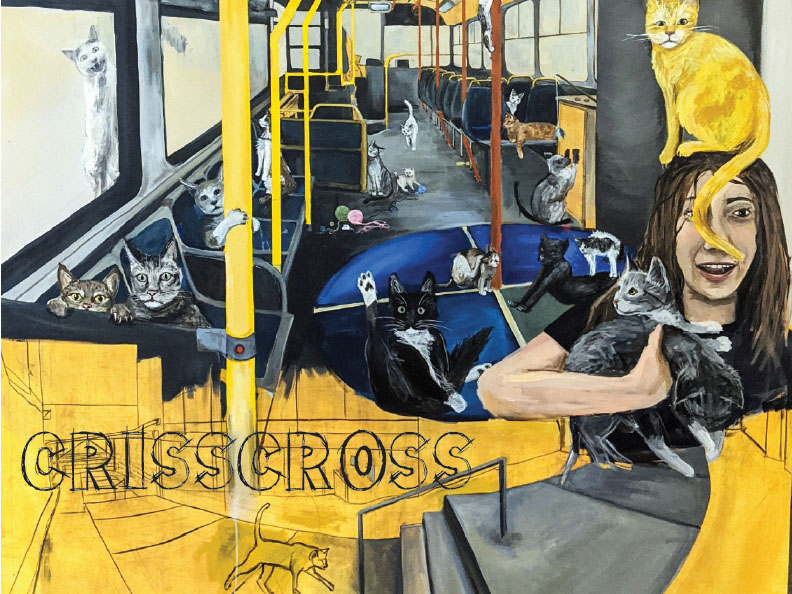
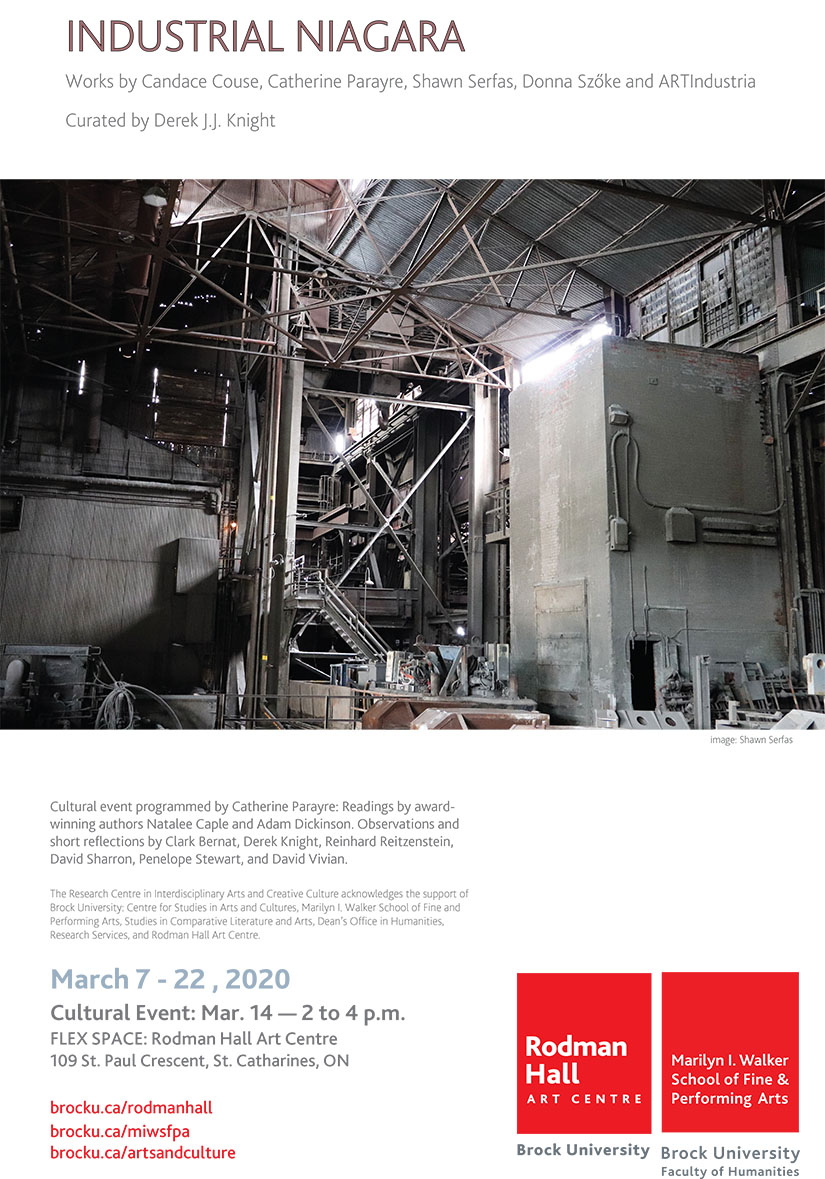
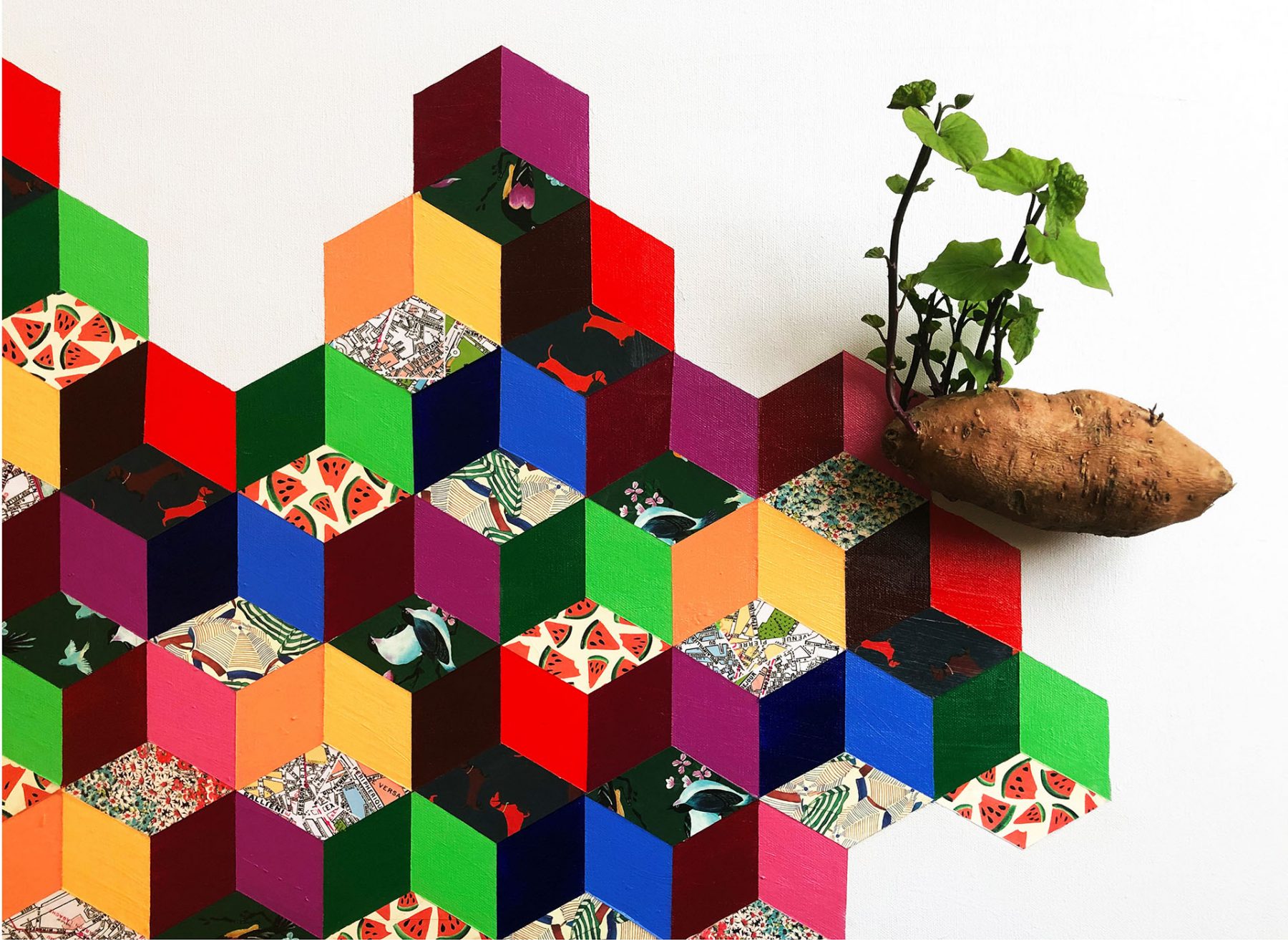
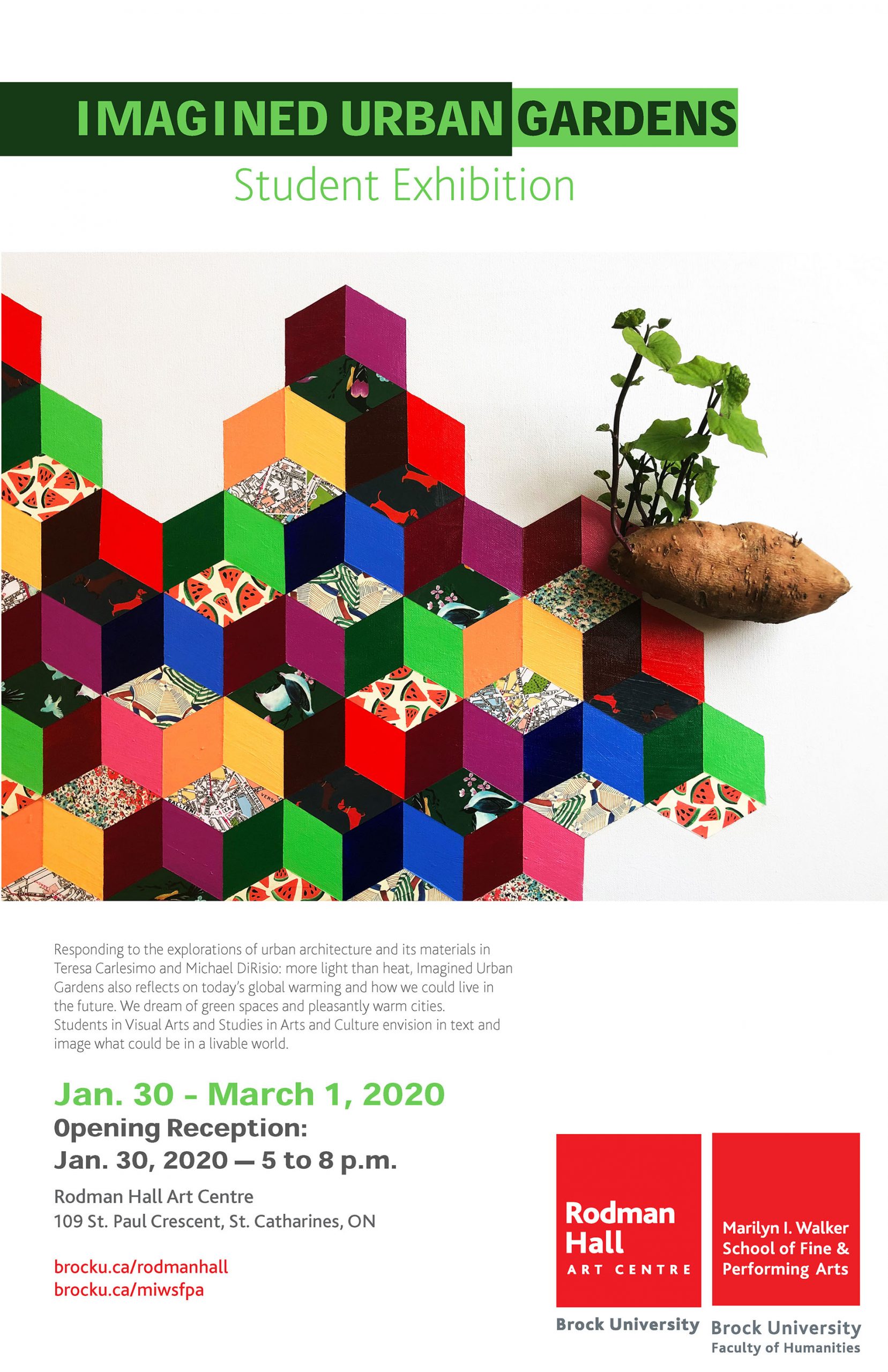
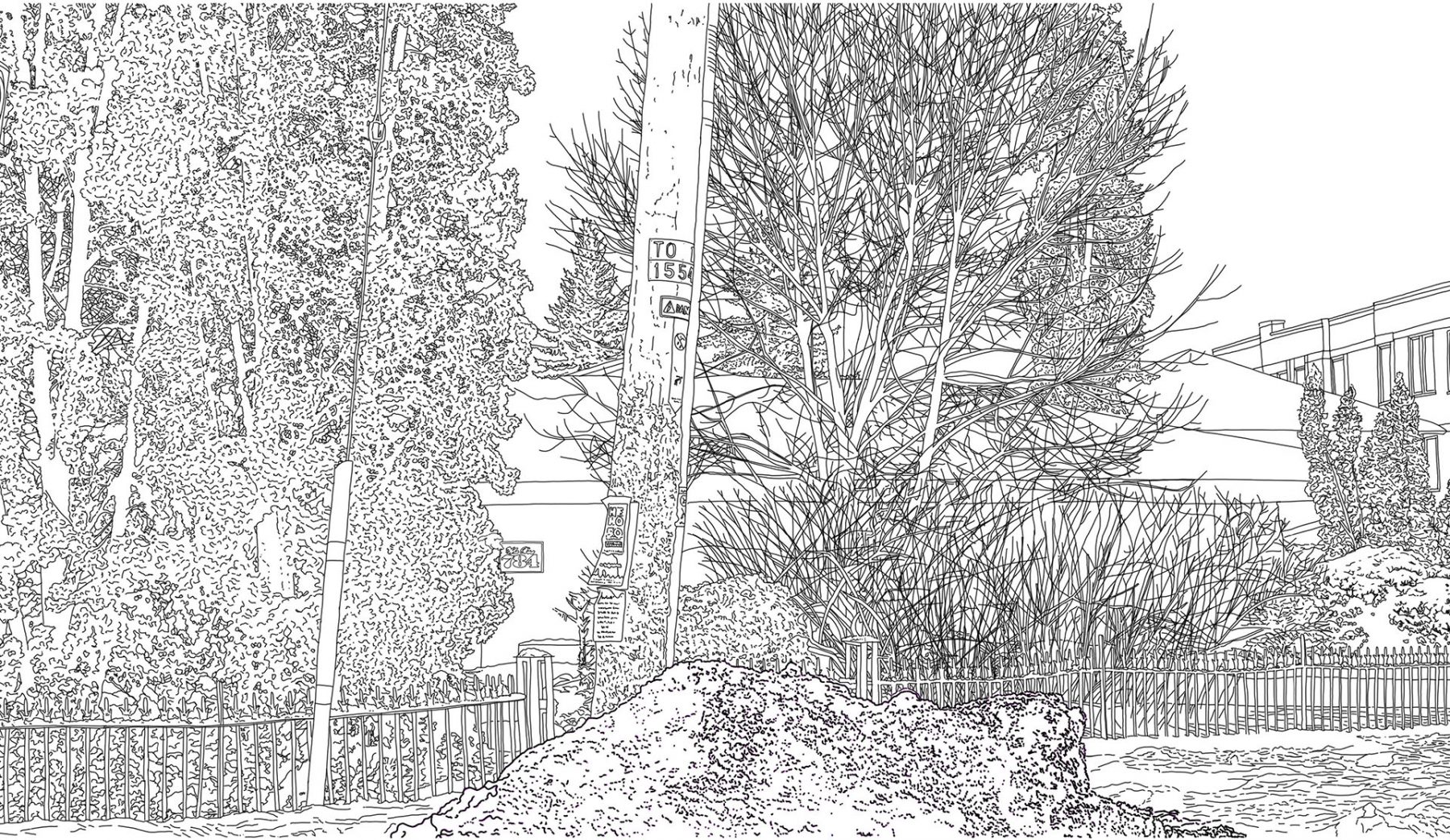
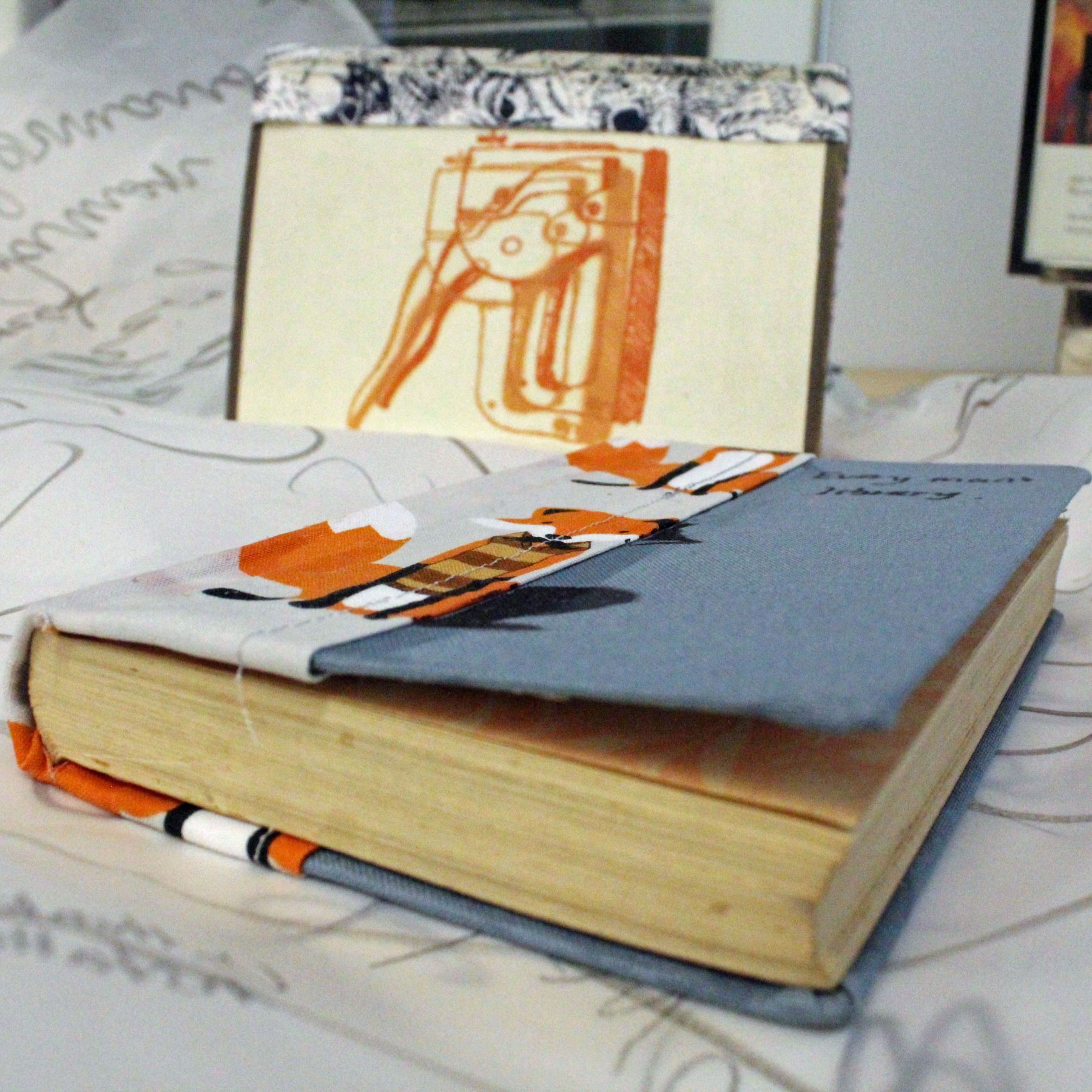
Showcasing the creative works of 60 students of Brock University, it includes, among other things, two exhibitions catalogues (Imagined Urban Gardens at Rodman Hall and Crisscross in the Art Gallery of the MIWSFPA), as well as creative writing by students in STAC 1F93 (Writing for the Arts).
TI< IS AVAILABLE ONLINE THROUGH BROCK UNIVERSITY.
Focus and Scope
ti< publishes creative work combining text and image.
ti< is primarily interested in creative work by students, their instructors, as well as by artists and writers whose work combines literature and the visual arts.
All languages are welcome, including endangered languages. No translation is needed.
Peer Review Process
Thematic group projects are encouraged. The organizer/instructor of the project works with the group and edits the selected works.
The Editor of ti< makes the final decision to publish after consultation with the organizer/instructor and other peers.
Open Access Policy
This journal provides immediate open access to its content on the principle that making research freely available to the public supports a greater global exchange of knowledge.
Sponsors
Modern Languages, Literatures and Cultures (MLLC)
Brock University




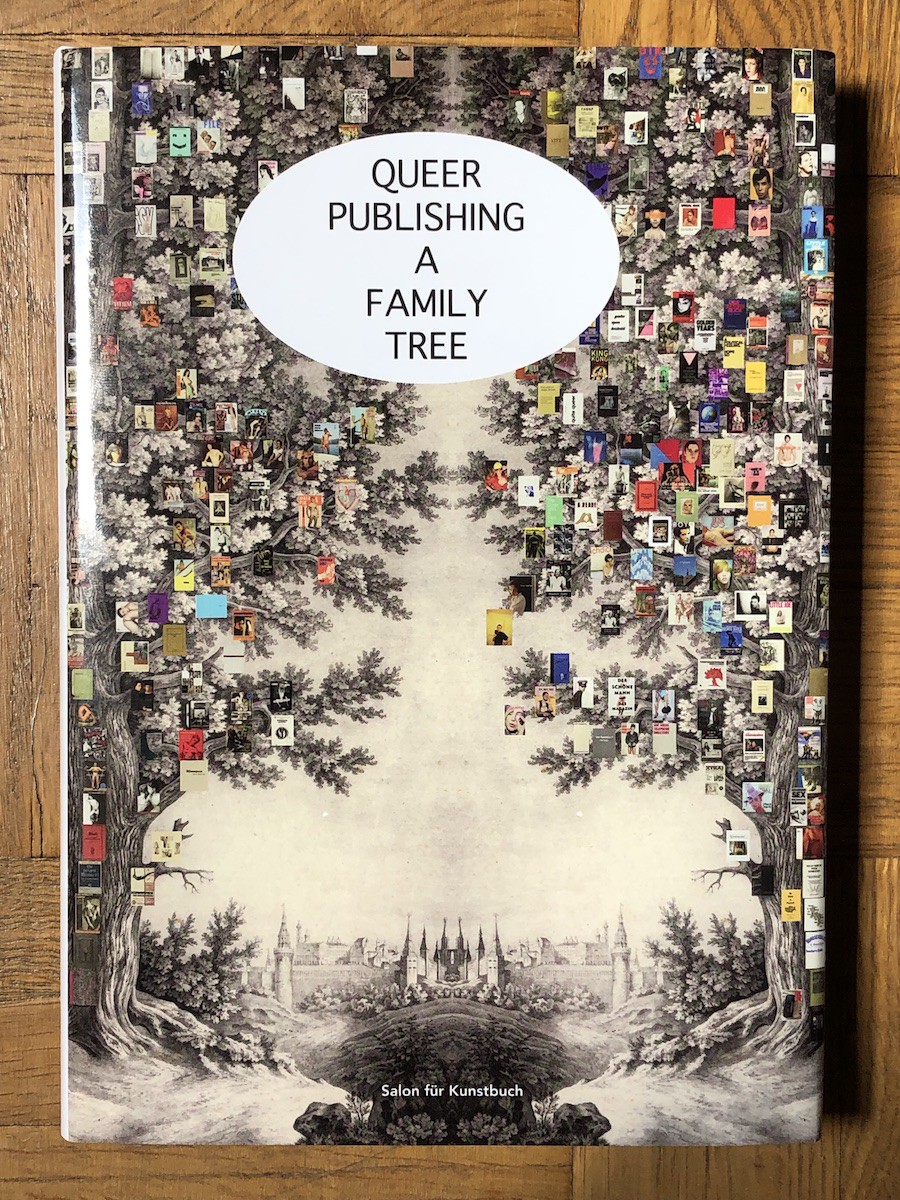
 Horacio Fernández first wrote Fotografía Pública (MNCARS, 1999), the first landmark book to position the scholarship of books and magazines as a topic of critical importance to the photographic medium, “book about books” has become a genre of publishing unto itself. Each year, the PhotoBook Awards jury sees at least one well-researched, richly illustrated publication that presents some new facet of photobibliophilia—often using the filter of a particular region or city or even a particular thematic niche. This year, however, the jury noted a rise in the number of books about books that exceeded expectation in terms of design, like Printed Photography in Venezuela; or ventured into new territory, telling the story of a single notable magazine, like Camera Austria International: Laboratory for Photography and Theory. Each of these volumes, in its own way, adds additional detail and texture to the evolving connoisseurship and scholarship dedicated to the photobook.” (from