News and events

  • Groundbreaking conference spotlights Black youth experiences in education

    On April 24 and 25, a two-day national conference entitled “Breaking the Cycle: Understanding the Educational Experiences of Black Children in Canada” was held at Brock University.

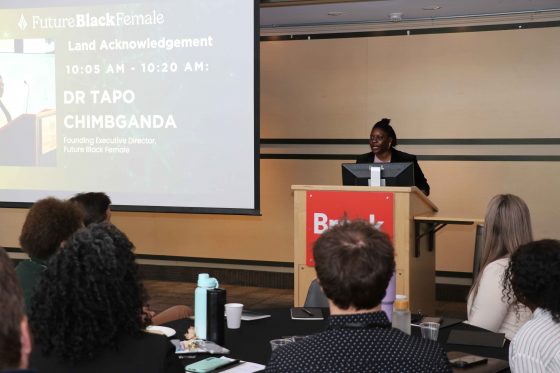
     Organized by Future Black Female, a non-profit organization led by Founding Executive Director Dr. Tapo Chimbganda, the event aimed to deepen understanding and drive meaningful change in how Black children experience the Canadian school system.

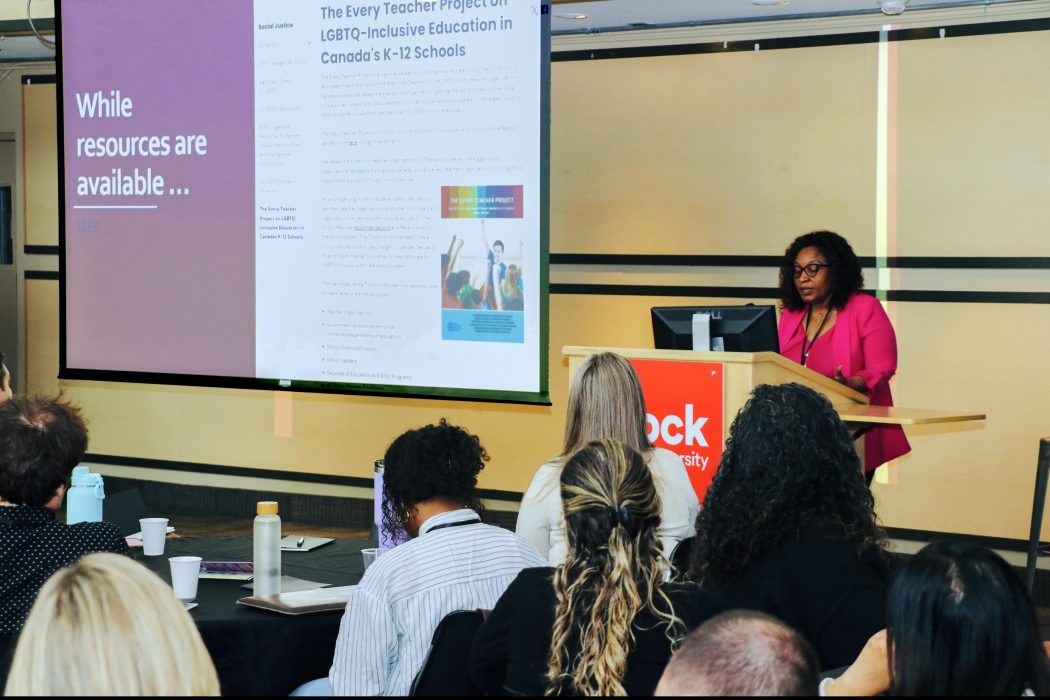
    The first day of the conference was focused on “Building Inclusive Systems” and was geared toward educators, administrators and system leaders. Among the day’s speakers was Faculty of Education Professor Dolana Mogadime. During the talk, cowritten by Mariana Garrido, FBF Social Issues Researcher, Mogadime incorporated Garrido’s “What the Evidence Shows: Black Children, Schooling, and System Readiness in Canada” to shed light on the realities of inclusive education in classrooms.

    A woman stands at a podium speaking to an audience.

    Dr. Tapo Chimbganda, Founding Executive Director of Future Black Female.

    “It was an honour to speak about Future Black Female’s survey and to highlight what universities can do to contribute to change, such as partnering with community organization in support of their programming for Black students and increase collaboration with school boards in redressing anti-Black racism. These insights can guide and support the role of faculties of education as “duty holders” as suggested ty the Ontario Human Rights Commission report, “Dreams Delayed: Addressing Systemic Anti-Black Racism and Discrimination in Ontario’s Public Education System.”, said Professor Mogadime.

    Day two of the conference, “Empowering Black Families” was centred on Black parents, caregivers and community members who engaged in workshops learning about anti-racist frameworks and accountability in education systems. Incoming PhD in Educational student and community leader and educator Kathryn Crooks moderated the discussions.

  • FOE Celebrates Martyna Pacyniak, Ontario Modern Language Teachers’ Association award recipient

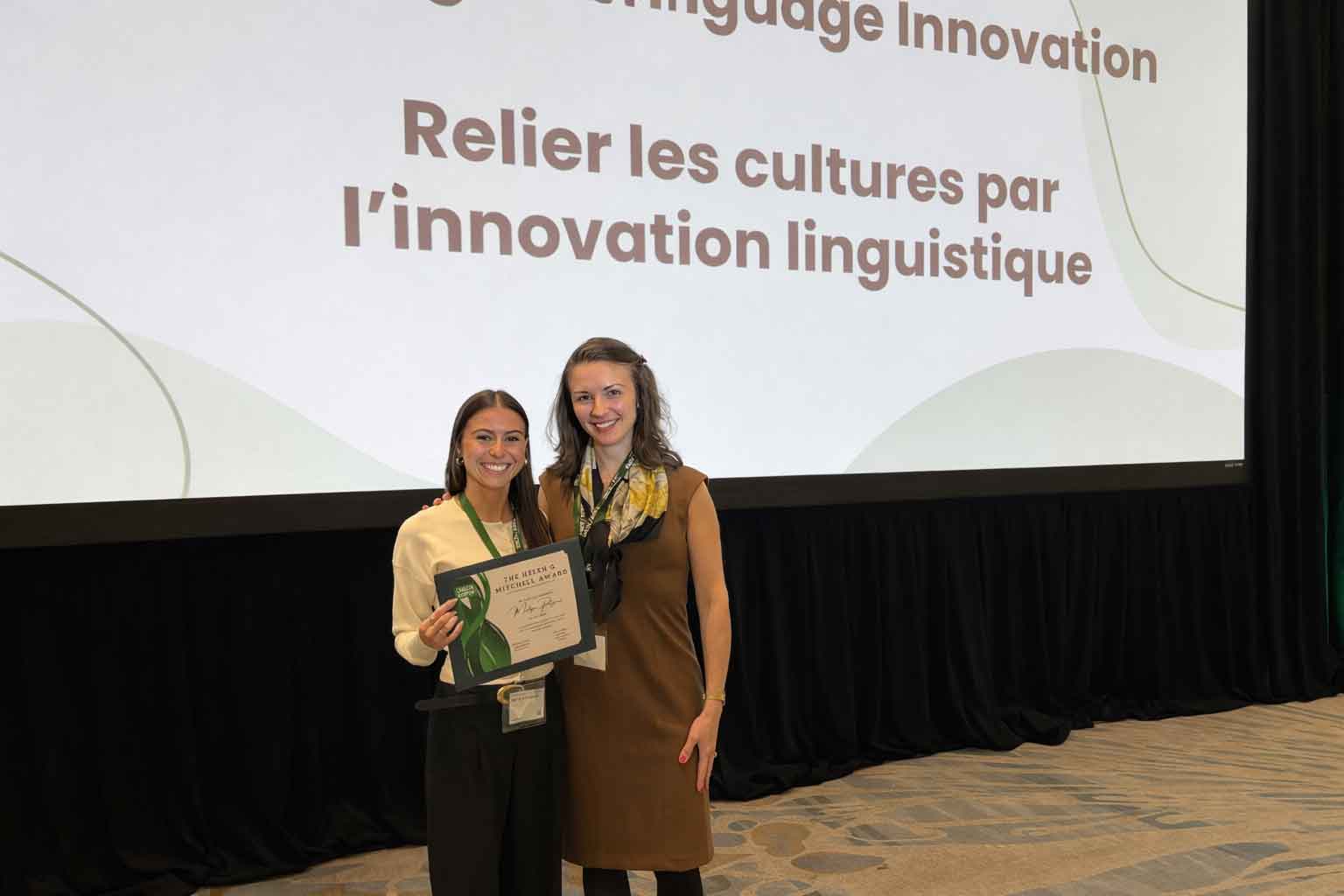
    Brock University’s Faculty of Education is proud to celebrate Martyna Pacyniak, recipient of the 2026 Helen G. Mitchell Award from the Ontario Modern Language Teachers’ Association. This award is presented to one graduating student in each Faculty of Education who has demonstrated excellence in both academic and practicum components of the pre-service year, along with the qualities of a potentially outstanding French-as-a-Second-Language or International Languages teacher.

    For Dr. Rochelle Guida, Martyna’s FSL teacher education instructor, this recognition is especially meaningful. Dr. Guida is extremely proud of Martyna and the professionalism, initiative, and passion for FSL education that she demonstrated throughout the course. One moment that stood out was when Martyna reached out to ask Dr. Guida to review an article she was preparing for the Canadian Association of Second Language Teachers on the integration of artificial intelligence in FSL education. That initiative, intellectual curiosity, and commitment to advancing the field reflect the very qualities this award seeks to honour.

    We wish Martyna continued success in her future research endeavors and teaching as a FSL teacher candidate. Bonne continuation, Martyna!

  • New program aims to prevent ‘summer slide’ in young learners

    When local schools wrap up for summer, the learning — and fun — will continue for primary students at Brock University.

    The Faculty of Education’s Brock Learning Lab (BLL) is launching a SummerBoost that aims to improve early literacy and foundational numeracy skills for students who have completed junior kindergarten to Grade 2.

    BLL Acting Director Yvonne Messenger says the initiative, which adds to Brock’s robust schedule of summer youth programming, meets a significant need in the community.

    Messenger says researchers and educators alike are reporting higher rates of language delays and other challenges among children in primary grades who were born, and lived their toddler and preschool years, during the COVID-19 pandemic.

    “Having the opportunity to continue structured learning in the summer, along with the social benefits of being with other children in a camp-like setting, will provide these youngsters a chance to build their skills,” says the Assistant Professor of Educational Studies.

    Registration for the SummerBoost is now open, with weeklong sessions beginning Monday, July 6; Monday, July 13; and Monday, July 20.

    Faculty of Education instructor and Brock Learning Lab Program Co-ordinator Catherine Susin (BA ’17, BEd ’17, MEd ’18) developed the program alongside fellow BLL site leads Isabella Favero (BA ’24, BEd ’24) and Montana Nethercott (BA ’23, BEd ’23). All three are Ontario Certified Teachers, Brock alumni and current graduate students at the University.

    Susin says summer programming has long been requested by families, particularly to help prevent the “summer slide” for students in the primary grades.

    In addition to full-group instruction, learners will work in one-on-one and small-group settings, receiving individualized instruction that covers a range of topics.

    Participants will boost learning in phonics, spelling, writing, reading and comprehension as well as foundational numeracy skills, including number recognition, addition and subtraction, patterns and spatial reasoning.

    Developmentally appropriate games, crafts and activities will promote fine and gross motor development to support learning.

    Favero, a SummerBoost lead, says the goal is to make math and literacy exciting with hands-on experiences.

    “Every week features a unique theme designed to spark curiosity,” she says. “Students will blast off into outer space, journey through magical worlds, or step into the shoes of mystery detectives in our fun-filled program.”

    Each of the three weeks in July offer full day programming from 8:30 a.m. to 4:30 p.m., Monday to Friday with extended care available at an extra cost.

    More information about SummerBoost, including cost and registration, is available on the Brock Learning Lab website.

  • How innovative research aims to shape the future of learning

    What if ethical use of artificial intelligence (AI) could bridge gaps between theory and practice for future teachers and help reduce early career attrition?

    It’s a critical question for Muhammad Kiani, a PhD in Educational Studies student at Brock University.

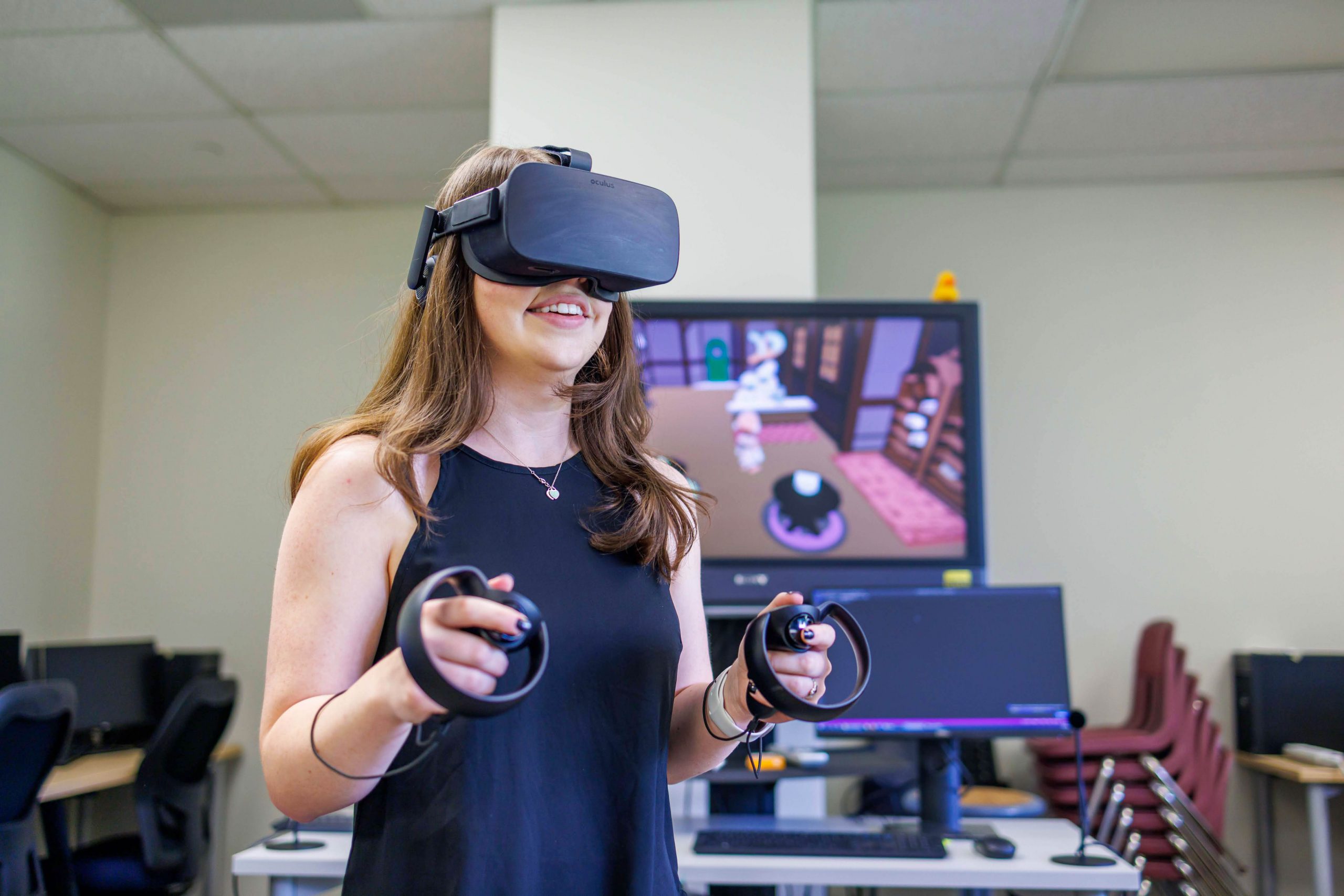
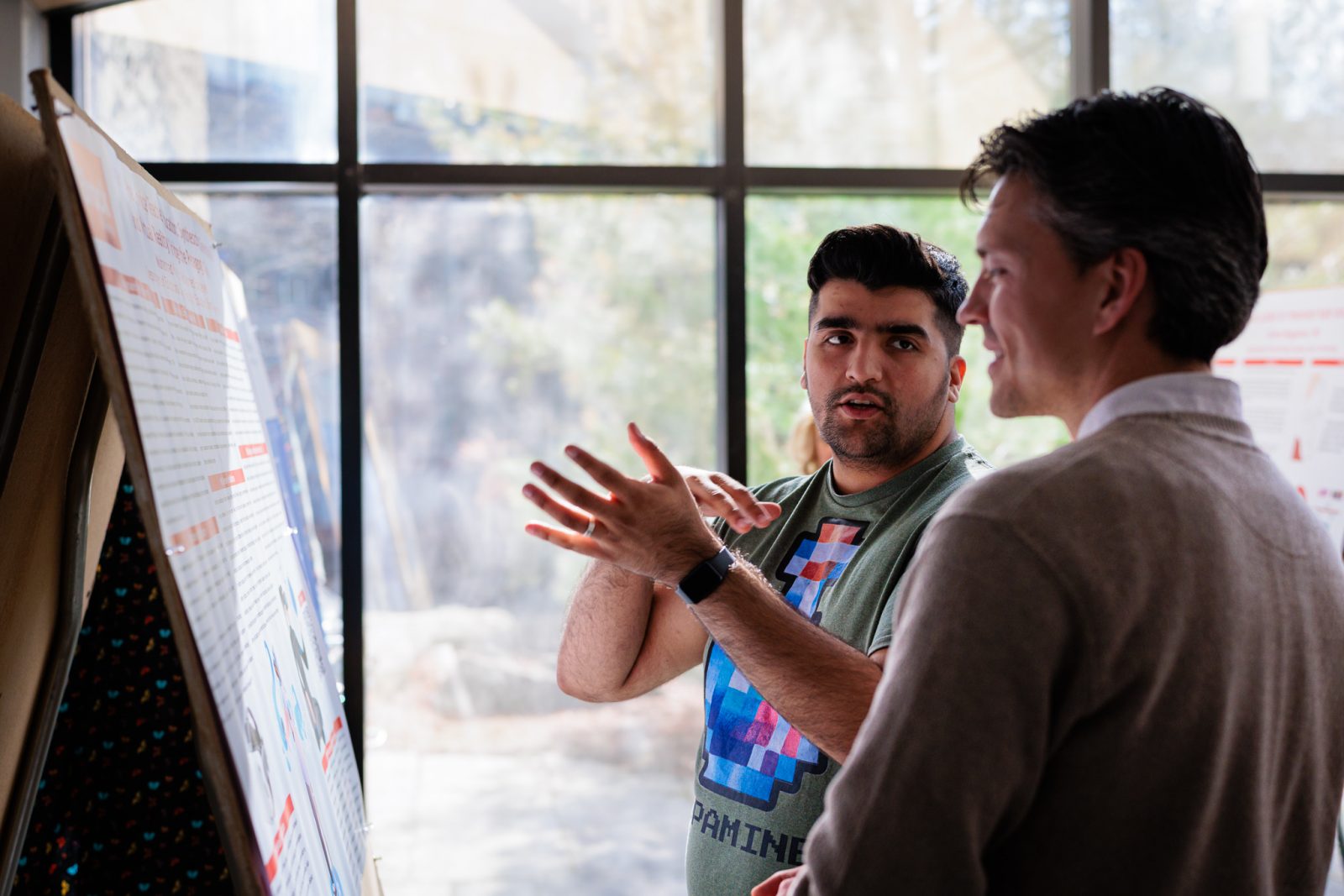
    Through his doctoral research in the Faculty of Education (FOE), Kiani is exploring immersive technologies that might serve as a simulator of sorts for teacher education students to hone their classroom skills in an environment where it’s safe to fail.

    By examining the efficacy of using a simulation system in tandem with human interaction and mentorship, Kiani’s research is shedding light on the potential impacts of ethical, evidence-based adoption of educational technology.

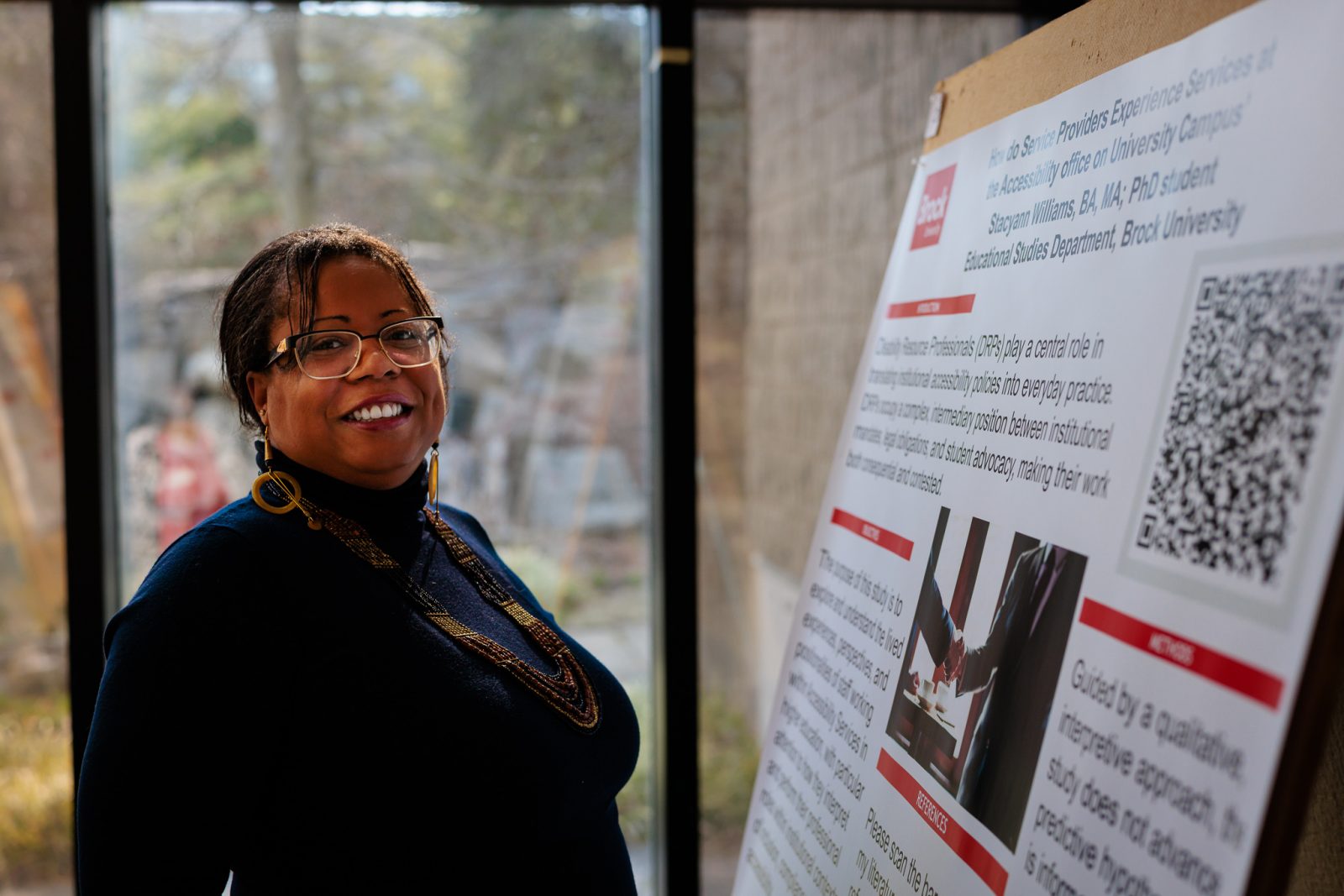
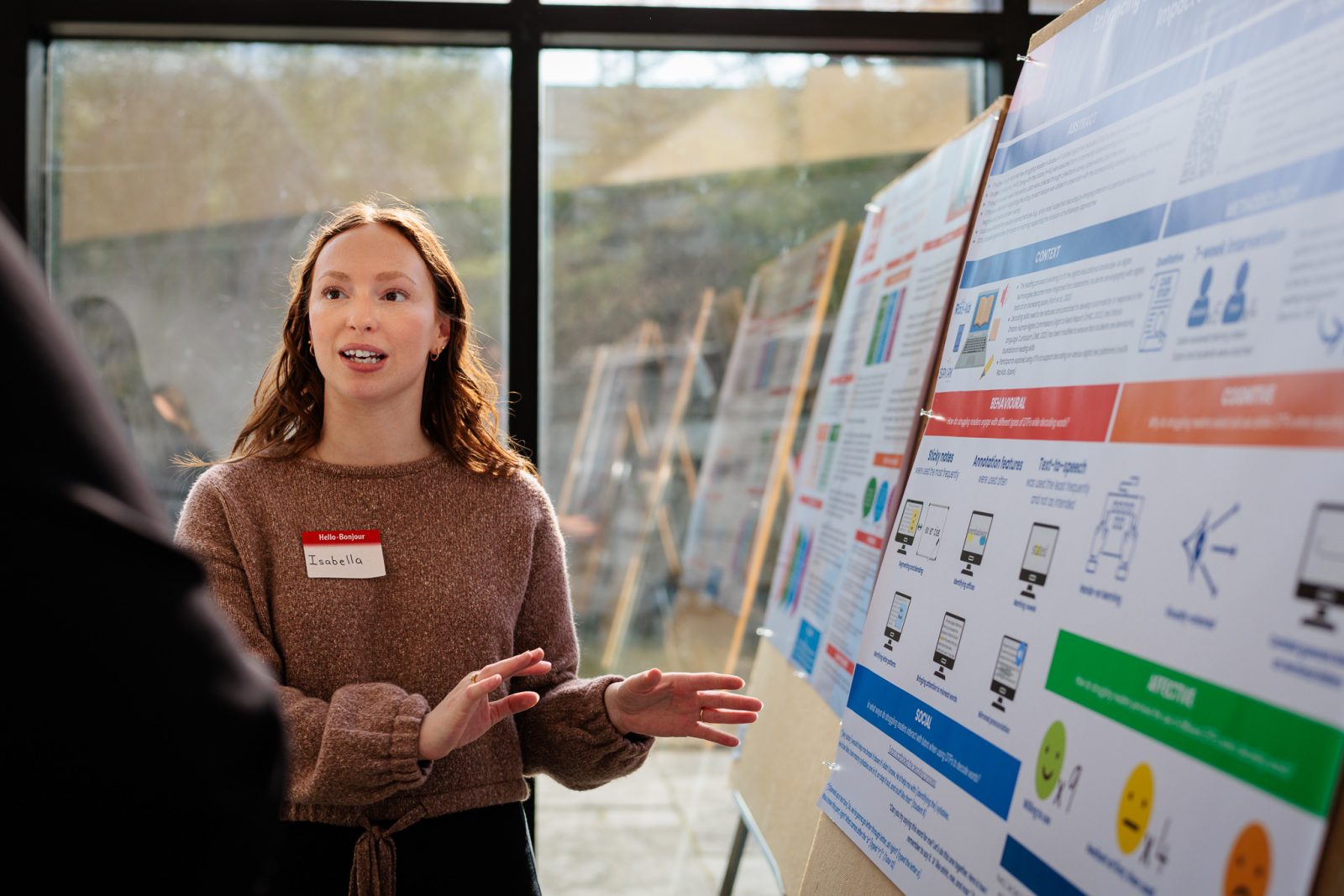
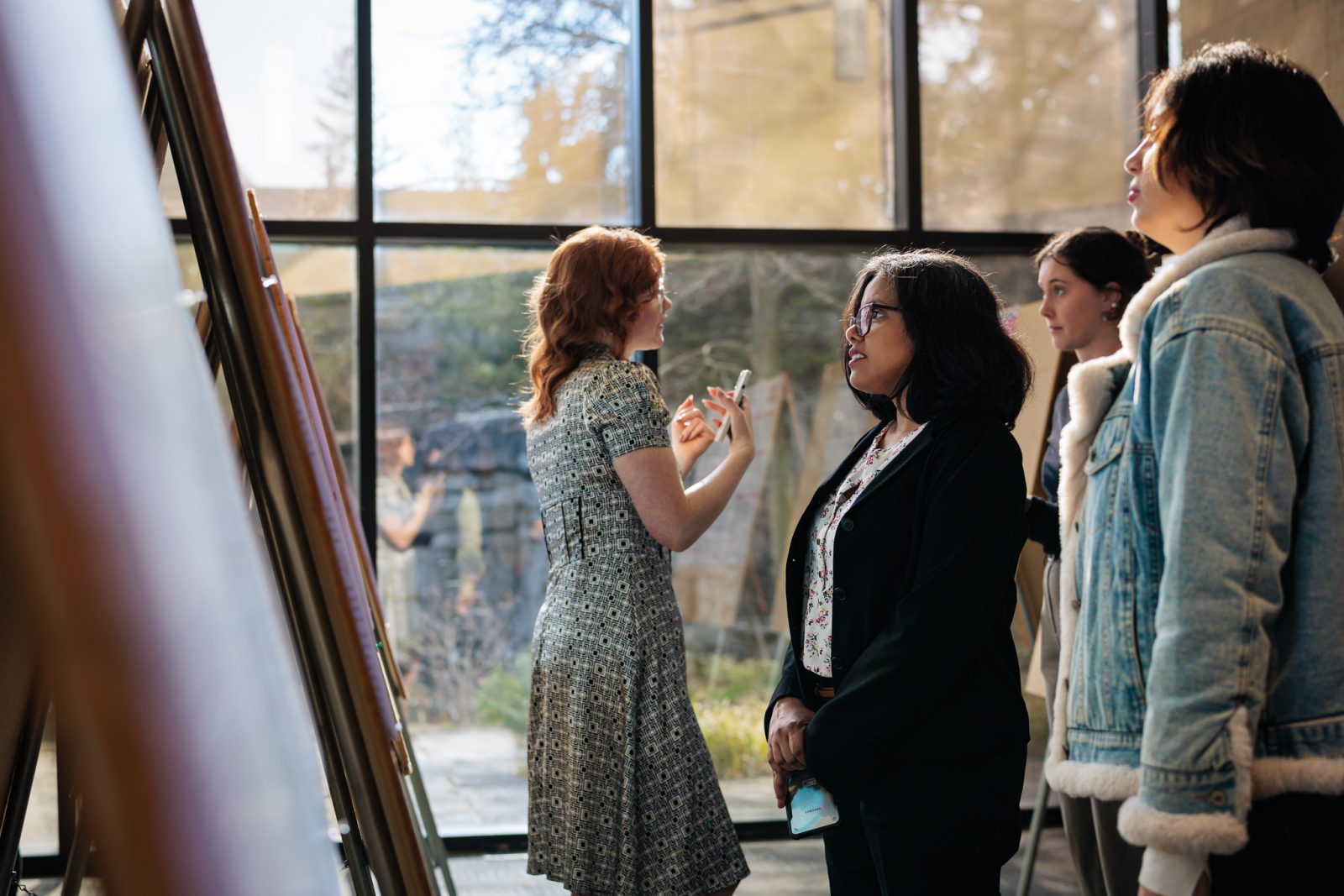
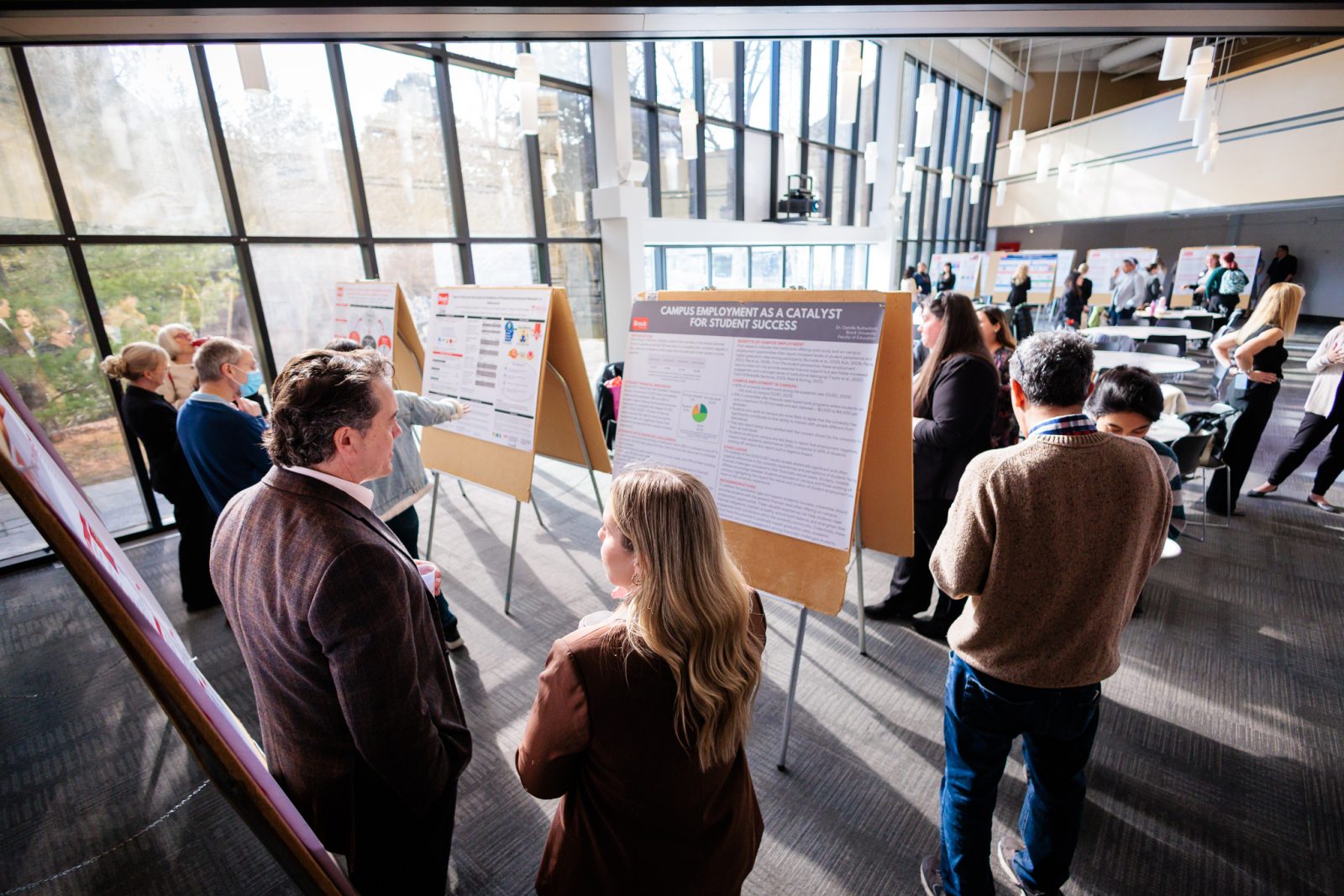
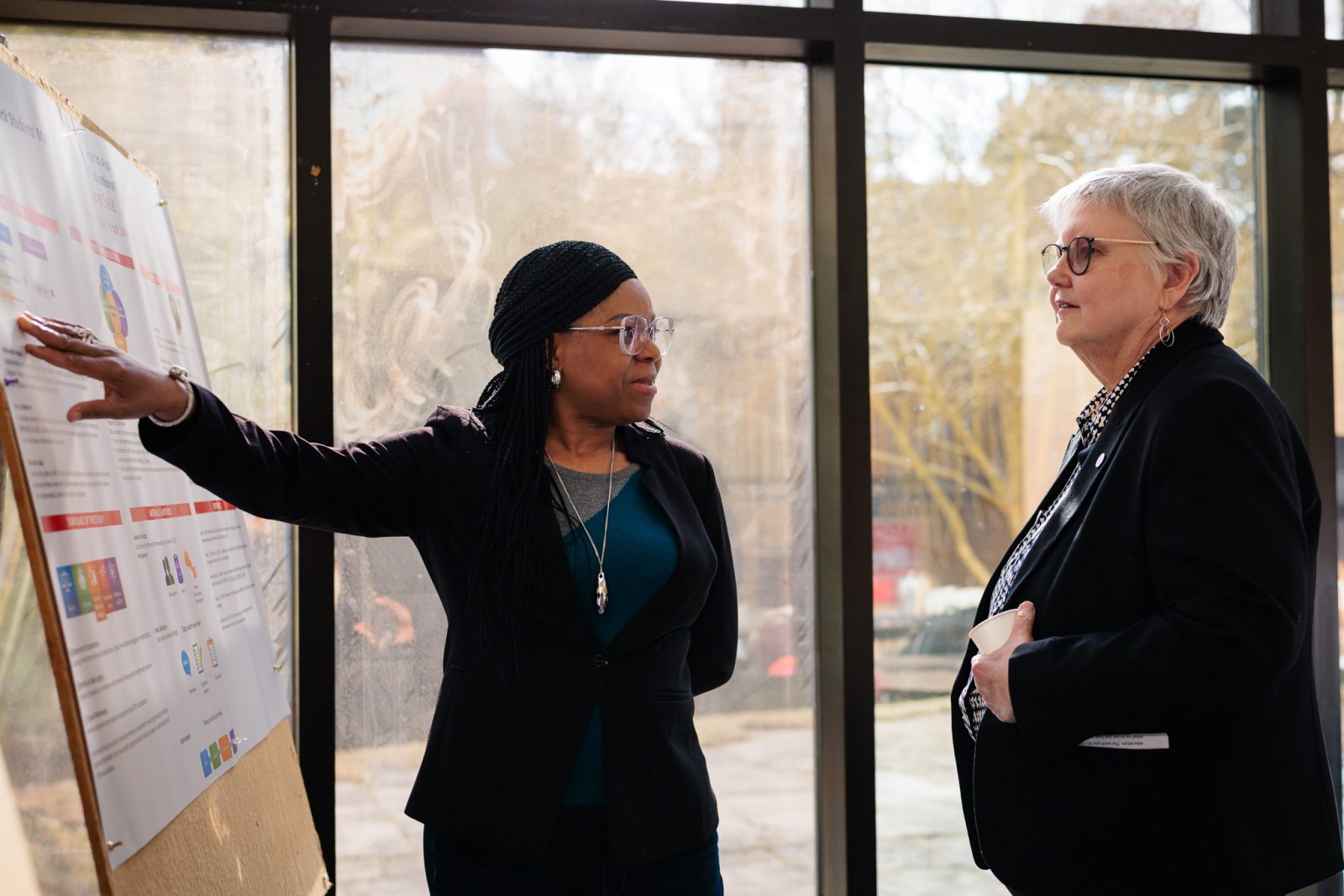
    Kiani and other FOE graduate students and faculty members shared their innovative research with the Brock community during the Faculty of Education Celebration of Excellence in Research and Creative Activity on March 19.

    Organized by the FOE Office of Associate Dean, Research and Graduate Student Services, the event highlighted outstanding research and creative activity that is advancing the field of education.

    The event included poster presentations, three-minute talks and engaging discussions on a range of research topics including wellness; literacy and early childhood education; adult education; equity, diversity, inclusion and decolonization; and science, technology, engineering and mathematics (STEM).

    Joyce Mgombelo, Associate Dean of Research and Graduate Student Services, said the event showcased the depth and breadth of educational expertise at Brock.

    “We were thrilled to share the innovative research happening the FOE with our Brock community. Our researchers are making an impact on local and global scales and are focused on creating a brighter and more inclusive future for learners across the lifespan,” she said.

    Community-engaged research was also in the spotlight thanks to an educational initiative grounded in Indigenous research methodologies shared by Assistant Professor Jeannie Martin, Assistant Professor Sherri Vansickle and Interim Vice-Provost, Indigenous Engagement and Professor Sheila Cote Meek.

    Their research project, “Standing Strong with Our Sisters,” is centered on the making of Ribbon Skirts as a culturally influenced creative practice and form of knowledge transmission that supports Indigenous identity, intergenerational learning and collective healing.

    At the event, which included remarks from Provost and Vice-President, Academic Arja Vainio-Mattila and Associate Vice-President, Research Deborah O’Leary, FOE awards celebrating research excellence were announced by Dean of Education Mary-Louise Vanderlee.

    Outstanding Faculty of Education Graduate Student Award recipients:

    • Isabella Favero, Master of Education
    • Catherine Susin, PhD in Educational Studies

    FOE Distinguished Research Award recipients:

    • Xavier Fazio, Professor of Educational Studies
    • Sandra Bosaki, Professor of Educational Studies
  • Classroom Supplies Fund a ‘helpful step,’ but more work is needed: Brock expert

    Following the announcement of Ontario’s new Classroom Supplies Fund — giving elementary school homeroom teachers $750 each school year for classroom supplies — Steven Khan says he’s encouraged, but wary the impact may be overestimated.

    The Associate Professor of Educational Studies and Director of Teacher Education programs at Brock University says the announcement is a welcome acknowledgement of a long-standing reality in Ontario classrooms: many educators regularly spend their own money on basic materials such as pencils, art supplies and tissues.

    “Recognizing and addressing that reality is a positive step, and providing a predictable funding mechanism could reduce the financial burden placed on individual teachers,” he says.

    Khan also says the impact this funding boost will have on student learning outcomes should be understood realistically, adding that classroom supplies “are only one element of the overall learning environment.”

    He says research consistently shows that factors such as class size, access to educational assistants (EA) and special education supports, and stable staffing levels have a far greater influence on student learning outcomes than consumable materials alone.

    “In many Ontario classrooms today, particularly in the early grades, teachers are working with increasingly complex learning needs, reduced EA support and larger class sizes,” he says. “If the fund simply ensures that teachers no longer have to purchase basic materials out of pocket, that is an improvement. However, it is unlikely, on its own, to meaningfully change educational outcomes for students.”

    Khan says it’s also important to consider how the policy interacts with broader changes in Ontario’s education system. Those include adjustments to kindergarten structures and staffing patterns over the past several years, as well as the Supporting Children and Students Act, also known as Bill 33.

    “These shifts have altered the dynamics of early learning classrooms and increased the importance of adequate staffing and manageable student-to-adult ratios,” he says.

    Overall, Khan believes the Classroom Supplies Fund is a “helpful step” in addressing a practical issue but warns it should be seen as a modest operational improvement rather than a transformational investment.

    “If the goal is to significantly improve student outcomes, attention will also need to remain focused on class size, teacher effectiveness, staffing supports and sustained investment in the broader conditions of teaching and learning.”

  • Science conference empowers future STEM leaders

    She may only be in her second year at Brock, but Madison Bower is already helping to shape the next generation of women in science, technology, engineering and math (STEM).

    Bower spoke to Niagara Catholic District School Board (Niagara Catholic) high school students, who visited Brock on Friday, Feb. 20 for the LeadHERship in Science Conference, about the value of forging an academic pathway in STEM.

    “Keep all your doors open so you can prepare for your future. It’s not always going to be easy, but I can guarantee you it’s going to be worth it,” she said.

    Once a Niagara Catholic student herself, Bower came to Brock to pursue her studies in Kinesiology in the Faculty of Applied Health Sciences and has never looked back. She is also in the Med Plus program, a launching pad for students aspiring to enter the health-care field.

    “Enrolling in the Med Plus program has introduced me to multiple health care career options and helped me think through what I want to pursue in my professional journey,” she said.

    A transformative University experience for Bower has been working as a Brock Sports Medicine Student Volunteer for the Men’s Soccer Team as a physiotherapist.

    “I’ve learned so much, especially in the Anatomy and Cadaver Lab,” she said.

    Bower’s welcome to conference-attendees kicked off a day of dynamic workshops at the University. Organized by Brock’s Faculty of Education in partnership with Niagara Catholic, and supported by the Faculty of Science and Mathematics, the Brock University Library Makerspace and Student Recruitment, the day’s events featured experiential hands-on learning opportunities in biology, physics, robotics and 3D modelling.

    From dry ice demonstrations to learning about coding and powering robots, Professor and Department Chair of Educational Studies Kamini Jaipal-Jamani said it was inspiring to connect with so many young women interested in STEM.

    “It was an honour to host students and educators from Niagara Catholic and share a glimpse of what studying in science-related fields is like here at Brock,” she said.

    Jaipal-Jamani said while there is more work to do to increase participation of women and girls in science, events like LeadHERship in Science Conference can make a difference.

    “We hope that learning experiences that show how scientists and engineers solve real world problem will inspire confidence, spark passion and show young women that they belong in STEM — whether as scientists, engineers, researchers, or innovators,” she said. “Every student can pursue their passion for science with curiosity and courage.”

  • Distinguished Professor Louis Volante publishes Open Access book

    Dr. Louis Volante, Distinguished Professor of Educational Studies, is co-editor of a new open access publication entitled Risk, Resilience, and Recovery Across Global Education Systems – The Long Term Impact of Pandemic Reforms. This is Professor Volante’s eighth edited volume, and third publication with Routledge.

    About the book:

    This book provides a critical review of the long-term effectiveness of education and social protection policies enacted by G10 countries in response to the global pandemic. Book cover.

    The COVID-19 pandemic caused the most significant disruption to education systems since the devastation of World War II. Successive waves and variants of the coronavirus resulted in school closures and spurred a range of policy interventions across national education systems to combat both the cognitive (i.e., achievement in reading, mathematics, and science) and non-cognitive (socioemotional development, mental and physical health) impacts on student achievement and wellbeing. This book evaluated the long-term efficacy of such interventions, drawing on an analysis of a cross-section of nine industrialized countries: the United Kingdom, France, Germany, Italy, Sweden, Netherlands, Belgium, Canada, and Japan. It further offered cross-national insights for policymakers and discusses the critical importance of broader notions of academic resilience in a post-pandemic world. Ultimately, this volume helps identify national policies that have helped to buffer students from the long-term challenges associated with the aftermath of the pandemic.

    A timely and important text, it will be of interest to researchers and policymakers in education policy, pandemic response, impact evaluation, and student mental health.

    Source: Routledge Taylor & Francis Group.

  • Student-athletes celebrated for academic excellence

    Originally published on The Brock News | WEDNESDAY, JANUARY 14, 2026 

    Brock student-athletes are at the top of their game in the classroom.

    The Brock Badgers recognized 271 student-athletes for their 2024-25 academic achievements during the annual Celebration of Academic Excellence, presented by Nothers the Award Store, on Wednesday, Jan. 14.

    “The Celebration of Academic Excellence reflects the commitment, perseverance and discipline demonstrated by our student-athletes in both their academic pursuits and athletic performance,” said Associate Vice-President, Students Brad Clarke. “We are proud to recognize their outstanding scholastic accomplishments while underscoring Brock’s focus on supporting excellence in both the classroom and in sport.”

    Academic Excellence Award recipients —student-athletes with an average of at least 80 per cent in their program of study — were honoured with certificates and pins.

    Those who achieve honour roll status in subsequent years receive a distinct pin annually to mark their continued academic success throughout their Brock career. This year marks the first cohort of Badgers who have earned pins for four consecutive academic years as the pin program began after the 2021-22 season.

    “As we recognize the dedication and achievements of our student-athletes, it is especially rewarding to honour those who have earned this distinction four years in a row. This reflects years of consistent effort and commitment, and we are very proud of what they have accomplished,” said Executive Director, Brock Sports and Recreation Melissa Krist.

    In addition to being recognized by the University, 130 Badgers were named 2024-25 U SPORTS Academic All-Canadians after achieving an academic standing of 80 per cent or higher while competing in a sport sanctioned by U SPORTS.

    A full list of the 2024-25 Badgers Academic Excellence Award recipients can be view on GoBadgers.ca

    Categories: Events, News, Uncategorised

  • Learning Lab seeks mentors, tutors to support local youth

    Image caption: Sixth-year Concurrent Teacher Education student Fayth Kardas is a tutor and supervisor at the Brock Learning Lab, which offers affordable math and literacy tutoring for kindergarten to Grade 12 students in Niagara.

    For aspiring teacher Fayth Kardas, working with the Brock Learning Lab (BLL) as a tutor, and now supervisor, has been a transformative experience.

    Housed in Brock’s Faculty of Education and deeply rooted in community, the BLL offers affordable math and literacy tutoring for kindergarten to Grade 12 students in Niagara.

    Kardas, a sixth-year Concurrent Teacher Education student, has participated in a number of BLL opportunities available for students that have helped shaped her professional path.

    “I’ve added so much knowledge, information and learning into my ‘teacher toolbox,’ and I look forward to applying it all when I have my own classroom one day. I also feel that these experiences have better prepared me for my career in education because I understand who I want to be as a teacher and recognize the skills required to be successful,” Kardas said.

    Kardas was introduced to tutoring at the BLL through the third-year EDUC 3P45 – Reading and Literacy Development course. She found the course material particularly impactful, providing her with a chance to learn about all aspects of tutoring and essential elements associated with the literacy development of students.

    As a tutor at the BLL, Kardas put her learning into practice while creating lessons centred around the learning needs and interests of individual students.

    “I have had the opportunity to participate in various tutoring programs as a part of the Brock Learning Lab, and all were rewarding experiences. Tutoring with the Lab allowed me to understand my own teaching style and recognize ways that I can make learning fun and engaging for my students,” she said.

    For students looking to gain experience like Kardas, the Lab continues to offer paid, volunteer and course-based roles that allow participants to work with kindergarten to Grade 12 students in the local community.

    Brock students from all Faculties can intern with the BLL or volunteer as math and literacy tutors, meeting with clients in person or online for at least one hour per week from Monday, Jan. 26 to Thursday, April 2.

    Sessional Educational Studies Instructor Catherine Susin, Program Coordinator for the BLL and a previous tutor herself, said programming is designed so that tutors aren’t just teaching, they’re practicing the art of responsive instruction.

    “With structured training, ongoing supervisor support, and access to relevant resources, tutors grow alongside their students,” Susin said.

    The BLL is also hiring experienced tutors to work as literacy and math mentors in local schools from January to April. Mentors will work with individual students or small groups during the school day in elementary schools across Niagara. To learn more or apply for any of these roles, visit the Brock Learning Lab website. Applications for volunteer tutor and intern roles are due by Friday, Jan. 16.


  • Redefining environmental education for the next generation

    For Travis Fuchs, building a sustainable future begins with teachers and the young students who will live out classroom lessons in their daily lives.

    Fuchs, who holds a Social Sciences and Humanities Research Council (SSHRC) Postdoctoral Fellowship at Brock funded by the Government of Canada, is making waves through impactful research exploring climate change education.

    The international researcher and University of Oxford Honorary Norham Fellow is exploring how justice-oriented environmental education can be advanced in kindergarten to Grade 12 classrooms around the world.

    Fuchs’s approach is grounded in his teaching experience, work in climate change litigation and sustainability, and graduate thesis research on environmental education.

    “What is the role of teachers in moving this critical work forward? How do educators, Indigenous leaders, students and community collectively push ahead to advance how climate change education is effectively delivered to the next generation?” he says.

    A man is shown from the shoulders up smiling against a blue background.

    Professor of Educational Studies Xavier Fazio, whose research broadly focuses on science and environmental sustainability education, teacher education and development and curricular innovation, is conducting research with Travis Fuchs to enhance environmental education.

    Working with Professor of Educational Studies Xavier Fazio at Brock, Fuchs is exploring the emotions of teachers relating to climate change.

    “Students feel very intense emotions about this topic, and teachers must not only contend with their own feelings and anxieties but also have a professional obligation to be able to support their students,” Fuchs says.

    Through their research, Fazio and Fuchs advocate that the emotions of teachers are an important dimension of the climate change conversation that needs to be heard.

    Fazio, whose research and teaching focuses on science education, environmental sustainability and curriculum innovation, says climate change education is naturally interdisciplinary.

    “To address environmental education at the roots, we must keep a wide perspective. This complex topic has implications in political and economic contexts and in natural and social sciences, to name just a few areas,” he says.

    Fazio says Fuchs’s interdisciplinary postdoctoral work, and focus on the emotions of teachers, is pushing the research narrative “beyond the classroom and into the community.”

    Fuchs’s work champions the idea that teachers play a vital role in creating social change and must be at the table for conversations to expand impact in environmental education.

    “I am thrilled to be working in the Faculty of Education where research and scholarship is rooted in practice. In schools, school systems and in teachers’ lives — that’s where we can have the most impact,” Fuchs says.

    “The Government of Canada is deeply committed to advancing environmental education in classrooms and in community. The work of Dr. Fuchs and Dr. Fazio is a shining example of what can be achieved when research and social responsibility unite, transforming how future generations view our world,” said Chris Bittle, Member of Parliament for St. Catharines.

    Fuchs and Fazio will share their research with the Brock and wider community at the launch of the second annual FOE Speaker Series on Tuesday, Nov. 18 from noon to 1:30 p.m. in PL 600 F and online.

    Their talk, “Reimagining Environmental Sustainability Education: Emotions, Pathways, and Partnerships,” will explore how addressing teacher emotions and understanding policy realities can enhance the effectiveness of environmental education in an era of climate urgency.

    The second instalment in the FOE Speaker Series is scheduled for Wednesday, Feb. 25 and will feature author and Professor of Educational Studies Nancy Taber, whose research explores how learning, gender and militarism intersect with daily life.

    The Brock community is encouraged to register through ExperienceBU. More information can be found on the FOE website.