Uncategorised

  • Why We Should Upcycle Before We Recycle

    Blog Contributor: Erica Harper 

    In a world full of disposable materials and extreme global waste, it can be difficult to lead a sustainable lifestyle. If you are overwhelmed with the amount of waste created in your household even after making more sustainable changes, upcycling may be a good solution. Upcycling is a term first introduced by William McDonough and Michael Braungart in their book called “Cradle to Cradle: Remaking the Way We Make Things”. It is defined as type of recycling that transforms the waste materials into items of higher quality or value in relation to the original item. This type of “homemade” recycling is popular for those wishing to reduce their waste because it is a process that allows them to reuse things that they would discard and send to landfills.  

    Ultimately, upcycling is a way to reduce and slow down the amount of waste that ends up in landfills and waste management facilities to ease the impact on our planet and waste systems as much as possible. Some examples of upcycling include decorating a tin container (like one that holds chickpeas) to create a nice pot for a plant or using old hockey sticks as legs for chairs.  There are simple and more complex ways to upcycle but reusing otherwise disposable materials can be done with ease when using a bit of creativity! This article aims to give you answers to the common question ‘Why should I take the time to upcycle?’.   

    For the Planet 

    The first reason to upcycle is the most talked about reasonto contribute to reducing waste in landfills, oceans, parks, and waste management facilities. Not only does excessive waste in the environment harm local plant and animal species, some materials breakdown and release harmful chemicals which then causes soil degradation and seeps into the water that people and species drink. You can learn more about this topic by visiting the UN’s Environment Programme news story here. Additionally, upcycling limits trips to the store and decreases consumption behaviours as the ultimate goal is to make new items with what you have, which consequently reduces emissions and overall waste.  

    To Save Money 

    Since upcycling entails creating something new from an old object, you will be able to save money by repurposing items instead of buying new ones. For example, instead of purchasing an entryway organizer that can hold keys, coats and displays chalk messages, you can repurpose a window frame or old pieces of wood to create your own organizer. All you’ll need is a fresh coat of paint and some hooks! A simpler upcycling project would be to take an old mirror, clean it and paint it if desired, then use it as a chic candle tray to impress your guests. Another great idea is to use an empty tissue box as desk organizers by cutting the top off and using empty toilet paper rolls as pencil, pen, and scissor holders. By upcycling these common household items, you can save some money while impressing yourself with your creations! Check out this website for more great upcycling ideas.  

    To Practice Creativity

    As you’ve probably realized by now, upcycling projects require some creativity and innovation. Interestingly, creativity is a skill that is valued in school and in the workplace because it allows students and employees alike to think of newer and better ways to reach certain goals. This LinkedIn Learning article describes creativity as the “most important skill in the world” because possessing this skill allows us to be better problem solvers in an everchanging world. More and more, companies and higher education institutes are looking for people who can adapt, think on their feet and keep thinking of new solutions as artificial intelligence takes over process-driven jobs. Therefore, upcycling is a great outlet to spark your creativity and continue to work on it as you ask yourself “what can I create from this object that I would otherwise throw out?”. It’s a great exercise that allows you to pain, sew, glue, cut, and colour as much as you want and it provides you with a sense of pride since you are the artist behind your new item! 

    Hopefully this introduction to upcycling gave you an idea of what upcycling is, what some examples are, and what are three main reasons to upcycle. There are many benefits of upcycling, although helping the planet through reducing emissions and slowing down the waste production in our landfills is a leading reason behind why so many people love to upcycle. Make sure to check out the resources linked above to learn more about upcycling, examples of upcycling, and the importance of creativity. Happy crafting 


    Categories: Recycling, Student Contributor, Sustainability, Uncategorised

  • 4 Ways to Reduce Textile Waste

    Blog Contributor: Erica Harper

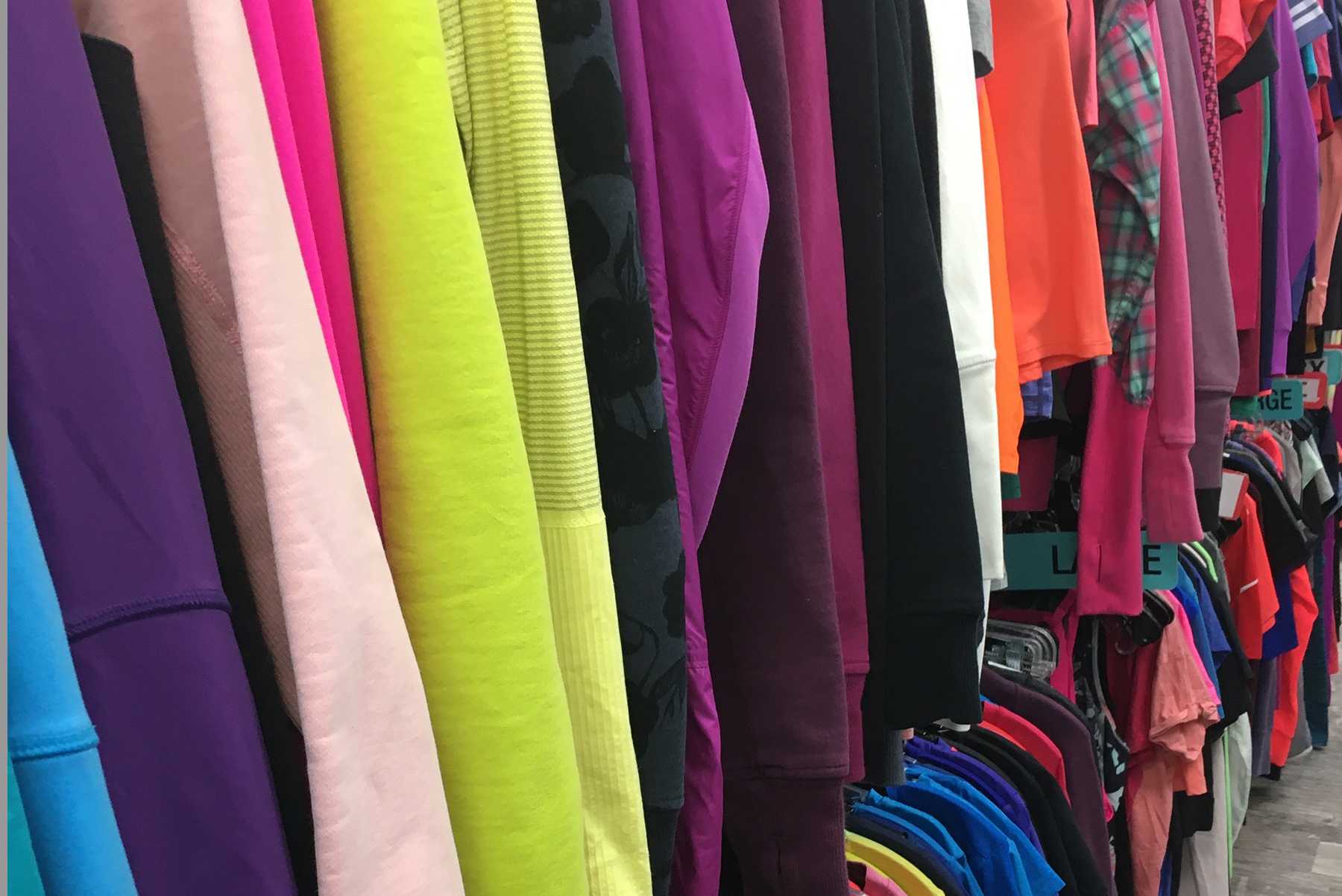
    The textile industry is infamous for being wasteful around the globe as clothing consumption grows at an astronomical rate. In fact, Fashion Takes Action, a non-profit organization working to advance sustainability in the fashion industry, reported that people are purchasing 60% more clothing than they did 20 years ago. Additionally, every year, over 100 billion garments are created around the world, which cause an overwhelming amount of waste in our landfills. This is largely due to an incredible consumer demand for fast and inexpensive fashion that are usually of very low quality. Unfortunately, this leads the average North American to contribute an average of 81 pounds of textiles to landfills every year. When clothing ends up in landfills, their synthetic fibers, similarly to plastic, do not biodegrade and release greenhouse gases while filling up valuable space in landfills. Unsurprisingly, this contributes negatively to climate change and the warming of our planet.  

    That being said, there are many actions we can take to repurpose our clothing and various textiles to ensure that they do not directly end up in landfills. Here are 5 ideas of things you can do to reduce your textile waste:  

    Donate your clothes 

    The most well-known way of reducing your clothing waste is to donate your clothing to organizations that will re-sell them in thrift stores or to various buyers interested in the material of certain textiles. Although many of us have heard of Goodwill, the Salvation Army and Value Village, there are other organizations to consider. For example, Recycling Rewards is a Canadian company that works to divert textile waste from landfills and partners with government associations, property managers and real estate companies to place donation bins around Ontario. They have a partnership with Talize Thrift Store, which is a National Thrift Retail Chain, who has agreed to purchase all the clothing collected by Recycling Rewards and its partners. We’ve reached out to Talize and they confirmed that whatever they cannot sell in their 11 thrift stores is “sent to companies for upholstery stuffing and rags, ensuring nothing ends up in landfills”. To be transparent, they also mentioned that they sell unsold clothing overseas but did not confirm where it ends up. By selling their textiles, they have raised over $400,000 for charities such as The Children’s Wish Foundation. If you’re interested in donating or to learn more about their work, visit their website by clicking here 

    Upcycle your clothing 

    UpcycleThat defines upcycling as “the act of something no longer in use and giving it a second life and new function”. It’s called ‘upcycling’ because the finished product is often more functional or beautiful than the original item. Transforming your clothing into something else can provide a nice feeling of accomplishment as you’re able to give your old garments a second chance. This is also a great opportunity to get creative, innovative and crafty as you brainstorm different ways to repurpose your clothes instead of disposing of them. You can upcycle old clothing into the following, which was inspired by Good On You, a sustainability blog: 

    • Makeup remover pads (from cotton shirts) 
    • Garment bags 
    • Reusable produce or shopping bags 
    • Pillowcases
    • Headbands (from stretchy material)
    • Reusable rags for cleaning 

    Repair (or have someone repair) your clothing 

    Whether your clothes have holes in them, have lost a button or are looking a little tired, there are many “do-it-yourself” (DIY) videos on the Internet that will help you repair your clothing. Sewing kits are (for the most part) pretty affordable and are perfect for restoring your clothes back to being good as new. If you’re looking to make larger repairs such as hemming to make your clothes fit more comfortably, you can invest in a sewing machine. Thankfully, the Ontario Textile Diversion Collaborative has created videos on how to repair various clothing articles such as replacing a drawstring, repairing a torn seam and patching a hole, to name a few. Click here to check them out! If DIY isn’t your thing, head over to your local dry cleaner and they’ll be happy to make repairs for you.  

    Resell your clothes to consignment stores

    Selling your clothes to consignment stores is a great way to earn some extra money and feel great about giving your previously loved clothing or accessories a second life! For the most part, these types of stores are (understandably) more selective about what they accept and will either pay you on the spot or pay you once a customer purchases your items. But that also means that the quality of their goods a considerably higher than a regular donations-based thrift store, as they tend to prefer trendy brand name clothing or accessories. While you sell your items, you can look around the store for gently used brand name clothing sold at a discount to reduce the demand for new fast fashion apparel. Some great stores to sell your clothes to in the Niagara region are:  

    Now that you know more about the impacts of improper disposal of textiles and what you can do to “recycle them, you can explore what method(s) work best for you. Enjoy donating, repairing, repurposing and selling your clothing!   

    Sources:  

    https://sharingdepot.ca/2018/06/worn-out-5-ways-to-mend-canadas-growing-textile-waste-crisis/ 

    https://otdc.co/ 

    http://textilewastediversion.com/how-to-donate/ 

    https://www.recyclingrewards.com/about 

    https://www.upcyclethat.com/about-upcycling/ 

    Categories: Clothing, Student Contributor, Sustainability, Sustainability at Brock, Uncategorised, Waste

  • Fair Trade Campus!

    Blog Contributor: Kaitlin James

    Did you know that Brock University is a Fair-Trade Campus? Brock became Canada’s sixth Fair Trade Campus in 2013 and is the second university in Ontario to be designated by Fairtrade Canada after Guelph.

    In fact, in 2015 Brock was named Fair Trade Campus of the Year.

    So, what is fair trade? Fair trade aims to create a relationship between producers and consumers that is mutually beneficial. It uses support from consumers to influence and drive business towards increased social and environmental sustainability.

    Dining Services at Brock is dedicated to building these relationships by providing fair trade products such as coffee, tea, dairy milk chocolate and Camino products in campus stores and vending machines. They also integrate sustainability into their daily operations by supporting local businesses; providing cage free eggs, buying locally, using recyclable and biodegradable packaging and provide biodegradable take-out containers.

    Every year starting at the end of May until the end of summer, Brock holds a weekly farmers’ market in Jubilee Court every Thursday. This provides students and staff with access to produce, farmers and bakeries, while supporting local vendors and economy.

    As you can see Brock provides various fair-trade products across campus!

    To find out more, check out the Brock website in the link below!

    https://brocku.ca/sustainability/initiatives/fair-trade/