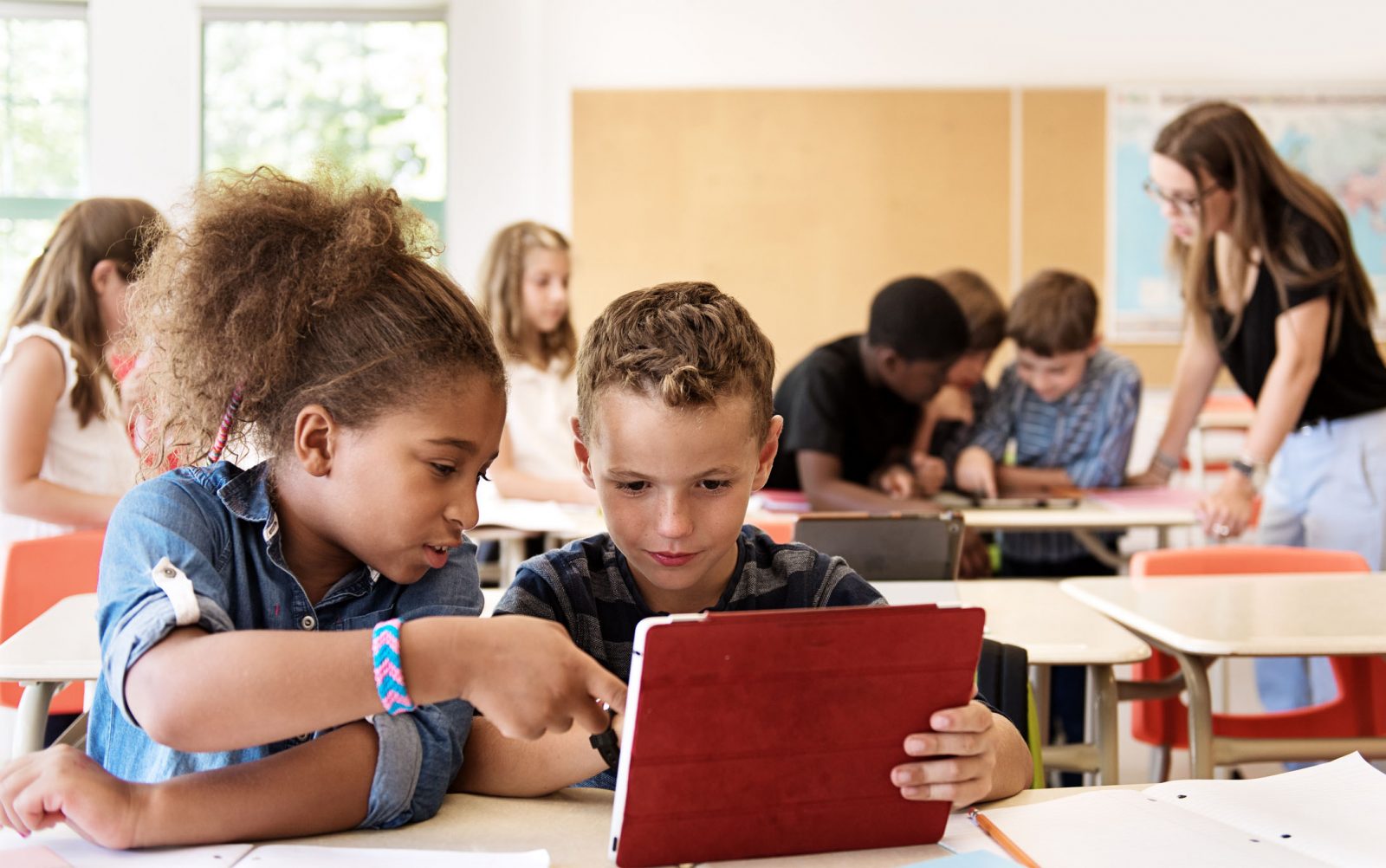
Louis Volante, Professor of Educational Studies at Brock University; Don Klinger, Deputy Vice-Chancellor of Education and Professor of Measurement, Assessment and Evaluation at Murdoch University; and Joe Barrett, Associate Professor of Educational Studies at Brock University, recently published a piece in The Conversation about the need for compulsory education systems to adopt more multifaceted understandings of educational excellence in the future.
MONDAY, JANUARY 06, 2025 | by The Brock News
This piece written by Louis Volante, Professor of Educational Studies at Brock University; Don Klinger, Deputy Vice-Chancellor of Education and Professor of Measurement, Assessment and Evaluation at Murdoch University; and Joe Barrett, Associate Professor of Educational Studies at Brock University, originally appeared in The Conversation.
In Roman mythology, Janus was the god of doors, gates and transitions. Able to see in two directions, Janus was associated with passages, beginnings and endings.
In January, the month named for him in the western calendar, it’s fitting to consider how, in many respects, compulsory education systems require new beginnings in terms of envisioning broader objectives for their student populations.
While students need to read, write and do arithmetic, the “back to basics” approach to promoting educational excellence, formulated hundreds of years ago by the Prussians, will no longer suffice.
Schools and societies have seen seismic technological, environmental, cultural and social changes. Kindergarten to Grade 12 systems must embrace a more multifaceted vision of educational excellence that includes the promotion of both cognitive and non-cognitive skills.
These “two faces” — cognitive and non-cognitive — helps prepare students for their futures, not our past.
Cognitive versus non-cognitive skills
Achievement in traditional subject areas like English and French, mathematics and science has long been recognized as important for students’ cognitive skills. Many parents, teachers and policymakers become concerned when provincial or national test results suggests deteriorating or stagnant performance in these curriculum areas.
Yet even the Organisation for Economic Co-operation and Development (OECD) is now quick to point out that cognitive achievement is necessary, but insufficient, for student success. The OECD, which runs the largest and most influential international test of reading, science, and mathematics — the Programme in International Student Assessment (PISA) — is also considering the value of other kinds of learning.
A recent working paper published by the OECD, Beyond Literacy: The Incremental Value of Non-Cognitive Skills, points out how a broad category of non-cognitive skills predict important life outcomes such as educational attainment, employment, earnings and self-reported health and life satisfaction.
Growth mindset
Non-cognitive skills, sometimes called “soft skills,” include attributes such as “growth mindset.” This refers to a general belief that success is based on hard work and dedication, and is less related to innate and fixed qualities.
A person with high-growth mindset would agree with the statement: “Math doesn’t come easy to me, but if I try hard, I will be successful.” Interestingly, countries that have relatively higher levels of growth mindset also tend to do better academically.
Emotional intelligence
Another frequently noted non-cognitive skill includes social-emotional learning or what is sometimes referred to as emotional intelligence. The latter allows students to self-regulate and ultimately become more resilient in the face of adversity and changing times.
Although there are various factors that shape a child’s emotional makeup, social-emotional learning can be developed in classrooms with the right supports.
Physical health and well-being
Finally, physical health and well-being is also a critical non-cognitive ability, one that is often overlooked in Canadian education systems.
As our research with colleagues suggests, provincial systems devoted relatively little policy attention to the development of physical health during the initial waves of the COVID-19 pandemic as well as during the recovery phase.
Admittedly, this disturbing trend existed well before the outbreak of COVID-19. In some respects, we are now facing an impeding epidemic of mental and physical health in our schools without the benefit of adequate interventions.
Ideals and practices
Each province in Canada is fully autonomous in developing and implementing education policies, as well as outlining the main purposes of education.
In Ontario, for example, the provincial Education Act says “the purpose of education is to provide students with the opportunity to realize their potential and develop into highly skilled, knowledgeable, caring citizens who contribute to their society.” Other provinces provide similar education guidance that underscores the importance of developing students’ knowledge, skills and attitudes.
What is clear from these various legislative mandates is that provinces have seemingly endorsed a holistic view of student development. Unfortunately, goal statements that align with holistic student development may look good on paper but are rarely realized in practice.
Teacher education programs, for example, vary significantly within and across Canadian provinces and American states, with limited attention devoted to mental health-related certification standards, including socioemotional learning.
Fragmented approaches
Provincial approaches to assessing non-cognitive skills are also fragmented, suggesting more innovative and integrated assessment systems are needed. It is hard to address a problem without the benefit of reliable and valid data sources.
Similarly, less than half of Canadian children meet daily physical activity requirements, despite mandatory policies in provinces such as Ontario, Alberta and British Columbia. Given the close association between child and adult obesity rates, lack of attention to physical activity will have lasting negative consequences.
Research also suggests no new mental health policy developments occurred in half of Canadian provinces in the aftermath of the pandemic. It appears provincial education systems have been lagging in targeted policy developments and implementation efforts related to non-cognitive skills.
Clearly, there is an urgent need to embrace, in concrete terms, the dualities of cognitive and non-cognitive skills within our schools. Sometimes being two-faced can be a good thing.



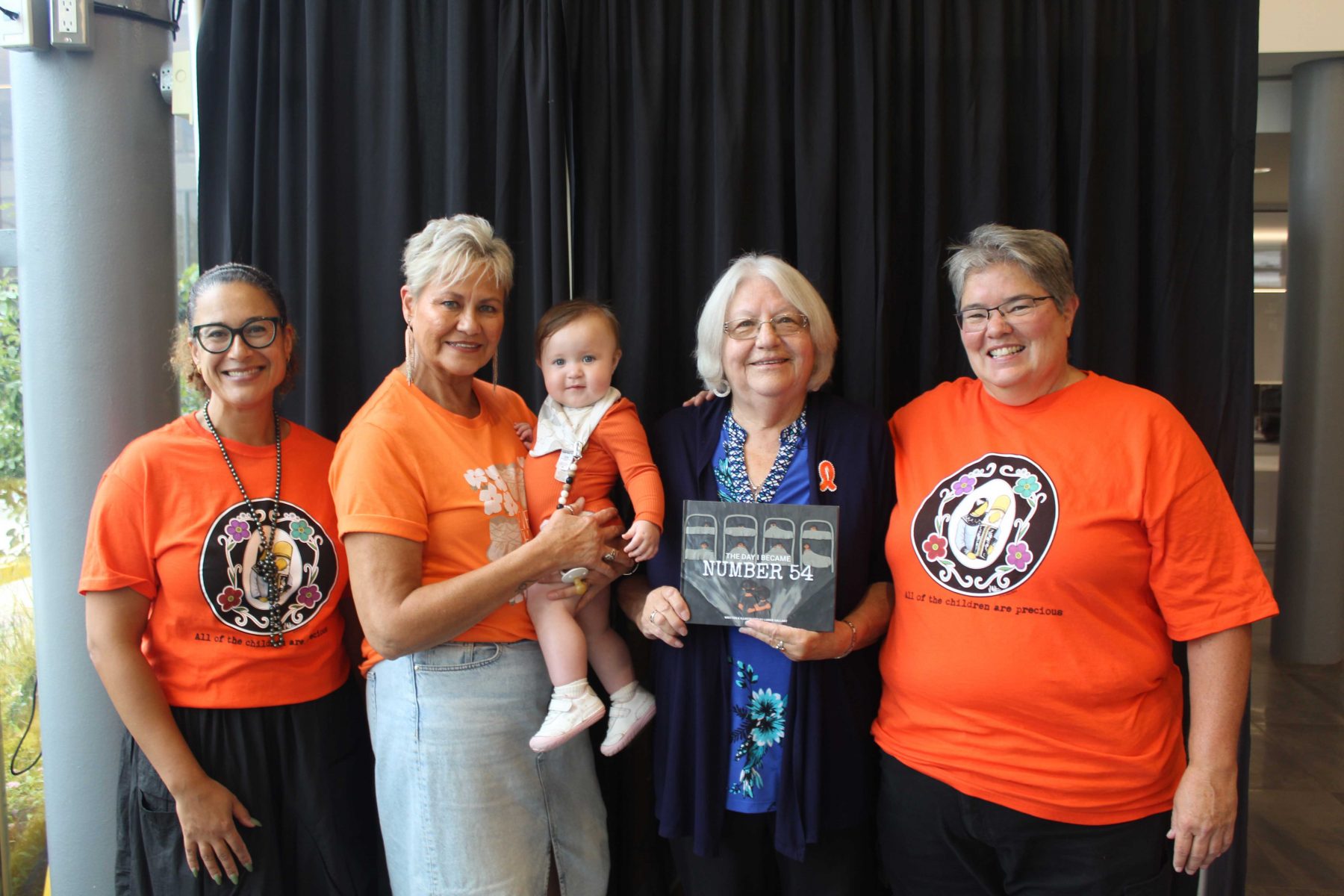

 This book focuses on the traumatic experiences within and through music that individuals and collectives face, while considering ways in which they (re)engage with their traumas in educational settings. The chapters delve into the physical, psychological, philosophical, sociological, and political aspects, as they relate to the reciprocal influences of trauma on musical practices and education. Readers are immersed in topics related to societal violence, physical injuries, grief, separation, loss, death, and ways of working through these in educational and artistic situations. In the introductory chapter, the co-editors draw attention to theoretical matters related to trauma through narrative inquiry in music education. The first section of the book, Separation Revisited, brings together notions of separation, focusing on how loss is emotionally and physically manifested when death, grief, and bodily injury are experienced. In the second section, (Re)Engaging with Lost and Found, readers are encouraged to imagine new possibilities considering trauma and loss in educational and musical spaces. These pieces offer deliberate ruminations moving the discourse toward (re)engagement in and through music education and artistic contexts. The co-editors conclude the book by drawing attention to narrative inquiry’s double-edged nature in stories of trauma and how the retelling of lost and found narratives offers a way to imagine lives otherwise—lives not smothered by grief and horror—through the conceivable reliving of unfathomable stories of experience. This book emerges from the 7th International Conference on Narrative Inquiry in Music Education (NIME7), October 2020, co-hosted by Brock University, Faculty of Education and the University of Toronto, Faculty of Music, Ontario, Canada.