Articles by author: gminaker

  • Science conference empowers future STEM leaders

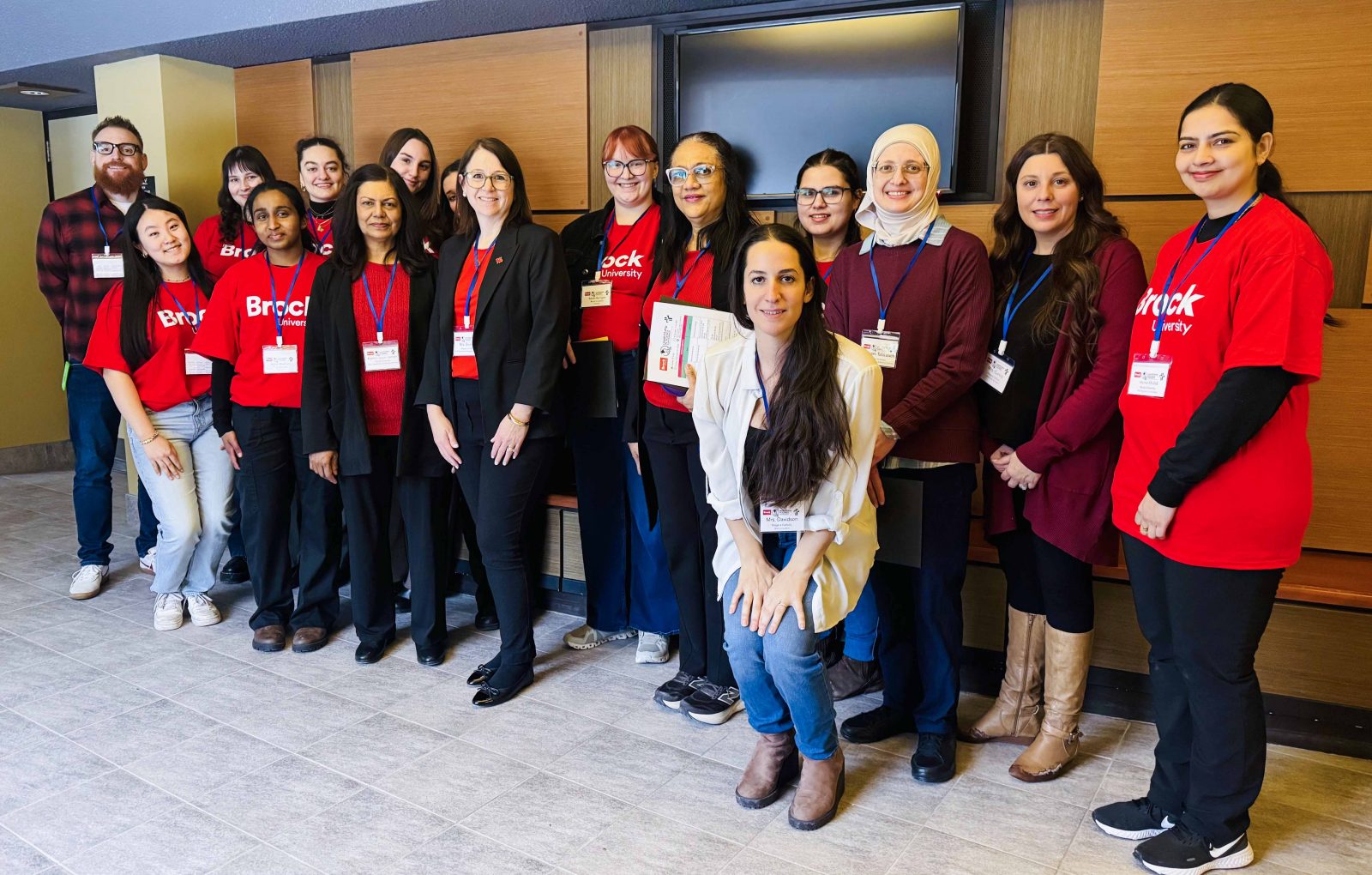
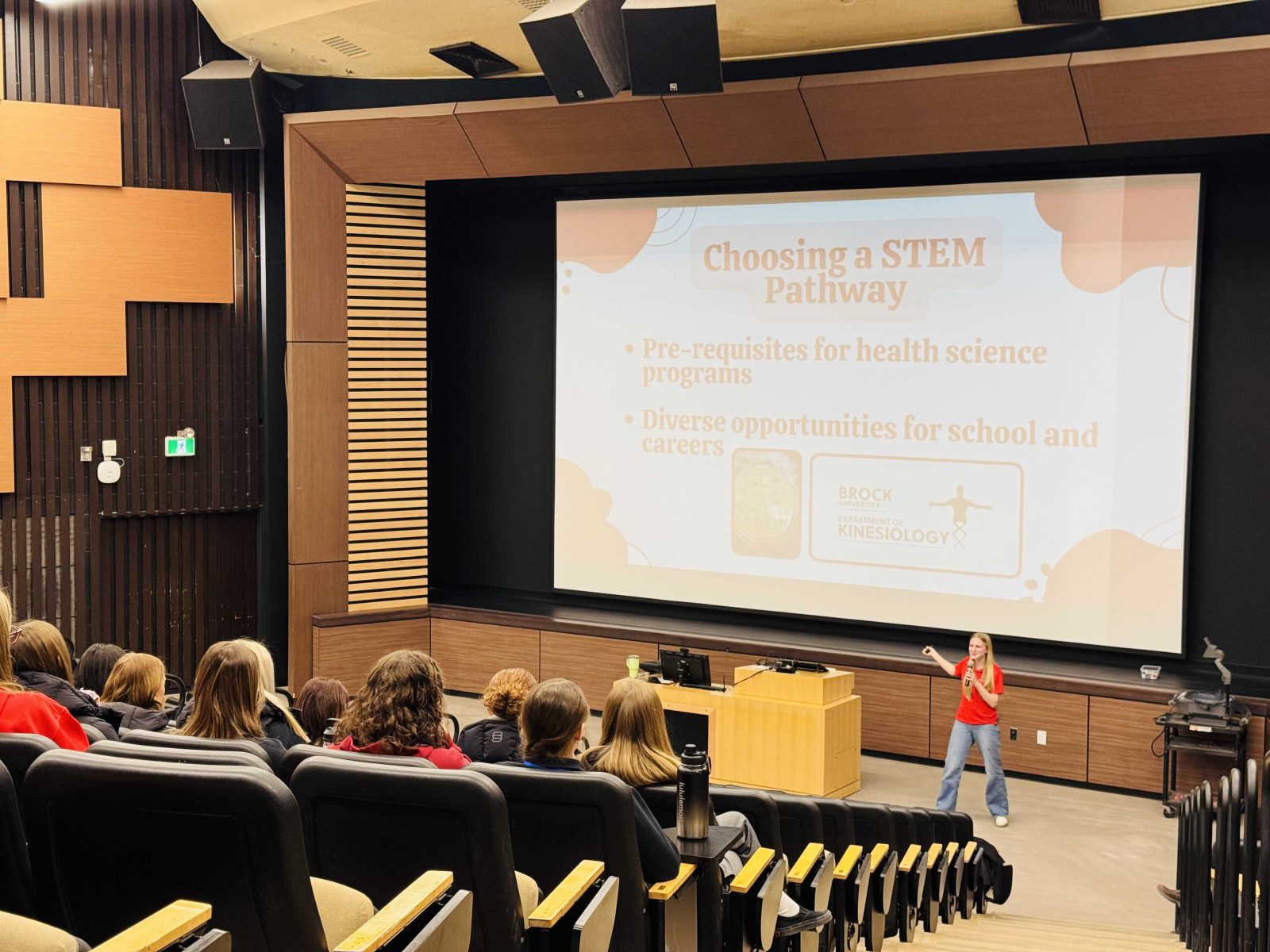
    She may only be in her second year at Brock, but Madison Bower is already helping to shape the next generation of women in science, technology, engineering and math (STEM).

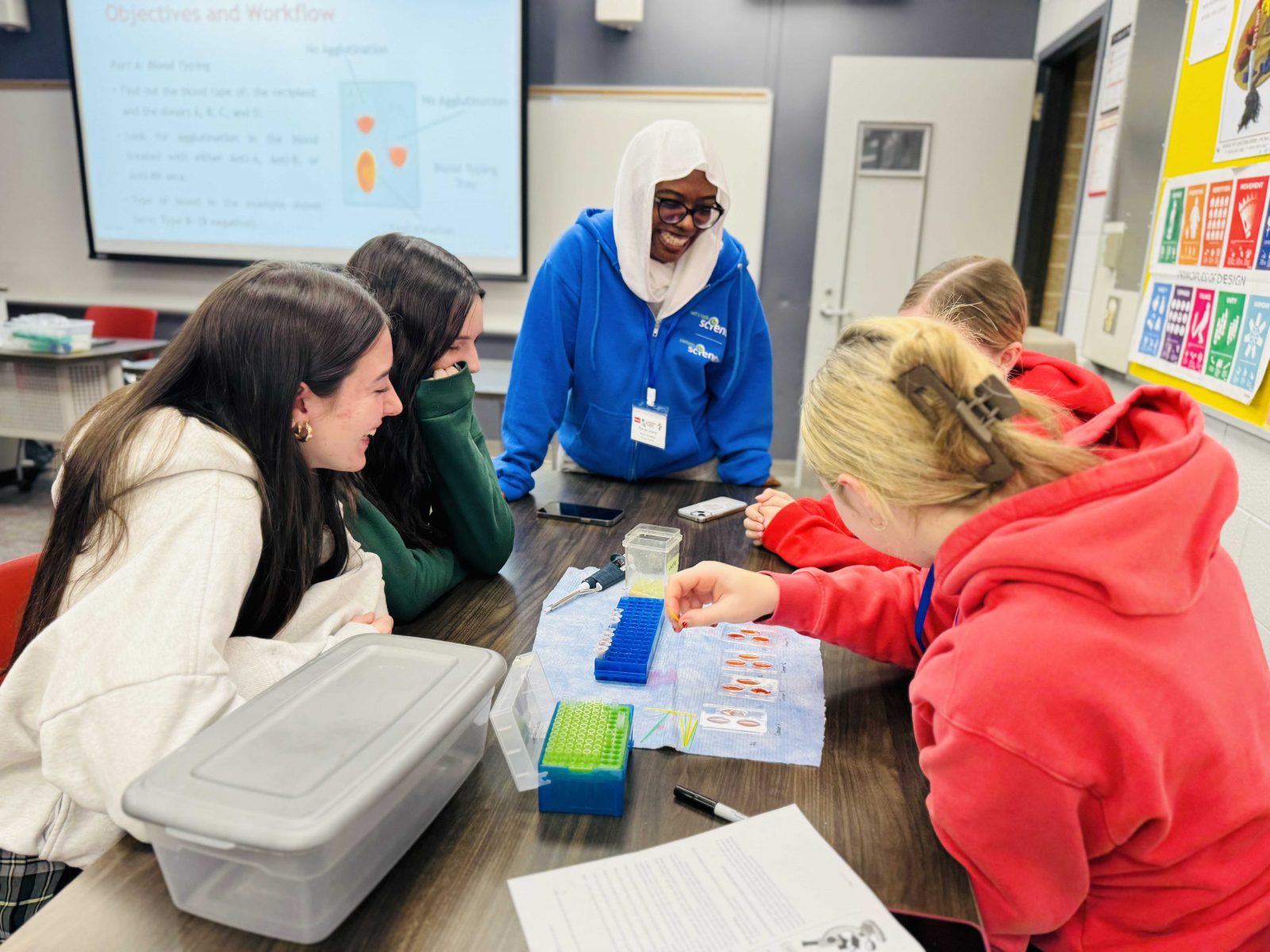
    Bower spoke to Niagara Catholic District School Board (Niagara Catholic) high school students, who visited Brock on Friday, Feb. 20 for the LeadHERship in Science Conference, about the value of forging an academic pathway in STEM.

    “Keep all your doors open so you can prepare for your future. It’s not always going to be easy, but I can guarantee you it’s going to be worth it,” she said.

    Once a Niagara Catholic student herself, Bower came to Brock to pursue her studies in Kinesiology in the Faculty of Applied Health Sciences and has never looked back. She is also in the Med Plus program, a launching pad for students aspiring to enter the health-care field.

    “Enrolling in the Med Plus program has introduced me to multiple health care career options and helped me think through what I want to pursue in my professional journey,” she said.

    A transformative University experience for Bower has been working as a Brock Sports Medicine Student Volunteer for the Men’s Soccer Team as a physiotherapist.

    “I’ve learned so much, especially in the Anatomy and Cadaver Lab,” she said.

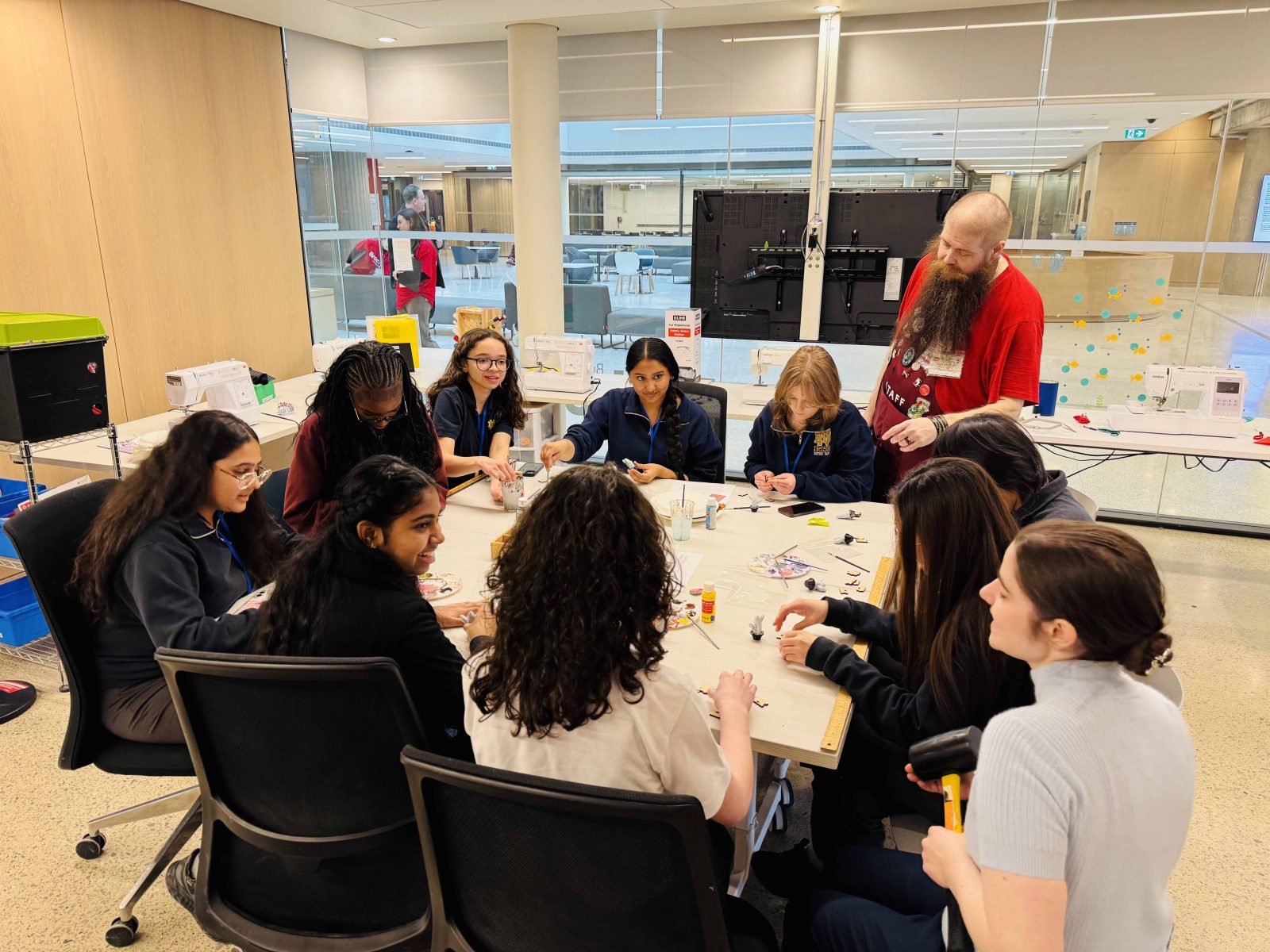
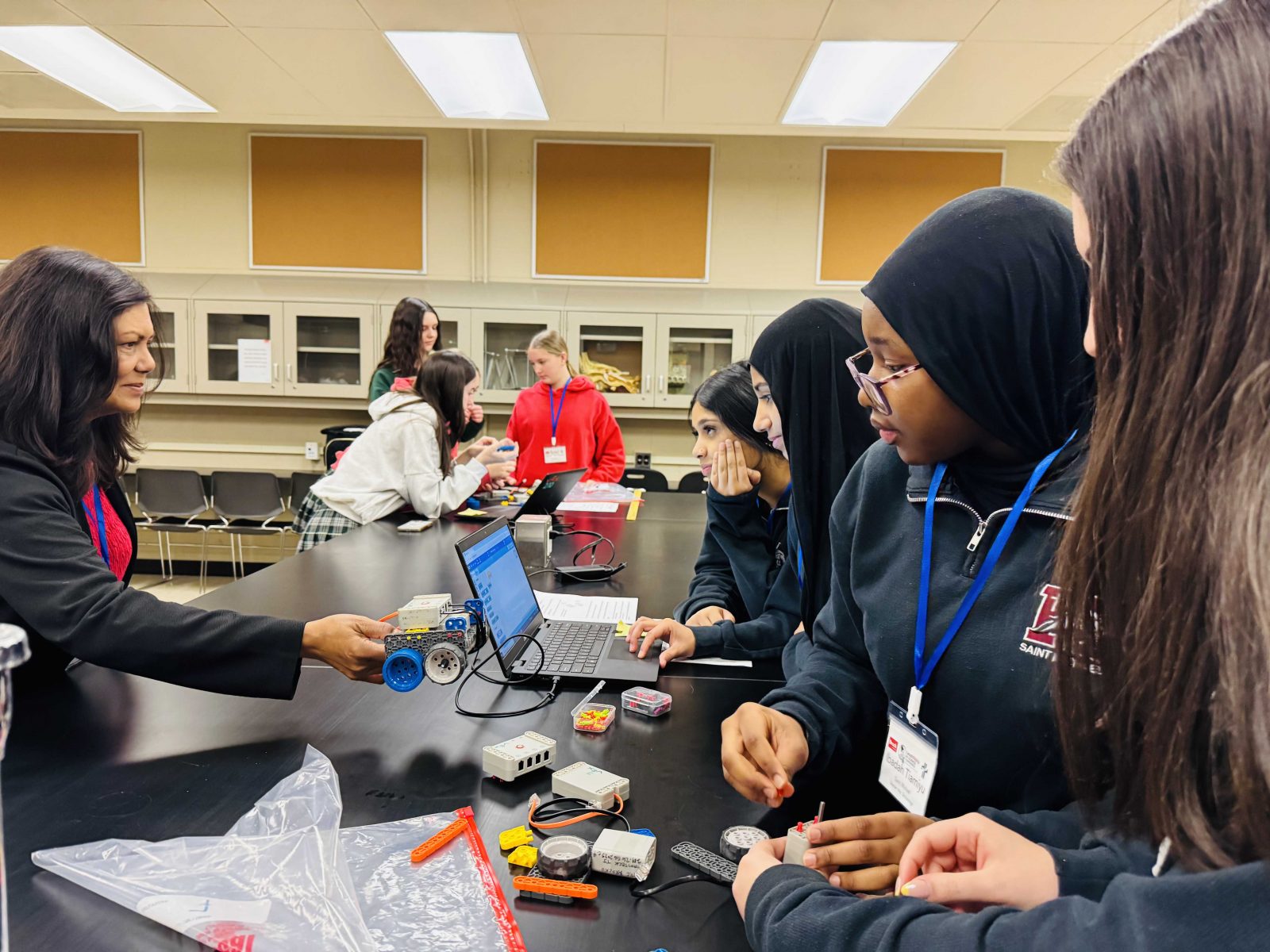
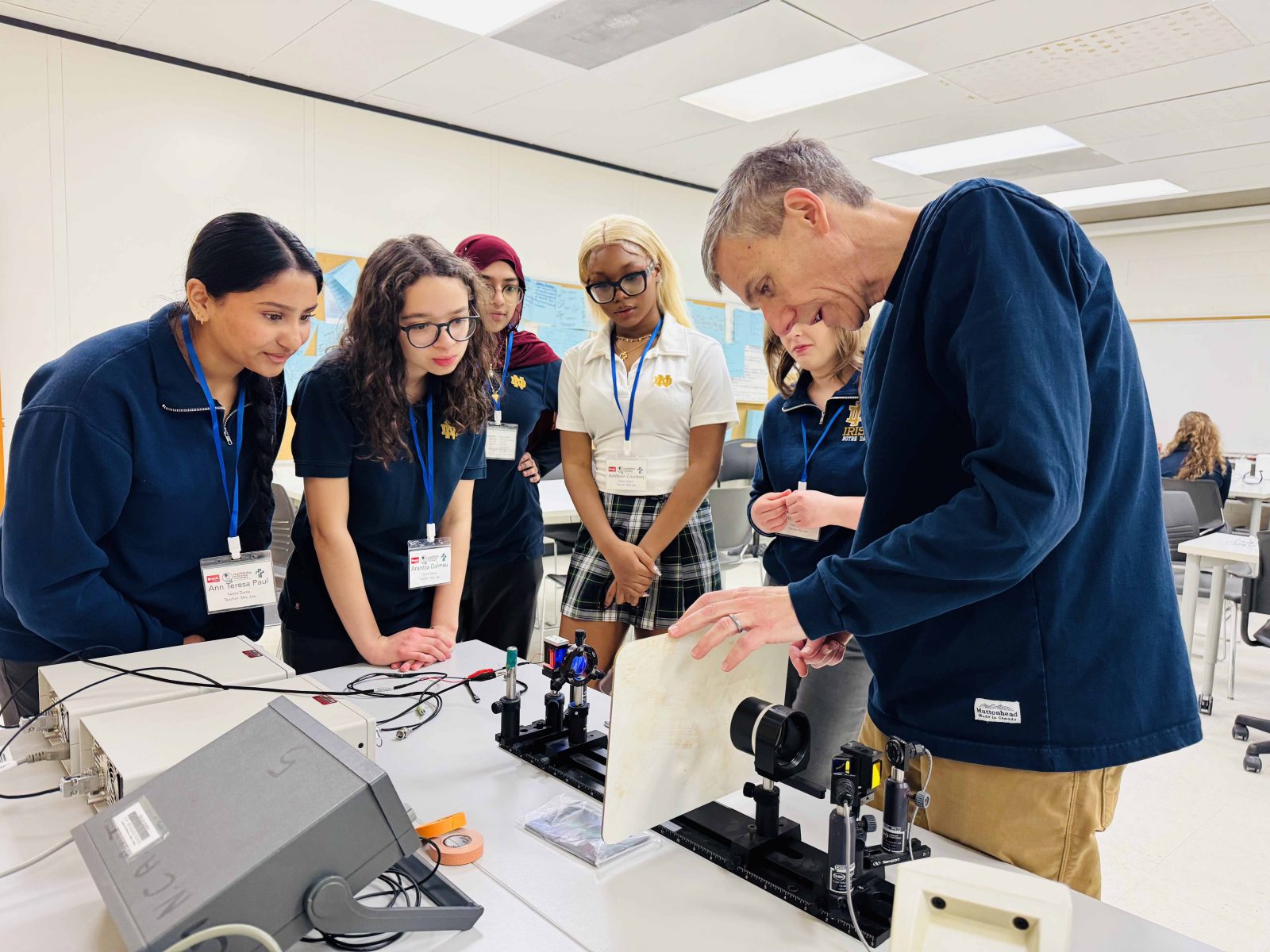
    Bower’s welcome to conference-attendees kicked off a day of dynamic workshops at the University. Organized by Brock’s Faculty of Education in partnership with Niagara Catholic, and supported by the Faculty of Science and Mathematics, the Brock University Library Makerspace and Student Recruitment, the day’s events featured experiential hands-on learning opportunities in biology, physics, robotics and 3D modelling.

    From dry ice demonstrations to learning about coding and powering robots, Professor and Department Chair of Educational Studies Kamini Jaipal-Jamani said it was inspiring to connect with so many young women interested in STEM.

    “It was an honour to host students and educators from Niagara Catholic and share a glimpse of what studying in science-related fields is like here at Brock,” she said.

    Jaipal-Jamani said while there is more work to do to increase participation of women and girls in science, events like LeadHERship in Science Conference can make a difference.

    “We hope that learning experiences that show how scientists and engineers solve real world problem will inspire confidence, spark passion and show young women that they belong in STEM — whether as scientists, engineers, researchers, or innovators,” she said. “Every student can pursue their passion for science with curiosity and courage.”

  • Distinguished Professor Louis Volante publishes Open Access book

    Dr. Louis Volante, Distinguished Professor of Educational Studies, is co-editor of a new open access publication entitled Risk, Resilience, and Recovery Across Global Education Systems – The Long Term Impact of Pandemic Reforms. This is Professor Volante’s eighth edited volume, and third publication with Routledge.

    About the book:

    This book provides a critical review of the long-term effectiveness of education and social protection policies enacted by G10 countries in response to the global pandemic. Book cover.

    The COVID-19 pandemic caused the most significant disruption to education systems since the devastation of World War II. Successive waves and variants of the coronavirus resulted in school closures and spurred a range of policy interventions across national education systems to combat both the cognitive (i.e., achievement in reading, mathematics, and science) and non-cognitive (socioemotional development, mental and physical health) impacts on student achievement and wellbeing. This book evaluated the long-term efficacy of such interventions, drawing on an analysis of a cross-section of nine industrialized countries: the United Kingdom, France, Germany, Italy, Sweden, Netherlands, Belgium, Canada, and Japan. It further offered cross-national insights for policymakers and discusses the critical importance of broader notions of academic resilience in a post-pandemic world. Ultimately, this volume helps identify national policies that have helped to buffer students from the long-term challenges associated with the aftermath of the pandemic.

    A timely and important text, it will be of interest to researchers and policymakers in education policy, pandemic response, impact evaluation, and student mental health.

    Source: Routledge Taylor & Francis Group.

  • Student-athletes celebrated for academic excellence

    Originally published on The Brock News | WEDNESDAY, JANUARY 14, 2026 

    Brock student-athletes are at the top of their game in the classroom.

    The Brock Badgers recognized 271 student-athletes for their 2024-25 academic achievements during the annual Celebration of Academic Excellence, presented by Nothers the Award Store, on Wednesday, Jan. 14.

    “The Celebration of Academic Excellence reflects the commitment, perseverance and discipline demonstrated by our student-athletes in both their academic pursuits and athletic performance,” said Associate Vice-President, Students Brad Clarke. “We are proud to recognize their outstanding scholastic accomplishments while underscoring Brock’s focus on supporting excellence in both the classroom and in sport.”

    Academic Excellence Award recipients —student-athletes with an average of at least 80 per cent in their program of study — were honoured with certificates and pins.

    Those who achieve honour roll status in subsequent years receive a distinct pin annually to mark their continued academic success throughout their Brock career. This year marks the first cohort of Badgers who have earned pins for four consecutive academic years as the pin program began after the 2021-22 season.

    “As we recognize the dedication and achievements of our student-athletes, it is especially rewarding to honour those who have earned this distinction four years in a row. This reflects years of consistent effort and commitment, and we are very proud of what they have accomplished,” said Executive Director, Brock Sports and Recreation Melissa Krist.

    In addition to being recognized by the University, 130 Badgers were named 2024-25 U SPORTS Academic All-Canadians after achieving an academic standing of 80 per cent or higher while competing in a sport sanctioned by U SPORTS.

    A full list of the 2024-25 Badgers Academic Excellence Award recipients can be view on GoBadgers.ca

    Categories: Events, News, Uncategorised

  • Learning Lab seeks mentors, tutors to support local youth

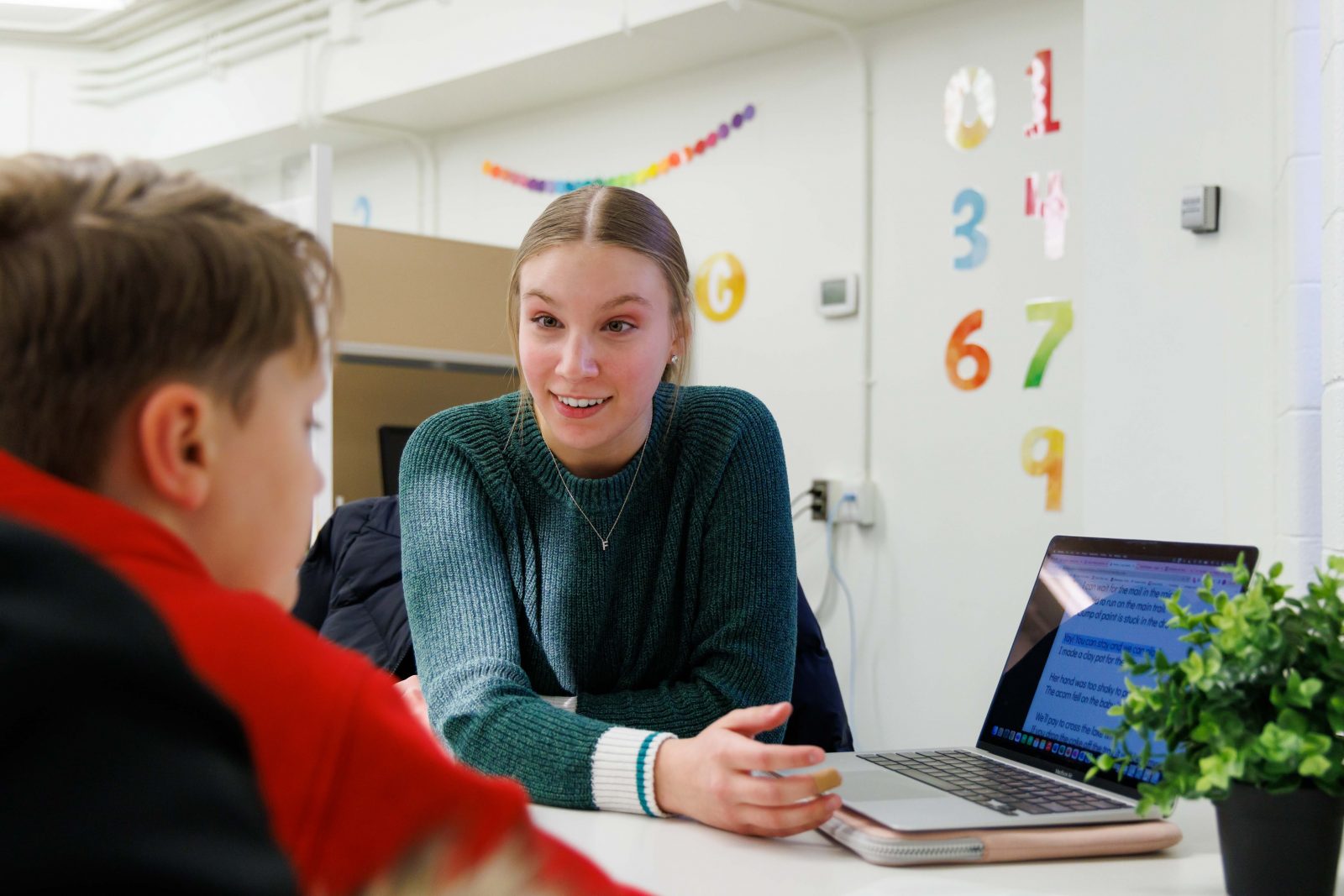
    Image caption: Sixth-year Concurrent Teacher Education student Fayth Kardas is a tutor and supervisor at the Brock Learning Lab, which offers affordable math and literacy tutoring for kindergarten to Grade 12 students in Niagara.

    For aspiring teacher Fayth Kardas, working with the Brock Learning Lab (BLL) as a tutor, and now supervisor, has been a transformative experience.

    Housed in Brock’s Faculty of Education and deeply rooted in community, the BLL offers affordable math and literacy tutoring for kindergarten to Grade 12 students in Niagara.

    Kardas, a sixth-year Concurrent Teacher Education student, has participated in a number of BLL opportunities available for students that have helped shaped her professional path.

    “I’ve added so much knowledge, information and learning into my ‘teacher toolbox,’ and I look forward to applying it all when I have my own classroom one day. I also feel that these experiences have better prepared me for my career in education because I understand who I want to be as a teacher and recognize the skills required to be successful,” Kardas said.

    Kardas was introduced to tutoring at the BLL through the third-year EDUC 3P45 – Reading and Literacy Development course. She found the course material particularly impactful, providing her with a chance to learn about all aspects of tutoring and essential elements associated with the literacy development of students.

    As a tutor at the BLL, Kardas put her learning into practice while creating lessons centred around the learning needs and interests of individual students.

    “I have had the opportunity to participate in various tutoring programs as a part of the Brock Learning Lab, and all were rewarding experiences. Tutoring with the Lab allowed me to understand my own teaching style and recognize ways that I can make learning fun and engaging for my students,” she said.

    For students looking to gain experience like Kardas, the Lab continues to offer paid, volunteer and course-based roles that allow participants to work with kindergarten to Grade 12 students in the local community.

    Brock students from all Faculties can intern with the BLL or volunteer as math and literacy tutors, meeting with clients in person or online for at least one hour per week from Monday, Jan. 26 to Thursday, April 2.

    Sessional Educational Studies Instructor Catherine Susin, Program Coordinator for the BLL and a previous tutor herself, said programming is designed so that tutors aren’t just teaching, they’re practicing the art of responsive instruction.

    “With structured training, ongoing supervisor support, and access to relevant resources, tutors grow alongside their students,” Susin said.

    The BLL is also hiring experienced tutors to work as literacy and math mentors in local schools from January to April. Mentors will work with individual students or small groups during the school day in elementary schools across Niagara. To learn more or apply for any of these roles, visit the Brock Learning Lab website. Applications for volunteer tutor and intern roles are due by Friday, Jan. 16.


  • Redefining environmental education for the next generation

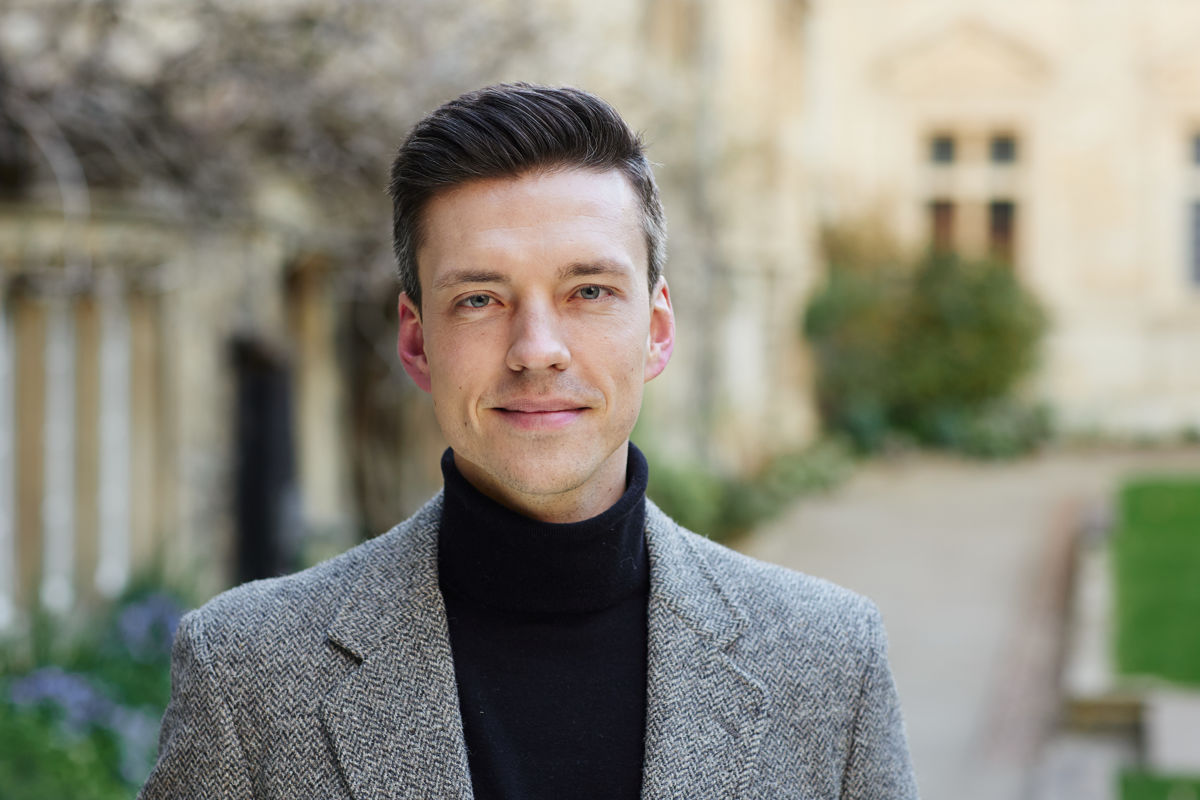
    For Travis Fuchs, building a sustainable future begins with teachers and the young students who will live out classroom lessons in their daily lives.

    Fuchs, who holds a Social Sciences and Humanities Research Council (SSHRC) Postdoctoral Fellowship at Brock funded by the Government of Canada, is making waves through impactful research exploring climate change education.

    The international researcher and University of Oxford Honorary Norham Fellow is exploring how justice-oriented environmental education can be advanced in kindergarten to Grade 12 classrooms around the world.

    Fuchs’s approach is grounded in his teaching experience, work in climate change litigation and sustainability, and graduate thesis research on environmental education.

    “What is the role of teachers in moving this critical work forward? How do educators, Indigenous leaders, students and community collectively push ahead to advance how climate change education is effectively delivered to the next generation?” he says.

    A man is shown from the shoulders up smiling against a blue background.

    Professor of Educational Studies Xavier Fazio, whose research broadly focuses on science and environmental sustainability education, teacher education and development and curricular innovation, is conducting research with Travis Fuchs to enhance environmental education.

    Working with Professor of Educational Studies Xavier Fazio at Brock, Fuchs is exploring the emotions of teachers relating to climate change.

    “Students feel very intense emotions about this topic, and teachers must not only contend with their own feelings and anxieties but also have a professional obligation to be able to support their students,” Fuchs says.

    Through their research, Fazio and Fuchs advocate that the emotions of teachers are an important dimension of the climate change conversation that needs to be heard.

    Fazio, whose research and teaching focuses on science education, environmental sustainability and curriculum innovation, says climate change education is naturally interdisciplinary.

    “To address environmental education at the roots, we must keep a wide perspective. This complex topic has implications in political and economic contexts and in natural and social sciences, to name just a few areas,” he says.

    Fazio says Fuchs’s interdisciplinary postdoctoral work, and focus on the emotions of teachers, is pushing the research narrative “beyond the classroom and into the community.”

    Fuchs’s work champions the idea that teachers play a vital role in creating social change and must be at the table for conversations to expand impact in environmental education.

    “I am thrilled to be working in the Faculty of Education where research and scholarship is rooted in practice. In schools, school systems and in teachers’ lives — that’s where we can have the most impact,” Fuchs says.

    “The Government of Canada is deeply committed to advancing environmental education in classrooms and in community. The work of Dr. Fuchs and Dr. Fazio is a shining example of what can be achieved when research and social responsibility unite, transforming how future generations view our world,” said Chris Bittle, Member of Parliament for St. Catharines.

    Fuchs and Fazio will share their research with the Brock and wider community at the launch of the second annual FOE Speaker Series on Tuesday, Nov. 18 from noon to 1:30 p.m. in PL 600 F and online.

    Their talk, “Reimagining Environmental Sustainability Education: Emotions, Pathways, and Partnerships,” will explore how addressing teacher emotions and understanding policy realities can enhance the effectiveness of environmental education in an era of climate urgency.

    The second instalment in the FOE Speaker Series is scheduled for Wednesday, Feb. 25 and will feature author and Professor of Educational Studies Nancy Taber, whose research explores how learning, gender and militarism intersect with daily life.

    The Brock community is encouraged to register through ExperienceBU. More information can be found on the FOE website.

  • Kindness is an ‘antidote’ for digital age disconnect, says Brock prof

    As World Kindness Day approaches on Thursday, Nov. 13, Sandra Bosacki is reminding people that being kind isn’t just a nice gesture; it’s a strategy for leading a happier, more fulfilled life.

    The Brock University Professor of Educational Studies says kindness is a strength, not a weakness, and that it provides emotional benefits, particularly among youth.

    Kindness can serve as an “antidote” to the increasingly disconnected, anxious and lonely state of youth today, especially in the digital age, says Bosacki, Director of Brock’s Theory of Mind in Education (ToME) Lab.

    ToME researchers explore how having a kind-oriented mindset can help people to treat others with compassion, feel more in control of their emotions and feel happier.

    Bosacki says there are many ways in which practicing voluntary behaviours that are considerate and mindful of others can help to benefit one’s mental health and can help people lead more satisfying lives.

    “Kindness can take many forms and does not need to cost anything,” she says. “It can mean being considerate and mindful of others by making another person’s day brighter by smiling or asking them how they are doing today; without being asked, helping out around the home with chores, helping a peer in school with their class work or in social situations.”

    Bosacki adds that adolescents who engage in acts of kindness and hold kind self-beliefs report high levels of emotional well-being, less anxiety, and feelings of loneliness and fear. They also report increased compassion for themselves and others as they mature.

    This is due in part to the complex way adolescents’ minds develop awareness of the world while processing their own mindsets and those of others.

    “Those who develop a kind mindset are more motivated to proactively help others and respect diversity in the future, demonstrating a deeper understanding of the shared human experience,” Bosacki says.

    Kindness, she adds, breeds kindness. It begins with individuals and grows to see schools and communities promoting a culture of compassion.

    “Kindness is contagious,” she says. “You can ‘catch’ it from your family and friends.”

    While it is important to celebrate World Kindness Day, Bosacki says people should practice kindness every day towards all living beings, the environment and the natural world.

    “Think of the ability to be kind and considerate and show care and compassion to yourself and others as a superpower and quick way to connect with others and nature around us,” she says. “We are all human and deserve to belong, be cared for and respected and be treated with compassion irrespective of gender identity, culture and abilities.

    “Be kind and compassionate to all, and together, we can create a culture that encourages today’s youth to be the ‘Kind Generation.’”

  • GALLERY: Brock delegates build bridges in India

    Brock hosted its inaugural Indian Market Agent Appreciation Event during a recent visit to the country by Provost and Vice-President, Academic Arja Vainio-Mattila was joined by Mary-Louise Vanderlee, Dean of the Faculty of Education, and Alisha Koumphol, Manager of International Recruitment and External Operations. From left are Trueman Laisram, International Recruitment Officer based in India; Koumphol, Vainio-Mattila, Vanderlee; and Pawandeep Singh, Relationship Manager based in India

    WEDNESDAY, FEBRUARY 12, 2025 | by

    A Brock delegation recently made a visit to India to build the University’s relationships with local institutions and recruitment consultants.

    Arja Vainio-Mattila, Provost and Vice-President, Academic, travelled with Mary-Louise Vanderlee, Dean of the Faculty of Education, and Alisha Koumphol, Manager of International Recruitment and External Operations. The group was joined in India by International Recruitment Officer Trueman Laisram and Relationship Manager  Pawandeep Singh, who are both based in the country.

    The trip — which took place from Jan. 10 to 18 — was the first time Vainio-Mattila has represented Brock internationally since she joined the University last summer.

    “Being able to connect with international peers and stakeholders was invaluable as we explore potential strategic partnerships and expand Brock’s global reputation,” she said. “I was deeply impressed by the efforts of my Brock colleagues to develop positive, productive relationships that will strengthen the University’s impact in India.”

    As well as several recruitment consultants, the delegates met with Chandigarh University, Chitkara University, Amity University, Lovely Professional University and the Shastri Indo-Canadian Institute, which has more than 150 member organizations from India, Canada and other countries.

    “Trips like this allow the University, and its Faculties, to explore a range of potential research, recruitment and education partnerships that would help us bring the world to Brock and Brock to the world,” said Vanderlee.

    The trip also included Brock’s inaugural Indian Market Agent Appreciation Event, which recognized the dedication and contributions of the University’s recruitment agents in the country.

    To view the full gallery, please visit The Brock News.

  • Re-Storying Education: Decolonizing your practice with a critical lens

    Book talk with Speaker, Author and Indigenous academic Carolyn Roberts

    Tuesday, Feb. 25, 2025 at 4:30 p.m., RFP 214/215


    Re-Storying education focuses on integrating Indigenous narratives and perspectives into the curriculum of our current education system. By dismantling old narratives and using story to create new narratives, this approach emphasizes the importance of using a critical lens, truth telling, and stories as methods for teaching and learning.  By recognizing the value of Indigenous knowledge and teacher practice in how we can reimagine education, Carolyn aims to create a more inclusive and culturally relevant curriculum that honours Indigenous people, histories and knowledges.

    Carolyn Roberts uses her voice to support Indigenous resurgence through education. She is a St’at’imc and Sto:lo woman belonging to the Thevarge family from N’quatqua Nation and the Kelly Family from the Tzeachten Nation and under the Indian act she is a member of the Squamish Nation.

    Free event, please register through ExperienceBU.
    Presented by Indigenous Educational Studies, Faculty of Education.

  • Lecture series to spotlight research, innovation in education

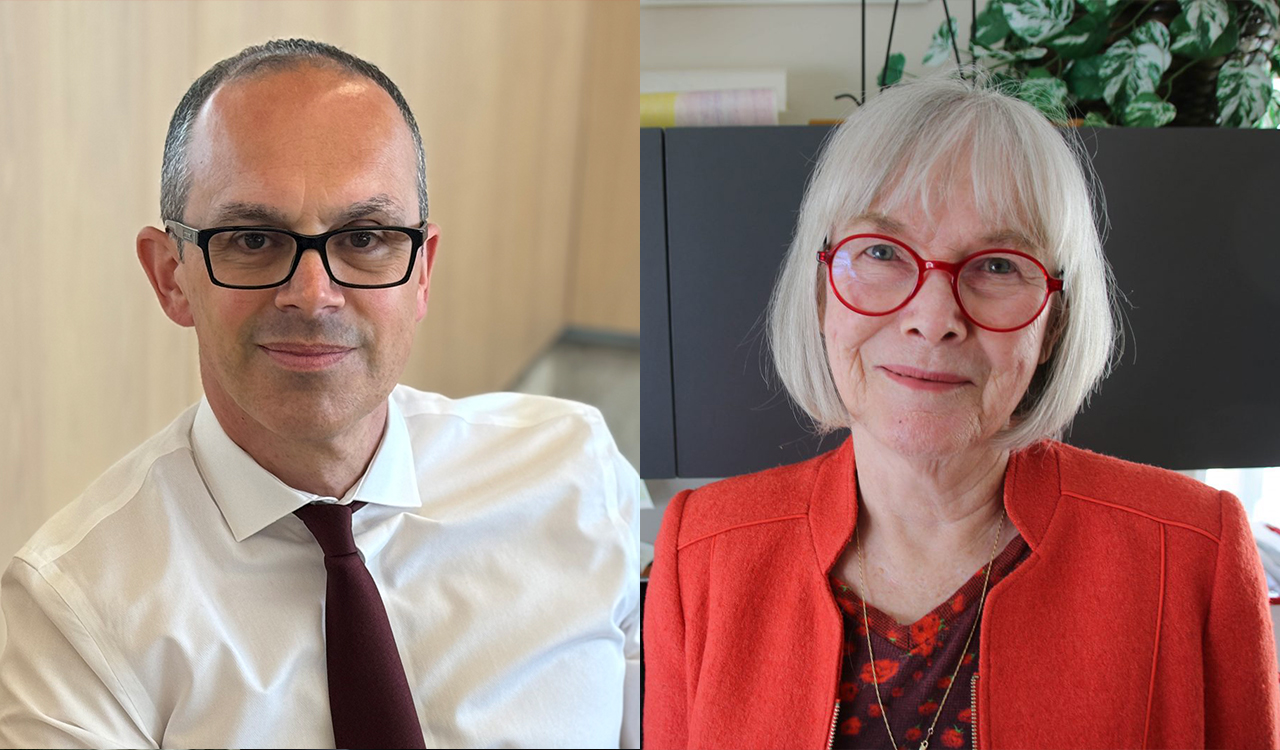
    Distinguished Professors of Educational Studies Louis Volante (left) and Susan Drake will speak at the first lecture in a new research-focused speaker series showcasing research and innovation in the Faculty of Education.

    Researchers from Brock’s Faculty of Education will shed light on critical issues facing the global educational landscape during a public lecture series celebrating the University’s 60th anniversary.

    The in-person lectures will share key insights on the advancement of digital technology in classrooms, understanding Indigenous research methodologies and themes of equity, diversity and inclusion (EDI).

    Kicking off the series on Wednesday, Feb. 12 are Distinguished Professors of Educational Studies Susan Drake and Louis Volante.

    Drake, who has extensively explored curriculum design and assessment, will discuss the positive role education can play in helping to solve troubling global issues through the lens of transdisciplinary problem solving in classrooms.

    Volante, whose interdisciplinary scholarship focuses on the global governance of education, will discuss findings from a recent statistical analysis of the impact of the COVID-19 pandemic learning outcomes, and consider implications for education policy and large-scale reform.

    On Thursday, March 6, Assistant Professor Mohammed Estaiteyeh and Associate Professor Leanne Taylor, who both hold Brock’s Chancellor’s Chairs for Teaching Excellence, will weigh in on technology and EDI, respectively.

    Estaiteyeh will explore technology in relation to current trends, challenges and opportunities and highlight strategies for equipping educators with the mindset and skills needed to navigate the digital classroom of the future.

    Taylor will share her current research which focuses on key EDI themes and challenges within teacher education during an era marked by complex societal shifts and increasing resistance to equity initiatives.

    During the final talk on Wednesday, March 26, faculty members in Brock’s Indigenous Educational Studies programs will share insight on Indigenous research methodologies.

    Professor and Director of Indigenous Educational Studies Sheila Cote-Meek and Assistant Professors of Indigenous Educational Studies Jeannie Martin and Sherri Vansickle will discuss the cultural practices and traditional teachings embedded in two distinct regalia: the Ribbon Skirt and the Gustowah Haudenosaunee Men’s Headdress.

    All research talks are free and open to the public. The Brock community is encouraged to register through ExperienceBU. More information can be found on the FOE speaker series web page.


    Categories: Events, News, Uncategorised

  • OPINION: Louis Volante, Don Klinger and Joe Barrett discuss the future of education

    Louis Volante, Professor of Educational Studies at Brock University; Don Klinger, Deputy Vice-Chancellor of Education and Professor of Measurement, Assessment and Evaluation at Murdoch University; and Joe Barrett, Associate Professor of Educational Studies at Brock University, recently published a piece in The Conversation about the need for compulsory education systems to adopt more multifaceted understandings of educational excellence in the future.

    MONDAY, JANUARY 06, 2025 | by

    This piece written by Louis Volante, Professor of Educational Studies at Brock University; Don Klinger, Deputy Vice-Chancellor of Education and Professor of Measurement, Assessment and Evaluation at Murdoch University; and Joe Barrett, Associate Professor of Educational Studies at Brock University, originally appeared in The Conversation.

    In Roman mythology, Janus was the god of doors, gates and transitions. Able to see in two directions, Janus was associated with passages, beginnings and endings.

    In January, the month named for him in the western calendar, it’s fitting to consider how, in many respects, compulsory education systems require new beginnings in terms of envisioning broader objectives for their student populations.

    While students need to read, write and do arithmetic, the “back to basics” approach to promoting educational excellence, formulated hundreds of years ago by the Prussians, will no longer suffice.

    Schools and societies have seen seismic technological, environmental, cultural and social changes. Kindergarten to Grade 12 systems must embrace a more multifaceted vision of educational excellence that includes the promotion of both cognitive and non-cognitive skills.

    These “two faces” — cognitive and non-cognitive — helps prepare students for their futures, not our past.

    Cognitive versus non-cognitive skills

    Achievement in traditional subject areas like English and French, mathematics and science has long been recognized as important for students’ cognitive skills. Many parents, teachers and policymakers become concerned when provincial or national test results suggests deteriorating or stagnant performance in these curriculum areas.

    Yet even the Organisation for Economic Co-operation and Development (OECD) is now quick to point out that cognitive achievement is necessary, but insufficient, for student success. The OECD, which runs the largest and most influential international test of reading, science, and mathematics — the Programme in International Student Assessment (PISA) — is also considering the value of other kinds of learning.

    A recent working paper published by the OECD, Beyond Literacy: The Incremental Value of Non-Cognitive Skills, points out how a broad category of non-cognitive skills predict important life outcomes such as educational attainment, employment, earnings and self-reported health and life satisfaction.

    Growth mindset

    Non-cognitive skills, sometimes called “soft skills,” include attributes such as “growth mindset.” This refers to a general belief that success is based on hard work and dedication, and is less related to innate and fixed qualities.

    A person with high-growth mindset would agree with the statement: “Math doesn’t come easy to me, but if I try hard, I will be successful.” Interestingly, countries that have relatively higher levels of growth mindset also tend to do better academically.

    Emotional intelligence

    Another frequently noted non-cognitive skill includes social-emotional learning or what is sometimes referred to as emotional intelligence. The latter allows students to self-regulate and ultimately become more resilient in the face of adversity and changing times.

    Although there are various factors that shape a child’s emotional makeup, social-emotional learning can be developed in classrooms with the right supports.

    Physical health and well-being

    Finally, physical health and well-being is also a critical non-cognitive ability, one that is often overlooked in Canadian education systems.

    As our research with colleagues suggests, provincial systems devoted relatively little policy attention to the development of physical health during the initial waves of the COVID-19 pandemic as well as during the recovery phase.

    Admittedly, this disturbing trend existed well before the outbreak of COVID-19. In some respects, we are now facing an impeding epidemic of mental and physical health in our schools without the benefit of adequate interventions.

    Ideals and practices

    Each province in Canada is fully autonomous in developing and implementing education policies, as well as outlining the main purposes of education.

    In Ontario, for example, the provincial Education Act says “the purpose of education is to provide students with the opportunity to realize their potential and develop into highly skilled, knowledgeable, caring citizens who contribute to their society.” Other provinces provide similar education guidance that underscores the importance of developing students’ knowledge, skills and attitudes.

    What is clear from these various legislative mandates is that provinces have seemingly endorsed a holistic view of student development. Unfortunately, goal statements that align with holistic student development may look good on paper but are rarely realized in practice.

    Teacher education programs, for example, vary significantly within and across Canadian provinces and American states, with limited attention devoted to mental health-related certification standards, including socioemotional learning.

    Fragmented approaches

    Provincial approaches to assessing non-cognitive skills are also fragmented, suggesting more innovative and integrated assessment systems are needed. It is hard to address a problem without the benefit of reliable and valid data sources.

    Similarly, less than half of Canadian children meet daily physical activity requirements, despite mandatory policies in provinces such as Ontario, Alberta and British Columbia. Given the close association between child and adult obesity rates, lack of attention to physical activity will have lasting negative consequences.

    Research also suggests no new mental health policy developments occurred in half of Canadian provinces in the aftermath of the pandemic. It appears provincial education systems have been lagging in targeted policy developments and implementation efforts related to non-cognitive skills.

    Clearly, there is an urgent need to embrace, in concrete terms, the dualities of cognitive and non-cognitive skills within our schools. Sometimes being two-faced can be a good thing.