Project Title:
Promoting an Integrative Landscape Approach in Vineyards for Greater Resilience in the Face of Climatic and Environmental Changes
The Organic Science Clusters are industry-led research and development endeavours co-managed by the OFC and OACC. OSC4 is supported by the AgriScience Program under AAFC’s Sustainable Canadian Agricultural Partnership and over 80 funding partners.
Lead researcher: Liette Vasseur, Brock University
Activity 8 Research Team: Alonso (Zavafer) Zavaleta Fernandez de Cordova, Brock University; Joel Kits, AAFC – Ottawa RDC; Jim Willwerth, Brock University; Sudarsana Poojari, Brock University
Research objectives:
- Identify, select and assess the use of native cover crop species as effective cover to control weeds and attract beneficials.
- Evaluate the performance (growth, herbivory, berry composition, physiology) of grape vines and influence of their architecture when exposed to native cover crop species
- Determine the influence of cover crops on soil health (including nutrients, soil moisture, organic matter, and carbon)
- Identify and assess the plant and insect biodiversity of perimeters and potential influence on the vineyards
- Identify and select plant species that may bring greater benefits in terms of pest control, carbon storage, and resilience to environmental variability
- Determine the effectiveness of different types and colors of sticky traps in contributing to the control of pests
- Assess the costs and benefits of practices being tested in this project, including the potential advantage of perimeter plantings with trees
Events and Updates
Wine, Native Plants & the Science Behind the Sip: Feet on Farms Tour
On July 27th, Dr. Liette Vasseur and members of her research team were thrilled to be a part of an event organized with the Organic Council of Ontario at Southbrook Vineyards in Niagara-on-the-Lake. Attendees were offered a guided tour by Len Van Hoffen, the vineyard manager, and Liette presented the innovative research which explores the use of native plants in pest management. As I reflect on my role as a knowledge mobilizer for the project, I am struck by the fact that this field visit highlights the importance of sharing research findings with a wider audience through various means. In essence, knowledge mobilization is about bridging the gap between research and practice, ensuring that research findings are not just accessible to all but also used to create positive change for the greater good in the world. In Dr. Vasseur’s case, we are moving research from her laboratory into the hands of people and organizations who can put it to practical use. As I participated in this event I was aware of the diversity of people gathered and curious about their circumstances and how they planned to utilize this new knowledge. Much to my delight, I found the participants more than willing to share their thoughts on what they perceived as ‘key takeaways’ and ‘food for thought’.
I would like to start with Bill Redelmeirer, the owner of Southbrook Vineyards, who expressed to me his hopes for hosting the event was to grow the organic community. Redelmeirer states that “organic producers can feel as if they are on their own, with no support” and in his eyes the event was a success as it created a network of supporters. Next, I would like to turn to a couple who attended the event in the hopes of learning more about Liette’s research on native plants and integrated pest control. These attendees told me that they learned practical ways to manage pests in their quest to develop a thriving organic garden in their backyard. Along these same lines, I interviewed an individual who is in the process of transitioning from using chemicals on their family farm with hopes of developing it into an organic agriculture operation. I also spoke to a representative of the Organic Council of Ontario who also shared valuable information with attendees and remarked on the importance of industry partners demonstrating the way that we can change our approach to vineyard management. These are only a few examples of the rich interactions and activities that promoted the awareness of native plants as there were numerous stories that individuals shared with me on how they intended to use the information that they received.
During this event I took numerous pictures but if I had to select one photo to share, it would be the one below where we all sat down and continued the conversation over food and wine. To my mind, this photo exemplifies the engagement of all attendees (researchers, farmers, industry partners, concerned citizens). I believe that these informal gatherings create a space where new ideas coming from different sources can lead to the development of innovative strategies for practical application and future research. I had the privilege of getting to know some of our ‘knowledge users’ by attending this event. These are people who will use this research on native plants and pest management to make informed decisions and take action related to their own contexts while helping to spread the word on a much larger scale. It was a joy to witness the value and impact of Liette’s research- this delightful gathering paired with a glass of organic Chardonnay was knowledge mobilization in motion!
Dr. Vasseur will present the research being conducted by her team at Brock University, exploring the use of native plants in pest management, at an upcoming event at Southbrook Vineyards.
When: Sunday, August 16
Time: 2:00PM
Where: Southbrook Vineyards; 581 Niagara Stone Rd, Niagara-on-the-Lake, ON
About the event:
Join us for an unforgettable afternoon at Southbrook Vineyards, Canada’s first winery to be certified organic, biodynamic, and regenerative organic. This exclusive event will offer a guided vineyard tour led by Len, the Vineyard Manager, and Dr. Liette Vasseur showcasing the unique practices behind their world-class organic and biodynamic wines. The tour will also dive into the innovative research conducted by Dr. Vasseur and her team at Brock University which explores the use of native plants in pest management.
The tour begins at 2:00 PM and includes three engaging stops, highlighting Southbrook’s Chardonnay, Syrah, and Cabernet Sauvignon plantings (with tastings at each stop). The length of the tour will vary depending on the level of participant engagement, offering plenty of opportunity to ask questions and explore the land.
After the tour, enjoy a social—a chance to mingle with researchers, farmers, and food system advocates over wine and good conversation. We will also have an info table to talk about all things organic!
Space is extremely limited, so grab your ticket today to reserve your spot. You must be of legal drinking age (19+) to participate. Non-alcoholic beverages will be made available.
Additional Resources
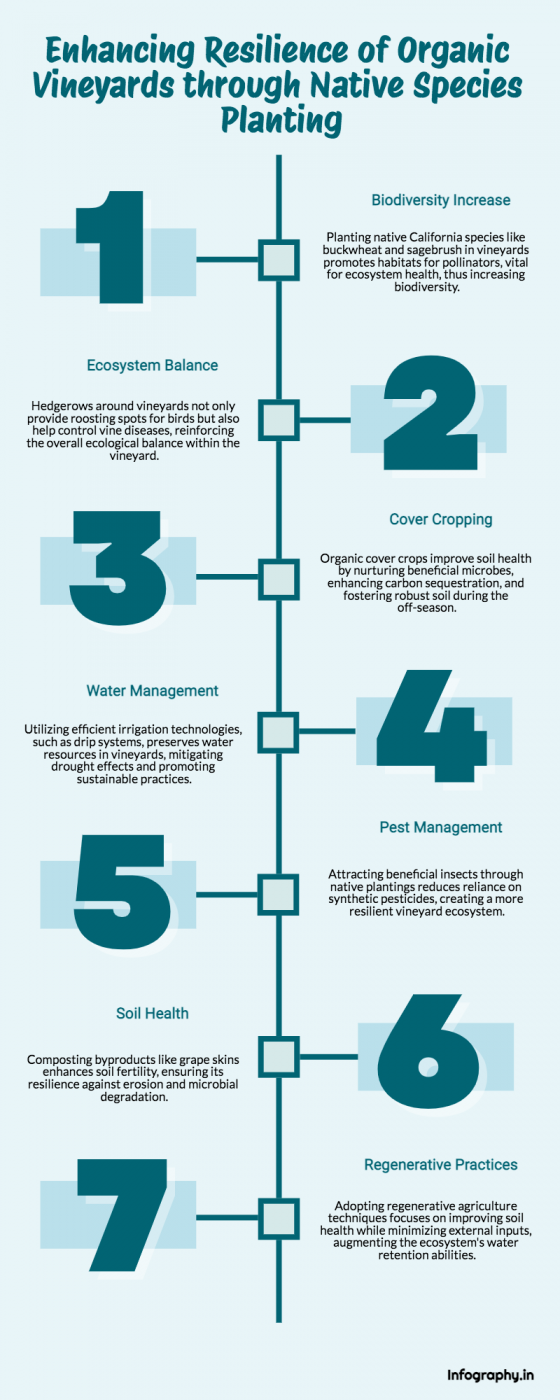
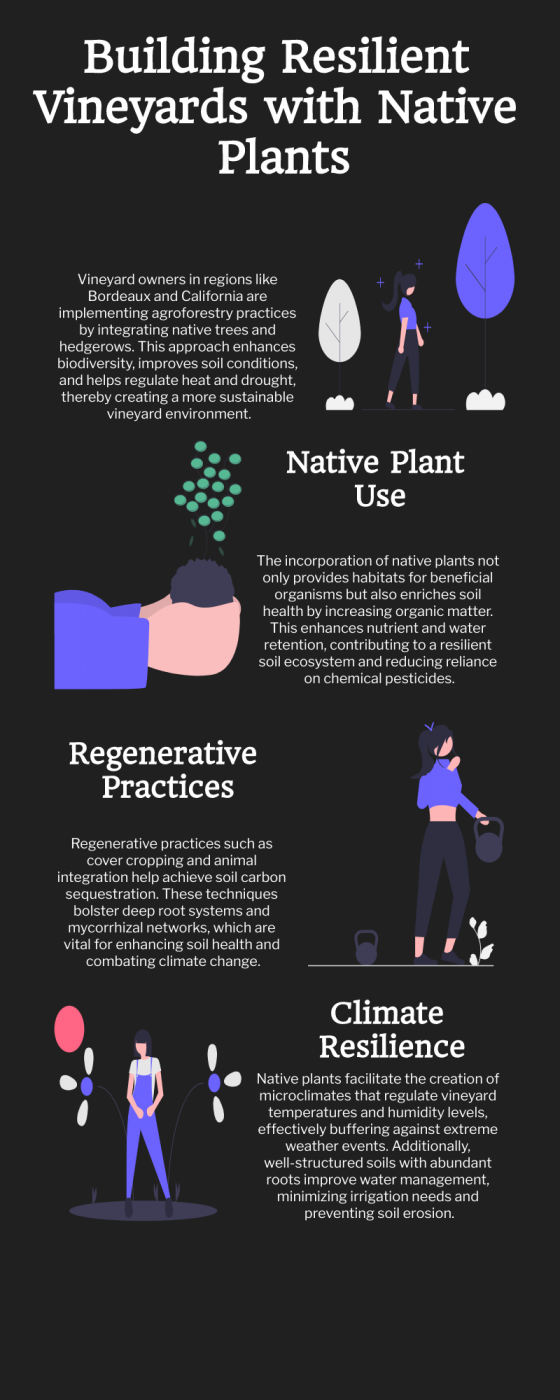
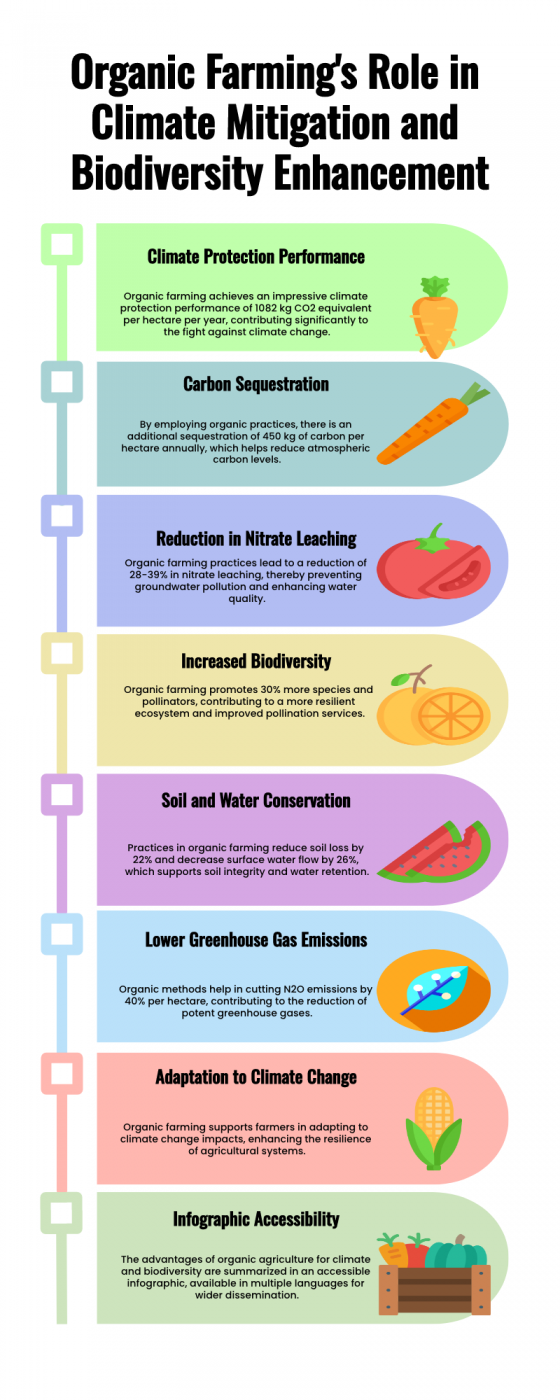
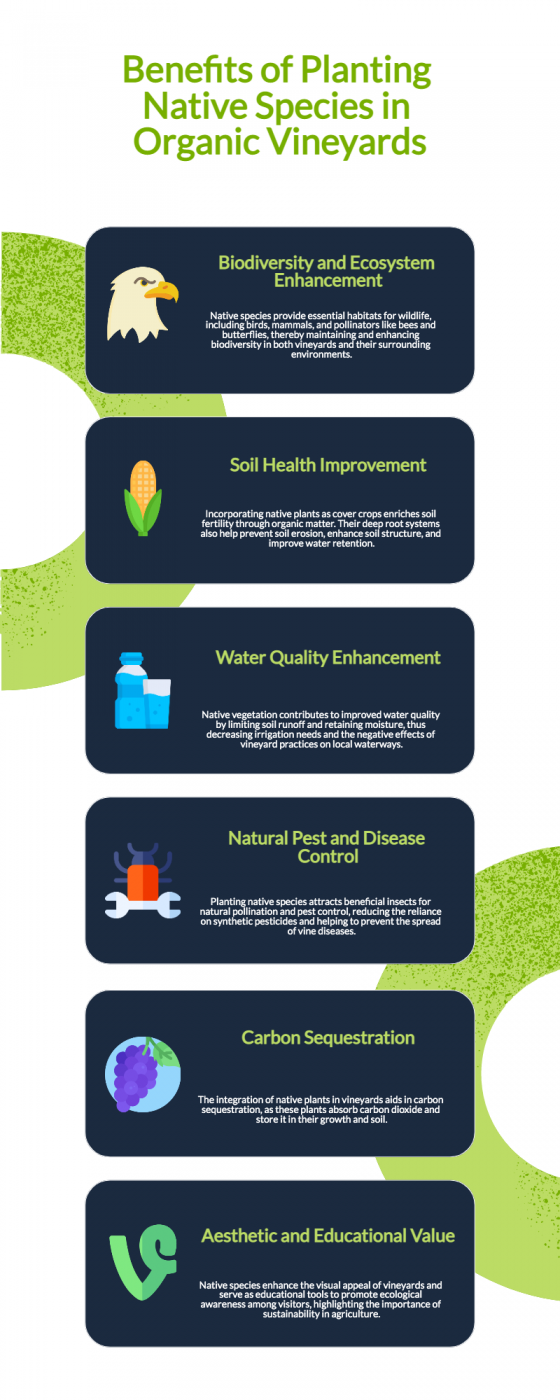
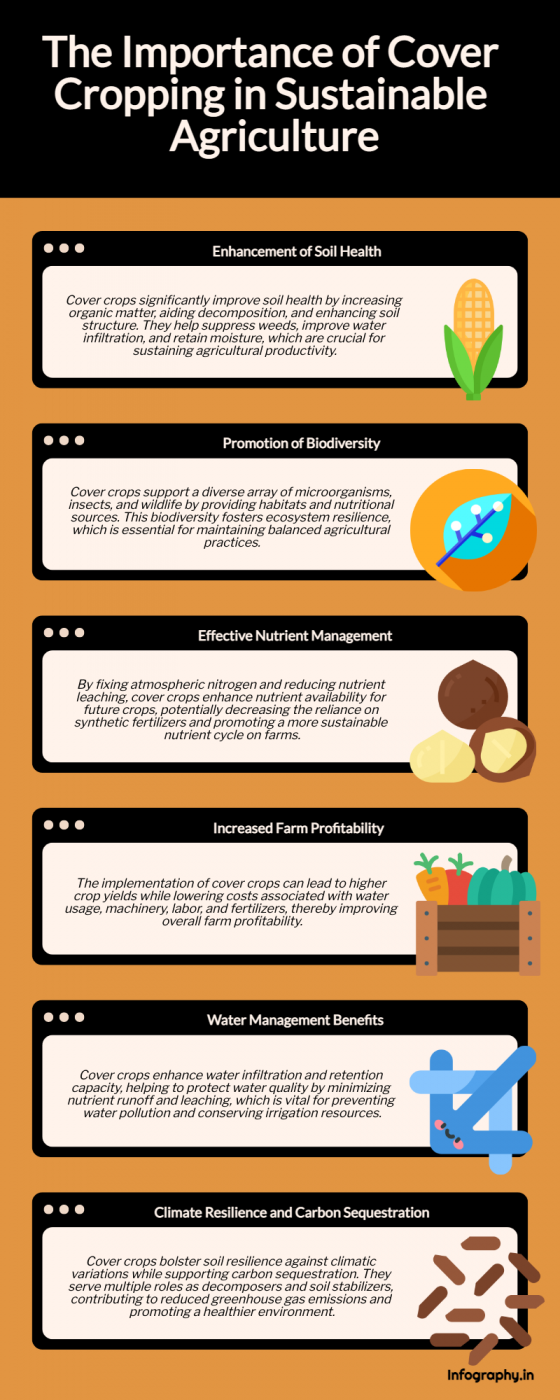
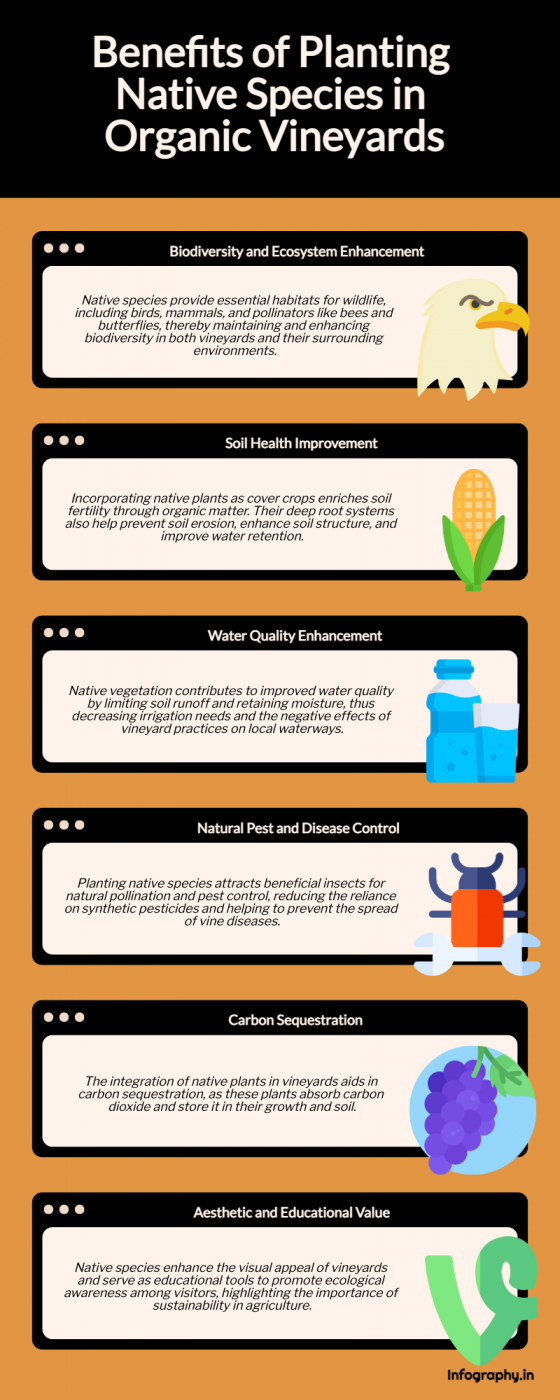
Graphics created and provided courtesy of Kim Duffin.
research feature
The Student Powerhouse Behind Organic Science Cluster 4
Kimberley Duffin is a PhD student at Brock University working on Promoting an Integrative Landscape Approach in Vineyards for Greater Resilience in the Face of Climatic and Environmental Changes.
“I would like to extend my gratitude to all of the research partners who made it possible for me to gain this invaluable experience. As a graduate student I learned about transdisciplinary research and how it has the potential to discover new solutions and deeper understandings of issues by reaching across traditional disciplinary boundaries and integrating the knowledge, expertise, ideas, and perspectives of key academic and non-academic stakeholders. Participation in this research put this transdisciplinary concept into real life practice for me. Working with Dr. Liette Vasseur allowed me to witness her working collaboratively with fellow scientists, farmers, vineyard owners and other stakeholders.”
Kim has also been honing her knowledge translation and transfer skills; she has created a number of infographics designed for different target audiences (see links on OSC4 research activity page under Progress).
PARTNERS AND FUNDERS

Recent Comments