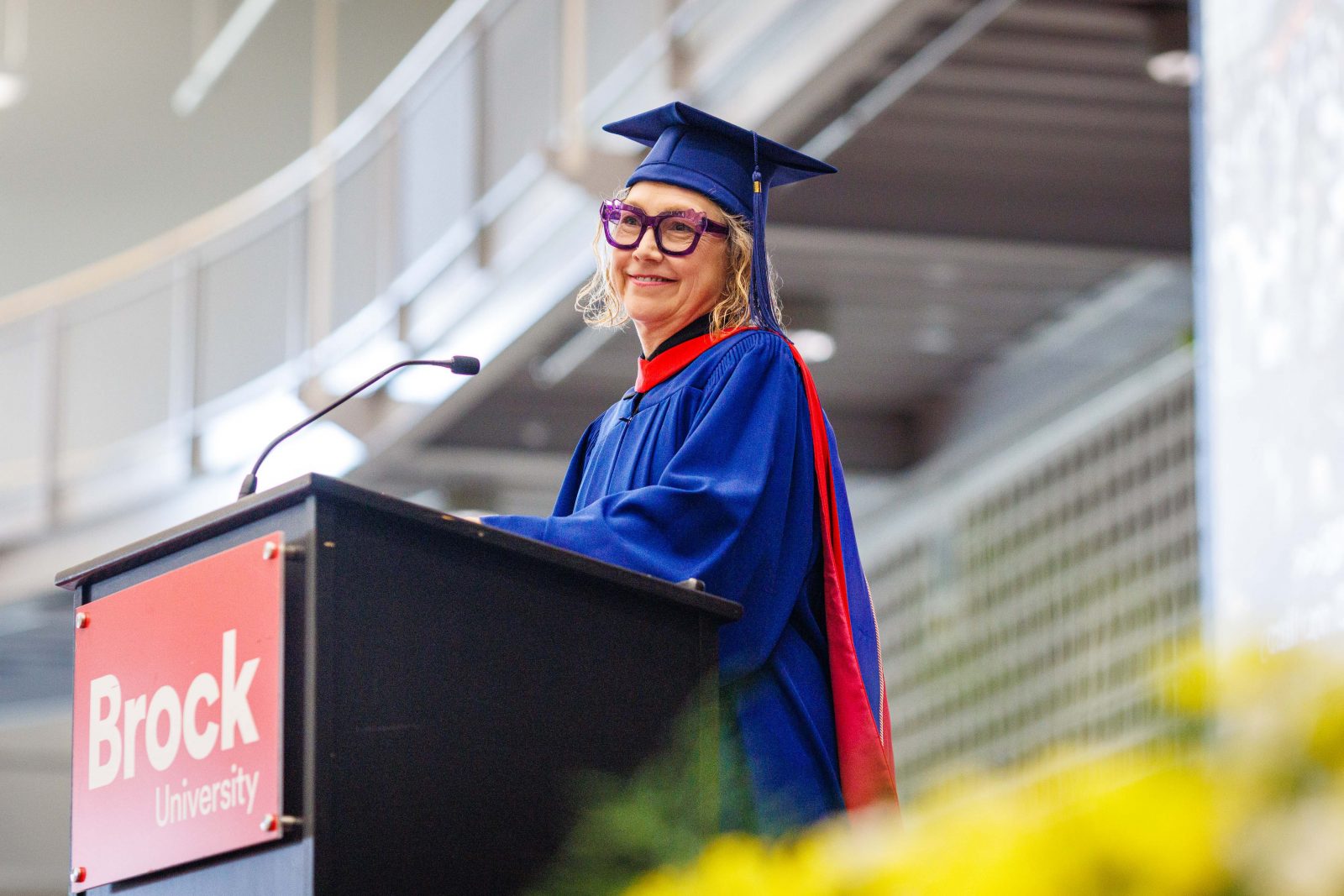
Faculty & Instructors

  • Spring course offers a fresh look at an image-driven world

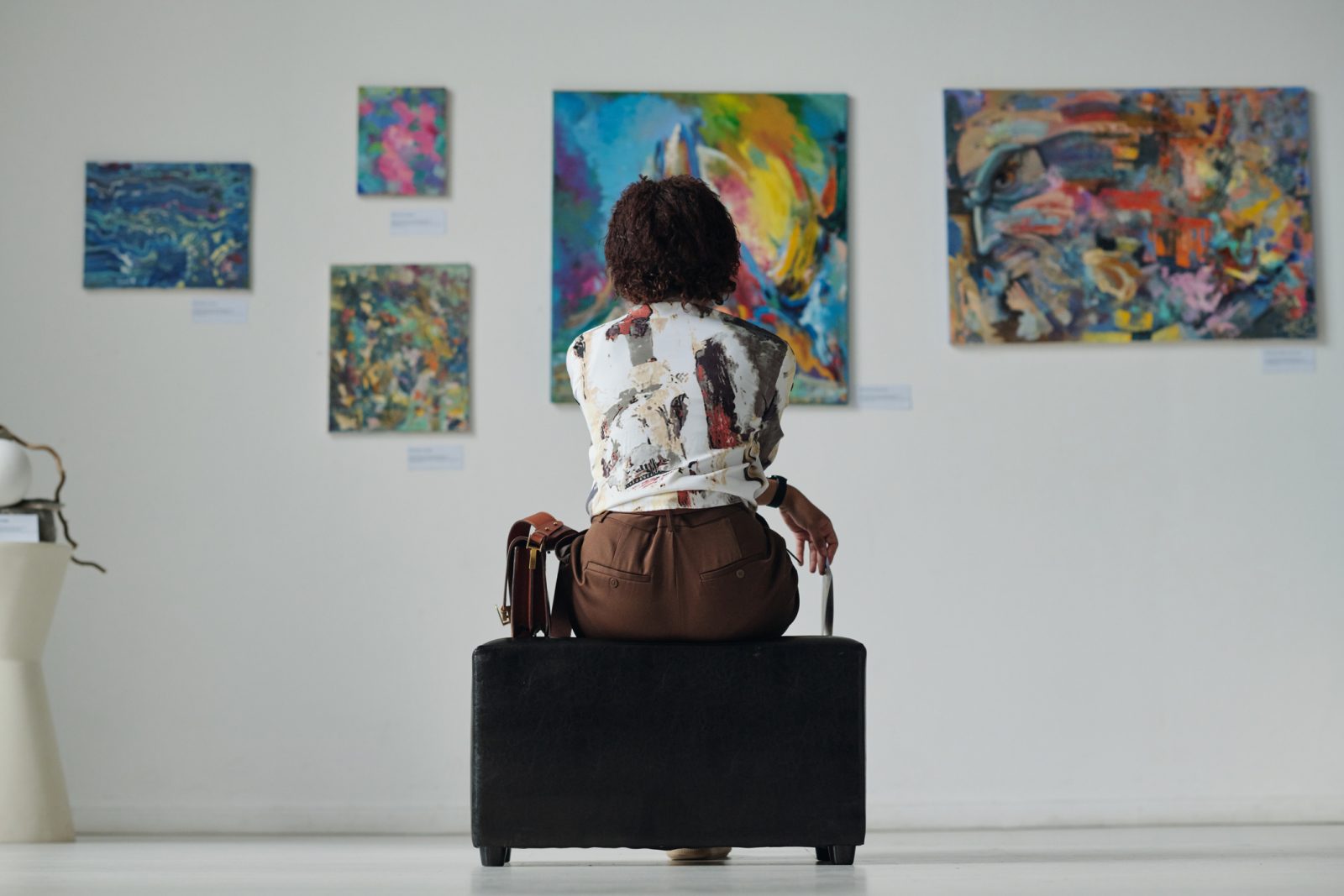
    Image caption: The Department of Visual Arts is inviting students to engage with the history of culture through Spring course HAVC 1Q99: Contemporary Issues in the History of Western Art.

    Wednesday, April 01, 2026 | by 

    Brock students can broaden their perspectives on art and its impact on society this spring.

    Welcoming students from all academic backgrounds and disciplines, HAVC 1Q99: Contemporary Issues in the History of Western Art explores different ways of looking at the visual past and present from prehistory through the early 20th century. The course is offered online and no art experience is required.

    Instead of approaching art history chronologically, the course explores themes and issues in the history of European and North American art and connects them to today’s world.

    “Students will learn the important skills of visual analysis. These skills are more important than ever as we navigate a world populated with images designed to manipulate us through deep fakes, propaganda and influencer videos,” says Linda Steer, Associate Professor of History of Art and Visual Culture.

    One of the concepts taught in the course is the skill of “close looking.” According to Steer, learning to look closely at historical and contemporary works of art helps students develop critical observation and thinking skills that are necessary in a number of jobs, such as nursing.

    “Past students have noted that the course has helped them learn how to pay more attention to their environment. It’s never been more important to learn how to critically evaluate all images, including art,” she says.

    Also central to the course is understanding how marginalized people have been depicted or overlooked in European and North American art, and how contemporary artists have challenged those representations in interesting ways.

    “We consider historical and contemporary depictions of Indigeneity, race, gender and disability. Operating from the premise that art is not neutral, we examine how art makes meaning in cultures and in historical moments,” Steer says.

    The course will explore how monarchs throughout history used painted portraits to assert their power, for example, and how present-day rulers use similar symbolism to assert their status.

    Students can expect to gain knowledge through in-class exercises, discussions, readings, videos and non-traditional assignments.

    “We consider why 17th century Dutch art collectors desired still life paintings that depicted luxury objects and compare that to how wealth is depicted today. Students will have the opportunity to create their own still life using their phone cameras,” Steer says.

    For more information on Brock’s Spring/Summer courses or to register, visit brocku.ca/springsummer.

    Tags: , , , , , , ,
    Categories: Current Students, Faculty & Instructors, News

  • Students step back in time through new Brock Library exhibit

    Image caption: Second-year Visual Arts student Madeline Corbier recently helped with the installation of a new Brock University Library exhibit, “Made of the Mist: Life in Niagara During the Long 19th Century,” which will run until Wednesday, March 26.

    Tuesday, March 11, 2025 | by 

    In the hustle and bustle of present-day campus life, the Brock community is being invited to pause and explore Niagara’s past.

    Presented by Visual Arts students in partnership with the Brock University Library’s Archives and Special Collections team, “Made of the Mist: Life in Niagara During the Long 19th Century” explores life in the region from the late 1700s to the early decades of the 1900s.

    “The historical term ‘the long 19th century’ reflects the idea that styles, trends, artistic approaches, technologies and politics don’t abruptly change when the calendars change,” said Keri Cronin, Professor of Art and Visual Culture.

    The exhibit’s title, “Made of the Mist,” also highlights the influence of geographical location to culture, social life and economics.

    Led by Cronin, VISA 2P90: 19th Century Visual Culture students visited Brock’s archival collections where they learned about how to work with the resources and each selected one item to feature.

    A range of materials are on display, including a sketch commemorating an 1880s curling match in Niagara, a tintype studio portrait photograph from the Rick Bell Family Fonds and an advertisement for a Niagara-on-the-Lake hotel.

    Second-year Visual Arts student Madeline Corbier chose a glass stereograph —a set of two images can be viewed in 3D using a stereoscope — that shows four Indigenous people looking at the American Falls from Luna Island, N.Y.

    “It caught my attention because it was an image of Indigenous people that was not stereotyped. Through my research of photography during that time, photos of Indigenous people were largely staged with sets and props; but this image was a candid image of tourists at the falls — a rare and important image to showcase,” she said.

    Second-year Studio Art student Aaron Rose and third-year Concurrent Education student Brooke Nolan both worked on the same object, a friendship album.

    Rose and Nolan each took a very different approach. While Rose chose to focus on three pencil drawings of birds found within the album, Nolan selected a floral textile piece and an accompanying letter.

    As the album was so delicate, they had to carefully think about how to present their selections and worked with David Sharron, Head of Archives and Special Collections, to determine the best plan.

    Nolan said she stumbled upon Ann Eliza Hepburne Rooth’s friendship album in the Brock Archives digital collection before going to see it in person.

    “The poems and textiles stood out to me, and I selected pages that included both. I looked into the archives in the St. Catharine’s library to find out more about Anne Eliza Hepburne Rooth and her family who lived in the Niagara region in the 19th century,” she said.

    For Nolan, the project provided a hands-on curatorial approach to learning about history that she found very rewarding.

    “Many of our students go on to careers in places like museums and galleries, and having this kind of experience working with an archival collection and planning an exhibit is an inspiring — and often eye-opening — opportunity,” Cronin said.

    Sharron said the excitement and respect the students brought working with historical records over 100 years old was palpable.

    “The care in which they handled the materials was very professional, but they were never intimidated by them, which is how we and Professor Cronin hoped they would approach the project,” he said.

    “Made of the Mist: Life in Niagara During the Long 19th Century” is on display at the Brock University Library until Wednesday, March 26.

    Tags: , , , , , , , ,
    Categories: Current Students, Faculty & Instructors, News

  • Environmental humanities to take symposium spotlight

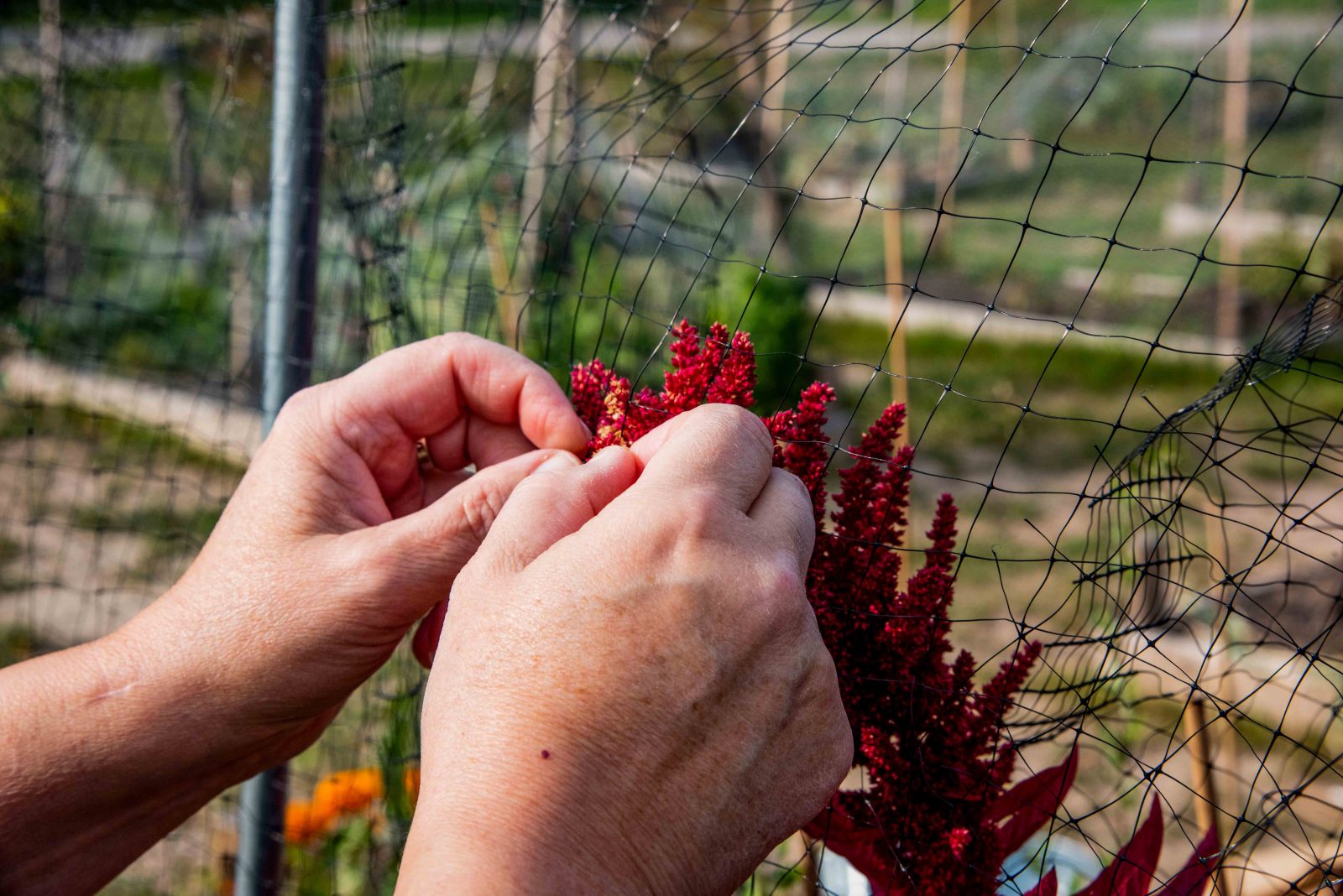
    Image caption: The 2023 Visual Arts (VISA) Walker Cultural Leader Series featuring visiting artist Trudi Lynn Smith invited the Brock community to learn about environmental humanities research-creation methodologies. Organized by Elysia French, Assistant Professor of Visual Arts and presenter at the upcoming Humanities Research Institute Symposium, participants harvested amaranth from the VISA plot at Brock’s community garden to be used as artist materials in a subsequent workshop.

    Wednesday, December 04, 2024 | by 

    The relationship between humanities scholarship, ecology and the environment will be front and centre at an upcoming event hosted by the Faculty of Humanities.

    Taking place Monday, Dec. 9, the biannual Humanities Research Institute (HRI) Symposium will shed light on environmental humanities at the University and beyond, including a new minor open to all Brock students.

    Elizabeth Vlossak, Associate Professor of History and Dean of Research and Graduate Studies, said the symposium will highlight the research endeavours of faculty members and graduate students working in this important field.

    “Presentations will explore methodologies and teaching practices to address complex environmental issues,” she said.

    Daniel Samson, Associate Professor of History, said environmental humanities is a sprawling, transdisciplinary field drawing together established areas such as cultural geography and environmental history alongside newer disciplines like ecocriticism and political ecology.

    “Scientific fields are also interested in human roles in nature and exploring the relationship between nature and culture,” he said.

    At the symposium, Samson will share his perspective on how he teaches environmental humanities through the lens of digital public history and 17th- and 18th-century Acadian and Mi’kmaw stories.

    “My students are examining basic questions of resource extraction and sustainability. We can learn important lessons from historic populations on how to live more sustainably by, for example, learning how they produced food with lower energy use, made use of nutrient-rich saltmarshes or maintained healthy soils with manure,” he said.

    At the same time, Samson said, the costs of sustainability need to be addressed. In the 18th-century colonial world of Isle Saint-Jean, present day Prince Edward Island, putting cattle on those marshlands meant destroying Indigenous people’s food resources such as eels and waterfowl.

    “Environmental research usually poses scientific questions, but those questions are seldom free of human roles and human understandings,” he said.

    Elysia French, Assistant Professor in the Department of Visual Arts (VISA), said environmental humanities has been building bridges between academic disciplines —specifically arts and science— for decades.

    These bridges, French said, have paved the way for collaborative responses to pressing environmental and social issues.

    “The interdisciplinary nature of environmental humanities facilitates new and exciting conversations and directs attention, both within and beyond the academy, toward critical environmental happenings shaping our world,” she said.

    At the symposium, French will introduce her ongoing and collaborative project, Ecologies in Practice, which uses creative research methodologies such as arts-based work and podcasting to encourage greater public awareness about environmental issues.

    “This area of knowledge matters as it supports collaboration and alternative methods of research-creation,” she said.

    The symposium runs from 9 a.m. to noon on Dec. 9 in Sankey Chamber and includes the following presentations:

    • “Literary Journalism and Ecocriticism” by Rob Alexander, Associate Professor of English Language and Literature
    • “Find the Lad/y: An Ecofeminist Reads a Roman Garden” by Katharine von Stackelberg, Associate Professor of Classics and Archaeology
    • “Separability and Cyclicity: Decoding the Logic of Temporal Representation through the Clock” by Liao Zixuan, PhD in Interdisciplinary Humanities candidate
    • “Teaching/Doing Environmental Humanities: Mapping People, Animals and Resources on 18th-Century Isle Saint-Jean” by Daniel Samson, Associate Professor of History
    • “A Work-in-Process: Collaborative and Creative Methodologies in the Environmental Humanities” by Elysia French, Assistant Professor of Visual Arts

    The symposium will culminate in a panel discussion addressing the present and future of Environmental Humanities at the University. The Brock and wider community are invited to attend all presentations and the discussion panel with no registration required.

    Tags: , , , , , , , , , , , , , , ,
    Categories: Faculty & Instructors, News, Walker Cultural Leader

  • Brock prof reflects on divisive history of portraits

    Image caption: Professor of Visual Arts Linda Carreiro discusses the history of portraiture in the wake public response to recent portraits depicting King Charles III and Catherine, Princess of Wales.

    MONDAY, MAY 27, 2024 | by 

    The public’s divided response to portraiture — as recently seen with works depicting King Charles III and Catherine, Princess of Wales — is as old as the art form itself, says Linda Carreiro.

    The Brock University Professor and visual artist says tension has long existed between an artist’s approach and the way artwork is viewed, particularly when its subject is famous. That division has only become more apparent in the age of social media, with portraits gaining much wider public reach.

    “One of the most fascinating aspects about this tradition is the friction that invariably results from an unveiled portrait, both arising from expectations of the sitter, who wishes to be viewed a certain way, and the public, who see the subject as iconic and not as open to artistic interpretations,” Carreiro says.

    Portrait painting was historically reserved for those deemed deserving of lasting representation — those who held power, fame, beauty or wealth.

    “But, in the past 200 years, there has emerged a different type of portraiture depicting working-class, under-represented and marginalized individuals,” Carreiro says.

    While the subjects of portraits have become more diverse, the desire to commission a painted legacy of well-known individuals who are considered societally “valuable” continues, with entire museums, boardrooms and chambers adorned with such artwork.

    In the case of royalty or other famous people who commission a portrait, the value to both sitter and artist is significant, Carreiro says, as the art cements long-standing attributes of prominence and posterity and often fetches enormous sums at future auctions.

    “If the artist is well known, the sitter is bestowed additional celebrity; if the artist is less recognized internationally, there is anticipated opportunity to launch a more lucrative career,” she says.

    Conventionally, a painter develops the artwork while the subject is present, says Carreiro, who has many years of portraiture under her belt. The portrait then becomes the result of an interpersonal dynamic and response between the artist and the subject, similar to any other relationship.

    In the case of Jonathan Yeo’s portrait of King Charles, however, the sittings were clearly followed with the use of a reference photograph to complete the piece. This means there was more intention to how the painting was constructed, with less influence of the sitter in the environment, she says.

    “This is in line with the shift in current portraiture generally, where selfies are controlled and excessively edited to create a highly managed public persona,” Carreiro adds.

    Whether the viewer enjoys the portrait or not, she says it is clear that “as long as artists are commissioned to depict and interpret famous subjects, so too will there be strong reactions to the portrait — offering an opportunity to think about the fascinating exchanges between artist, sitter and audience.”

    Tags: , , ,
    Categories: Faculty & Instructors, In the Media, News, Uncategorised

  • Visual Arts exhibition presents creative exploration of death

    TUESDAY, AUGUST 29, 2023 | by 

    A new faculty art exhibition featuring the work of Linda Carreiro, Visual Arts Professor and Associate Dean of Fine and Performing Arts at Brock, is now open for viewing.

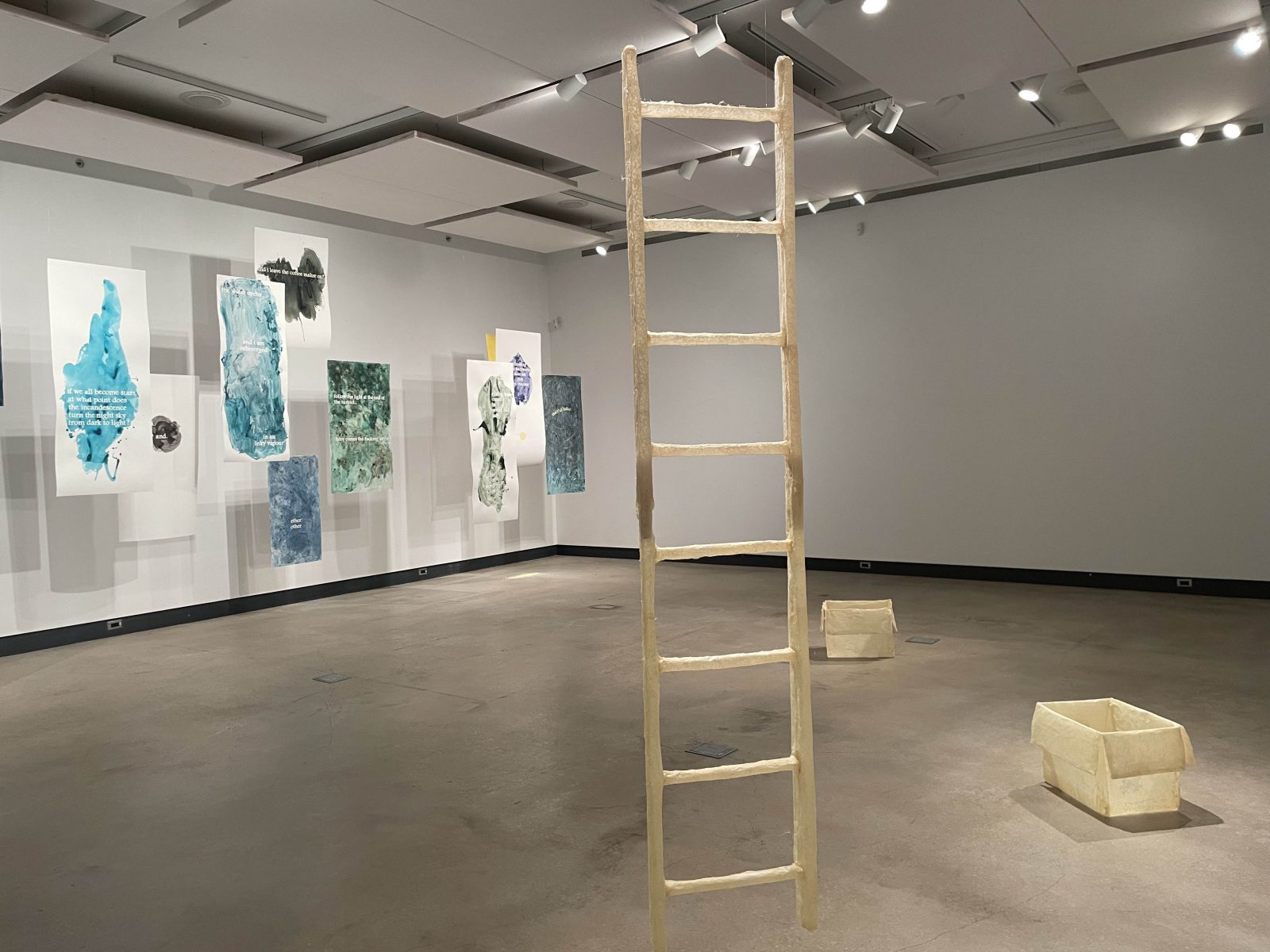
    Afterthoughts’, an exhibition showcasing Carreiro’s text-based artworks, runs until Saturday, Sept. 23 at the Visual Arts Gallery and Student Exhibition Space at the Marilyn I. Walker School of Fine and Performing Arts (MIWSFPA).

    While Carreiro initially set out to make a confessional, emotive set of works about the afterlife, she found that words were inadequate to fully reflect her thoughts about the unknowable.

    “Vacillating between terror, anger and derision, the resulting writings try to express the inexpressible while acknowledging their limitations. The incongruence of the texts, alongside the ghostly ladder and boxes, come together as extracts rather than narrative,” Carreiro said.

    In her artist’s statement, Carreiro addresses the notion that the sea and space are seemingly infinite places, containing the unknown in their vastness and depth.

    “They are also environments where humans cannot sustain life without the aid of breathing apparatus. Therefore, stars and water are referenced here in the writings and application of materials. Swirls of ink, vapoury washes and hole-punched ‘stars’ with fallen perforations allude to this connection,” Carreiro said.

    All are invited to attend the ‘Afterthoughts’ closing reception at the gallery on Friday, Sept. 22 from 5 to 7 p.m. at the MIWSFPA located at 15 Artists’ Common in downtown St. Catharines.

    Summer gallery hours:

    • Monday, Aug. 29 to Friday, Sept. 1 from 1 to 5 p.m.
    • Wednesday, Sept. 6 to Saturday, Sept. 9 from 1 to 5 p.m.

    The gallery resumes its regular hours on Tuesday, Sept. 12 and will be open from 1 to 5 p.m. Tuesdays through Saturdays.

    For more information, please visit the MIWSFPA Visual Arts gallery website.

    Categories: Current Students, Events, Exhibitions, Faculty & Instructors, News, Walker Cultural Leader

  • Visual Arts offering learning opportunity in Spain


    Originally published in The Brock News | WEDNESDAY, MARCH 01, 2023 | by 

    Brock University students have the chance to study and explore in Spain this summer through a course being offered by the Department of Visual Arts alongside Chair and Associate Professor Amy Friend.

    VISA 3M05 Art Studies Abroad in Spain is a full credit spring course open to all eligible Brock students that takes place both on campus and in Bilbao, Spain.

    The course is an exploration of unique cultural events and regional settings in Bilbao and surrounding areas, featuring artist exhibitions, talks, participatory workshops/seminars and activities with various institutions. The immersive experience develops knowledge of arts, cultural programming, tourism, media and communications, with a focus on community interaction for social and economic benefit.

    To be eligible to participate in the course, students must have a minimum of 5.0 overall credits and a minimum 60 per cent overall average or permission of the instructor. There will be about 10 days of intensive study abroad with an online pre-travel component. Students are expected to pay their own expenses, including additional materials, which they must supply. Funding is available for eligible students through Brock International.

    The course will take place from May 23 to June 22. Students will be in Spain from June 6 to June 14.

    The deadline to register for the course is Wednesday, March 8. For more information, please contact Friend at [email protected]

    Tags: , , , , , , , , ,
    Categories: 4F06 Honours Exhibition, Alumni, Announcements, Current Students, Events, Exhibitions, Faculty & Instructors, Future Students, In the Media, Media Releases, News, Walker Cultural Leader

  • Brock artists to draw inspiration from new bursary

    Through a gift to Brock’s Marilyn I. Walker School of Fine and Performing Arts, Paul Green and Ginny Medland-Green are supporting students who’ve chosen to pursue a career in the arts.


    Originally published in The Brock News | FRIDAY, JANUARY 27, 2023 | by 

    When Ginny Medland-Green and Paul Green toured Brock’s Marilyn I. Walker School of Fine and Performing Arts (MIWSFPA) early last year, they left impressed by the community that exists for young artists at the downtown school.

    The couple, who have a deep love and appreciation for the arts, moved to Niagara-on-the-Lake seven years ago and have been pleasantly surprised by the cultural richness of the region. Through a recent gift in support of the MIWSFPA, they hope to support the study of the arts for students and showcase the impact their work can and will have on communities such as Niagara.

    “It’s courageous to study fine and performing arts at university and set a goal to be a working artist,” Medland-Green said. “We hope our bursary will inspire students to set both imaginative and practical goals for their capstone project and assist financially in a way that energizes them as they work creatively and tirelessly in what is a very competitive environment.”

    Currently taking applications, the Medland and Green Inspiring Artists Bursary is open to all third-year Honours students enrolled in Dramatic Arts, Music and Visual Arts at the MIWSFPA. The bursary has been established to assist students pursuing a unique opportunity such as travel, an internship or training that will benefit their upcoming capstone project or production, taking place in the 2023-24 academic year.

    “The Greens’ gift is a true investment in the future of our students, our downtown campus and the arts in our community,” said Sonia Dupte, Executive Director, Development and Campaigns. “Through its endowment, it will impact generations of inspiring artists at Brock.”

    From the onset of conversations with Brock and the MIWSFPA about the gift, Medland-Green and Green emphasized the importance of the bursary supporting a learning activity that not only excites the student recipient, but also professionalizes and shapes their career path in the arts.

    Linda Carreiro, Associate Dean of Fine and Performing Arts, commended the uniqueness of the bursary and the opportunities it will support for students at the downtown arts school.

    “Students at the Marilyn School are lucky to have a variety of awards established to support them throughout their studies,” she said. “The Medland and Green Inspiring Artists Bursary is unique in the way that it really hones in on the learning and professional development that often happens outside of a classroom.

    “Financially supporting students to pursue an opportunity they’ve identified to advance their own learning will not only inspire them towards a career path, but will also instil confidence that their skills are important and they can in fact make a living by pursuing a career in the arts,” Carreiro said.

    Interested applicants are invited to submit a short proposal (up to 500 words) and budget for the event, project or opportunity for which they are requesting funding. The submission should also include how the funding will assist in the application of their final-year project or production.

    Comprehensive applications, which include the proposal and budget, can be submitted to Brock’s Awards and Bursaries web page and will be reviewed by an advisory committee. The deadline for submissions is Friday, Feb. 10 at 4 p.m.

    Tags: , , , , , , ,
    Categories: Alumni, Announcements, Current Students, Faculty & Instructors, Future Students, In the Media, News

  • Visual Arts prof’s work seen across Time and The Atlantic

    The Atlantic’s online publication of Amy Friend’s image, taken from Friend’s Assorted Boxes of Ordinary Life series.


    Originally published in The Brock News | WEDNESDAY, JANUARY 18, 2023 | by Charles Kim

    Amy Friend has gained widespread recognition for her unique and captivating photography.

    The Brock University Associate Professor and Chair of Visual Arts has been commissioned to create images for some of the world’s most notable publications, including The New York Times Magazine in March and more recently, Time magazine and The Atlantic.

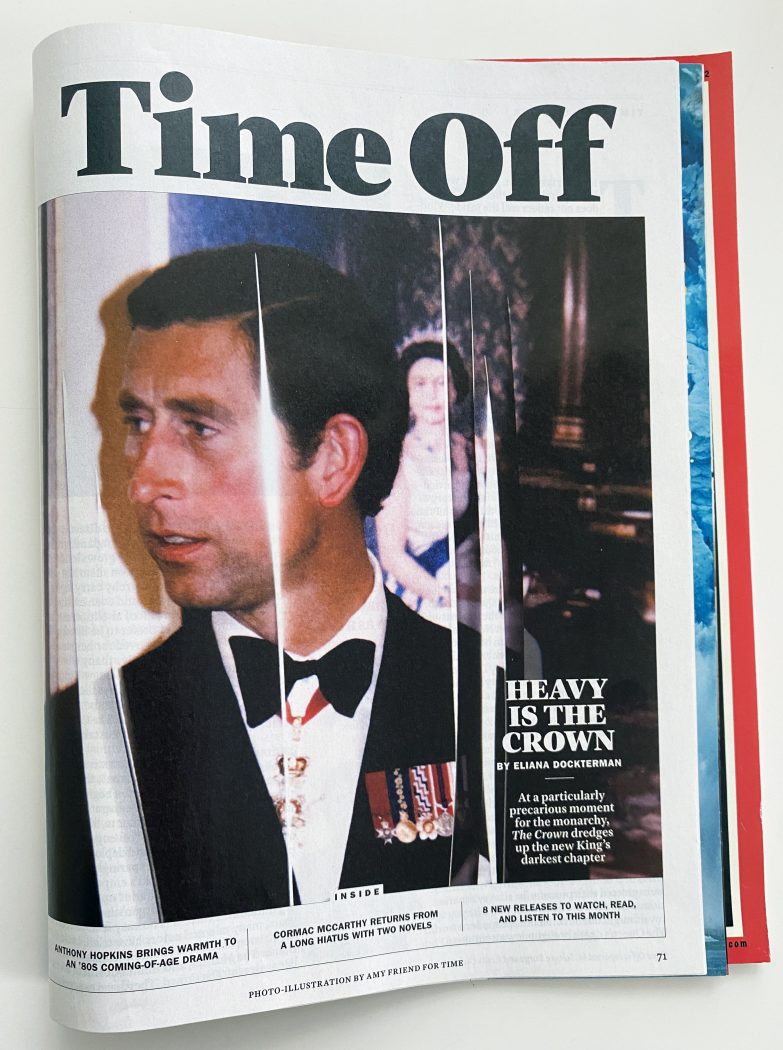
    Heavy is the Crown,” an article written by Eliana Dockterman featured in Time, highlights the resurgence of interest in the late Princess Diana’s life following the airing of the fourth season of the popular Netflix series The Crown. The article examines the implications the show may have on the public reputation of King Charles and the monarchy.

    3. A full-page magazine featuring a sliced-up image of King Charles with a painting of Queen Elizabeth II in the background.

    Time’s feature of Amy Friend’s image. (Source Photo: Tim Graham — Photo Library/Getty Images)

    Friend was approached by Time magazine photo editor Whitney Hollington Matewe to create a visual image to accompany the article. She began the process by sifting through a library of stock pictures made available to her by the editorial team.

    After collaborative discussions, the editorial team and Friend selected a shot of young King Charles in front of a painting of the late Queen Elizabeth II.

    “What I love about the portrait of Charles is the painting of the Queen quietly behind him, watching,” says Friend. “It places Charles as the new head of the royal family, with the legacy of the Queen following him.”

    Friend created cuts through the image, shining light through the perforations to allow windows of illumination into the final product.

    “Working with the print and slicing into the image is a bit unsettling. I’m destroying a photograph of a king,” says Friend. “It made me consider the power of imagery, especially portraiture. The royal family has always edited and controlled the photos released to the public with great scrutiny.”

    Following the assignment with Time, Friend was contacted by The Atlantic, which hoped to publish her works alongside an article written by MIT physicist and novelist Alan Lightman.

    How the Human Brain is Wired for Beauty,” published Dec. 5, discusses recent research on how the human brain processes beauty. It also visits the idea of atoms and how they can be traced back to stars from the galaxy’s past. This connection reveals how every particle can be linked to not only the past but also the future.

    Friend says there was a deep connection with many elements of the article and she found herself drawn to Lightman’s research, particularly the connections between stardust and history. Caroline Smith, The Atlantic’s Creative Director, felt Friend’s work was a good fit for the subject.

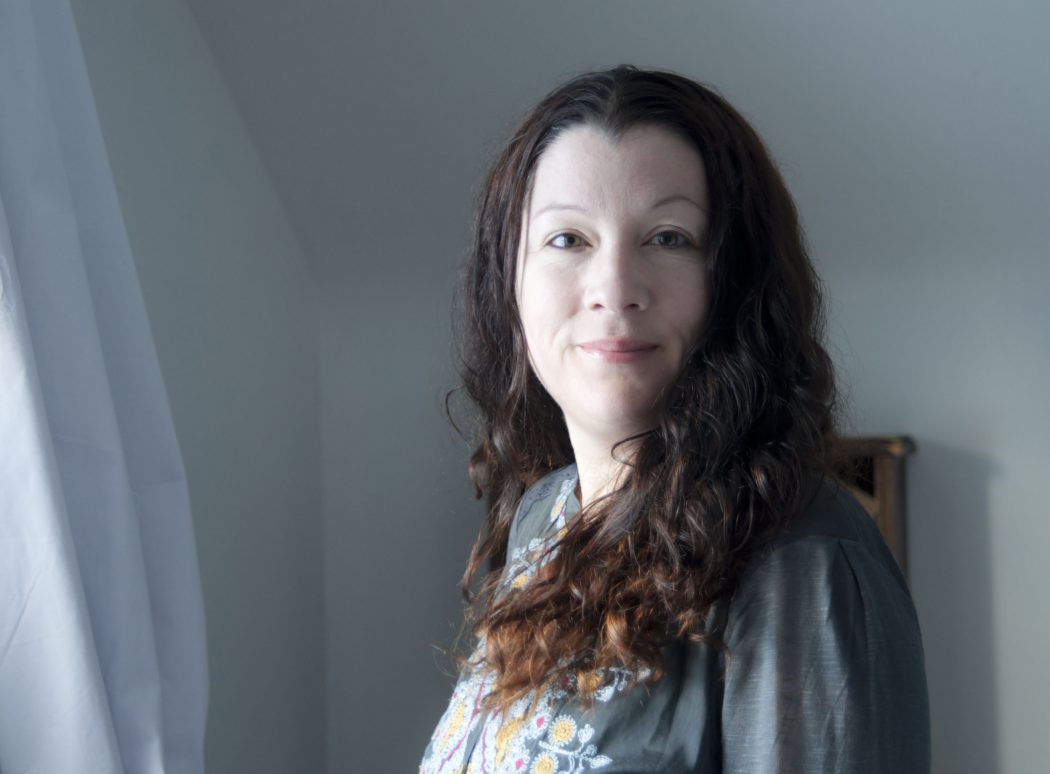
    1. A woman with brown hair smiles with a white backdrop behind her.

    Associate Professor and Chair of Visual Arts Amy Friend’s latest commissions now appear in The New York Times Magazine, Time magazine and The Atlantic. (Photo courtesy of Amy Friend)

    “Some of the featured visuals are a part of my Assorted Boxes of Ordinary Life series, says Friend. “One piece of work depicts family whom my mother had captured on Super 8 film. I projected this film clip onto old mirrors covered in dust.

    “The article suggests that we all come from stardust,” she says. “I imagine the specks of dust as remnants of the stars. I used these dust particles in a visual manner to represent our presence and our absence.”

    Friend says working on editorial commissions is always a fresh and exciting experience. She found that each project had diverse outcomes that are not always expected. Each commission, she says, provides the space to reconsider her work and evaluate the visuals that audiences encounter in editorial publications.

    “When you work with an editor, there’s a lot of back and forth that goes on. Ultimately, we come to an agreement on the final product, but in the process of doing so there’s learning that I take back and that is distinctly important for me.”

    Tags: , , , , , , , , , , , , , , ,
    Categories: Alumni, Announcements, Current Students, Faculty & Instructors, Future Students, In the Media, Media Releases, News

  • Brock faculty honoured for local arts impact

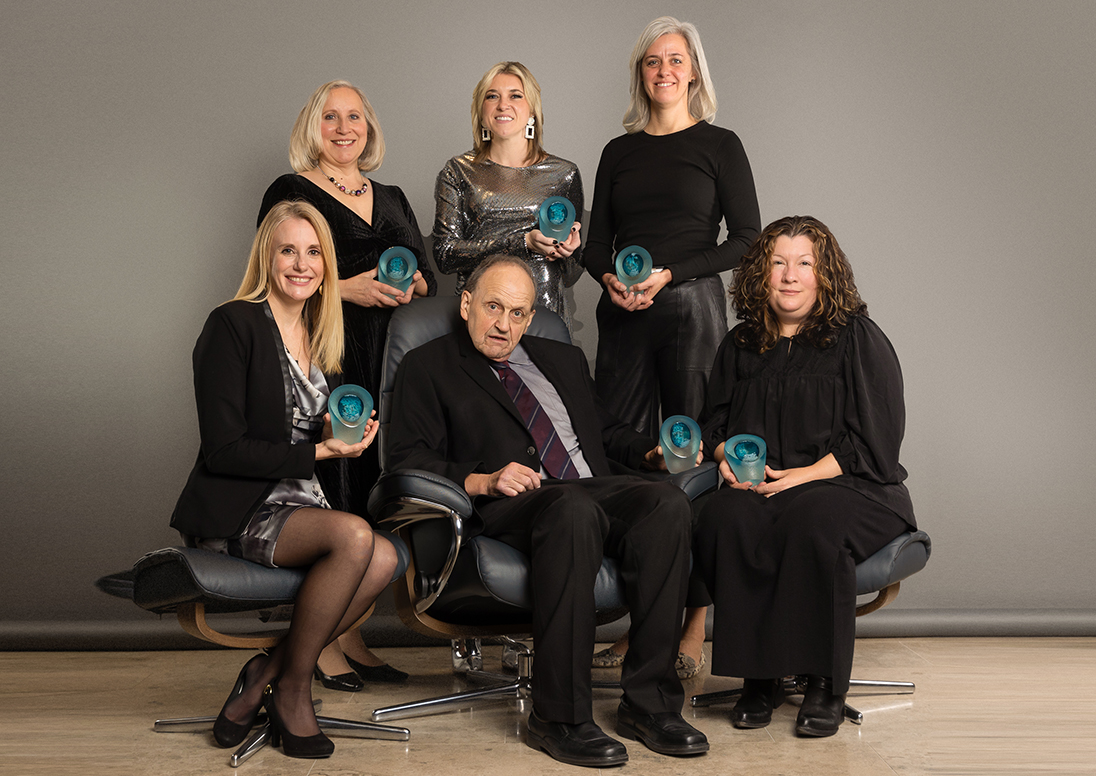
    St. Catharines Arts Award winners (clockwise from front left) Emily Oriold, Monica Dufault, Kathyrn Sinopoli, Rachel Rensink-Hoff, Amy Friend and Frank Goldspink were recently honoured by the City of St. Catharines. (Photo courtesy of the City of St. Catharines)


    Originally published in The Brock News | TUESDAY, DECEMBER 06, 2022 | by Charles Kim

    The impact of faculty from Brock’s Marilyn I. Walker School of Fine and Performing Arts is being felt in the local community.

    Amy Friend, Associate Professor and Department of Visual Arts Chair, and Rachel Rensink-Hoff, Associate Professor in the Department of Music, were each recently honoured during the St. Catharines Arts Awards and recognized for their respective contributions to helping the arts thrive locally.

    Friend received the Established Artist Award during the awards celebration held Tuesday, Nov. 29, at the FirstOntario Performing Arts Centre. Her work, which has been exhibited nationally and internationally, explores various methodologies through photography, installation and community-based collaborations. The focus of her work fluctuates with investigations relative to history, time, land memory, dust, oceans and connections to the universe.

    “The award is a wonderful nod to the work artists accomplish in this community and there are many of us,” Friend said. “I have grown as an artist in this region and have had opportunities to collaborate with many people. I would like to see even greater and consistent support for the arts in our community and schools. There is an abundance of amazing work happening here, but much more is possible.”

    Rensink-Hoff — Conductor of the Brock University Choir and Sora Singers, and Artistic Director of the Avanti Chamber Singers — was presented with the Arts in Education Award.

    Her contributions to the local arts community have resulted in many performances and partnerships, including the co-ordination of a performance by the Brock University Choir, Avanti Chamber Singers and Sora Singers under the leadership of guest conductor, Kanaka Maoli artist, activist and cultural bearer Jace Kaholokula Sapan.

    “It is a joy to be a part of a thriving arts community here in St. Catharines and I am humbled by this recognition, particularly on the heels of a challenging two and a half years,” Rensink-Hoff said. “I have seen in my students and singers just how life-giving their participation in the arts can be. Their passion and dedication to making music throughout the pandemic has been such a tremendous source of inspiration.”

    A full list of recipients of the St. Catharines Arts Awards is available on the City of St. Catharines website.

    Tags: , , , , , , , , , , , , , , , , , ,
    Categories: Alumni, Announcements, Current Students, Faculty & Instructors, Future Students, In the Media, Media Releases, News

  • Student, alumni art exhibition explores time through photography

    Give us a Moment, a Brock student and alumni art exhibit, is on display until Saturday, Nov. 12 in the Visual Arts Gallery of the Marilyn I. Walker School of Fine and Performing Arts in downtown St. Catharines.


    Originally published in The Brock News | THURSDAY, NOVEMBER 10, 2022 | by Charles Kim

    Using analogue and digital photography, Brock artists are sharing their creative interpretations of memory and time in the University’s latest exhibition.

    Presented by the Department of Visual Arts (VISA), ‘Give us a Moment’ combines these themes, and the etched traces of daily life, through photographs that use old, new and experimental processes.

    Laurie Morrison, both a Brock University Librarian and student in the VISA program, says her work showcased in the exhibition is “intended to bring to mind how the past shapes the present moment.”

    She produced her images through an analogue method, which she describes as both slow moving and unpredictable. It was the uncontrollable nature of the process that she most enjoyed.

    Typical analogue photography consists of film and the use of chemicals to create a reaction producing an image. In this exhibition, the artists explore different methods of production as well as diverse materials for their works.

    “These processes are also erratic and prone to many unexpected results,” Morrison says. “Some artists may find this frustrating, but I find it heightens my interest. The unpredictability becomes part of the journey.”

    For alumna Julie Luth (BA ’22) the exhibition’s title brought with it two separate interpretations.

    “An audience giving their time to examine and explore the artwork validates the artist’s status, and by asking the audience to give us a moment, we are referencing the politics of viewing that dictate an artist’s success,” she says. “Yet in the context of the work each of us are creating, the title takes a new meaning. Each of our works references the past and the passage of time. The title becomes a question asked by the forgotten moments and memories contained within these images.”

    Luth’s inspiration for her experimental processes comes from her endless ambition to discover, create and explore development of photographs.

    “Understanding what makes a photograph is crucial. We can see that photography is all around us and has been throughout all of history,” she says. “There is no single photographic process, but many to be explored — each with their own history and thematic implications.”

    VISA student Emily MacDonald’s work focuses on the time-based photographic process and examines time itself.

    “This show reminds the viewer of the existence of time, whether it is the time they spend with the images or the time that goes into these pieces, as majority of the images are created through a time-based photographic process,” she says.

    MacDonald’s creations revolve around time, memories and space that are significant to her. She applies both analogue and digital processes for her work, noting a distinctive difference with each image she creates using analogue methods.

    “With digital photography, you can shoot a photo as many times as you want. With analogue photography, you must think about the images you take. I sit and look through my viewfinder, observing my subject and the surrounding area until I feel ready to take the photo.”

    Give us a Moment, which is open to the public, will be exhibited until Saturday, Nov. 12 at the Visual Arts Gallery and Student Exhibition Space in Brock’s Marilyn I. Walker School of Fine and Performing Arts in downtown St. Catharines. For more information, please visit the Current Exhibitions web page.

    Tags: , ,
    Categories: Alumni, Announcements, Current Students, Events, Exhibitions, Faculty & Instructors, Future Students, In the Media, Media Releases, News