Articles tagged with: spring/summer courses

  • Spring course offers a fresh look at an image-driven world

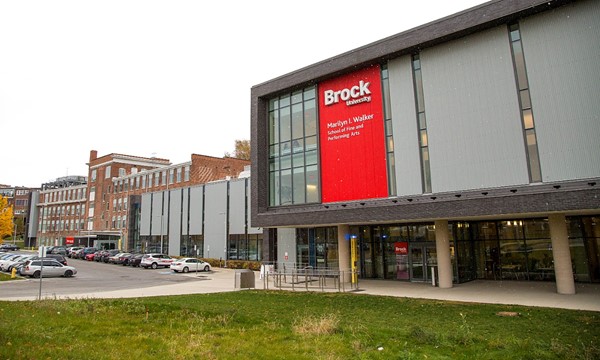
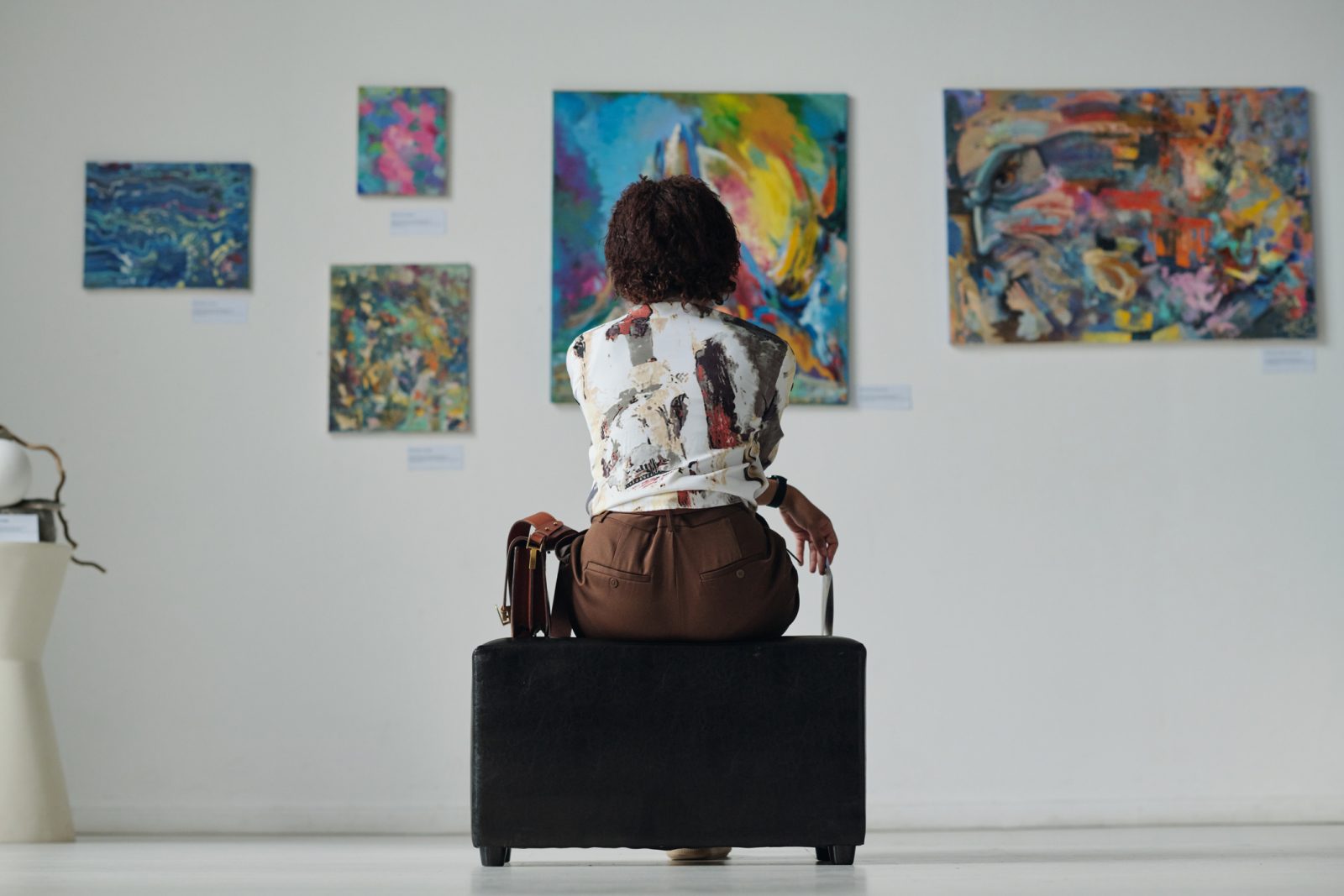
    Image caption: The Department of Visual Arts is inviting students to engage with the history of culture through Spring course HAVC 1Q99: Contemporary Issues in the History of Western Art.

    Wednesday, April 01, 2026 | by 

    Brock students can broaden their perspectives on art and its impact on society this spring.

    Welcoming students from all academic backgrounds and disciplines, HAVC 1Q99: Contemporary Issues in the History of Western Art explores different ways of looking at the visual past and present from prehistory through the early 20th century. The course is offered online and no art experience is required.

    Instead of approaching art history chronologically, the course explores themes and issues in the history of European and North American art and connects them to today’s world.

    “Students will learn the important skills of visual analysis. These skills are more important than ever as we navigate a world populated with images designed to manipulate us through deep fakes, propaganda and influencer videos,” says Linda Steer, Associate Professor of History of Art and Visual Culture.

    One of the concepts taught in the course is the skill of “close looking.” According to Steer, learning to look closely at historical and contemporary works of art helps students develop critical observation and thinking skills that are necessary in a number of jobs, such as nursing.

    “Past students have noted that the course has helped them learn how to pay more attention to their environment. It’s never been more important to learn how to critically evaluate all images, including art,” she says.

    Also central to the course is understanding how marginalized people have been depicted or overlooked in European and North American art, and how contemporary artists have challenged those representations in interesting ways.

    “We consider historical and contemporary depictions of Indigeneity, race, gender and disability. Operating from the premise that art is not neutral, we examine how art makes meaning in cultures and in historical moments,” Steer says.

    The course will explore how monarchs throughout history used painted portraits to assert their power, for example, and how present-day rulers use similar symbolism to assert their status.

    Students can expect to gain knowledge through in-class exercises, discussions, readings, videos and non-traditional assignments.

    “We consider why 17th century Dutch art collectors desired still life paintings that depicted luxury objects and compare that to how wealth is depicted today. Students will have the opportunity to create their own still life using their phone cameras,” Steer says.

    For more information on Brock’s Spring/Summer courses or to register, visit brocku.ca/springsummer.
    Tags: , , , , , , ,
    Categories: Current Students, Faculty & Instructors, News

  • New Visual Arts course examines the anatomical body in historical texts

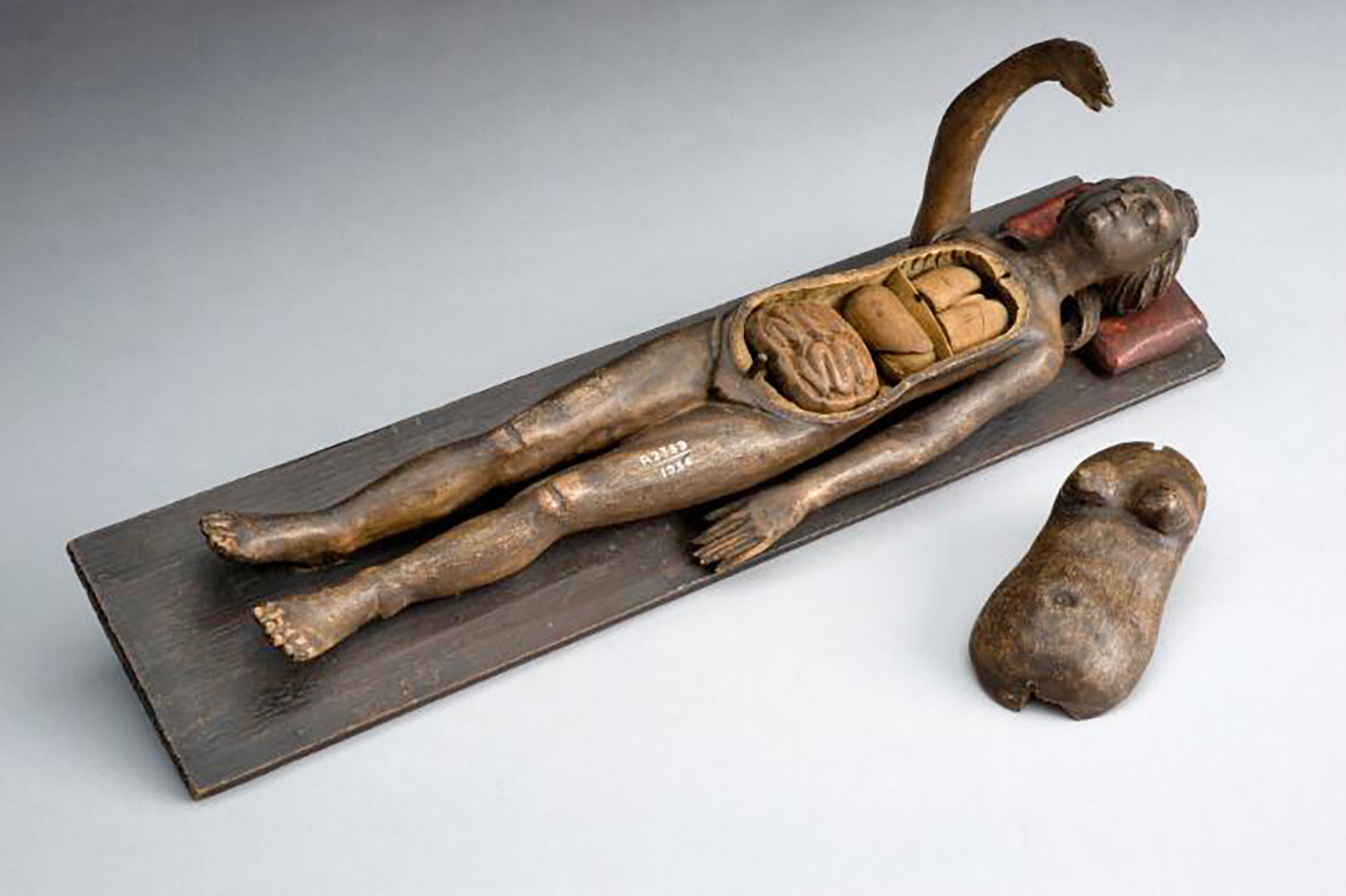
    Image caption: VISA 3V91 Inside Out – Revealing the Anatomical Body will examine images of the anatomical body in historical medical texts, such as this wooden female anatomical figure (Europe, 1601-1700) from the Science Museum, London, care of Wellcome Collection under a Creative Commons license.

    Originally published in The Brock News | TUESDAY, MARCH 15, 2022 | by 

    A new course open to all Brock University students will critically examine anatomical illustrations throughout history and unpack what these visual representations reveal culturally, socially and artistically.

    Offered in the upcoming Spring/Summer Term, VISA 3V91 — Inside Out — Revealing the Anatomical Body is a new course developed and taught by Linda Carreiro, Associate Dean of Fine and Performing Arts and Professor of Visual Arts.

    Based out of Brock’s Marilyn I. Walker School of Fine and Performing Arts (MIWSFPA), VISA 3V91 is offered as a half course and is open to students across campus. No previous art history knowledge or artistic skills are required to enrol.

    Students will critically examine ‘flap anatomy’ found in historical medical and popular texts dating back to the 1500s, whereby images of layers of the body are peeled open to reveal muscle, organs and skeletal structures. Carreiro is interested in how this convention started, how it evolved and what the implications are from a socio-political perspective.

    The evolution of models and images in historical medical texts is a research specialization for Carreiro, and she is thrilled to bring her learnings and insights to Brock students.

    “Some of the images and models are absolutely stunning from an artistic perspective,” she says, “but these devices convey so much more than how the anatomical structures fit together.”

    Carreiro says it is important to examine who ended up on the dissection table in order to create these images, and what these images might reveal about that particular context.

    “Looking at images of public dissection theatres and profiles of anatomists can provide some of these insights,” she says.

    Students can expect to engage in critical readings, discussions and writing, with the opportunity to engage in studio work. Students must have a minimum of 5.0 overall credits and a minimum 60 per cent overall average or permission of the instructor to register for the course.

    Registration for Spring/Summer courses is now open through the Admissions website.

    Tags: , , , , , ,
    Categories: Announcements, Faculty & Instructors, News, Uncategorised