SSAS Student Contributor

  • First Year Experience Blog: Kinza Qureshi

    Blog Contributor: Madelaine Legault

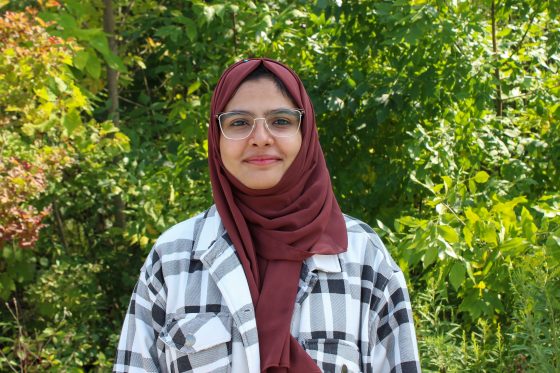
    Kinza Qureshi standing in front of trees.

    Kinza Qureshi is a first year student in the thesis pathway of the Master of Sustainability program at Brock University. She is working under the supervision of Dr. Marilyne Carrey and her research interests are in community resilience to climate change through nature-based solutions, sustainable development, and planning. She recently spoke to PhD in Sustainability Science student and graduate ambassador Madelaine Legault about her experience in her first term of the SSAS program.

    What inspired you to pursue graduate studies in environmental sustainability?  

     I decided to go into the field of environmental sciences for my undergrad, because in my country, I had seen a lot of issues regarding the environment, like flooding. There were not manyagencies in my country focused on the environment. There were a few that were working, but they were not getting the funding for that, so I decided to choose this pathway to help my people and to learn. I was studying environmental sciences broadly, and now I’m narrowing down to sustainability, because that’s the future. 

    How would you describe your typical day in the program? 

    Lately, I have been super busy with assignments, coursework, and TA work, so my days are honestly packed. I am also starting to work on planning my thesis with my supervisor. Right now, we are working on a topic. My focus is on the climate crisis and the communities that are directly affected by it. I want to build an empathy element by understanding their experiences, and I’musing geospatial data, remote sensing, and augmented reality to collect and present the impacts.  

    How do you think your research will contribute to sustainability science? 

    I had not previously considered the part that empathy plays in sustainability science. But now I realize that if we look at empathy and the way people have emotional connections with the subject, it could be an opportunity to engage with large audiences to let them know what the future would look like if we were all on the same page. It can shift people’s thinking towards sustainability and to work for the environment. Whenever we want to change something, we as a person need to change ourselves. And one thing that we all need to change is our empathy for nature and for the next generation. We are the last generation that has a chance to think about the future. We have to think about it. So, I think that empathy element in my research would look at the psychological connections to nature. And it could help bring a change in how we think of our future. 

    What program experiences have had the most impact on you? 

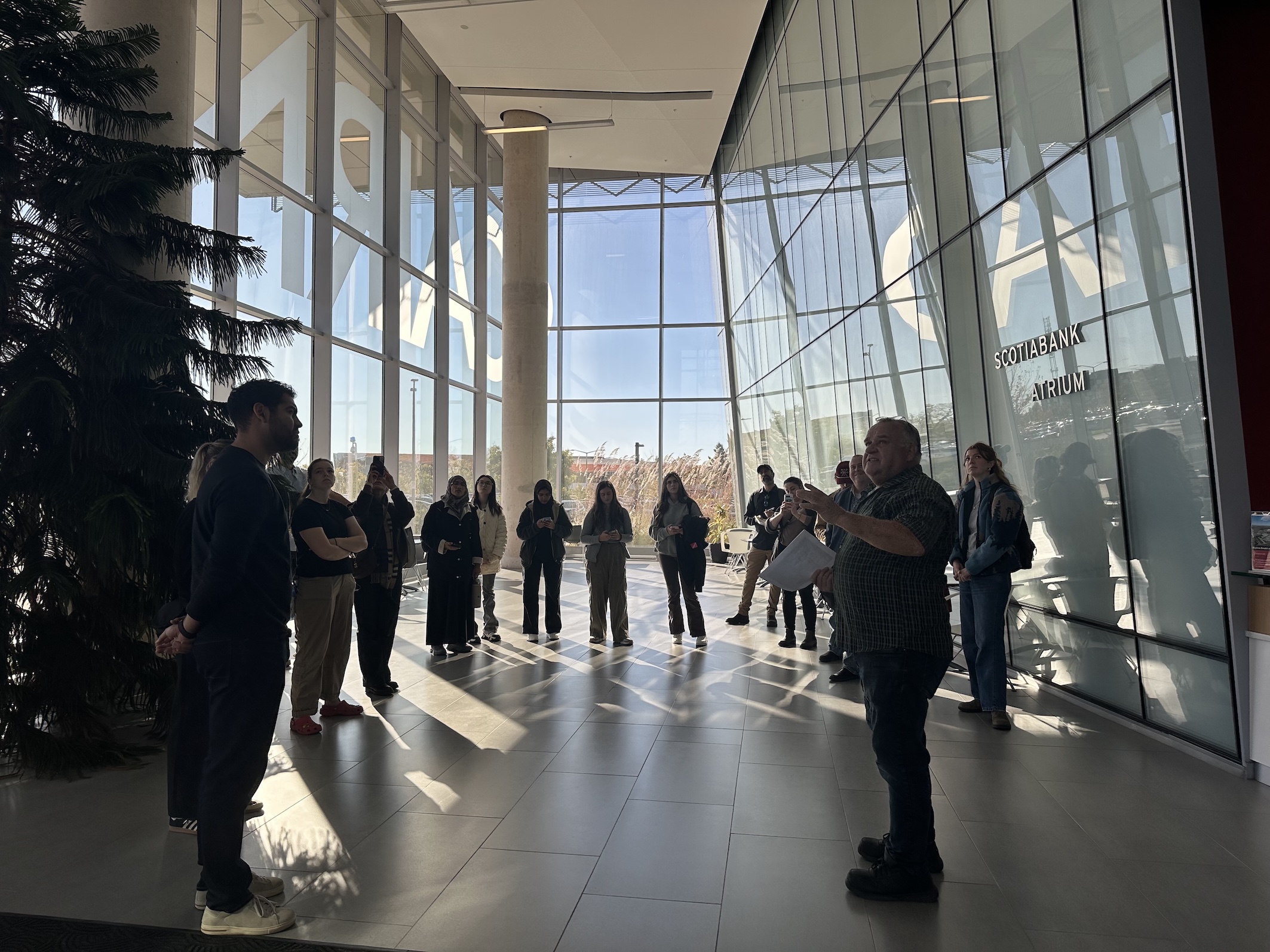
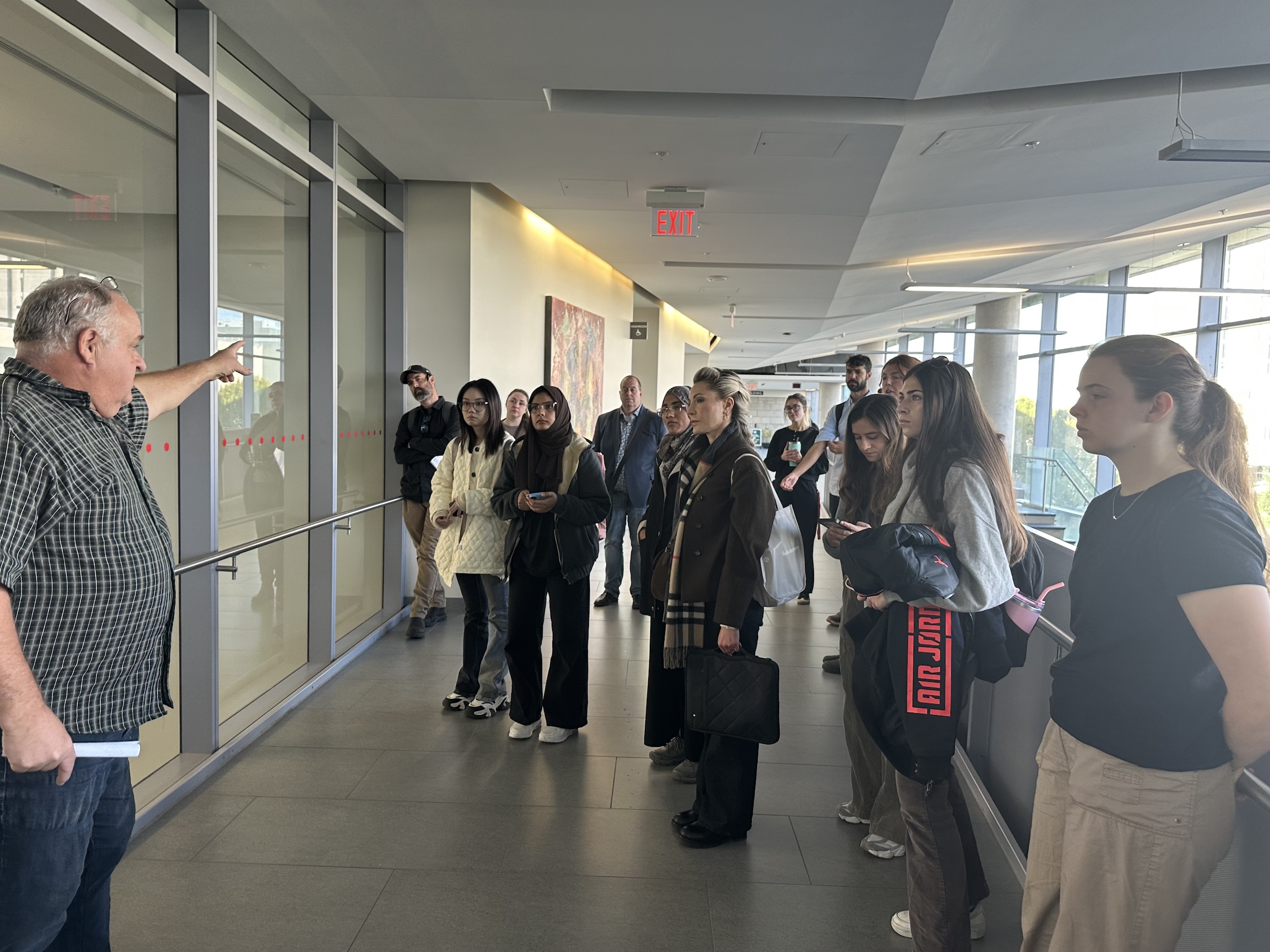
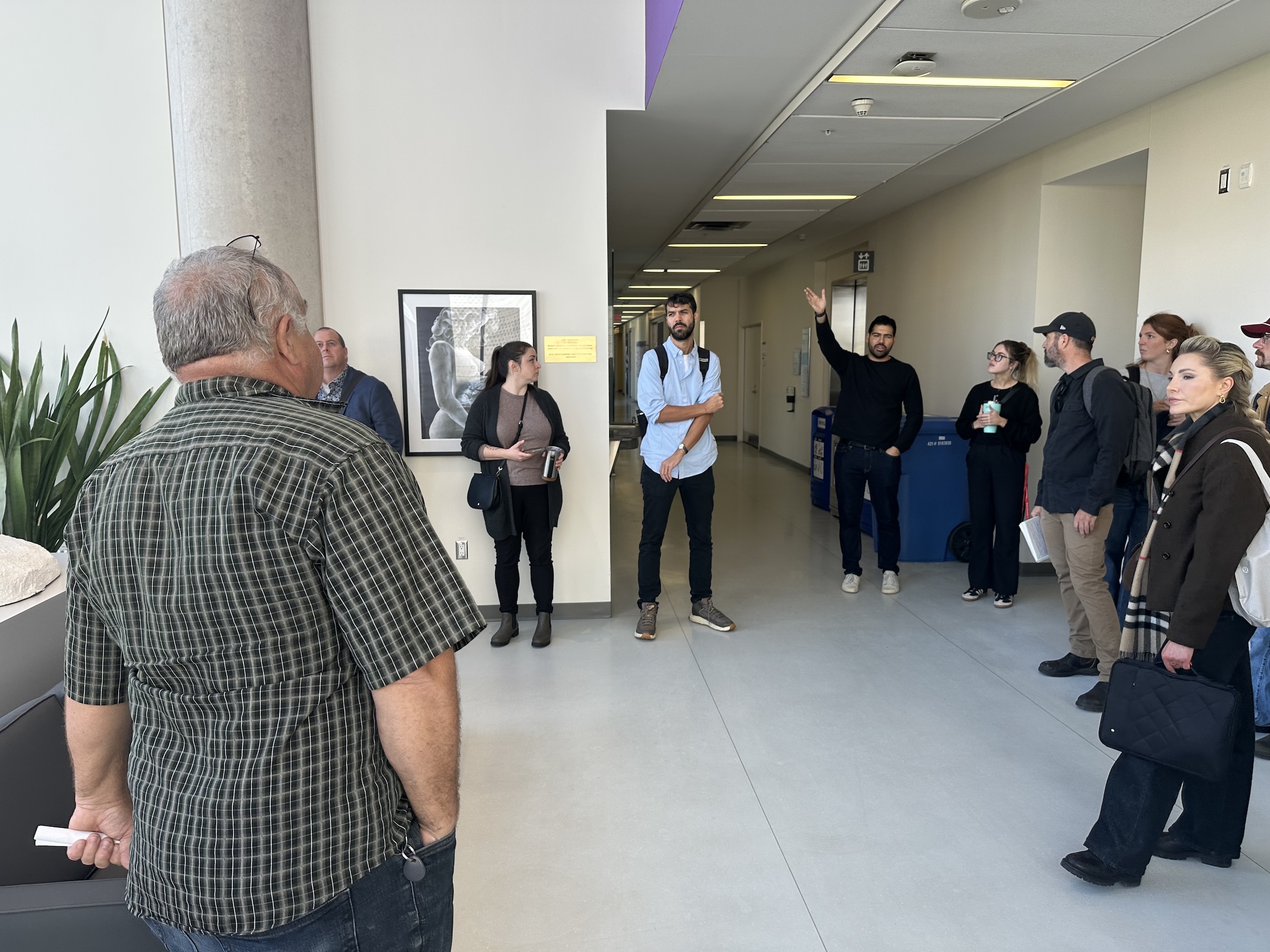
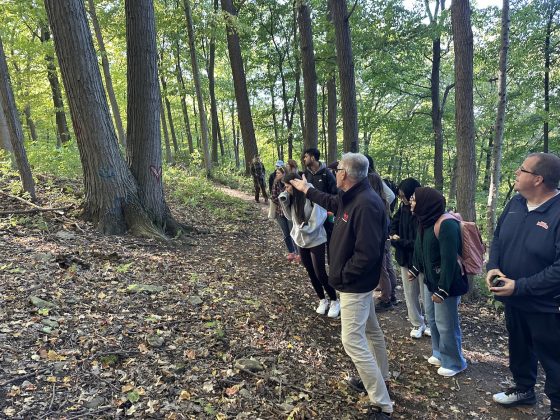
    Oh, I would say the field trips and like the “talking tree” project we are working on right now in SSAS 5V82 have really opened my mind. In my undergrad, I always wanted some practical experience, rather than just theory. So, these are opportunities for a different kind of learning rather than just pure theory. It’s a lesson that always stays in your mind. Like the tunnel tour we did, you can see that there’s a whole system underground that you didn’t know about before. 

    How has the program faculty and your peer group supported your academic journey? 

    My supervisor, Dr. Marilyne Carrey, has helped me a lot. She always encourages me to go to conferences and seminars, and she shares different opportunities inside and outside the university. She sees me and listens to what I want for my research. That’s really helped me because I’m from a different background, I have a different language, and I have to think before I speak. So, it’s really difficult for me, but she helps. Other than that, I would say my classmates are so friendly and help me whenever I need help. I just go and ask someone, and they’re always there to help.  

    How do you stay motivated when facing or when thinking about these complex and often very overwhelming crises? 

    One thing that motivates me is the idea that what I am facing today, I don’t want my future people to face. I have a connection with them. I don’t want my child to grow up in a world where they have no clean air to breathe, where they have issues like flooding and climate crisis or food insecurity issues. I think of future generations.  

    What advice would you give to someone considering graduate studies in sustainability science?  

    Oh, I always tell people to join this field because it’s growing and it’s the future. There are doctors that specialize in human beings, and people specialized in engineering, but students of the environment specialize in both nature and humans. I think this is an opportunity that is growing, and I would suggest that people come and explore. They would love this field! 

    Categories: Blog, Program Reflections, SSAS Program, SSAS Student Contributor, SSCI Student Contributor

  • First Year Experience Blog: Makenna Kollo

    Blog Contributor: Madelaine Legault

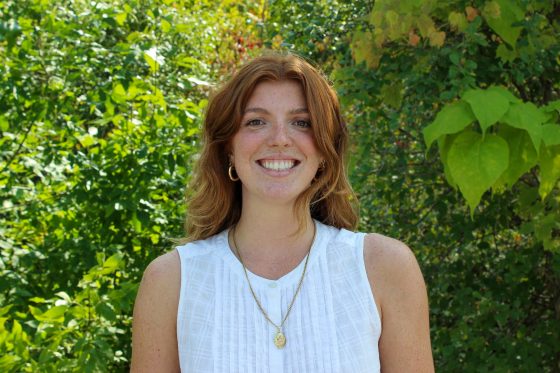
    Makenna Kollo standing in front of trees.

    Makenna Kollo is a first year student in the course-based pathway of the Master of Sustainability program. She recently sat down with PhD in Sustainability Science student and graduate ambassador Madelaine Legault to share her experience in the SSAS program as she finishes her first term.

    What inspired you to pursue graduate studies in environmental sustainability? 

    I completed my Bachelor of Recreation and Leisure Studies at Brock University, and through that, I did a lot of outdoor educational courses that were centered around our relationship with the environment. Climate change and climate action have been very important topics, especially with younger generations, and it was instilled in us that you cannot have a relationship with an environment or a natural space that no longer exists. So, my inspiration was trying to preserve, maintain and sustain environments for future generations to also have the same opportunities that I had as a child, like going to summer camp. I feel very passionate about it. I feel as though I can make a change. 

    How would you describe your typical day in the program?  

    I have four classes this term, so that leads me to be on campus three days a week for structured activity.  On Mondays, I have a biology course at night. Typically, I will do my readings and get everything done on Mondays and then go to class.  On Tuesdays and Thursdays, I also have classes. Those days involve me generating conversations with other students and faculty to broaden my perspectives and learn more about sustainability topics that are not within my scope of interest but expand my knowledge through conversations with my peers. And then I typically move on to a group meeting or work with my peers to work on projects together. It’s crucial in this role to try and think of other perspectives on sustainability. Overall, my days involve a lot of collaboration with faculty, staff, students, as well as other partners (both on and off campus) involved with the program. For example, this term we are working with Facilities Management at Brock and partners at Niagara Parks Commission. 

    What program experiences have had the most impact on you? 

    It almost feels like we’re doing an internship of sorts with different organizations in our courses with more experiential learning components. For example, right now we are working with the Niagara Parks Commission in SSAS 5P02 with Dr. Lina Taing. It feels as though we’re working directly with them towards a goal. Having the opportunity to work directly with an organization like that opens so many doors. It’s something I can speak about in interviews and in job applications. 

    I’m also thoroughly enjoying SSAS 5P82 with Dr. Marilyne Carrey. It is completely changing my perspective on what nature-based solutions are, because we are diving feet first into what they could be, rather than just learning the theory while sitting in a classroom. It is fully experiential, and she has developed this course where it is all to the beat of your own drum. We work collaboratively as a class towards a final goal. For example, we’re creating a “talking tree” tour right now. We’re choosing a tree, and we’re explaining how it’s impactful on the environment around it, and then also how we’re connected to the tree. We’re also talking about why you should care about it, and why it’s important. My tree is the eastern white pine, which is typically found within eastern Canada, and it is the provincial tree of Ontario. I have a tattoo of it, I’m super into it! 

    How has your understanding of sustainability science evolved since starting your graduate studies? 

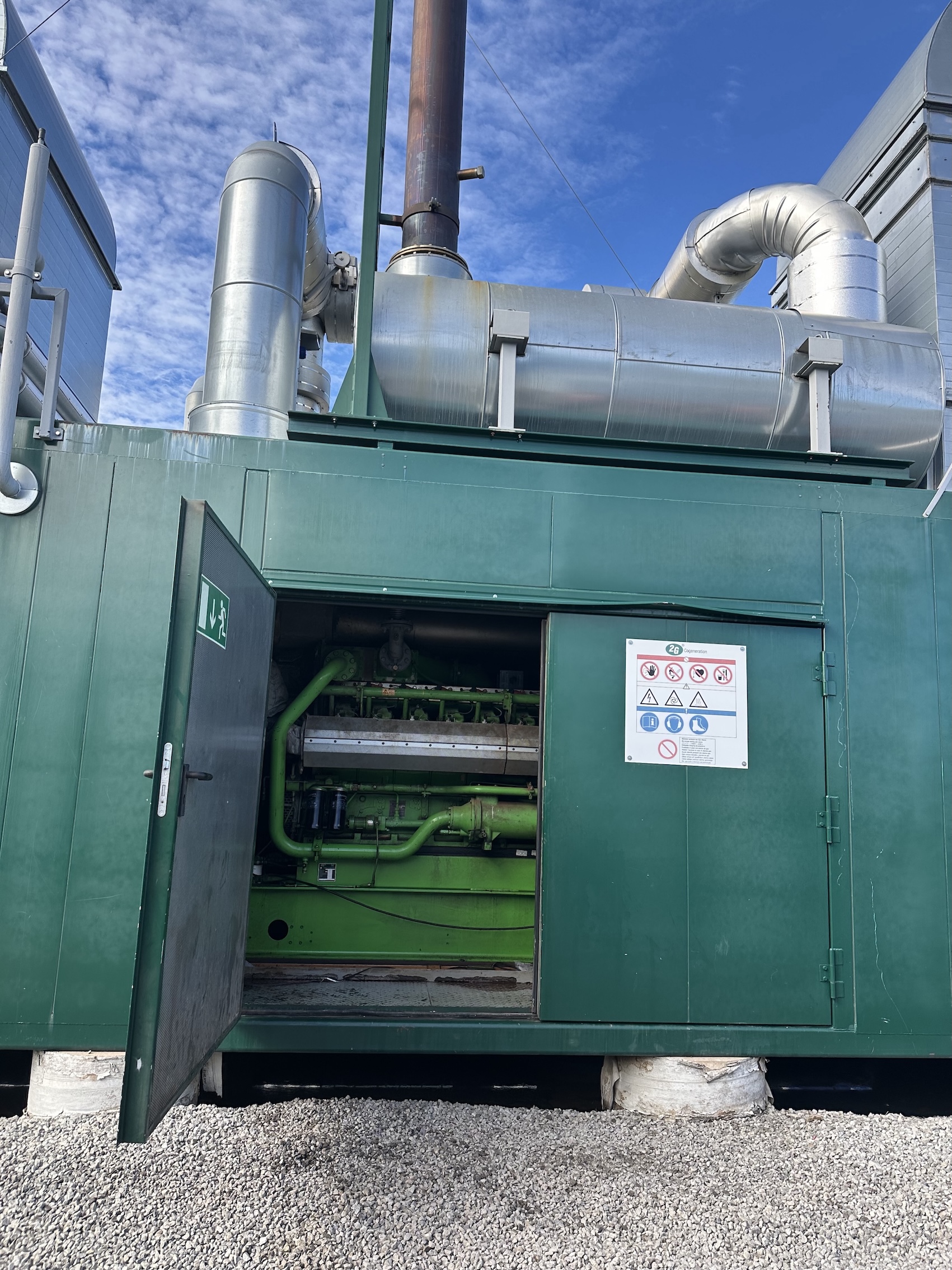
    I’m embarrassed to admit it, but I was a small thinker before I came into the program. I thought of sustainability strictly in terms of environmental sustainability in natural landscapes. I was thinking of forests, mountains, fields, things like that. But for example, in one of our courses, we’ve done a tour of the energy system on campus, and through that I was able to understand that it’s not just cost effective when you turn off your light bulbs or your light switches or unplug something, it’s actually better for the environment.  

    In our courses, we talk a lot about international implications and sustainability sciences in our courses. It takes my understanding from a local to a global level. It’s broadening my horizons.  

    How has the program faculty and your peer group supported your academic journey? 

    There’s not a single time that I speak to my professors when they don’t have a smile across their face.  They are so welcome to new ideas about the program, about how they teach, even about what you have to say about a topic, which really makes it more intriguing and appealing to go to class. They are guideposts that I have definitely clung to. 

    As for my peers, I just love listening to people talk. We have backgrounds in chemistry and aviation, and water resource management, and then we have someone working in the wine industry, and then we have a politician. There’s just so many vastly different perspectives and somehow, we all care about the same things. It’s just so interesting. It’s making me a better person just to sit with them and hear why they care about sustainability. It’s amazing that we get to come together and all work towards a common goal while being such different people and still staying true to ourselves at the same time.  

    I think every vantage point is also so necessary in this field, because addressing this issue is arguably like the largest target that we will ever have. And it is not a solo job, and solutions do not come from one perspective but from a community of people that have banded together to make a change. And that’s what we’re seeing is happening here. 

    How do you stay motivated when facing or when thinking about these complex and often very overwhelming crises? 

    I’m going to share a story. Last year, maybe two years ago, I think it was an El Niño year, where we saw a lot of climate events happening. I was on a side of social media that was just full of doom. I would go on my phone and I would scroll, and I would see glaciers melting, a volcano in Iceland is blowing up, hurricanes, countries going underwater… I hated the fact that I could scroll past these news events and not think about it again. Part of me staying motivated comes from not wanting to see these things happen again. If I give up, I’m just one more person that’sconforming to the idea that someone else will fix it. So, I say, why not me? I’m so grateful that I get to have an education and that I get to be here, to have networking possibilities to advance into industries that can push for these changes. It’s not something that everyone can do in their lives. So, I take every day with grace.  

    What advice would you give to someone thinking about graduate studies in sustainability science?  

    Stay true to yourself. There’s a lot of people out there that don’t believe in sustainability science or have differing opinions about it. And I would say if this is where your heart lies, stick with it. You will be fruitful in any endeavor that you pursue when you are passionate about it. Also take every opportunity that comes to you. Someone asks you to volunteer? Do it. Someone asks you to join this class with them? Do it. If someone asks you to sit down for a coffee chat, absolutely do it. Because the best way to build and learn is to listen to other people. So, if you’re thinking about doing a masters in sustainability science, I say jump in, feet first. Take the risk. Take as many risks as you can but be true to you. 

    Categories: Blog, Program Reflections, SSAS Student Contributor, SSCI Student Contributor

  • Reflecting on my First Year Experience

    Blog Contributor: Natalie Seniuk

    In the fall of 2022, I stepped away from my career as an environmental planner and project manager to pursue a graduate degree. When I found the Master’s of Sustainability Science and Society program at Brock, I knew it was the fit I had been looking for: a program focused on sustainability and climate change but through a social sciences lens. Beyond the academic fit, Brock is also my hometown university, and I am the second generation in my family to attend, following in the footsteps of the women in my family.

    Coming into the program as a mature student with a background in the environmental field, I didn’t know what exactly I would be adding to my knowledge bank. To say I have learned new things during this past year would be an understatement. Beyond acquiring new knowledge, I have been challenged to think in a new way: to dig deeper and question the potential impacts of sustainability and climate actions when value isn’t placed on the interconnectedness of the social and natural systems we live within. Having access to research, knowledge, and perspectives that are generally inaccessible outside of academic environments has reminded me of all that is happening, not just in industry, but in knowledge development and research. Working to further connect these two worlds is where I see myself applying my education when I complete my thesis next year.

    As a mature student and parent to a tiny person, it was a challenging first year. Needing to juggle academic and parental responsibilities felt overwhelming at times and making choices to step back from participating in things at school and home often felt like a sacrifice. Looking back, I recognize the benefits of having a full academic and personal life at the same time, it just looks a little different than it did when it was only me. With the support of my family, and faculty and staff at the university I have been able to achieve so much…and with my second year approaching, I am looking forward to new opportunities that I’m sure will continue to challenge me both academically and personally.

    This coming year, I am hoping to make a trip out of province to support my thesis project, and will be participating a graduate student experiential learning program through the university of Guelph.

    Categories: Blog, Program Reflections, SSAS Program, SSAS Student Contributor

  • Reflecting on My First Year in the SSAS Program

    Blog Contributor: Sydney McIntyre

    Does time really fly when you’re having fun? I can confirm that indeed, it does. As this semester comes to an end, it is now time to reflect on my first year in the masters of sustainability program at Brock. I think specifically this year, our cohort was special because it was the first time in three years that school felt like school. Face to face learning, real time discussions and simply being able to laugh in person with  friends and colleagues was very special (and something I will never take for granted ever again!). I am so thankful that I got to have my first year back in class in the SSAS program! It’s hard to believe that it has been 8 months since I started my graduate degree and am quickly approaching my co-op work term this summer, followed by my MRP completion this coming fall.

    I would first like to address the relationships I have built with all faculty and students over the past 8 months. Since the very first day of orientation, the SSAS program surpassed all my expectations. I think I can speak for my entire cohort when saying the faculty are so welcoming and truly make you feel as though someone is always in your corner, consistently cheering you on. Every single professor went above and beyond their duties; making sure content was thought-provoking, communicating and critiquing when appropriate, as well as always ensuring our well-being was put first.

    In addition to my professors, my peers quickly became a huge part of my graduate experience as I built wonderful, life-time friendships that I will forever cherish. Everyone in my cohort came from different educational backgrounds with overall different academic interests; however, this brought forward so many diverse perspectives and insightful knowledge that I don’t think can be taught from reading books or listening to lectures.

    This brings me into my understanding and perspectives on sustainability science, and how they have changed since my first day in September. I went into this program with a heavy science background, a love for conservation, and general interest in saving the environment; and thought “yeah that sums up sustainability science”. Was I ever wrong! Although this program is perfect for my interests, it is also so much more. I have learned exactly what it means to really think like a sustainability scientist and widen my perspectives when looking to address the world’s most complex challenges; examples being incorporating social aspects, considering economic ties, and defending nature when it’s needed the most!

    The class content I received throughout my first year was like no other. There were field trips with community-partner collaborations, consistent discussions and idea sharing, as well as critical aspects such as presentations and forming mock climate action plans that really pushed for knowledge development. I think my favourite classes this year were SSAS 5P01 and SSAS 5P03. In 5P01: Foundations of Sustainability Science and Society, we were introduced to the main topics of sustainability. I really loved this class because Dr. Blythe and my fellow classmates really created a safe space for discussion, often bringing forward passionate opinions and encouraging active participation. Likewise, in 5P03: Problem Solving In the Environment, Dr. Plummer collaborated with Niagara Peninsula Conservation Authority (NPCA) to create a collaborative project, in which all of us gained project management and consulting experience. This class was great because it gave us real-life work practice, but also established connections with professionals in the field of sustainability.

    Lastly, I think it is important to leave a note for potential future students thinking of entering the SSAS program – do it! If you have ever thought about contributing to real world problems and making a true difference, this program will bring you one step closer in achieving your goals. I was never someone who even thought about applying for my masters, however, here I am 8 months in with a brain full of sustainability expertise, irreplaceable friends, amazing experiences and ½ a master’s degree – all with zero regrets!

    Categories: Blog, Program Reflections, SSAS Student Contributor

  • My First Year in the SSAS Program

    Blog Contributor: Sanjida Amin

    I still remember the sense of gratification I felt when I accepted the offer letter from Sustainability Science and Society (SSAS). I was looking forward to learning and enhancing my knowledge of sustainability while studying with a bunch of my peers from around the world. As an international student, I was nervous about moving across the globe and attempting to fit into the classroom of sustainability which is one of the most diverse classrooms in the entire world. However, I had no time to worry once my experience at SSAS started. I was able to find my groove and build my confidence with the help of my awesome supervisor, encouraging peer group, amazing faculty members and the supportive administration. It’s hard to imagine that I joined the Sustainability Science and Society (SSAS) programme only a few months ago and now I am almost done with my first year.  I must say that time surely flies! Since taking that very first class, I have learned a lot about sustainability, encountered with some amazing individuals, made some life-long memories, achieved valuable work experience, and successfully submitted my thesis proposal. Throughout this blog, I will be sharing my experiences which I have gathered through the completion of my first year of the program here at Brock.

    First and second term:

    I am in the thesis scheme and I had to take four courses in total throughout the academic year. The design of the SSAS masters course are truly appreciated since all those courses cover a variety of topics including basic sustainability concepts to research methodology. SSAS 5P01: Foundations of Sustainability Science and Society was one of my favourite classes which introduced the core ideas of sustainability science and society. I also really enjoyed SSAS 5P02: Methods for Environmental Inquiry since it provided me with opportunity to learn about the methods of research and explore my research methodology ideas, particularly in the context of sustainability science. SSAS 5P04: Transdisciplinary Seminar course was very helpful for me because every seminar discussion was full of relevant knowledge, information and practical experiences which illustrated the transition period along with the challenges and opportunities to become a sustainability graduate throughout the whole journey. I had another interesting course namely SSAS: 5P80 Directed Study which was taken under the direct supervision of my supervisor, specifically to explore the previous literature and to accumulate the knowledge in the field of my research areas. All of these courses provided me with a deeper understanding of the diversified dimensions of sustainability science and really highlighted the programme’s goal to be transdisciplinary.

    My thesis and research proposal presentation:

    Understanding my research interests and working on my thesis proposal took up a significant portion of my first year in the graduate program. My research is on “Predicting Consumers’ Sustainable Food Consumption Behaviour”. This proposal presentation session was the most interesting component of my SSAS masters journey. We the students from SSAS, 2022 cohort shared our preliminary research (Thesis/MRP) proposals and research ideas with the audience in the area of sustainability. I would like to express my heartfelt appreciation for this proposal presenting session, which was both exciting and nerve-wracking. Finally, after getting valuable feedback and great compliments from my peers, supervisors and faculty members, I felt relaxed. It was extremely impressive to see how faculty members, supervisors, former students, and ESRC staff members attended and took an interest in each issue that was discussed. I am grateful to my supervisor Dr. Todd Green to be extremely supportive, to motivate me to present my research proposal in a room full of scholars and to guide me to the right direction throughout my journey. Throughout my first year, I have come to realize how much I enjoy doing research. I am looking forward to finishing my thesis with some outstanding findings. I can’t wait to take on the challenge of research, even though it offers its unique set of challenges and I still have a lot to learn.

    Research Assistantship position:

    I have worked as a Research Assistant for The Brock University Project Charter in addition to taking classes and doing my thesis for this year. I have got an excellent team in this project to work with whom I developed social media contents, wrote blog posts, hosted multiple events, submitted data for Times Higher Impact Ranking, and worked on several initiatives to advance sustainability and awareness around the campus. Moreover, I worked on promoting, measuring and tracking the social media platforms for the Sustainability at Brock initiative as a part of this. I would like to express my heartfelt gratitude to Amanda Smits, Madison Lepp, Alexandra Cotrufo and Kassie Burns for their immense support and kindness while working for the project.

    People and Relationships:

    Last but not least, the relationships I have made with my cohorts, faculty members, my supervisor and administrative staffs here at the SSAS have been the most favourite part of this academic year. I have gathered a bunch of wonderful memories while studying, working, discussing and enjoying time with these amazing people of the SSAS program at Brock. I have had the pleasure of working with some of the loveliest people who are all passionately committed to advancing sustainability and making a positive difference for the environment. Each and every individual I have met through this programme has taught me something new, motivated me through their kind words and supported me in every single way. Coming abroad for study, moving away from home country for the first time, adjusting to new weather, copying with new academic, cultural and social challenges, and getting used to the unknown surroundings was not an easy journey for me initially. However, with the help and support of this people mentioned above, I made it to increase confidence and courage beyond my imagination. Wherever I will be, I believe that the strong bonding I have established with this group will stay with me for the rest of my life. I would love to cherish all these memories forever!

    Categories: Blog, Innovative Partnership, Program Reflections, SSAS Student Contributor

  • Reflection on My First Year

    Blog Contributor: Kassie Burns

    Seems only yesterday I was entering my first class, nervous and excited for what would come next. I knew I would be walking into an amazing journey, leading me to different learning experiences and opportunities, but I had not expected to be surrounded by such supportive and incredible individuals. Without a doubt the most memorable experience I will have from this program is the relationships I have built, (cliché but true!).

    Immediately I felt welcomed into the program by the faculty and staff and was delighted to get to know them better. It was clear from the beginning that they genuinely cared about student success and wanted to inspire future generations. I have never experienced such passionate, hardworking educators throughout my academic and professional career than the members of the Environmental Sustainability Research Centre (ESRC). They are leaders in sustainability and their respective fields that have given me the confidence, encouragement, and support I needed to progress through the program. I cannot stress enough how much of a comfort that gave me to help direct me in my graduate studies and sincerely thank them for their dedication to students!

    In addition to getting to know faculty and staff better, I was also able to meet some incredible peers! It did not take much time to learn of the sushi lovers and talented bowlers in the group. Their humour and personalities made the stresses of the academic year much easier, and everyone was eager to help one another. We would share resources, talk about our research ideas, practice presentations, work on projects together, and cheered when individuals secured co-op placements and research accomplishments that made my academic experience even more enjoyable. The people I have met here and the atmosphere they brought were dynamic!

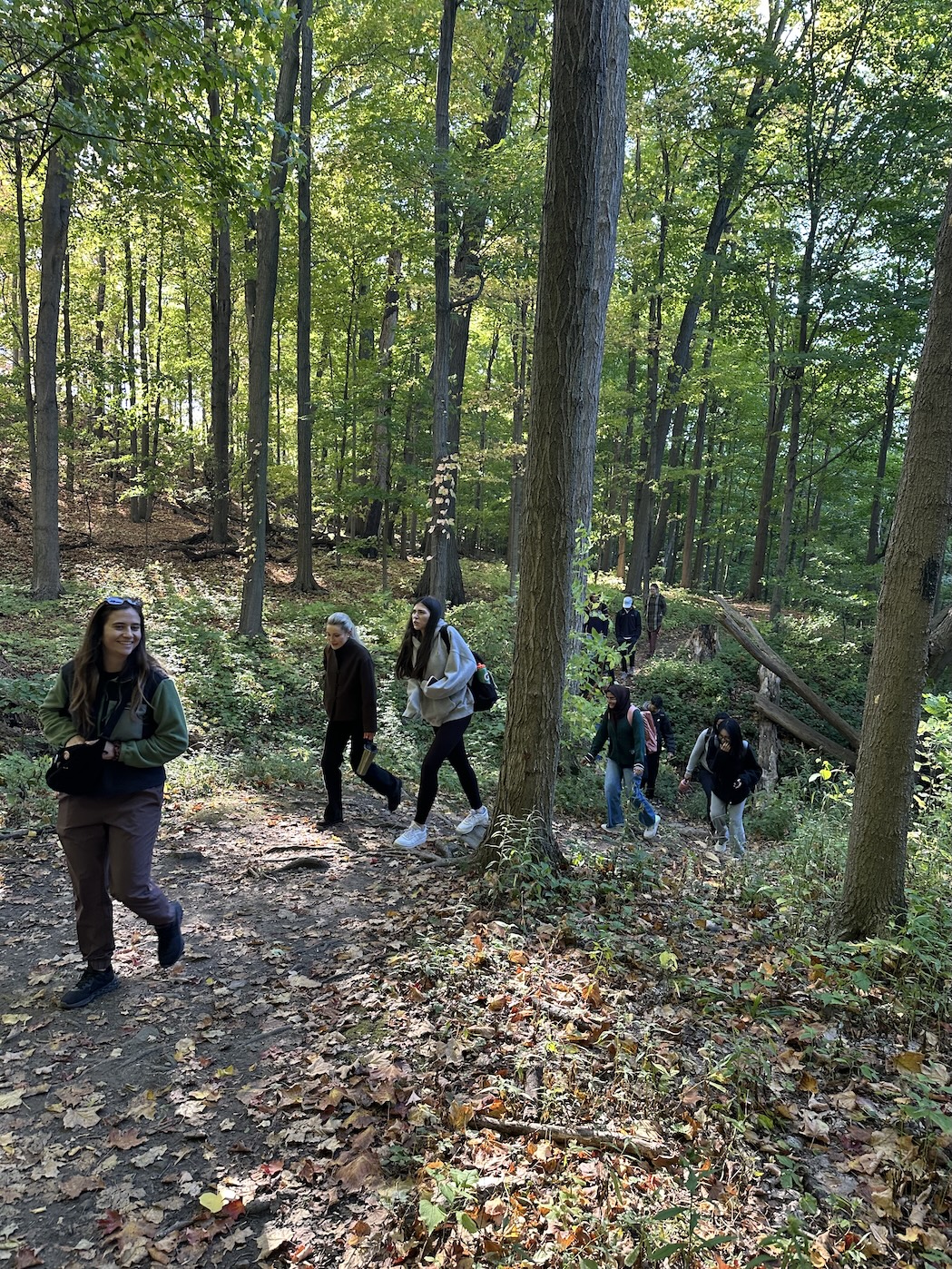
    I could go on about the amazing journey I had in my first year of the program, but I will end with discussing the variety of learning opportunities that presented itself throughout the year. The traditional settings of listening to lectures went out the window. To my delight, there were several experiential learning occasions with field trips ranging from walking the Bruce Trail behind campus and experiencing the UNESCO Biosphere, to tours of the campus energy systems, and witnessing projects happening with Niagara Parks Commission. All of which pathed way to an immersive means to learn our studies in practice. Classes were flexible to incorporate student interests and followed opportunities that emerged. This led to a trip to the Town of Lincoln to learn more on tree canopies that was initially never planned but was an amazing way to experience community projects and benefits of using Global Positioning System (GPS) technologies. A highlight of the year was a course dedicated to evolving student project management skills, where we were tasked with an assignment aligning with the Niagara Peninsula Conservation Authority, a community partner. For the entire term we collaborated to complete the deliverables that were presented to many of the staff, including their CAO, and were able to see our work mobilized into practice. Not to mention the several professionals in the industry giving guest lectures on a variety of topics related to sustainability science that introduced new topics and perspectives to me. There were so many workshops and conferences I was able to participate in, with a never-ending list of incredible experiences that elevated my academic year.

    Overall, I am so pleased I was able to participate in this program, that not only gave me the opportunity to explore my research interests but also helped me grow as a professional!

    Categories: Blog, Co-Op, Program Reflections, SSAS Student Contributor

  • A Lunch and Learn on Climate Readiness at Niagara Parks

    Blog Contributor: Shannon Heaney

    On November 24th, 2022, the Excellence in Environmental Stewardship Initiative (EESI), a partnership between the Environmental Sustainability Research Centre (ESRC) and the Niagara Parks Commission, held a lunch and learn at the Legends on Niagara Golf Course. The lunch and learn afforded an opportunity to share information about the Niagara Parks Climate Readiness Plan, developed by the EESI, and discuss implementation actions for the future.

    Ryan Plummer welcomed everyone and Steve Barnhart, Senior Director for Planning, Environment, and Culture, opened the event with a land acknowledgment. Ryan Plummer and Shannon Heaney then presented an overview of the Niagara Parks Climate Readiness Plan. Their presentation described the development of the plan, illustrated climate scenarios in the Niagara Region, and identified climate related threats specific to Niagara Parks.

    The presentation also set out the three overarching goals which are the foundation of the plan. The three goals are to: 1) ensure public safety, 2) minimize risk to infrastructure, and 3) reduce net environmental, human and infrastructure costs of climate impacts.

    Corey Burant, Project Manager for Forest Health Parks, Planning and Properties, shared information about the many current initiatives by Niagara Parks which address climate change such as native shoreline rehabilitation, the completion of the Feast on Certificate, and incentivizing sustainable travel among others.

    Following the presentation, the EESI team next posed the following open-ended questions to over 25 attendees:

    1. How can you implement the climate readiness plan in your individual role?
    2. How can you implement the climate readiness plan in your business unit?
    3. How can Niagara Parks implement the climate readiness plan on an organization level?
    4. What can Niagara Parks do to build capacity to support implementation of the climate readiness plan?

    Members of Niagara Parks carefully considered these questions and discussed them with their colleagues and were invited to record their ideas on sticky notes.

    The discussion resulted in various interests and ideas from attendees. The first three questions, which asked about implementation of the Climate Readiness Plan, yielded similar themes. These themes included an interest in continual education and knowledge sharing about the Climate Readiness Plan, identifying ways to integrate and implement the Climate Readiness Plan including actions at the individual, business unit, and organizational level. Further, there was a strong interest regarding collaboration within Niagara Parks, as well as with external partners, and fostering motivations and ideas at all levels related to climate readiness. The discussion also generated excellent ideas on specific actions that could be implemented across Niagara Parks related to climate readiness.

    The final question asked attendees to reflect on how Niagara Parks could build capacity to support implementation of the Climate Readiness Plan. Attendees echoed the themes above, identifying education and awareness as an important way to build capacity, as well as expanding collaboration both internally and externally, with partnerships that align with Niagara Parks mandate and mission.

    Steve Barnhart, Senior Director for Planning, Environment and Culture, concluded the event by discussing next steps related to the Climate Readiness Plan within Niagara Parks. As participants left the event with an infographic in hand, requests were made for similar events in the future. The lunch and learn was a huge success, and sparked conversations about the Climate Readiness Plan which will continue beyond the 1-hour lunch and learn event.

    Categories: Applied Research, Blog, Conferences, Environmental Stewardship Initiative, Innovative Partnership, SSAS Student Contributor

  • What are Social-Ecological Systems?

    Blog Contributor: Lyndsay Bott

    Defining Social-Ecological Systems

    Social-ecological Systems (SES) can be described as a “system of people and nature”. While this may seem intuitive, the close connection between people and nature hasn’t always been central in environmental thinking.

    This term social-ecological system was originally coined in the 1970s and is now used within many disciplines, such as the environmental sciences, social sciences, economics, business, and medicine, among others. Other authors have described SES as a system that connects two subsystems of social (human) and ecological (biophysical). These two subsystems are inherently interdependent. A more complex definition of SES is an “Integrated system in which human society and its multiple cultural, political, social, economic, institutional, and technological expressions interact with ecosystems (p.1). tend to identify a close relationship between two systems: the social and the ecological. The social component of SES typically deals with politics, history, economics, and ethics, among other institutions. The ecological component of SES deals with the natural habitats, animals, aquatic health, and changes in climate.

    The Adaptive Capacity of Social-Ecological Systems

    A social-ecological systems perspective provides a framework for understanding the complex dynamics occurring between environmental and societal changes. It highlights the intense dependency that society has on the natural environment. From a social-ecological systems perspective, uncertainty is an inherent part of all systems. A systems’ adaptive capacity describes its ability to respond to potential damage, take advantage of opportunities, or respond to consequences. The adaptive dynamics of social-ecological systems allow for the creation and success of governance systems. Click here to learn more about governance. The marking of a sustainable and long-term SES is the ability to adapt to many variables that arise over periods of time.

    In 2009, Elinor Ostrom (winner of the Nobel prize) introduced the social-ecological systems framework. Based on decades of Ostrom’s empirical work on the commons, the framework provides guidance on how to assess the social and ecological dimensions that contribute to sustainable resource use and management across scales and contexts. SESs come in many different shapes and sizes, varying in scale and focus. According to the SES framework, the subsystems that make-up SESs can function independently, such as governance systems, users of a system, and the units produced by the system, but then join to produce complex social-ecological systems. When using fisheries as an example, the governance systems would be organizations that manage fishers, the users would be the fishermen, and the units would be the number of lobsters caught. All aspects of this social-ecological system example can act independently and have their own role to play, but then come together to produce a complex SES of fisheries. This example also illustrates the varying scale of SESs, as individually fishers and lobsters are small, but together form a large-scale system of fisheries. Therefore, all subsystems must collaborate and adapt to one another to effectively produce a sustainable SES. Understanding the complex nature of social-ecological systems can lead to ensuring their long-term resilience. To read more about the term resilience, click here.

    References

    Berkes, F. (2017). Environmental Governance for the Anthropocene? Social-Ecological Systems, Resilience, and Collaborative Learning. Sustainability (Basel, Switzerland), 9(7), 1232–. https://doi.org/10.3390/su9071232

    Biggs, R., Schlüter, M., Biggs, D., Bohensky, E. L., BurnSilver, S., Cundill, G., Dakos, V., Daw, T. M., Evans, L. S., Kotschy, K., Leitch, A. M., Meek, C., Quinland, A., Raudseep-    Hearne, C., Robards, M. D., Schoon, M. L., Schultz, L., & West, P. C. (2012). Toward     Principles for Enhancing the Resilience of Ecosystem Services. Annual Review of Environment and Resources, 37(1), 421–448. https://doi.org/10.1146/annurev-environ-051211-123836

    Colding, J., & Barthel, S. (2019). Exploring the social-ecological systems discourse 20 years later. Ecology and Society, 24(1), 423–. https://doi.org/10.5751/ES-10598-240102

    Farhad, S., & Baird, J. (2021). Freshwater governance and resilience⁎. Reference Module in Earth Systems and Environmental Sciences. https://doi.org/10.1016/b978-0-12-819166-8.00109-2

    Fischer, J., Gardner, T. A., Bennett, E. M., Balvanera, P., Biggs, R., Carpenter, S., Daw, T., Folke,      C., Hill, R., Hughes, T. P., Luthe, T., Maass, M., Meacham, M., Norstrom, A. V., Peterson, G., Queiroz, C., Seppelt, R., Spierenburg, M., & Tenhunen, J. (2015). Advancing sustainability through mainstreaming a social–ecological systems perspective. Current Opinion in Environmental Sustainability, 14, 144–149. https://doi.org/10.1016/j.cosust.2015.06.002

    Categories: Blog, SSAS Student Contributor, Sustainability Definitions

  • Social-Ecological Resilience: What is it and why is it important?

    Blog Contributor: Madison Lepp

    Recent years have seen an explosion of research and policies using the term resilience. Yet, the word means many things to many people, and is used to evoke a variety of actions. As uses of the term resilience continue to grow, there is value in clarifying the meanings of resilience.

    The Rise of Social-Ecological Resilience Thinking 

    The notion of ‘social-ecological resilience’ has roots in the field of ecology and aims to describe the complex system dynamics in the context of social-ecological systems (Folke, 2006). From this perspective, humans and the environment are understood as inextricably linked (Walker et al., 2004). This linking of ecosystems and people is vital to the field of social-ecological resilience. In our globalised society, there are virtually no ecosystems that are not shaped by people and no people who do not rely on ecosystems and the services they provide.

    In 2005, the United Nations Millennium Ecosytsem Assessment providedthe first global assessment of the world’s ecosystems and introduced the notion of ecosystem services to the global community. Ecosystem services is a term that describes the benefits that humans derive from nature. The report showed that our consumption of  food, freshwater, timber, fibre, and fuel have changed the Earth’s ecosystems. In many cases, the demand for provisioning services such as freshwater, crops, or meat has undermined the delivery of other essential ecosystem services such as climate regulation or cultural heritage. Seven principles for building resilience have been proposed to enhance ecosystem services that support human social and economic well-being (Biggs et al., 2012; Biggs et al., 2015).

    Today, the Stockholm Resilience Centre defines social-ecological resilience as: “the capacity of a system, be it an individual, a forest, a city or an economy, to deal with change and continue to develop. It is about how humans and nature can use shocks and disturbances like a financial crisis or climate change to spur renewal and innovative thinking.”

    Applying Resilience Thinking

    The impacts of humankind on the world’s ecosystems have increased the likelihood of large, nonlinear, and irreversible changes (IPCC, 2021). Occurrences such as sea level rise, melting ice sheets, and flooding have devastating impacts on ecosystem services and human well-being. To minimize the negative impacts of climate change, many are calling for strategies to ensure a sufficient, dependable, and equitable flow of essential ecosystem services (IPCC, 2014). Resilience thinking is an important part of the solution, as it is an approach that strives to build flexibility and adaptive capacity rather than attempting to achieve stable optimal production and short-term economic gains.

    Resilience thinking aims to strengthen our capacity to deal with the stresses caused by climate change and other aspects of global change. It is about finding ways to deal with unexpected events and crises and identifying sustainable ways for humans to live within the Earth’s boundaries. The sixth IPCC Assessment Report also notes that the concept of resilience to climate change overlaps with concepts of vulnerability, adaptive capacity, and risk, while resilience as a strategy overlaps with risk management, adaptation, and transformation (IPCC, 2022). Notably, social-ecological system research emphasizes the significance of the social, institutional, and cultural contexts in social-ecological systems. This type of thinking represents a shift towards appreciating diverse values and the role of culture in guiding human actions (rather than instruments and incentives), closing the gap between science and society (Reyers et al., 2018).

    However, the term and theory are not without their critiques. Various scholars have cautioned that sometimes actions aimed to increase social-ecological resilience can fail to address issues of equity, justice, and power (Cote and Nightingale, 2012). Other critiques include the various misconceptions of the theory and the lack of agreement on applying resilience principles (Walker et al., 2020).

    Moving Forward

    Given the rapid rate of climate change, biodiversity loss, and rising social inequality there is a pressing need to operationalize in the context of social-ecological systems (Rocha et al. 2022). The IPCC Sixth Assessment Report highlights the need for “effective, feasible, and just means of reducing climate risk, increasing resilience, and pursuing other climate-related societal goals” (IPCC, 2022, p. 41, emphasis added). It is imperative that policies create space for flexible and innovative collaboration and highlight the interrelationships between the biosphere and society (Folke et al., 2021). So, while resilience may not be the only solution, resilience thinking offers a pathway to a building a more equitable and sustainable future.

    References

    Biggs, R., Schlüter, M., & Schoon, M. L. (Eds.). (2015). Principles for building resilience: Sustaining Ecosystem Services in social-ecological systems. Cambridge University Press.

    Biggs, R., Schlüter, M., Biggs, D., Bohensky, E. L., BurnSilver, S., Cundill, G., Dakos, V., Daw, T. M., Evans, L. S., Kotschy, K., Leitch, A. M., Meek, C., Quinlan, A., Raudsepp-Hearne, C., Robards, M. D., Schoon, M. L., Schultz, L., & West, P. C. (2012). Toward principles for enhancing the resilience of Ecosystem Services. Annual Review of Environment and Resources, 37(1), 421–448. https://doi.org/10.1146/annurev-environ-051211-123836

    Cote, M., & Nightingale, A. J. (2012). Resilience thinking meets social theory: situating social change in socio-ecological systems (SES) research. Progress in human geography36(4), 475-489.

    Fitzgibbons, J., & Mitchell, C. L. (2019). Just urban futures? exploring equity in “100 resilient cities.” World Development, 122, 648–659. https://doi.org/10.1016/j.worlddev.2019.06.021

    Folke, C. (2006). Resilience: The emergence of a perspective for social–ecological systems analyses. Global environmental change16(3), 253-267.

    Folke, C., Carpenter, S., Elmqvist, T., Gunderson, L., & Walker, B. (2021). Resilience: Now more than ever. Ambio, 50(10), 1774–1777. https://doi.org/10.1007/s13280-020-01487-6

    IPCC, 2014: Climate Change 2014: Synthesis Report. Contribution of Working Groups I, II and III to the Fifth Assessment Report of the Intergovernmental Panel on Climate Change [Core Writing Team, R.K. Pachauri and L.A. Meyer (eds.)]. IPCC, Geneva, Switzerland, 151 pp

    IPCC, 2021: Summary for Policymakers. In: Climate Change 2021: The Physical Science Basis.

    Contribution of Working Group I to the Sixth Assessment Report of the Intergovernmental Panel on Climate Change [Masson-Delmotte, V., P. Zhai, A. Pirani, S.L. Connors, C. Péan, S. Berger, N. Caud, Y. Chen, L. Goldfarb, M.I. Gomis, M. Huang, K. Leitzell, E. Lonnoy, J.B.R. Matthews, T.K. Maycock, T. Waterfield, O. Yelekçi, R. Yu, and B. Zhou (eds.)]. In Press.

    IPCC, 2022: Climate Change 2022: Impacts, Adaptation, and Vulnerability. Contribution of Working Group II to the Sixth Assessment Report of the Intergovernmental Panel on Climate Change [H.-O. Pörtner, D.C. Roberts, M. Tignor, E.S. Poloczanska, K. Mintenbeck, A. Alegría, M. Craig, S. Langsdorf, S. Löschke, V. Möller, A. Okem, B. Rama (eds.)]. Cambridge University Press. In Press.

    Meerow, S., & Newell, J. P. (2016). Urban resilience for whom, what, when, where, and why? Urban Geography, 00(00), 1–21. https://doi.org/10.1080/02723638.2016.1206395

    Categories: Blog, Innovative Partnership, SSAS Student Contributor, Sustainability Definitions

  • Governance: what is it and why does it matter?

    Blog Contributor: Lyndsay Bott

    This blog is part of a series where we will focus on unpacking terminology commonly used by sustainability scientists. Today we begin with the term governance. Governance is a broad, all-encompassing term that is understood in a range of ways. We are pleased to provide our interpretation here.

    Background of Governance

    Governance is the coordination of groups or “actors” that use both formal and informal processes to work towards a shared goal. This concept includes both governments and non-governmental groups, such as non-governmental organizations, industry, and the public.

    Governance differs from ‘government’ in that it involves a shift from government-centered decision-making and direction setting approaches to those where power and engagement is more widely distributed; therefore, governance requires coordination between society and the government. Governance is essential to integrate the varying interests and knowledge of actors into decision-making, which is important for addressing contemporary environmental problems that are complex and interacting with other factors and issues at a range of scales (biophysical, jurisdictional, time) and levels (from local to global).

    Governance differs from management in that it is a broader range of activities and processes with direction-setting outcomes, where management is focused on analyzing, monitoring, and developing and implementing measures that have a direct impact on the system.

    Key Features of Good Governance

    Here we focus on ‘good governance’ approaches. Important conditions for good governance include:

    • Inclusiveness: providing equal opportunity for all relevant actors to engage in governance processes
    • Participation: engaging all relevant actors in decision-making
    • Transparency: clarity in how decisions are made
    • Accountability of all actors: all relevant actors
    • Polycentricity: Connectedness within and across levels that various actors work in
    • Collaboration: working together among relevant actors in governance processes

    Since governance of the environment involves many and complex interactions between natural and social systems (called a ‘social-ecological system’), there are additional considerations for good governance. Other key features of governance that support social-ecological systems are the consideration for the diverse needs of systems, fit between the scales of the problem and the actors that govern it, as well as remaining flexible, adaptive, and active to address the complexity and uncertainty inherent in these systems.

    Types of Governance for the Environment

    Various ways of thinking about governance have developed over time to address governance needs in specific contexts. Some examples of forms of governance related to our interest in the environment and social-ecological systems are environmental governance, adaptive governance, and water governance.

    Environmental governance focuses on governing environmental issues, including the physical ecosystems humans and other species rely on for survival and wellbeing. Environmental governance focuses on shared decision-making among the state (e.g., governments), community (e.g., non-governmental societal actors) and the market (e.g., industry) across scales. It emphasizes decentralization through new organizational entities (e.g., community-based groups) with authority and corresponding responsibility distributed more widely than in a government-centered approach. Within the realm of governance types, environmental governance is primarily aimed at influencing environmental actions and outcomes.

    Adaptive governance, a type of environmental governance, was developed to better manage the uncertainty and complex interactions in social-ecological systems. The focus of adapting is on managing, or coping with, change including known and unknown disturbances. Adapting, and adaptive governance, happens through a range of mechanisms, including monitoring, experimenting, and learning together with others who bring diverse knowledge and perspectives. Overall, adaptive governance is an approach that recognizes the need for flexibility and capacity for change in response to unpredictable change at levels from local to global.

    Finally, governance approaches for specific natural resources have also been developed. A good example of this is water governance – a range of systems that include social, economic, and administrative aspects to manage water resources at various levels of society. The importance of water governance has been emphasized due to climate change and its uneven impacts on water quality and availability, as well as extreme events including flooding and droughts. For more information regarding climate change impacts on water from the Intergovernmental Panel on Climate Change (IPCC), click here.

    The study of governance approaches to environmental issues is a focus of the Environmental Sustainability Research Centre at Brock University, and through transdisciplinary partnerships such as the Partnership for Freshwater Resilience.

    Enacting Environmental Governance Through Innovative Partnerships at Brock University

    The Partnership for Freshwater Resilience between the Environmental Sustainability and Research Centre (ESRC) at Brock University and WWF-Canada works to advance the understanding and applications of freshwater resilience and stewardship. Beginning in 2019, this 5-year partnership works to understand how to build resilience in Canada, during times of climate change and increasing threats. Specifically, in the context of governance, this partnership looks to generate innovative and evidence-based approaches to freshwater governance and management within the Wolastoq/St. John River basin. Key outputs from this partnership so far include a ‘map’ of the governance network of flood planning in the basin, and assessments of the fit of flood governance to the scope of the issue. Overall, this partnership works to harness the shared expertise in research and practice between WWF-Canada and the ESRC for practical and policy impact.

    References

    Ansell, C. (2002). Debating Governance: Authority, Steering, and Democracy. Edited by

    Jon Pierre. Oxford: Oxford University Press, 2000. 251p. The American Political Science Review, 96(3), 668–669. https://doi.org/10.1017/S000305540281036X

    Booth, J. (2021, April 5). The Brock-WWF Partnership for Freshwater Resilience. Brock

    University. Retrieved March 13, 2022, from https://brocku.ca/esrc/2021/04/05/the-brock-wwf-partnership-for-freshwater-resilience/

    Chaffin, B. C., Gosnell, H., & Cosens, B. A. (2014). A decade of adaptive governance

    scholarship: synthesis and future directions. Ecology and Society, 19(3), 56–. https://doi.org/10.5751/ES-06824-190356

    Chaffin, B. C., & Gunderson, L. H. (2016). Emergence, institutionalization and renewal:

    Rhythms of adaptive governance in complex social-ecological systems. Journal of Environmental Management, 165, 81–87. https://doi.org/10.1016/j.jenvman.2015.09.003

    Farhad, S., & Baird, J. (2021). Freshwater governance and resilience⁎. Reference Module 

    in Earth Systems and Environmental Sciences. https://doi.org/10.1016/b978-0-12-819166-8.00109-2

    Garmestani, A.S., & Benson, M. H. (2013). A Framework for Resilience-based Governance of    Social-Ecological Systems. Ecology and Society, 18(1), 9. https://doi.org/10.5751/ES- 05180-180109

    Hall, A. W., & Rogers, P. (2003). Effective Water Governance. In TEC Background Papers

    (Vol. 7, pp. 1–49). essay, Global Water Partnership.

    Hasselman, L. (2017). Adaptive management; adaptive co-management; adaptive 

    Categories: Blog, Innovative Partnership, SSAS Student Contributor, Sustainability Definitions