As part of the growing Safe Sport topic, our members continue to research and publish their work.
You can find some of our members’ Safe Sport related work below:
“I feel (un)safe when…” What athletes have to say about high performance culture
- In this article, researchers present their findings about Canadian high performance athletes’ perspectives on safe and unsafe sport environments, as well as recommendations for changes
- Athletes identified coach behaviour, teammate or fellow athlete behaviour, lack of resources and an inattentive sport system as key factors contributing to unsafe sporting environments
- Implementing initiatives to target these issues can support the shift to a safer sport environment (for example, requiring coaches to undertake self-awareness and self-regulation training that promotes safe coach behaviour)
To read the article, click here.

The challenges of shifting to a safer sport culture: High performance coach and administrator perspectives
- High performance coaches and administrators are key stewards of a shift to safer sport
- In their research, coaches and administrators identified 6 challenges to culture change in high performance sport:
- Sport is inherently unsafe
- Turbulent, unstable sport environment
- Lack of system alignment
- Different interpretations of safe sport
- General hesitation and avoidance
- Financial and human resource capacity constraints
- They outline strategies to address these challenges and shift toward safer sport cultures for all sport participants
To read the article, click here.

How coaches and sport organizations can create a better experience for LGBTQ+ youth
- Participating in sport can have many benefits for lesbian, gay or bisexual (LGBTQ+) youth. Sport has the potential to bring joy, distraction and mindfulness that frees LGBTQ+ youth from worry and fear in other domains of their lives. Sport can also provide important social connections and support for LGBTQ+ youth as they negotiate coming out.
- In this blog, they explain why LGBTQ+ youth often feel unsafe in sport. Aligned with a movement to understand the nuances of different gender and sexual identities we focus on LGBTQ+ identities. they also recommend 5 strategies that coaches and other sport leaders should consider to create more inclusive cultures in their teams and organizations for LGBTQ+ and transgender, and queer or questioning (LGBTQ+) identities.
To read the article, click here.

“My research interests include injury prevention, sport-related concussion, epidemiology, knowledge translation and implementation science, evidence-based athletic therapy practices and protocols, and evidence-based sports medicine and public health.”
- Amanda Black, featured in our Member feature segment in 2025, works in many different areas regarding safe sport.
- Her safe sport work is a mix between athlete mental health and concussion research. Following are some of her most recent publications:
To read more about body checking and in non-elite 13 to 14 year-old ice hockey and the impact on the reduction it has on rates of injury and concussions, click here
To read more about concussion prevention in the new 6th consensus, click here
To read more about the investigation on injury and concussion rates, risk factors and primary prevention strategies in youth rugby, click here
“A knowledge gap exists in understanding the
effectiveness of safe sport educational
programs.”
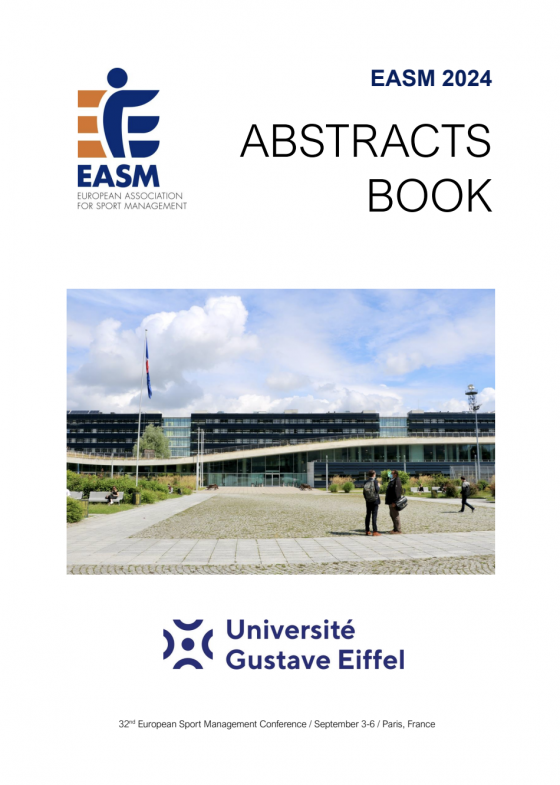
- Michael Van Bussel, who presented at The European Association for Sport Management Conference, 2024. “Evolving our Understanding of Safe Sport Education: Studying Canadian Safe Sport Resources and Instruction” has a passion for building safe sport resources to become more accessible, specifically at NSO levels.
- His work strives to effectively develop safe sport programs to fill knowledge gaps and to further understand safe sport educational programs in Canada.
- Dr. Van Bussel was a Principal Investigator (PI) for the SDRCC Safe Sport Grant awarded in 2024-25.
“Real harm can come from powerful institutions acting permissively or insubstantially in the face of abuse.”
- Taylor McKee, the CSC director and Brock University Sport Management Professor, has expertise in safe sport research with a passion for safe sport change in the hockey industry.
- Dr. McKee was a collaborator and co-investigator for an SDRCC grant in 2023-24, with a study focus on safe sport change for Indigenous athletes. From interviewing ten different Indigenous athletes, this research brings a call to action to improve the sporting culture for Indigenous participants.
To read more, Addressing the Silent: Understanding Safe Sport for Indigenous Participants in Canada
- His work in media publications brings a powerful voice forward to change the norms of toxic sporting environments. Furthermore, he has a focus on policy changemakers and how to properly assist athletes in these systems. Following are some of his recent The Conversation publications:
To read more about Hockey Canada and the call to action for leadership improvements, click here
To read more safe sport policies within Canadian sports groups and the controversial processes, click here
To read more about the investigation on NHL’s sporting culture and how proposed policy solutions are looking to enhance safe sport, click here