Read the profiles for some of our recent Child and Youth Studies MA and PhD alumni.
Master's Students

Year of graduation: 2023
Thesis title: Moving forward: Perspectives of adults with intellectual and developmental disabilities regarding the effectiveness of Individual Support Plans
Advisor: Donato Tarulli
Why did you choose the Child and Youth Studies program?
I liked the flexibility that the program offered through courses from various areas of study (i.e., disability studies, law, sociocultural, etc.).
What was your research focus?
Improving Individual Support Plans for people with intellectual and developmental disabilities (IDD).
What are you currently doing? (Working, studying, family life, etc.)
I am currently enjoying some extra free time with my dog, while looking for a job working with people with intellectual and developmental disabilities.
How did your degree help you get there?
My degree gave me the opportunity to build a connection with a community-based agency, Community Living, where I was able to assist people with IDD and learn about areas in their lives that could be made better!
More specifically, how have the multi-disciplinary/trans-disciplinary focuses helped you in your current situation (work, further studies, etc.)?
A multi-disciplinary focus reminds me that there is no “quick fix” to issues, and that it takes a team to come up with solutions.
Advice for future students in the Child and Youth Studies program:
My advice would be to take courses that really interest you – it’s okay to not have a minor in another program – there are so many great CHYS courses that can provide you with a diverse background of knowledge for whatever job you pursue.
Please let us know your favourite memory, experience, course, or “other” that stood out to you while studying in the CHYS program.
I met my best friend in the CHYS program! We did our undergrad and MA degree together.
Year of graduation: 2023
Thesis title: The time(s) of our lives: Exploring and opening up alternative temporalities through the experience of disability
Advisor: Donato Tarulli
Why did you choose the Child and Youth Studies program?
After two years of working following the acquisition of my BA and BEd, I decided to listen to the little voice in the back of my mind telling me to take a risk and pursue an interest. My previous experience at Brock was in the Concurrent Ed. (p/j) Program so I kind of had a choice to make… education or child and youth studies? Clearly CHYS was the victor, and that’s simply because of the instructors, the rigor of the content and a gut feeling I must say!
What was your research focus?
My research focus was on disability and temporality, mostly. It is quite philosophical in nature, given that it is suggesting different conceptions of time. It’s also positive in that it is an advocate for the transgressive possibilities of alternative ways of being in the world.
What are you currently doing? (Working, studying, family life, etc.)
I am a teacher for the Hamilton-Wentworth Catholic District School Board…. and I absolutely love it!
How did your degree help you get there?
Theoretically, my degree did not help me acquire my job. I was already employed by my chosen school board prior to enrolling in graduate studies. HOWEVER, the skills garnered from my years working towards my degree have completely elevated my everyday choices and actions. I am a more persistent, patient, thoughtful leader. There is more care and advocacy intertwined in my decisions. I am a better listener, a better thinker and am confident in the things that I do. This degree and all the experiences that led up to its acquirement, helped me to do that.
More specifically, how have the multi-disciplinary/trans-disciplinary focuses helped you in your current situation (work, further studies, etc.)?
Coming to Child and Youth Studies as a practicing teacher privileged me with a perspective that is already naturally multi-disciplinary. Yet, the exposure to other focuses (such as an exceptionality focus, a sociocultural focus and the developmental focus) challenged me to listen and be open to ideas that may at times be conflicting. The trans-disciplinary nature of the program guides the learner to an openness and a comfort in thinking. It’s not as much cognitive dissonance; now it’s more, thinking through and being comfortable in that dissonance. It’s almost a resilience.
Advice for future students in the Child and Youth Studies program:
It’s important to not simply “hear” advice, knowledge and guidance from your instructors and the staff of the department but to “listen”. These people are a fantastic and intelligent bunch! Use them as a resource and learn from what they have to say.
Please let us know your favourite memory, experience, course, or “other” that stood out to you while studying in the CHYS program.
I was very fortunate to present my work at a conference at the University of British Columbia in 2022. Colleagues, esteemed professionals and scholars and the general audience really seemed impressed with the caliber of work coming from our department. To be truthful I was in greater awe of the mountains and scenery around me!
Year of graduation: 2023
Thesis title: Experiences of Volunteering: A Qualitative Study of Intergenerational Volunteerism in the Snow Buddies Program and Similar Volunteer Initiatives in Niagara
Advisor: Heather Ramey
Why did you choose the Child and Youth Studies program?
I completed my undergraduate degree at Brock in the Department of Psychology and wanted to continue attending Brock for graduate studies. The Child and Youth Studies program was perfect because it suited my interests and offered a unique multi-disciplinary approach.
What was your research focus?
My research focused on intergenerational volunteerism between youth and older adults.
What are you currently doing? (Working, studying, family life, etc.)
I am currently working at Brock as a teaching assistant and research assistant.
How did your degree help you get there?
My degree in Child and Youth Studies provided me with training in qualitative and quantitative methods and helped me to understand children and youth from different theoretical perspectives.
More specifically, how have the multi-disciplinary/trans-disciplinary focuses helped you in your current situation (work, further studies, etc.)?
The multi-disciplinary focus of the Child and Youth Studies program gave me the skills to explore and look at children/youth from different perspectives, rather than from a single perspective or discipline.
Advice for future students in the Child and Youth Studies program:
Get as much as you can out of your graduate degree! Develop relationships with faculty and other graduate students. Take advantage of the many opportunities that will come your way throughout your time as a grad student in the CHYS department.
Please let us know your favourite memory, experience, course, or “other” that stood out to you while studying in the CHYS program.
My favourite experience was being able to speak at the CHYS graduate student colloquium! I loved sharing my research and hearing about the research other students in the department are doing.

Year of graduation: 2023
Thesis title: Taking the Lead: Understanding Student Leadership in Atlantic Canadian Secondary Schools
Advisor: Rebecca Raby
Why did you choose the Child and Youth Studies program?
Though many reasons, one is the smaller cohort size. Having come from smaller classes and programs in previous degrees, I held a strong appreciation for the dynamics that come with smaller cohorts and how that influenced my academic journeys. It adds an additional level of peer support that I cherish.
What was your research focus?
Often, students’ first platforms for leadership opportunities and active participation are through extracurricular activities like student councils; however, there is limited research on youth leadership. My research examined and questioned the role that secondary school student councils play in the development of leadership in Atlantic Canada.
What are you currently doing? (Working, studying, family life, etc.)
After a very active few years at Brock while pursuing my master’s, I am taking things slow and putting priority on my mental health. Slow means working a few smaller jobs for the time being, but it is also allowing me to become acquainted with my new community and informally stay connected with post-secondary student leaders across the country.
How did your degree help you get there?
Right now, it is less of how my degree helped me get here, and more of how it is supporting me now that I am here. My degree paired with my time at Brock taught me the value of community and the importance of surrounding oneself with likeminded people. I find myself more mindful of where I am putting in my energies, yet staying open to making genuine connections wherever I go.
More specifically, how have the multi-disciplinary/trans-disciplinary focuses helped you in your current situation (work, further studies, etc.)?
Engaging with multi-disciplinary and trans-disciplinary focuses continued acted as a reminder of how uniquely we can all view the world and how there are many ways to understanding. In a way, I believe engaging in such focuses allowed for me to hone in on my empathy, compassion and creative thinking. I rediscovered a love of learning.
Advice for future students in the Child and Youth Studies program:
Find your communities of and tools for support. It can get busy and there may be times where you feel like all you do is go to class, do research and live within academics. At times, it can feel isolating. Having communities of and tools for support are helpful to offer balance to your day-to-day academics. Taking time to step away allows for your brain to have a healthy reset and breather – these two things became increasingly more important throughout my degree.
Please let us know your favourite memory, experience, course, or “other” that stood out to you while studying in the CHYS program.
It was a typical sight to find treats and homemade goodies at the tables of our cohort. Food was a common tool that brought us together on a nearly weekly basis. Be it treats for class or holding potlucks outside of class hours, food was a mechanism of expressing gratitude, of feeling connection and supporting each other.
Year of graduation: 2022
Thesis title: Tracing the Colonial Dimensions of ‘Special Education’: History, Disability, and Settler Colonialism
Advisor: Hannah Dyer
Why did you choose the Child and Youth Studies program?
I did not necessarily choose Child and Youth Studies, as I had initially applied for the Primary-Junior Stream Con-Ed program at Brock and was given CHYS (Child and Youth Studies) as an alternative offer. Because of this, I went into my first year with little understanding of what the program entailed; though with this, I also came with an open-mind and no misconceptions. After my first year, I chose to continue my studies within the field of Child and Youth Studies for two primary reasons. The first reason is bound to a personal interest that emerged from participating in classes/lessons focused on the sociocultural perspective. This perspective (and the variety of others which find themselves under its umbrella) deeply resonated with me as a young adult and pushed me to think about the world differently. As I took new classes and was introduced to new content, I consistently found my thinking being challenged and expanded; which I am extremely grateful for.
The second reason for choosing (or sticking with) Child and Youth studies was that I believed that what I was learning would be extremely beneficial for my career as an educator—which it surely was! The intersectional nature of CHYS has given me a more holistic understanding of my students and their diverse needs. Also, it has been beneficial in shaping my perspective on education as a Critical Educator who is prepared to challenge the systemic issues which are ever present within our current Neoliberal educational system.
What was your research focus?
My research in both my undergraduate and master’s was grounded within the field of Disability studies, though both projects considered different multi-disciplinary approaches, focused on different areas of inquiry, and involved different methodologies. For my 4th Year Thesis Project, I completed a qualitative analysis of my brother’s perceptions of our sibling dynamics as a Neurodivergent individual by engaging with a podcast we co-produced. In essence, this project’s aim was to fill the gap in literature regarding the perspectives of Neurodivergent siblings in Family Studies and research investigating the intersectionality of disability and sibling dynamics. I was fortunate to be supervised and guided by Dr. Maureen Connolly while completing this project, as her contributions made it possible for me to uncover some interesting findings and push my understanding of what it means to experience “disability.”
During my master’s, my research explored the intersections of disability and Settler Colonialism within “Special Education.” To do this, I utilized a Critical Discourse Analysis method to examine the Ontario First Nations Special Education Review Report which emerged from a human rights complaint launched by the Mississaugas of the New Credit First Nation. This complaint was launched on the behalf of two student-aged members who experience disability and were denied their educational rights (entry to a publicly funded educational institution and necessary special educational support) in a neighbouring public school in Haldimand county because of the additional educational supports they needed and their First Nations status (specifically as First Nations individuals living within a First Nations community). As I was guided by Dr. Hannah Dyer, Dr. Chelsea Jones, and Dr. Richard Mitchell; I was able to draw a variety of interesting conclusions that may assist with the ongoing process of decolonization and assist researchers, educators, and policymakers with navigating the complexities found within the intersections of disability, settler colonialism, indigeneity, and education.
What are you currently doing? (Working, studying, family life, etc.)
Currently, I am completing my Bachelor of Education at Wilfrid Laurier University and am working as a Classroom Supervisor/Uncertified Daily Occasional Supply Teacher with a school board in the Waterloo Region. Along with this, I am working as a Direct Support Worker with Community Living and hoping to continue working as a Teaching Assistant/Marker-Grader with the Child and Youth Department.
How did your degree help you get there?
Both of my degrees played a crucial role in getting me to this point, as they were needed to prepare me professionally and provide me with the correct credentials to allow me to enter a career in education. Specifically, my undergraduate prepared me to think about my students as complex, multi-dimensional beings that must have their needs met to reach their true educational potential. My master’s also did this, though it also prepared me to think about education through a critical lens and enabled me to identify/challenge the forces which hinder the academic potential of students and negatively impact students of various identities. With that said, I am acutely aware that the knowledge I have gained and the letters behind my name that came with my degrees are a major reason for why I find myself where I am today.
More specifically, how have the multi-disciplinary/trans-disciplinary focuses helped you in your current situation (work, further studies, etc.)?
The trans-disciplinary focus of the program has helped prepare me to approach education and teaching from a variety of perspectives and employ different approaches that assist me in meeting the individualized needs of my students. Since I am comfortable with a variety of perspectives involved in the study of children and youth, I can draw on different ideas, remain reflexive in my practice, and ultimately, am better equipped as an educator.
Advice for future students in the Child and Youth Studies program:
My advice to any future Child and Youth Studies students would be to get involved with the department and start making connections with faculty and their peers as soon as they can. We are fortunate as CHYS students to have a department which is filled with academics and staff that are eager to help and prepare us to be the best possible child and youth practitioners we can be. The opportunities are vast and abundant, you simply need to ask and look for them.
Please let us know your favourite memory, experience, course, or “other” that stood out to you while studying in the CHYS program.
When I reflect on my time within the Child and Youth Studies Department, the memories that stand out most to me are the times I was given the opportunity to represent (and gush about) the department during Fall and Spring open houses.

Year of graduation: 2020
Thesis title: Effects of Sensory Processing Patterns on Inhibitory Control as a Function of ADHD-traits and Trait Anxiety
Advisor: Ayda Tekok-Kilic
What are you currently doing? (Working, studying, family life, etc.)
I am a PhD Student in Psychology (Cognitive, Developmental and Brain Sciences) at Western University. I am studying sensory processing and multisensory integration in ADHD using EEG and fMRI.
Why did you choose the Child and Youth Studies program?
It allowed me the space to conduct the research I was passionate in.
What was your research focus?
My research focus was on of sensory processing, ADHD, and anxiety and their combined effects on cognitive control.
Generally speaking, how has the CHYS program affected where you are currently?
In combination with my BSc in Neuroscience, it provided me a well-rounded approach to my research. In my current research, I plan to continue to keep a developmental aspect by comparing sensory processing in ADHD adults and children.
More specifically, how have the multi-disciplinary/trans-disciplinary focuses helped you in your current situation (work, further studies, etc.)?
It has opened my eyes in exploring other outside factors that may influence ADHD (e.g., sex, race, age) which I can incorporate into my current research.
Advice for future students in the Child and Youth Studies program:
Explore different avenues of research and consider all perspectives. Sometimes we get stuck in our own way of thinking but collaborating with others can help with this.
Please let us know your favourite memory, experience, course, or “other” that stood out to you while studying in the CHYS program.
Running participants in the DN lab and spending time with my cohort!
Year of graduation: 2020
Thesis title: Exploring The Effect of Maternal Heroin Use: A Case Study on Long-Term Neonatal Learning Outcomes
Advisor: John McNamara
Why did you choose the Child and Youth Studies program?
Even before I was interested in the graduate level of Child and Youth Studies – I was drawn towards the CHYS program at the undergraduate level, in which I have my BA as well. I have always had a passion for understanding how children and youth grow, learn, and develop physically, cognitively, and emotionally. I wanted to challenge myself and learn more, specifically in the world of research, and this is what drove my passion towards the MA and now, the PhD in CHYS.
What was your research focus?
During my MA, my research focus was on maternal heroin use, and how it effects long term neonatal development over time. I began in the field of Learning Disabilities during my undergraduate research project under the supervision of Dr. John McNamara, and this eventually turned into how maternal drug use indirectly effects learning disabilities, which transitioned into long term effects more broadly.
What are you currently doing? (Working, studying, family life, etc.)
Currently, I am entering my fourth year of my PhD in CHYS, once again under the supervision of Dr. John McNamara. I am currently beginning a project with McMaster Children’s Hospital in which I will be assessing the effectiveness of an FASD assessment program, and how this helps families with what to do next for their child, based on the referrals of the program. It has transitioned a bit away from maternal heroin use more specifically, and into the realm of FASD, which is still related to my MA.
How did your degree help you get there?
My MA degree opened my eyes to the world of maternal drug use and working with children who have been exposed. This is an area that I was never educated on beforehand, and something I took for granted. For my PhD, I wanted to find a program that dealt with these very unique situations, and after a variety of meetings and emails, it led me to McMaster Children’s Hospital, which has a brand-new program that works specifically with FASD assessment with the indigenous community. I think this opportunity was fantastic, and between John and myself, we are beginning a very big adventure that I am super excited for.
More specifically, how have the multi-disciplinary/trans-disciplinary focuses helped you in your current situation (work, further studies, etc.)?
All of the courses and experiences I have had at Brock University have more than prepared me for who I am today, and for the project I am about to embark on. Given my research focus (maternal drug use), there is a lot to unpack in a study of this nature. By understanding the multi and trans-disciplinary focuses, it allows me to tackle this research venture with an open mind and to take into consideration culture, context and background.
Advice for future students in the Child and Youth Studies program:
My advice for future CHYS students is to TAKE YOUR TIME and to not compare yourself with other graduate students. Everyone is at their own pace, in their own discipline and in their own project. It is not possible for all graduate students to maintain the same deadlines and expectations when it comes to research – and this is something I struggled with in my MA. If you need an extra week, take it. Extra month, use it. Extra year, why not? There is no rush or race to beat anyone in your cohort!
Please let us know your favourite memory, experience, course, or “other” that stood out to you while studying in the CHYS program.
This is a very difficult question to answer – as I don’t have specific experiences, memories or courses that stood out to me. I have been a Brock Badger for 10 years, starting my 11th in September. Every course I have taken in CHYS, has been amazing. I enjoy every class and every professor. During my MA, I enjoyed going to class. I miss it to be completely honest, as I am now only doing research. At the graduate level, professors treat you like colleagues; I was no longer a student. It felt comforting to feel scholarly! I really enjoyed the sociocultural courses that I took in my MA, as that is more the lens I use typically, but all courses were amazing. I really miss it.
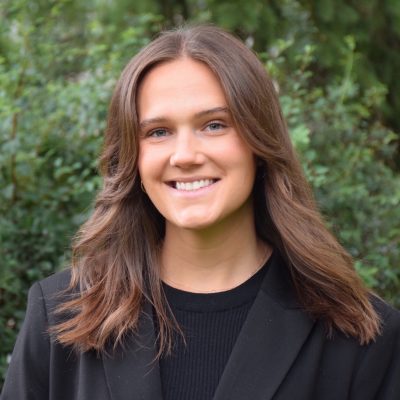
Year of graduation: 2020
Thesis title: “I Wanted to Do Everything Perfectly, Because I Knew I Couldn’t Be”: Critical Disability Studies, Learning Disabilities, and the Transition to University
Advisor: John McNamara
Why did you choose the Child and Youth Studies program?
I chose the Child and Youth Studies program because I was not entirely sure what I wanted to do in the future, but knew that I wanted to work with young people. The program offered a multidisciplinary style of study – which I was drawn to! I minored in Sociology and majored in CHYS as well in my undergrad and am very grateful for that.
What was your research focus?
My research focus has always been young people with disabilities. Growing up, I worked with children with disabilities in many different facets (i.e., summer camps, after school programs, volunteering, high school credits).
What are you currently doing? (Working, studying, family life, etc.)
I am currently completing my PhD here in the CHYS program! I am studying the relationship between mental health and learning disabilities for post-secondary students.
How did your degree help you get there?
Without CHYS, and the connections I have made, I would not be where I am today.
More specifically, how have the multi-disciplinary/trans-disciplinary focuses helped you in your current situation (work, further studies, etc.)?
The transdisciplinary focus opened my eyes to a different side of child development. For instance, it allowed me to go beyond the genetics, neurological, or biological facets of development. The program allowed me to expand my knowledge and look at other important topics such as peer relationships, social skills, sociology, exceptionalities, and psychology.
Advice for future students in the Child and Youth Studies program:
If I had any advice, it would be to really tap into what interests you the most! You can easily get caught up in other classes and forget to ask yourself what is it about this topic, course, or program that you are enjoying most.
Please let us know your favourite memory, experience, course, or “other” that stood out to you while studying in the CHYS program.
My favourite memory would be all the travelling I did for conferences! I was lucky to present in academic conferences in Vancouver, Oregon, Chicago, Toronto, just to name a few!

Year of graduation: 2019
Thesis title: Adapting to Parental Investment Uncertainty? The Role of Personality and Puberty
Advisor: Tony Volk
Why did you choose the Child and Youth Studies program?
I volunteered in Dr. Volk’s lab as an undergraduate, and I was interested in continuing the work as a graduate student!
What was your research focus?
At first it was bullying and parent-child interactions, but over time I became more interested in personality psychology, evolutionary perspectives, and attachment.
What are you currently doing? (Working, studying, family life, etc.)
I practice as a Registered Social Worker at McMaster Children’s Hospital in the mental health program, I work with young adults as a psychotherapist in private practice, and I’m on the Board of Directors at Gymnasts for Change Canada.
How did your degree help you get there?
When I went on to do my MSW after my MA, the multi/trans-disciplinary perspective of the program lent itself to social work and clinical practice because I was already familiar with considering the impacts of multiple systems and theories. When I started working in the hospital, I noticed that the interdisciplinary structure of my program paralleled the multidisciplinary structure of the CHYS department, so I felt right at home working with other clinicians and staff with different backgrounds, focuses, and knowledge.
More specifically, how have the multi-disciplinary/trans-disciplinary focuses helped you in your current situation (work, further studies, etc.)?
The multi-disciplinary focus of the CHYS program was, and continues to be, so foundational in my therapeutic practice, because I’m able to combine my clinical skills with a breadth of theoretical perspectives. As a therapist, it’s important to stay humble, and the multi-disciplinary perspective reminds me that there’s always something I don’t know, and there’s always someone who understands the solution to a problem differently than me.
Advice for future students in the Child and Youth Studies program:
Get to know your profs (they are wonderful and nice people), raise your hand in class if you’re able, volunteer in a lab, prioritize sleep, and don’t get too hung up on a bad grade or two (or three). Everything will work out, and you have time.
Please let us know your favourite memory, experience, course, or “other” that stood out to you while studying in the CHYS program.
My favourite course was my first-year MA socio-cultural theory course with Dr. Hannah Dyer. The content we covered in that class makes me a better clinician and ally to young people.
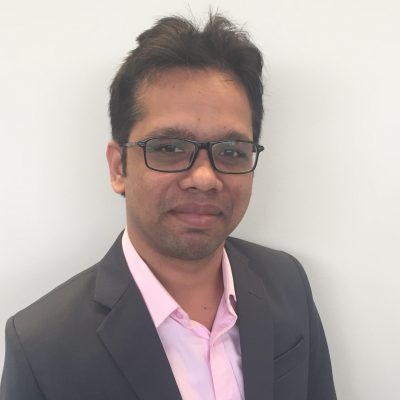
Year of graduation: 2018
Thesis title: Young Men’s Experiences and Views of Sex Education in Bangladesh: A Foucauldian Discourse Analysis
Advisor: Rebecca Raby
What are you currently doing?
I am doing a PhD in public health and health systems at The School of Public Health and Health System, University of Waterloo, ON, Canada. I hope I will be researching the health and safety issues of Bangladeshi working children, using critical sociological lenses.
Why did you choose the Child and Youth Studies program?
As I was interested in studying the issues of children and young people, I chose this program hoping for rigorous training in theoretical and children/young people-focused methodological approaches. In addition, I was interested to learn qualitative research/design, and I came up with some amazing qualitative researcher. I learnt a lot about qualitative research design, including data analysis, and dissertation writing, which were incredible scholarships indeed.
What was your research focus?
How young men did receive sex education during adolescence, in navigating sex and sexuality?
Generally speaking, how has the CHYS program affected where you are currently?
This is my second MA aiming at preparing myself for a PhD program. I believe my expectations have been accomplished, which provided me with rigorous training in terms of a wide range of theoretical foundations (e.g., socio-cultural and psychological), a diverse methodological approach, as well as qualitative research design. I believe this strong background attracted many seasoned professors from the reputed Canadian schools of social sciences, including sociology, anthropology, public health, gender studies, education, and many more when I approached for PhD admission.
More specifically, how have the multi-disciplinary/trans-disciplinary focuses helped you in your current situation (work, further studies, etc.)?
School of public health and health system, University of Waterloo offers interdisciplinary PhD program, I believe they pondered over my interdisciplinary background.They had confidence that I would be a better fit as I had experience with interdisciplinary approaches.
Advice for future students in the Child and Youth Studies program:
Other than academic aspects, BrockU and CHYS is a family, where all students, faculty members, and staff maintain amicable and familial relationships. The department really cares for its graduate students indeed!
Please let us know you favourite memory, experience, course, or “other” that stood out to you while studying in the CHYS program.
I enjoyed the conferences and colloquia organized by the department. Overall, amazing experiences I had at Brock, and in CHYS.
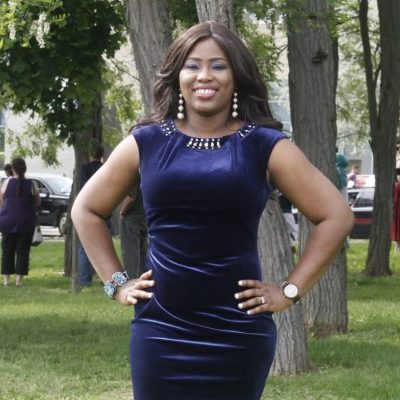
Year of graduation: 2017
Thesis title: Transnational Labour Migration: Experiences of Mid-to Highly Skilled African Migrant Workers in Doha, Qatar
Advisor: Tom O’Neill
What are you currently doing?
I am the Program Manager, Community Leaders Program (CLP) at the Tim Hortons Children Foundation.
Why did you choose the Child and Youth Studies program?
I have a Master of Arts degree in Post-Conflict Reconstruction and Human Security from Erasmus University, the Netherlands. I chose the CHYS program because I wanted to specialize in children and youth studies and the professors have vast areas of expertise I could leverage on. In addition, I was happy with the funding I received from the department and was also motivated to join the program seeing the online profile of some international students that graduated from CHYS.
What was your research focus?
I explored the experiences of African migrant youth workers in Qatar.
Generally speaking, how has the CHYS program affected where you are currently?
The CHYS program gave me the opportunity to understand children and youth from a developmental and trans-disciplinary perspective.
More specifically, how have the multi-disciplinary/trans-disciplinary focuses helped you in your current situation (work, further studies, etc.)?
Provided tools to analyze issues facing youth from multiple lenses.
Advice for future students in the Child and Youth Studies program:
Great resources in the department — the professors are willing to share their knowledge or have you work as a teaching or research assistant. The CHYS courses and readings are carefully selected and be prepared for a discussion-based approach to learning. The CHYS department will set you up for success from day one.
Please let us know your favourite memory, experience, course, or “other” that stood out to you while studying in the CHYS program.
Shauna’s course, qualitative research and adolescent risk and risk-taking behaviours’. I really enjoyed the colloquiums and the opportunity to go on a departmental trip to Rutgers State University, Camden, New Jersey, with my professors and colleagues. Lastly, I enjoyed discussing my thesis project with my supervisor, Dr. Tom O’Neill.
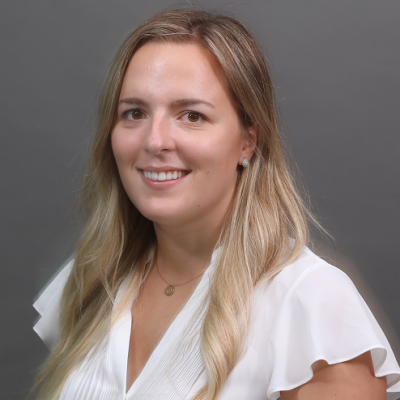
Year of graduation: 2017
Thesis title: The Sex Chronicles: Young Women’s Recollections of Learning About Sex
Advisor: Shauna Pomerantz
What are you currently doing?
I have been working as an elementary school teacher since graduating from my MA. I had previously completed my teaching degree.
Why did you choose the Child and Youth Studies program?
I completed my undergraduate degree in CHYS and had a very positive experience. I thoroughly enjoyed my classes, seminars and professors. It was actually because of the professors in the department that I decided to pursue an MA in CHYS. Their research and its impact on the local, national and global community was, and still is, inspiring. I wanted to be part of the culture of change.
What was your research focus?
My research explored how girls in Ontario learn about sex and how this knowledge has influenced their sexual narratives. My findings highlight that there is a gap between what girls and young women are learning and what they are experiencing. Overall, my thesis advocates for a meaningful and appropriate sex education that provides students – and girls, in particular – with the knowledge they need to make healthy sexual choices.
Generally speaking, how has the CHYS program affected where you are currently?
The program helped me develop my views and opinions on the world and who I want to be in it. It inspired to become part of the culture of change; currently, I practice this by teaching my students to be respectful and mindful global citizens.
Advice for future students in the Child and Youth Studies program:
Get involved! Join a sport, club or committee. If a professor is working on a research project that you feel passionate about, approach them about working with them. Doors will not open for you unless you go knocking, Seek opportunities, it will really broaden and brighten your entire university experience.

Year of graduation: 2017
Thesis title: Identifying Antisocial Youth Through Broad and Specific Measures of Personality
Advisor: Tony Volk
What are you currently doing?
I am currently continuing my studies at Carleton University in the Forensic Psychology PhD program (aiming to graduate with quantitative methodology specialization), and I will be starting my second year in the fall of 2018. I currently work as a teaching assistant at Carleton and as a research assistant with Public Safety Canada in the Corrections Research division. Some of my main responsibilities as a research assistant are to conduct risk assessments for high-risk sex offenders from the National Flagging System and to help complete/co-author government reports.
Why did you choose the Child and Youth Studies program?
I primarily chose the Child and Youth Studies program because of the potential to work with Dr. Tony Volk. I also knew I loved research and wanted to work with children and youth, so I hoped to gain a broader perspective on that demographic in particular (I came from a pure psychology background and wanted to learn more about what other perspectives and methodologies had to offer, such as qualitative/sociocultural, etc).
Generally speaking, how has the CHYS program affected where you are currently?
The CHYS program made me more well-rounded as an academic, allowed me the freedom to explore my research interests, and provided me with the necessary skills to learn challenging new statistical techniques and programs that gave me an advantage heading into my new program.
More specifically, how have the multi-disciplinary/trans-disciplinary focuses helped you in your current situation (work, further studies, etc.)?
One way the multi-/trans-disciplinary focus has helped me in my current situation is that it has differentiated me from other students who have a sole background in psychology and provided me with a stronger application for PhD studies.
Advice for future students in the Child and Youth Studies program:
Don’t be too busy and take on too many extracurricular academic activities. Focus on gaining the skills needed for publishing research and getting as much experience with the publishing process as possible (e.g., editing or reading a friend’s paper before it is submitted).
Year of graduation: 2016
Thesis title: The Role of Canada’s Child and Youth Advocates: A Social Constructionist Approach
Advisor: Richard Mitchell
What are you currently doing?
I am currently a third year PhD candidate in the law and legal studies program at Carleton University. I am also a contract instructor at Carleton University in the sociology and anthropology department, teaching a third year course entitled, “Children and childhood in a globalized era.” I am a research assistant at the Landon Pearson Resource Centre for the Study of Childhood and Children’s Rights focusing on children’s rights research, advocacy and child participation.
Why did you choose the Child and Youth Studies program?
The multidisciplinary nature of the Child and Youth Studies program enabled me to explore different areas relevant to childhood from a combined perspective of disciplines, including sociology, education, psychology, social justice, and more. The program combines practical experiences in various child-service delivery systems and academic, theoretical notions of childhoods to provide a well-rounded learning experience. The program and school are extremely welcoming and supportive and there are some excellent funding opportunities for financial support!
What was your research focus?
My research focused on understandings of child and youth advocacy in Canada and the barriers and opportunities advocates face in their day to day work. My work adopted a rights-based approach and made use of the United Nations Convention on the Rights of the Child as a guiding framework.
Generally speaking, how has the CHYS program affected where you are currently?
The CHYS program has led me to a Doctoral program in the field of law and legal studies and has enabled me to teach as a contract instructor. As a foundational degree, the CHYS MA program trained me practically and theoretically and without the knowledge I gained in the program, I would not be in my current position as a research associate, teacher, and academic. Some of the skills I have gained from the program include organizational skills, time-management skills, leadership skills, research skills, communication and oral-speaking skills, and multi-tasking skills, amongst others. I developed and strengthened these skills through the MA program and have used them to attain my current positions.
More specifically, how have the multi-disciplinary/trans-disciplinary focuses helped you in your current situation (work, further studies, etc.)?
The multi-disciplinary/trans-disciplinary nature of the program trained me to explore childhood from a diverse perspective and as a result, I am working on projects in various fields including: psychology and neuroscience, sociology and anthropology, law, education and social justice. As a researcher, I adopt a problem-oriented approach to research as opposed to a discipline focused approach. As a result, I have been able to understand and explore issues in childhood studies from a rich and diverse perspective, which in turn, has led to enhanced understandings of childhood that may not surface from a single-discipline oriented perspective.
Advice for future students in the Child and Youth Studies program:
The CHYS program is unique and fruitful and unlike many other programs within various universities that I have been immersed in. The tight-knit community is rare, and the professors go above and beyond to teach and guide students. My advice would be to treasure this experience and get to know the professors because they will mentor you and provide you with excellent opportunities that you would not receive at other institutions. The MA program is an opportunity to enjoy the privilege of learning and design your own research project with expertise and knowledge from an array of different leaders in the field of child and youth studies!
Please let us know you favorite memory, experience, course, or “other” that stood out to you while studying in the CHYS program?
Some of my favourite memories include travelling to different countries and across Canada to present my research at multiple conferences, publishing my first academic article, working some of my first positions in various child service delivery systems, such as, the Children’s Aid Society, working and learning with and from undergraduate students as a teaching assistant, and connecting and learning from professors in the department, including: Richard Mitchell, Shannon Moore and Shauna Pomerantz!
Other?
I always recommend this program to students that I work with who are looking to enter a MA program focused on child studies!
PhD Students
Year of graduation: 2024
Thesis title: The Heterogeneity of Adolescent Friendships: Investigating Individual, Interpersonal, and Contextual Factors
Advisor: Dr. Tony Volk
Why did you choose the Child and Youth Studies program?
I completed my MA in CHYS and was initially drawn to the department because of its emphasis on children and youth from multiple diverse perspectives. I chose to stay in the department for my PhD for many reasons, including (but not limited to): my amazing supervisor and mentors; the sense of community; the intellectually rigorous and exciting coursework; the research opportunities within and across my discipline; and the emphasis on holistically understanding and championing child and youth well-being.
What was your research focus?
My research focused on adolescent interpersonal relationships. More specifically, my research involved teen friendships, dating, and bullying at school.
What are you currently doing? (Working, studying, family life, etc.)
I am currently a SSHRC-funded postdoctoral fellow in the Determinants of Child Development Lab at the University of Calgary under the co-supervision of Dr. Sheri Madigan and Dr. Ross Neville (University College Dublin) focusing on the impacts of screen time on child and youth well-being.
How did your degree help you get there?
My time in the CHYS department offered me an incredible theoretical foundation for approaching the study of children and youth from multiple perspectives. More importantly, it provided me with the opportunities to grow as a person and scholar, emphasizing collaboration, compassion, and critical thinking skills.
More specifically, how have the multi-disciplinary/transdisciplinary focuses helped you in your current situation (work, further studies, etc.)?
The multi/transdisciplinary focus of the CHYS department allows its students to practice thinking critically and creatively.
Advice for future students in the Child and Youth Studies program:
Enjoy yourself! Allow yourself to get excited about your work, ask questions, and get to know as many people in the department as you can. Grad school, especially in CHYS, can be really fun!
Please let us know your favourite memory, experience, course, or “other that stood out to you while studying in the CHYS program:
I loved the camaraderie of the Volk lab and getting to delve into topics from diverse perspectives during the coursework.
Year of graduation: 2024
Thesis title: Is It Better to Be Known?: Understanding the Vulnerability of Autistic Individuals in Registry-based Programs Used by Police Services in Ontario, Canada
Advisor: Voula Marinos
Why did you choose the Child and Youth Studies program?
My primary reason for choosing the PhD in Child and Youth Studies program was my supervisor, Dr. Voula Marinos. As someone who had worked with persons labelled with intellectual/developmental disabilities, many of whom were involved in the justice, forensic, or acute mental health settings, it was important that my research have an immediate application in real-world settings. I was drawn to Dr. Marinos’ experience exploring how frameworks like therapeutic jurisprudence and human rights could improve justice responses to persons labelled with intellectual/developmental disabilities.
What was your research focus?
My research focused on exploring how autistic persons were constructed as vulnerable persons in registry-based programs maintained by police services in Ontario, Canada and what police officers perceived as the benefits of these programs in their encounters with autistic persons.
What are you currently doing? (Working, studying, family life, etc.)
I was briefly a postdoctoral fellow at the Azrieli Adult Neurodevelopmental Centre at CAMH before being hired as a tenure-track assistant professor in the Department of Applied Disability Studies at Brock University.
How did your degree help you get there?
The time doing my PhD allowed me to refine my research skills and learn new theoretical frameworks that I can apply to future research. I was challenged to use different frameworks to reconceptualise the construction of autistic persons and how these constructions can shape justice professionals’ responses to them.
More specifically, how have the multi-disciplinary/trans-disciplinary focuses helped you in your current situation (work, further studies, etc.)?
The transdisciplinary focus has helped me to crystalise the importance of collaboration with persons with living experience and colleagues in different fields. I have used my knowledge of transdisciplinary research to write with epidemiologists about how using administrative data can obscure the underrepresentation of marginalised populations in population-based studies and how Project ECHO can be used to train aspiring healthcare professionals to work with adults labelled with intellectual/developmental disabilities.
Advice for future students in the Child and Youth Studies program:
In the simplest terms: Show up.
Get to know the other people in your cohort, even if they seem to have nothing in common with your research interests. These are your people and an opportunity to practice interacting with people who may not share your worldview.
Be present in the department and get to know the faculty. These are people who share your passion for research and may have ideas or opportunities for new avenues of exploration.
Make space for yourself. This includes keeping time for your “non-academic” interests, doing things that scare you a little (like oral presentations at conferences), and building YOUR research story.
Please let us know your favorite memory, experience, course, or “other” that stood out to you while studying in the CHYS program?
For me, it was and always will be the people in the department. What an amazing group of people!
Year of graduation: 2023
Thesis title: Psychopathy as a Conditional Reproductive Strategy in Boys and Men: An Evolutionary–Developmental Perspective
Advisor: Tony Volk
Why did you choose the Child and Youth Studies program?
The main reason was my supervisor, Tony. His expertise in evolutionary and developmental perspectives was a real draw for me in joining CHYS. I was also intrigued by the trans-disciplinary angle that the department emphasized.
What was your research focus?
My research focus was on youth and young adult antisocial behaviour and personality traits. Specifically, I researched psychopathy from an evolutionary (why might it exist?) and developmental (how does it get expressed?) perspective in boys and young men.
What are you currently doing? (Working, studying, family life, etc.)
I’m currently working as a postdoctoral fellow at Carleton University in Ottawa. I continue to pursue many of the same research ideas that I developed over my PhD in CHYS.
How did your degree help you get there?
The CHYS PhD degree was huge for not just helping me land my current position but providing the tools to operate at a high level in the position. Opportunities for teaching during my degree, the many research opportunities from being in Tony’s lab, and being pushed to learn outside my primary field of study through my comprehensive exam and coursework gave me the skills and know-how to make the most of my opportunities now as a postdoctoral researcher.
More specifically, how have the multi-disciplinary/trans-disciplinary focuses helped you in your current situation (work, further studies, etc.)?
I can’t stress enough how gaining knowledge outside of my area of expertise—something CHYS does so well—has influenced my ability to approach and understand different perspectives today, after my studies are done. I believe this has made me a much better scholar, thinker, and person. Gaining a grip on trans-disciplinary perspectives from my time in CHYS has also provided me with a unique perspective on issues I see developing around my research interests, which have been traditionally disciplinary. Sometimes this can be challenging, for instance, when trying to submit my work to academic journals that take such a hard disciplinary stance. However, there are more and more journals and outlets that seem to be aware of the benefits and traction that a trans-disciplinary perspective might offer. I can see a trans-disciplinary lens—not necessarily curriculum-ized but certainly as a general way of thinking—becoming an essential requirement in academia for understanding and addressing individual and societal issues. Glad I got a taste of it in my CHYS degree.
Advice for future students in the Child and Youth Studies program:
Get to know the other folks in your cohort. Make a genuine effort to learn from and with these other students because there is such an opportunity in CHYS where people come from many different backgrounds that can generate such creativity and interesting ideas.
Please let us know your favourite memory, experience, course, or “other” that stood out to you while studying in the CHYS program.
My favourite part of CHYS was certainly the depth and importance of the relationships I developed over my years at CHYS with my lab-mates, cohort-mates, and faculty. I have much gratitude and appreciation for how Tony, my lab-mates, and Richard Mitchell in particular were so gracious and supportive after my father passed away during my studies.

Year of graduation: 2023
Thesis title: Three Papers on Patient Experiences with Symptom Persistent Lyme disease in Canada
Advisor: Shannon Moore
Why did you choose the Child and Youth Studies program?
I loved the transdisciplinary focus in Child and Youth Studies. I have a diverse academic and professional background so this was a huge appeal for me! I love learning about what other people are doing outside of my research interests. I think this brought a breadth of knowledge and experience to my learning. I also am passionate about children’s rights and children’s mental health.
What was your research focus?
I studied patient experiences with symptom persistent Lyme disease in Canadian context.
What are you currently doing? (Working, studying, family life, etc.)
I am a mom of two busy teenagers and I am currently working as a Researcher and Sessional Lecturer.
How did your degree help you get there?
My degree helped me to develop my research and academic skills. I went back to do a PhD ten years after my MA so this was a career change for me with significant growth and learning.
More specifically, how have the multi-disciplinary/trans-disciplinary focuses helped you in your current situation (work, further studies, etc.)?
Transdisciplinary research helped me to think about complex social issues and problem solve how to improve social conditions.
Advice for future students in the Child and Youth Studies program:
In my experience professional and academic success involves work-life balance. I encourage students to make friends with peers, practice ongoing self-care, and work hard through each step of the academic process. Also, get involved at Brock as much as possible!
Please let us know your favourite memory, experience, course, or “other” that stood out to you while studying in the CHYS program.
There are so many positives! I met so many good people who I admire, and I appreciate the relationships I made with my peers. The best memory I have was walking across the stage at graduation with my kids, partner and mom present. That was one of the proudest moments of my life!
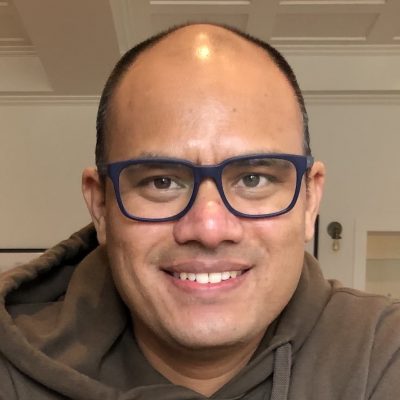
Year of graduation: 2023
Thesis title: Understanding Nepali Youth’s Community Participation in the Post-Disaster Context
Advisor: Tom O’Neill
Why did you choose the Child and Youth Studies program?
I joined Child and Youth Studies (CHYS) PhD program because I was looking for a program that allows me to understand the children and youth issues from different perspectives. The unique CHYS PhD program as well as a strong cluster of faculty members from multi/transdisciplinary background drew me to pursue my PhD here at Brock University/CHYS department. In addition, the possibility of conducting a wide range of research on children and youth social/political participation at local, national and global scales under my supervisor, Prof. Tom O’Neill attracted me to pursue my PhD at the department of CHYS.
What was your research focus?
My research focus was on exploring the nature of Nepali youth engagement in the aftermath of the 2015 earthquake to understand their community participation over the period, using a Participatory Action Research (PAR) methodology.
What are you currently doing? (Working, studying, family life, etc.)
I am currently working as a Post-Doctoral Researcher for a European Research Council funded project “Youth Climate Justice Project” at the University College Cork/School of Law, Ireland.
How did your degree help you get there?
The current project is a transdisciplinary and participatory in nature; and my CHYS PhD degree (transdisciplinary program), not only prepared me to apply for this position at the School of Law/University College Cork but also developed my skills in participatory action research in transnational setting.
More specifically, how have the multi-disciplinary/trans-disciplinary focuses helped you in your current situation (work, further studies, etc.)?
As I mentioned earlier, the current project demands researchers who have a better understanding of transdisciplinary and participatory approaches, my transdisciplinary/participatory learning and practices helped me to compete at the global level.
Advice for future students in the Child and Youth Studies program:
For future cohorts, I would like to say one thing from my own learning experience. It might be intimidating at the beginning of your PhD journey when you will be asked to attend various courses from other disciplines within CHYS program; but, once you go through this process, it will give you a holistic understanding related to children and youth. So, don’t give up your learnings from different academic disciplines even though it is frustrating at the beginning. Your learning from various discipline gives you a wide range of possibility of collaboration with other disciplines within this program, so don’t forget to explore other disciplines. All the faculty members, despite from different disciples, are approachable. On top, CHYS administrative staff are the best who are always ready to help us in our PhD journey.
Please let us know your favourite memory, experience, course, or “other” that stood out to you while studying in the CHYS program.
The best of being at CHYS was that I had tones of cherish moment with my cohorts, CHYS administrative staff and faculty members, especially with my supervisor Prof. Tom O’Neill. Lively discussion with cohorts and faculty members in class or in CHYS meeting hall or engaging in field work with my supervisor were some of the unforgettable times of my PhD Journey. I am eternally grateful to all my cohorts, CHYS admin and faculty members, especially my supervisor for all the wonderful memories that I had during my PhD journey.
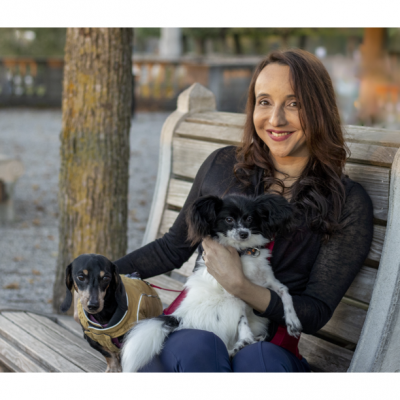
Year of graduation: 2023
Thesis title: Young People’s Well-Being and their Relationships with their Dogs: Exploring the Role of Perceived Human-Dog Personality Matching and Attachment
Advisor: Christine Tardif-Williams
Why did you choose the Child and Youth Studies program?
I chose the Child and Youth Studies program because I have a background in psychology, and as a therapist, I worked with children/youth all my life. Also, I wanted to work with Dr. Christine Tardif-Williams because her expertise in studies about interactions between people and dogs was aligned with my research interests.
What was your research focus?
My research focused on the associations between young people’s well-being, attachment, and personality synchrony. I also explored how young people manage undesired dog behaviours.
What are you currently doing? (Working, studying, family life, etc.)
I am preparing to start working in a postdoctoral position at the University of Saskatchewan, where I will continue researching interactions between people and dogs. I will also focus on other research interests in the forensic field.
How did your degree help you get there?
My degree was vital to my trajectory. It opened several doors regarding opportunities for publications and presentations at relevant conferences. This, in turn, created opportunities to expand my network and share my work with several audiences, including some invites for media interviews. Working alongside Dr. Christine Tardif-Williams, I was afforded opportunities to collaborate not only with researchers from Brock but also from the University of British Columbia and the University of Washington, which promoted greater visibility for my work.
More specifically, how have the multi-disciplinary/trans-disciplinary focuses helped you in your current situation (work, further studies, etc.)?
The transdisciplinary perspective helped me develop a more holistic view of the research process, which impacted my dissertation. In my future postdoctoral position, I will be a part of an interdisciplinary team, and I believe my background in transdisciplinary research helped in the process of being accepted for the position.
Advice for future students in the Child and Youth Studies program:
Future students in the CHYS program can expect to be challenged in several ways during discussions in class and in the process of designing their studies. As the program brings together students with different backgrounds, the discussions in class are usually helpful in promoting a more nuanced and critical view. I advise students to take advantage of this characteristic by using these opportunities to learn from other perspectives and incorporate this knowledge into their research.
Please let us know your favourite memory, experience, course, or “other” that stood out to you while studying in the CHYS program.
A memory that stood out to me while studying in the CHYS program was the incredible support I had from CHYS during the data collection for my first dissertation study. At the time, data collection was challenging with all the limitations imposed by the pandemic. I was positively surprised by the support I received, particularly from CHYS. Such support helped me to disseminate the survey designed for my first study among students. I had over 500 participants, which was crucial to my analysis.
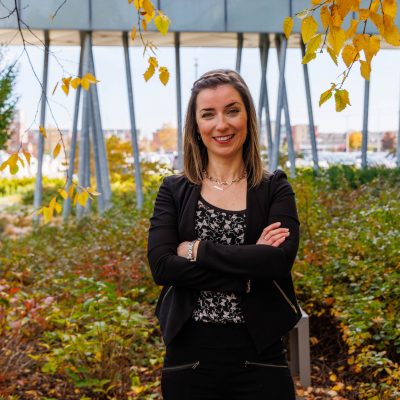
Year of graduation: 2021
Thesis title: An examination of self-compassion among Canadian youth with and without a caregiving role
Advisor: Heather Chalmers
Why did you choose the Child and Youth Studies program?
My passion has always been around working with children and youth and finding ways to support them better. I chose this program because it was the only program that I knew at the time that existed in Ontario (which for me was close to home!) and connected research with my passion so I would be able to build new or enhance existing programs for young people.
What was your research focus?
My research focus has always been on supporting youth who are further away from opportunities, or who may be vulnerable or at-risk. In my MA, I examined the profile of young people (called “young carers”), who provided care for their family members for a variety of reasons (e.g., illness disability). I explored the ways in which they may be similar to or different from their non-caregiving peers. In my PhD, I explored the notions of young carers’ self-compassion and self-care behaviours, in relation to subjective well-being.
What are you currently doing? (Working, studying, family life, etc.)
I am currently enjoying my family life, which, with two kids, is never boring! I recently obtained a teaching position at Trent University, so I will be teaching at their Child and Youth Studies Department.
How did your degree help you get there?
The position I applied for requested a candidate who can teach in Child and Youth Studies by using multi-disciplinary lenses. This degree equipped me to do just that – to look at children and youth from a developmental, evolutionary, socio-cultural, and historical perspectives!
More specifically, how have the multi-disciplinary/trans-disciplinary focuses helped you in your current situation (work, further studies, etc.)?
It helped immensely! I think that my multi-disciplinary focus set me apart from other candidates, because in my answers, I was able to show the depth of how much I truly know about children and youth studies and perspectives. It also helped my research breadth, since I can publish about a topic by using multiple lenses and look at it from different angles.
Advice for future students in the Child and Youth Studies program:
Be open-minded and accept new perspectives! You will find yourself learning topics from different perspectives, and some you may be more comfortable with than others, and that is OK. Stay open-minded and accept them for the wholesomeness it provides you with.
Please let us know your favourite memory, experience, course, or “other” that stood out to you while studying in the CHYS program.
I can write a book here, from the first time I tried saying “pedagogy” with my broken accent, to my daughter who was running up and down the hallways, and to the time I got to teach my first big classes there. My favourite memory will always be how SUPPORTIVE this department is. My children were born during my graduate studies (MA and PhD) and I sincerely mean that CHYS is my extended family. I was met with kindness, support, and pure warmth. One time I had to meet a student, and my daughter was having a rough time before nap time. A professor came to the door, strapped her in the stroller, and said to me “don’t worry, she can join our lab walk”. Off they went talking about research projects around the campus with a baby in a stroller, who was listening to all their amazing work! What an incredible department!
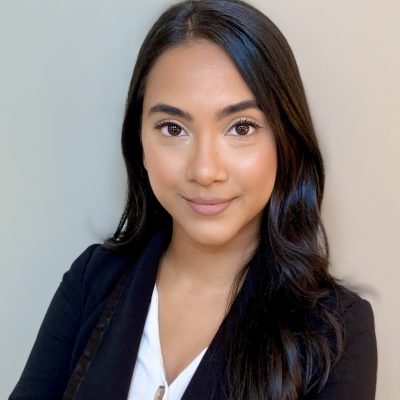
Year of graduation: 2021
Thesis title: HEXACO Personality Investigation into Parenting: Evolutionary Investment Decisions, Punishment and Real-Time Parenting Behavior
Advisor: Tony Volk
Why did you choose the Child and Youth Studies program?
I initially chose the CHYS program for my MA due to my supervisor’s unique research focus on parenting at that time. I continued my PhD in CHYS because of the many research opportunities I had received over my MA and knew that it would only get better in my PhD.
What was your research focus?
My research was focused on how parents’ personality traits influence parent-child relationships and early child development, from an evolutionary perspective.
What are you currently doing? (Working, studying, family life, etc.)
I am currently working as a Senior Research Scientist for an Ed-Tech company that focuses on helping children learn how to read. In terms of family life, I live in Toronto with my husband and dog named Layla.
How did your degree help you get there?
The CHYS program provided me not only with a solid foundation in research and statistical methodologies but also with exposure to a network of globally recognized experts in the field of reading and child development.
More specifically, how have the multi-disciplinary/trans-disciplinary focuses helped you in your current situation (work, further studies, etc.)?
My graduate research required me to think about various theoretical fields including psychology, sociology, and evolutionary biology. This allowed me to understand the complex factors that influence a child’s development, which has been invaluable in my current role. I use it to develop and refine assessment and learning tools that not only facilitate children’s reading skills, but also consider their holistic developmental context, such as unique familial and social backgrounds.
Advice for future students in the Child and Youth Studies program:
Studying in CHYS is great for expanding your understanding of dynamics between children and society. I strongly advise future CHYS students to fully embrace the diverse methodologies, theories, and perspectives presented at CHYS. One valuable insight from my journey is that a deep understanding of one research area can help provide unique insights when applied to another.
Please let us know your favourite memory, experience, course, or “other” that stood out to you while studying in the CHYS program.
My favourite memories from the program are discussing new research ideas with my lab mates and supervisor during walks around campus and delicious lunches in the Niagara region!

Year of graduation: 2021
Thesis title: Talking during class, packing up books and name calling: Is it really that big a deal? An exploration of classroom incivility
Advisors: Zopito Marini and Tony Volk
Why did you choose the Child and Youth Studies program?
As an undergrad, I was in the CHYS/BEd Concurrent Education program. I had such a great experience in my CHYS courses and with my honours thesis supervisor in my fourth year that I knew if I decided to do a master’s degree, it had to be in CHYS!
What was your research focus?
Broadly, my research throughout graduate school was focused on children and youth relationships, antisocial behaviour and well-being. My MA thesis was an examination of bystanders to bullying situations, while my doctoral work focused on adolescent classroom incivility.
What are you currently doing? (Working, studying, family life, etc.)
After my PhD, I worked as a post-doctoral fellow at the Offord Centre for Child Studies. I am now a SSHRC-funded post-doctoral fellow back in the Child and Youth Studies Department here at Brock working with Dr. Tony Volk.
How did your degree help you get there?
I never would have predicted that I would do a PhD degree – but my positive learning experiences and personal interactions in the CHYS Department inspired me to apply to a CHYS PhD after my MA. Now I love to do research, discuss ideas with others, and continually learn from others.
More specifically, how have the multi-disciplinary/trans-disciplinary focuses helped you in your current situation (work, further studies, etc.)?
The multi-disciplinary focus of the CHYS department has made me a stronger researcher, more civil colleague, and more critical thinker. Having the ability to look at things from multiple perspectives (even when all might not be your area of expertise), has allowed me to understand things that I may have otherwise missed and broadened the scope of my own research. Multi-disciplinarity has allowed for greater collaboration and breadth in my own work that I have used since completing my graduate degrees and hope to continue to use moving forward.
Advice for future students in the Child and Youth Studies program:
The number one piece of advice for future CHYS grad students is to keep an open mind. Allow yourself to learn from those around you, take in perspectives you might think you don’t agree with. I promise you – it will make you a stronger grad student and researcher, and even if it might feel uncomfortable at first, you will be happy you did later. Push your boundaries – that’s what graduate school is for!
Please let us know your favourite memory, experience, course, or “other” that stood out to you while studying in the CHYS program.
No specific memory – but I cannot say enough about my experiences in the department. I have had outstanding mentors and made great friends! The support of the faculty, staff and students throughout my graduate student career has been instrumental in my success!