Articles from:August 2026

  • Welcome Weekend, residence move-in to usher in new chapter for thousands of students

    MEDIA RELEASE — Aug. 31, 2026 — R0073

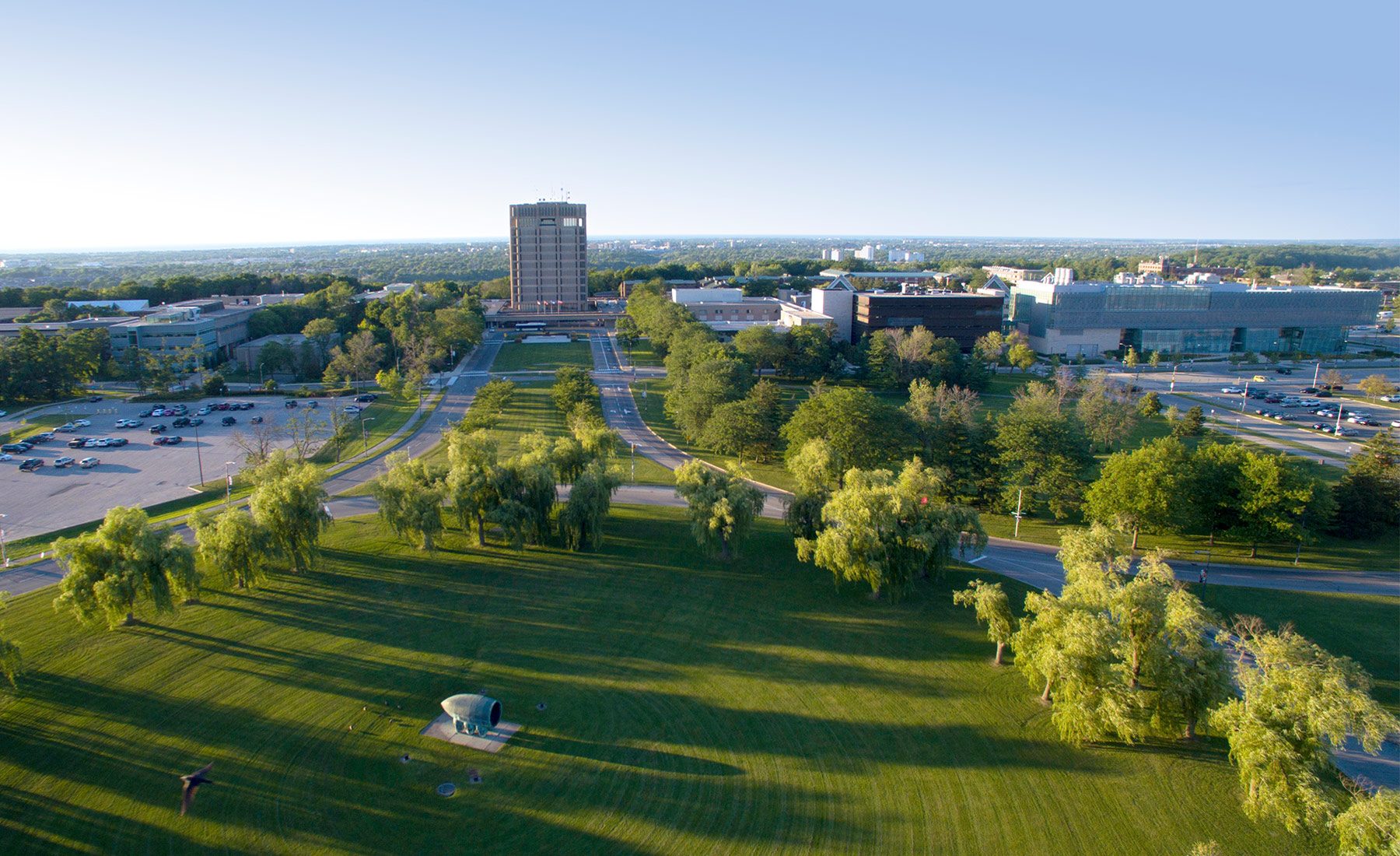
    New and returning Badgers will soon arrive on campus for Brock University’s inaugural Welcome Weekend — two days of activities aimed at building connections before the start of the new academic year.

    Taking place Saturday, Sept. 5 and Sunday, Sept. 6, Welcome Weekend expands on the University’s annual residence move-in and serves as the precursor to Welcome Week filled with orientation and social activities, varsity sports events, live music and more.

    Throughout the weekend, more than 2,700 students will move into the University’s residences, joining many off-campus and commuting students as they begin and continue their Brock experience.

    “Move-in day can feel overwhelming for both students and their families,” said Cindy Chernish, Director, Housing Services. “Our goal is to help take some of that stress away with our simple and quick carousel approach to unloading that has friendly and helpful volunteers guiding them throughout.”

    Students moving into the University’s residence buildings or the Brock Suites are assigned a specific day and one-hour move-in timeslot — with help at the ready upon their arrival.

    “Volunteers will greet students and their families, providing assistance in getting everything to the students’ room so they can unpack and settle in,” said Chernish. “Our hope is that families can spend that first day soaking in the excitement of a new chapter, not worrying about all the logistics.”

    All Brock students are invited to come together throughout Welcome Weekend to celebrate with their families, connect with their peers and learn about campus resources that can support a successful start to the academic year.

    “Welcome Weekend is about helping students feel at home from the moment they arrive,” said Brad Clarke, Associate Vice-President, Students. “It’s an opportunity to connect with new people, discover the resources that will support their success, experience the energy of the Brock community and celebrate the start of a new adventure. Whether they’re coming here for the first time or returning to campus, we want students to have fun, feel excited for what lies ahead and know they belong at Brock and in Niagara.”

    Featured events include Welcome Weekend Live! with food trucks, live music and lawn games in Jubilee Court; Settling-in Social in Rankin Family Pavilion, where key campus resources will be highlighted; and the Brock University Students’ Union Open House in Union Station, part of BadgerFest programming. Alumni Field will host the Brock Badgers’ home openers for women’s rugby and soccer as well as men’s soccer.

    The weekend will serve as a kickoff to Welcome Week, running through early September with a wide array of events, including Brock Cares Day of Service, which will see students volunteer with community organizations across Niagara. A full list of events is available on ExperienceBU.

    Classes for the Fall Term begin Wednesday, Sept. 9.

    For more information or for assistance arranging interviews:

    *Maryanne St. Denis, Associate Director, Strategic Communications, Brock University, [email protected] or 905-246-0256

    – 30 –
    Categories: Media releases

  • How to spot and stop bullying this back-to-school season: Brock experts

    EXPERT ADVISORY – Aug. 27, 2026 — R0072

    A new school year is nearing, and with it comes a timely opportunity for parents and educators to address bullying before it takes hold.

    Bullying experts in Brock University’s Department of Child and Youth Studies warn the transition from summer to school creates a window when social dynamics are in flux for children. That shift can mean an increased risk of bullying but also presents several opportunities to get ahead of it.

    “Back to school is an exciting time because it can feel like a fresh start,” says Associate Professor Ann Farrell. “But it can be a little bit nerve-racking for some youth, especially if they have a history of experiencing victimization.”

    Farrell encourages young people to try new strategies for feeling a sense of belonging this year:

    • For those who have been victimized in the past: Get involved in an extracurricular activity to help build your confidence and make new friends.
    • For those who have perpetrated bullying: Find positive ways to gain approval from peers and work with others to accomplish shared goals.
    • For those who witness bullying: Ask yourself what you would hope your friends would do if they saw a similar situation involving you — either as a victim or as a bully.

    Professor Tony Volk says families play a key role in supporting children when it comes to bullying.

    While there is no single red flag for parents to watch out for, several subtle hints can indicate victimization, such as changes in how students enjoy school, how often they feel ill, lethargy or signs of anxiety. Volk adds that children often hide victimization, requiring parents to pay particular attention to these indicators.

    Just as important for prevention, he says, is parental monitoring of children who have perpetrated bullying. Keeping an ear open for talk about winners and losers or declarations that people “deserve” their treatment can help parents identify problems.

    In all cases, Volk says consistently asking open-ended questions such as “How was your day?” gives parents their best chance to notice shifts.

    “Keep regular, open lines of communication and look for patterns that change. Having regular communication, even if it seems trivial, can help you find clues you’d otherwise miss,” he says.

    Assistant Professor Natalie Spadafora says educators rely on parental engagement and support when it comes to early predictors of bullying, such as incivility.

    “Left unchecked, low-level classroom incivility predicts higher-level behaviours like bullying later on. So, it disrupts the learning environment, but it also leads to bigger issues,” she says. “If we can get to the root of these lower-level behaviours and correct them, that can be really beneficial overall.”

    Social skills like civility are learned from a very young age, but many teachers participating in Spadafora’s research have reported that some young children come to school without the skills they need to meet classroom community expectations.

    “It takes time to correct a child who is demanding juice, for example, by asking the child to ask nicely and say ‘please’ before they get their drink,” Spadafora says. “But we spend that time, because we want to raise civil children who become civil adults.”

    Associate Professor Naomi Andrews says the support of educators in the early days of the school year can have a big overall impact as children settle into new social structures and hierarchies — a time when uncertainty can result in increased instances of bullying.

    Andrews encourages teachers to consider the social architecture of their classrooms and use their own observations of children in and out of class, as well as input from other educators and colleagues in the school environment, to take proactive measures.

    “Teachers who are aware of social nuance in the classroom or school, especially at the beginning of the school year, can intentionally plan the classroom space,” she says. “If they know which kids might be more likely to struggle or have social challenges, they can strategically seat them with pro-social, kind kids to help integrate them within some supportive peer networks.”

    For more information or for assistance arranging interviews:

    *Maryanne St. Denis, Associate Director, Strategic Communications, Brock University, [email protected] or 905-246-0256

    – 30 –

    Categories: Media releases