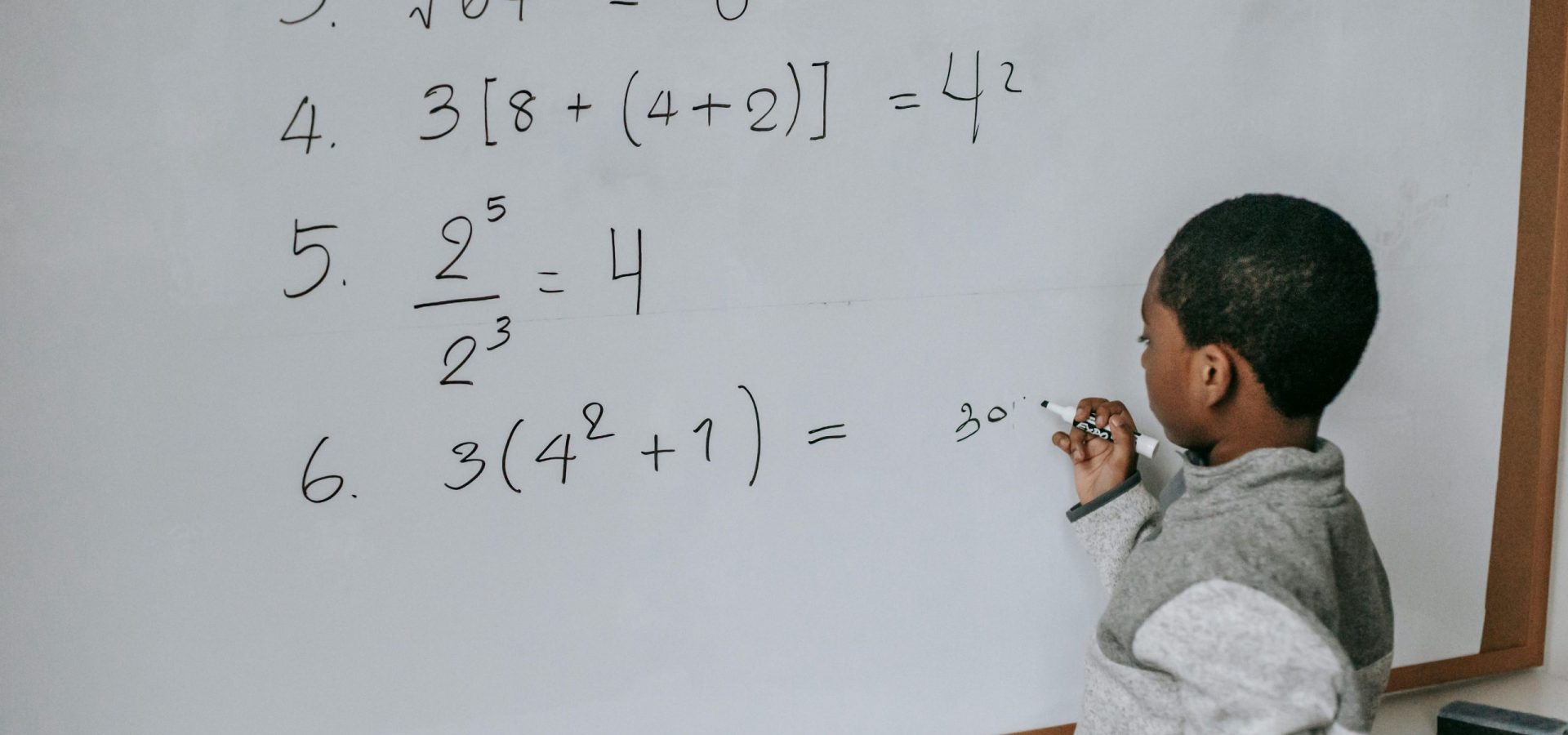
This course supports you in strengthening your work as a Grade 7 or 8 mathematics teacher. You will explore ways to help students feel confident, capable, and curious as they make sense of mathematical ideas. Throughout the course, you will look closely at how relationships, identity, and meaningful learning experiences shape students’ understanding of mathematics.
You will examine current research and classroom practices that make learning accessible and engaging. This includes using tools and technology with purpose, designing tasks that support reasoning and representation, and gathering assessment information that helps guide next steps. You will also consider how student identity, culture, language, and lived experience influence participation and learning in mathematics.
The course encourages you to think about your role in supporting students, collaborating with colleagues, and building strong relationships with families and communities. By the end, you will have a clearer sense of the decisions that matter most in Grades 7 and 8 mathematics and how you can create learning environments where all students feel valued and supported as mathematicians.
*This course will not give you an Intermediate Division Qualification.
Program Information
What you’ll learn and do in Mathematics Grades 7 & 8:
- Design mathematics learning that reflects the Ethical Standards and Standards of Practice and supports student well-being, identity, and belonging
- Interpret and apply the intent of the Ontario Mathematics Curriculum (2020) to plan meaningful, developmentally appropriate learning experiences
- Build inclusive learning environments that use UDL, differentiated instruction, and culturally responsive and relevant pedagogy to reduce barriers and strengthen access
- Apply a range of instructional approaches—including problem solving, rich tasks, modelling, and high-impact practices—to deepen conceptual understanding in Grades 7 and 8
- Incorporate digital tools, manipulatives, and technology purposefully to support reasoning, representation, and communication
- Gather, interpret, and respond to assessment evidence using clear learning goals, success criteria, and practices that promote fairness and student ownership
- Integrate Indigenous perspectives and ways of knowing in mathematics in respectful, curriculum-aligned ways
- Strengthen collaboration with families, colleagues, and community partners to support math learning and contribute to school-wide improvement
- Reflect on your professional practice and use inquiry, collaboration, and evidence to guide ongoing growth as a mathematics educator
Prerequisites
- OCT Membership
Materials
There are no additional resources required for this course.
Technology
- Laptop/PC: Windows 10 or higher or equivalent operating system with recommended 8 GB of RAM and at least 16 GB of free hard disk space and Wi-Fi capabilities.
- Access to reliable high-speed broadband internet access (Cable, DSL, LTE) with a minimum bandwidth of 15 Mbps is recommended.
- Included integrated webcam and microphone recommended.
This is an asynchronous, cohort based, instructor-led course with defined start date, end date and specific module due dates. Learners are not expected to be online at a certain time of day, but they are expected to work through the material alongside other learners. Learners should expect to spend 16-18 hours on coursework throughout each week to stay on track.
To successfully complete your program, you will complete all components of the program. Your progress will be continuously evaluated using a variety of formative and/or summative assessments to receive a final mark. Information about these assessment methods will be provided in the Learning Management System on the first day of the program.
| Course Code | EDUC 9N687 |
| Course Name | Mathematics, Grades 7/8 |
| Category | One Session |
| Price | $725 |
| Delivery Mode | ASY - Asynchronous Online |
| Duration | 8 weeks |
| Registration | Find upcoming dates and class times. |
| OSAP Eligible | Yes |
In partnership with

This program is available in the following terms:
| 0. Availability | ✔ | ✔ | ✔ | ✔ | ✔ | ✔ | ✔ | ✔ | ✔ |
| 1. Start Date | Mar 23, 2026 | May 4, 2026 | Jun 22, 2026 | Jul 20, 2026 | Sep 14, 2026 | Oct 19, 2026 | Nov 16, 2026 | Jan 18, 2027 | Feb 22, 2027 |
| 2. End Date | May 17, 2026 | Jun 28, 2026 | Aug 16, 2026 | Sep 13, 2026 | Nov 8, 2026 | Dec 13, 2026 | Jan 24, 2027 | Mar 14, 2027 | Apr 18, 2027 |
| 3. Withdraw deadline 100% | March 29, 2026 | May 10, 2026 | June 28, 2026 | July 26, 2026 | September 20, 2026 | October 25, 2026 | November 22, 2026 | January 24, 2027 | February 28, 2027 |
| 4. Withdraw deadline 50% | April 12, 2026 | May 24, 2026 | July 12, 2026 | August 9, 2026 | October 4, 2026 | November 8, 2026 | December 6, 2026 | February 7, 2027 | March 14, 2027 |