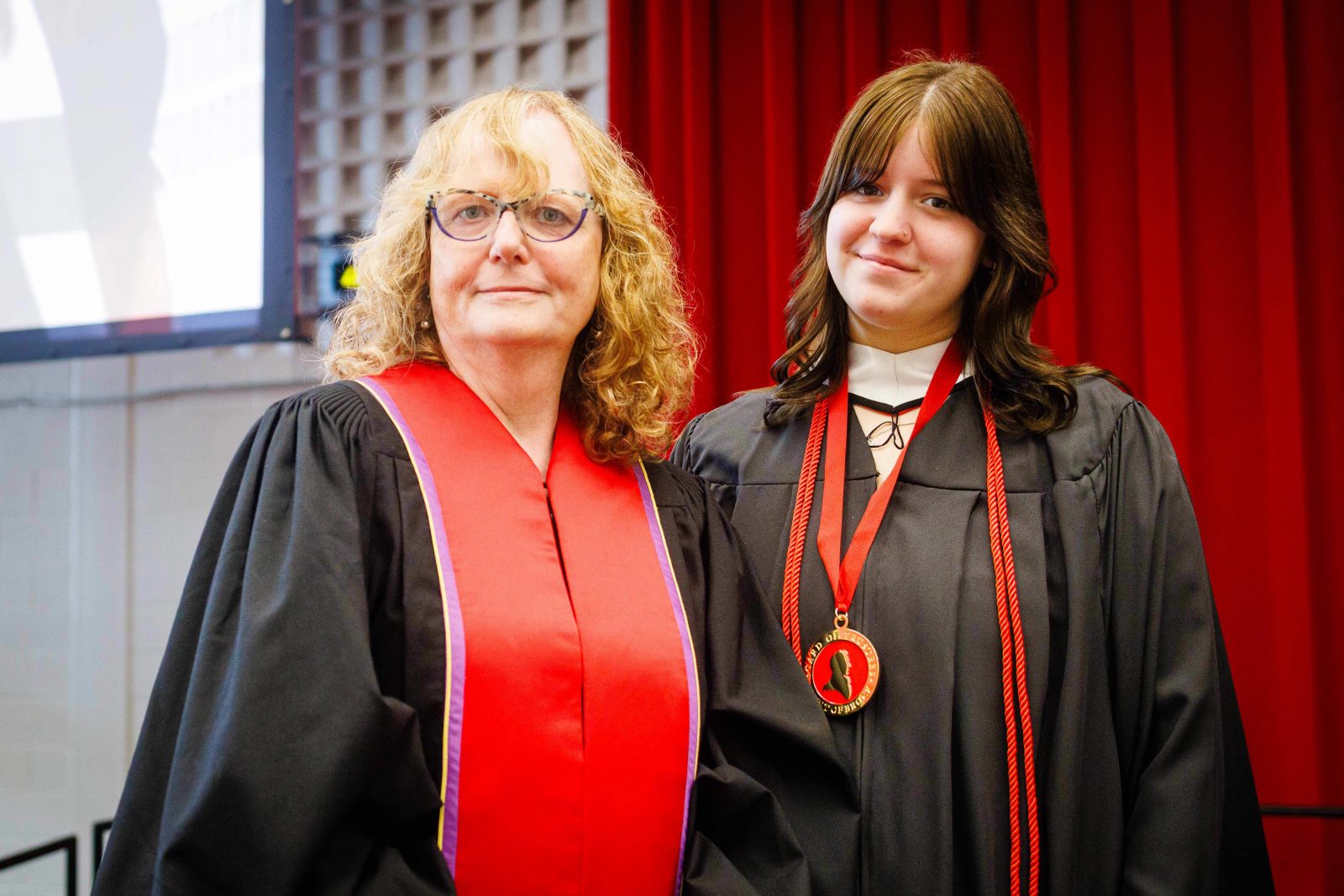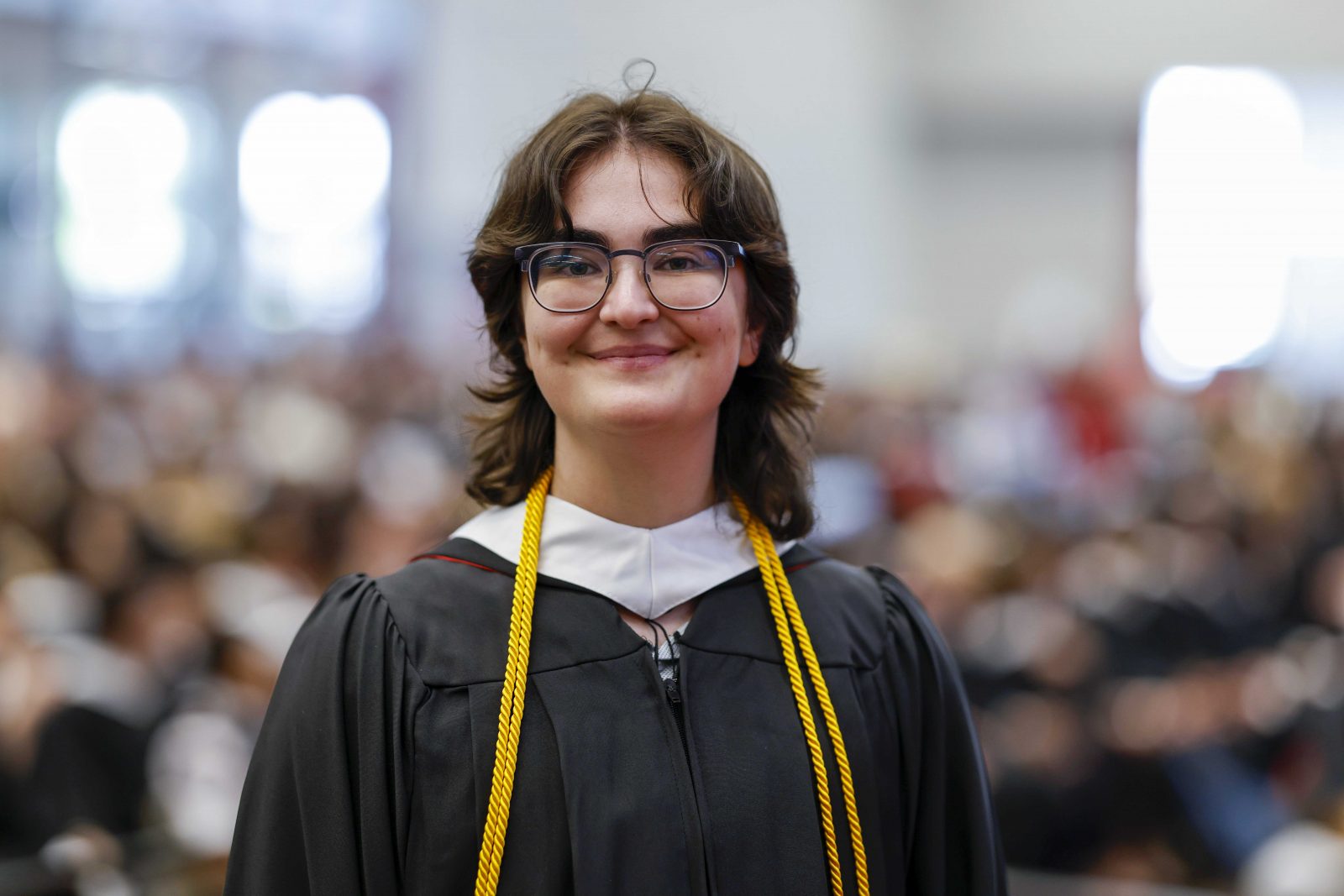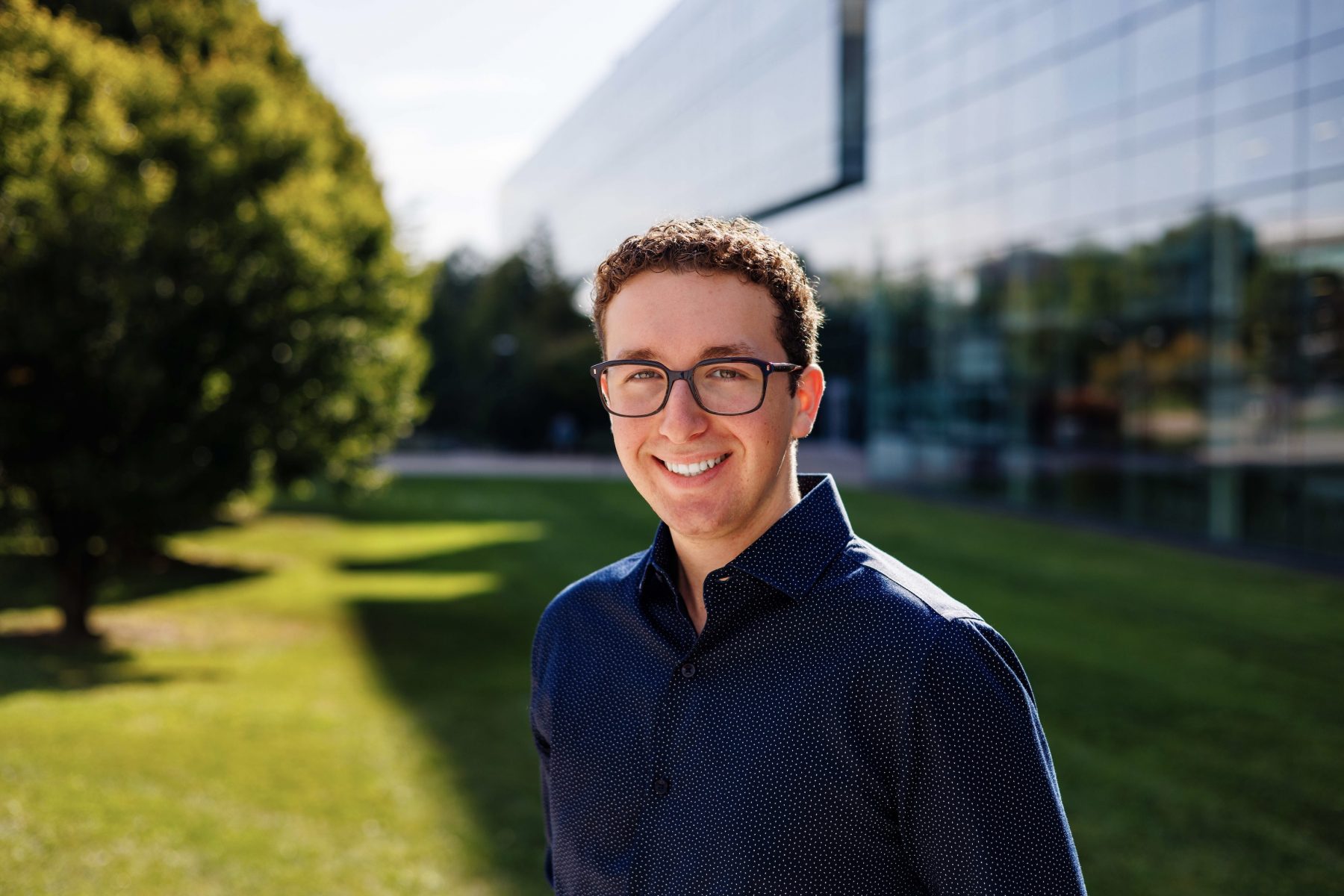
Congratulations to Political Science master’s student Drew Scherle on being chosen as the recipient of the 2025 Faculty of Social Sciences Best Graduate Major Research Paper Award! Below, Drew shares some reflections on the research and writing process.
What was your research topic about?
My major research project, “Poverty, Power, and Politics; A Review of the Causes of Political Instability of States in the Middle East and North Africa,” was a historical materialist examination of violent state instability in the Middle East and North Africa (MENA) region. My paper sought to identify and analyze different root causes of political instability and violence directed to and from the state, by examining the prevailing material and societal conditions in each country in the region, and seeing how they correlate with levels of violent instability according to indices such as the Fragile States Index. Utilizing a combined qualitative and quantitative methodological approach, my paper found that a combination of economic conditions, such as inequality and the class-based hierarchy of the state, as well as socio-political conditions such as authoritarianism and ethnic and religious tensions, contribute more to state instability than any individual factor, or than other more commonly cited causes such as an overreliance on oil exportation.
Why were you passionate about this topic?
My personal interest in the MENA region led me to seek to better understand its present condition as consistently being characterized as being among the most politically unstable and violent places in the world, and the often uncritical and simplistic assumptions that lead to that characterization. Much of Western academia concerning this region is often held back by Orientalist tropes and essentialist understandings of the “Muslim World,” such that explanations of why stable democracies have hitherto failed to take root in the region often fall short of examining the whole historical picture. While my paper is inherently held back in this regard by the fact that I am a Westerner, using overwhelmingly Western sources, it was my intention to add further nuance to common interpretations of MENA state stability by considering as wide a variety of factors as possible, and by interpreting them through a methodological and theoretical lens that emphasized the effects of real material conditions on historical processes.
What does it mean to you to be the recipient of this award?
Receiving this award is the greatest honour and privilege that I could have imagined, and utterly unexpected from the outset of this project. Being able to witness this paper evolve from a scattered and borderline incoherent set of ideas into the greatest academic achievement of my life, alongside my wonderful cohort, and under the guidance of my excellent co-supervisors, was a privilege I will scarcely be able to forget. I believe I will always cherish the memories of my graduate school experience at Brock, and to be recognized in such a way after its challenges is an honour by which I am truly humbled.
Any tips for students who are looking to improve their writing skills?
One of the best decisions that I made in the course of my writing was to speak to as many faculty members and peers as possible along the way, and I would encourage others to embrace the collective wisdom of the academic community around them in order to better their writing. Over the course of my program, and at nearly every stage of writing my paper, I made a point to speak with as many professors, teaching assistants, and fellow cohort members as possible, and it was from this process of sharing ideas and getting feedback from many sources that I believe my project was sharpened, tempered, and refined from a nebulous and disorganized cloud of concepts, ideas, and outlooks, into a focused and driven piece of scholarship that I can confidently say that I am proud of. Though this process of methodological refinement can be difficult, and one runs the risk of losing the identity of their paper in the midst of so many different outlooks and streams of feedback, I believe that it was the encouragement, constructive criticism, and wisdom of my supervisors, of other faculty members in the department, and of my peers that enabled me to write a compelling paper that I feel is truly my own.
How did your supervisors support you throughout this process?
I would like to thank the entire Political Science faculty, and especially my supervisors Dr. Pascal Lupien and Dr. Tim Heinmiller, for their amazing support, patience, and commitment in helping me create this project for nearly a year. It was only through their hard work and guidance that this paper was able to take shape, and I am endlessly grateful for the help that they provided at every step. The Political Science faculty, and especially my supervisors, have given me a priceless experience that has inspired me to look to the academic field for my career, and it is my great pride to have had the privilege of studying under each of them.