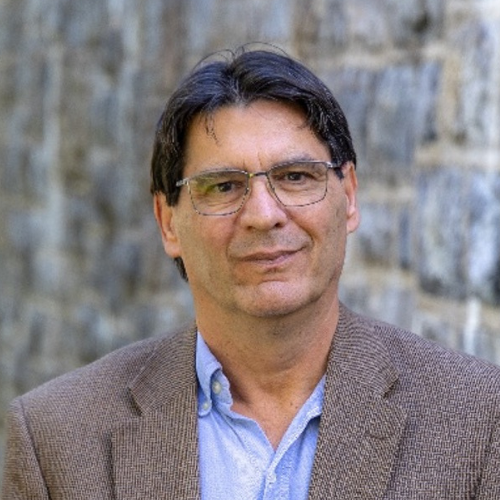
Online hate and a new era of political violence
James Hawdon is a Professor of Sociology and Director of the Center for Peace Studies and Violence Prevention at Virginia Tech. His research focuses on how communities influence crime, political participation, and responses to tragedies. His recent research has focused on online communities and how they affect political polarization, online hate, and cybercrime. With 11 authored or edited books, over 135 academic journal articles and chapters, and several dozen technical reports, he has published extensively in the areas of online hate and extremism, criminology, the sociology of policing, and the sociology of drugs. His recent book projects include The Research Handbook on Hate and Hate Crime in Society (2024), Perceptions of a Pandemic: A Cross-Continental Comparison of Citizen Perceptions, Attitudes, and Behaviors During Covid-19 (2025), and Online Hate and Extremism: Patterns of Production, Exposure, and Interventions in a Cross-National Context (forthcoming 2026). https://en.wikipedia.org/wiki/James_Hawdon
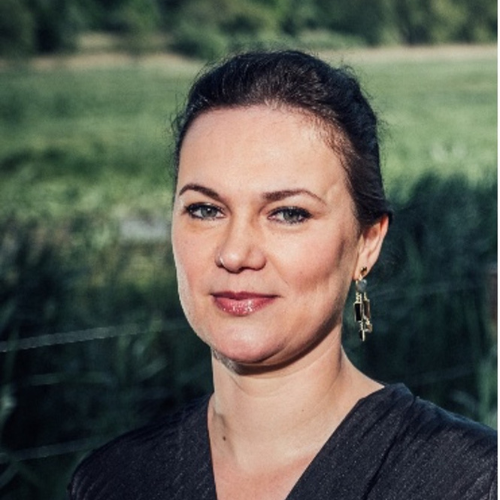
And what about the other(ed)?: Sexual and gender-based violence toward marginalized populations
Ines Keygnaert is Professor in Sexual and Reproductive Health and Co-Director of the International Centre for Reproductive Health at Ghent University in Belgium. She is also the Team Leader of the “Gender & Violence” Team, coordinating the research line on violence prevention & response, sexual and reproductive health rights’ violations, and on gender and sexual health promotion in hard to reach, marginalized and minority groups.
Ines coordinated the first representative Belgian prevalence study on sexual violence in all ages and genders. Currently, she coordinates a myriad of (inter)national studies on a.o. violence against people with a disability, in transit/migration and in conflict settings, in LGBTQIA+ and “Operation Alert” a comprehensive capacity building program on violence for all healthcare staff in all Belgian hospitals. Ines developed, piloted and evaluated the first Belgian Sexual Assault Care Centres and served as expert in the Belgian federal parliamentary research commission on sexual violence in church and beyond. Ines developed diversity-sensitive and trauma-informed clinical guidelines, violence prevention tools and training programs for different settings and regularly provides consultancies for UN organisations, WHO and several governments. In addition to her work at Ghent University, she is also coordinating expert on violence in the Ghent University Hospital and serves as Associate Editor of Psychology of Violence.
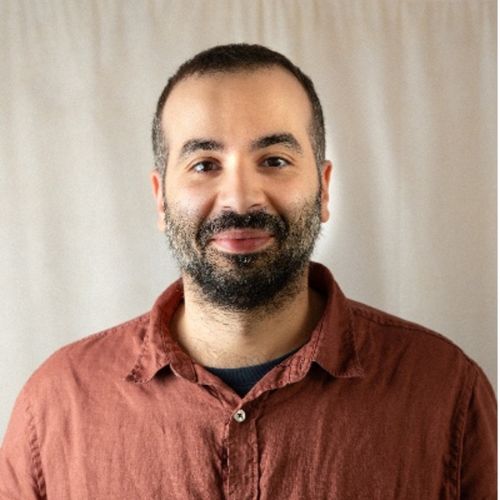
Huesmann Award (Early Career)
Bridging research and practice: An integrated approach to sexual and interpersonal violence
Massil Benbouriche is a Full Professor of Psychology and Criminology at the University of Lille (France), where he co-heads the graduate program in Psychology and Justice. Dr. Benbouriche earned his PhD in Experimental Social Psychology from the University of Rennes 2 (France) in 2016, and his PhD in Criminology from the University of Montréal (Canada). He subsequently completed a two-year postdoctoral research fellowship focusing on team science at Wayne State University (MI, USA). He is also a licensed forensic psychologist affiliated with the Care Unit for Perpetrators of Sexual Violence at Lille University Hospital (France). Benbouriche’s research program lies at the intersection of psychology and criminology, with a primary focus on sexual violence and violent behaviors. A first axis examines, through experimental and cross-sectional designs, the role of social cognition and social information processing in the expression and regulation of such behaviors. A second axis focuses on the development, implementation, evaluation, and dissemination of interventions. Specifically, interventional and evaluative studies are conducted to support evidence-based practices aimed at preventing sexual and violent behaviors in both general and offending populations.
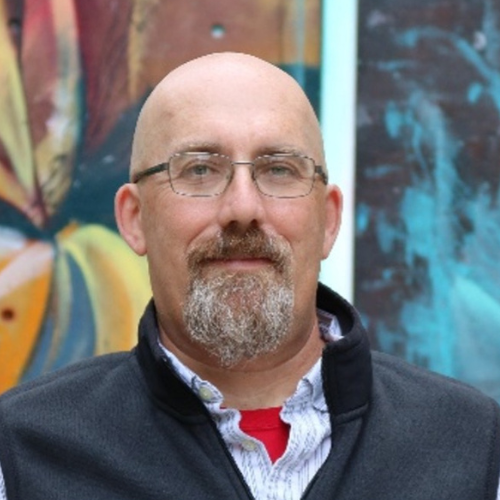
Krahé Award (Mid-Career)
From cognitions to contexts: How developmental studies of aggression can inform violence prevention in the community
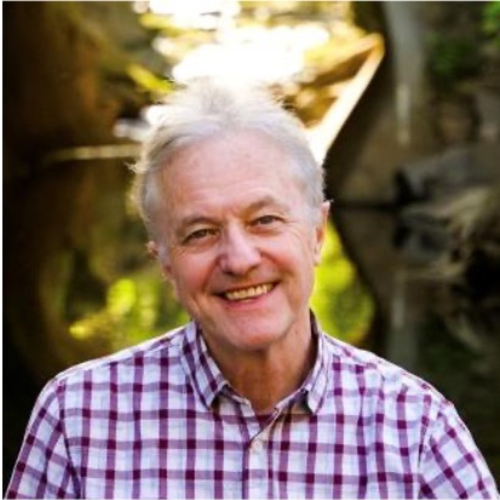
Paul Boxer is a professor of psychology at Rutgers University-Newark. He holds faculty affiliate appointments in the Rutgers School of Criminal Justice and the Rutgers School of Social Work. Boxer also is a co-investigator and adjunct faculty associate in the Aggression Research Program of the Institute for Social Research at the University of Michigan. He received his BA in Psychology from Williams College and his MA and PhD in Clinical and Developmental Psychology from Bowling Green State University. Boxer studies the development and management of youth violence as well as the impact of violent conditions on youth development. He also examines evidence-based practices for helping young people in the juvenile and criminal justice systems. At Rutgers, Boxer has served as the co-director of the Center on Youth Violence and Juvenile Justice and was the founding research director of the New Jersey Gun Violence Research Center. He has been a member of ISRA since 2002 and a Consulting Editor for Aggressive Behavior since 2004. For ISRA, Boxer served on the Youth Violence Commission in 2018 and led the Commission on Police Aggression and its Disproportionate Impact on Minority Populations in 2021.
John Paul Scott Award (Lifetime Achievement)
The neurobiology of violence: Implications for prediction, prevention and punishment
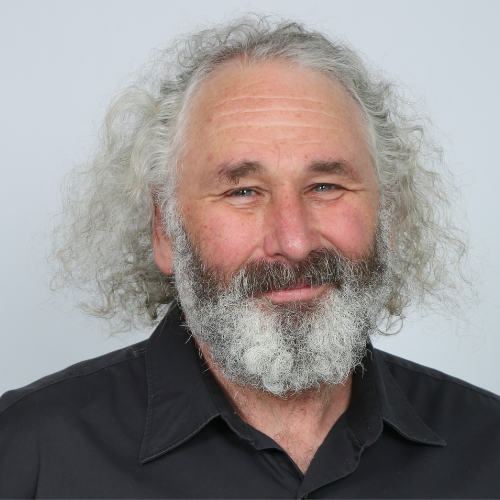
Adrian Raine is a Professor of Criminology, Psychiatry, and Psychology at the University of Pennsylvania. He gained his undergraduate degree in Experimental Psychology at the University of Oxford, and his PhD in Psychology from the University of York, UK. His interdisciplinary research focuses on the etiology and prevention of antisocial, violent, and psychopathic behavior in children, adolescents, and adults. He has been the principal investigator on 18 extramural research grants and main mentor on 11 NIH pre- and post-doctoral awards. He has published over 500 journal articles and book chapters in addition to 7 books, and has given over 430 invited presentations in 33 countries. His book The Anatomy of Violence reviews the brain basis to violence and draws future implications for the punishment, prediction, and prevention of offending, as well as the neuroethical concerns surrounding this work. He is a Fellow of the American Society for Criminology and past-President of the Academy of Experimental Criminology. Awards include an honorary degree from the University of York (UK) and lifetime achievement awards from the Society for the Scientific Study of Psychopathy, the American Society of Criminology, and the International Society for Research on Aggression.
ISRA Presidential Address
Three ways that worldwide changes impact aggressive behaviour
Wayne Warburton is a Professor of Developmental Psychology at Macquarie University, Australia. His research centres on issues related to aggressive behaviour, the impacts of media content and media use, and problematic and disordered screen use. He is co-author of several books/textbooks and five statements by international panels of experts on topics related to aggression and/or media. His work and RES@T-A Australia program for teenagers with a screen disorder were the subject of a touching episode of Australian Story that followed two teenage boys through the intervention program (March 6, 2023). Wayne has won multiple awards for his scholarship and teaching, including four from the Australian Psychological Society, and the 2018 Distinguished Scientific Contribution to Media Psychology and Technology Award from the American Psychological Association (Div 46). Wayne joined ISRA in 2003, has been a council member since 2010 and is current President. He has been on the editorial board of Aggressive Behavior since 2019, has served on two ISRA Commissions (media violence 2012; youth violence 2018) and co-organised the 2016 ISRA world meeting with Tom Denson. He is passionate about the importance of aggression research and the role that ISRA can play in supporting aggression researchers and making their findings known. In his view, the work of ISRA has never been more important than it is now.
Recent Comments