Our research centers on understanding the individual, social, environmental, and cultural factors related to youth bullying and mental health. We hope to prevent violence and empower youth so that they can have a brighter future.


Social Relationships and Mental Health
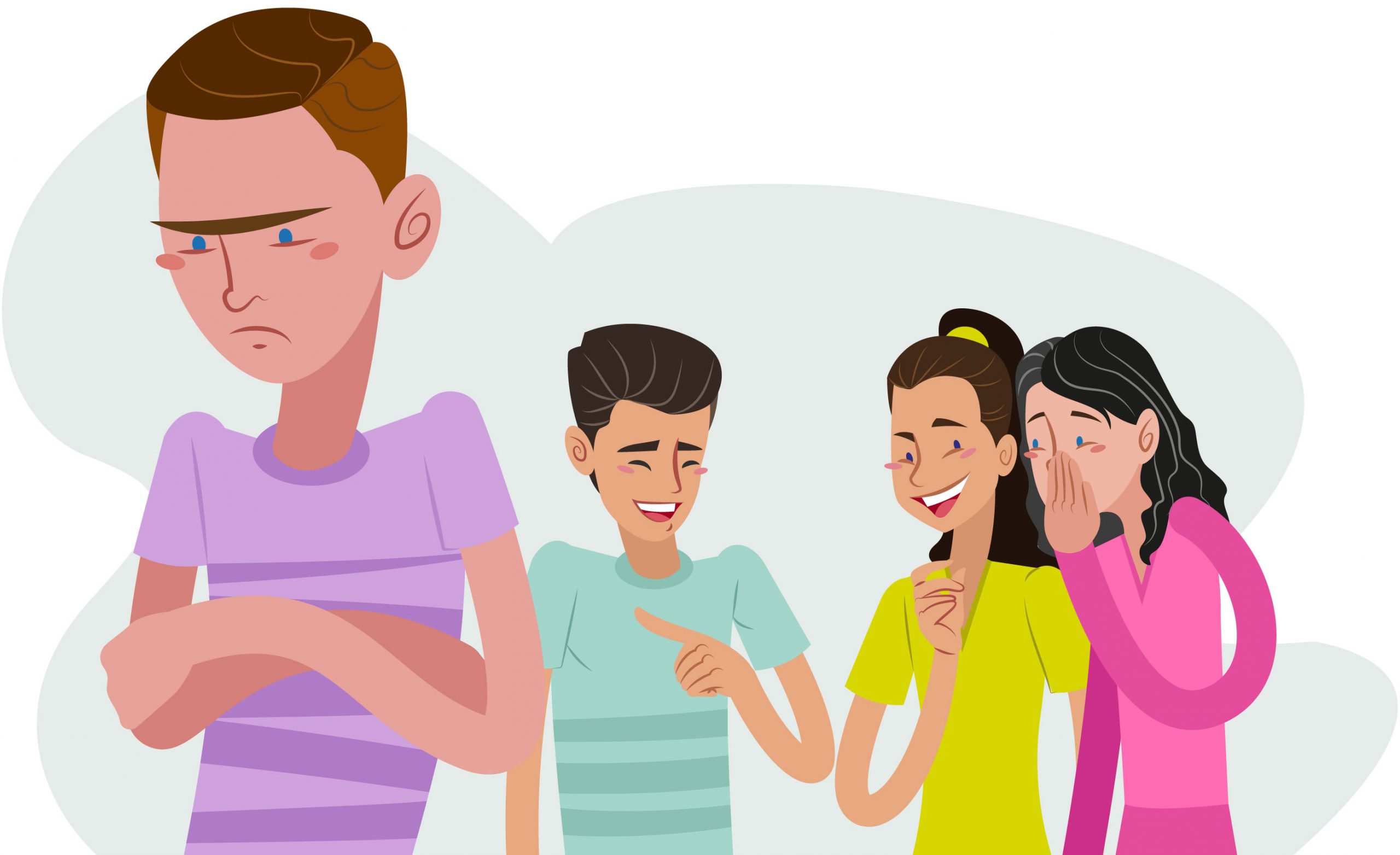
Why are some youth involved in bullying and others are not? We examine how young people interact with their friends, school, and home to contribute to their bullying experiences and mental health. We examine these interactions online and in person. We also look at how broader neighbourhood, community, and cultural contexts impact these interactions.
Methods
We examine these interactions through a combination of methods. We link young people’s self-reported experiences on social relationships and mental health with Statistics Canada data on regional indicators of their communities including population data, income inequality, and rates of violence. We apply statistical methods such as longitudinal, person-centered, and multilevel modeling to understand our research questions.
Implications
We aim to understand how these interactions can impact young people’s experiences with bullying and mental health across childhood and adolescence. By understanding these interactions, we hope to prevent harmful interactions and in turn empower youth to build positive relationships and experience healthy outcomes.