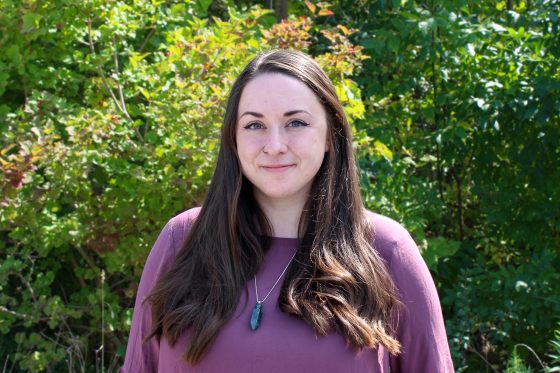
Blog Contributor: Madelaine Legault

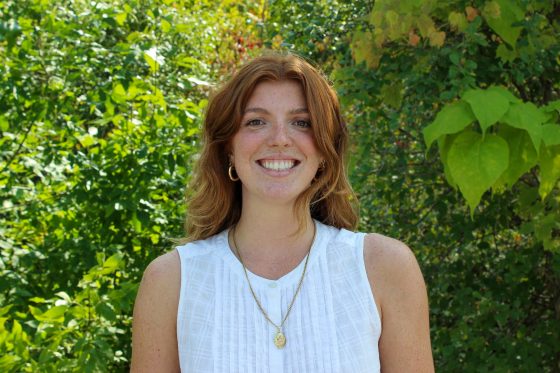
Madelaine Legault is a first year PhD in Sustainability Science student. She is currently working under the supervision of Dr. Liette Vasseur and her research interests are in sustainable agriculture, food systems resilience, food security, environmental justice, and seed sovereignty. In this blog, Madelaine summarizes her experience in the first term of her PhD program.
What inspired you to pursue graduate studies in environmental sustainability?
Well, there are many things that led me to apply for this program, and I think I could go on about these things for hours. But for one, for as long as I can remember, I have always loved gardening. I have fond memories of learning from my grandmother and mom in their gardens, so I have been learning about (and in) nature all my life. My undergrad and first graduate degreewere in gender studies, which is a transdisciplinary field like sustainability science. During these studies, I tended to focus on the concepts of food security and environmental justice. After I finished my first graduate degree, I went to work in the field—literally. I was lucky to work in community gardens, at non-profits, and on commercial farms. These experiences helped push me towards the subject of food security, justice, and sustainable food systems. When I was looking at programs that would support this line of research, the Environmental Sustainability Research Centre seemed like the perfect fit.
Can you describe a typical day in your program?
Every day is a little bit different than the last. Some days, I have courses to attend, where I engage in the theories underpinning sustainability science and the research methods that support it. Our class sizes are small, so I feel like we have a great chance to really engage with the topics and each other. Everyone comes from a different academic background, so a multitude of perspectives are involved in our discussions. These courses are also built to be interactive and experiential, so we are really getting a good mix of theoretical and practical knowledge.
When I’m not in class or doing course work, I am working as a teaching assistant and as Graduate Student Ambassador. I am also meeting with my thesis supervisor, Dr. Liette Vasseur, who is an incredibly inspirational tour-de-force. She has helped me apply for scholarships and conferences, and is showing me how to do a scoping review. I have so much to learn, and I know that she is there to help me get the most out of my graduate education.
What program experiences have had the most impact on your thinking?
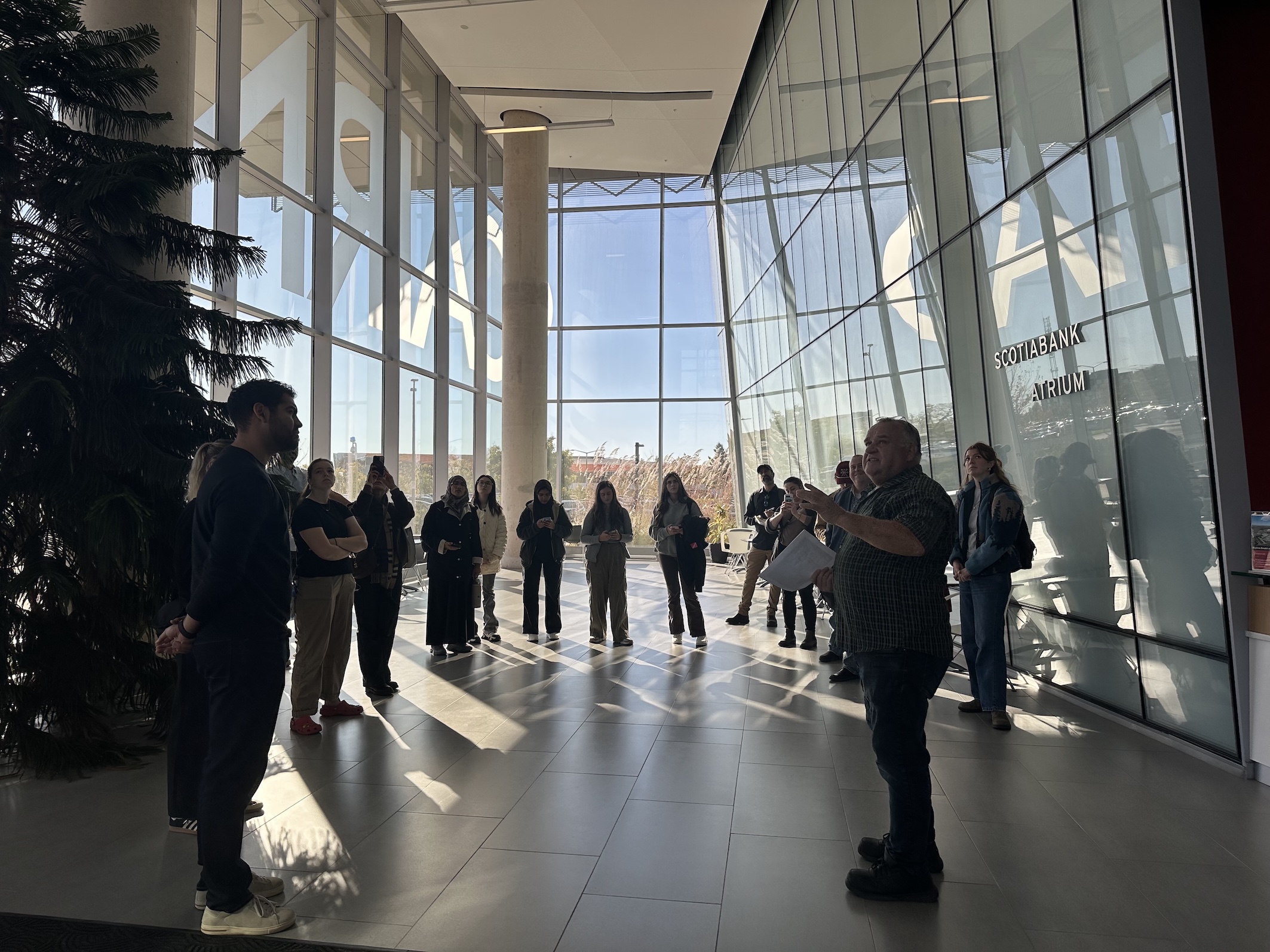
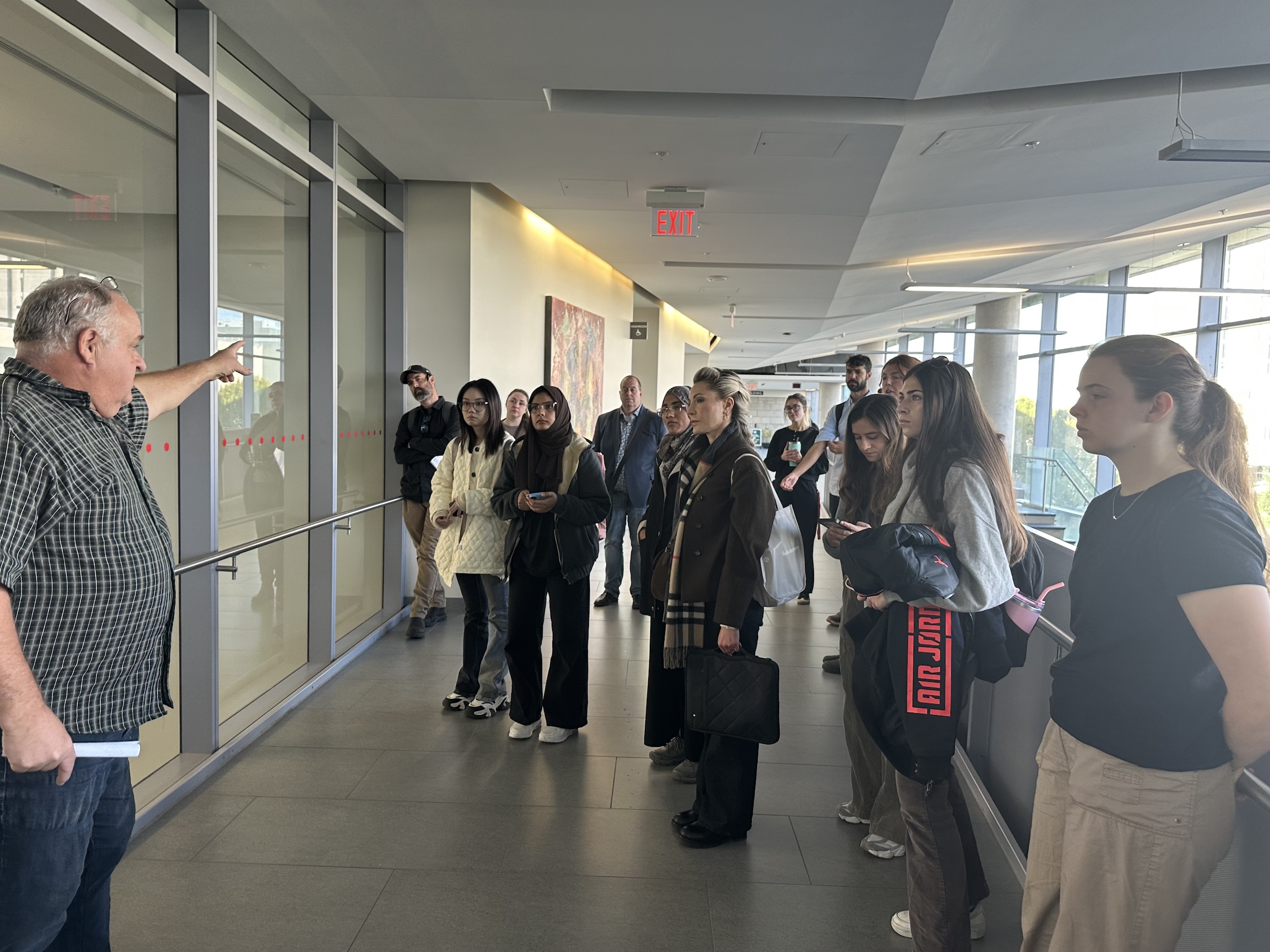
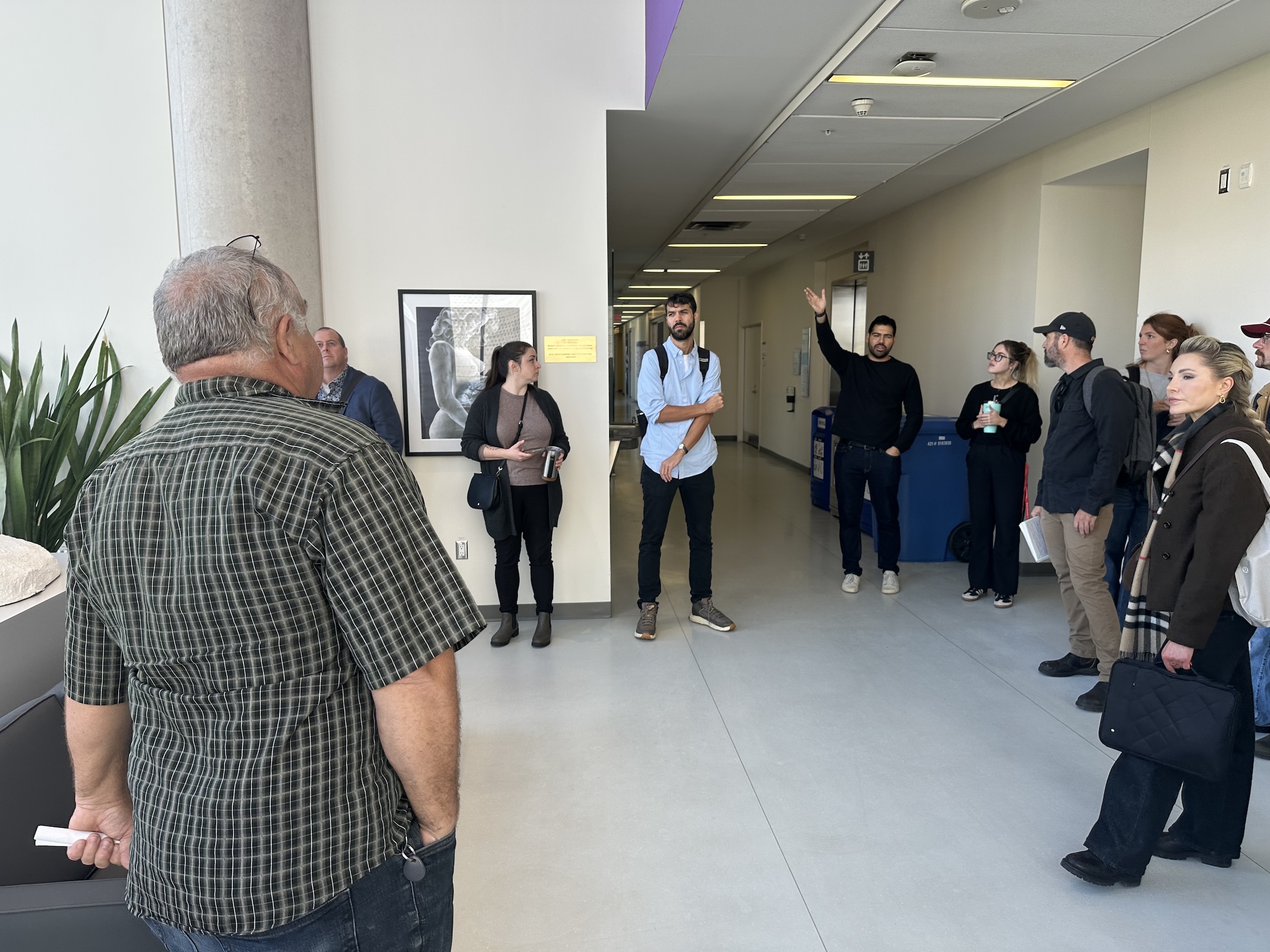
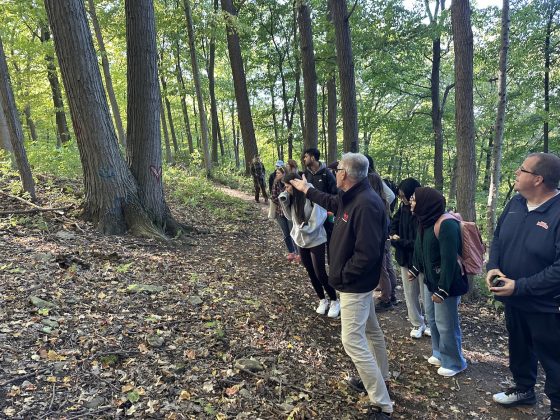
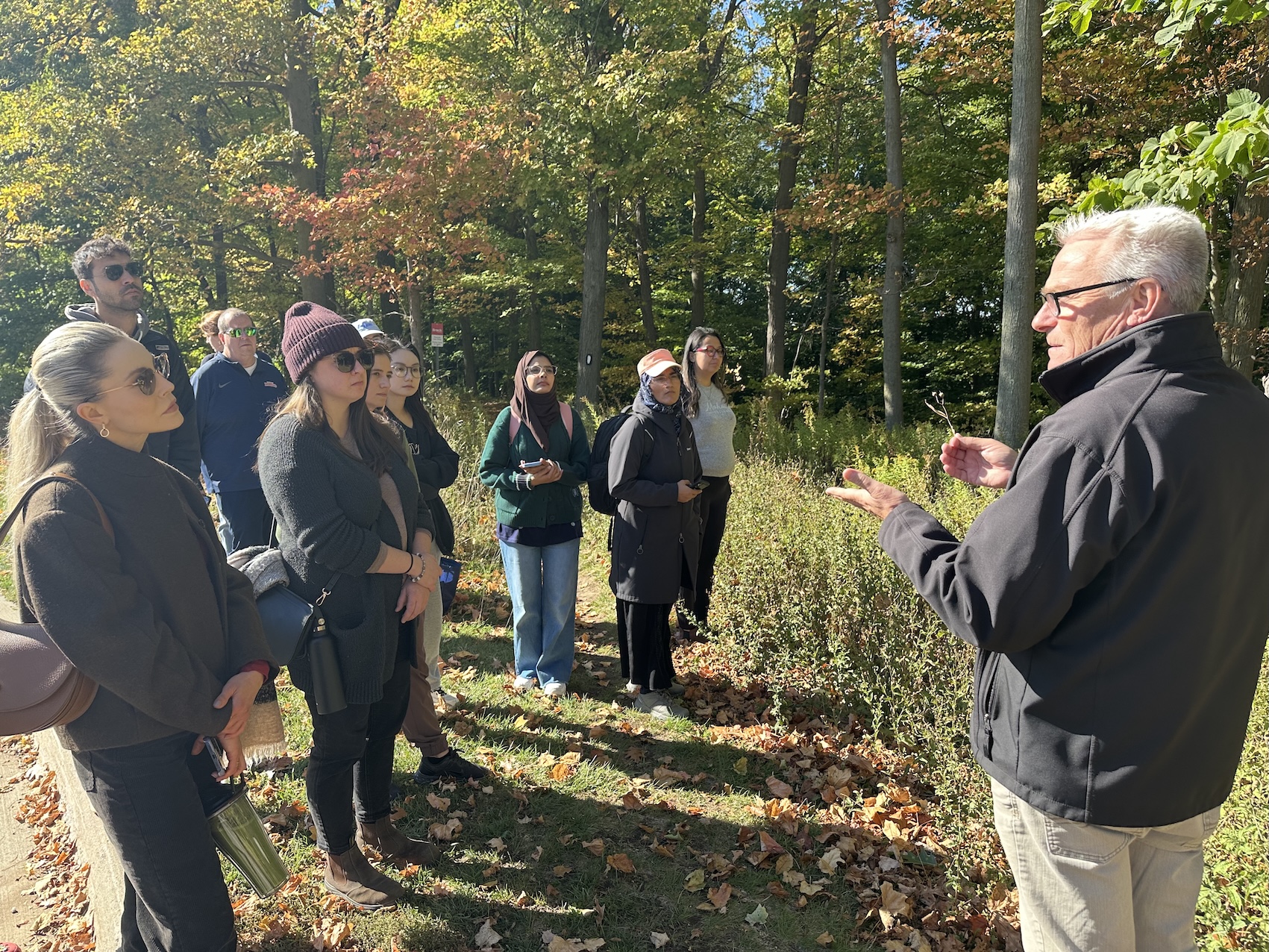
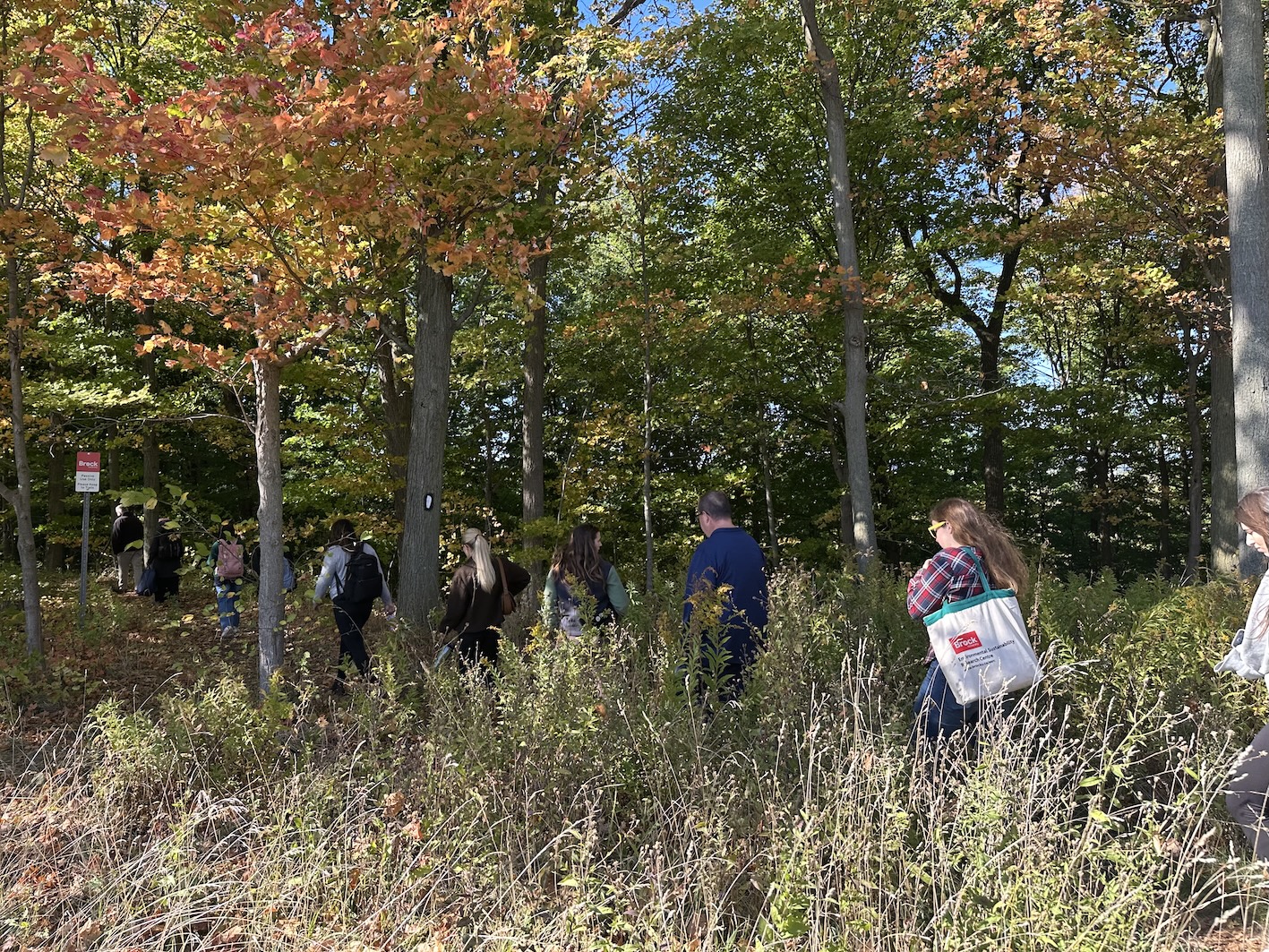
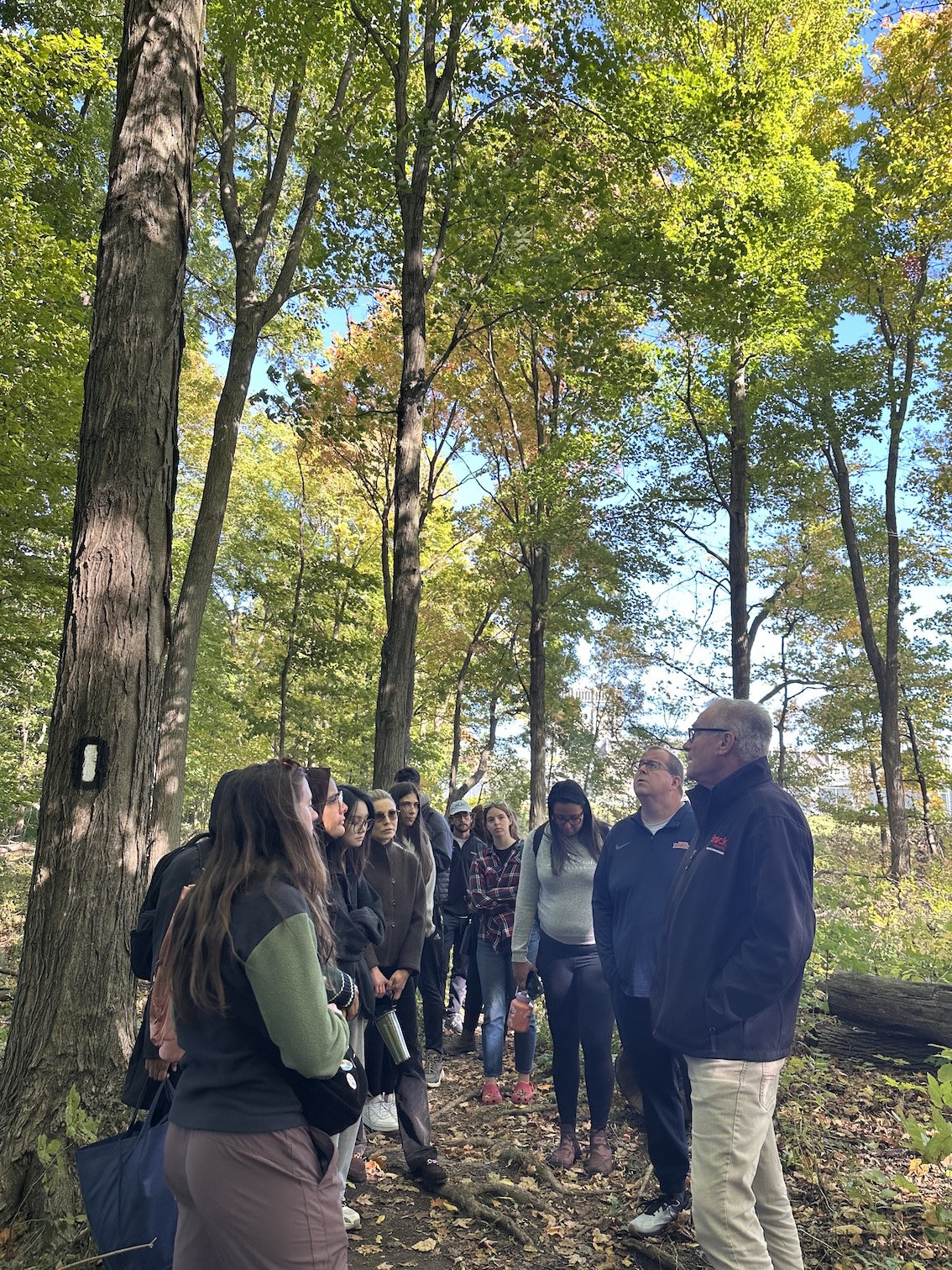
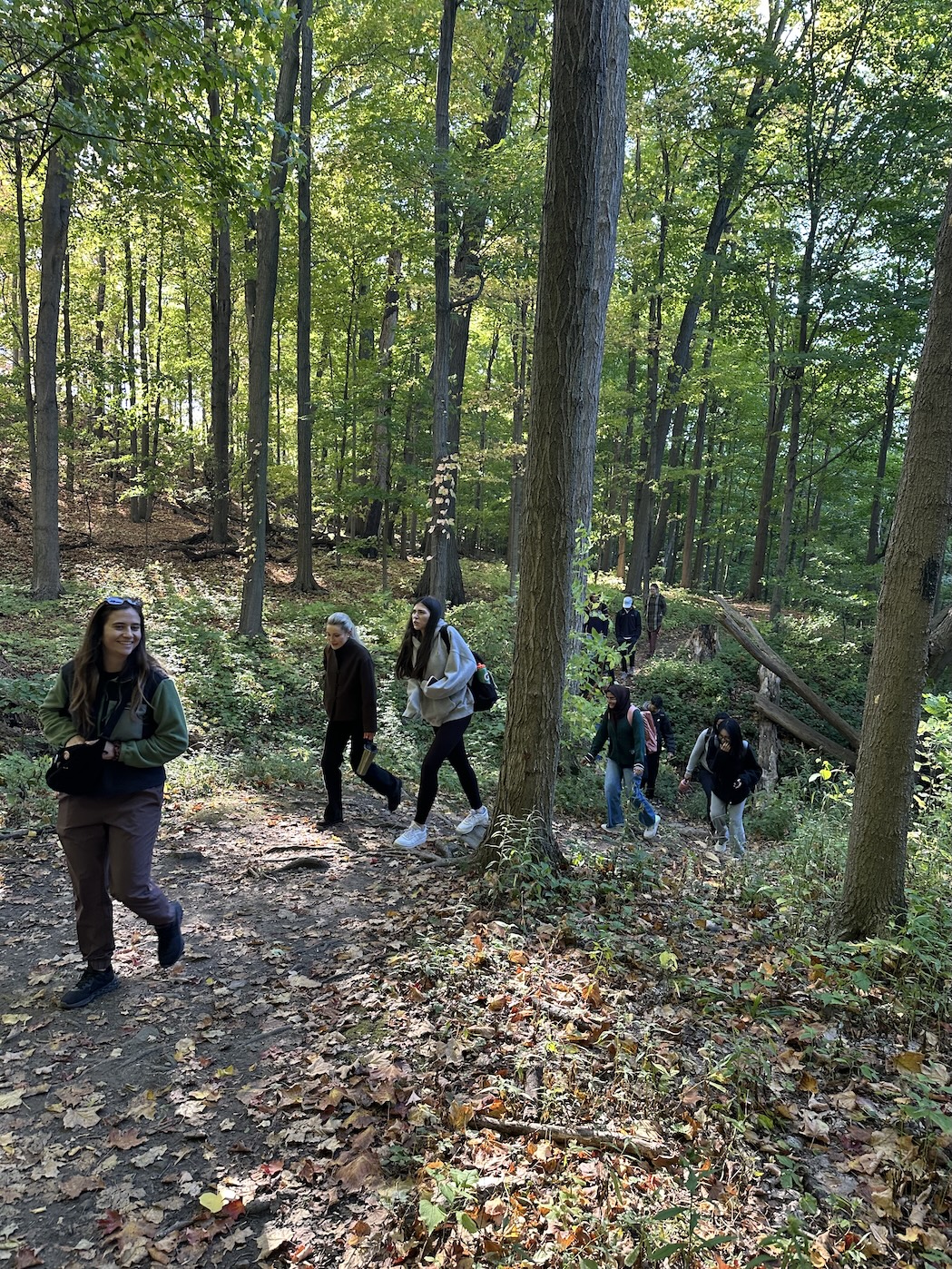
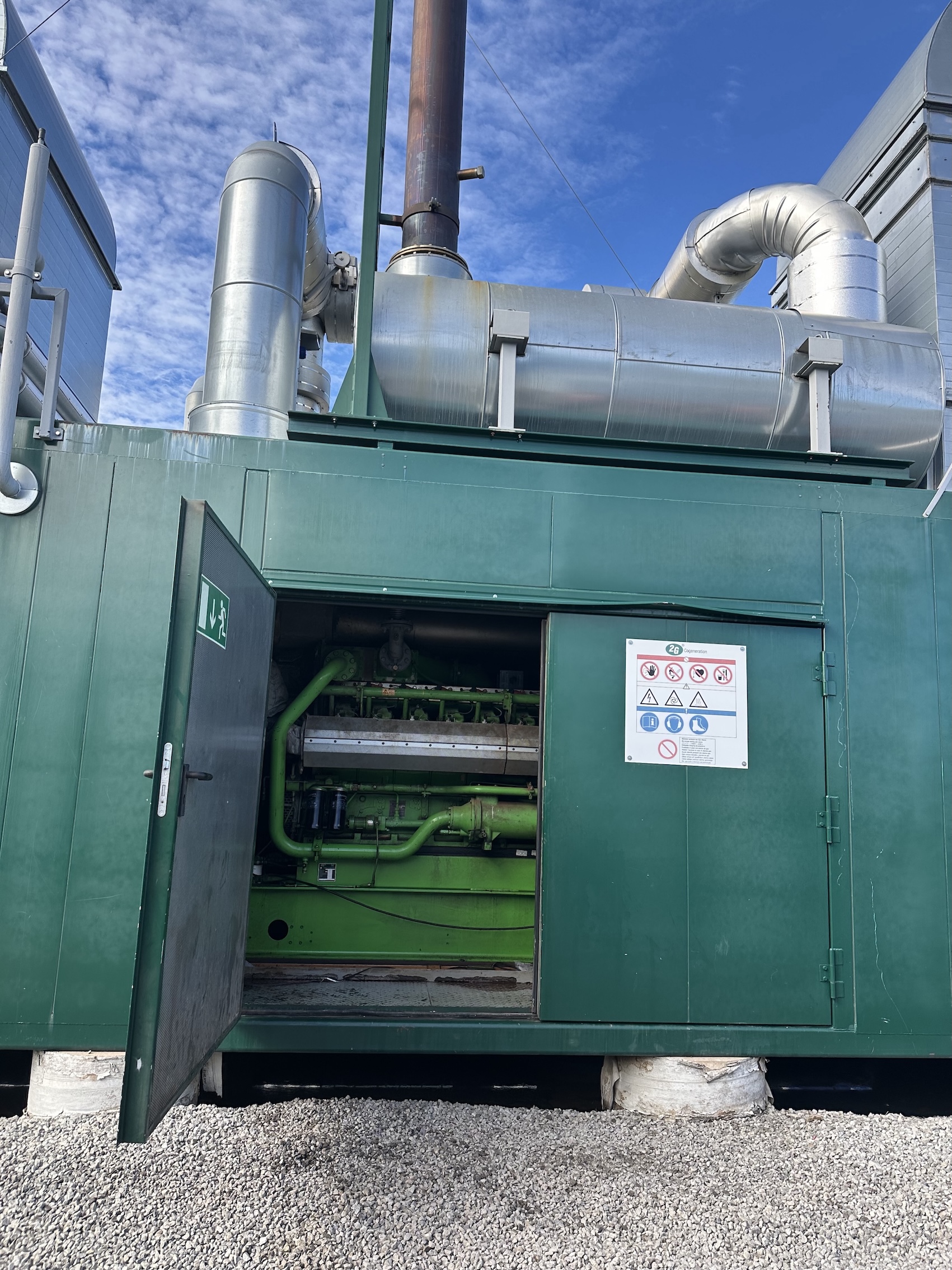
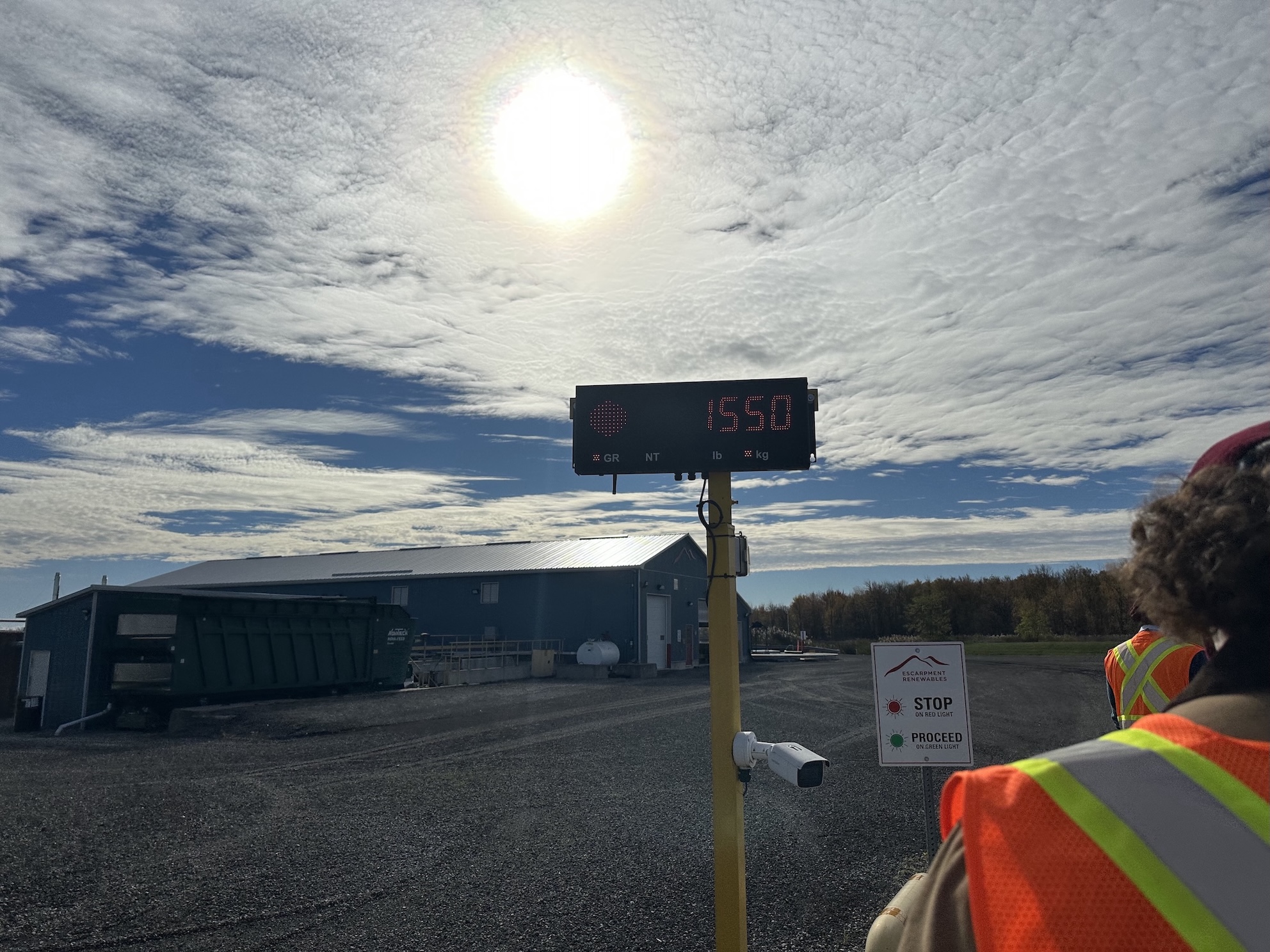
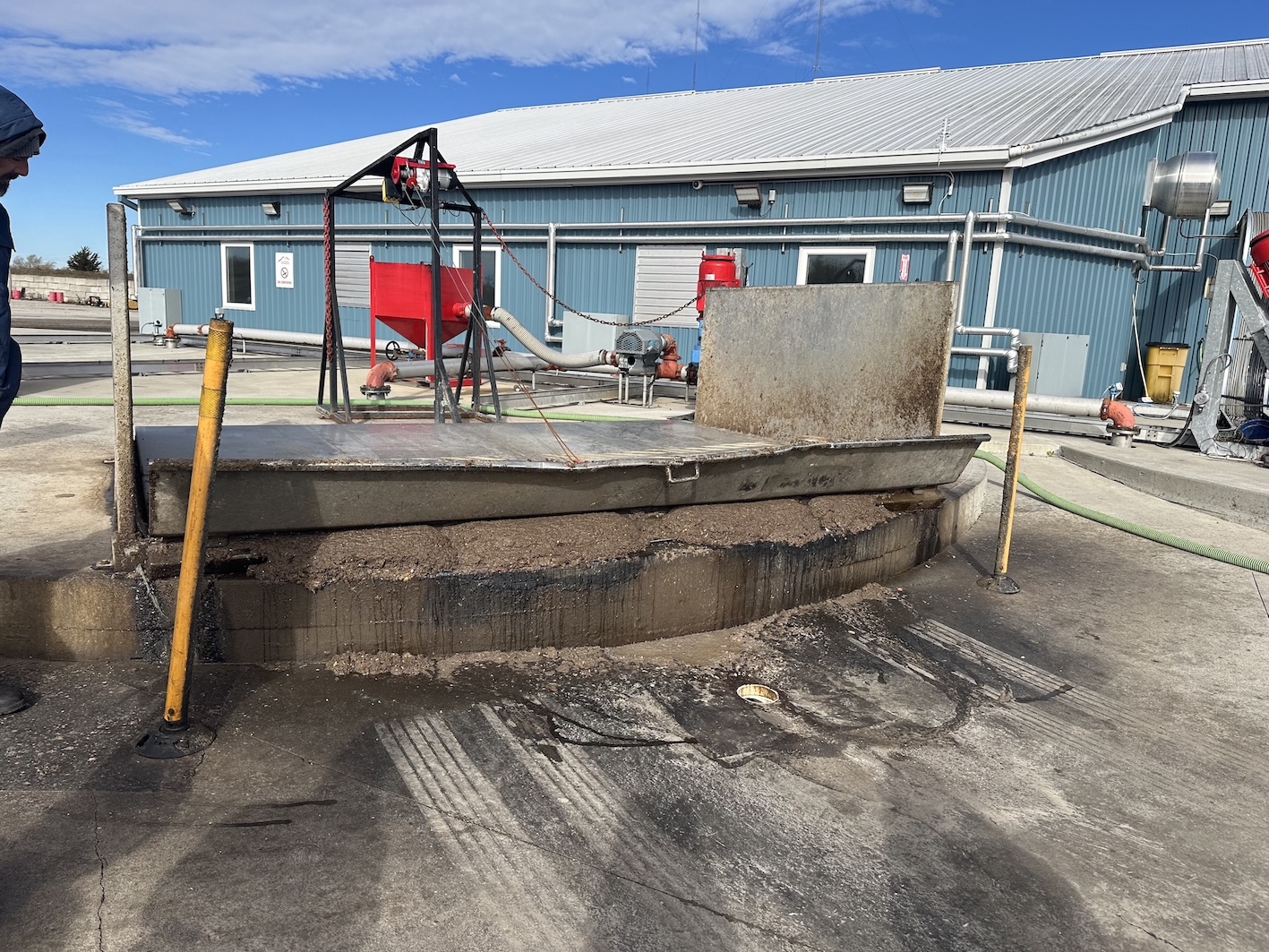
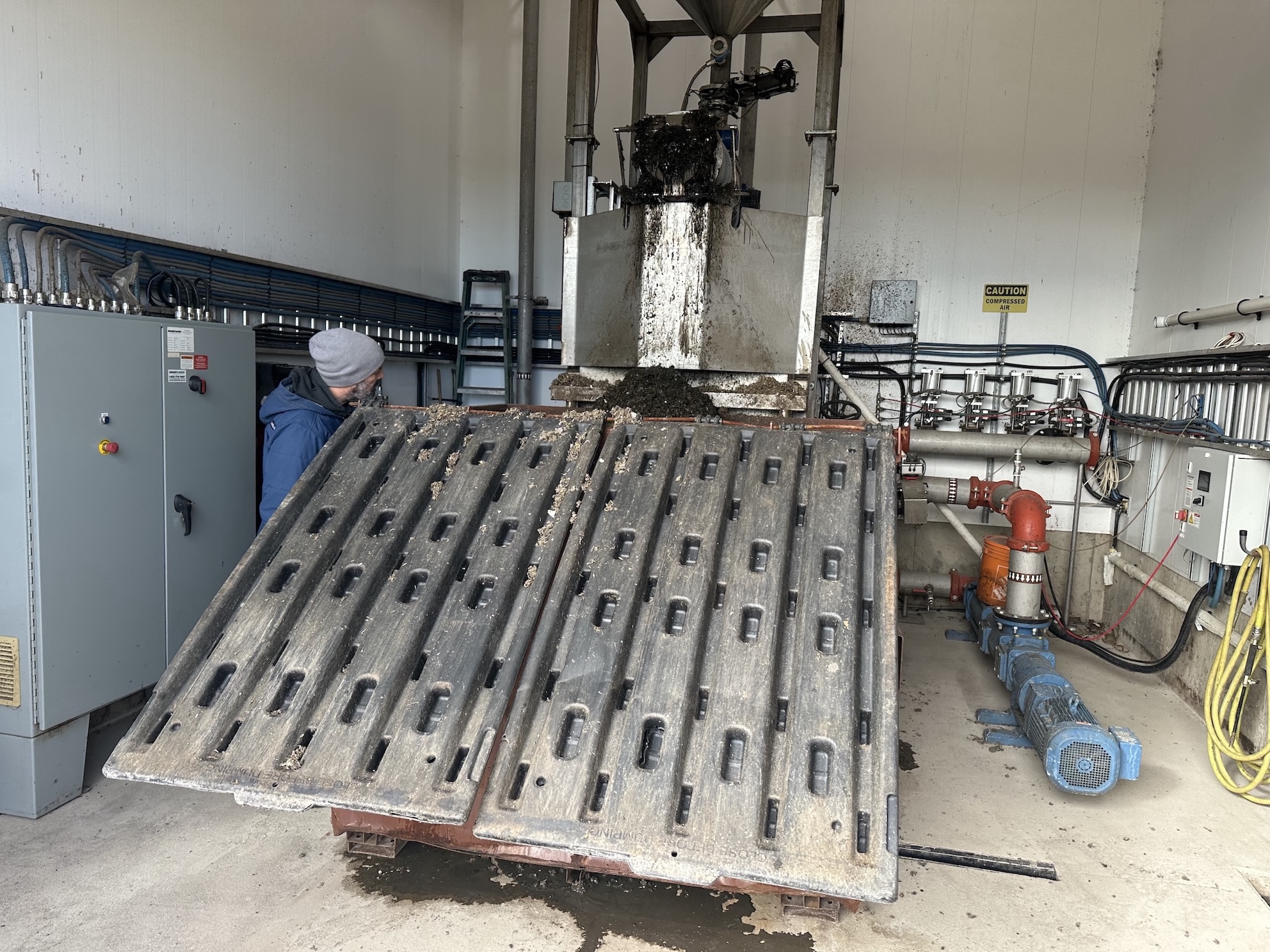
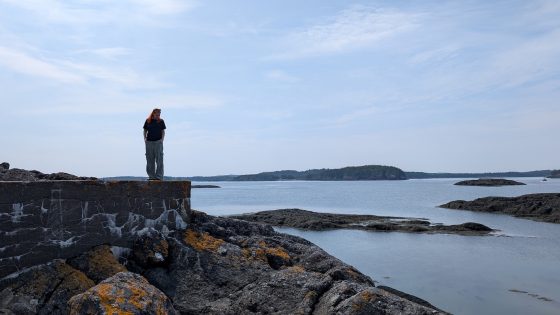
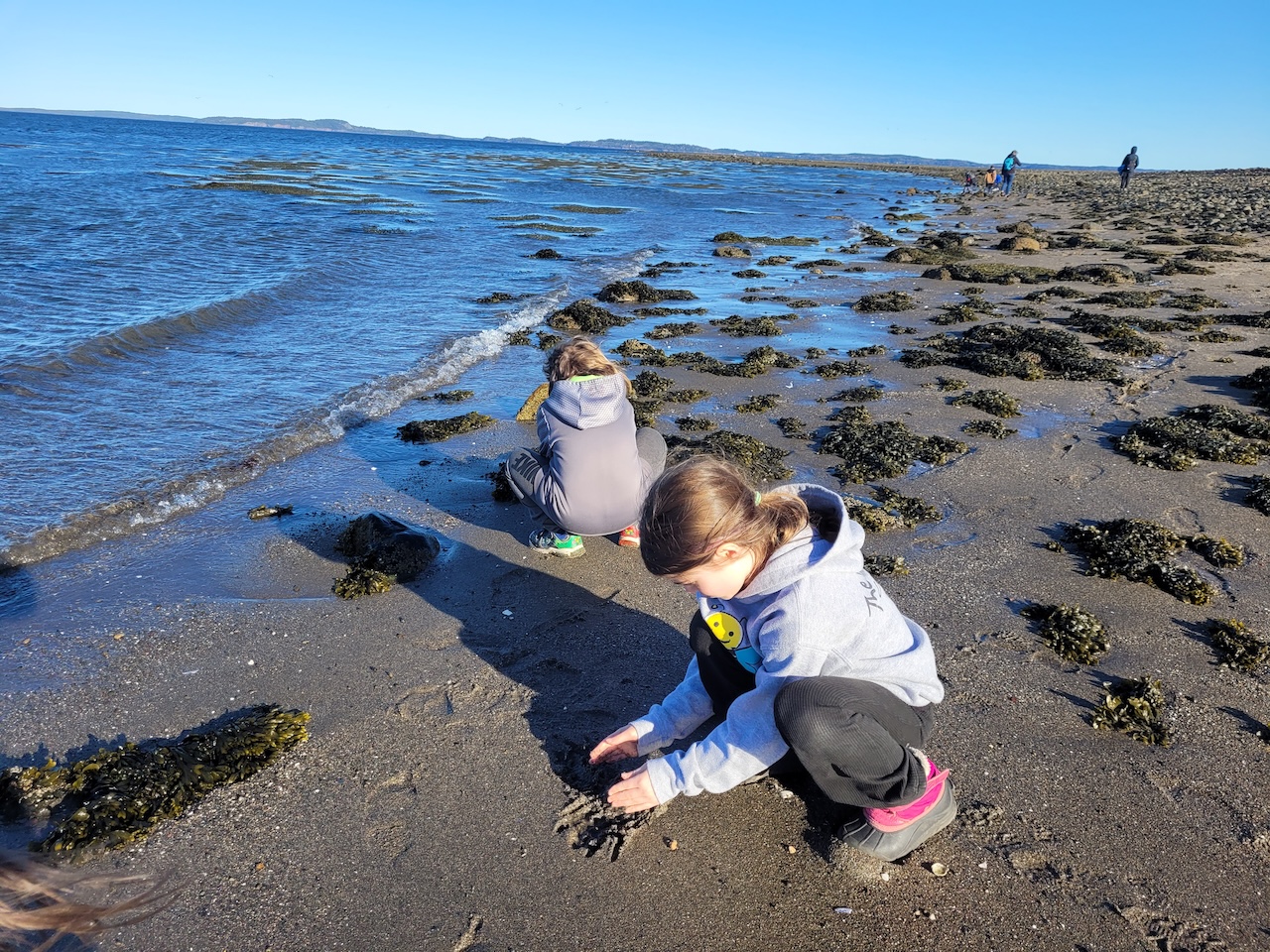
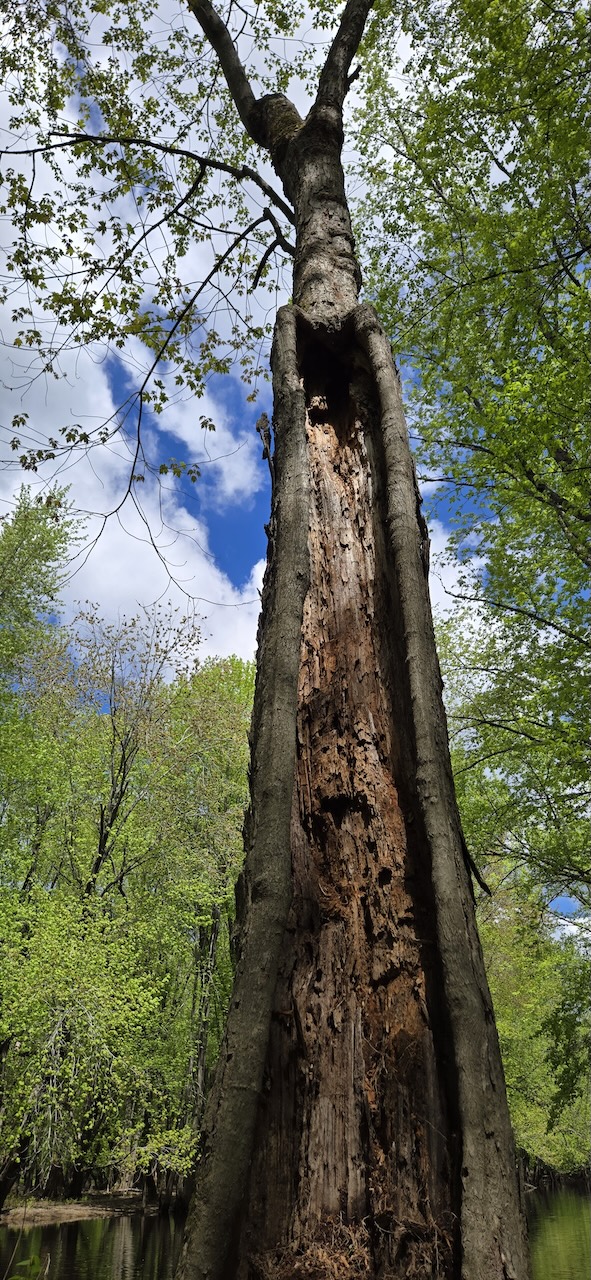
The more experiential aspects of the courses have been helpful in broadening my understanding of the scope of sustainability science. We’ve done field trips to parks and natural sites undergoing restoration, to biogas facilities, and around Brock to study green building design, energy systems, and the Escarpment biosphere. So much of our education is built around engaging with our community and surroundings.
I also think that my fellow students have challenged me in the best ways. Our discussions inside and outside of the classroom have opened my eyes to the world of sustainability-related careers and endeavors out there, and to the multitude of perspectives that are necessary to unpack the complicated subjects of climate crises and solutions. I have learned to considerdiffering opinions as opportunities to grow my capacity for empathy and understanding.
What opportunities have you had to develop your research skills, whether through fieldwork, publishing your work, etc.?
When I started this program a few months ago, I doubted my research abilities. It had been a while since I was in school, and the only other “real” academic research I had engaged in was for my graduate degree. I had never written with the aim of publishing, and had a bit of imposter syndrome, thinking that this lack of publications meant I was not as good as my peers or ready to be in a PhD program. My supervisor, Dr. Vasseur, has been instrumental in building my confidence while building my skills as a researcher. She has not only opened doors for me to present my work but has guided me in building skills through practice. For example, I am currently writing a scoping review with her guidance, for which I am developing my own data collection and analysis protocol. Once I am done with this review, I will be able to use it as part of my thesis and can revise it for publication. I no longer feel like I am out of my depth and am excited for the new opportunities that I know I will encounter under her supervision.
How do you stay motivated when facing complex environmental sustainability challenges?
I feel as though I am constantly riding waves of hope and grief. I grieve the losses we face due to overlapping crises, and I grieve the future that feels perilous. I try to balance that grief by tethering myself to hope. To hope is a radical act in a world shaped by oppression and fear. Some of the ways I balance these feelings are by seeking out “good” news stories on achievementsin sustainability and environmental justice, or studies on successes in the struggle for a more sustainable future. I also look to art and poetry to balance these feelings. Mary Oliver always seems to have the right words.
Ultimately, I am most motivated when I feel connected to others who are overwhelmed like me and who are trying to balance these feelings, too. We are each others’ tethers to hope. I look at the wonderful people in this program and know that we are connected in this feeling, and are all working on solutions—and that is absolutely cause for hope.
What advice would you give to someone considering graduate studies in sustainability science?
Do it! Please go for it. I hesitated for years, but when I finally applied and entered this program, I knew it is exactly where I need to be. We need all hands on deck, and as many perspectives as possible to address this wicked issue. Take what you are good at, what you are passionate about, and focus it on helping your fellow creatures weather this storm. You have so much to offer. We welcome you to the fight!
In terms of practical advice, I say make connections when you can. Attend workshops, have challenging discussions, introduce yourself to others in the field, apply for committee positions, and write as much as you can (even if it is in the notes app on your phone).