Blog Contributor: Ruth Horn

When I arrived at Escarpment Renewables, I honestly thought we were visiting a coffee cup recycling plant. It was not at all what I was expecting which ended up being really neat. I learned a lot. I learned that the facility is part of a much larger, interconnected system that transforms organic waste into energy and that discovery completely changed the way I think about “waste” and what can be done with it.
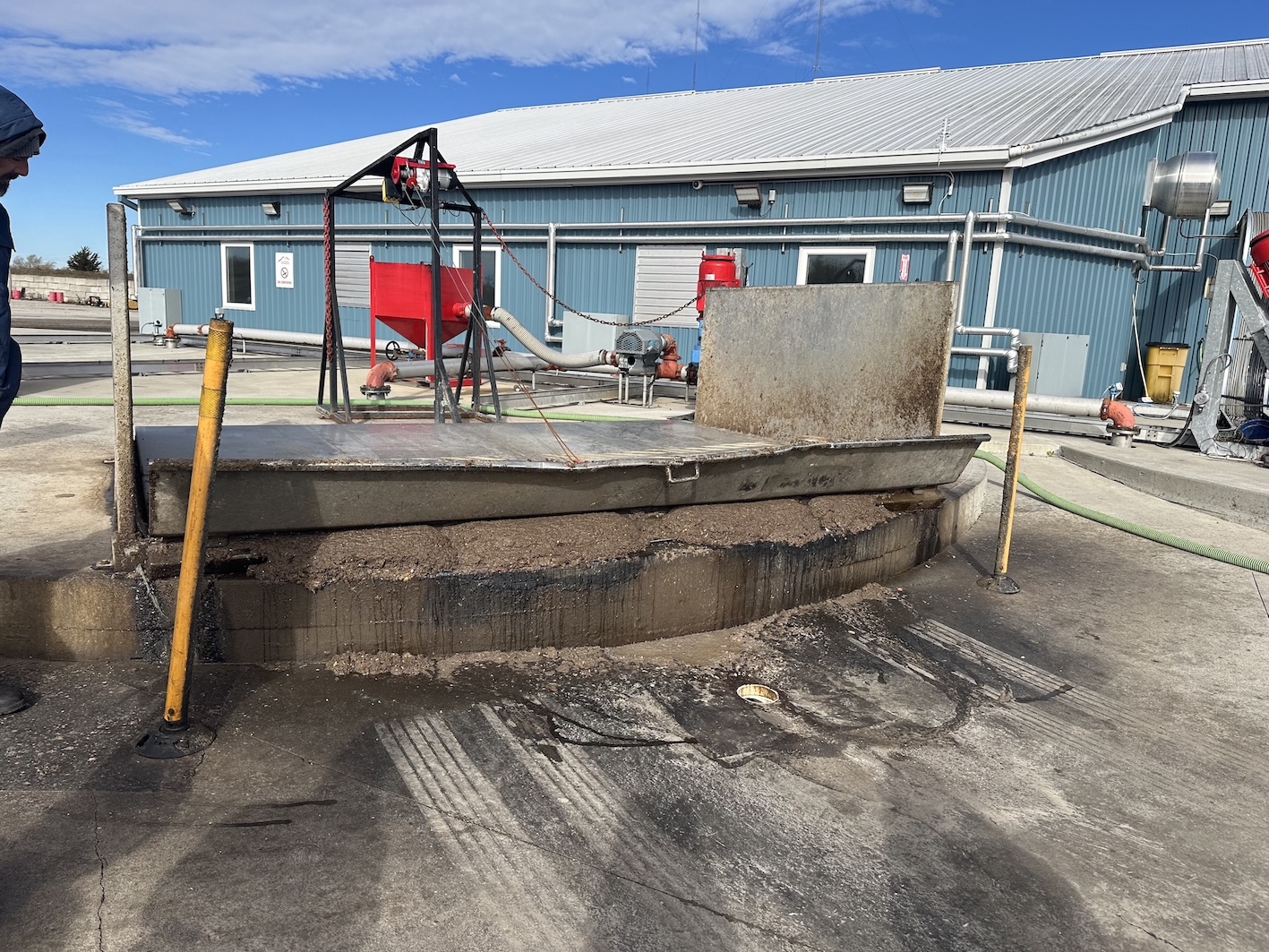
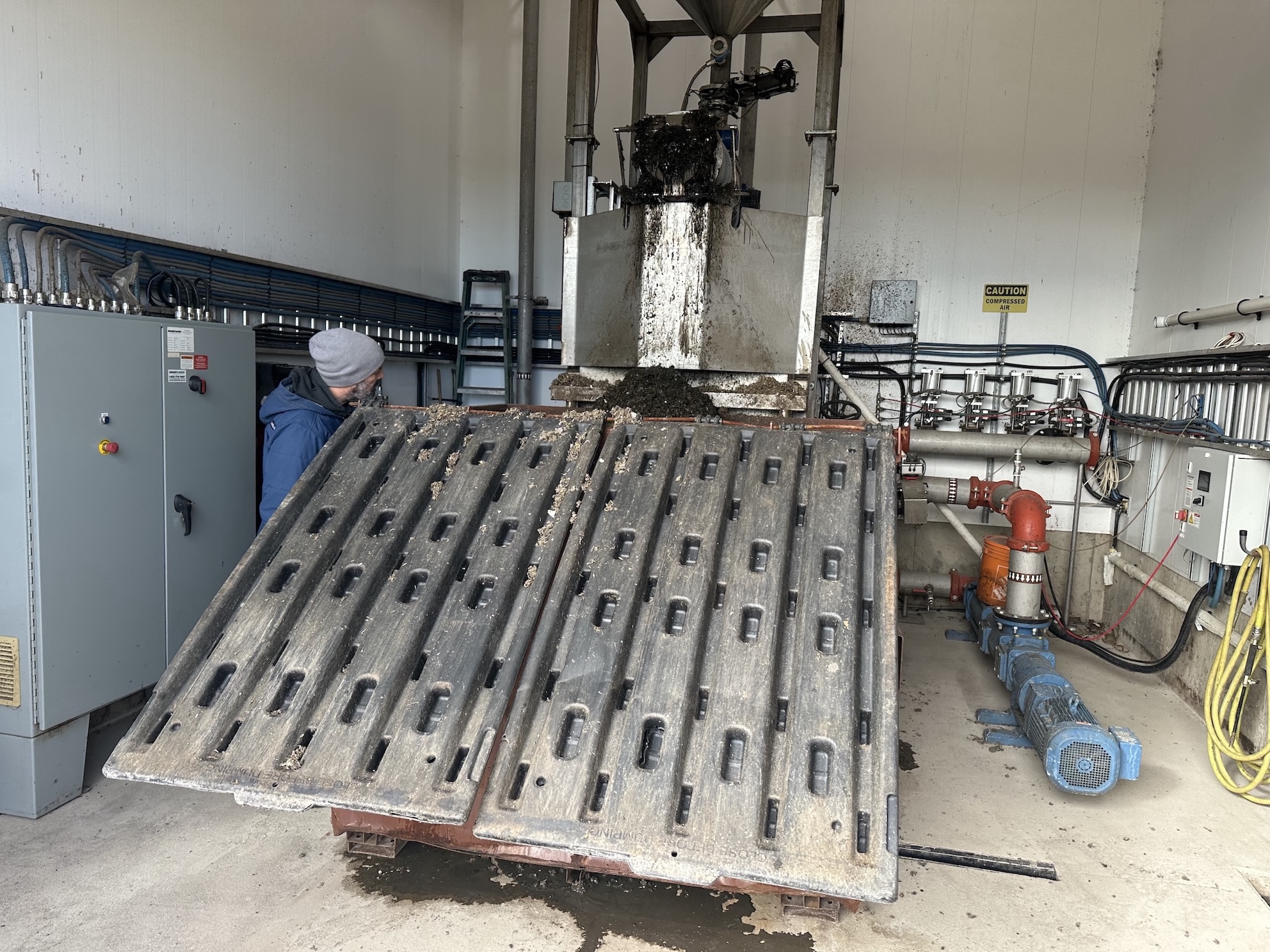
The process starts before the waste even arrives. I learned that Davidson, and other companies like it handle the first step by separating the organic and inorganic parts of things like coffee cups. The organic sludge from that process is then sent to Escarpment Renewables, which is owned by Miller Waste. I found it fascinating to realize how many different players are involved in making one system of waste diversion work. Each part is specialized, yet dependent on the others. It made me appreciate the scale and coordination needed to make sustainability happen beyond the individual level.
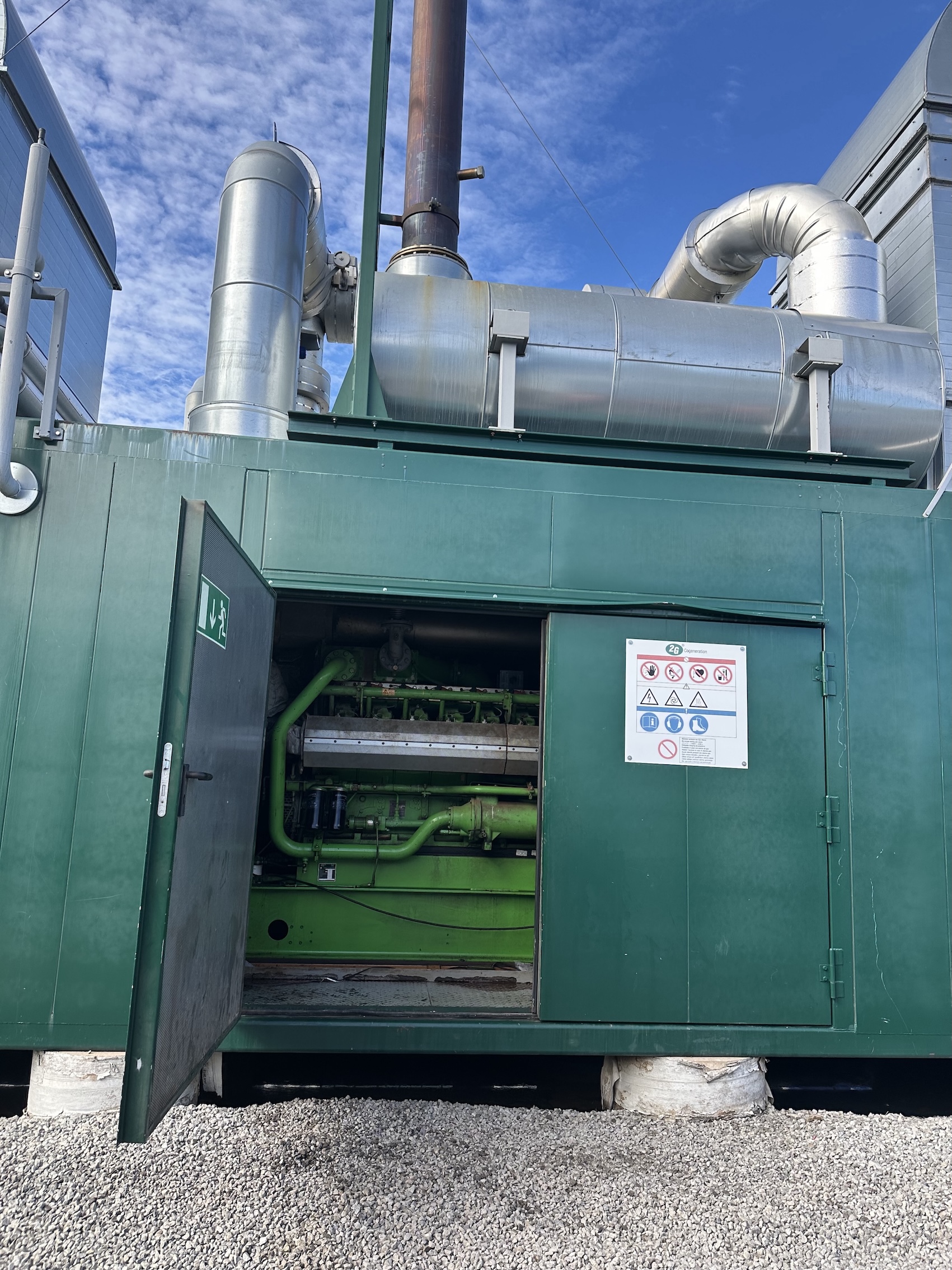
The anaerobic digestion system itself was unlike anything I had seen before. The waste is heated to about 70°C with glycol to pasteurize it before spending around 40 days in massive digesters that are 20 feet deep. Inside, the material breaks down without oxygen, producing methane gas that’s collected in rubber bladders. That biogas is then used to generate about one megawatt of power per hour. That energy is used to power their own machines and then the extra energy is sold back to the grid. Learning that the heat used to maintain the system actually comes from the generator itself showed me how circular the process is. Nothing is wasted, not even the energy used to keep things running.
I was also surprised to learn how carefully the system is maintained. There are weekly, biweekly, and monthly checkups for pumps, choppers, and pneumatic bulbs, and the digesters are fully cleaned every four to five years. It takes a whole month just to prepare for that process. That level of planning and care gave me a new respect for the people running these systems. The fact that there are just three operators, one engineer, and a manager is surprising. It’s a small team managing a massive operation that quietly supports sustainability for the entire region.
What struck me most during this visit was how much of the waste process happens out of sight. When we throw things “away,” we rarely think about where “away” actually is. Seeing how 90 tonnes of waste a day can become biogas and organic fertilizer made me realize that sustainability isn’t just about recycling, but that it’s about innovation, chemistry, and constant problem-solving. Even the leftover solids that can’t be used are carefully handled and sent to landfill, while the liquid is turned into organic manure that goes back into farms.
Leaving the tour, I felt like I understood the word “renewable” in a much deeper way. Escarpment Renewables isn’t just a waste facility. It’s also a reminder that with the right systems, waste can become a resource, and sustainability can literally power our communities, even if it started out as a failed project by the municipal government.