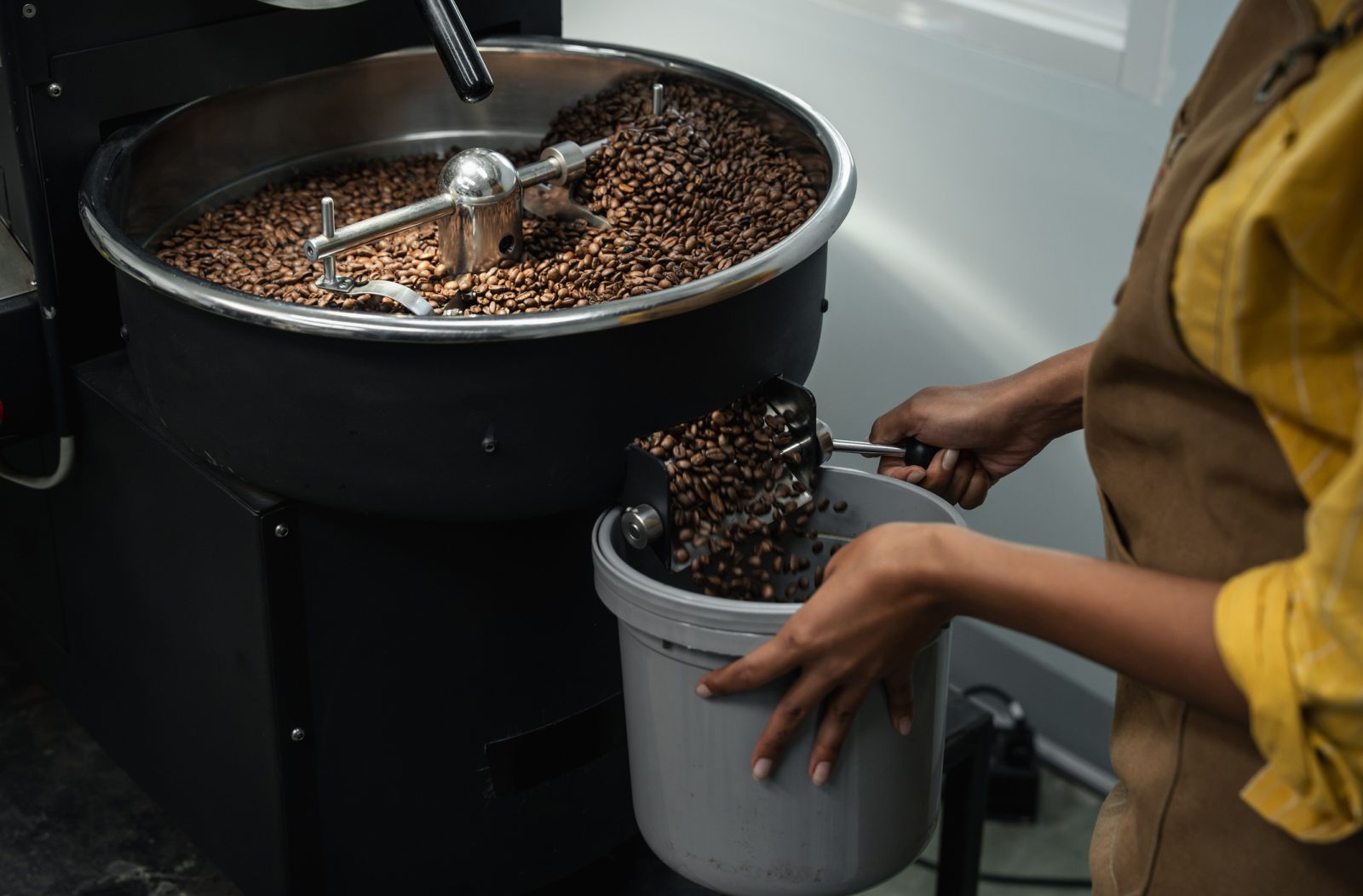
 The various workers and working conditions involved in the production of daily commodities like coffee and garments are the focus of a first-year Labour Studies course, one of many offerings open to returning and incoming students in January.
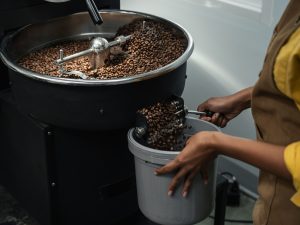
Prospective students aiming to kickstart their post-secondary journey this winter may find themselves sitting down with a hot cup of coffee to think about their options.
Associate Professor of Labour Studies Simon Black also wants them to think about the work that makes a cup of coffee possible.
The Chair of Brock’s Department of Labour Studies will teach LABR 1P96: Labour Behind the Label next term. The first-year course on work around the world is open to all Brock students, including those just starting out in the Winter Semester.
Black says it is a great entry point for anyone interested in the work behind the consumer goods they enjoy and rely on every day.
“We live in a mass consumer society, but in a global economy, many of us don’t know a lot about the actual labour processes, the work and the working conditions, behind everyday commodities,” he says. “This course is an introduction to global Labour Studies.”
The class material explores the working conditions and the workers who produce clothing, smartphones and more, and includes a field trip to a local mall to see what students can learn about the labour behind the goods available for purchase there.
No previous experience with Labour Studies is required to dive into the subject. Instead, Black says, the course is designed to help students of all ages and backgrounds understand the role each person plays in society.
“Students think of themselves as consumers, but they don’t always think of themselves as citizens and as workers,” he says. “As workers, they can see they have the same interests as workers in Bangladesh or Colombia, wanting decent work, decent wages, respect and justice in the workplace. We also want them to see themselves as global citizens who can participate in social movements and push politicians to adopt policies and legislation that have a global impact.”
Like many other departments, Labour Studies offers Bachelor’s, Co-op and Certificate programs available starting in January, but other options are also available. The Department welcomes students via Prior Assessment Learning and Recognition, a program that supports prospective students by offering credit for relevant work experience. It also offers alternative programming for those interested in the field of Labour Studies, such as certificates, micro-certificates and college collaborations.
Black says that creating pathways for traditional and non-traditional learners has long been a priority in the Department.
“Whether you’re a young student who enters university from high school and is new to the labour market, or whether you’re someone who has been laid off or is looking to change careers, we’re all workers who have to do work to survive in our economy,” Black says. “We think it’s important that people with all backgrounds, all different levels of knowledge and learning, at all different stages of their career can benefit from learning more about the world of work and how it impacts them and their future.”
For more information or to apply to begin at Brock in January, visit brocku.ca/january