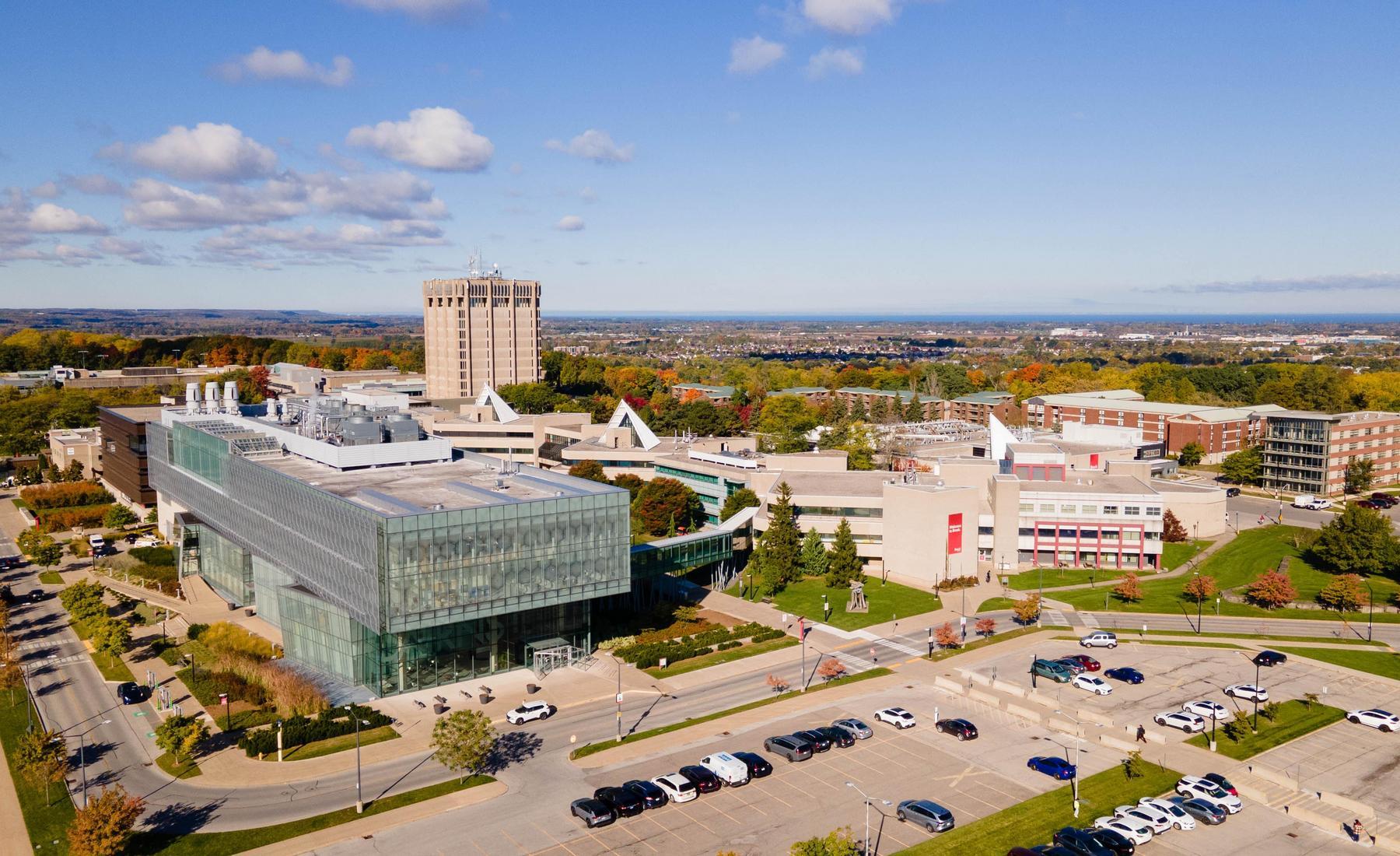
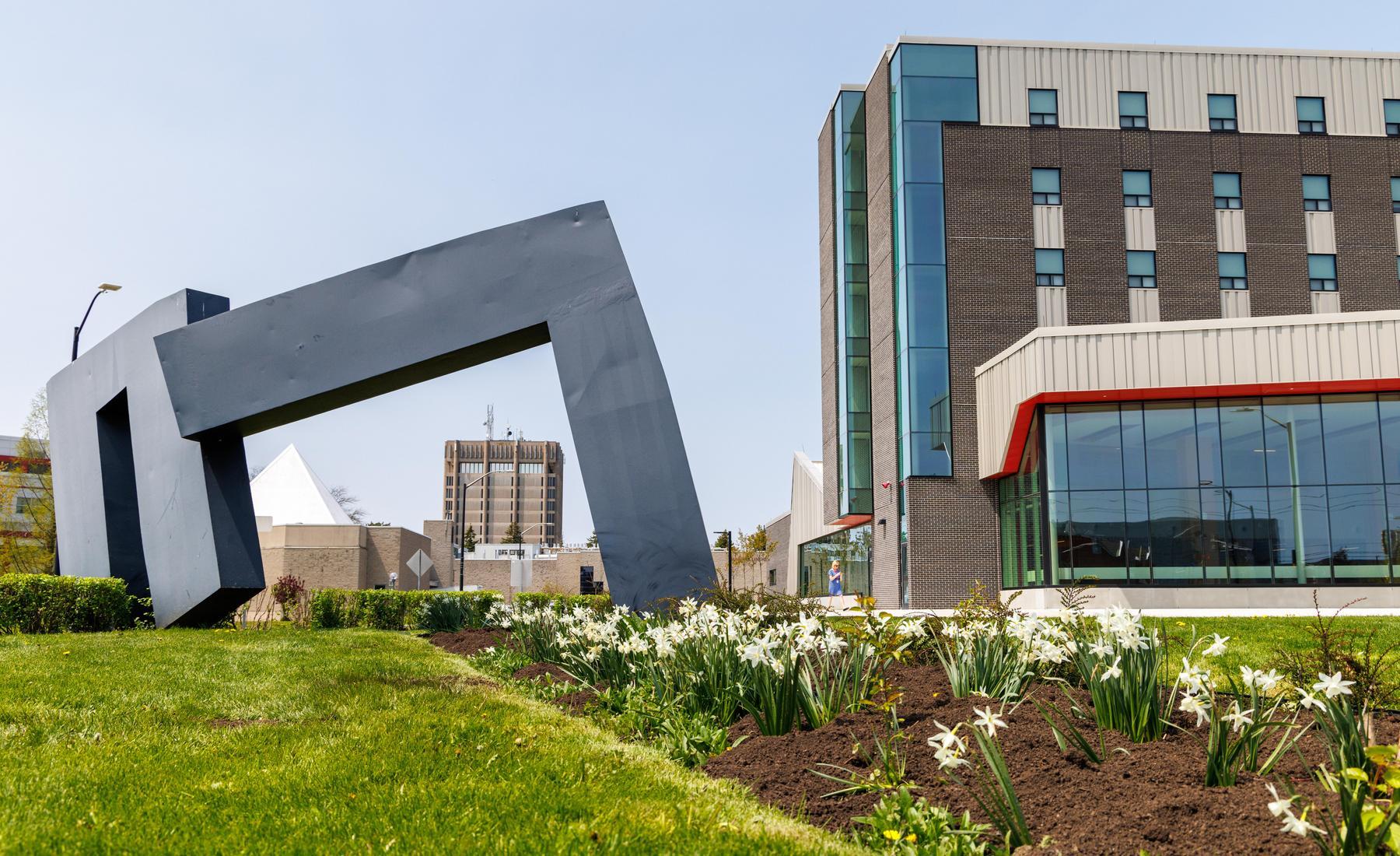
From individual travelers to full-scale conferences, we do it all. Experience the incredible Niagara region from the heart of Brock University’s campus, where our venues and dedicated team work together to deliver an exceptional experience.

Sport Conferences
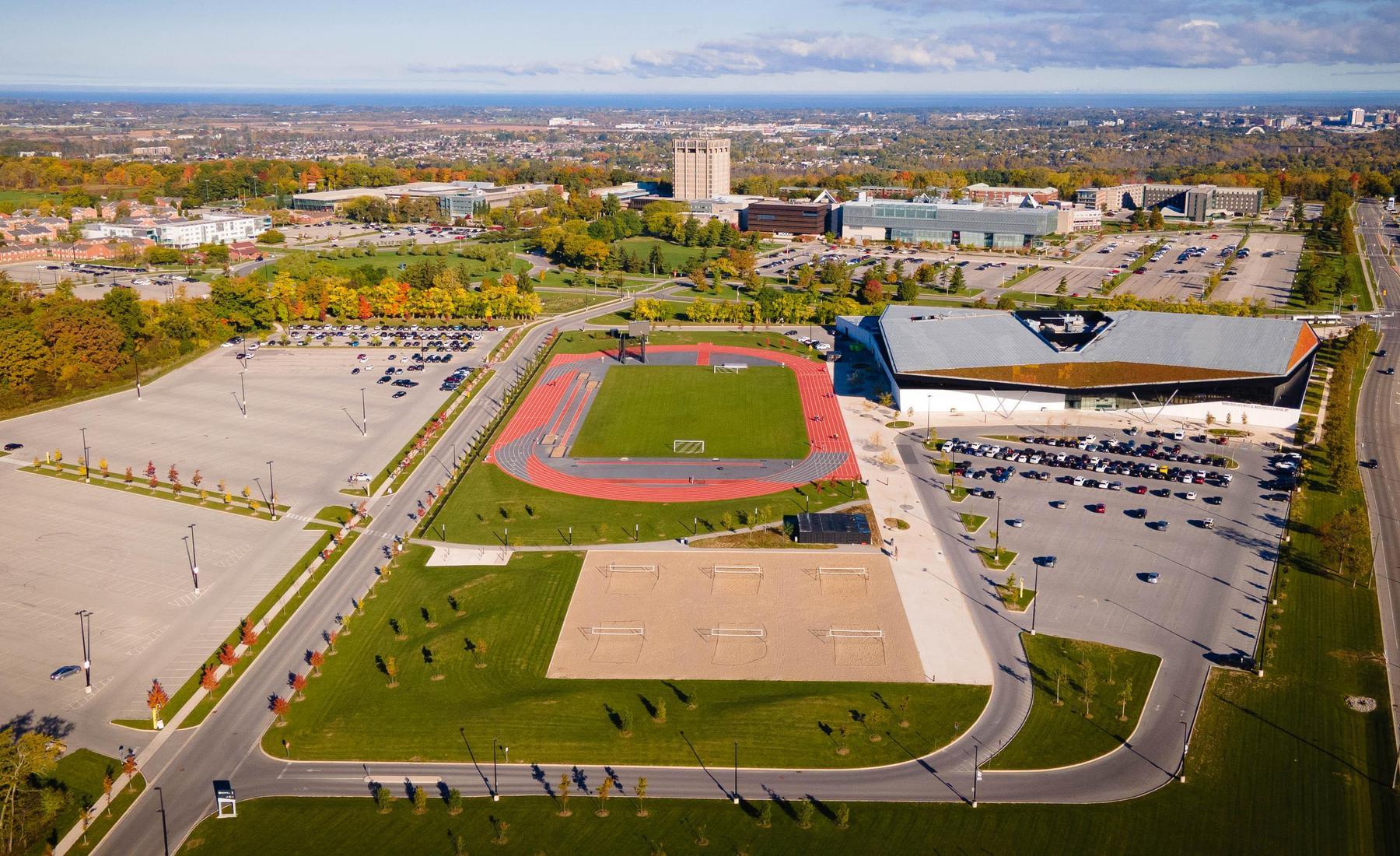
Host your sports conference with facilities, accommodations, and meal plans on campus.
Start Planning

Copyright © 2026
Brock University
Non-discrimination Policy
University policies
Privacy Accessibility
Niagara Region
1812 Sir Isaac Brock Way
St. Catharines, ON
L2S 3A1 Canada
+1 905-688-5550
We acknowledge the land on which Brock University was built is the traditional territory of the Haudenosaunee (ho-din-anish-shonee) and Anishinaabe (A-nish-shin-aaabee) people, many of whom continue to live and work here today. This territory is covered by the Upper Canada Treaties and is within the land protected by the Dish with One Spoon Wampum agreement. Today, this gathering place is home to many First Nations, Métis and Inuit, and acknowledging reminds us that our great standard of living is directly related to the resources and friendship of Indigenous people.
Top