News listing

  • How are Teen Perfectionists Faring During the COVID-19 Pandemic?

    HERE’S THE BOTTOM LINE…

    Headlines were made in 2019 when a remarkable study showed that young people today are more perfectionistic than previous generations (see Curran & Hill, 2019). The rising tide of perfectionism among youth is a significant public health problem given that perfectionism is related to a host of problems, including feeling lonely and disconnected from others, having poor physical health, and experiencing more mental health problems and stress (see Chen et al., 2012; Molnar et al., 2006; Rnic et al., 2021; Limburg et al., 2017). However, there is still a lot that we do not know about perfectionism in young people. For example, is perfectionism changeable over time and how has it affected teens’ mental health and stress levels during the unprecedented and difficult times of the COVID-19 pandemic? In this issue, we will specifically explore findings from a recent study (Molnar et al., 2023) that examined how the COVID-19 pandemic may have impacted teen perfectionism and how perfectionism may have contributed to anxiety, depressive symptoms, and stress among teenagers during the pandemic.

    What is Perfectionism?

    Perfectionism can be studied in many different ways. For example, we can think of perfectionism as a personality trait such that when someone asks you to describe yourself, you say “I am a total perfectionist!” We can also think of perfectionism as a type of thinking pattern where researchers measure how often you think about your need to be perfect. Finally, we can think of perfectionism as a type of behaviour in which researchers could measure the degree to which you actively hide your perceived flaws and/or work hard to create an image of flawlessness for others. In this issue, we treat perfectionism as a personality trait. When measuring perfectionism as a personality trait, we have to keep in mind that there are different “flavours” of perfectionism. Self-oriented perfectionism refers to requiring perfection from the self.

    In other words, someone who is a self-oriented perfectionist demands perfection from themself and is incredibly hard on themself when they do not meet those demands. Socially prescribed perfectionism refers to the belief or perceptions that others require perfection from the self. Put differently, someone who is a socially prescribed perfectionist thinks that others require them to be perfect and often believes that they will never measure up to others’ expectations. Finally, other-oriented perfectionism is the requirement of perfection from others. Someone who is an other-oriented perfectionist demands total flawlessness from others and is highly critical of other people when they fall short of their expectations. Until recently, researchers only measured self-oriented and socially prescribed perfectionism among young people, so this issue will focus on those two forms, rather than other-oriented perfectionism.

    PLEASE NOTE: The information presented in this blog is intended for information purposes only. It is not intended to be used as diagnostic criteria. Perfectionism is not a recognized psychological disorder. The information in this blog is NOT a substitute for advice by an appropriate health professional. If you are experiencing distress, please contact an appropriate health professional.

    How have mental health problems such as anxiety and depressive symptoms along with stress changed over the pandemic among teenagers?

    In a recent study, 187 teens (80% female, 78% White) between the ages of 13 and 19 years filled out questionnaires that measured perfectionism, depressive symptoms, stress, and anxiety before the pandemic began and then again during the first and second government mandated lockdowns that took place in Ontario, Canada. Some interesting results emerged from this study.

    We found that anxiety did not appear to change over the course of the pandemic among teenagers. This actually surprised us because other studies have found that anxiety increased from before the pandemic to during the pandemic among young adults (see Molnar et al., 2021). We think that we did not find changes in anxiety because the teens in our study were already very anxious before the pandemic even started so there was really not much room to increase any further. Also, anxiety is tricky to measure as there are many different forms of anxiety (e.g., social anxiety, general anxiety, etc.). It may have been that the lockdwons helped to temporarily reduce some forms of anxiety such as social anxiety because there were fewer interactions but increased other forms of anxiety such as general anxiety because of all the uncertainty that the pandemic brought about. Therefore, more research is needed before we can really understand how the pandemic is affecting anxiety among teens.

    Results also showed an interesting pattern of change with respect to depressive symptoms and stress levels. Depressive symptoms and levels of stress decreased slightly from before the pandemic to the first lockdown and then increased dramatically from the first to second lockdown. Although we cannot be sure at this point, one possible explanation for these findings is that teens were able to take a much-needed break from their busy and possibly overscheduled lives during the first lockdown, which results in some relief of depressive symptoms and stress. However, by the time the second lockdown occurred, teens may have been feeling demoralized and hopeless as the pandemic continued to take its toll on everyone, resulting in higher levels of stress and depressive symptoms.

    Is perfectionism changeable in teenagers and did it change during the pandemic?

    It appears that perfectionism can change over time as results revealed that socially prescribed perfectionism (believing that others demand perfection from you and are critical of you) has actually been increasing during the pandemic. This finding makes sense! For example, Dr. Gordon Flett and Dr. Paul Hewitt, who have been studying perfectionism for decades, discussed in their recent work (see Flett & Hewitt, 2020) that people may increase their perfectionism as a way to try and cope with the stress of the pandemic and to regain a sense of control, especially given all of the uncertainty that we have been dealing with during these difficult times. We should mention here that perfectionists often have a strong need to be in control at all times (see Flett et al., 1995). Yet, our findings also showed that self-oriented perfectionism (requiring perfection from the self) did not appear to change during the pandemic – at least up to the second lockdown when data collection stopped for this study.

    Why did socially prescribed perfectionism change and not self-oriented perfectionism? One possible reason is that the teens in our sample tended to have high levels of self-oriented perfectionism even before the pandemic began so there really wasn’t much room for that type of perfectionism to change. Another possibility involves the context of the pandemic. During the lockdowns many teens were spending more time at home and often were living with their parents. This is important because new research has shown that young people are perceiving their parents to have higher expectations of them and to be more critical of them than previous generations (see Curran & Hill, 2022). Therefore, extra time at home with parents that may have had high expectations for their children and been worried about their children’s progress may have fueled higher lvels of socially prescribed perfectionism among teens.

    Does perfectionism put teenagers at higher risk for mental health problems and greater stress during the pandemic?

    The short and simple answer is yes! Teens who tended to demand perfection from themselves (self-oriented perfectionists) were more depressed, anxious, and stressed than those who did not tend to demand perfection from themselves over the course of the pandemic. Results also showed that when teens experienced higher than their typical levels of self-oriented perfectionism, they were also more anxious – but not more depressed or stressed. Teenagers who believed that others demanded perfection from them (socially prescribed perfectionists) were more depressed and stressed than those who did not have such beliefs during the pandemic. We also found that when teens experienced more of these beliefs than usual, they were more depressed – but not more anxious or stressed.

    Finally, results showed that stress helped to explain why perfectionistic teens are more depressed and anxious than less perfectionistic teens during the pandemic. Perfectionistic teens reported being more stressed during the pandemic than less perfectionistic teens and those who were more stressed experienced more depression and anxiety.

    Taken together, these findings support the idea that perfectionistic teens were more vulnerable to poorer mental health during the pandemic and that higher stress levels may partly explain why teens were not faring as well during these unprecedented times.

    In Summary:

    • Depressive symptoms and stress among teens decreased slightly from before the pandemic to the first government mandated lockdown in Ontario, Canada, but then increased dramatically from the first lockdown to the second lockdown.
    • Anxiety did not change over the course of the pandemic, but this could be because the teens in this study were already highly anxious before the pandemic began so there may not have been enough room for meaningful change to take place.
    • Perfectionistic teens were not faring as well during the pandemic. They were more depressed, anxious, and stressed than less perfectionistic teens.
    • Higher levels of stress among perfectionistic teenagers helped to explain why perfectionistic teens were experiencing poorer mental health during the COVID-19 pandemic.

    Extra Resources:

    1. https://www.anxietycanada.com/wp-content/uploads/2019/02/anxiety-bc-coping-strategies-v3-2.pdf
    2. https://www.camh.ca/en/health-info/mental-health-and-covid-19/coping-with-stress-and-anxiety


    1. https://www.anxietycanada.com/learn-about-anxiety/anxiety-in-youth/
    1. https://www.youngminds.org.uk/parent/parents-a-z-mental-health-guide/anxiety/

    PLEASE NOTE: The resources provided should be used as supplemental information to learn more about anxiety and the role you can play in supporting your child. If your child is struggling, please ensure you are reaching out for professional support beginning with your child’s Family Doctor or Pediatrician.

    To learn more about this study, check out:

    Molnar, D. S., Thai, S., Blackburn, M., Zinga, D., Flett, G. L., & Hewitt, P. L. (2023). Dynamic changes in perfectionism dimensions and psychological distress among adolescents assessed before and during the COVID-19 pandemic. Child Development, 94(1), 254-271. https://doi.org/10.1111/cdev.13855

    Categories: Blog

  • How is Perfectionism Related to Anxiety Across Time in First-Generation Secondary Students?

    HERE’S THE BOTTOM LINE…

    Many teens feel the overwhelming need to be perfect and in many cases they also feel anxious (e.g., Karababa, 2020; Sironic & Reeve, 2015). Given that so many teenagers experience both perfectionistic tendencies and anxiety it is hard to know whether it is feelings of perfectionism that trigger anxiety, if anxiety leads to increases in perfectionism or if they feed into each other in a vicious cycle. In this issue we will discuss some recent research (see Spadafora et al., 2022) that looked at how perfectionism and anxiety are related to each other over time among high school students whose parents never finished college or university (i.e., first-generation students).

    Why first-generation students?

    First-generation students are students where neither of their parents completed post-secondary education. In our study, we surveyed students who attended a high school with specialized programming to help them succeed in going to college or university. It is important to study first-generation students because they can be at higher risk when it comes to their own post-secondary school attendance. For example, research has shown that these students may be more likely to drop out of university or college, feel like they do not belong on campus, or be less likely to attend college or university at all (e.g., Finnie et al., 2015; Pratt et al., 2019; Radunzel, 2018; Warburton et al., 2001). Studies have also shown that first-generation students may also experience higher levels of anxiety (e.g., Gaudier-Diaz et al., 2019; Hull et al., 2020). Our study was the first, to our knowledge, that examined how perfectionism and anxiety were related to each other over time in first generation students.

    Why is it important to investigate possible predictors of anxiety in adolescents?

    We know that anxiety is one of the most common mental health problems in teenagers, as it is present in approximately 10 – 20% of young people (Barker et al., 2019). We also know that anxiety is associated with many difficulties in adolescence, including increased stress, poorer family relationships, and lower life satisfaction (e.g., Essau et al., 2014; Woodward & Ferguson, 2001).

    What is perfectionism?

    Perfectionism is when people require perfection from themselves or other people (Hewitt & Flett, 1991). There are two subtypes of perfectionism commonly looked at in young people. Self-oriented perfectionism is when people demand perfection from themselves and are really hard on themselves. Socially-prescribed perfectionism is when people believe that other people expect perfection from them and that others will criticize them if they are not perfect. People who demand perfection from themselves or believe that others demand perfection from them tend to be more anxious (e.g., Einstein et al., 2000; Hewitt et al., 2002; Sironic & Reeve, 2015), which is not surprising when you think about it. Imagine the pressure!

    How are perfectionism and anxiety related to each other in teens who are first generation students?

    Our study examined 148 first generation high school students between the ages of 13 and 18 years who completed questionnaires at the beginning and end of the school year. Surveys included questions that measured their levels of perfectionism and anxiety. Results showed that teens who were perfectionistic were also more anxious at the beginning and the end of the school year. Interestingly, it was anxiety at the beginning of the school year that predicted perfectionism at the end of the school year and not the other way around. In other words, teens who were more anxious tended to adopt perfectionistic tendencies by demanding perfection from themselves and being highly self-critical.

    Why would anxious teens put higher, unrealistic, and rigid standards on themselves and become harsher on themselves? Teens may have become more perfectionistic as a way to cope with their anxiety and to gain a sense of control over their lives. For example, anxiety often makes us feel out of control so some people may begin to adhere to rigid, albeit unrealistically high standards, as a way of bringing some form of much-needed structure into their lives and their desire for self-improvement may quickly morph into a form of self-critical perfectionism. Further, anxiety can involve self-critical elements that can develop into perfectionistic tendencies which may in turn foster greater anxiety over a longer period of time.

    How are perfectionism and anxiety related to each other in teens who are first generation students?

    Overall, our findings support the idea that teens may experience a need to be perfect as a way to cope with their feelings of anxiety (e.g., Horney, 1950). Further, our findings were within a unique sample of first-generation high school students, among whom levels of anxiety might be higher compared to continuing-education students. Thus, it is important to continue to examine perfectionism within this population, as they may be prone to higher levels of perfectionism as a way of dealing with their elevated levels of anxiety. These findings are not only important to share with teens, but also with adults who work with youth (e.g., parents, educators, clinicians) so that we recognize that youth who struggle with higher levels of anxiety may develop perfectionistic tendencies as a means of coping with uncertainty and a sense of lack of control.

    In Summary:

    • Parents, teens, educators, and clinicians are encouraged to recognize that teens who struggle with anxiety may also be faced with dealing with perfectionistic tendencies.
    • Anxiety can fuel self-oriented perfectionism in teens; such that some anxious teens may demand perfection from themselves as a way to gain a sense of control and to try to manage their anxiety.

    Helpful Resources

    1. https://www.anxietycanada.com/wp-content/uploads/2019/02/anxiety-bc-coping-strategies-v3-2.pdf
    2. https://www.camh.ca/en/health-info/mental-health-and-covid-19/coping-with-stress-and-anxiety
    1. https://www.anxietycanada.com/learn-about-anxiety/anxiety-in-youth/
    1. https://www.youngminds.org.uk/parent/parents-a-z-mental-health-guide/anxiety/

    Reminder: 

    The resources provided should be used as supplemental information to learn more about anxiety and the role you can play in supporting your child. If your child is struggling, please ensure you are reaching out for professional support beginning with your child’s Family Doctor or Paediatrician.

    To learn more about this study, check out:

    Spadafora N., Blackburn M., Methot-Jones, T., Zinga D., & Molnar D. S. (2022). How is multidimensional trait perfectionism related to anxiety across time in first-generation secondary students? Journal of Psychopathology and Behavioral Assessment. *check if issue * https://doi.org/10.1007/s10862-022-09972-w

    Other helpful resources in this post:

    Barker, M. M., Beresford, B., Bland, M., & Fraser, L. L. (2019). Prevalence and incidence of anxiety and depression among children, adolescents, and young adults with life-limiting conditions: A systematic review and meta-analysis. JAMA Pediatrics, 173(9), 835-844. https://doi.org/10.1001/jamapediatrics.2019.1712

    Curran, T., & Hill, A. (2019). Perfectionism is increasing over time: A meta-analysis of birth cohort differences from 1989 to 2016. Psychological Bulletin, 145(4), 410-429. https://doi.org/10.1037/bul0000138

    Einstein, D. A., Lovibond, P. F., & Gaston, J. E. (2000). The relationship between perfectionism and emotional symptoms in an adolescent sample. Australian Journal of Psychology, 52, 89-93. https://doi.org/10.1080/0004950008255373

    Essau, C. A., Lewinsohn, P. M., Olaya, B., & Seeley, J. R. (2014). Anxiety disorders in adolescents and psychosocial outcomes at age 30. Journal of Affective Disorders, 163, 125-132. https://doi.org/10.1016/j.jad.2013.12.033

    Finnie, R., Wismer, A., Mueller, R. E. (2015). Access and barriers to postsecondary education: Evidence from the youth in transition survey. Canadian Journal of Higher Education, 45(2), 229-262. https://doi.org/10.47678/cjhe.v45i2.2472

    Flett, G. L., & Hewitt, P. L. (2022). Perfectionism in childhood and adolescence: A developmental approach. American Psychological Association.

    Gaudier-Diaz, M M., Sinisterra, M., & Muscatell, K. A. (2019). Motivation, belongingness, and anxiety in neuroscience undergraduates: Emphasizing first-generation college students. Journal of Undergraduate Neuroscience Education, 17(2), A145.

    Hewitt, P. L., Caelian, C. F., Flett, G. L., Sherry, S. B., Collins, L., & Flynn, C. A. (2002). Perfectionism in children: Associations with depression, anxiety, and anger. Personality and Individual Differences, 32, 1049-1061. https://doi.org/10.1016/s0191-8869(01)00109-x

    Hewitt, P. L., & Flett, G. L. (1991). Perfectionism in the self and social contexts: Conceptualization, assessment, and association with psychopathology. Journal of Personality and Social Psychology, 50, 456-470. https://doi.org/10.1037/0022-3514.60.3.456

    Hull, J., Hood, S., Page, O., Birdsong-Farr, M., Barrickman, N., Djerdijan, N., Roychowdhury, H., Stowe, S., Gerrits, R. J., Ross, K., Ott, B., & Jensen, M. (2020). Some believe, not all achieve: The role of active learning practices in anxiety and academic self-efficacy in first generation college students. The Federation of American Societies for Experimental Biology, 34(1). https://doi.org/10.1096/fasebj.2020.34.s1.05148

    Horney, K. (1950). Neurosis and human growth: The struggle toward self-realization. New York, NY: W. W. Norton & Company, Inc.

    Karababa, A. (2020). The moderating role of hope in the relationship between maladaptive perfectionism and anxiety among early adolescents. The Journal of Genetic Psychology: Research and Theory on Human Development, 181, 159-170. https://doi.org/10.1080.00221325.2020.1745745

    Pratt, I. S., Harwood, H. B., Cavazos, J. T., & Ditzfield, C. P. (2019). Should I stay or should I go? Retention in first-generation college students. Journal of College Student Retention: Research, Theory & Practice, 21(1), 105-118. https://doi.org/10.1177.1521025118813516

    Radunzel, J. (2018). Examining retention and transfer in relation to incoming student data for first-generation and continuing-generation students: What differences exist? Journal of College Student Retention: Research, Theory & Practice. https://doi.org/10.1177/15210251188

    Sironic, A., & Reeve, R. A. (2015). A combined analysis of the Frost Multidimensional Scale (FMPS), Child and Adolescent Perfectionism Scale (CAPS), and Almost Perfect Scale – Revised (APS-R): Different perfectionist profiles in adolescent high school students. Psychological Assessment, 27, 1471-1483. https://doi.org/10.1037/pas0000137

    Warburton, E. C., Bugarin, R., & Nunez, A. M. (2001). Bridging the gap: Academic preparation and postsecondary success of first-generation students. Washington, DC: National Center for Education Statistics.

    Woodward, L. J., & Fergusson, D. M. (2001). Life course outcomes of young people with anxiety disorders in adolescence. Journal of the American Academy of Child & Adolescent Psychiatry, 40, 1086-1093. https://doi.org/10.1097/00004583-200109000-00018

    PLEASE NOTE: The information presented in this blog is intended for information purposes only. It is not intended to be used as diagnostic criteria. Perfectionism is not a recognized psychological disorder. The information in this blog is NOT a substitute for advice by an appropriate health professional. If you are experiencing distress, please contact an appropriate health professional.

    Categories: Blog

  • What Role Did Perfectionism Play in Changes to Healthy Habits During the Pandemic? Part Two – Interviews

    HERE’S THE BOTTOM LINE…

    Interviews with perfectionistic teens suggested that the first lockdown offered them a break from their usual schedules and responsibilities, which gave them more time to focus on their healthy habits.

    However, teenagers who were high in the internal need to be perfect, or who tended to have impossibly high expectations for themselves, seemed to have more trouble taking advantage of this break. They seemed to respond negatively to the shifts in their sleep schedules and had to remind themselves to relax, often trying to choose the most productive relaxation activities.

    Last time, on the Young & The Perfectionistic…

    Last week, The Young & The Perfectionistic covered part one of a recent study from the DPHWB lab that found that “extreme” perfectionists (e.g., who hold impossibly high standards for themselves and believe that other people will be disappointed in them if they are not perfect) were the only group to report fewer healthy habits during the pandemic, compared to before the pandemic. Check out Issue 4 “What Role Did Perfectionism Play in Changes to Healthy Habits During the Pandemic? Part One – Survey Says…” for more details!

    In the current issue, we will share the findings from part two of this study, where we looked at interviews with teenage perfectionists during the first COVID-19 lockdown in Ontario to see why different forms of perfectionism were linked with healthy habits early on in the pandemic.

    Reminder from Issue 4: Defining health-promoting behaviors and why they are important

    Health-promoting behaviors are any daily actions that help to support good health and prevent illness, such as eating healthy and balanced meals, incorporating exercise into your daily routine, getting a good night’s sleep, and finding time to relax (Sirois, 2001; 2019; Vickers et al., 1990). These behaviors seemed to be especially important in promoting overall wellness during the pandemic. Specifically, engaging in these types of health behaviors have been linked with better physical well-being and infection prevention (e.g., Cummings et al., 2022) as well as better mental health (e.g., Shanahan et al., 2020) during the COVID-19 pandemic.

    REMINDER FROM ISSUE 4: What do you mean by different forms of perfectionism?

    Issues 2 and 3 of The Young & The Perfectionistic focused on perfectionistic cognitions, or automatic thoughts about the intense need to be perfect and avoiding mistakes. However, we can also think about perfectionism at the trait, or dispositional, level (Hewitt et al., 2017). At the trait level, perfectionism involves requiring absolute perfection yourself and/or others (Hewitt & Flett, 1991).

    Among teenagers, researchers tend to focus on how and why teenagers demand perfection of themselves (Flett et al., 2016). This tends to happen through two pathways:

    1. Setting unrealistically high standards for yourself, or an internal need to be perfect
    2. Believing that other people in your life (e.g., parents, teachers, friends, coaches) expect you to be perfect and that they will be disappointed with you if you fail to live up to their impossibly high expectations, or an external need to be perfect

    However, it does not have to be one or the other. In fact, some researchers suggest that different combinations of the internal and external pressure to be perfect can be linked with different outcomes (e.g., Gaudreau & Thompson, 2010; Rice & Ashby, 2007; Stoeber & Otto, 2006), including outcomes related to physical health (e.g., Molnar et al., 2020; Siriois et al., 2019; Sirois et al., 2021).

    In the current study, we were interested if the way teenage perfectionists talked about their healthy behaviors during the first depended on whether they were:

    • high on the internal need to be perfect,
    • high on the external need to be perfect or
    • high on both the internal and external need to be perfect.

    We also looked at how these patterns may have differed for people who were low on both the internal and external need to be perfect, who are often considered to be non-perfectionists. However, please note that in part two of this study, all the participants were self-identified perfectionists so they should simply be considered to be relatively low on the internal and external need to be perfect, rather than non-perfectionists.

    How did we examine this?

    In part two of this study, we looked at whether the way 31 teenage perfectionists talked about healthy habits during the pandemic was linked to their form of perfectionism. To determine which form of perfectionism each participant fell into, we looked at their scores on a survey measuring perfectionism and grouped them into the following categories:

    • High on both the internal and external need to be perfect
    • High internal need to be perfect, low external need to be perfect
    • Low internal need to be perfect, high external need to be perfect
    • Low on both the internal and external need to be perfect

    We then looked at how each group talked about healthy habits in interviews. These interviews asked young perfectionists about perfectionism and experiences of the COVID-19 pandemic, including lockdown protocols, school experiences, and general experiences during COVID-19. It is worth noting that we did not specifically ask these young perfectionists about their healthy habits; these topics came up on their own, pointing to how important they were to our participants during the early stages of the pandemic. We collected all the quotes where our participants talked about healthy habits and examined group similarities and differences depending on their form of perfectionism.

    What did we find?

    Three themes related to healthy habits came out from the interviews. Specifically, the participants in part two of the current study talked about physical activity, sleep, and relaxation during the first lockdown.

    Regardless of their form of perfectionism, most participants reported…

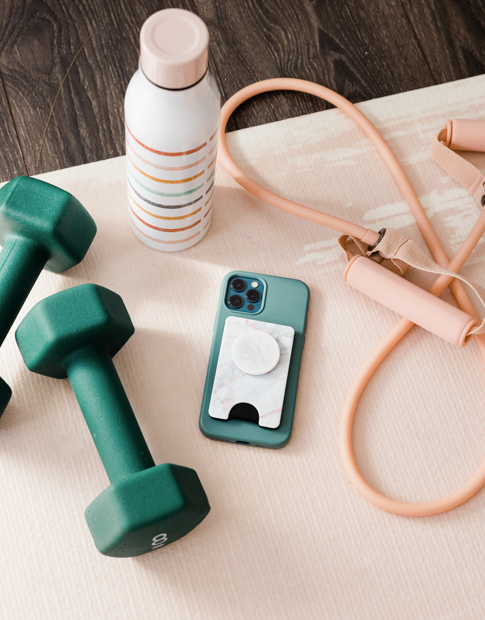
    • Using physical activity (e.g., walking, biking, playing, working out) to cope with the pandemic
    • Helped them to stay busy and to connect with friends and family
    • Helped add some structure to their daily schedules
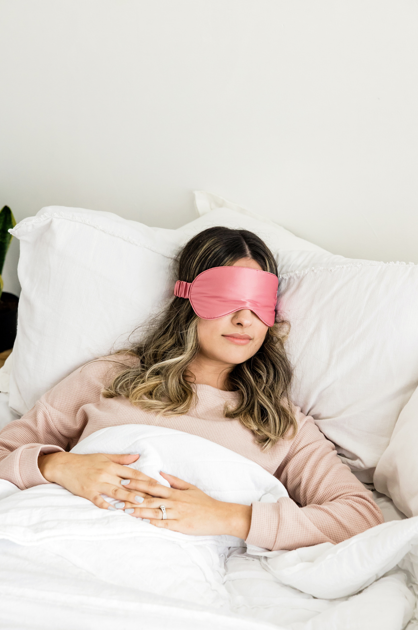
    • Experiencing changes to their sleep schedules during lockdown
    • Later bedtimes
    • Later wakeup times
    • Having more time for relaxation in their daily schedules during lockdown, usually later in the day

    The group who was low on both the internal and external need to be perfect seemed to have the most positive attitudes towards these changes:

    • Focused on the health benefits of having more time to exercise and be active
    • Talked about getting extra sleep during lockdown as a positive thing
    • Were the most aware of the extra opportunities for relaxation during lockdown, compared to the other three groups

    In contrast, the other three groups (i.e., who expected themselves to be perfect, believed others expected them to be perfect, or both) had more negative attitudes towards the changes brought on by the pandemic.

    When they talked about physical activity…

    None of these groups mentioned focusing on the “silver lining” of having more time to be active and the benefits this may have for their overall health

    When they talked about sleep…

    Both groups with high levels of the internal need to be perfect, or who put pressure on themselves to be perfect, mentioned that the shifts to their sleep schedules had a negative impact on their day-to-day lives

    For example, one participant mentioned that sleeping in throws off her whole schedule for the day and reduces her motivation to do her schoolwork

    The group who primarily felt pressure from others to be perfect (I.e., high levels of the external need to be perfect) credited the changes to their sleep patterns to feeling unmotivated and like they have nothing better to do

    When they talked about relaxation…

    Both groups with high levels of the internal need to be perfect, or who put pressure on themselves to be perfect, talked about having to make active attempts to relax

    In describing what they do to relax, they seemed to talk about completing new tasks and trying to do relaxation activities that they considered to be worthwhile

    These groups seemed to have trouble letting go of their perfectionistic standards and need to be productive during the pandemic

    In Conclusion…

    Interviews with perfectionistic teens suggested that the first lockdown offered them a break from their usual schedules and responsibilities, which gave them more time to focus on their healthy habits.

    However, teenagers who were high in the internal need to be perfect, or who tended to have impossibly high expectations for themselves, seemed to have more trouble taking advantage of this break. They seemed to respond negatively to the shifts in their sleep schedules and had to remind themselves to relax, often trying to choose the most productive relaxation activities.

    Altogether…

    Part one and part two of this study indicate that the early stages of the pandemic gave teenagers a welcome break from their regular lives, where they were able to make time for healthier habits.

    However, “extreme” perfectionists, who hold impossibly high standards for themselves and believe that other people will be disappointed in them if they are not perfect, were the most likely to engage in fewer healthy habits during the pandemic (as seen in Study One). Study Two revealed that one key barrier to engaging in healthy habits in an effective way during the pandemic is having difficulty letting go of self-driven perfectionistic standards.

    TO LEARN MORE ABOUT THIS STUDY, CHECK OUT:

    Blackburn, M., Methot-Jones, T., Molnar, D. S., Zinga, D., Spadafora, N., & Tacuri, N. (2022). Assessing changes to adolescent health-promoting behaviors following the onset of the COVID-19 pandemic: A multi-methods exploration of the role of within-person combinations of trait perfectionism. Personality and Individual Differences, 189, 111492. https://doi.org/10.1016/j.paid.2021.111492

    PLEASE NOTE: The information presented in this blog is intended for information purposes only. It is not intended to be used as diagnostic criteria. Perfectionism is not a recognized psychological disorder. The information in this blog is NOT a substitute for advice by an appropriate health professional. If you are experiencing distress, please contact an appropriate health professional.

    OTHER HELPFUL REFERENCES IN THIS POST:

    Cummings, J. R., Wolfson, J. A., & Gearhardt, A. N. (2022). Health-promoting behaviors in the United States during the early stages of the COVID-19 pandemic. Appetite, 168, Article 105659. https://doi.org/j.appet.2021.105659

    Flett, G. L., Hewitt, P. L., Besser, A., Su, C., Vaillancourt, T. Boucher, D., Munro, Y., Davidson, L. A., & Gale, O. (2016). The child-adolescent perfectionism scale: Development, psychometric properties, and associations with stress, distress, and psychiatric symptoms. Journal of Psychoeducational Assessment, 34, 634-652. https://doi.org/10.1177/0734282916651381

    Gaudreau, P., & Thompson, A. (2010). Testing a 2 x 2 model of dispositional perfectionism. Personality and Individual Differences, 48, 532-537. https://doi.org/10.1016/j.paid.2009.11.031

    Hewitt, P. L., & Flett, G. L. (1991). Perfectionism in the self and social contexts: Conceptualization, assessment, and association with psychopathology. Journal of Personality and Social Psychology, 60(3), 456-470. https://doi.org/10.1037/0022-3514.60.3.456

    Hewitt, P. L., Flett, G. L., & Mikail, S. F. (2017). The comprehensive model of perfectionistic behavior. In Perfectionism: A Relational Approach to Conceptualization, Assessment, and Treatment (pp. 25-63). The Guilford Press.

    Molnar, D. S., Sirois, F. M., Flett, G. L., & Sadava, S. (2020). A person-oriented approach to multidimensional perfectionism: Perfectionism profiles in health and well-being. Journal of Psychoeducational Assessment, 38(1), 127-142. https://doi.org/10.1177/0734282919877754

    Shanahan, L., Steinhoff, A., Bechtiger, L., Murray, A. L., Nivette, A., Hepp, U., Ribeaud, D., & Eisner, M. (2020). Emotional distress in young adults during the COVID-19 pandemic: Evidence of risk and resilience from a longitudinal cohort study. Psychological Medicine, 1-32. https://doi.org/10.1017/s003329172000241x

    Sirois, F. M. (2001; 2019). The Wellness Behaviors Inventory. Unpublished manual. University of Sheffield.

    Sirois, F. M., Toussaint, L., Hirsch, J. K., Kohls, N., & Offenbacher, M. (2021). A person-centered test of multidimensional perfectionism and health in people with chronic fatigue syndrome versus health controls. Personality and Individual Differences, 181, Article 111036. https://doi.org.10.1016/j.paid.2021.111036

    Sirois, F. M., Toussaint, L., Hirsch, J. K., Kohls, N., Weber, A., & Offenbacher, M. (2019). Trying to be perfect in an imperfect world: A person-centered test of perfectionism and health in fibromyalgia patients versus healthy controls. Personality and Individual Differences, 137, 27-32. https://doi.org/10.1016/j.paid.2018.08.005

    Stoeber, J., & Otto, K. (2006). Positive conceptions of perfectionism: Approaches, evidence, challenges. Personality and Social Psychology Review, 10(4), 295-319. https://doi.org/10.1207/s15327957PSr1004_2

    Vickers, R. R., Conway, T. L., & Hervig, L. K. (1990). Demonstration of replicable dimensions of health behaviors. Preventative Medicine, 19(4), 377-401. https://doi.org/10.1016/0091-7435(90)90037-k

    Categories: Blog

  • What Role Did Perfectionism Play in Changes to Healthy Habits During the Pandemic? Part One — Survey Says…

    HERE’S THE BOTTOM LINE…

    In the early stages of the pandemic, teenagers were generally making time to focus on their healthy habits, including daily exercise, healthy eating, relaxation, and adequate sleep. However, teenagers who put pressure on themselves to be perfect and also felt that other people expect them to be perfect reported engaging in fewer healthy habits during the pandemic. This suggests that being an “extreme” perfectionist may be a risk factor for poorer health-related behaviours, particularly in the context of the pandemic.

    The COVID-19 pandemic brought on a drastic shift to daily life around the globe. Given the unprecedented times we are living in, there has been concern about how this shift has affected health and well-being, particularly among teenagers (e.g., Volkin, 2020). Even if young people have not been directly affected by the physical consequences of the COVID-19 virus, all youth have been impacted by substantial and sudden changes to their social environments, such as school closures and stay-at-home orders. It is important to examine how these changes may have impacted youth well-being.

    In a recent two-part study from the DPHWB lab, we looked at how the initial stages of the COVID-19 pandemic impacted healthy behaviors and how different forms of perfectionism were linked with these changes among Ontario teenagers. Read below to find out more about Part One!

    What are healthy habits and why are they important?

    Health-promoting behaviors, or healthy habits, are any daily actions that help to support good health and prevent illness (Sirois, 2001; 2019; Vickers et al., 1990). This includes eating healthy and balanced meals, incorporating exercise into your daily routines, getting a good night’s sleep, and finding time to relax. These behaviors seem to be especially important in promoting overall wellness during the pandemic. Specifically, engaging in these types of health behaviors have been likned with better physical well-being and infection prevention (e.g., Cummings et al., 2022) as well as better mental health (e.g., Shanahan et al., 2020) during the COVID-19 pandemic.

    What do you mean by different forms of perfectionism?

    Issues 2 and 3 of The Young & The Perfectionistic focused on perfectionistic cognitions, or automatic thoughts about the intense need to be perfect and to avoid mistakes. However, we can also think of perfectionism at the trait, or dispositional, level (Hewitt et al., 2017). At the trait level, perfectionism involves requiring absolute perfection of yourself and/or others (Hewitt & Flett, 1991). Among teenagers, researchers tend to focus on how and why teenagers demand perfection of themselves (Flett et al., 2016). This tends to happen through two pathways:

    1) Setting unrealistically high standards for yourself (e.g., an internal need to be perfect)

    2) Believing that other people in your life (e.g., parents, teachers, friends, coaches) expect you to be perfect and that they will be disappointed with you if you fail to live up to their impossibly high expectations (e.g., an external need to be perfect)

    However, it does not always have to be one or the other.

    In fact, some researchers suggest that different combinations of the internal and external pressure to be perfect can be linked with different outcomes (e.g.,Gaudreau & Thompson, 2010; Rice & Ashby, 2007; Stoeber & Otto, 2006), including outcomes related to physical health (e.g., Molnar et al., 2020; Sirois et al., 2019; Sirois et al., 2021).

    In the current study, we were interested if the way teenagers’ healthy behaviors changed early on in the pandemic depended on whether they were:

    1) High on the internal need to be perfect

    2) High on the external need to be perfect

    3) High on both the internal and external need to be perfect

    Or 4) Low on both the internal and external need to be perfect (i.e., non-perfectionists)

    How did we test this?

    In Part One, we looked at how teenagers’ answers on surveys about healthy habits and perfectionism changed after the COVID-19 pandemic hit in Ontario. We compared our participants’ most recent pre-pandemic survey answers to their first post-pandemic survey answers. This gave us an idea of how healthy behaviors changed in the early stages of the pandemic. There were 202 participants who were included in the current study. These participants were between 13 and 19 years old and had filled out surveys both before and after the pandemic began.

    What did we find?

    Overall, we found that teenagers were reporting an increase in healthy behaviors at the beginning of the pandemic, compared to before the pandemic. Specifically, the teenagers in our study engaged in the following behaviors significantly more often during the pandemic, compared to before:

    • Got a good night’s sleep
    • Participated in daily exercise
    • Took time to relax
    • Ate fresh fruits and vegetables
    • Ate well-balanced meals

    However, this did not appear to be true for all the participants in our study.

    Teenagers who both set unrealistic expectations for themselves AND believed that others expected them to be perfect reported fewer health-promoting behaviors after the pandemic hit in Ontario.

    In contrast, all other combinations of perfectionism (e.g., high on the internal need to be perfect only, high on the external need to be perfect only, low on both) were more likely to report habits that would improve their overall health, compared to before COVID-19

    In conclusion…

    It is possible that the early stages of the pandemic, which involved school closures and stay-at-home orders, offered most teenagers the chance to focus on their health and improve their healthy habits.

    However, “extreme” perfectionists, who both hold impossibly high standards for themselves and believe that others will be disappointed in them if they are not perfect, were the only group to report fewer healthy habits during the pandemic, compared to before.

    This week’s issue of The Young & The Perfectionistic helped us to understand how perfectionism was linked with changes to teenagers’ healthy habits during the pandemic.

    Next week’s issue will focus on part two of this study, where we looked at interviews with teenage perfectionists during the first COVID-19 lockdown, to help us understand why this may be the case. Stay tuned!

    TO LEARN MORE ABOUT THIS STUDY, CHECK OUT:

    Blackburn, M., Methot-Jones, T., Molnar, D. S., Zinga, D., Spadafora, N., & Tacuri, N. (2022). Assessing changes to adolescent health-promoting behaviors following the onset of the COVID-19 pandemic: A multi-methods exploration of the role of within-person combinations of trait perfectionism. Personality and Individual Differences, 189, 111492. https://doi.org/10.1016/j.paid.2021.111492

    PAPERS MENTIONED IN THE POST:

    Cummings, J. R., Wolfson, J. A., & Gearhardt, A. N. (2022). Health-promoting behaviors in the United States during the early stages of the COVID-19 pandemic. Appetite, 168, Article 105659. https://doi.org/j.appet.2021.105659

    Flett, G. L., Hewitt, P. L., Besser, A., Su, C., Vaillancourt, T. Boucher, D., Munro, Y., Davidson, L. A., & Gale, O. (2016). The child-adolescent perfectionism scale: Development, psychometric properties, and associations with stress, distress, and psychiatric symptoms. Journal of Psychoeducational Assessment, 34, 634-652. https://doi.org/10.1177/0734282916651381

    Gaudreau, P., & Thompson, A. (2010). Testing a 2 x 2 model of dispositional perfectionism. Personality and Individual Differences, 48, 532-537. https://doi.org/10.1016/j.paid.2009.11.031

    Hewitt, P. L., & Flett, G. L. (1991). Perfectionism in the self and social contexts: Conceptualization, assessment, and association with psychopathology. Journal of Personality and Social Psychology, 60(3), 456-470. https://doi.org/10.1037/0022-3514.60.3.456

    Hewitt, P. L., Flett, G. L., & Mikail, S. F. (2017). The comprehensive model of perfectionistic behavior. In Perfectionism: A Relational Approach to Conceptualization, Assessment, and Treatment (pp. 25-63). The Guilford Press.

    Molnar, D. S., Sirois, F. M., Flett, G. L., & Sadava, S. (2020). A person-oriented approach to multidimensional perfectionism: Perfectionism profiles in health and well-being. Journal of Psychoeducational Assessment, 38(1), 127-142. https://doi.org/10.1177/0734282919877754

    Shanahan, L., Steinhoff, A., Bechtiger, L., Murray, A. L., Nivette, A., Hepp, U., Ribeaud, D., & Eisner, M. (2020). Emotional distress in young adults during the COVID-19 pandemic: Evidence of risk and resilience from a longitudinal cohort study. Psychological Medicine, 1-32. https://doi.org/10.1017/s003329172000241x

    Sirois, F. M. (2001; 2019). The Wellness Behaviors Inventory. Unpublished manual. University of Sheffield.

    Sirois, F. M., Toussaint, L., Hirsch, J. K., Kohls, N., & Offenbacher, M. (2021). A person-centered test of multidimensional perfectionism and health in people with chronic fatigue syndrome versus health controls. Personality and Individual Differences, 181, Article 111036. https://doi.org.10.1016/j.paid.2021.111036

    Sirois, F. M., Toussaint, L., Hirsch, J. K., Kohls, N., Weber, A., & Offenbacher, M. (2019). Trying to be perfect in an imperfect world: A person-centered test of perfectionism and health in fibromyalgia patients versus healthy controls. Personality and Individual Differences, 137, 27-32. https://doi.org/10.1016/j.paid.2018.08.005

    Stoeber, J., & Otto, K. (2006). Positive conceptions of perfectionism: Approaches, evidence, challenges. Personality and Social Psychology Review, 10(4), 295-319. https://doi.org/10.1207/s15327957PSr1004_2

    Vickers, R. R., Conway, T. L., & Hervig, L. K. (1990). Demonstration of replicable dimensions of health behaviors. Preventative Medicine, 19(4), 377-401. https://doi.org/10.1016/0091-7435(90)90037-k

    Volkin, S. (2020, May 11). The impact of the COVID-19 pandemic on adolescents: Faculty experts from the John Hopkins Center for Adolescent Health discuss the challenges faced by adolescents during the coronavirus pandemic. Hub. https://hub.jhu.edu/2020/05/11/covid-19-and-adolescents/

    PLEASE NOTE: The information presented in this blog is intended for information purposes only. It is not intended to be used as diagnostic criteria. Perfectionism is not a recognized psychological disorder. The information in this blog is NOT a substitute for advice by an appropriate health professional. If you are experiencing distress, please contact an appropriate health professional.

    Categories: Blog

  • Can Perfectionism Actually Affect my Health?

    HERE’S THE BOTTOM LINE…

    Needing to be perfect and believing that others demand perfection from you is linked with poorer physical health. People who think a lot about their need to be perfect and are stressed show evidence of immune system dysregulation. Perfectionism may undermine immune system functioning, which could leave people at a higher risk for poorer physical health.

    In our last post, we discussed how thinking a lot about needing to be perfect or being hyper-focused on not being perfect can result in poorer mental health. The effects of perfectionism are certainly far-reaching as research has shown that requiring perfection contributes to depression (Smith et al., 2021), anxiety (Burgess & DiBartolo, 2016), and eating disorders (Bardone-Cone et al., 2007). The question that we will tackle this week is: Do the effects of perfectionism extend to our physical health?

    The quick and simple answer is yes! Many studies over the last 25 years have shown that perfectionism is related to poorer physical health (Bonvanie et al., 2015; Pritchard et al., 2007; Saboonchi & Lundh, 2003; Sirois & Molnar, 2016). For example, some of our earlier work showed that people who believe that others expect perfection from them experience more physical health symptoms such as headaches, colds, and fatigue compared to those who do not have these beliefs (see Molnar et al., 2006).

    However, we have to keep in mind that how perfectionism is related to physical health can differ depending on the type of perfectionism that we are experiencing. For example, findings show that people who believe that others demand perfection from them (researchers call this socially prescribed perfectionism) tend to experience poorer health across the board whereas those who demand perfection from themselves (researchers refer to this as self-oriented perfectionism) tend to have a complicated relationship with health with some experiencing better health, some experiencing no changes in health, and others experiencing poorer health (Molnar et al., 2012).

    So we know that perfectionism is linked with our physical health and often leads to poorer health. However, a lingering question is, why is perfectionism related to our health?

    One of our more recent studies may have part of the answer. This study included 248 Canadian young adults (52% female; average age = 23 years) who completed questionnaires that measured how often they thought about their need to be perfect and their stress levels. They also provided blood samples so that we could assess how their immune system was functioning; we were specifically interested in what researchers refer to as low-grade inflammation. Inflammation can occur when a pathogen, virus or bacteria enters the body or when we are injured.

    Sometimes inflammation can be good for us because it can keep our body balanced and healthy, but if the inflammation persists for a prolonged period of time, it can lead to poorer outcomes. Our results showed that when people consistently think that they need to be perfect and are stressed, they are more likely to experience higher levels of inflammation. In other words, young adults who thought a lot about their need to be perfect and were stressed showed evidence of immune system dysregulation. These findings suggest that perfectionism may undermine immune system functioning, which could put people at higher risk for poorer health.

    PAPERS MENTIONED IN THE POST:

    Bardone-Cone, A. M., Wonderlich, S. A., Frost, R. O., Bulik, C. M., Mitchell, J. E., Uppala, S., & Simonich, H. (2007). Perfectionism and eating disorders: current status and future directions. Clinical psychology review, 27(3), 384–405. https://doi.org/10.1016/j.cpr.2006.12.005

    Bonvanie, I.J., Rosmalen, J.G.M., van Rhede van der Kloot, C.M., Oldehinkel, A.J., & Janssens, K.A.M. (2015). Short report: functional somatic symptoms are associated with perfectionism in adolescents. Journal of Psychosomatic Research, 79 (4), 328–330. https://Doi.org/10.1016/j.jpsychores.2015.07.009.

    Burgess, A., & DiBartolo, P. M. (2016). Anxiety and perfectionism: Relationships, mechanisms, and conditions. In Perfectionism, health, and well-being (pp. 177-203). Springer, Cham.

    Fry, P.S., & Debats, D.L. (2009). Perfectionism and the five-factor personality traits as predictors of mortality in older adults. Journal of Health Psychology, 14 (4), 513–524. https:// doi.org/10.1177/1359105309103571

    Molnar, D. S., Moore, J., O’Leary, D. D., MacNeil, A. J., & Wade, T. J. (2021). Perfectionistic cognitions, Interleukin-6, and C-Reactive protein: A test of the perfectionism diathesis stress model. Brain, Behavior, & Immunity – Health, 13, 100211.

    Molnar, D.S., Sadava, S.W., Flett, G.L., & *Colautti, J. (2012). Perfectionism and health: Examining the roles of stress, health-related behaviours, and social support. Psychology & Health, 27, 846-864.

    Molnar, D.S., Reker, D.L., Culp, N. A., Sadava, S.W., & DeCourville, N.H. (2006). A mediated model of perfectionism, affect, and physical health. Journal of Research in Personality, 40, 482-500.

    Pritchard, M.E., Wilson, G.S., & Yamnitz, B. (2007). What predicts adjustment among college students? A longitudinal panel study. Journal of American College Health 56 (1), 15–21. https:// doi.org/10.3200/jach.56.1.15-22.

    Saboonchi, F., & Lundh, L.G. (2003). Perfectionism, anger, somatic health and positive affect. Personality and Individual Differences, 35, 1585–1599.

    Sirois, F. M., & Molnar, D. S. (Eds.) (2016). Perfectionism, Health, and Well-Being. Cham, Switzerland: Springer International Publishing.

    Smith, M. M., Sherry, S. B., Ray, C., Hewitt, P. L., & Flett, G. L. (2021). Is perfectionism a vulnerability factor for depressive symptoms, a complication of depressive symptoms, or both? A meta-analytic test of 67 longitudinal studies. Clinical Psychology Review, 84, 101982. doi:https://doi.org/10.1016/j.cpr.2021.101982

    PLEASE NOTE: The information presented in this blog is intended for information purposes only. It is not intended to be used as diagnostic criteria. Perfectionism is not a recognized psychological disorder. The information in this blog is NOT a substitute for advice by an appropriate health professional. If you are experiencing distress, please contact an appropriate health professional.

    Categories: Blog

  • How do Perfectionistic Thoughts Contribute to Mental Health During the COVID-19 Pandemic among Young Adults

    HERE’S THE BOTTOM LINE…

    Perfectionistic automatic thoughts are relatively common among young adults with about 2 in 5 young adults experiencing thoughts about the need to be perfect at least moderately often. Thoughts about the need to be perfect tended to decrease among young adults during the early stages of the COVID-19 pandemic. Young adults who more frequently thought about needing to be perfect experienced higher levels of depressive symptoms both before and during the pandemic compared to those who experienced perfectionistic thoughts less frequently. Young adults who more frequently engaged in perfectionistic automatic thinking experienced higher levels of anxiety before and during the pandemic and experienced a greater increase in anxiety symptoms pre-pandemic to during the pandemic.

    Many of us have thought to ourselves at one point or another that we need to be perfect, or we need to do better. It is also not uncommon to think about our mistakes, and specifically how much we hate making mistakes. These thoughts are referred to by perfectionism researchers as “perfectionistic automatic thoughts” or “perfectionistic cognitions.” Whereas some of us have little experience with these thoughts, others seem to have them playing on a continuous loop in their heads. Are these thoughts changeable over time? How do these thoughts affect our mental health? In this post, we will look at the findings from a recent study (Molnar et al., 2020) that examined how the COVID-19 pandemic may have impacted the amount of perfectionistic thoughts experienced by young adults and how perfectionistic thoughts may contribute to anxiety and depressive symptoms.

    What are perfectionistic automatic thoughts?

    Perfectionistic automatic thoughts or perfectionistic cognitions are thoughts that people have about their strong need to be absolutely perfect or their concerns about not being perfect along with a focus on any potential flaws or mistakes that they may have made. People who frequently engage in perfectionistic thinking tend to focus on their belief that they are not perfect, but that they should be perfect (see Molnar & Murphy, 2016 for more detailed information).

    How common are perfectionistic automatic thoughts among young adults?

    In a recent study, 171 young adults from Southern Ontario, Canada, between the ages of 19 and 25 years, completed surveys assessing how frequently they experienced perfectionistic automatic thoughts along with questionnaires measuring their levels of anxiety and depressive symptoms (Molnar et al., 2021). Importantly, these young adults completed these surveys both before the COVID-19 pandemic began and again 6-9 months into the pandemic. Some interesting findings emerged. Our results showed that before the pandemic began approximately 32% of young adults experienced perfectionistic thoughts moderately often, while an additional 6% of young adults indicated that they experienced these thoughts either often or all of the time. In other words, about 2 out of 5 young adults thought about their need to be perfect fairly often.

    Are perfectionistic automatic thoughts changeable and did they change with the onset of the COVID-19 pandemic?

    It appears that perfectionistic thoughts can change over time. The results of the study show that the frequency with which young adults experienced thoughts about the need to be perfect decreased from before the pandemic to the early stages of the pandemic. It must be noted; however, that the decrease was relatively small (i.e., average levels before the pandemic = 45.24; average levels during the pandemic = 41.07). Given the stress of the pandemic and the related government-mandated lockdowns, why would perfectionistic thoughts have decreased among young adults? According to Dr. Gordon Flett and Dr. Paul Hewitt, the pandemic may have prompted people to disengage from perfectionistic thinking and to instead embrace healthier thinking patterns such as focusing more so on self-care (Flett & Hewitt, 2020).

    Thus, during the early stages of the pandemic, people may have shifted their focus away from their need to be perfect and towards their own and their family’s health and well-being. However, it is far too early to make any strong conclusions about how the pandemic is affecting perfectionistic thinking patterns. For example, the pandemic could also theoretically provoke people to more frequently engage in perfectionistic thinking in an effort to achieve a greater sense of control, security, and meaning (Flett & Hewitt, 2020).

    This idea is based on the notion that perfectionistic people tend to have a strong need for control and a felt sense of security was likely disrupted for many as a direct result of the pandemic and its related lockdowns.

    How are perfectionistic automatic thoughts related to mental health among young adults?

    Young adults who had more frequent thoughts about needing to be perfect before the onset of the pandemic experienced more depressive symptoms before the pandemic and during the early stages of the pandemic. This is consistent with other studies that have shown clear links between perfectionistic thoughts and depression (e.g., Besser et al., 2020). However, our findings did not show that experiencing more frequent perfectionistic thoughts predicted changes in depressive symptoms. This is because depressive symptoms did not change among our sample of young adults from before the pandemic began to the early stages of the pandemic.

    Anxiety, however, did increase from before the pandemic began to during the pandemic. Importantly, young adults who more frequently thought about their need to be perfect experienced higher levels of anxiety before the pandemic, during the pandemic, and experienced greater increases in anxiety from before the pandemic to the early stages of the pandemic. Our results are consistent with other studies that have also shown that perfectionistic automatic thoughts increase risk for anxiety (e.g., Tyler et al., 2021).

    Taken together, these findings support the idea that individuals who experience frequent thoughts about needing to be perfect or are persistently concerned about not being perfect are more vulnerable to poorer mental health and that this vulnerability may be heightened when under stressful circumstances such as a global pandemic. Contrary to many people’s beliefs that perfectionistic thoughts are good for you because they can foster motivation and self-improvement, our results show that these thoughts are harmful by undermining mental health.

    To learn more about this study, check out:

    Molnar, D. S., Methot-Jones, T., Moore, J., O’Leary, D. D., & Wade, T. J. (2021). Perfectionistic cognitions pre-pandemic predict greater anxiety symptoms during the pandemic among emerging adults: A two-wave cross-lagged study. Journal of Rational-Emotive and Cognitive-Behavior Therapy: RET, 1–19. Advance online publication. https://doi.org/10.1007/s10942-021-00423-1

    Other helpful resources in the post:

    Besser, A., Flett, G. L., Sherry, S. B., & Hewitt, P. L. (2020). Are perfectionistic thoughts an antecedent or a consequence of depressive symptoms? A cross-lagged analysis of the perfectionism cognitions inventory. Journal of Psychoeducational Assessment, 38(1), 99–111. https://doi.org/10.1177/0734282919877764

    Flett, G. L., & Hewitt, G. L. (2020). The perfectionism pandemic meets COVID-19: Understanding the stress, distress, and problems in living for perfectionists during the global health crisis. Journal of Concurrent Disorders, 2(1), 80-105.

    Molnar D.S. & Murphy E.L. (2016). Perfectionistic Cognitions. In: Zeigler-Hill V., Shackelford T. (eds) Encyclopedia of Personality and Individual Differences. Springer, Cham. https://doi.org/10.1007/978-3-319-28099-8_1105-1

    Tyler, J., Mu, W., McCann, J., Belli, G., & Asnaani, A. (2021). The unique contribution of perfectionistic cognitions to anxiety disorder symptoms in a treatment-seeking sample. Cognitive Behaviour Therapy, 50(2), 121–137. https://doi.org/10.1080/16506073.2020.1798497

    Categories: Blog

  • Introducing the Blog

    Welcome to “The Young & The Perfectionistic” blog! If you or someone you know feels constant pressure to be perfect, are afraid of making mistakes, terrified of failure, constantly doubts decisions, needs to check or redo work, or can’t enjoy success because it often feels like even more pressure to do better next time, then you are in the right place.


    In this blog, we will be discussing how teens, their parents, and people who engage with teenagers (e.g., educators, coaches, practitioners, etc.) understand and experience perfectionism. Our lab is dedicated to helping young people, their families, and those who work with teens gain a better understanding of what it means to be a teen perfectionist and how perfectionism is experienced in their daily lives. The goal is to use our findings to inform prevention and intervention strategies aimed at lessening perfectionism and its associated costs for teens and their families.

    We will provide our latest research findings to help answer questions such as “How do I know if I am a perfectionist?”, “Is perfectionism good for me?”, “How does perfectionism affect my mental and physical health?” and “How common is perfectionism?” We will also chat about studies with other researchers to provide a rich and diverse set of perspectives on these complicated questions. Perfectionism is a very complex topic so there is much to discuss! Stay tuned for our second blog post entitled “How do perfectionistic thoughts contribute to mental health during the COVID-19 pandemic among young adults?”

    PLEASE NOTE: The information presented in this blog is intended for information purposes only. It is not intended to be used as diagnostic criteria. Perfectionism is not a recognized psychological disorder. The information in this blog is NOT a substitute for advice by an appropriate health professional. If you are experiencing distress, please contact an appropriate health professional.

    Categories: Blog