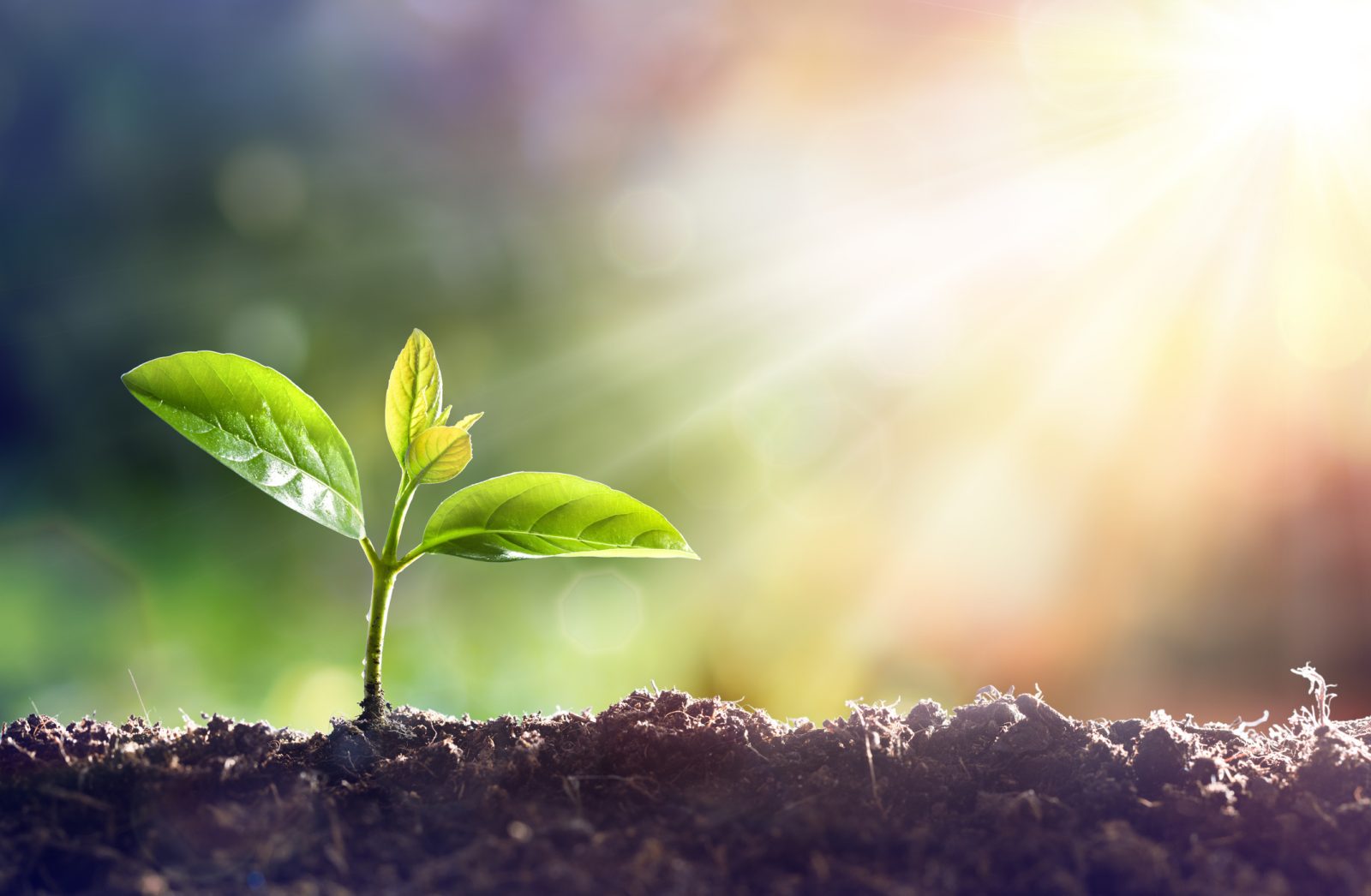
 Creating an Indigenous-informed lesson on photosynthesis for Indigenous high school students is the focus of research by Assistant Professor of Women’s and Gender Studies Lyn Trudeau and Associate Professor of Chemistry Divya Matta Kaur.
NOTE: Brock University announced the creation of its Indigenous Research Grant in 2021. This is one in a series of articles profiling the research of the 2026 recipients of this yearly internal award. Read more on the series on The Brock News.
What’s now an innovative interdisciplinary research project began over a simple cup of coffee in Lyn Trudeau’s office.
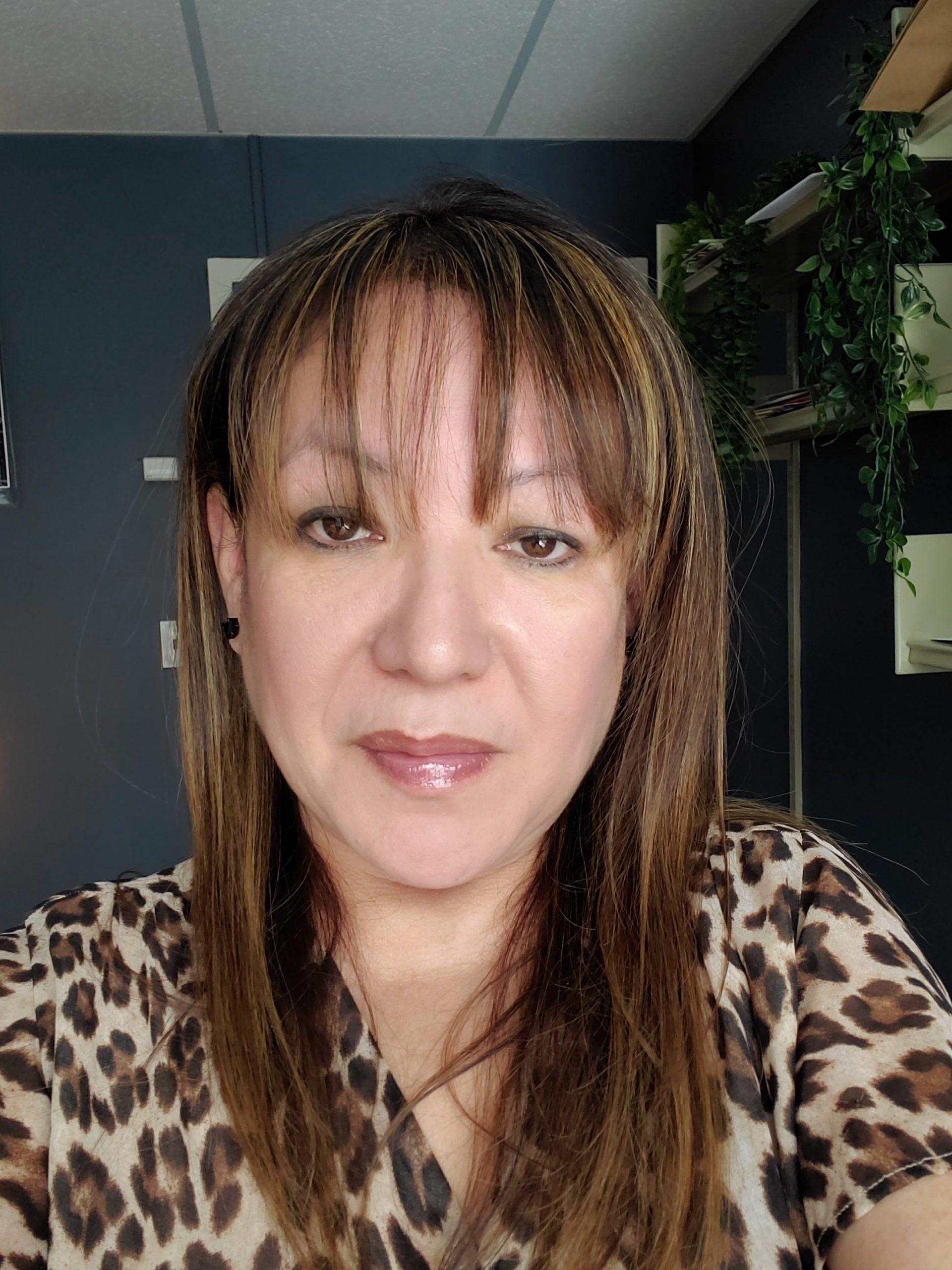
Assistant Professor of Women’s and Gender Studies Lyn Trudeau
There, the Brock University Assistant Professor of Women’s and Gender Studies connected with Brock chemist Divya Matta Kaur to discuss their interests and work.
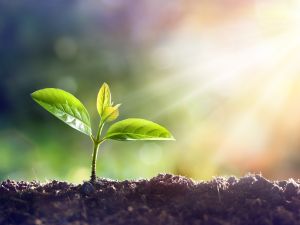
Matta Kaur, an expert in photosynthesis, was sharing the wonder of how plants transform sunlight into oxygen that sustains life for people, plants and animals.
Something about that explanation resonated with Trudeau, who is from Sagamok Anishinawbek First Nation, Eagle Clan.
“Science is actually beautiful and amazing; it needs storytelling,” she says. “It starts at our relationship with the land. We have stories about the sun and how things grow, with all kinds of connections and concepts giving us understanding about life around us.”
Matta Kaur also experienced an epiphany during their conversation.
“As a computational chemist, I study photosynthesis at a molecular level, exploring how chlorophyl captures rays from the sun and transforms them into energy,” says the Associate Professor of Chemistry. “We show the chemical equations in classrooms about how photosynthesis works, but we often overlook how there is a deeper relationship connecting sunlight, plant, oxygen, land and life itself.”
The conversation sparked an education research project, Relational Light: Co-Creating an Indigenous-Informed Photosynthesis Lesson through Etuaptmumk/Two-Eyed Seeing, that spans Matta Kaur and Trudeau’s distinct but complementary areas of expertise.
During the year-long project, the pair will develop an Indigenous-informed lesson on photosynthesis for Indigenous high school students that weaves together Anishinaabe and Etuaptmumk/Two-Eyed Seeing teachings and Western lessons on how photosynthesis works.
There are three stages in the research.

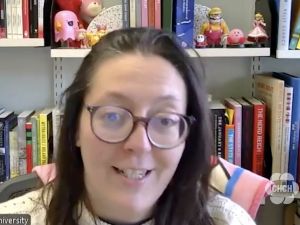
Associate Professor of Chemistry Divya Matta Kaur
Firstly, Trudeau, Matta Kaur and their research assistant will review how photosynthesis is currently taught in Grades 11 and 12. They will analyze the Ontario high school science curriculum to see if and how relationships among the sun, land, humans and animals and environmental ecosystems are explained or could be integrated.
The next step involves the research team reaching out to Indigenous and non-Indigenous educators from local school boards to shape the integration of scientific and cultural principles into photosynthesis lesson plans.
Finally, the team will co-design a photosynthesis lesson plan rooted in Indigenous cultures using the material they gathered from the curriculum analysis and consultation process.
Matta Kaur says this could include models showing how energy from light enters plants and is transformed into oxygen.
Trudeau says conventional models may also be modified to illustrate Indigenous understandings of plants “by representing light and breath through relational imagery grounded in story, culture and land.”
“As both a teaching resource and an exemplar, the lesson plan will demonstrate that science can be pursued in ways that honour relational teachings rather than replace them,” she says.
Matta Kaur says one of the team’s visions is to shift focus from STEM — science, technology, engineering and math — to STEAM by including the arts in their work.
“By moving towards STEAM, we’re breaking traditional boundaries between sciences and the arts,” she says. “Scientific discovery depends upon curiosity and imagination. We’re hoping to demonstrate that art and storytelling is not just an addition to science education but a way to see the same familiar problem from different perspectives.”
Trudeau hopes this new approach will encourage more Indigenous students to pursue post-secondary studies and careers in the sciences.
“Maybe those Indigenous high school students will see that their culture, their nations are being honoured and valued in the photosynthesis lesson plans,” she says. “We can carry in our own storytelling from ancestral knowledge to future students.”